
Understanding Full Color Brochure Printing
Full color brochure printing is a sophisticated printing process that involves reproducing vibrant, multi-hued images and designs onto high-quality paper. This method is essential for businesses and organizations looking to create visually striking marketing materials that effectively communicate their messages. In essence, full color printing captures the full spectrum of colors, ensuring that each image and design element appears vivid, accurate, and eye-catching.
The importance of full color brochures in marketing cannot be understated. Brochures serve as tangible representations of a brand’s identity, offerings, and values. When printed in full color, they are capable of attracting attention, engaging viewers, and leaving a memorable impression. The richness and depth of color achieved through this process help to highlight product features, showcase design aesthetics, and convey professionalism.

One of the core advantages of full color brochure printing is its ability to reproduce complex visuals with precision. From detailed product images to intricate logo designs, the process ensures that every element maintains clarity and vibrancy. This visual fidelity is paramount for industries such as fashion, real estate, hospitality, and retail, where visual appeal directly translates to customer interest and engagement.
Modern full color printing employs advanced printing technology, such as offset or digital printing, which allows for consistent color output and high-resolution results. These methods ensure that each brochure looks professional and polished, reflecting the quality standards expected by discerning clients. Whether for small runs or large production demands, full color brochure printing provides flexibility and excellence in reproducing colored imagery.
Furthermore, full color printing allows for the seamless integration of various design elements, including text, images, gradients, and textures. This harmony between different visual components amplifies the overall effectiveness of the brochure, making it a powerful communication tool. By leveraging vibrant hues and subtle shades, businesses can craft brochures that resonate emotionally with their target audiences and effectively communicate their brand story.
In the competitive landscape of marketing materials, the quality of color reproduction can be a key differentiator. High-quality full color brochures stand out on racks and desks, compelling viewers to pick them up and explore further. Properly executed, these brochures serve not merely as advertisements, but as tactile brand ambassadors that reinforce trust and credibility.
Choosing the right full color brochure printing service involves considering factors like color accuracy, material quality, and printing technology. The goal is to produce materials that are as visually stunning as envisioned, ensuring that the final product aligns with the brand’s identity and marketing objectives. With the proliferation of digital tools and printing advancements, achieving vibrant, consistent full color output has become more accessible and reliable than ever before.
Understanding Full Color Brochure Printing
Full color brochure printing is a vital component of effective marketing and brand communication. It involves the precise reproduction of a broad spectrum of colors to produce vibrant, eye-catching promotional materials. This process relies on advanced printing technologies to ensure that images, text, and design elements are rendered with exceptional accuracy and consistency. The importance of color fidelity cannot be overstated, as it directly impacts the visual appeal and perceived quality of the final product.
One of the key benefits of full color brochure printing is its ability to seamlessly integrate complex design elements. High-resolution images, gradients, textures, and textual components can be combined within a single layout to create a cohesive and engaging narrative. This flexibility enables businesses to craft visually compelling stories that resonate emotionally with their target audiences, fostering a stronger brand connection.
The advanced techniques employed in full color printing, such as four-color process printing, allow for the precise layering of Cyan, Magenta, Yellow, and Black (CMYK) inks. This process ensures a wide color gamut, enabling the reproduction of subtle shades and complex hues that elevate the overall quality of the brochure. Achieving accurate color matching across different print runs is essential, which is why professional calibration and color management systems are often used to maintain consistency.
High-quality paper and coating options further enhance the vibrancy of full color brochures. Glossy finishes can amplify the luminosity of images, making them stand out on shelves or in hand. Matte coatings, on the other hand, provide a sophisticated look and reduce glare, which is ideal for brochures with text-heavy content. Material selection is a critical consideration, as it influences the durability and tactile experience of the printed materials.
Modern full color printing also benefits from digital workflow integration, allowing for streamlined proofs and adjustments before the final run. This ensures that the colors represented on digital screens closely match those on the printed material, reducing the likelihood of discrepancies and enhancing the overall quality assurance process.
Incorporating vibrant and accurate colors into brochures not only captures immediate attention but also reinforces brand consistency. Businesses that invest in professional full color printing can effectively communicate their message, showcase their products, and establish a trustworthy image that appeals across diverse marketing channels. With ongoing advancements in printing technology, achieving rich, vibrant, and consistent color reproduction is more reliable than ever, facilitating the creation of truly impactful marketing collateral. Full color brochure printing is a powerful tool for businesses looking to make a memorable impression on potential clients and partners. By leveraging a comprehensive spectrum of colors, companies can vividly showcase their products, services, and brand identity. This process involves specialized printing techniques that replicate the digital color spectrum onto high-quality paper stocks, ensuring each brochure accurately reflects the intended design and aesthetic.
Achieving consistent, vibrant colors across large print runs demands meticulous color management. This often includes the use of calibrated printers and color correction tools that align digital designs with the final printed output. Advanced color matching systems help maintain uniformity, which is especially critical for branding purposes, where slight discrepancies could diminish the brochure’s overall impact. Furthermore, precise ink formulation and color calibration are vital for reproducing brand colors exactly as envisioned, reinforcing brand recognition and trust.
The choice of inks plays a significant role in the vibrancy and durability of full color brochures. Modern printing facilities typically use CMYK (Cyan, Magenta, Yellow, Black) color models that combine to generate a broad palette of shades and hues. Some high-end printers may also incorporate additional spot colors, such as Pantone, to ensure precise color matching for specific brand colors that cannot be accurately reproduced through CMYK alone. This consideration is essential for businesses committed to color consistency across various marketing materials.
In addition to ink technology, substrate selection and finishing options further enhance the final product. Glossy coatings amplify the luminosity of colors, creating a striking visual impact that captures attention quickly. Matte finishes, on the other hand, offer a sophisticated look while minimizing glare, making text-rich brochures easier to read in different lighting conditions. Specialty coatings like UV gloss or soft-touch matte add tactile appeal, elevating the perceived quality of the printed material.
For businesses aiming for a professional appearance, digital workflows facilitate seamless proofs and adjustments. Digital proofing allows for verification of colors and layout before full production, reducing the risk of errors and ensuring the final product aligns with the initial concept. This process enables fine-tuning of color density and saturation, resulting in brochures that are both vibrant and true to the brand’s visual standards.
Using high-resolution images and vector graphics ensures that full color brochures are sharp and clear, even when scaled for different sizes. Consistency in image quality, color depth, and typography contributes to a polished, cohesive look that enhances brand credibility. When executed with precision, full color brochures not only draw immediate attention but also reinforce brand messaging, fostering long-term recognition.
Moreover, integrating environmentally friendly inks and sustainable substrates aligns your marketing efforts with eco-conscious practices. Many printing services now offer biodegradable or recycled paper options, allowing your business to communicate its commitment to sustainability while maintaining high-quality visual standards. This approach appeals to a broader audience and enhances corporate social responsibility.
Ultimately, the sophistication of full color brochure printing enables businesses to craft impactful, visually engaging marketing collateral. From precise color reproduction to durable finishes, every element works in concert to produce a product that captivates audiences and elevates brand perception. By employing best practices in color management and material selection, companies can ensure their printed materials stand out in competitive markets, effectively conveying their message and values in a compelling manner. Understanding Full Color Brochure Printing

Advanced Techniques for Color Accuracy and Consistency
Achieving vibrant and precise color rendition in full color brochure printing involves leveraging advanced printing technologies and color management systems. Companies often utilize calibrated monitors and color profiles during the design phase to ensure that digital files translate accurately to printed output. The use of ICC (International Color Consortium) profiles allows for standardized color communication across devices, minimizing discrepancies between on-screen previews and physical materials.
In addition, high-end printers employ multiple ink channels, including cyan, magenta, yellow, black (CMYK), and sometimes additional colors such as light cyan and light magenta, which enhances the ability to produce a broad spectrum of hues with depth and vibrancy. These technologies enable marketers to reproduce brand-specific Pantone colors or distinctive artistic palettes without deviation, ensuring brand consistency across various printed collateral.

Rigorous quality assurance processes are integral to maintaining color fidelity. This includes regular calibration of printing equipment and the implementation of proofing systems, such as digital or press proofs, that allow clients to review and approve the color output before mass production begins. These measures help prevent costly reprints caused by color inconsistencies, ultimately saving time and resources.
Utilizing Sustainable Inks and Eco-Friendly Materials
Eco-conscious businesses are increasingly opting for environmentally friendly printing options without sacrificing quality. Soy-based or vegetable-based inks are popular choices that offer vibrant coloration while reducing volatile organic compound (VOC) emissions. These inks are more biodegradable and easier to recycle, aligning the print project with sustainability goals.
Selecting recycled papers or papers sourced from sustainably managed forests further enhances the eco profile of your printed materials. Recycled paper options come in various finishes, weights, and textures, allowing for creative flexibility while upholding environmental commitments. Employing biodegradable coatings and finishes can also improve durability and appearance, ensuring your brochure maintains its visual appeal over time.

Maintaining strict quality standards is essential to delivering excellence in full color brochure printing. This includes continuous staff training on the latest printing technologies and adherence to industry best practices for color management and material handling. Regular equipment maintenance ensures consistent printing results, minimizes waste, and extends the operational lifespan of machinery.
Color consistency throughout the print run is monitored via spectrophotometers and color sensors, which verify that each batch and print aligns with the specified color profile. These quality assurance measures guarantee that every brochure represents the desired color accuracy, elevating the perceived professionalism and trustworthiness of your brand.
Partnering with reputable printing providers who invest in state-of-the-art technology and sustainable practices ensures that your full color brochures not only catch the eye but also reflect your company’s commitment to quality and environmental responsibility. This synergy between advanced printing techniques and eco-friendly materials results in marketing collateral that stands out in competitive markets and positively influences your brand image.
Ensuring Proper Methods for Full Color Brochure Printing
Executing full color brochure printing with precision hinges on employing legitimate and proven techniques for color reproduction and material handling. Authentic processes encompass advanced printing technologies that guarantee the vibrancy and accuracy of colors across the final product. It's crucial to work with vendors who utilize high-resolution presses, such as those offering 500-line screen resolution, to achieve crisp details and seamless color gradients. This level of quality ensures that your brochures effectively communicate your brand image and catch the eye of prospective clients.
In authentic printing environments, color consistency throughout the run is meticulously monitored using calibrated tools like spectrophotometers and color sensors. These devices verify that each batch maintains uniformity, aligning with the specified color profiles. Such rigorous quality assurance practices not only uphold the visual integrity of your brochures but also reinforce your brand’s professionalism in every printed piece.
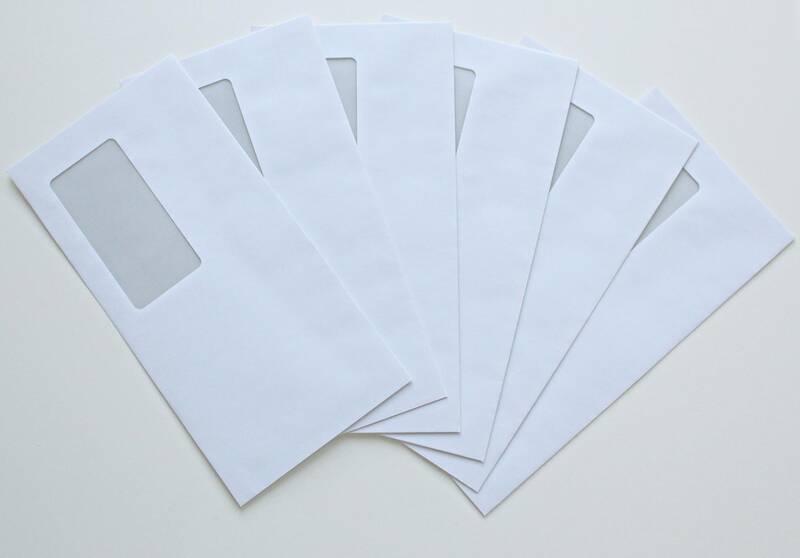
Selection of paper and materials plays a pivotal role in the legitimacy of your brochure printing. Reputable sources advocate for the use of certified, high-quality substrates like matte, gloss, or silk-coated papers that are compatible with full color printing. These materials are often sourced from trusted suppliers that adhere to rigorous industry standards, ensuring durability and consistent performance. Eco-friendly options such as recycled papers and sustainable inks are increasingly popular choices, aligning with environmentally conscious practices while delivering vibrant finishes.
When considering paper weight, opting for thicker stocks—such as 170gsm or higher—enhances the tactile experience and perceived value of your brochures. It's also vital to confirm that the materials used comply with relevant industry standards, which can be verified through certificates and supplier credentials. Such measures guarantee that your printed collateral is made with legitimate, high-quality components, resulting in a professional appearance that accurately reflects your brand.

Implementing legitimate printing methods involves a comprehensive approach—from material selection to printing execution—to ensure the collateral's longevity and visual fidelity. Proper handling during the printing process, such as maintaining optimal ink levels and correct machine calibration, prevents issues like color bleeding or inconsistent densities. Partnering with providers who invest in ongoing staff training, modern technology, and strict quality controls guarantees that your brochures meet high standards for print quality and environmental responsibility.
Moreover, authentic printing services uphold transparent processes and use certified inks—often eco-friendly—that do not compromise color richness or structural integrity. This dedication to quality extends to finishing options like UV coatings or eco-friendly varnishes that protect your brochures from wear and tear, further emphasizing the legitimacy of the printing methods employed.
To truly maximize the impact of your full color brochure, it’s essential to choose reputable printers utilizing proven technologies and materials. This guarantees that the final product not only captivates your audience but also embodies the professionalism and sustainability that your brand stands for. When selecting a printing partner, always verify their adherence to industry standards and their commitment to high-quality, legitimate printing practices—this ensures your marketing collateral genuinely represents your brand’s integrity.
Ensuring Peak Color Fidelity with Legitimate Full Color Brochure Printing Methods
Achieving vibrant, consistent, and durable full color brochures hinges on robust printing techniques that adhere to quality standards. Professional printing providers employ advanced digital and offset printing technologies designed explicitly for high-fidelity color reproduction. These methods utilize precisely calibrated inkjet or lithographic presses, ensuring each brochure maintains the integrity of your original design. Consistent color density, sharp image detail, and smooth gradients are hallmarks of legitimate full color brochure printing, resulting from meticulous process control and quality assurance protocols.
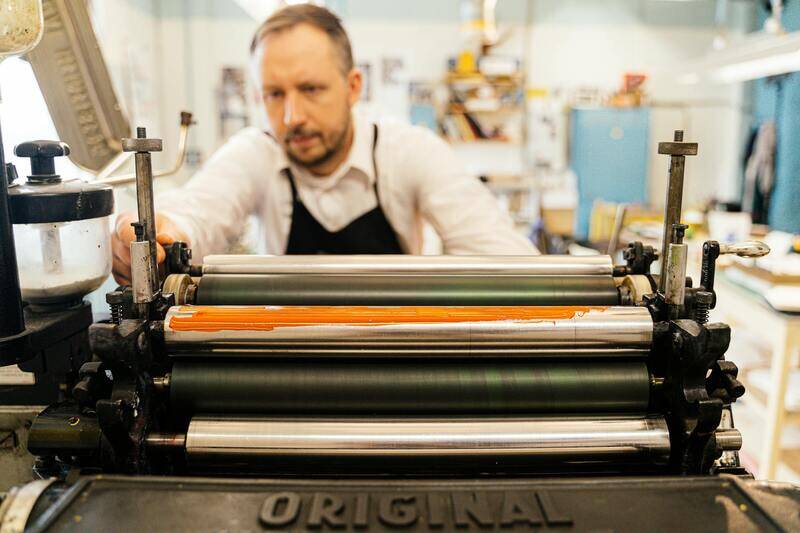
During the printing process, professionals monitor ink levels and machine calibration stringently. This vigilance prevents issues like color bleeding, inconsistent shading, or muddy hues, which can undermine the visual appeal of your brochures. Besides, reputable printers utilize water-based, environmentally friendly inks that ensure color richness without sacrificing sustainability or print durability. These inks are specially formulated to adhere strongly to selected paper substrates, reducing smudging or fading over time, especially when coupled with protective finishes like UV coatings or matte varnishes.
Furthermore, employing ISO-compliant printing equipment and proven color management practices guarantees that color output aligns accurately with your digital files. Color calibration tools and proofing processes validate that the printed brochures meet intended specifications before mass production begins. Such rigorous quality controls affirm that every print run meticulously reproduces your brand’s palette, fostering trust and consistency in your marketing collateral.
Material Choices: Curtailing Variability and Enhancing Longevity
High-quality full color brochure printing also extends to the selection of paper and finishing materials. Standard options include glossy, matte, or satin coatings on premium cardstock or coating-free papers, each imparting a different tactile and visual effect to the final product. Coated papers typically enhance color vibrancy and sharpness, making images pop and text crisp. Conversely, uncoated stocks lend a more subdued, elegant feel suitable for certain branding messages.
Choosing the right weight and texture of paper influences both the durability and perceived value of your brochures. Heavier stocks, such as 400gsm or 600gsm, lend a substantial, professional appearance ideal for premium branding, while lighter weights (e.g., 157gsm) may suit bulk distribution campaigns. Reputable printing companies offer a curated selection of substrates, ensuring compatibility with high-end full color printing techniques, thus preserving the brilliance and integrity of your designs throughout handling and distribution.
Maintaining Colors Through Proper Handling and Finishing
Once printed, brochures can be further enhanced through various finishing options that protect and elevate their aesthetic qualities. UV coatings provide a gloss or matte surface that resists fingerprints and scuffs, crucial for brochures intended for frequent handling. Spot UV treatments selectively highlight design elements, creating a striking contrast that draws attention to key messages or logos. Die-cutting, embossing, and foil stamping can be incorporated to add tactile dimension and a luxurious feel, aligning with branding goals.
It’s essential that finishing processes are executed according to best practices to prevent damage or color distortions. Industry-standard equipment and skilled craftsmanship ensure that finishes are uniformly applied, avoiding issues like uneven coating or misaligned die cuts. In conjunction with proper storage and handling, these measures preserve the print quality, ensuring your brochure’s vibrant colors and professional look endure throughout its lifecycle.
Implementing Official and Secure Methods for Full Color Brochure Printing
To achieve vibrant, professional-quality brochures that effectively communicate your brand message, it is essential to rely on proven and secure printing methods tailored for high-resolution full color output. These methods encompass a combination of advanced printing technologies, strict quality control procedures, and certified materials to ensure consistency, durability, and color fidelity throughout the printing process.
Advanced Printing Technologies
The backbone of high-quality full color brochure printing is the use of professional offset and digital printing presses. Offset printing remains the preferred choice for large volume orders due to its cost efficiency and consistent print quality. This method uses precisely calibrated plates and inks to produce sharp, color-rich images with accurate color matching maintained through standardized color management systems.
Digital printing, on the other hand, offers the advantage of quick turnaround times and cost-effective small batch production, while still delivering impressive color accuracy and crisp detail. Both techniques employ genuine, traceable inks and substrates that meet industry standards, ensuring the safety and reliability of the printed materials.
Color Management and Proofing
Implementing official and secure methods also involves rigorous color management protocols. Pre-press procedures include calibrated monitors, color profiling, and systematic proofing to simulate how colors will appear on the final printed brochure. Secure digital proofs are provided to clients for approval, allowing for any necessary adjustments before the actual print run. This step minimizes discrepancies and guarantees that the final product aligns with branding expectations.
Physical proofs, such as press proofs or color swatches, can also serve as an additional verification layer, ensuring that the color reproduction remains consistent across different batches and substrates.
Use of Certified Materials and Supplies
Reliable brochure printing employs only certified raw materials, including high-grade paper stocks, inks, coatings, and finishes sourced from reputable suppliers. Certification guarantees that these materials adhere to safety and quality standards, preventing issues such as color bleed, smudging, or degradation over time.
Security Measures in the Printing Environment
Ensuring the integrity of your printed brochures also involves employing secure facilities, process controls, and confidentiality measures. Printing facilities that follow industry best practices keep sensitive design files and client information protected through encrypted digital workflows and restricted access to production areas. Regular maintenance and calibration of printing equipment uphold quality standards and prevent unauthorized tampering or quality lapses.
Quality Assurance and Inspection Protocols
During and after the printing process, strict inspection protocols are conducted to verify color accuracy, registration, and finishing touches. Trained quality control personnel monitor each stage, using standardized checklists and digital tools to ensure conformity to specifications. Any issues identified are addressed immediately to prevent defective materials from reaching the client, which maintains consistency and builds trust in the printing service.

Conclusion
Relying on official, validated methods for full color brochure printing is fundamental to achieving professional, durable, and visually impactful marketing materials. From utilizing advanced printing technologies and certified substrates to adhering to meticulous color management and quality control standards, these procedures safeguard the integrity of your branding efforts. Working with reputable printing providers who prioritize transparency, security, and environmental responsibility ensures that each brochure not only meets your expectations but also stands the test of time and handling.
Understanding Full Color Brochure Printing
Full color brochure printing leverages the latest in digital and offset printing technologies to produce vibrant, detailed marketing materials. High-quality color reproduction is essential for capturing attention and conveying brand identity effectively. By utilizing precision color management tools and calibrated printers, printing providers ensure each brochure accurately reflects the designed palette with consistent hues and sharp details. This process involves meticulous color proofing, where digital samples are compared against proofs to guarantee that the final print matches the intended visuals, fostering trust between clients and printing services.
Methodologies Ensuring Color Accuracy
- Color Calibration: Dedicated calibration of printers and monitors minimizes discrepancies between on-screen designs and printed output.
- Color Profiles: Application of standardized color profiles like ISO and Adobe RGB guarantees consistent reproduction across different batches and substrates.
- Color Matching Technologies: Implementation of spectrophotometers and colorimeters allows precise measurement and adjustments during the printing process, maintaining high fidelity.
Investment in these quality assurance measures means that each brochure embodies the visual integrity of your branding, from subtle shades to bold accents, thus strengthening your communication efforts and brand recognition.

Safety and Compliance in Printing Practices
Utilizing recognized, industry-standard methods involves adherence to environmentally responsible practices and the use of certified substrates. Reputable printers employ eco-friendly inks that meet safety standards for indoor and outdoor use, including options that are odorless and free from harmful volatile organic compounds (VOCs). These practices not only ensure the safety of end-users but also foster sustainability and compliance with local environmental guidelines, reflecting a commitment to responsible manufacturing.
Quality Control Throughout Production
To maintain consistent quality, printers implement comprehensive inspection protocols at each stage. Starting with pre-press checks, where digital files are examined for resolution, color profiles, and layout accuracy, the process continues through to the final inspection. During printing, real-time quality monitoring mitigates issues such as misregistration, color deviations, and paper jams. Post-print, finishing processes like cutting, folding, and binding are scrutinized for precision, ensuring every brochure meets exact specifications before delivery.
Proven Methods for Durability and Longevity
The durability of full color brochures hinges on the selection of premium substrates such as coated or matte cardstock, which resist smudging and fading. Laminating options further bolster protection, providing resistance against moisture, scratches, and tearing. These practices extend the lifespan of marketing materials, allowing your message to remain vibrant and impactful under various conditions, from direct sunlight to frequent handling during distribution events.
