
Overview of Professional Brochures
In the realm of visual marketing, professional brochures stand out as powerful tools for brand communication and customer engagement. These printed or digital materials serve as compact representations of a company's offerings, enabling businesses to convey key information efficiently while creating a memorable visual impression. A well-crafted brochure not only introduces products or services but also reflects the brand’s identity, values, and professionalism, ultimately influencing purchasing decisions and fostering trust.
Unlike simple flyers or advertisements, professional brochures are characterized by their comprehensive content and strategic layout. They are designed to guide potential clients or partners through a seamless narrative—highlighting features, benefits, and unique selling propositions in a compelling manner. Effective brochures are tailored to target audiences, employing persuasive writing, high-quality images, and consistent branding to reinforce message retention and prompt action.
From a marketing perspective, brochures serve several vital functions. They act as tangible touchpoints during face-to-face interactions at trade shows, sales meetings, or in-office visits. They also function as take-home references that prospects can review at their convenience, increasing the chances of conversion. For B2B companies, professional brochures articulate complex solutions, technical specifications, and detailed service descriptions clearly and convincingly. For B2C businesses, they emphasize emotional appeal and lifestyle integration to resonate with consumers.
The importance of investing in professionally designed brochures is rooted in their ability to set a business apart from competitors. They foster credibility by showcasing attention to detail, consistency, and design excellence. Moreover, engaging brochures can be used to support digital marketing efforts by providing physical or downloadable content, reinforcing messaging across various channels.
In an increasingly visual and information-rich marketplace, the role of professional brochures remains indispensable. They are versatile assets that, when properly conceptualized and executed, can significantly enhance a company's marketing strategy, facilitate client education, and drive sales growth. By emphasizing quality, clarity, and strategic storytelling, businesses can leverage brochures to build a strong, recognizable brand presence in their industry.
Methods for Producing Professional Brochures
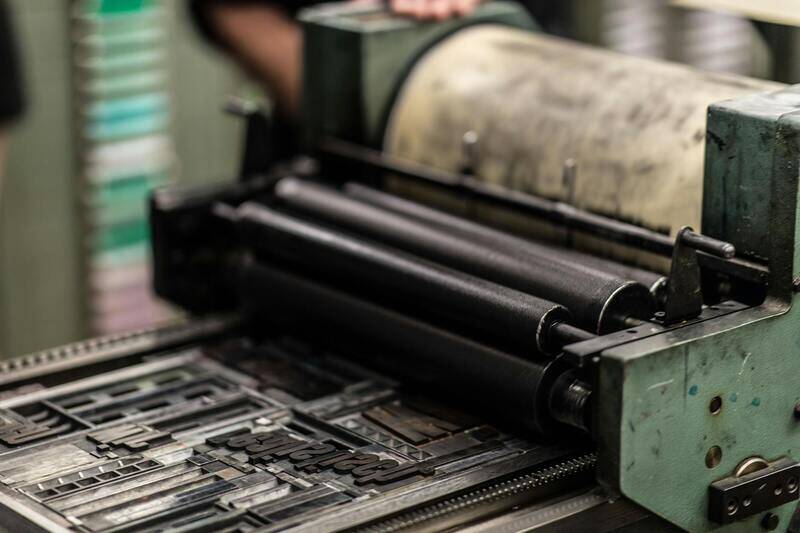
Establishing a compelling and visually appealing brochure requires adherence to precise production procedures. Securing a high-quality output involves the utilization of reputable printing services that specialize in business materials. These providers employ advanced printing technology and premium materials to ensure each brochure meets the highest standards in clarity, color accuracy, and durability. When choosing a production method, it is vital to evaluate the capabilities of the printing partner, including their experience with various brochure formats and materials.

Many companies opt for offset printing when producing large quantities of professional brochures because of its consistency and cost efficiency for high volume orders. Digital printing is equally valuable for smaller runs, offering quick turnaround times and the flexibility to customize each piece. Both methods support various finishing options, such as matte or gloss coatings, lamination, embossing, and foil stamping, which further elevate the material's tactile and visual appeal.
Selection of Materials for Brochure Production
- Paper Quality: Choosing the right paper weight and finish significantly impacts the brochure's perceived quality. Heavyweight gloss or matte paper lends a premium feel, while lighter options are suitable for mass distribution.
- Specialty Stocks: Using textured or recycled papers can emphasize a company's commitment to sustainability or unique branding.
- Coatings and Finishes: AUV coating, soft-touch finishes, or UV gloss layers protect the design and enhance visual impact.
Ultimately, the selection of materials should align with the brand's image, budget constraints, and intended distribution channels. Professional printing providers can advise on the best options based on specific project goals and target audience.
Quality Assurance and Final Checks
Before proceeding with full-scale printing, it's essential to review a proof of the brochure. Digital proofs allow for verification of layout, color fidelity, and content accuracy. Upon approval, printed samples can be examined to confirm the quality, ensuring the final product aligns with expectations. Maintaining stringent quality checks throughout the process guarantees a professional, consistent outcome that accurately represents the company’s brand and messaging.
Choosing the Appropriate Printing Materials for Your Brochure
Opting for the right printing materials is a critical element in producing professional brochures that effectively communicate your brand’s message. The selection should align with your company's image, the intended audience, and the distribution method, ensuring each element enhances your overall marketing strategy.
High-quality paper stock stands out as a fundamental component. Heavier paper weights, such as 100lb or 130lb cardstock, provide a robust and luxurious feel that leaves a lasting impression. Glossy finishes accentuate vibrant colors and sharp images, making visuals pop, suitable for product-centric brochures. Conversely, matte finishes yield a sophisticated and understated appearance, preferred for text-heavy or corporate presentations. Textured papers, including linen or canvas stocks, add tactile interest and can reinforce an upscale brand identity.

Specialty stocks encourage differentiation through unique textures and appearances. Recycled papers demonstrate environmental responsibility and align with sustainability initiatives, resonating with eco-conscious consumers. Metallic or translucent papers enable creative effects, providing an innovative edge that captures attention and fosters engagement.
Appropriate coatings and finishes further enhance durability and visual impact. UV gloss layers or aqueous coatings protect against scratches, fingerprints, and fading, maintaining professional aesthetics over time. Soft-touch coatings evoke a tactile, velvety surface that conveys luxury, while lamination options can add rigidity for handling or outdoor use.
Methods for Printing Your Brochure
When considering production methods, professional offset and digital printing are prominent, each suited to different project scopes and qualities. Offset printing delivers high-volume output with consistent color fidelity, making it cost-effective for large batches. Digital printing, on the other hand, offers rapid turnaround times, customization flexibility, and lower setup costs—ideal for short runs or versioned content.
It's essential to collaborate with experienced printing services that use quality assurance protocols, performing detailed proofing processes. Digital proofs allow for content and color verification before mass printing, minimizing errors and ensuring the final product aligns with your expectations. Physical samples or printed proofs serve as further validation for material choice, color accuracy, and overall finish.
Additional Tips for Material Selection
- Budget Considerations: Balancing quality with budget constraints often involves choosing the optimal paper stock and finish that meet both aesthetic and financial goals.
- Intended Use and Distribution: Brochures for outdoor exposure may require weather-resistant coatings, while those distributed at trade shows benefit from lightweight materials for portability.
- Brand Identity: The tactile experience provided by the chosen materials should complement your brand personality, whether it's premium, innovative, or eco-friendly.
- Sustainability Goals: Eco-friendly, recycled, and biodegradable materials can underscore your commitment to sustainability, appealing to environmentally conscious clients.
Engaging a professional printing provider ensures optimal material selection and application. Their expertise can guide you through the choices that best reflect your brand image while adhering to budget and functional requirements.
Material Selection and Finishing Techniques
Choosing the appropriate printing materials is a critical aspect of producing professional brochures that align with your brand’s goals and audience expectations. The selection process involves evaluating various paper stocks, finishes, and fold types, each contributing to the brochure’s durability, aesthetic appeal, and overall presentation quality.
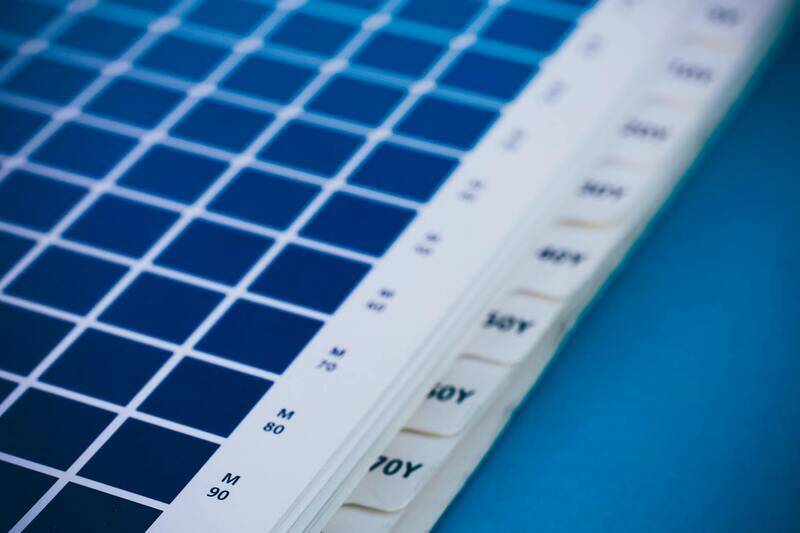
High-quality paper stocks such as matte, gloss, or silk finishes are popular choices, depending on the desired tactile feel and visual impact. Thicker paper weights, like 14pt or 16pt, are often used for premium brochures, providing a sturdy and substantial feel that resonates with quality. Conversely, lighter weights are suitable for brochures intended for mass distribution, reducing costs and enhancing portability.
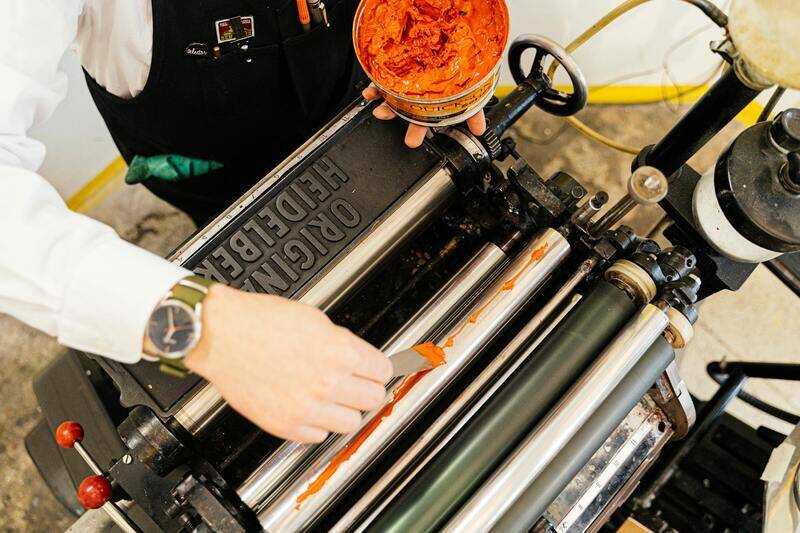
Finishing techniques play a vital role in elevating the brochure’s appearance and functionality. Options such as UV coating, varnish, or lamination can add a protective layer, making the brochure more resistant to wear and tear. Spot UV can highlight specific areas, such as logos or images, adding a glossy contrast that draws attention. Matte finishes are favored for a sophisticated look, while gloss enhances vibrancy and color richness.
Fold Types and Structural Variations
The fold design impacts both the visual flow and the overall functionality of your brochure. Common fold types include:
- Bi-fold: Simple two-panel layout, ideal for straightforward messaging and easy distribution.
- Tri-fold: Six panels created by two parallel folds, perfect for presenting multiple points succinctly.
- Z-fold: Sequential folds that open like an accordion, offering an engaging way to tell a story or showcase products.
- C-fold: Similar to Z-fold but with a different folding pattern, suitable for segmented information.
- Gate fold: Outer panels open to reveal a larger interior display, adding a sense of sophistication and grandeur.
Selecting the right fold type depends on the message complexity, spatial requirements, and intended impression on recipients.

Optimizing Layout and Content Arrangement
An effective brochure layout ensures that information is conveyed clearly and attractively. Key considerations include:
- Hierarchy of Information: Prioritize content to guide readers naturally through your message, highlighting key benefits and calls to action.
- Visual Balance: Use a combination of images, headlines, and white space to create a harmonious design that is easy to scan.
- Consistent Branding: Maintain uniform use of colors, fonts, and imagery aligned with your brand identity to reinforce recognition and professionalism.
- Incorporating Calls to Action: Clearly visible directives encourage engagement, whether it’s visiting a website, making a call, or attending an event.
Careful content organization paired with compelling visuals enhances the overall effectiveness of professional brochures, ensuring they leave a lasting impression and motivate a response.
Strategies for Distributing Brochures
Effective distribution of professional brochures is crucial to maximize their impact and ensure they reach your target audience. By selecting appropriate channels and methods, businesses can enhance visibility and generate engagement.
Targeted Direct Mail Campaigns
One of the most direct approaches involves sending brochures via postal services to specific demographics or business sectors. This method allows for personalized messaging, as the content can be tailored to resonate with recipients' needs and interests. Including personalized covers and targeted invitations can significantly boost response rates.
Strategic Placement in High-Traffic Locations
Placing brochures in high-traffic areas such as trade shows, conferences, or within partner organizations ensures high visibility. Collaborating with relevant businesses or retail outlets to display brochures in their premises can also generate interest among a relevant audience segment.
Utilizing Digital Platforms to Complement Physical Distribution
Integrating digital strategies with traditional distribution methods enhances overall outreach. Sharing downloadable versions of brochures on websites, social media campaigns, or email newsletters allows potential clients to access information conveniently. Embedding QR codes within printed brochures further enables instant digital access, linking recipients to your online resources or contact pages.
Incorporating Brochures into Sales and Customer Service Interactions
Distributing brochures during sales meetings or customer service engagements offers immediate value and reinforces your message. Staff training on effective brochure presentation ensures that representatives can highlight key benefits seamlessly, fostering trust and encouraging follow-up actions.
Partnerships and Cross-Promotions
Partnering with other businesses or organizations allows for mutual sharing of brochures. Cross-promotional distribution in co-branded events or combined marketing efforts can expand reach beyond your usual audience, leveraging each partner’s network for broader exposure.
Measuring Brochure Effectiveness
Assessing the success of distribution strategies is vital for continual improvement. Tracking response rates through unique discount codes, dedicated landing pages, or QR code scans enables quantifiable insights into campaign performance. Gathering feedback from recipients can provide qualitative data, informing future distribution efforts to optimize reach and impact.
By employing a combination of targeted channels and thorough measurement, businesses can ensure their professional brochures deliver maximum value, resonating with audiences and driving desired actions efficiently.
Crafting the Perfect Distribution Strategy for Your Professional Brochures
Successfully leveraging professional brochures involves a strategic approach to distribution. The goal is to place these printed materials in locations and formats that maximize visibility and engagement with your target audience. A well-planned distribution strategy begins with understanding your customer journey and where potential clients are most receptive to your messaging.
Identifying Key Touchpoints
Focus on touchpoints where your prospects are most likely to encounter your brochure. This includes strategic placement in high-traffic areas such as reception desks, trade show booths, or dedicated display stands inside your retail or service locations. Incorporating brochures into sales presentations, sales kits, or during client meetings ensures immediate access to valuable information at moments of maximum influence.
Utilizing Partner Networks and Co-branding Opportunities
Collaborations with complementary businesses can expand the reach of your professional brochures. Distributing them through partner networks not only broadens exposure but also enhances credibility through association. Organizing co-branded events or placing your brochures in shared spaces at industry conferences challenges traditional boundaries of distribution, creating organic opportunities for engagement.

Optimizing Physical and Digital Hybrid Approaches
While physical brochures are tangible and memorable, integrating digital elements can amplify their effectiveness. Embedding QR codes or personalized URLs within the printed materials directs recipients to online resources, landing pages, or promotional offers. This hybrid approach not only extends the lifespan of your brochure but also provides measurable data on engagement levels.
Implementing Targeted Distribution Tactics
- Mail Campaigns: Direct mailing remains a reliable method for reaching specific segments, especially when paired with compelling personalization and segmentation strategies.
- Event Handouts: Conferences, trade shows, and community events serve as prime opportunities to distribute brochures tailored to the interests of attendees.
- In-store Placement: Strategically displaying brochures near checkout counters or waiting areas encourages patients or clients to take immediate action.
- Staff Engagement: Training staff to offer brochures during interactions ensures consistent messaging and builds trust with potential clients.
Measuring the Impact of Your Distribution
Evaluating the effectiveness of your brochure distribution involves tracking specific response metrics. Utilizing unique coupon codes, dedicated landing pages, or scannable QR codes helps quantify engagement and conversion rates. Soliciting direct feedback from recipients can uncover insights into how your brochure resonated, guiding future refinements in placement and content.
Effective distribution, aligned with a clear understanding of your audience’s habits and preferences, transforms your professional brochures into powerful tools that drive inquiries, generate leads, and foster brand loyalty.
Strategies for Distributing Brochures
Effective distribution of professional brochures is crucial for maximizing their impact and ensuring they reach the intended audience. A strategic approach involves selecting channels that align with your target market's behaviors and preferences, thus increasing the likelihood of engagement and conversion.
Direct Mailing Campaigns
One of the most direct methods involves mailing brochures to specific addresses. This technique allows targeted outreach to potential clients or existing customers, especially when combined with personalized messaging. To optimize this method, use high-quality mailing lists and consider segmentation based on geographic location, customer demographics, or purchase history.
Participation in Events
Trade shows, conferences, and community events present excellent opportunities to distribute professionally designed brochures. Handing out brochures at these venues enables face-to-face interaction, allowing representatives to answer questions and customize messages. Ensure brochures are tailored to resonate with the event’s audience to enhance relevance and interest.
Strategic Placement in Physical Locations
Positioning brochures in high-traffic or strategic points—such as near checkout counters, reception desks, or in waiting rooms—can significantly boost exposure. Clear signage nearby can draw attention, while placing brochures in well-designed racks or stands promotes professionalism. Regularly refreshing these displays ensures ongoing interest and avoids perception of outdated materials.
Incentivized Digital Sharing
Enhancing brochure distribution with digital components, such as scannable QR codes and social media sharing, extends their reach beyond physical confines. QR codes can lead recipients to specific landing pages, online catalogs, or promotional offers, facilitating easy access and tracking engagement.
Staff Engagement and Training
Equip your staff with the knowledge to actively promote brochures during customer interactions. Training them to recognize opportunities, such as during consultations or checkouts, encourages natural distribution. Personal recommendations from staff lend credibility and foster trust, increasing the likelihood of brochure uptake and subsequent engagement.
Monitoring and Optimization
It is essential to track the effectiveness of distribution strategies. Metrics such as response rates, QR code scans, coupon redemptions, or direct feedback can offer insights into what methods resonate most with your audience. Adjusting tactics based on these insights will enhance overall campaign performance and ROI.
Additional Tips for Successful Distribution
- Ensure brochures are visually appealing and convey a clear value proposition.
- Align distribution channels with your target demographic’s routine activities.
- Maintain consistency in branding and messaging across all distribution points.
- Use call-to-action prompts to guide recipients on the next steps.
- Regularly assess and refresh distribution points to keep materials relevant and attractive.
Implementing these methods thoughtfully will elevate the effectiveness of your professional brochures, transforming them from mere informational materials into powerful tools for outreach and engagement. When combined with quality design and appropriate printing materials, strategic distribution reinforces your brand presence and drives measurable results.
Utilizing Direct and Digital Methods for Brochure Distribution
Effective distribution of professional brochures depends heavily on selecting appropriate channels tailored to the target audience. Traditional methods remain relevant when integrated with digital strategies, ensuring a broader reach and higher engagement. Direct distribution involves passing brochures directly into the hands of potential clients through face-to-face interactions at events, points of sale, or targeted mailing campaigns. These methods allow for personalization, enabling representatives to explain the brochure’s value proposition, answer questions, and foster immediate interest.
Complementing physical distribution, digital techniques leverage online platforms to amplify reach and track engagement efficiently. Embedding QR codes within printed brochures bridges the physical and digital realms, directing recipients to dedicated landing pages or multimedia content. Email marketing campaigns also serve as effective channels; including digital versions or links to downloadable brochures ensures accessibility for remote prospects. Additionally, social media platforms provide opportunities for sharing digital brochures that can be easily disseminated within targeted community groups or industry networks.

When deploying these methods, consider aligning distribution points with your audience’s routines and preferences. For instance, distributing brochures at industry trade shows, community events, or partnered retail locations can boost visibility. Concurrently, digital dissemination via email or social media complements these efforts by reaching prospects beyond physical locations. Ensuring consistency in branding and messaging across all channels reinforces recognition and trust, ultimately increasing the likelihood of engagement.
Monitoring and Refining Distribution Strategies
To maximize the impact of your brochure campaigns, it is vital to implement measurement tools that provide insights into their performance. Tracking engagement can be achieved through methods such as scanning QR codes, analyzing response rates to call-to-action prompts, or collecting direct feedback from recipients. Digital analytics tools enable the monitoring of link clicks, downloads, and conversions, offering detailed data on how recipients interact with your content.
Regular assessment of distribution effectiveness facilitates strategic adjustments aimed at improving results. For example, if data indicates low engagement from a particular channel, you can reallocate resources toward more responsive methods or refine the messaging. A/B testing different approaches—such as varying headlines, imagery, or offers—can reveal what resonates most with your audience. These insights lead to more targeted, efficient campaigns that yield higher return on investment and foster longer-term relationships with prospects and clients alike.
Executing well-planned distribution strategies, monitored through robust analytics, ensures that your professional brochures serve as powerful marketing tools. Properly managed, they facilitate greater brand visibility, build credibility, and drive meaningful actions, ultimately contributing to your overall business growth objectives.
