
Overview of Custom Brochures
Custom brochures serve as versatile marketing tools that enable businesses to communicate their core messages effectively to target audiences. Unlike generic printed materials, tailored brochures reflect a company's unique branding, values, and offerings through personalized design elements. They are critical in establishing brand identity, conveying complex information succinctly, and engaging potential clients or partners with visually appealing layout and content. In the realm of business marketing, custom brochures function as tangible representations of an enterprise’s professionalism and dedication to quality. They are often utilized during trade shows, client meetings, or direct mailing campaigns to leave a lasting impression. The adaptability of custom brochures allows organizations to choose specific formats, content structures, and aesthetic styles that resonate with their market niche. The benefits of opting for customized brochure solutions include increased brand recognition, enhanced credibility, and the ability to target specific demographic segments with tailored messaging. A well-designed brochure can succinctly highlight key products or services, showcase awards and testimonials, and provide compelling calls-to-action. Because these materials can be meticulously aligned with marketing objectives, custom brochures become integral to a comprehensive branding strategy. Furthermore, the design process for custom brochures supports creative freedom, granting businesses the opportunity to incorporate brand-specific color schemes, logos, imagery, and typography. This flexibility ensures that the final product is not only informative but also visually engaging, fostering a professional image that aligns with corporate identity. In implementing custom brochures, organizations benefit from advanced print techniques and high-quality materials that enhance durability and visual impact. The integration of unique folding styles, finishes, and other embellishments can transform a simple printed pamphlet into a powerful marketing asset. In summary, custom brochures are essential tools for businesses aiming to communicate their value proposition effectively. Their bespoke nature allows for targeted, high-impact marketing communication that can elevate a brand's presence in a competitive marketplace, making them an investment in long-term brand equity and customer engagement.
Design Elements of Custom Brochures
Effective custom brochures hinge on strategic design choices that align with brand identity and marketing goals. Key visual components include logo placement, color schemes, typography, and imagery, all of which should work cohesively to create a compelling narrative. The selection of color palettes must reflect the brand’s personality, fostering recognition and emotional connection with target audiences. Typography choices should enhance readability while conveying professionalism and style.
Imagery plays a pivotal role in engagement; high-quality photos and illustrations should support the message and evoke the desired emotional response. Consistency in design elements—such as iconography, layout patterns, and spacing—ensures a polished appearance that upholds brand integrity across different formats. Incorporating white space appropriately avoids clutter, giving the content room to breathe and directing the viewer’s attention to the most critical information.
Materials and Finishes for Brochures
The selection of material significantly impacts the durability, tactile experience, and visual appeal of custom brochures. Typical options include gloss, matte, and satin finishes, each offering distinct aesthetic qualities and suitable for various branding contexts. Gloss finishes enhance vibrancy and are ideal for images, while matte finishes lend a sophisticated look and reduce glare, facilitating easier reading in bright environments.
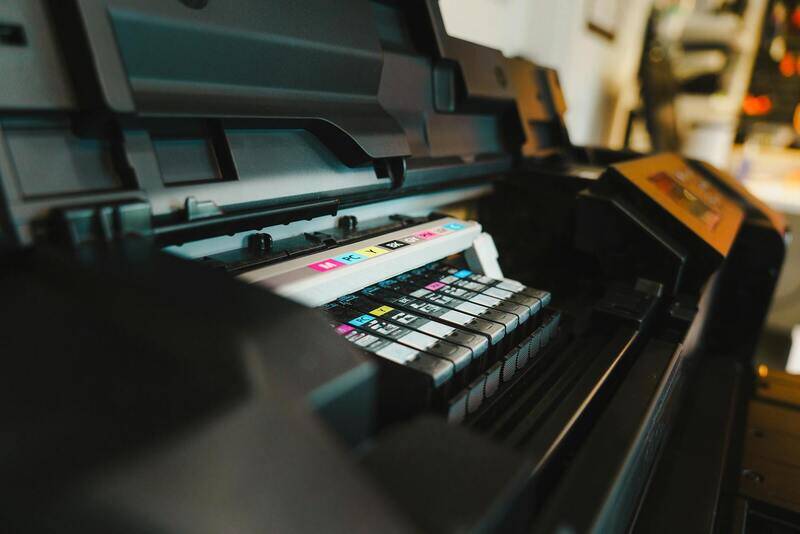
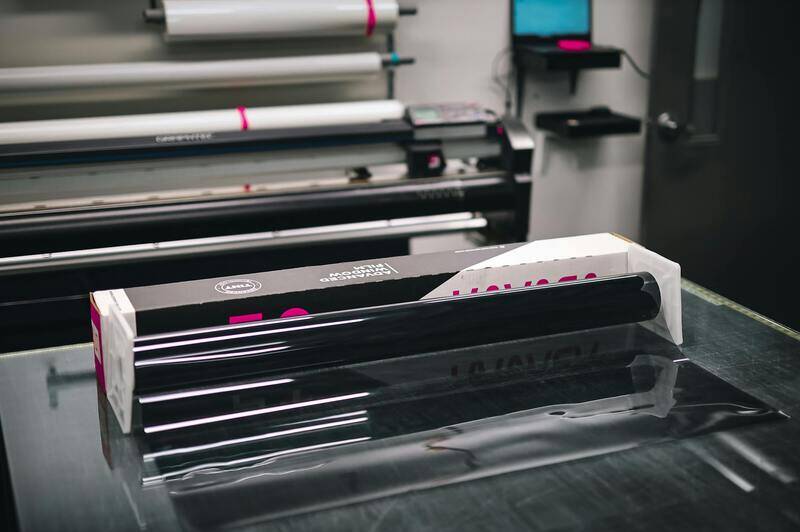
Specialty materials like textured paper or eco-friendly options can further elevate the brochure’s appearance and tactile sensation, aligning with brand values such as sustainability. Embellishments such as spot UV coating, embossing, foil stamping, and laminated layers can add elements of luxury or functional protection, making the brochure stand out and endure handling over time.
Customization Options and Size Variations
Customization extends beyond content and design to include various formats and dimensions tailored to specific marketing needs. Common sizes range from compact A6 to expansive A3 layouts, with options for custom shapes and unique cut-outs that reinforce branding. Fold styles—such as bifold, trifold, z-fold, and gate fold—offer different ways to organize content strategically, guiding the reader through a logical flow of information.
Furthermore, innovative formats like accordion or leaflets provide interactive and multi-panel experiences. The choice of size and fold should be informed by the amount of content to be included and the context in which the brochures will be distributed, whether as handouts, mailers, or display pieces.
Cost Factors and Pricing for Brochure Printing
Pricing for custom brochures depends on several key elements, including size, paper quality, color complexity, folding style, and embellishments. Larger formats and premium materials naturally incur higher costs due to greater resource requirements. Incorporating special finishes or intricate folds can also escalate the budget, as they demand additional time and skilled craftsmanship.
Volume discounts are common for bulk orders, making larger runs more cost-effective over time. To optimize ROI, businesses should balance production costs with desired visual impact and distribution scale. Providers often offer customizable packages that cater to different budget ranges, ensuring high-quality output without unnecessary expenditure.
Choosing a Printing Service in Singapore
When selecting a printing partner, consider their portfolio, experience in producing custom brochures, and access to high-end printing technology. A reputable service provider will offer guidance on materials, finishes, and design enhancements to match the client’s branding objectives. Transparency in pricing and turnaround times is essential for seamless project execution.

Local providers in Singapore benefit from proximity, enabling easier communication, faster revisions, and quicker delivery timelines. They often possess a deep understanding of regional preferences and standards, which can contribute to more targeted and effective marketing materials. Additionally, a partner with environmentally conscious practices can help align printed collateral with sustainability commitments.
Best Practices for Effective Brochure Distribution
The success of a custom brochure campaign hinges on strategic distribution. Identifying the right channels—whether direct mailing, event handouts, or placement in high-traffic locations—is crucial to reaching the appropriate audience. Tailoring the distribution approach to the preferences and behaviors of target demographics enhances engagement and conversion rates.
- Targeted Placement: Distribute at industry events, trade shows, or locations frequented by potential clients.
- Personalized Outreach: Combine brochure distribution with personalized follow-ups for maximum impact.
- Digital Integration: Include QR codes or URLs to complement print with digital content, extending engagement opportunities.
- Consistent Branding: Ensure all distribution points reflect brand standards to reinforce recognition.
Tracking effectiveness through feedback, engagement rates, or coupon codes can help refine future distribution strategies, ensuring that each brochure contributes meaningfully to overarching marketing goals.
Overview of Custom Brochures
Custom brochures serve as versatile marketing tools designed to communicate key messages efficiently while embodying a brand’s identity through tailored design elements and specifications. Their primary purpose is to capture the attention of target audiences, convey product or service benefits, and encourage engagement or action. Whether used to showcase a new product line, promote a special event, or provide detailed information about a company, custom brochures are essential in creating memorable impressions.
Creating effective custom brochures involves a meticulous process that includes selecting appropriate formats, designing visually appealing layouts, and choosing the right printing materials. This targeted approach ensures that each brochure aligns with brand standards and resonates with specific demographics. The ability to customize content layout, imagery, and finishings allows businesses to craft unique marketing pieces that stand out in competitive environments.
Strategic Importance of Custom Brochures
- Enhanced Brand Visibility: Customization ensures that the brochure reflects the brand’s visual identity, making it instantly recognizable.
- Targeted Messaging: Brochures can be tailored to specific audiences, improving relevance and effectiveness.
- Professional Presentation: High-quality print materials project credibility and establish trust with potential clients.
- Versatile Distribution Channels: Whether handed out at events, mailed directly, or displayed at strategic locations, brochures facilitate widespread outreach.
Complementing Digital Campaigns with Print Materials
While digital marketing continues to dominate, integrating custom brochures into traditional marketing strategies remains an effective way to reinforce brand messaging. Incorporating features such as QR codes or personalized URLs allows seamless bridging between print and digital channels, providing additional engagement avenues. This integration enhances the overall impact of a campaign and offers measurable results through tracked responses and conversions.
Design Consistency and Brand Recognition
Maintaining consistent branding across all materials is vital for recognition and long-term recall. Effective custom brochures consistently incorporate brand colors, logos, typography, and messaging tone. This uniformity not only builds trust but also reinforces the brand’s identity in every customer interaction. Employing professional design principles—such as balanced layouts, compelling imagery, and clear typographic hierarchies—further enhances readability and visual appeal.
Balancing Content and Visual Appeal
Constructing a compelling brochure involves balancing informative content with captivating visuals. Clear headlines, bullet points, and concise descriptions should be complemented by high-resolution images that support the messaging. Strategic use of whitespace ensures the design remains uncluttered and easy to navigate. This harmony between text and visuals increases content retention and encourages the reader to take desired actions.
Conclusion
Custom brochures offer a powerful means to communicate a brand’s story, showcase products, and foster customer relationships. Through strategic design, consistent branding, and purposeful content, these printed materials can significantly enhance marketing campaigns and drive tangible results. Careful selection of printing techniques and materials further elevates the overall quality, making custom brochures a worthwhile investment for businesses aiming to stand out in a crowded marketplace.
Design Elements of Custom Brochures
Creating a compelling custom brochure goes beyond selecting content and images. It involves a strategic balance of design elements that work harmoniously to capture attention, convey messages clearly, and inspire action. Attention to detail in the design process ensures that each brochure aligns with a brand’s identity and resonates with its target audience.
Color Schemes and Typography
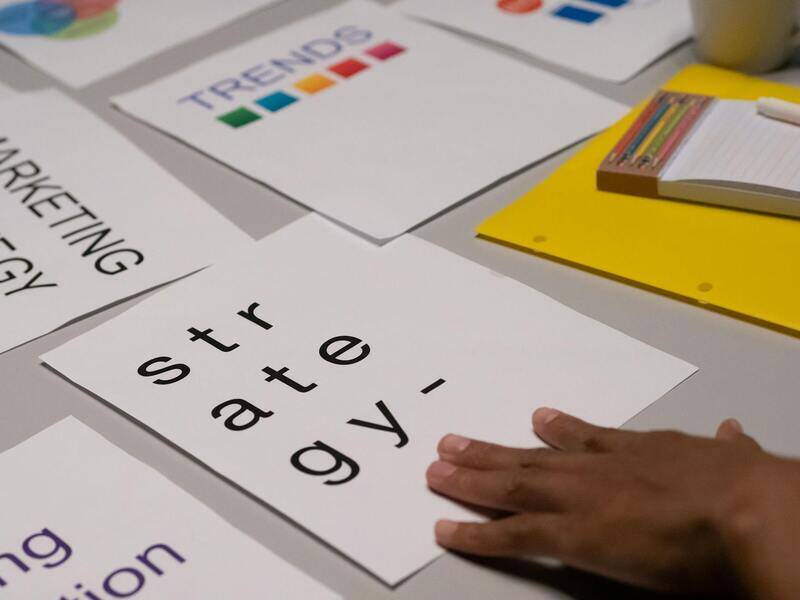
Choosing the right color palette is essential for establishing mood, highlighting key messages, and maintaining brand consistency. Complementary or contrasting colors can guide the reader’s eye through the brochure, emphasizing important sections or calls-to-action. Typography should be legible and reflect the brand’s personality—whether it’s formal, modern, playful, or sophisticated. Consistent use of font styles, sizes, and spacing reinforces brand recognition and improves readability.
Images and Graphics
High-quality images and custom graphics serve as visual storytellers within the brochure, illustrating products, services, or brand values. Carefully selected visuals should complement the written content, provide clarity, and evoke the desired emotional response. Incorporating icons, infographics, and other visual aids can simplify complex information, making it more accessible and engaging for the reader.
Layout and Hierarchy
Organizing content with a clear visual hierarchy guides the reader effortlessly through the brochure. Strategic placement of headlines, subheadings, bullet points, and calls-to-action ensures that critical information is easily distinguishable. Maintaining a balanced layout with appropriate white space prevents overcrowding, allowing each element to breathe and enhancing整体的整体视觉体验。布局设计应引导读者的眼睛流动,从引人注目的封面到详细内容,最后到联系方式或下一步行动的指引。
Consistency and Branding
在每一页中持续统一的设计元素—包括色彩、字体、图像风格和布局—有助于强化品牌的整体形象。这不仅提升了专业感,也令客户更容易识别和记忆品牌信息。特别是在多个版本或多渠道分发的情况下,保持一致性确保品牌传达的合一性和可靠性。
Utilizing Design Software and Tools
从Adobe InDesign到CorelDRAW或Canva,这些专业设计工具提供了丰富的模板和定制功能,帮助设计师实现想像中的效果。使用矢量图和高分辨率图片可以确保在不同尺寸和打印效果中保持清晰。通过结构化的设计流程,包括草图、样稿以及多轮审查,可以最大程度地提升最终作品的质量和专业水平。

行业标准的设计准则
遵循行业认可的设计原则,如对比、平衡、对齐和重复,有助于创造视觉冲击力强且易于导航的绘图。这些准则提升了整体的美感,同时也确保了信息的传达效率。设计过程中应严格注意细节,包括边距、排版比例和色彩搭配,力求每个元素都能发挥其最大效果。
实际应用案例
在医疗、房地产、餐饮和零售等行业,定制的 brochure 设计展现出了不同的风格。例如,通过明亮的色彩和清晰的图片,餐厅的宣传 brochure 可以激发食欲,而房地产广告中则多使用高清图片和详细布局,突出房源优势。不同领域的专业设计案例,证明了精心设计的 brochure 在营销中的巨大价值。
Optional Custom Shapes and Unique Sizes
Beyond standard dimensions, custom brochures can be crafted in a variety of sizes and shapes to enhance visual appeal and brand recognition. Unconventional sizes, such as square formats, bespoke dimensions tailored to specific product displays, or even custom contours, help a brochure stand out in a crowded market. These tailored sizes lend themselves to distinctive layouts that better accommodate complex information or striking imagery.
For example, a brochure shaped like a product silhouette or an industry-specific object can create immediate visual association and reinforce branding efforts. Materializing a non-traditional shape involves precise die-cutting techniques, which enable intricate cuts that follow the contours of the design. This approach not only elevates aesthetic value but also reinforces the uniqueness of the marketing message.
When selecting sizes and shapes, it is essential to consider the distribution channels and target audience. Compact, pocket-sized brochures are ideal for quick reference or handouts at events, whereas larger formats may suit detailed catalogs or high-end promotional pieces. Custom shapes and sizes can be seamlessly integrated into overall branding strategies, making the brochure an integral part of visual storytelling.
Innovative Folding Techniques and Their Impact
The way a brochure folds significantly influences its functionality and aesthetic appeal. Different folding styles serve specific purposes, ranging from simple, straightforward designs to complex, multi-panel structures that can convey layered information effectively. Understanding the available folding techniques enables brands to choose formations that best complement their message and visual elements.
Some commonly used folding styles include tri-folds, which are versatile and space-efficient, widely applied in promotional and informational materials. Z-folds allow for multiple panels that can be unfolded sequentially, ideal for storytelling formats. Accordion folds, with their extended panels, lend themselves to panoramic images or step-by-step instructions.
Specialized folds such as gate folds, which open to reveal a central panel, or parallel folds, which divide content into equal parts, help create striking visual effects and facilitate storytelling. When combined with creative design and precise scoring, these folds can turn a basic brochure into an engaging tactile experience.
Integrating innovative folding methods not only enhances the visual presentation but also improves engagement by guiding the reader through the content in a deliberate and memorable manner. For marketing campaigns, a meticulously folded brochure can leave a lasting impression, encouraging recipients to explore further or act on the call-to-action.
Personalization for Maximum Impact
Personalized brochures translate a standard marketing tool into a highly targeted communication channel. Customization options include personalized greetings, tailored messaging, and variable data printing, enabling businesses to adapt each brochure to different segments of their audience. This approach increases relevance and fosters a stronger emotional connection with recipients.
Variable data printing allows for the inclusion of individual names, location-specific offers, or other personalized details, making each brochure feel bespoke and thoughtfully crafted for the recipient. This personalization can significantly boost response rates and enhance brand loyalty.
Another effective strategy involves integrating personalized visuals that align with the recipient’s preferences or previous interactions. For instance, an automotive dealer might customize brochures based on the specific models each customer has browsed or shown interest in, showcasing relevant features and promotions.
Harnessing digital printing technology for personalization ensures fast turnaround times and scalability, making customized brochures an efficient way to execute targeted marketing campaigns. The ability to deliver relevant, customized content in a tangible format strengthens customer engagement and supports broader branding objectives.
Additional Customization Options that Elevate Brochure Appeal
Beyond standard design elements, a range of advanced customization options allows businesses to craft brochures that truly stand out. Incorporating unique finishing techniques, special binding methods, and innovative folding styles can significantly enhance the tactile and visual experience for recipients. High-quality die-cutting permits the creation of custom shapes and intricate cut-outs, aligning with branding themes or campaign messages. For example, a technology company might opt for a brochure with a circuit board silhouette die-cut, instantly conveying innovation and modernity.
Embossing and debossing are premium finishing techniques that add depth and texture to specific design components such as logos, headings, or decorative motifs. These tactile elements not only reinforce brand identity but also create a memorable impression that encourages engagement. Spot UV coating is another popular method, selectively adding a glossy layer to certain areas—such as icons or key messages—while leaving the rest matte. This contrast draws attention and adds a touch of sophistication.

Enhanced Binding and Folding Techniques
Choosing specific binding or folding options can transform a simple brochure into a versatile marketing tool. Saddle stitching remains among the most common, ideal for booklets with numerous pages, providing durability and a clean appearance. Perfect binding offers a sleek, magazine-like finish suitable for high-page-count brochures, while spiral binding allows easy flipping and is often preferred for catalogs or informational guides.
Folding styles play a crucial role in how information is presented. Trifold and bifold formats are standard, but incorporating more complex folds such as Z-folds, accordion folds, or gate folds can increase engagement through interactive layout designs. These folding techniques also allow for creative storytelling or product showcases, guiding the reader’s eye naturally through the content.
Integrating Digital and Augmented Reality Features
Modern customization extends into digital integration, where augmented reality (AR) is used to augment physical brochures. By embedding AR markers within the design, viewers can scan the brochure with a smartphone or tablet to unlock multimedia content, such as 3D product demonstrations, videos, or interactive experiences. This combination of traditional print and digital media creates a dynamic brand experience that fosters deeper user engagement while providing additional information in an accessible format.
Implementing AR technology requires precise placement of markers and compatible design software, making it essential to collaborate with experienced print providers who specialize in multimedia integration. The result elevates the brochure from a static promotional piece to an immersive marketing asset that resonates with tech-savvy audiences.
Choosing Sustainable and Eco-Friendly Customization Practices
Environmental considerations are increasingly influencing customization choices. Selecting eco-friendly materials, such as recycled paper or biodegradable finishes, aligns with corporate sustainability goals and appeals to environmentally conscious consumers. Finishing techniques like soy-based inks and water-based coatings reduce chemical impact while maintaining print quality.
Additionally, digital printing methods minimize waste by enabling on-demand production, reducing excess inventory. Incorporating QR codes or URLs encourages digital engagement, further diminishing the need for extensive printed materials. Sustainable customization practices not only support environmental stewardship but also strengthen brand reputation among a socially responsible audience.
Effective customization of brochures involves a comprehensive approach, integrating high-quality materials, tactile finishing options, innovative folding and binding, digital enhancements, and sustainability practices. These elements combine to produce compelling marketing tools that communicate professionalism, creativity, and a commitment to quality.
Methods to Ensure Proper Custom Brochure Production
Producing high-quality custom brochures involves selecting appropriate and legitimate methods that guarantee the consistency, durability, and professional appearance of the final product. To achieve this, a comprehensive approach that adheres to industry standards is essential. This includes carefully validating print files, selecting reputable printing facilities, and choosing suitable materials and finishes that meet both design and functional requirements.
Verification of Design Files and Specifications
Prior to printing, it is crucial to meticulously review all design files for accuracy, resolution, and color consistency. Ensuring that files conform to the required dimensions, bleed specifications, and color profiles minimizes the risk of errors during production. Employing standard file formats, such as PDF/X, helps maintain integrity across different devices and printing systems, preserving the designer’s original intent.
Engaging Certified Printing Providers
Selecting established printing service providers with a track record of delivering quality work is vital. These providers employ advanced equipment and follow best practices for color matching, alignment, and finishing processes. It is advisable to request samples or proofs before the full run, allowing for a thorough review of the visual and tactile qualities of the brochures. Digital proofs provide a preview, while physical proofs confirm color accuracy and material suitability.

Utilizing Appropriate Printing Technologies
Choosing the right printing technology tailored to specific requirements enhances the production process. For detailed images and vibrant colors, digital printing allows for on-demand, high-resolution outputs, reducing lead times and waste. Offset printing, on the other hand, is suitable for larger quantities, offering consistent color reproduction and sharp images. Both methods must be operated by trained technicians who follow standard operating procedures to ensure top-tier results.
Material Selection and Quality Assurance
The physical quality of custom brochures hinges on the choice of paper and finishing options. Select durable, high-quality paper stocks such as coated or matte finishes to enhance look and feel. Eco-friendly materials, including recycled paper and biodegradable coatings, are increasingly preferred to align with sustainability goals. Finishing touches like lamination, gloss, or matte coats not only improve aesthetics but also provide additional protection against wear and tear.

Implementing Quality Control and Inspection Procedures
Manufacturing and finishing processes should be accompanied by rigorous quality control measures. Inspection at various stages—from pre-press to final output—ensures adherence to specifications. Color consistency checks, fold accuracy, and finishing alignment are critical to delivering a premium product. Using standardized checklists and engaging experienced inspectors further minimizes the risk of defects reaching the client.
Ensuring Compliance with Industry Standards
Adhering to established standards in printing and finishing reduces the likelihood of issues during production. This includes maintaining proper registration, sharp-cut edges, and uniform folds. Many reputable print providers follow industry certifications and guidelines, which serve as a benchmark for quality assurance. Requesting documentation of these standards can offer additional peace of mind when commissioning custom brochure projects.
Summary
Properly safeguarding the production of custom brochures through legitimate, precise, and industry-compliant methods ensures a polished final product that effectively communicates brand messaging. From meticulous design verification to choosing responsible materials, each step plays a vital role in delivering brochures that reflect professionalism, durability, and visual excellence. Working with reputable providers, leveraging advanced printing technologies, and implementing thorough quality checks form the foundation of successful custom brochure manufacturing.
Final Considerations for Custom Brochure Production
Ensuring the quality and effectiveness of your custom brochures requires a strategic approach to the entire production process, from selecting the right materials to overseeing the printing process meticulously. An important aspect involves collaborating with experienced printing service providers who adhere to best practices and industry standards, guaranteeing that each brochure aligns with your brand’s professional image and communication goals.
When working with a printing service, it’s essential to communicate your specific requirements clearly, including desired paper types, finishes, folding styles, and size variations. Precise specifications minimize errors and help in achieving a final product that accurately reflects your vision. Prior to mass production, requesting sample proofs allows for thorough review, enabling you to verify color accuracy, design placement, and folding precision. This step acts as a safeguard, reducing the risk of costly reprints and ensuring overall satisfaction with the finished brochures.
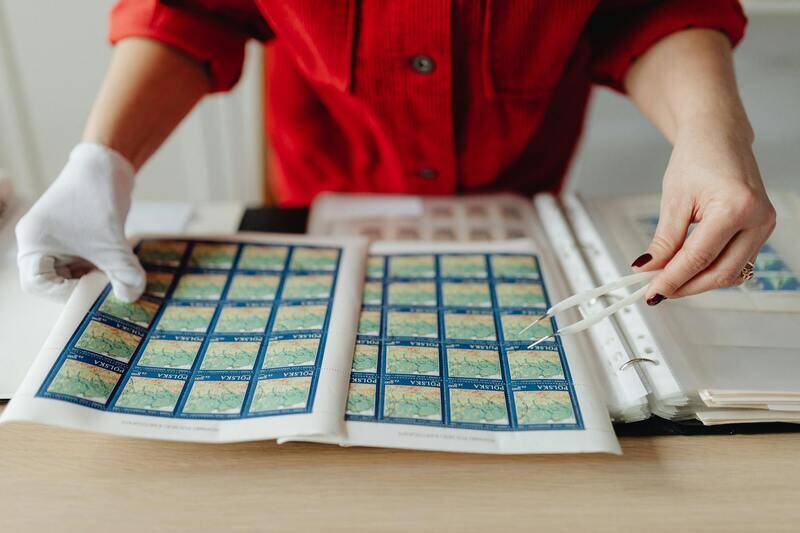
In addition, attention to the finishing details can significantly enhance the durability and visual appeal of your brochures. Options such as matte, gloss, or satin coatings provide different tactile sensations and protective qualities, ensuring that your brochures withstand handling while maintaining their aesthetic appeal. Special finishes like spot UV coating can draw attention to key design elements, elevating the overall impact.
Cost considerations involve balancing your budget with the quality and specifications needed for your brochures. Factors influencing pricing include paper quality, finishing techniques, the complexity of folding styles, and the volume of copies ordered. Many providers offer tiered pricing models or discounts for larger quantities, providing opportunities for cost efficiency without compromising on quality. Transparency in pricing and detailed quotes can help you make informed decisions that align with your marketing objectives and budget constraints.
Implementing a comprehensive quality control process throughout production is also crucial. Regular inspection checkpoints—covering aspects such as color consistency, fold alignment, edge sharpness, and finishing uniformity—assist in catching issues early. Employing standardized quality checklists and training staff in quality assurance protocols ensures each batch meets your expectations. This rigor not only preserves the integrity of your branding but also contributes to a professional image that resonates with your target audience.

In summary, producing successful custom brochures involves meticulous planning, clear communication with your printer, careful review of proofs, strategic finishing choices, and rigorous quality checks. By prioritizing these aspects, you can ensure that your brochures not only effectively communicate your brand message but also stand out in the marketplace, fostering engagement and recognition among your audience.
