
Importance of a Well-Designed Brochure
In the competitive landscape of modern marketing, a professionally crafted print shop brochure plays a vital role in capturing the attention of potential customers. It serves as a tangible representation of your brand, offering a compact yet comprehensive overview of your services, products, and core values. An effectively designed brochure facilitates a memorable first impression, making it easier to foster trust and credibility with your target audience. Visual appeal, clear messaging, and strategic content placement all contribute to its power as a marketing tool.
A well-structured brochure not only highlights what sets your business apart but also encourages engagement. When recipients find the design appealing and information accessible, they are more likely to retain your message and take the desired action — whether that’s reaching out for more information or making a purchase. Moreover, a professionally produced brochure aligns with brand consistency, ensuring that your company's identity remains uniform across all marketing channels.
Investing in quality design and printing of a brochure can lead to increased foot traffic within your store, higher inquiry rates, and enhanced brand recognition. The tactile element of print, combined with high-quality visuals and thoughtfully crafted copy, creates a persuasive marketing piece that digital alternatives may not fully replicate.
Another critical aspect is how a brochure complements other marketing campaigns. It can serve as an accompaniment to direct mail, be included in welcome kits, or displayed at trade shows and networking events. In all contexts, a brochure acts as a versatile and impactful marketing asset.
Choosing a print shop capable of producing high-caliber brochures, such as HappyPrintShop.com, ensures your materials embody professionalism. Their expertise in print technology and design ensures that every aspect — from paper quality to finishing techniques — aligns with your brand’s standards. Ultimately, a meticulously designed brochure enhances your overall marketing strategy by providing potential customers with a lasting impression of your business’s quality and professionalism.

Key Elements of a Successful Brochure
Crafting an effective print shop brochure demands careful attention to multiple elements that collectively communicate professionalism and capture attention. These components serve as the foundation for a compelling marketing piece, ensuring your message resonates with your target audience and prompts action.
Compelling Visuals
The visual aspect of a brochure plays a crucial role in attracting potential clients and conveying your brand message. High-resolution images, well-chosen color schemes, and consistent branding visuals help create an appealing layout. Incorporating original graphics or professional photography can highlight your products or services effectively, making your brochure memorable and visually engaging.
Clear and Concise Messaging
Information should be presented succinctly to hold the reader’s interest. Highlight the core benefits of your offerings, differentiators, and call-to-action prompts. Well-structured copy with headings, bullet points, and short paragraphs ensures clarity, making it easy for spare seconds of attention to be converted into lead generation or inquiries.
Accurate Contact Details and Call-to-Action
Ensuring your contact information is easy to find and prominently displayed encourages prospective customers to reach out. Whether it’s a phone number, email, website, or social media handles, this information should be consistent and accessible throughout the brochure. A clear call-to-action guides readers towards the next step, whether it’s visiting your location, calling for a quote, or visiting your website for more details.
Effective Branding
Branding elements such as logos, tagline, and brand colors should be integrated seamlessly within the design. Consistency with your overall branding strategy fosters recognition and trust. When your brochure aligns visually with other marketing materials, it reinforces your brand identity and professionalism.
Balanced Layout and White Space
A well-organized layout with adequate white space ensures that the brochure doesn’t appear cluttered. Proper alignment and spacing improve readability and make key information stand out. A clean design structure guides the reader’s eye naturally through the content, increasing the likelihood of engagement and recall.
Legibility and Typography
Choosing clear, legible fonts that align with your branding is essential. Font sizes should be appropriate for headings and body text, ensuring easy reading across all devices and formats. Consistent typography adds to a professional appearance and enhances overall coherence.
Choosing the Appropriate Material for Your Brochure
Selecting the right paper type and finish is fundamental to producing a durable and visually compelling print shop brochure. The choice of paper influences the tactile experience, durability, and overall impression of your marketing piece. Standard options include matte and gloss finishes, each imparting a distinctive aesthetic and functionality. Matte finish paper offers a subdued, elegant look with a soft sheen that minimizes glare, thereby enhancing readability and signature sophistication. It is an excellent choice for brochures that contain detailed content or images requiring a non-reflective background.
Glossy paper, on the other hand, boasts a shiny surface that accentuates colors and images, making visuals pop and grabbing attention more effectively. This finish lends a vibrant, eye-catching appearance, ideal for promotional brochures that rely heavily on visual impact. However, glossy surfaces may reflect more light, which could hinder readability in certain lighting conditions.
Beyond finishes, paper weight also plays a crucial role in the brochure's durability and perceived quality. Thicker stocks, such as 170gsm or higher, provide a sturdy feel that conveys professionalism and quality, especially for brochures designed for handouts or direct distribution. Lighter papers, around 90-120gsm, are more economical and suitable for digital mail or multi-piece mailers.
Impact on Durability and Visual Appeal
The selected material impacts the brochure's resistance to wear-and-tear during handling and transportation. Weather-resistant coatings or laminated finishes can further enhance durability, especially for outdoor or long-term use. Matte laminate provides a protective layer without shine, preserving the subtlety of the design, while gloss lamination adds a high-gloss reflective surface that emphasizes colors and provides excellent water resistance.
Choosing high-quality materials aligns with the professional image you aim to project, ensuring your brochures stand out, maintain their integrity over time, and positively influence potential clients' perceptions of your brand.
Importance of a Well-Designed Brochure
A professionally crafted brochure acts as a visual ambassador for your brand, delivering essential information in a compelling manner. It effectively communicates your company's mission, services, or products, providing potential clients with a tangible representation of your professionalism and reliability. A well-organized layout paired with engaging visuals captures attention swiftly and guides readers through your message seamlessly. The design, content, and overall presentation collectively influence how your brand is perceived, making quality brochures a cornerstone of impactful marketing strategies. Additionally, a thoughtfully designed brochure can enhance brand recognition, reinforce your company's identity, and foster trust among your target audience. These printed materials serve as lasting impressions, often retained for future reference and sharing, magnifying your outreach efforts over time.

In environments where visual storytelling is paramount, such as trade shows, client meetings, or direct mail campaigns, the importance of a meticulously designed brochure cannot be overstated. It consolidates your core messages into a portable, accessible format that stands out amidst competitors. When tailored to your target audience, a brochure becomes an invaluable tool for educating potential customers about your offerings, differentiating your brand from others in the marketplace. Effective brochures are characterized by clarity, visual appeal, and strategic messaging, ensuring every element—be it images, headlines, or call-to-action statements—serves a purpose in driving engagement and conversions.
Key Elements of a Successful Brochure
- Clear and Concise Content: The copy must be straightforward, informative, and aligned with your brand voice to communicate your key messages effectively.
- Engaging Visuals: High-resolution images and graphics enhance visual appeal, making the brochure more inviting and easier to understand.
- Consistent Branding: Use of brand colors, fonts, and logos ensures recognizability and reinforces your company's identity.
- Strong Call-to-Action (CTA): Guides readers toward desired actions, whether it's visiting your website, making a purchase, or contacting your team.
- Balanced Layout: Adequate white space, strategic positioning of elements, and readable typography improve overall readability and aesthetic appeal.
Design Consistency and Focus
A cohesive design fosters trust and credibility. Do not overload the brochure with excessive information; instead, focus on key benefits and points that resonate with your target audience. Strategic use of headings, bullet points, and visual cues helps break down complex information into digestible sections, making the brochure user-friendly and engaging.
Choosing the Right Material and Finish
The physical qualities of your brochure profoundly impact its durability and perception. Selecting appropriate materials involves considering the intended use, distribution method, and desired tactile experience. Heavier cardstock, typically 170gsm or higher, conveys quality and durability, suitable for handouts or clients who may hold your brochure for extended periods. Lighter options, around 90-120gsm, are ideal for cost-effective solutions such as mailers or digital file sharing.
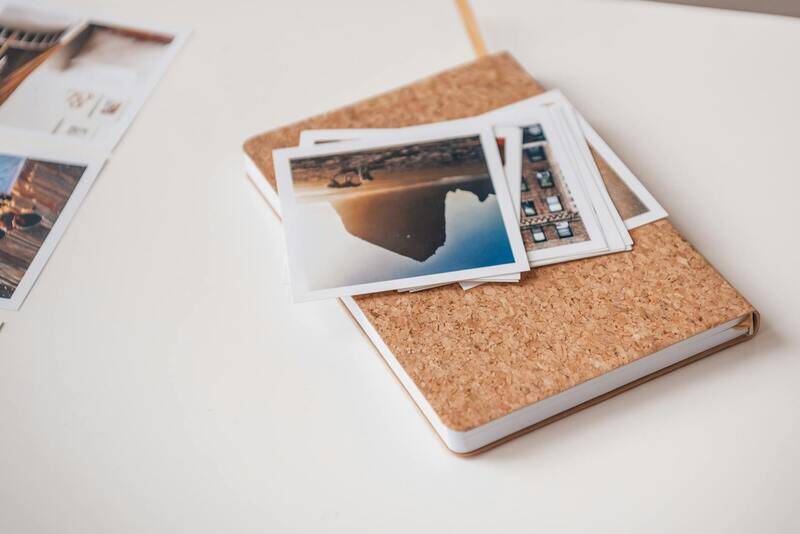
Finish types like matte or gloss also play a vital role. A matte finish offers a subdued, elegant look that minimizes glare and can enhance readability in bright lighting conditions. It also lends a subtle, sophisticated feel suitable for luxury brands or professional presentations. Conversely, gloss finishes enhance color vibrancy and add a striking shine that captures attention swiftly. They are particularly effective for brochures with high-impact visuals where color accuracy and brightness are priorities.
Weather-resistant coatings or laminations can extend the longevity of your brochure, particularly if intended for outdoor use or long-term distribution. Matte laminates preserve a refined look with added protection, while gloss laminates emphasize colors and add water resistance, ensuring your material remains pristine over time. The choice of paper weight and finish should align with your branding objectives, budget constraints, and distribution method to maximize the impact of your printed brochure.
Strategies for Maximizing the Impact of Your Brochure
Creating an effective print shop brochure involves more than just attractive visuals; it requires a comprehensive approach that ensures your message resonates with your target audience. To achieve this, it is essential to focus on clarity of communication, brand consistency, and strategic placement. Clear, compelling copy that highlights your unique selling propositions helps clients understand what sets your print shop apart. Maintain a consistent tone that aligns with your brand identity, reinforcing credibility and professionalism. Visual hierarchy plays a crucial role in guiding the reader’s attention. Use headings, subheadings, and bullet points to organize information effectively, making it easy for viewers to scan and absorb key details. Incorporate high-quality images that accurately represent your services, showcasing your craftsmanship and attention to detail.

Effective Distribution Channels for Your Brochure
Choosing the right distribution method enhances the reach and impact of your brochure. Physical distribution at strategic locations—such as industry events, local businesses, and community centers—ensures your brochure reaches relevant audiences. Direct mail campaigns can be tailored to target specific demographics, increasing engagement through personalized messaging. Digital complementarity through email marketing and website integration provides broader access. Including downloadable versions on your website allows potential clients to review your services conveniently. Aligning distribution channels with your target market ensures your brochure gains maximum visibility and effectiveness.
- Leverage industry trade shows and networking events to distribute physical brochures directly to interested prospects.
- Place brochures in local businesses, hotels, and community centers to increase regional awareness.
- Implement targeted direct mail campaigns to reach specific client segments, utilizing customized messages for better response rates.
- Integrate digital versions on your website and social media platforms for wider accessibility.
- Collaborate with local partners to embed your brochures in related service orders or promotional packages.
Monitoring and Measuring Brochure Campaign Effectiveness
Tracking the success of your brochure distribution helps refine future marketing strategies. Techniques include incorporating unique QR codes or dedicated phone numbers on each brochure to measure response rates. Asking clients how they learned about your services during inquiries or consultations can also provide valuable insights. Analyzing which distribution channels yield the highest engagement enables you to allocate resources efficiently. Monitoring lead conversions linked to brochure campaigns ensures your efforts contribute positively to your overall marketing ROI.
Significance of a Well-Designed Brochure for Print Shops
A professionally crafted print shop brochure serves as a powerful tool to showcase your capabilities, range of services, and industry expertise. It encapsulates your brand identity and communicates key messages effectively, creating a lasting impression on potential clients. A well-designed brochure not only enhances credibility but also acts as an tangible representation of your print shop’s commitment to quality.
In a competitive market, the quality of your brochure design can be a decisive factor. It should reflect your specialization in printing techniques, the high standards of your materials, and your attention to detail. When prospects see a sleek, informative, and visually appealing brochure, they are more likely to trust your services and choose your business over competitors.
Furthermore, a thoughtfully developed brochure may serve multiple purposes, from accommodating service descriptions to providing pricing information and contact details. Its strategic distribution across various channels—be it direct mailed copies, trade shows, or placements in local businesses—maximizes your outreach and generates leads.
To augment your marketing efforts, integrating your brochure with digital platforms ensures greater accessibility. This dual approach broadens your exposure, catering to both traditional and digital audiences. The visual elements, call-to-action prompts, and accurate contact info collectively drive inquiries and conversions.
Investing in a high-quality print shop brochure is a long-term asset that encapsulates professionalism and industry expertise. It becomes an essential component in building trust with clients and establishing your reputation as a reliable, innovative print service provider.
In addition to design and content, choosing the right printing techniques can significantly impact your brochure's final appearance and durability. High-resolution digital or offset printing ensures crisp, vibrant images and sharp text that resonate with your target market. Selecting superior materials and finishes enhances the tactile experience, reinforcing your message's quality and craftsmanship.
A comprehensive brochure strategy involves careful consideration of key elements such as structure, visual hierarchy, and content flow. Employing concise, compelling language combined with striking visuals captures attention and guides readers effortlessly through your offerings. Incorporating testimonials, project showcases, or industry awards can further cement your credibility.
Ultimately, an effective print shop brochure acts as a versatile marketing asset—whether distributed physically at events, positioned in strategic local establishments, or disseminated through targeted mailing campaigns. Its role in establishing authority and trust within your target market remains indispensable.
Importance of a Well-Designed Brochure
In the competitive landscape of printing services, a meticulously crafted print shop brochure serves as a cornerstone for establishing brand authority and attracting potential clients. It functions as a visual ambassador of your company's expertise, quality, and range of services. A brochure that effectively communicates your core competencies and unique selling points boosts credibility, encourages inquiries, and ultimately drives sales. A professionally designed brochure enhances your company's image by reflecting attention to detail and commitment to excellence. It not only conveys information but also evokes a sense of trustworthiness and reliability. When prospective clients or partners see a well-structured, aesthetically pleasing brochure, they are more likely to perceive your print shop as a leader in the industry. Moreover, a print shop brochure acts as a tangible touchpoint in marketing campaigns, providing clients with a memorable physical representation of your brand. Its strategic distribution at networking events, industry expos, or local businesses can generate new leads, foster repeat business, and strengthen community relationships. Given its role in fostering long-term client relationships, investing in a high-quality brochure translates into tangible value for your print shop.

Key Elements of a Successful Brochure
- Clear Purpose and Target Audience: Define the primary goal of the brochure—whether to inform, promote, or showcase your print capabilities—and tailor content accordingly to resonate with your target demographic.
- Consistent Branding: Incorporate your logo, brand colors, and visual identity consistently across all elements to reinforce brand recognition.
- Compelling Visuals: Use high-resolution images that accurately depict your printing work, including samples of finished products and process images to demonstrate quality and expertise.
- Concise, Persuasive Content: Craft clear, benefit-driven messaging that highlights your advantages, such as fast turnaround times, eco-friendly materials, or custom finishing options.
- Call-to-Action (CTA): Include prominent CTAs encouraging readers to contact your shop, request a quote, or visit your website for more information.
- Contact Details and Location: Make it easy for clients to find and reach you by prominently displaying your contact information and physical location.
Choosing the Right Material and Finish
The durability and tactile appeal of your brochure hinge on selecting suitable materials and finishes. Heavyweight cardstock or premium paper stock enhances the perception of quality and withstands handling during distribution. Finishing touches, like matte or gloss coatings, not only elevate aesthetics but also offer added protection against scratches and smudges. For a sophisticated, elegant look, a matte finish minimizes glare, providing a smooth, refined surface ideal for readability. Conversely, gloss finishes amplify color vibrancy and visual impact, making images pop and catching the eye of potential clients. Specialized finishes, such as soft-touch coatings or spot UV varnishes, can be employed selectively to emphasize specific sections or elements within the brochure—adding a tactile dimension that leaves a lasting impression. Selecting eco-friendly, sustainable materials can further appeal to environmentally conscious clients, aligning your values with emerging industry trends.

Design Tips for a Print Shop Brochure
- Balance of Text and Visuals: Maintain a harmonious mix of engaging visuals and concise content to guide readers effortlessly through your offerings without overwhelming them.
- Hierarchy and Layout: Use headers, subheaders, and bullet points to structure information clearly. Employ white space strategically to focus attention and improve readability.
- Color Usage: Leverage your brand colors to create visual coherence. Use contrasting colors for CTAs to make them stand out.
- Typography: Select legible, professional fonts and maintain consistency across headings, body text, and labels to ensure a polished appearance.
- Visual Consistency: Incorporate uniform styling for images and graphics, ensuring they align with your brand aesthetics for a seamless look.
Folding and Format Options
The fold pattern and format significantly influence the brochure’s functionality and visual appeal. Common options include:
- Bi-Fold: Divides the brochure into four panels, ideal for straightforward product or service presentations.
- Tri-Fold: Offers six panels with ample space for segmentation, suitable for detailed service descriptions and visuals.
- Z-Fold, Gate Fold, and Roll Fold: Creative folding styles that add a unique touch, enhancing engagement and memorability.
Choosing the appropriate format depends on content volume, the desired aesthetic, and distribution method. Well-executed folds enhance ease of handling and storage, ensuring your brochure remains in pristine condition during the promotion process.
Printing Techniques and Technologies
Leveraging the latest printing technologies ensures your brochure achieves premium quality and durability. Digital printing offers quick turnaround times and is cost-effective for small volumes, with high-resolution output suitable for vibrant imagery and detailed graphics. Offset printing, on the other hand, excels in producing high-volume runs with consistent color accuracy and sharpness.
Specialized printing techniques, such as spot color, embossing, or foil stamping, can add sophistication and tactile interest to your brochure. These methods are especially effective for highlighting key messages or brand elements, creating a multi-sensory experience that elevates your marketing efforts.
Advanced finishing options like UV coating, lamination, or die-cutting contribute not only to aesthetics but also to the durability of your brochures, making them resistant to damage and enhancing perceived value. Integrating these techniques reflects your commitment to quality and can distinguish your print shop from competitors. Creating an effective print shop brochure goes beyond basic visuals; it requires a strategic approach to communicate your offerings clearly and persuasively. The overall design must reflect your brand identity, instilling confidence and attracting potential clients. Elements such as cohesive color schemes, strong typography, and compelling imagery are essential to convey professionalism and craftsmanship. It's vital that every aspect, from layout to messaging, aligns with your core services and markets to ensure your brochure resonates with your audience. Choosing the right raw materials and finishes can significantly influence the tactile experience and perceived value of your brochure. Opt for durable paper stocks like 300gsm or higher for a premium feel, or consider eco-friendly options to appeal to environmentally conscious clients. Finishing options such as matte, gloss, or satin coatings not only enhance visual appeal but also provide protection against fingerprints and wear. Special treatments like spot UV coating can emphasize particular design elements or branding, adding a touch of sophistication that sets your brochure apart. The selection of material and finish must align with the brochure's purpose and target audience. For instance, a more luxurious brochure with embossed accents and metallic foils might be suitable for high-end clients, while a cost-effective, functional design could be ideal for mass distribution at trade shows. Balancing quality and budget ensures your brochure makes a compelling impression without unnecessary expenditure. The fold type not only affects functionality but also impacts aesthetic appeal. Common options include bi-fold, tri-fold, Z-fold, and gatefold, each offering unique ways to organize content and present information creatively. Your choice should consider the amount of content, ease of handling, and distribution method. Well-executed folding enhances the brochure’s durability and accessibility, ensuring it withstands repeated handling during promotional activities. Format selection influences how your brochure integrates with other marketing materials and how convenient it is for recipients to store and reference. For example, a compact DL brochure fits neatly into mailing envelopes or handout folders, while a larger, unfolded format may better suit detailed product descriptions or technical specifications. Planning fold and format options thoughtfully ensures your message is delivered effectively and professionally. Maximizing the quality of your brochure involves leveraging the latest printing technologies. Digital printing offers quick turnaround times, high-resolution images, and is cost-effective for small batches, making it suitable for test runs or localized campaigns. Offset printing excels in delivering large quantities with consistent color accuracy and sharp details, ideal for extensive distribution campaigns. Specialized techniques such as spot color matching, embossing, foil stamping, and UV coating add tactile and visual richness, heightening the perceived value. Incorporating these elements demonstrates attention to detail and reinforces your brand’s commitment to quality. Integrating advanced finishing options like lamination or die-cutting can bring additional durability and aesthetic flair, making your brochures resistant to everyday handling and damage. These finishing touches help your print shop differentiate itself in a competitive market, conveying a sense of professionalism and craftsmanship that attracts discerning clients. While striving for high-quality output, maintaining a balanced budget is essential. Understanding the costs associated with materials, printing methods, finishes, and folding options allows for strategic decision-making. Bulk orders typically benefit from discounts, whereas smaller runs may require more flexible, cost-effective solutions. Establishing clear priorities—whether it's premium aesthetics, rapid turnaround, or affordability—guides your choices to align investment with expected outcomes. Transparent communication with your printing partners about your budget constraints ensures you receive the best value without compromising quality. Developing a Professionally Designed Brochure for Your Print Shop
Essential Components of a High-Impact Brochure
Material Selection and Finishing Techniques

Design Strategies to Enhance Engagement
Opting for Folding Styles and Formats

Utilizing Advanced Printing Techniques
Cost Management and Effective Budget Allocation
