
Overview of Custom Brochure Printing
Custom brochure printing is a vital element in corporate branding and marketing strategies, offering a tangible and visually appealing way to communicate your business message. In today’s competitive market environment, the ability to produce high-quality, uniquely designed brochures tailored to specific promotional needs enhances brand recognition and customer engagement.
Businesses across Singapore recognize the importance of professional brochure printing services that deliver precision, durability, and aesthetic appeal. These brochures serve as an extension of your brand identity, showcasing products, services, or corporate information in a compelling manner to potential clients and partners. Customization plays a crucial role, allowing businesses to select formats, materials, and finishes that resonate with their brand image and target audience.
Utilizing custom brochure printing effectively requires understanding various elements such as design, choice of materials, and printing technology. A professionally printed brochure not only communicates your message clearly but also conveys a sense of quality and reliability synonymous with your brand. Hence, partnering with reputable service providers ensures adherence to high printing standards and customization options that meet precise specifications.
In Singapore, a dynamic business hub, the demand for tailored marketing collateral like custom brochures continues to grow. As businesses seek to differentiate themselves in a crowded marketplace, print quality, innovative design, and sustainable materials are increasingly prioritized. This underscores the importance of selecting a printing partner that offers comprehensive solutions—ranging from design assistance to various finishing options—to create impactful brochures that enhance brand visibility and stimulate customer interest.
The process of custom brochure printing encompasses a range of professional techniques, including advanced color management, high-resolution printing, and environmentally friendly materials. These elements contribute to producing visually stunning materials that uphold your brand’s integrity and appeal visually to your target demographic. Whether you require small batch runs or large-scale orders, choosing the right printing method ensures efficiency, consistency, and cost-effectiveness.
In addition, custom brochure printing can be aligned with specific marketing campaigns, trade shows, or corporate events, making it a versatile tool within your promotional arsenal. When executed with attention to detail and strategic planning, printed brochures become a compelling catalyst for customer engagement, information dissemination, and brand storytelling as part of a comprehensive marketing effort.
Overview of Custom Brochure Printing
Custom brochure printing offers a strategic platform for businesses aiming to convey their message with precision and visual appeal. Leveraging advanced printing techniques and high-quality materials, organizations can craft brochures that truly represent their brand image. This process involves an array of options, from customizable dimensions and finishes to unique folding styles, ensuring the final product aligns perfectly with specific marketing objectives.
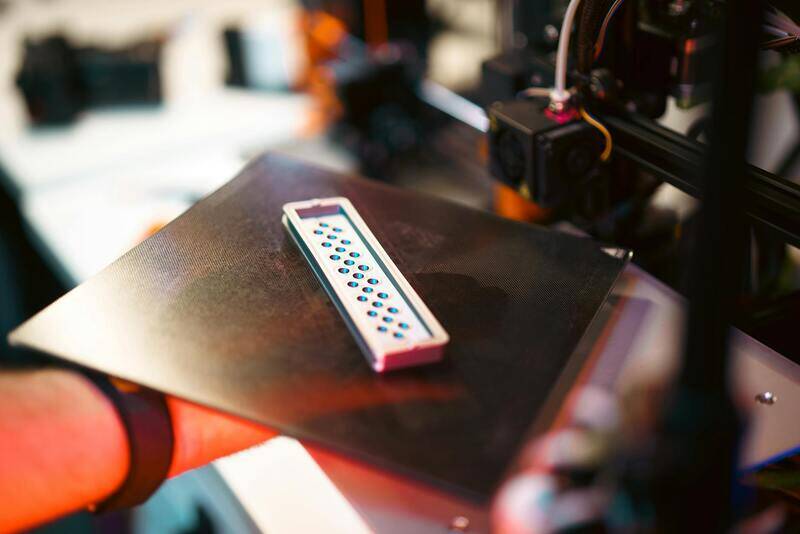
Employing professional printing methods, such as high-resolution digital printing and sophisticated color management systems, guarantees vivid, sharp imagery and consistent color accuracy. Such techniques are vital in producing eye-catching brochures that stand out amidst competitors. Sustainable materials, including recycled paper and eco-friendly inks, are increasingly incorporated, allowing brands to promote their commitment to environmental stewardship without compromising print quality.
The versatility of custom brochure printing extends to various production scales—whether small batch runs for a targeted campaign or large-volume orders for widespread distribution. This flexibility enables marketers to tailor their strategies effectively while maintaining cost efficiency. The process can also be seamlessly integrated into broader promotional campaigns, trade shows, or product launches, providing a tangible and professional medium for storytelling and customer engagement.
Materials and Finishes for Custom Brochures
Selecting the right materials and finishes is crucial in enhancing the tactile experience and durability of brochures. Common options include:
- Paper Stocks: Matte, gloss, satin, linen, and heavyweight cardstock.
- Coatings and Laminations: UV coating for gloss, matte finish for a subdued look, or soft-touch lamination for a premium feel.
- Specialty Finishes: Spot UV, embossing, foil stamping, and die-cutting to add textured and aesthetic enhancements.
These choices not only impact the visual and tactile appeal but also influence the overall lifespan of the brochures, making them suitable for long-term distribution or outdoor use. Some finishes can provide water resistance and increased protection against wear and tear, ensuring that the brochures remain attractive and intact over time.
Design Considerations for Custom Brochures
Effective brochure design integrates visual storytelling with strategic information placement. Essential considerations include:
- Brand Consistency: Ensuring color schemes, typography, and imagery reflect the brand identity.
- Hierarchy and Layout: Clear hierarchies guide the reader through key messages and calls-to-action.
- Balance and White Space: Adequate spacing improves readability and visual appeal.
- Imagery and Graphics: High-resolution images and compelling graphics enhance engagement.
- Content Clarity: Concise, targeted messaging facilitates quick comprehension and retention.
Utilizing professional design software and consulting with experienced designers can optimize these elements, resulting in brochures that effectively communicate your unique value proposition.

Detailed Insight into Custom Brochure Printing
Custom brochure printing demands meticulous attention to various elements that influence both visual impact and functional qualities. Leveraging advanced printing techniques, high-quality materials, and precise finishing options, businesses can craft brochures that not only attract attention but also effectively communicate their core messages. The process begins with selecting the ideal paper stock, which can range from lightweight gloss-coated papers suitable for vibrant presentations to heavier, textured cardstock that imparts a premium feel. These choices contribute significantly to the durability and tactile quality of the final product, making the brochure suitable for long-term display or outdoor exposure.
Precision with Finishing Touches
To elevate the aesthetic appeal, finishing options such as UV coating are frequently employed. Gloss UV coatings lend a vibrant, shiny surface that intensifies colors and creates a striking visual impression. Matte finishes, on the other hand, offer a subdued elegance that reduces glare and improves readability. Beyond coatings, specialty finishes like soft-touch lamination provide a luxurious texture that invites tactile engagement. For added visual interest and branding impact, techniques such as spot UV highlight specific areas, embossing creates tactile depth, foil stamping offers metallic accents, and die-cutting creates custom shapes that align with your brand design.
Design Considerations for Impactful Brochures
Effective brochure design hinges on balancing visual storytelling with strategic information placement. Consistent branding—through tailored colors, fonts, and imagery—ensures recognition and credibility. Hierarchical structuring of content guides readers seamlessly from initial interest to call-to-action, facilitated by clear headlines, subheadings, and bullet points. Adequate white space enhances clarity, preventing clutter and ensuring easy navigation, especially in cluttered visual environments. Incorporating high-resolution images and compelling graphics boosts engagement, while concise, targeted messaging ensures quick understanding and retention. Collaborating with professional designers and utilizing advanced software tools can optimize layouts and visual elements, resulting in a cohesive and persuasive presentation.
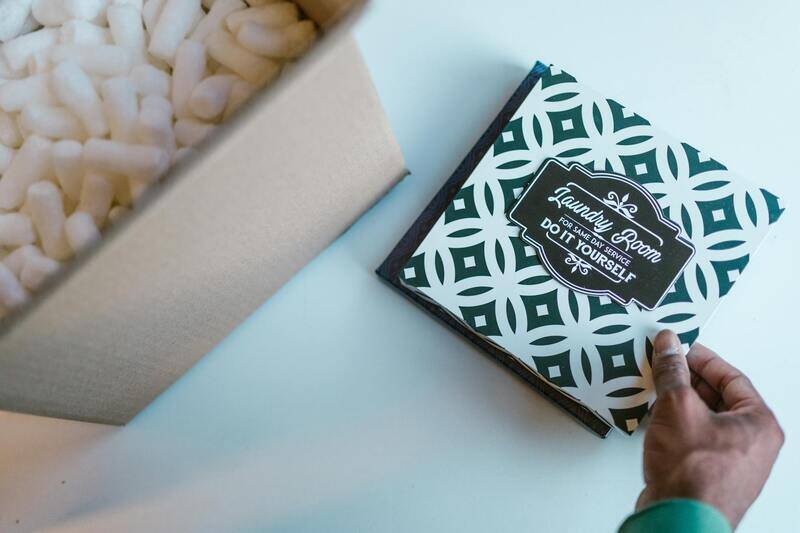
Material and Finish Selection to Match Branding Goals
The choice of materials directly influences the perceived value of your brochures. Matte or gloss lamination not only provides aesthetic appeal but also adds a layer of protection against wear and tear. Special effects such as spot UV can be applied selectively to highlight logos or key messages, making them pop against the background. Textured finishes or soft-touch coatings evoke a sense of luxury, while water-resistant coatings ensure durability under various environmental conditions. The combination of material and finish options should align with your brand identity and distribution context, whether for high-end clients or practical informational distributions.
Investing in premium finishes and carefully chosen materials results in brochures that stand out, foster credibility, and reinforce your brand’s professionalism.
Overview of Custom Brochure Printing
Custom brochure printing is a strategic process that allows businesses and organizations to create visually compelling marketing materials tailored precisely to their brand identity and communication goals. Utilizing high-quality printing techniques ensures that every brochure exudes professionalism and durability, making them effective tools for outreach, informational distribution, and brand reinforcement.
Key aspects of custom brochure printing include selecting appropriate formats, selecting superior materials, and customizing each element to align with your branding. By choosing the right specifications, companies can craft brochures that stand out in crowded environments, whether used for trade shows, direct mail campaigns, or in-store displays. Accurate color reproduction, sharp typography, and durable finishes contribute to the overall impact, making every piece a vital part of your marketing arsenal.
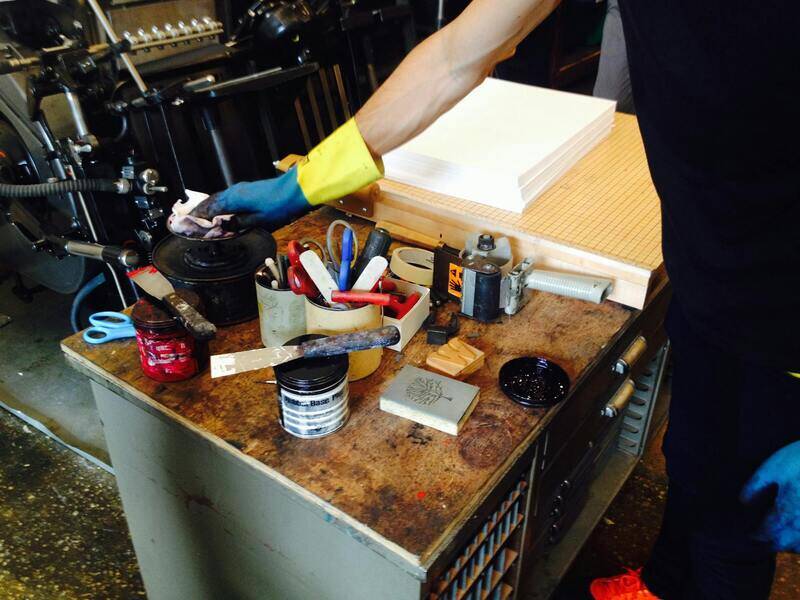
Materials and Finishes for Custom Brochures
The selection of materials and finishes plays a crucial role in defining the tactile quality and visual appeal of your brochures. High-quality stock options include varying thicknesses of cardstock and specialty papers that can evoke a sense of luxury or practicality, depending on your target audience.
- Paper Stocks: Options range from matte, gloss, to silk finishes, each providing different visual effects and sensory experiences.
- Lamination: Matte or gloss lamination adds protection, enhances color vibrancy, and prolongs the lifespan of your brochures.
- Spot UV Coating: A strategic application of gloss coating on specific areas like logos or headings creates visually striking accents that draw attention.
- Textured Finishes: Embossed, debossed, or soft-touch coatings contribute to a tactile experience, making your brochures memorable and sophisticated.
- Water-Resistant Coatings: Suitable for outdoor distributions, these coatings safeguard your materials against environmental damage, ensuring they maintain their appeal over time.
Integrating these options thoughtfully according to your branding strategy ensures your brochures not only communicate effectively but also leave a lasting impression on recipients. When choosing materials and finishes, consider the distribution environment and the desired perception—whether upscale, practical, or eco-friendly. Professional printers can assist in selecting the best combinations to meet both aesthetic and functional requirements.
Investing in premium materials and finishes not only enhances visual appeal but also reinforces your company's reputation for quality and attention to detail. Customized brochures with carefully chosen materials and finishes demonstrate a commitment to excellence that can significantly influence customer perceptions and engagement.
Overview of Custom Brochure Printing
Custom brochure printing plays a vital role in establishing a strong brand identity and effectively communicating your business offerings. Through tailored designs, materials, and finishes, businesses can create brochures that resonate with their target audience and stand out in competitive markets. The process involves selecting appropriate formats, styles, and sizes to suit specific marketing objectives, whether for product launches, corporate presentations, or event promotions.

Choosing a reliable printing provider ensures the final product aligns with your branding standards and quality expectations. Professional printers use advanced technologies to produce sharp images, consistent colors, and durable finishes that elevate your marketing strategy. With options such as environmentally friendly materials, specialty coatings, and customizable dimensions, custom brochure printing provides a flexible platform for delivering your message effectively.
Factors Influencing Successful Custom Brochure Printing
- Design Alignment: Ensuring the brochure design reflects brand guidelines and appeals to the target demographic.
- Material Selection: Opting for paper types and finishes that match the brochure's purpose, whether for indoor display or outdoor distribution.
- Print Quality: Utilizing high-resolution printing techniques to achieve clarity and vibrancy.
- Quantity and Budget: Balancing the number of copies with cost considerations, while maintaining quality standards.
Advantages of Professional Custom Brochure Printing
Partnering with experienced printers ensures consistency and excellence in every brochure produced. Such collaborations allow for the incorporation of sophisticated design elements, premium materials, and innovative finishing options that elevate the perceived value of your marketing collateral. Aside from aesthetics, professionally printed brochures provide durability crucial for outdoor events or prolonged use, thus protecting your investment and maintaining your brand's integrity.
Design Tips for Effective Custom Brochures
- Clear Hierarchy: Organize information with prominent headings and logical flow to guide readers effortlessly.
- Eye-Catching Visuals: Use high-quality images and graphics that complement your messaging and reinforce brand identity.
- Concise Content: Keep text brief but impactful, focusing on benefits and calls-to-action.
- Consistent Branding: Maintain color schemes, fonts, and logos to reinforce brand recognition.
- Strategic Fold Lines: Select fold styles that enhance the presentation and facilitate easy reading.
Thoughtful design combined with the right materials can significantly boost the effectiveness of your brochures, making them memorable tools in your marketing arsenal. When engaging a printing service, consult with professionals to explore customization options that align with your overall branding strategy.
Material Selection to Enhance Durability and Aesthetics
Choosing the right materials is crucial in custom brochure printing to achieve a balance between visual appeal and long-term durability. Thick, high-quality paper stocks such as 170gsm or 200gsm satin or gloss paper are popular choices for professional brochures, offering a premium feel that reflects well on your brand. Sustainable options like recycled paper can also be considered, aligning your marketing efforts with environmental responsibility. Additionally, specialty materials such as laminated finishes can provide added protection against moisture, tearing, and handling, ensuring your brochures maintain their impact over time.
For outdoor or high-traffic environments, consider materials designed to withstand weather conditions. Waterproof or weather-resistant stocks prevent damage from exposure to elements, preserving the integrity of the printed content. The choice of coating, such as matte, gloss, or soft-touch finishes, further influences tactile sensation and visual presentation. Embossing or debossing options add texture and depth, making certain design elements stand out and enhancing the tactile experience for recipients.

Embedding Finishing Touches for a Professional Look
Finishing techniques elevate the perceived quality of your brochures. Techniques like UV coating imbue the surfaces with a high-gloss shine, making images and colors pop, ideal for vibrant visuals. Matte finishes, on the other hand, offer a subdued sophistication, reducing glare and providing an excellent surface for pen annotations or tactile reading. Soft-touch coatings give a luxurious feel, often used in high-end branding campaigns.
Specialty finishes like spot UV, which applies a glossy coating to specific areas, can accentuate logos or key messaging elements. Foil stamping adds metallic accents that catch the eye, ideal for premium brands or limited editions. Rounded corners, die-cut shapes, and embossing create memorable tactile and visual impressions, setting your brochures apart from standard formats.

Balancing Cost and Quality
Cost considerations are essential when selecting materials and finishes. While thicker stocks and elaborate finishes may increase the per-unit expense, they significantly enhance the tactile and visual appeal, contributing to a more impactful marketing piece. Budgeting for these options involves evaluating your campaign's goals and the target audience’s expectations. Bulk ordering often reduces unit costs, allowing you to incorporate higher-end finishes without exceeding your overall marketing budget.
Collaborating with a reputable printing service ensures access to a broad selection of quality materials and finishing techniques. Expert printers can advise on the best combinations that align with your brand identity and budget constraints, providing mock-ups or samples before kickoff. This process helps prevent costly errors and facilitates informed decisions that will maximize your investment in custom brochure printing.
Overview of Custom Brochure Printing
Custom brochure printing is a strategic tool for businesses seeking to communicate their brand story, products, or services through visually compelling printed materials. Unlike mass-produced alternatives, custom options allow for tailored designs, unique formats, and specialized finishes that align precisely with your marketing goals. Whether you aim to create an informative product catalog, a captivating service overview, or a detailed corporate profile, custom brochures provide a versatile platform to engage your target audience effectively.
At the core of custom brochure printing is the emphasis on quality and personalization. By choosing specific paper stocks, finishes, folding styles, and sizes, businesses can craft brochures that stand out visually and tactilely. The physical feel, combined with vibrant high-resolution printing, ensures your message resonates with recipients, leaving a lasting impression that facilitates brand recall and encourages engagement.
Utilizing official and reputable printing methods guarantees consistency and durability in your materials. Laser and offset printing techniques offer precision and sharpness, essential for intricate graphics and detailed text. Moreover, modern printing services incorporate environmentally responsible practices, supporting sustainability without compromising on quality, which aligns with the increasing consumer preference for eco-friendly brands.
Types of Brochures and Folding Styles
- Bi-Fold Brochures: Simple, two-panel designs that are easy to read and cost-effective.
- Tri-Fold Brochures: Classic three-panel layout ideal for step-by-step guides or segmented information.
- Z-Fold Brochures: Unique accordion-style folds suitable for storytelling and dynamic visual layouts.
- Gate Fold: Offers a striking opening with two side panels unfolding to reveal a central panel, perfect for high-impact presentations.
- Double Parallel Fold: A four-panel setup providing ample space for detailed content while maintaining a compact form.
Folding styles influence the brochure's overall aesthetic and functionality. die-cut shapes, round corners, and special folds like roll folds or parallel folds add sophistication and uniqueness, making the brochure more engaging and memorable.
Materials and Finishes for Custom Brochures
Choosing the right materials enhances both the longevity and appeal of your printed materials. Options include:
- Paper Stocks: From matte to gloss, textured to smooth finishes, selecting the appropriate weight (e.g., 130gsm, 170gsm, or premium 300gsm) impacts durability and tactile experience.
- Finishes: Matte laminations provide a non-reflective surface perfect for readability, while gloss finishes accentuate colors and details. Soft-touch coatings offer a luxurious feel, elevating the perceived value of your brochures.
- Special Effects: Foil stamping adds metallic accents for premium branding, embossing and debossing create tactile depth, and spot UV coatings highlight specific design elements, making your brochures visually striking.

Design Considerations for Custom Brochures
Effective brochure design hinges on layout clarity, compelling imagery, and concise messaging. Utilizing high-resolution images, balanced typography, and a consistent color scheme reinforces branding efforts. Strategic placement of call-to-actions guides readers toward desired actions, whether making inquiries, visiting a website, or attending an event.
Designing with harmony and hierarchy ensures essential information stands out. Incorporating ample white space avoids clutter, and aligning design elements with brand identity bolsters recognition. It's vital to consider the target demographic when selecting design elements—luxurious finishes and sophisticated layouts may appeal to premium markets, while vibrant colors and playful structures might resonate with younger audiences.
Printing Techniques and Technologies
Utilizing cutting-edge printing technologies guarantees high fidelity in color reproduction and sharpness. Digital printing offers quick turnaround times and is suitable for smaller batches or personalized brochures, ensuring flexibility and cost-efficiency. Offset printing, on the other hand, excels for larger print runs, delivering superior image quality and color consistency across batches.
Specialized printing methods such as UV coating, foil stamping, and embossing are employed post-printing to add tactile and visual enhancements. These techniques require precise registration and quality control but significantly elevate the brochure's overall aesthetic and perceived value.
Pricing and Budgeting for Custom Brochures
Cost considerations revolve around material choices, design complexity, folding styles, and finishing techniques. While premium materials and intricate effects may elevate costs per unit, they substantially improve the brochure's impact. Strategic bulk ordering can lead to economies of scale, reducing overall expenses while maintaining high quality.
Collaborating with experienced printing providers ensures access to competitive pricing and expert guidance on optimizing your design within budget. Requesting sample mock-ups or prototypes helps visualize the final product and identify any potential issues before full production, mitigating costly revisions and ensuring your investment yields maximum returns.
Ensuring Authenticity and Quality in Custom Brochure Printing
When selecting a provider for custom brochure printing, it is essential to focus on methods that uphold the highest standards of authenticity and quality. Reputable printing services employ proven techniques and follow strict industry standards, ensuring that each brochure produced aligns with your brand’s prestige and communicates your message effectively. Established providers maintain comprehensive quality control processes, including color calibration, material verification, and inspection at each stage of production, to guarantee that the final product meets all specified requirements.
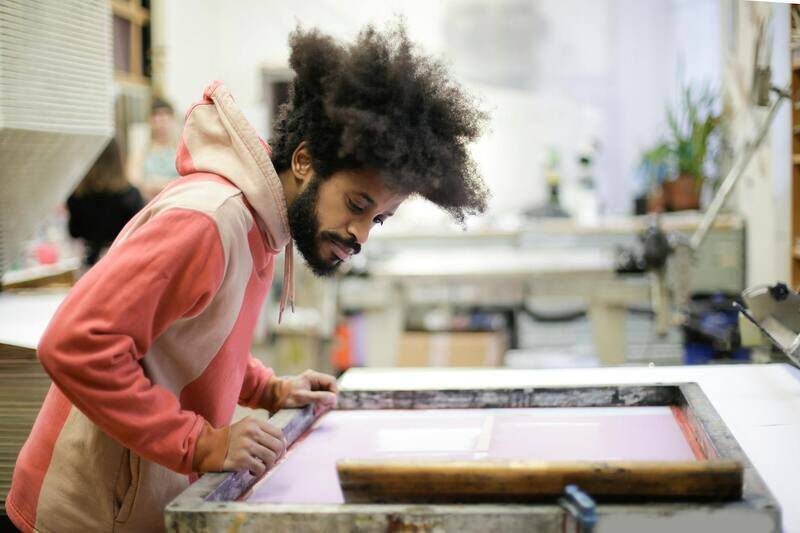
Utilizing recognized printing methods such as offset and digital printing, which are widely endorsed within the industry, demonstrates the provider’s commitment to authenticity and reliability. Offset printing is preferred for larger quantities due to its consistency and high-quality output, while digital printing allows for personalization and quick turnaround times, both adhering to standardized processes that ensure the integrity of the branding and design details. Additionally, reputable firms invest in advanced equipment that accurately reproduces colors and details, ensuring that the printed brochures are true to the original digital files.
Transparent communication and detailed documentation are also vital indicators of legitimate service providers. This includes clear scope of work, sample proofs, and standardized quality assurance protocols, which serve as vital steps before proceeding with full production. These measures help prevent misunderstandings and ensure that the final brochures meet your expectations, precisely reflecting your brand identity and messaging.
When assessing printing providers, inquire about their adherence to recognized industry standards such as ISO certifications related to quality management and environmental practices. Such certifications underline their commitment to maintaining consistent quality, managing environmental impact responsibly, and adhering to ethical manufacturing practices. Confirming that they use certified, reputable raw materials—such as FSC or PEFC-approved papers—further guarantees the legitimacy of their process and sustains a high standard of end-product quality.
Another critical aspect is the provider’s use of non-proprietary, widely accessible printing technologies. These methods include traditional offset printing, narrow- and wide-format digital presses, and specialized finishes like UV coating, embossing, or foil stamping, which are recognized for their precision and durability. Ensuring the provider uses these standard techniques affirms that each brochure is produced through validated, consistent processes designed to deliver authentic, top-tier results.
Choosing a partner that offers comprehensive post-printing quality checks—such as detailed inspection protocols, color matching tests, and tactile evaluations—serves as additional validation of their dedication to authenticity. These steps guarantee that any variations or imperfections are identified and rectified before delivery, safeguarding the integrity of your printed materials.
In sum, authenticity and quality in custom brochure printing are upheld through adherence to recognized industry standards, use of proven methodologies, certification of processes and materials, and rigorous quality controls. Working with experienced, transparent providers ensures your brochures not only meet aesthetic and functional expectations but also reflect genuine craftsmanship and trustworthy practices, which bolster your brand's reputation and foster confidence among your target audience.
