Understanding Folded Brochures
Folded brochures are versatile marketing tools that combine visual appeal with comprehensive information delivery. Designed to fold multiple times, they allow for a structured presentation of content, making complex messages easier to digest for the reader. These brochures are frequently used for product catalogs, event promotions, menu displays, and corporate introductions, owing to their ability to create an organized and engaging layout. The primary advantage of using folded brochures lies in their capacity to maximize space without sacrificing aesthetics. They enable businesses to feature high-quality imagery alongside detailed descriptions, pricing, and contact information in a compact format. This format appeals to diverse industries, from hospitality and retail to finance and real estate, where conveying a professional image and key messages effectively is paramount.

Additional benefits include cost efficiency, as they can be produced in bulk at reasonable rates, and ease of distribution, fitting comfortably into mailboxes, presentation folders, or handouts at events. When designed with strategic folding lines and compelling visuals, folded brochures transform simple marketing pieces into impactful communication tools. Their physical form not only captures the audience's attention but also encourages the recipient to explore the content further, driving engagement and brand recognition. As a tangible medium, folded brochures also create a lasting impression, showing a commitment to quality and professionalism that digital-only communications often lack.
To maximize their effectiveness, businesses should focus on choosing the right fold style, material, and layout. The choice of paper quality impacts the durability and perceived value of the brochure, with options spanning from standard gloss paper to premium card stocks. Thoughtful design considerations, such as strategic placement of images and text, proper fold lines, and a cohesive color scheme, contribute significantly to the brochure’s visual appeal and clarity.
Whether crafting simple bi-fold designs or more complex tri-fold or multi-panel formats, the goal remains to communicate essential information succinctly while maintaining aesthetic appeal. Carefully planned folding methods not only influence the brochure’s overall look but also facilitate an intuitive flow of information, guiding the reader seamlessly from one section to another. Printed using high-quality offset or digital printing processes, folded brochures deliver a professional look that enhances brand prestige and leaves a memorable impression on potential customers and partners alike.
Understanding Folded Brochures
Folded brochures serve as dynamic tools for conveying detailed information in a compact, visually appealing format. Their structure allows for organized presentation of multiple sections, making complex ideas more digestible. By strategically dividing content across panels and folds, businesses can guide readers through a narrative flow that enhances understanding and retention.

The physical presentation of folded brochures not only captures attention but also reflects the quality and professionalism of a brand. A well-constructed brochure demonstrates attention to detail, from the choice of paper stock to fold accuracy. Different folding techniques can add a tactile dimension, encouraging recipients to handle and engage with the material more deeply.
When selecting a structure for your folded brochure, consider how the fold enhances content flow and visual hierarchy. For example, bi-fold designs offer simplicity and elegance, while tri-fold formats introduce multiple sections that can compartmentalize different messaging areas. Other innovative folds, such as gate folds or accordion styles, provide distinctive ways to reveal information progressively, creating a memorable unboxing experience for the reader.
Additionally, materials play a pivotal role in the durability and perceived value of folded brochures. Thicker papers like 157gsm gloss art paper or premium cardstock ensure the brochure withstands handling and maintains its form. Textured finishes or matte coatings can also add tactile appeal, making your marketing piece both elegant and functional.
Design and Layout for Folding
A successful folded brochure hinges on thoughtful design considerations. Properly aligned fold lines prevent unwanted creases and ensure sharp, professional-looking edges. Design should also account for bleed, margins, and safe zones to prevent content from being cut off or folded incorrectly.
- Content Placement: Strategically place vital information on panels that will be most visible upon unfolding.
- Visual Flow: Use imagery and text hierarchy to guide the reader naturally through sections.
- Call to Action: Position contact details or promotional offers where they are prominently visible at the end of the brochure’s flow.
Creating a cohesive color scheme and ample white space enhances readability and visual impact. Incorporating brand elements consistently across panels reinforces brand recognition and professionalism.
Printing Techniques and Quality Assurance
The choice of printing method influences the vibrancy, precision, and overall finish of your folded brochures. Offset printing remains ideal for large runs, delivering accuracy and vivid color reproduction. Digital printing offers flexibility for smaller quantities and quick turnarounds, making it suitable for targeted campaigns or prototypes.
Quality control is critical; inspecting proof samples ensures that fold lines are correct, colors match expectations, and no defects are present before full-scale production. High-resolution printing paired with appropriate paper selections results in a polished, professional appearance that enhances your brand image.
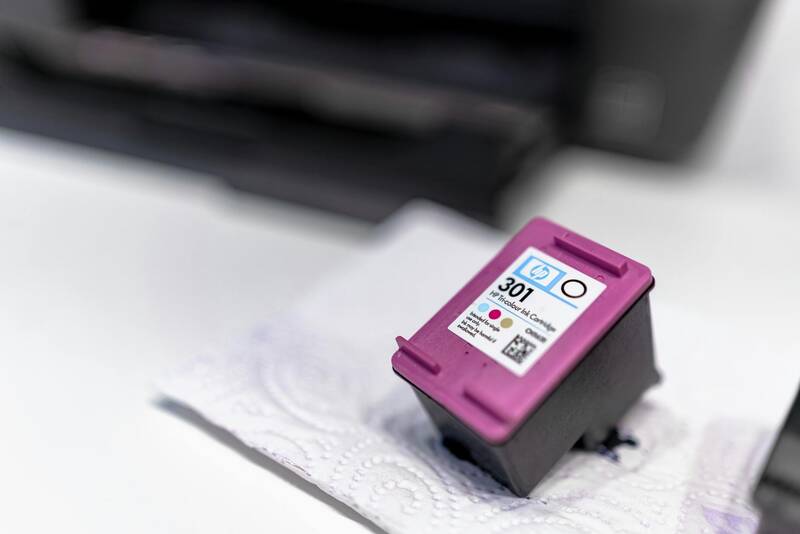
Utilize finishing options such as UV coating, matte lamination, or soft-touch finishes to add a tactile dimension and protect your brochure from wear. These details not only improve aesthetics but also contribute to the brochure’s longevity.
Material and Paper Choices for Folded Brochure Printing
Choosing the right paper stock forms the backbone of a high-quality folded brochure. The selection impacts not only visual appeal but also durability and tactile experience, making it crucial to understand the options available. Gloss, matte, and uncoated finishes each serve different purposes, influencing how colors are perceived and how the brochure feels in hand.
Gloss finish, often used in vibrant and images-heavy brochures, enhances color vibrancy and provides a sleek, professional look. Matte finishes, on the other hand, offer a subdued, elegant appearance with reduced glare, ideal for text-heavy designs and scenarios requiring minimal fingerprints or smudges. Uncoated or matte paper stocks are typically preferred for brochures that aim for a softer, more natural texture, improving readability and adding a tactile element that can elevate the perceived quality of your printed material.
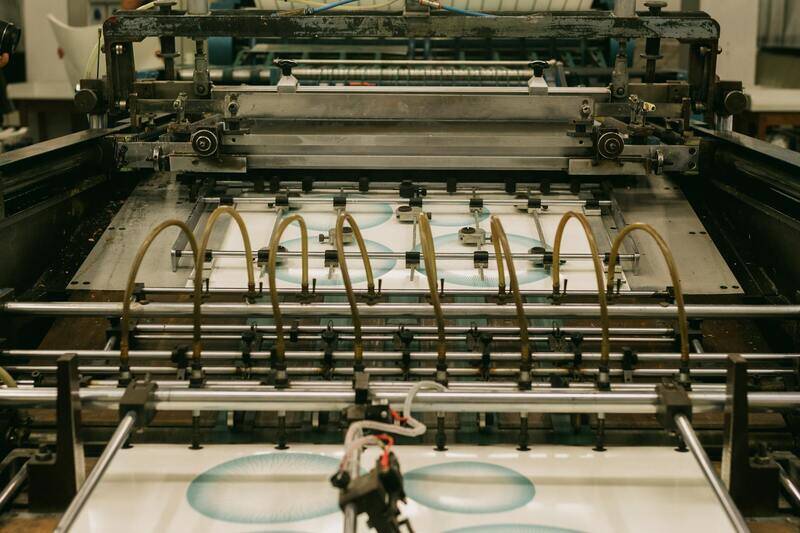
Beyond finish types, the choice of material weight significantly influences the durability and impression of your brochure. Heavier papers such as 157gsm gloss art paper or 230gsm ivory white card deliver a sturdy feel and are more resistant to creases and damage, making them suitable for print runs that require a premium presentation. Lighter options, like 80gsm or 105gsm woodsfree paper, are cost-effective and ideal for mass distribution or mailing campaigns, but they offer less rigidity.
Eco-friendly materials are increasingly popular among environmentally conscious brands. Recycled paper stocks or those certified for sustainable manufacturing can be used without compromising quality. These materials often feature natural textures that lend authenticity and reinforce your brand’s commitment to sustainability.
Enhancement through Finishing Techniques
Adding finishing touches like UV coating, matte lamination, or soft-touch finishes can enhance your folded brochure's overall visual impact and longevity. UV coating provides a glossy, durable surface that resists scuffs and moisture, while matte lamination imparts a subtle elegance and touch-dampening quality. Soft-touch finishes give the brochure a velvety feel, reinforcing a sense of luxury and craftsmanship. These enhancements not only improve aesthetics but also protect against wear and tear, ensuring your brochure maintains its premium appearance over time.
Incorporating such finishes is essential for projects aiming for high-end presentation, especially when the brochure serves as a tangible extension of your brand identity. Consider the environment in which your brochures will be used, and tailor your material choices and finishes to align with your campaign goals and target audience expectations.
Understanding Folded Brochures
Folded brochure printing is a versatile marketing solution that combines informative content with attractive visual presentation. By strategically dividing information across multiple panels, these brochures effectively guide the reader through key messages, product details, or service options. The development of a well-designed folded brochure involves balancing aesthetics with practicality, ensuring each fold enhances the overall message and encourages engagement. Consideration of how content flows from one panel to the next can significantly impact comprehension and the likelihood of a desired response, such as contacting your sales team or visiting your website.

Official Methods for Folded Brochure Printing
In the realm of folds, the integrity of your design and the quality of production are paramount. To achieve professional results, reputable printing methods involve precision in die-cutting and folding processes. Using high-quality printing presses with calibrated settings ensures crisp, clean folds that align perfectly across panels, avoiding misalignment or uneven creases. Die-cutting blades are crafted specifically for each brochure style, whether bi-fold, tri-fold, or more complex formats like Z-folds or accordion folds. These custom-made dies cut through various paper stocks smoothly and accurately, producing sharp fold lines that contribute to the brochure’s durability and visual appeal.
Another essential aspect involves the choice of ink and toner. Offset printing remains a preferred method for large runs, providing consistent color saturation and sharp imagery. Digital printing, meanwhile, offers precision and quicker turnaround times for smaller quantities or prototypes without compromising on quality. Regardless of the method, ensuring that the paper and print materials are compatible prevents issues like smudging or paper jams, which could compromise the finished product.
Ensuring Quality Through Proper Handling and Finishing
After printing, the finishing stage further defines the professionalism of your folded brochures. Skilled finishing includes precise folding, which is best executed by experienced operators or automated folders tailored for specific fold types. This not only ensures neat, crisp creases but also prevents cracking or splitting, especially with thicker stocks. Finishing can also entail perforations if you want tear-off sections, or lamination to add durability and enhance visual impact.
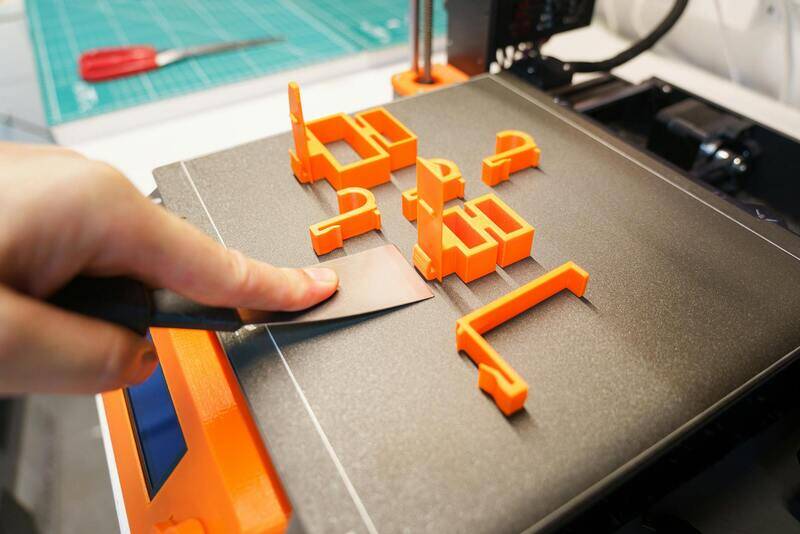
Advanced finishes, such as UV coating, matte or gloss lamination, and soft-touch treatments, are applied after folding to improve tactile feel and resistance to wear. These techniques contribute to a high-end presentation that reflects positively on your brand. When selecting these options, proper application and curing are crucial; otherwise, they may lead to smudging, uneven textures, or bubbles, which diminish the overall impression.
Maintaining Consistency in Manufacturing
Consistency is vital when producing folded brochures at scale. Standardizing settings for die-cutting and folding machinery ensures every piece meets quality benchmarks. Regular calibration and maintenance of equipment prevent misalignments and defects, saving time and reducing waste. Many professional printshops employ quality control measures, including sample checks before full production runs, to verify that fold lines are flawless and colors are true to the design specifications.
Moreover, selecting experienced professionals and using advanced printing technology minimizes the risk of errors. This adherence to standard official procedures guarantees that each brochure, whether for a small local campaign or a nationwide distribution, maintains high standards of quality and presentation.
Official Methods for Folded Brochure Printing
Creating high-quality folded brochures involves adhering to established, professional printing techniques that ensure precision and durability. One of the key procedures is the use of advanced die-cutting technology coupled with automated folding machinery. These machines are calibrated to produce clean, sharp creases along designated fold lines, which is essential for a polished appearance. By maintaining strict standards in die design and machine settings, print providers can guarantee consistent fold quality across large batches.
Furthermore, the printing process itself often employs proven methods such as offset printing for large quantities or digital printing for smaller runs. Offset printing offers excellent color fidelity and sharp image reproduction, essential for maintaining brand consistency. Digital printing, on the other hand, provides flexibility and faster turnaround times, ideal for short-term campaigns or personalized brochures. Both processes should be executed with high-grade inks and substrates to prevent smudging or color bleeding.
Post-press finishing techniques are equally critical. Laminations, UV coatings, and embossing not only enhance visual appeal but also protect the brochure from wear and tear. These coatings are applied after folding, with UV coatings curing rapidly and providing a glossy, high-shine finish that resists scratches. Matting or soft-touch lamination gives a luxurious feel, reinforcing brand perception.
To ensure total quality control, reputable print shops utilize rigorous inspection protocols. Sample checks prior to mass production verify that fold lines are precise, colors match the original design, and that the materials used meet specified standards. Regular maintenance and calibration of printing and folding equipment minimize errors, leading to a reliable and consistent product. This disciplined approach provides confidence that every brochure aligns with professional industry standards and effectively represents your brand.

Quality Enhancements through Finishing Techniques
In addition to the core printing and folding procedures, several finishing options are available to elevate the final presentation of folded brochures. Laminations, whether matte or gloss, provide a durable surface resistant to moisture and scratching, which is especially beneficial for brochures that will be handled frequently. UV coating adds a high-gloss layer capable of highlighting colors and images, making the brochure visually striking. Embossing and debossing add tactile dimension, creating raised or recessed elements that attract attention and offer a premium feel. Spot UV, applied selectively to specific areas such as logos or headers, creates contrast and emphasizes critical parts of the design. Applying these finishes requires careful application and curing processes. Inconsistent curing can lead to smudges, uneven textures, or trapped air bubbles, which compromise the professional look. Therefore, trusted commercial printing services employ skilled technicians and high-quality equipment to ensure each brochure meets exacting standards. Such attention to detail in finishing not only enhances visual impact but also prolongs the lifespan of the brochure, maintaining its appearance even after prolonged exposure to handling and environmental factors. This approach ensures your marketing materials consistently exude professionalism and generate positive impressions among your target audience.
Understanding Folded Brochures
Folded brochures are versatile marketing tools that combine aesthetics with functionality, effectively conveying information in a compact, easy-to-handle format. They utilize various folding techniques to organize content dynamically, making them suitable for diverse promotional needs, from product displays to corporate communications. The process of creating a folded brochure involves precise planning—from selecting the appropriate paper to choosing the fold style—that directly impacts the final presentation and user experience.

Types of Folded Brochures
Multiple fold configurations are available to suit specific design goals and content complexity, including:
- Bi-Fold: Features a single fold creating two equal panels, ideal for straightforward messaging and a clean aesthetic.
- Tri-Fold: Divides the brochure into three panels, commonly used for menus, event programs, and informational pamphlets due to its compact size and organized structure.
- Z-Fold: A variation of the tri-fold with a zigzag fold, enabling a dramatic unfolding effect that captures attention and enhances storytelling.
- Gate Fold: Opens like gates from the center, revealing impactful visuals or key information, perfect for premium presentations.
- Double Parallel Fold: Combines two parallel folds, creating four panels, suitable for detailed content and multi-section layouts.
Choosing the appropriate fold depends on the amount of information to be presented and the desired visual impact. Dedicated design consideration ensures that each fold type complements the content and guides the reader seamlessly through the material.
Material and Paper Choices
The selection of material profoundly affects the durability and look of folded brochures. Common options include:
- Glossy Art Paper: Offers vibrant color reproduction and a sleek finish, enhancing visual appeal, ideal for image-rich designs.
- Matte Paper: Provides a subtle, non-reflective surface that is excellent for readability and a sophisticated appearance.
- Cardstock (e.g., 230gsm Ivory White Card): Ensures sturdiness and a premium feel, suitable for high-end marketing materials.
- Woodsfree Paper (80gsm to 105gsm): Lighter options for cost-effective solutions that still maintain decent durability.
Durability and tactile experience are critical factors, especially for brochures expected to withstand handling and environmental exposure. Consulting with printing professionals can help identify the best material for specific project requirements.
Design Considerations for Folding
Proper design is essential to maximize the effectiveness of a folded brochure. Important aspects include:
- Content Placement: Ensuring text and images are positioned so they appear correctly upon final fold, avoiding misalignment or hidden elements.
- Fold Lines: Incorporating safe margins away from fold lines prevents content from binding or becoming illegible.
- Visual Flow: Designing with a logical sequence encourages viewers to follow the intended reading order, enhancing message delivery.
- Color and Contrast: Using contrasting colors and bold visuals to draw attention to key points while maintaining brand consistency.
Proactive planning during the design phase mitigates issues during printing and folding processes, ensuring that the aesthetic and functional goals are achieved seamlessly.
Printing Processes and Quality
Achieving high-quality folded brochures involves selecting the appropriate printing method tailored to project scale and detail requirements:
- Offset Printing: Suitable for large quantities, providing consistent color fidelity and sharp image reproduction, ideal for professional marketing campaigns.
- Digital Printing: Offers quick turnaround times and cost efficiency for smaller runs or prototype designs, with evolving quality comparable to offset under proper conditions.
Quality control during printing is paramount. Use of advanced color management systems and top-tier inks ensures vibrancy and accuracy. Additionally, precise registration and alignment are vital for complex folds, preventing mis-registration that could compromise visual coherence or functionality.
After printing, finishing techniques such as scoring and folding must be executed with high precision. Skilled operators and high-quality folding equipment guarantee clean, crisp creases—especially important for intricate fold styles that require multiple parallel layers or gate mechanisms.
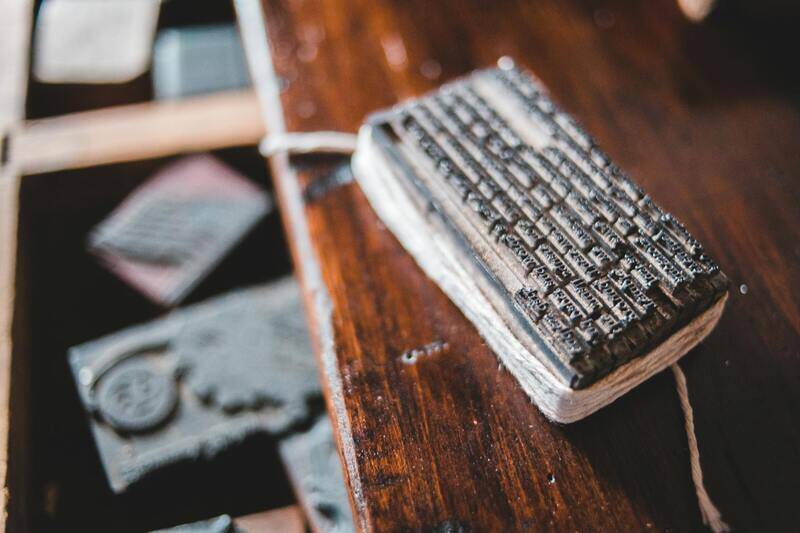
Understanding Folded Brochures
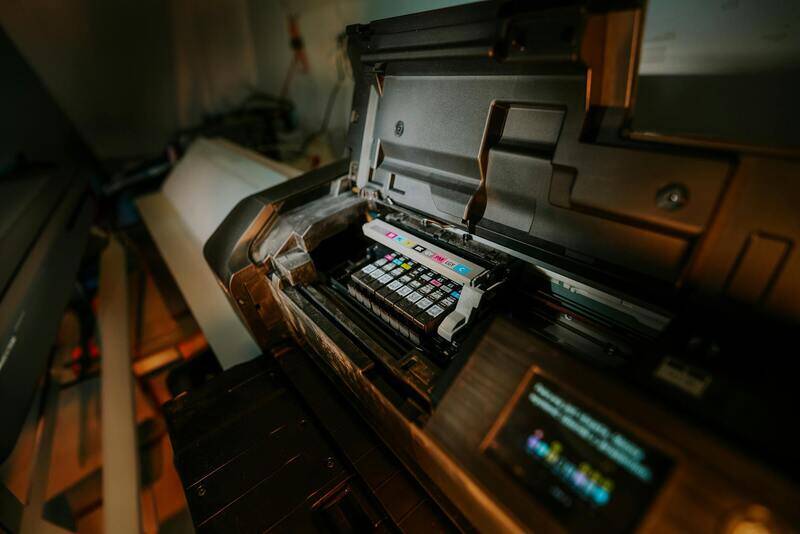
Folded brochures serve as an essential tool in marketing and communication strategies, offering a versatile platform to present information in a visually compelling manner. They are designed to be both functional and aesthetically pleasing, utilizing various fold styles to maximize the use of space and facilitate easy navigation of content. The construction of these brochures involves precise folding techniques that not only enhance their visual appeal but also ensure their durability during handling and distribution. When executed with attention to detail, they effectively capture the target audience’s attention and communicate key messages efficiently.
Material and Paper Choices
The selection of paper and materials plays a crucial role in the overall quality and durability of folded brochures. High-quality paper stocks ensure that the folds are clean and do not crack or tear over time, especially with frequent handling. Commonly used papers include:
- 80gsm Woodsfree Paper – lightweight, suitable for basic informational brochures
- 100gsm Woodsfree Paper – offers a balance of sturdiness and flexibility
- 105gsm Art Paper – ideal for vibrant printing with good foldability
- 128gsm Gloss Art Paper – enhances visual impact with a glossy finish
- 157gsm Gloss Art Paper – provides a premium look with excellent durability
- 230gsm Ivory White Card – for more rigid brochures that require a premium feel
- 260gsm Ivory White Card – thicker stock for high-end presentations
Additionally, specialized materials such as matte or textured finishes, laminated surfaces, and environmentally friendly options are also available to align with branding requirements and sustainability objectives.
Design Considerations for Folding
Effective design is fundamental to producing a functional and attractive folded brochure. Key considerations include:
- Fold Placement: Precise positioning of folds ensures easy unfolding and smooth operation, especially for complex folds like gate or Z-types.
- Content Flow: Logical sequencing of information guides the reader through the brochure seamlessly.
- Visual Hierarchy: Use of contrasting colors, bold fonts, and strategic imagery emphasizes critical points.
- Bleed and Margins: Adequate margins and bleed areas prevent important content from being cut off during trimming and folding.
- Folding Lines: Incorporate fold lines into the design to facilitate accurate creasing and prevent cracking or misalignment.
Proactive planning during the design stage reduces the risk of issues during production, ensuring that aesthetics and functionality are harmonized. When considering complex folds, diagrams or mockups can help anticipate how the brochure will behave during and after folding.
Printing Processes and Quality
Achieving high-quality folded brochures hinges on meticulous printing techniques tailored to the project’s scope and detail. Common methods include:
- Offset Printing: Best suited for large runs, delivering consistent color fidelity and sharp image reproduction, making it ideal for professional marketing materials.
- Digital Printing: Offers quick turnaround and cost-effective options for smaller quantities or prototypes, with quality improvements aligning with offset capabilities under optimized conditions.
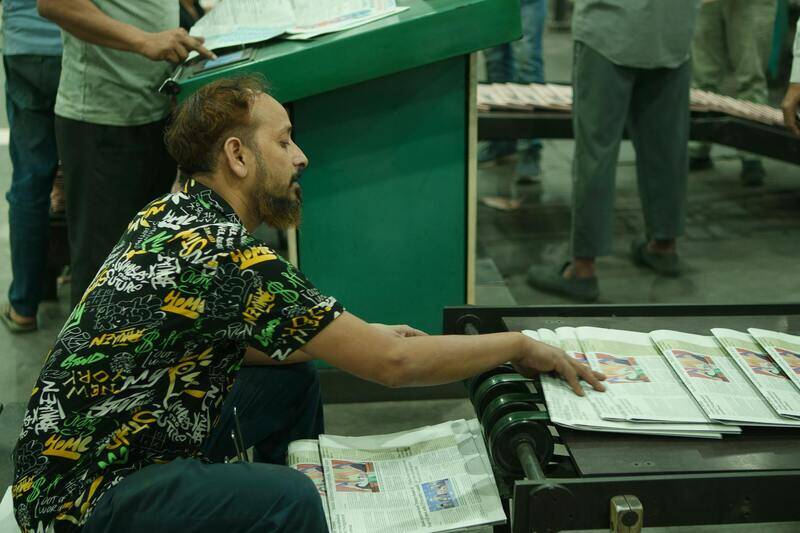
In both processes, rigorous quality control measures are implemented. This includes precise color management systems to ensure vibrancy and color accuracy, as well as meticulous registration to align multiple layers or complex fold lines. Post-printing, finishing techniques such as scoring and die-cutting prepare the material for clean, crisp folds. Skilled operators utilizing precise folding equipment are crucial, especially for brochures with intricate fold patterns requiring multiple layers or specialized mechanisms.
Pricing and Lead Time
Pricing for folded brochure printing varies based on several factors, including the choice of paper, complexity of folds, quantity, and finishing options. Basic bi-fold brochures printed on standard materials typically offer the most affordable options, while multi-panel or custom fold styles on premium papers tend to increase the cost. It’s important to request detailed quotes from reputable printers, ensuring transparency about costs associated with specific design specifications and additional finishing needs.
Lead times are influenced by the scope and complexity of the project. Simple fold types and smaller runs can often be completed within a few days, especially with digital printing methods. Larger quantities or more complex folds may require additional processing time due to intricate preparation and setup procedures associated with offset printing and finishing. Planning well in advance allows for thorough review cycles and adjustments before the final print run, minimizing the risk of delays and ensuring timely delivery of your professionally folded brochures.
Effective Use of Folded Brochures for Business Outreach
Utilizing folded brochures as part of your marketing strategy involves more than just selecting a design and printing. It requires thoughtful integration into your overall branding and communication plan to maximize their impact. When properly executed, folded brochures serve as portable, tangible representations of your brand that can engage potential clients, inform prospects about your offerings, and leave a memorable impression.
Targeted Distribution Strategies
- Event handouts: Distributing brochures at trade shows, conferences, and community events enhances brand visibility. Customized fold styles can draw attention and facilitate easy handling, ensuring your message reaches the right audience.
- Direct mail campaigns: Incorporating folded brochures into mailed marketing efforts provides a personalized touch. Their multi-panel design stands out in mailbox clutter, encouraging recipients to explore your services or products further.
- Point of sale promotions: Placing brochures near checkout counters or product displays informs customers and encourages immediate purchasing decisions.
- In-store distribution: Strategically positioning folded brochures inside stores elevates customer engagement, providing additional information about products or upcoming promotions.
Design Tips for Maximum Engagement
- Clear call-to-action (CTA): Make sure each brochure has a prominently placed CTA guiding the reader on subsequent steps—be it visiting a website, calling a number, or visiting a physical location.
- Visually appealing layout: Employ high-quality images, consistent branding, and balanced text placement. An attractive cover, along with well-organized internal panels, keeps readers engaged throughout.
- Concise content: Focus on core messages, benefits, and unique selling points. Bullet points and succinct paragraphs optimize readability.
- Incorporate interactive elements: QR codes, discount coupons, or personalized messages can increase direct response and track engagement levels.
Measuring Effectiveness
To assess the impact of your folded brochure campaign, monitor response rates through unique discount codes, dedicated phone lines, or online landing pages. Gathering feedback from recipients—either through surveys or direct inquiries—can further inform future design and distribution strategies, ensuring your marketing dollars are being effectively utilized.