Understanding Large Format Printing
Big size picture printing has become an essential component across various industries, ranging from advertising and interior design to event promotion and artistic displays. This process involves creating high-resolution images mounted onto oversized surfaces, ensuring visual impact and clarity even from considerable distances. The customization capabilities of large format printing enable businesses and individuals to produce elaborate, eye-catching visuals that serve specific functional or aesthetic objectives.
In commercial settings, large format prints are frequently used for creating striking banners, vibrant posters, and impressive signage that attract attention and deliver branding messages effectively. Artists and photographers leverage these printing techniques to reproduce their work at a scale that enhances viewing experiences and showcases detailed craftsmanship. Event organizers utilize large prints for stage backdrops and promotional displays, significantly elevating the ambiance and engagement levels.

Beyond their visual appeal, large size photographs and graphics also contribute to spatial transformation. They can define zones within a space, create immersive environments, or serve as focal points in architectural contexts. The enduring benefit of big size picture printing lies in its ability to communicate messages powerfully and with a high degree of visual fidelity—when executed correctly, it can bridge the gap between content and viewer effectively.
Manufacturers and service providers specializing in large format printing utilize a range of advanced technologies and premium materials to ensure color vibrancy, sharp resolution, and durability. These visuals can be engineered for both indoor and outdoor applications, withstanding environmental factors such as sunlight, moisture, and physical wear.
When selecting a big size picture printing method, it is crucial to consider the purpose of the print and the environment in which it will be displayed. The quality of the image, the material's resilience, and the overall presentation impact perceptions significantly. As such, understanding the foundational concepts of large format printing enables you to make informed decisions that match your specific needs and expectations, facilitating successful visual communication in any professional or personal context.
Understanding Large Format Printing
Large format printing is a specialized process designed to produce high-quality images on materials that exceed standard dimensions. This technique is essential for creating impactful visual displays, whether for commercial advertising, interior decor, or personal projects. The primary strength of large size picture printing lies in its ability to reproduce images with remarkable clarity and vibrant colors, regardless of the print size.
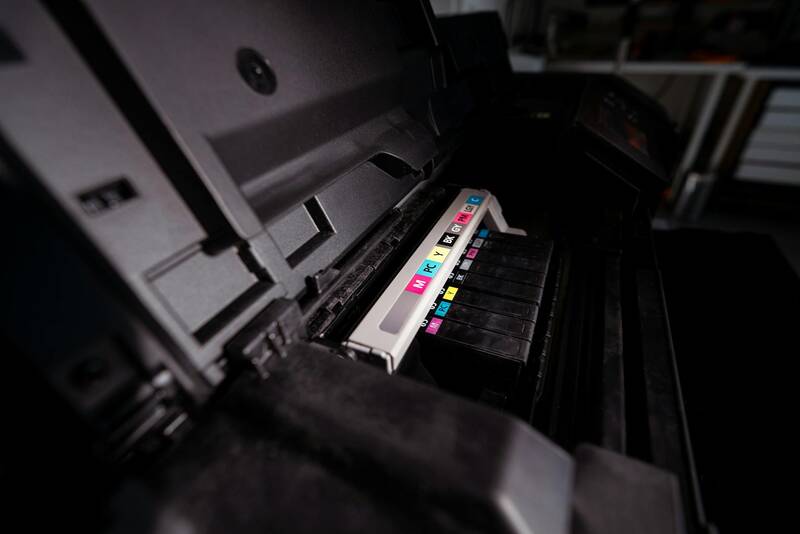
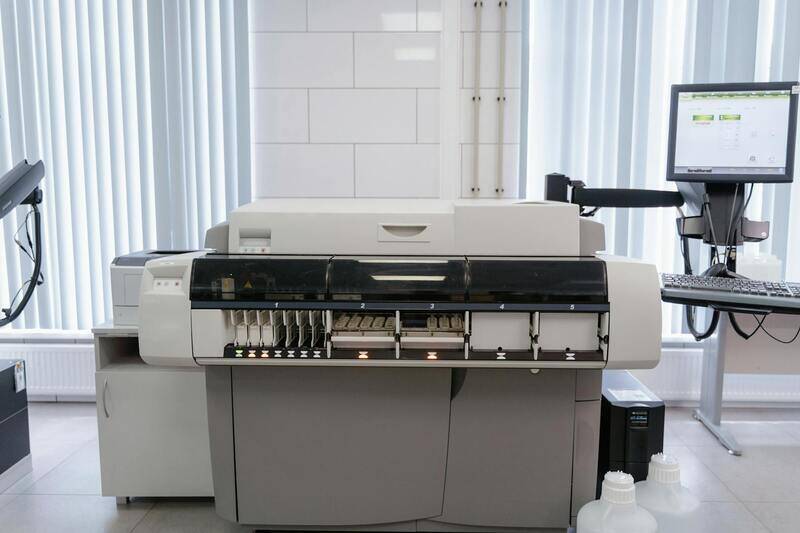
When executing big size picture printing, the selection of appropriate printing equipment and materials is critical. Advanced inkjet and electrostatic printers are commonly employed, utilizing wide-format printers capable of handling various substrates. These devices deliver sharp details and consistent color fidelity across large surfaces, ensuring that the visual integrity remains intact even at expansive dimensions.

The versatility of large format printing extends to numerous applications, including wall murals, trade show displays, billboards, and fine art reproductions. The process involves meticulous alignment and color calibration to ensure uniformity across the entire print, especially when handling expansive imagery. Proper calibration minimizes visible discrepancies and guarantees that every section of the image matches seamlessly with adjacent areas.
To achieve the best results, it is vital to understand the different printing techniques and the most suitable materials for your project. Depending on the intended environment and durability requirements, manufacturers may opt for solvent, eco-solvent, UV-curable, or latex inks, each offering varying levels of resistance and aesthetic qualities. The choice of printing method directly influences the longevity, flexibility, and overall appearance of the final product.
Advances in printing technology have made it possible to print on a broad spectrum of substrates, enhancing creative potential and functional versatility. For outdoor signage, weather-resistant materials like vinyl and rigid substrates such as aluminum or acrylic are preferred, providing resilience against environmental factors. Indoor applications, on the other hand, benefit from materials like canvas or paper that highlight fine details and rich color nuances. Understanding these nuances ensures that your big size picture printing project communicates effectively and maintains its visual impact over time.
Understanding Large Format Printing
Large format printing has become an essential component for creating impactful visual displays across various sectors. From advertising billboards to artistic wall murals, the process demands precision and an understanding of technical capabilities to achieve the highest quality results. High-resolution digital printing systems make it possible to produce images that retain fine details even when scaled up to considerable sizes.
The crux of effective big size picture printing lies in the selection of appropriate printing hardware, ink systems, and optimized workflow processes. Professional-grade printers utilize advanced nozzle control and color management software to maintain consistency and vibrancy across expansive surfaces. This ensures that the visual impact of large prints is preserved, and color fidelity remains true from edge to edge.
A pivotal consideration is the necessity for proper image preparation. High-resolution files saved in formats like TIFF or PSD are preferred, as they provide the depth and detail necessary for large-format reproduction. The recommended resolution for large prints is generally around 150-300 DPI, depending on viewing distance; outdoor displays are often viewed from greater distances, thus allowing for slightly lower DPI without loss of perceived quality.
In addition, the file should be prepared with precise color profiles embedded, enabling printers to accurately reproduce the intended hues. When dealing with expansive images, tiling or seam-H techniques may be employed, but with meticulous alignment to ensure seamless visuals. These preparations are crucial for achieving crisp, clear results that effectively communicate the desired message or artistic intent.
Choosing the right materials is also a decisive factor in big size picture printing. The nature of the intended environment—outdoor exposure, indoor aesthetics, or high-traffic areas—dictates the type of substrate to use. Weather-resistant vinyl and rigid materials such as aluminum or acrylic stand out for outdoor durability, while canvas and fine art papers are preferred for indoor display, highlighting detail and color depth.
Choosing the Appropriate Printing Technology for Large Scale Images
When producing big size pictures, selecting the right printing technology is crucial to achieving vibrant colors, precise details, and durable results. Among the most prevalent methods are wide-format inkjet printing, dye-sublimation, and UV direct printing. Each technique offers specific advantages tailored to different materials and environmental conditions.
Inkjet Large Format Printing
Inkjet printing remains the most versatile and widely used method for expansive images. This technology employs fine droplets of ink sprayed directly onto a substrate, allowing for high-resolution outputs with remarkable color accuracy. Modern wide-format inkjet printers utilize advanced print heads capable of producing detailed and seamless images, making them ideal for murals, banners, and art reproductions.
Dye-Sub Printing for Vibrant, Durable Prints
Dye-sublimation is predominantly used for fabric-based large format prints, offering exceptional color vibrancy and a soft finish. This process involves turning dye ink into gas and embedding it into specially coated materials, resulting in long-lasting, fade-resistant images. Dye-sublimation is frequently employed for textile banners, soft signage, and customized fabric wall coverings.
UV Printing for Rigid Materials
UV printing technology cures UV-sensitive inks instantly upon contact with the substrate, enabling printing on a wide variety of rigid surfaces such as acrylic, metal, or wood. This method provides precise, weather-resistant images perfect for outdoor signage, exhibits, or decorative panels where durability is essential.
Factors Influencing Technology Choice
- Material Compatibility: Different materials respond better to specific printing methods. For example, fabrics benefit from dye-sublimation, while rigid substrates like aluminum or acrylic require UV printing.
- Environmental Conditions: Outdoor applications demand weather-resistant printing options such as UV or vinyl printing to withstand exposure to elements.
- Color Fidelity and Resolution: High-end photographic reproductions necessitate technologies capable of intricate color gradations and high resolution, such as advanced inkjet printers.
- Production Volume and Turnaround Time: Large runs may favor digital printing methods that offer faster processing, while intricate artistic projects might require more detailed techniques.
Understanding Large Format Printing
Big size picture printing involves the reproduction of high-resolution images on a scale that surpasses standard formats, often used for murals, banners, and exhibition displays. This process requires precision technology and materials capable of maintaining image quality and durability over large surfaces. The core principle involves enlarging the original image without compromising clarity, which hinges on choosing the appropriate resolution and printing method. The primary goal is to produce visually striking visuals that can serve as focal points in both indoor and outdoor settings, requiring careful consideration of environmental factors, viewing distance, and the desired lifespan of the print.
Suitable Materials for Big Size Photos
The selection of materials for large photo prints directly influences the final appearance, longevity, and deployment environment of the images. Rigid substrates such as acrylic, aluminum, and wrapped wood panels are popular choices for durable, high-impact displays. Flexible materials including vinyl and fabric are often employed for banners and soft signage that require installation on curved surfaces or temporary usage. Additionally, specialized options like canvas or textured backdrops can produce artistic effects or mimic traditional art mediums. The compatibility of the material with the chosen printing technology ensures vibrant colors, precise details, and weather resistance where necessary. When opting for outdoor displays, weather-resistant surfaces with protective coatings or laminations extend the lifespan and maintain visual fidelity over time.
Resolution and Image Quality Requirements
Achieving a crisp and detailed large format print begins with the resolution of the digital image. For big size picture printing, a minimum of 150 dpi at the final printed dimensions is generally recommended; however, higher resolutions such as 300 dpi ensure exceptional detail. Since enlargements often require viewing from a distance, a slightly lower resolution might still produce satisfactory results, as the human eye perceives less detail at greater distances. To facilitate this, image files should be created or acquired at a sufficiently high pixel count, and careful attention should be paid to color calibration and image sharpness. Proper preparation minimizes pixelation, blurriness, or color mismatch, which can detract from the visual impact of the final product. Collaborating with professional print services that utilize advanced inkjet or UV printers ensures the longevity of colors and fine detail reproduction.
Printing Technologies and Methods
Several legitimate technology options are employed in large size picture printing, each suited for specific material types and project requirements. Inkjet printing remains the most common for its ability to produce high-resolution, photo-quality images on various surfaces. Wide-format inkjet printers utilize specialized inks such as pigment-based or dye-based inks, which offer vibrant colors and resistance to fading, especially when applied on compatible substrates. UV-curable printers provide a durable finish on rigid materials, making them ideal for outdoor signage, decorative panels, and backlit displays. Additionally, solvent and eco-solvent printers are utilized for banners and vinyl applications, offering weather resistance and ease of installation. It's essential to select a trusted printing method aligned with the intended display environment, material compatibility, and desired lifespan of the finished print. Professional print shops ensure the use of legitimate, high-tech equipment that guarantees color fidelity, sharpness, and durability.
Understanding Large Format Printing
Big size picture printing demands a comprehensive grasp of the various factors that influence the final output's quality, durability, and visual impact. This process involves translating high-resolution digital images into sizable prints that maintain clarity and detail without pixelation or blurriness. When printing large images, it is crucial to consider the printing method, material compatibility, and color fidelity to ensure the result meets expectations, especially for professional displays or commercial use.
Suitable Materials for Big Size Photos
The selection of appropriate substrates plays a pivotal role in achieving premium large format prints. Commonly used materials include:
- Photography Papers: Fine art or watercolor papers designed for photographic prints, providing exquisite detail and color accuracy.
- Vinyl Banners: Flexible, weather-resistant, suitable for outdoor signage and promotional displays.
- Foam Boards: Lightweight and rigid, ideal for indoor presentations such as exhibits or display panels.
- Metal Prints: Durable and vibrant, best suited for high-end decorative applications or outdoor signage.
- Acrylic and Plexiglass: Offer a sleek, modern look with high transparency, often used for backlit or display purposes.

Resolution and Image Quality Requirements
Achieving crisp, sharp large format prints hinges on the initial digital image quality. For effective big size picture printing, images should be captured or created with a pixel density that supports the final print dimensions. Typically, a resolution of at least 300 dpi (dots per inch) at the print size ensures high-quality output. However, for extremely large prints viewed from a distance, a resolution as low as 72-150 dpi may suffice without compromising visual clarity. It is essential to maintain color fidelity and sharpness through meticulous calibration and appropriate image processing before printing.
Printing Technologies and Methods
Several advanced, legitimate printing technologies are employed to produce large size pictures with superior quality and durability:
- Wide-Format Inkjet Printing: Utilizes specialized pigment or dye inks to create vibrant and detailed images on various substrates. Widely adopted for its high resolution and color gamut.
- UV-Curable Printing: Ideal for rigid materials like acrylic, metal, or Dibond. UV printing offers excellent adhesion, scratch resistance, and suitability for outdoor installation.
- Solvent and Eco-Solvent Printing: Primarily for vinyl banners and outdoor signage, providing weather resistance and flexibility.
- Latex Printing: Offers environmentally friendly solutions with flexible prints suitable for a broad range of materials, combining durability with eco-friendliness.
Design Considerations for Big Pictures
Designing for large-scale printing requires attention to resolution, file format, and color management. Vector images are preferred for graphics that require scaling without loss of quality, such as logos or text. Raster images should be high-resolution and carefully prepared for the final print size. Color calibration ensures consistency between the digital design and the printed output, critical for achieving accurate color reproduction. Additionally, considerations such as avoiding fine details smaller than the printing resolution, and accounting for bleed and safe margins, are essential for a polished final product.
- Ensure the image resolution aligns with the print size to prevent pixelation.
- Use color profiles suitable for printing to maintain color fidelity.
- Incorporate bleed areas to prevent unintentional borders or cutoffs.
- Opt for clean, high-contrast designs to maximize visual impact at large scales.
Understanding Large Format Printing
Creating big size pictures that make a visual impact requires an understanding of the fundamental principles of large format printing. Unlike standard printing techniques, large format printing involves specialized equipment capable of handling expansive media without compromising quality. The process often leverages high-precision inkjet technology, which allows detailed images to be transferred onto large substrates with impeccable clarity. It is essential for consumers and professionals to grasp that the quality of the final output depends heavily on the correct preparation of digital files, including resolution and color management, as well as choosing the appropriate printing method tailored to the project's demands.
Suitable Materials for Big Size Photos
The selection of printing substrates directly influences the durability, appearance, and application of large-scale images. Common materials include:
- Vinyl: Ideal for outdoor signage due to weather resistance and flexibility, suitable for banners and wall wraps.
- Canvas: Offers a classic, artistic presentation, perfect for interior decor and fine art prints.
- PVC Boards: Durable and lightweight, often used for signage and event displays.
- Fabric: Used for textile banners or tension displays, providing vibrant and lightweight options.
- Acrylic and Dibond: Used for premium wall mounts and display panels, providing sleek, high-gloss finishes.

Resolution and Image Quality Requirements
To produce crisp, detailed large images, maintaining proper resolution is paramount. A general rule of thumb is that the image resolution should be at least 150-300 DPI at the final print size. Since enlargements can amplify the visibility of digital artifacts, starting with high-resolution source files—ideally 300 DPI or higher—is advised. Vector graphics are preferred for logos and text, as they scale without degradation, while raster images should be meticulously prepared, ensuring they are free from pixelation and blurriness. Proper file preparation includes using the correct color profiles, such as Adobe RGB or CMYK, to ensure color fidelity in the printed piece.
Printing Technologies and Methods
Several advanced technologies are employed in large size picture printing, each suited for specific applications:
- Inkjet Printing: The most prevalent method, utilizing wide-format printers that deposit ink directly onto substrates. Variants include eco-solvent, solvent, latex, and UV printing, each offering benefits like weather resistance and vibrant colors.
- UV Printing: Utilized for printing on diverse surfaces, including irregular shapes and materials, with immediate curing for durability.
- Solvent and Eco-Solvent Printing: Well-suited to outdoor signage, providing strong adhesion and weather resistance.
- Latex Printing: Eco-friendly alternative that offers flexibility and vibrant colors, ideal for fabric displays or wall coverings.

Design Considerations for Big Pictures
Designing for large scale printing necessitates adjustments to ensure images retain clarity and impact at considerable sizes. Key considerations include:
- Resolution: Ensuring images are high-resolution to prevent pixelation.
- File Format: Using vector formats for graphics and logos; high-resolution TIFF or PSD files for detailed images.
- Color Management: Applying the correct color profiles and calibration to match digital and printed colors accurately.
- Design Simplicity: Large images benefit from bold, high-contrast compositions that communicate message effectively.
- Bleed and Margin: Incorporating bleed areas to avoid unintentional borders or cutoffs during trimming or installation.
Ensuring each element of the design adheres to these principles helps achieve professional results that captivate viewers and withstand operational conditions.
Color Accuracy and Troubleshooting
Color fidelity is critical in large format printing, impacting the final appearance and client satisfaction. To attain precise color reproduction, calibration of printers, monitors, and color profiles is essential. Tasks include periodic calibration, utilizing standardized color profiles such as CMYK for printing, and soft proofing techniques during design preparation. Common issues like color shift, banding, or uneven ink coverage can often be traced to incorrect profile usage, dirty print heads, or inconsistent ink levels.
Addressing these challenges involves regular maintenance routines for printing equipment, including cleaning print heads and verifying ink cartridge levels. It is also vital to communicate color expectations clearly, especially when reproducing brand-specific hues, and to use proofing samples to minimize discrepancies. When problems arise, troubleshooting typically begins with checking calibration settings, inspecting print media for compatibility, and ensuring software settings match the specifications required for the chosen substrate and ink type.
Choosing a Reputable Large Size Picture Printing Service
When selecting a service for big size picture printing, it is essential to prioritize providers with a solid track record of delivering high-quality results. Customers should seek companies that employ advanced printing technology and maintain up-to-date equipment, ensuring precise color reproduction and sharp image details. A professional printer will offer comprehensive consultations, guiding clients through material choices, sizing options, and finishing techniques, which collectively contribute to a flawless final product.
A reputable printing service should also have transparent pricing structures and realistic turnaround times. Clear communication about project expectations, including file specifications and preparation, helps circumvent delays and discrepancies. Viewing samples or portfolios of previous large format projects can offer insight into their craftsmanship and consistency.
Moreover, the provider must adhere to strict quality control measures. This involves regular equipment calibration, standardized processes for color management, and quality checks before shipping finished prints. A legitimate service often provides guarantees for their work and offers support for troubleshooting issues post-delivery, ensuring customer satisfaction.
To prevent misunderstandings and ensure your artwork or branding is accurately represented, it is crucial to verify that the printing company complies with all relevant standards and utilizes official, tested methods for large format print production. Engaging with a service that offers professional assistance throughout the process can significantly enhance the end result, whether for commercial displays, gallery exhibitions, or customized decor.
Finally, reviews and testimonials from previous clients serve as vital indicators of reliability and quality. Look for feedback emphasizing attention to detail, color fidelity, and timely delivery. An experienced large format printing service will have an easy-to-navigate customer support system, offering guidance from file submission to final installation.