
Understanding Large Scale Picture Printing
Large scale picture printing is a specialized form of visual communication that involves creating sizable prints from digital images or artwork. These oversized reproductions are designed to capture attention, evoke emotions, and transform spaces with their impactful presence. Typically, large format prints can range from widths of several feet to monumental displays exceeding 20 feet in height, making them suitable for both interior and exterior applications. Such dimensions demand precise technical execution to ensure clarity, color fidelity, and durability, which are critical for producing professional-grade displays.
The importance of large scale picture printing lies in its ability to effectively communicate messages and showcase artwork on a monumental scale. For commercial establishments, large prints can serve as captivating advertisements or brand storytelling canvases. In the interior design realm, they enhance spaces with artistic murals or panoramic scenery, creating immersive environments. Moreover, large prints are essential for events, exhibitions, and retail displays where visual impact directly influences visitor engagement and brand perception.
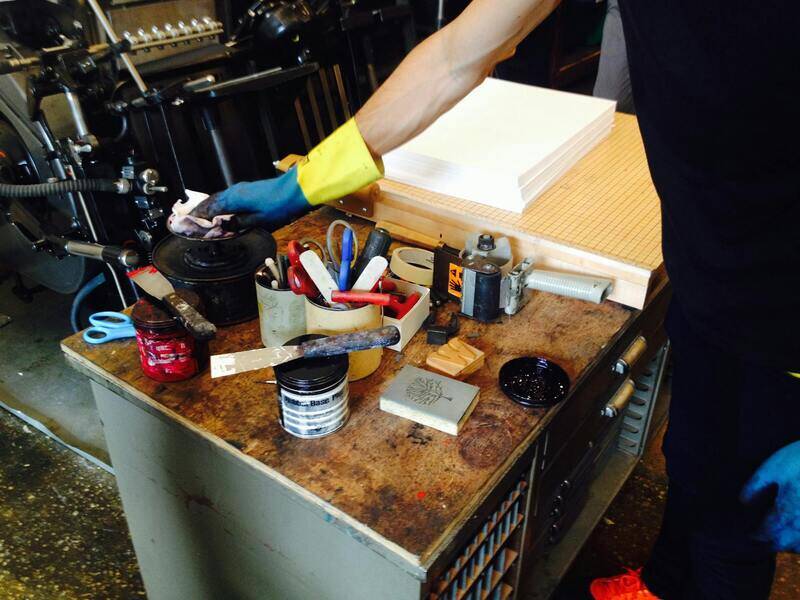
The process of producing such extraordinary images begins with an understanding of the balance between file resolution, image quality, and the physical size of the print. When enlarging a digital image, it is vital to start with the highest possible resolution to prevent pixelation and loss of detail. Professional printers use advanced color management to ensure that the vibrant hues in the original artwork are faithfully reproduced on the final product.
Applications of large scale picture printing are diverse, spanning from advertising billboards and building wraps to gallery exhibitions and personalized wall murals. The proliferation of high-quality digital content coupled with sophisticated printing technology has broadened the scope of large format prints, enabling artists, photographers, and businesses to craft visually stunning displays with precision. In sectors like architecture, such prints are indispensable for showcasing design concepts and visualizations to clients.

In essence, large scale picture printing bridges the gap between digital imagery and real-world ambiance, requiring an understanding of both artistic intent and technical capability. As technological advancements continue, the potential for creating spectacular, large-format visuals expands, making it a vital component of modern visual storytelling and branding strategies. Whether for commercial advertising or personal projects, mastering the foundational principles of large scale picture printing ensures that each project achieves maximum visual impact and longevity.
Understanding Large Scale Picture Printing
Large scale picture printing transforms digital images into impressive visual displays that captivate viewers and elevate interior spaces. The process goes beyond simply enlarging an image; it involves meticulous planning and execution to ensure that the final product maintains sharpness, color fidelity, and durability, regardless of size. This form of printing is especially valued for applications such as commercial advertising, gallery exhibitions, decorative murals, and architectural visualizations, where impactful visuals are paramount.
To achieve optimal results, professionals employ high-resolution images that support the enlarged dimensions without pixelation. Advanced color management processes are critical to faithfully replicate hues and tones in the final print, ensuring that vibrancy and subtle gradations of color are preserved. The interplay between digital image quality, cutting-edge printing technology, and material selection contribute significantly to the overall effectiveness of large format prints.
Technical Considerations in Large Scale Printing
- Image Resolution: The resolution must align with the print dimensions; typically, 150-300 DPI is recommended for large prints to prevent pixelation.
- Color Profiling: Utilizing industry-standard color profiles guarantees consistent color reproduction across different mediums and lighting conditions.
- File Preparation: Print-ready files require proper sizing, cropping, and color correction. Bleed areas are also incorporated to facilitate edge-to-edge printing.
- Viewing Distance: Larger prints are often viewed from greater distances, allowing for some compromise in detail without loss of visual impact.
Role of Materials in Large Format Prints
Material selection is fundamental, influencing the print’s appearance, durability, and application method. Common substrates include:
- Canvas: Offers a textured, artistic finish suitable for gallery settings and murals.
- Metal (such as aluminum or Dibond): Provides a sleek, modern aesthetic with excellent durability, ideal for outdoor installations.
- Acrylic: Delivers a glossy, vibrant look with depth, suitable for statement artworks and displays.
- Specialty Papers: Matte, glossy, or textured papers are used for fine art reproductions and photographic works.
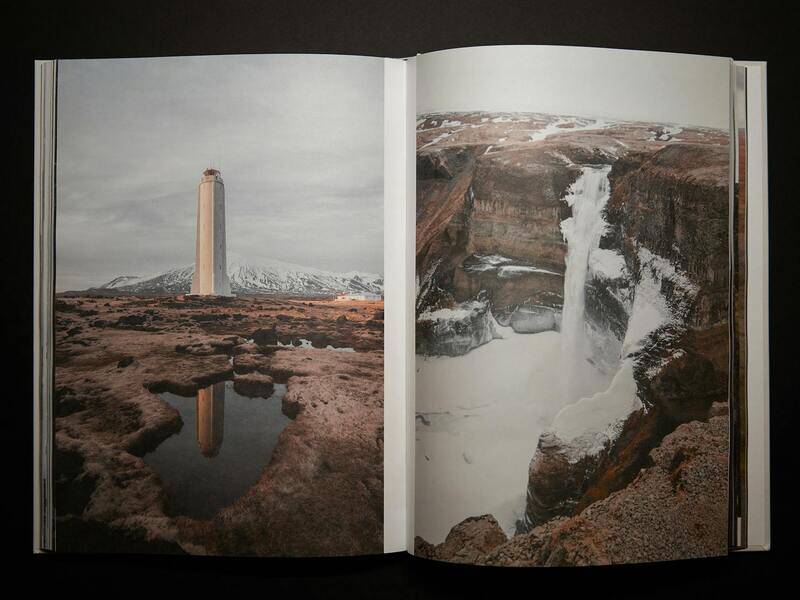
Choosing the Right Methodology
Legitimate large scale picture printing employs professional printing technologies that deliver unparalleled quality and consistency. Flatbed inkjet printers are among the most widely used equipment, capable of printing directly onto rigid substrates like metal or acrylic, as well as flexible materials like vinyl. These printers utilize multiple ink channels and advanced print heads to produce sharp, color-rich images on surfaces up to several meters wide. Other techniques include dye sublimation for fabric-based prints and solvent or UV printing for outdoor durability.
Ensuring Fidelity and Longevity
The longevity of large prints depends not only on the printing process but also on proper maintenance and protective measures. Applying laminates or coatings can shield the print from UV light, moisture, and physical damage. Regular cleaning with non-abrasive materials helps preserve vibrancy, especially for prints displayed in high-traffic or outdoor environments. Choosing high-quality inks designed for outdoor use ensures that colors remain vivid over extended periods, maintaining the visual impact for years to come.
Understanding Large Scale Picture Printing
Large scale picture printing is a specialized process that transforms high-resolution digital images into impressive statement pieces suitable for various environments, from galleries to corporate spaces. This process demands precision and professionalism to ensure that size does not compromise image clarity or color fidelity. When producing large format prints, it is essential to consider factors such as resolution, material compatibility, and the intended display environment. High-quality digital files are a prerequisite; images should be captured or prepared at resolutions that prevent pixelation when scaled up, typically requiring at least 150-300 DPI at the final print dimensions.

Professionally executed large format printing not only emphasizes visual impact but also longevity. It involves meticulous calibration of printers and inks to achieve consistent color reproduction across expansive surfaces. Moreover, understanding the interaction between the chosen substrate and the printing technology is fundamental. For instance, rigid substrates like metal or acrylic create sleek, modern displays, while flexible materials such as vinyl are ideal for banners or wraps.
Advantages of Professional Large Scale Printing
- Exceptional image clarity and color richness due to advanced printer technology
- Durability and resistance to environmental factors through proper materials and coatings
- Customizable sizes and surface finishes tailored to specific aesthetic and functional needs
- High-resolution output ensuring the preservation of fine details even at grand scales
Legal and official methods encompass a range of proven techniques that are referenced by industry standards. Flatbed inkjet printers are a staple, capable of printing directly onto rigid surfaces with precision. These printers employ multiple ink channels to produce vibrant, detailed images, often utilizing UV-curable inks that dry instantly, providing both vibrancy and durability. Dye sublimation is developed for fabric-based materials, offering vivid, long-lasting images with a soft, textured appearance. Solvent and UV printing methods also feature prominently, especially for outdoor installations, where resistance to weather conditions is critical.
Ensuring Fidelity and Longevity
Achieving a vibrant, long-lasting large format print goes beyond selecting the right printer and material. Proper surface preparation and protective coatings play vital roles. Applying lamination or clear coatings can safeguard against UV degradation, moisture, and physical wear. Additionally, routine cleaning with gentle, non-abrasive materials helps maintain the print’s visual integrity over time, especially in high-traffic or outdoor settings. Selecting high-quality, UV-resistant inks is crucial for outdoor applications to ensure colors remain bright and consistent over many years.
Understanding Large Scale Picture Printing
Large scale picture printing is a specialized facet of digital imaging that enables the creation of expansive, high-resolution visuals suitable for both indoor and outdoor displays. This process demands a combination of high-quality materials, advanced printing technologies, and meticulous preparation to ensure that the final product retains clarity, vibrancy, and durability at significant sizes. It involves transforming digital images into tangible, oversized formats without losing intricate details, providing an impactful visual experience that enhances spaces ranging from commercial lobbies to artistic installations.
Key aspects include the appropriate choice of image resolution—typically at least 150 DPI at the final print size—to prevent pixelation and blurring. File formats such as TIFF or high-quality JPEG are preferred to preserve image integrity. Color management ensures that the printed colors match the digital intent, often involving calibrated monitors and color profiles tailored for large format printing. Layout considerations also play a role, with attention to composition and Cropping to maximize the visual impact across expansive surfaces.
Materials and Surfaces for Large Prints
The selection of suitable materials and surfaces is crucial for durable, high-quality large format prints. Rigid substrates like Dibond aluminum panels or acrylic sheets are favored for their strength and sleek appearance, making them ideal for wall-mounted artworks or signage. Fabric options such as canvas or textile-based materials are preferred when a softer, textured finish is desired, often used in art reproductions or decorative panels.
Specialized materials like water-resistant vinyl or PVC banner fabrics are commonly chosen for outdoor applications, where resistance to weather elements is mandatory. Premium photo papers—either matte or gloss—are used for indoor displays, offering a choice between subdued or vibrant finishes. UV-coated materials and laminates are added to enhance longevity, especially for outdoor or high-traffic environments, protecting against UV damage, moisture, and physical abrasion.

Printing Technologies and Equipment
Achieving high-quality large scale prints relies on the utilization of industry-standard printing technologies, primarily flatbed inkjet printers with multi-channel ink systems. These printers can directly print onto various rigid and flexible surfaces, offering precise color control and high-resolution output. UV-curable inks are extensively employed in this domain, curing instantly upon exposure to UV light, which provides excellent adhesion to non-porous surfaces and ensures vibrant, long-lasting images.
When printing on fabrics or textiles, dye sublimation techniques are frequently employed. This process involves transferring dye onto fabrics using heat, resulting in vivid, durable images with a soft texture. Solvent and eco-solvent printers also play a significant role, especially for outdoor banners and signage, where resistance to weathering and quick-drying properties are paramount. Advanced equipment often integrates automated cutting and finishing options, making the production of large-scale visuals both efficient and precise.
Understanding the specific capabilities of each printing technology enables operators to select the most suitable method based on the intended application, surface material, and durability requirements. This ensures that each large format print demonstrates the highest standards of color fidelity, detail, and physical resilience.
Understanding Large Scale Picture Printing
Large scale picture printing involves transforming digital images into expansive, high-resolution visuals suitable for display in various environments. This process requires meticulous attention to detail, from selecting appropriate materials to choosing the right printing technology. The goal is to produce images that are not only visually striking but also durable enough to withstand environmental factors and maintain their quality over time. By understanding the intricacies of large format printing, clients can better assess their options and achieve stunning results that elevate their spaces, whether for interior decor, commercial advertisement, or artistic expression.

Materials and Surfaces for Large Prints
The choice of materials directly influences the final appearance and longevity of large scale images. Common surfaces include:
- PVC Films and Banners: Ideal for outdoor advertising due to weather resistance and durability.
- Canvas: Offers a textured, artistic feel perfect for gallery displays and interior decor.
- Acrylic and Glass: Used for modern, sleek presentations that add depth and clarity to the image.
- Metal Sheets (Dibond, Aluminum): Provide a rugged, contemporary look with excellent weather resistance.
- Wood Panels: Add warmth and a natural aesthetic, suitable for artistic and decorative purposes.
Each material benefits from specific printing techniques to optimize image fidelity and durability. Selecting the right surface involves considering environmental exposure, desired texture, and the intended viewing distance, ensuring the large print maintains its visual impact over time.

Printing Technologies and Equipment
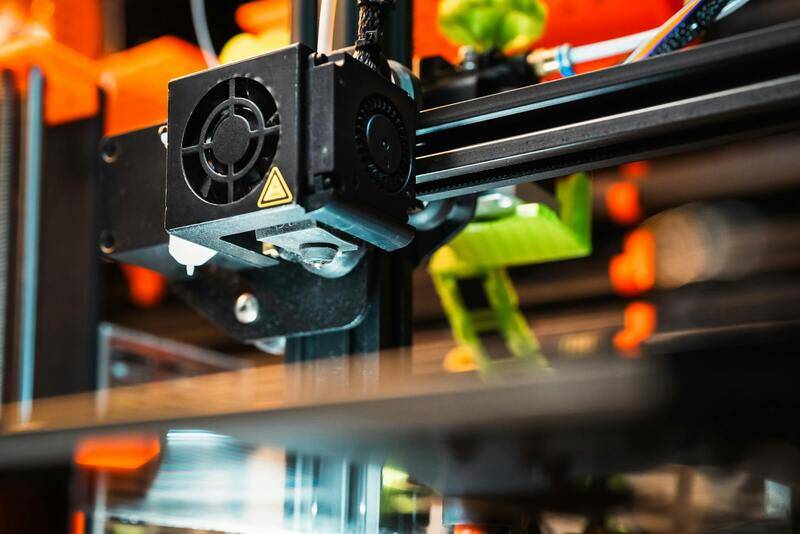
Producing high-quality large scale images commands advanced printing technologies. Flatbed inkjet printers are predominant, equipped with multi-channel ink systems that accommodate UV-curable inks. These inks cure instantly under UV light, offering excellent adhesion on non-porous surfaces like glass, metal, and acrylic, resulting in vibrant and long-lasting images. For flexible surfaces like fabric or textiles, dye sublimation methods are frequently employed. This process involves transferring dye onto textiles using heat, leading to vivid visuals with a soft texture.
Weather-resistant outdoor banners and signage typically utilize solvent or eco-solvent printers. These printers excel in producing images that resist fading and environmental wear. Their quick-drying capabilities facilitate efficient production cycles. Many modern printers incorporate automated cutting and finishing options to streamline the process, ensuring precision and consistency at large scales.
Understanding the capabilities of each printing technique allows for choosing the most suitable approach based on surface type, image complexity, and durability needs. High-end printers deliver superior color fidelity, fine detail, and physical resilience, essential for impactful large-format displays.
Advanced Methods for Large Scale Picture Printing
Creating high-quality large scale images through official printing methods involves a combination of precise technology, specialized materials, and skilled techniques. These approaches utilize professional-grade equipment designed to handle expansive surfaces while maintaining sharp detail, vibrant color reproduction, and durability. The key to successful large scale picture printing lies in leveraging these proven methods, which ensure the integrity of the image remains intact regardless of size.
Utilizing Flatbed Inkjet Printing for Large Formats
Flatbed inkjet printers are the cornerstone of large scale picture production. They are capable of printing directly onto rigid surfaces such as acrylic, metal, glass, and wood, providing exceptional control over color fidelity and image quality. These machines employ multi-channel ink systems that deposit precise layers of UV-curable inks, which cure instantly upon exposure to UV light. This results in images that are not only vivid and detailed but also resistant to scratches, moisture, and UV radiation. Proper calibration of these printers and quality ink selection are critical components that contribute to achieving high resolution and color accuracy for large prints.
Employing Sublimation and Eco-Solvent Technologies for Flexible Surfaces
For flexible media like fabrics, textiles, and wallpapers, dye sublimation and eco-solvent printing techniques are widely used. Dye sublimation involves transferring dye-based inks onto specially coated fabrics via heat press, producing seamless, durable, and vibrant visuals. Eco-solvent printers utilize solvent-based inks that bond effectively with the surface, creating outdoor-resistant banners and murals. These methods require meticulous preparation of the digital files, ensuring that the resolution matches the physical dimensions of the print to avoid pixelation or blurring.
Professional Equipment for Precision and Efficiency
Beyond the printers themselves, supporting equipment such as automated cutting tables, finishing tools, and color management systems enhances the overall quality and productivity of large format printing. Automated cutting ensures that large images are trimmed precisely, maintaining clean edges without distortions. Color management hardware and software guarantee consistent and accurate color reproduction, especially critical for branding or art reproductions where color fidelity is paramount. Investing in the right infrastructure guarantees that every large print meets high standards for visual impact and longevity.
Best Practices for Actual Printing Process
- Digital Image Preparation: Ensure images are created or converted to the appropriate resolution, typically a minimum of 150-300 DPI at the final print size to prevent pixelation.
- Color Calibration: Use calibrated monitors and profiling tools to match digital colors with physical outputs, ensuring consistency across production runs.
- Material Selection: Choose the right substrate considering the environment, surface texture, and desired finish (glossy, matte, textured).
- Environmental Control: Maintain optimal temperature and humidity levels during printing to prevent issues like ink smudging or surface distortion.
- Post-Processing: Apply protective coatings, lamination, or mounting techniques that enhance durability and aesthetic appeal.
Quality Assurance and Final Inspection
Implementing rigorous quality control throughout the production process is vital. This includes pre-print calibration, ink inspection, and real-time monitoring during printing. After completion, each large scale print should undergo a detailed inspection, assessing color accuracy, image sharpness, surface uniformity, and adhesion. Proper packaging and handling are also essential to prevent damage during transportation or installation.

Understanding Large Scale Picture Printing
Large scale picture printing involves transforming digital images into high-quality physical representations that can dramatically enhance spaces such as homes, offices, and public venues. This process requires meticulous planning to ensure the final output maintains clarity, vibrant colors, and durability despite its considerable size. Successful large format printing hinges on selecting the right materials, using advanced printing technologies, and precise preparation of digital files. Because of the significant dimensions, every step from image resolution to surface finishing plays a vital role in achieving impactful visuals that withstand environmental challenges over time.
Materials and Surfaces for Large Prints
Choosing suitable materials is crucial for achieving optimal results in large scale picture printing. The primary considerations include the type of surface, environmental conditions, and aesthetic preferences. Common substrates include:
- Vinyl banners: Durable and flexible, suitable for both indoor and outdoor use; ideal for event backdrops and promotional displays.
- Canvas: Offers a textured, artistic feel, perfect for gallery-quality reproductions and interior decor.
- Aluminum panels (Dibond or similar): Rigid and weather-resistant, often used for signage and modern wall art.

High-quality aluminum panels provide durability and a sleek finish for large wall installations. - Acrylic: Provides a glossy, vibrant appearance with excellent light transmission, suitable for contemporary designs and upscale displays.
- Fabric-based materials: Including backlit fabrics for illuminated displays, enhancing depth and visual impact.
Each material offers different finishes—glossy, matte, or textured—that influence the overall aesthetic and longevity of the final product. Environmental factors such as exposure to sunlight, moisture, and temperature variations should guide the material selection, ensuring the print resists fading, warping, or surface damage over time.
Printing Technologies and Equipment
The success of large scale picture printing relies heavily on high-performance printing technologies that deliver vibrant colors, sharp details, and consistent results. Some of the most advanced equipment used in the industry include:
- Wide-format inkjet printers: These machines utilize multiple ink cartridges to produce wide images with high resolution, often exceeding 300 DPI, essential for maintaining detail in large prints.
- UV flatbed printers: Capable of printing directly onto rigid surfaces like metal, glass, or acrylic, offering excellent adhesion and color vibrancy.
- Dye-sublimation printers: Ideal for fabric and some coated materials, producing vibrant, long-lasting images that are resistant to cracking and fading.
- Laser engraving and cutting tools: Used for precise finishing, mounting, and adding custom shapes or cut-outs to large panels.
The choice of technology depends on the material, desired finish, and specific application. Regular calibration and maintenance of equipment ensure color consistency and minimize production errors, which is especially critical when producing large prints where imperfections are more noticeable.
Design Preparation for Large Scale Prints
Preparing digital files for large format printing demands careful attention to resolution, color management, and cropping. Files should be created or converted to a minimum resolution of 150-300 DPI at the final print size to prevent pixelation. Designers typically work with high-resolution images and employ professional color profiling tools to ensure colors appear consistent between digital preview and physical output.
Additional considerations include:
- Aspect ratio: Ensuring the image’s aspect ratio aligns with the final print dimensions to avoid unintended cropping or distortion.
- Bleed areas: Incorporating bleed zones to accommodate trimming and prevent unwanted white borders.
- Color calibration: Using calibrated monitors and color profiles to match digital colors with printed results accurately.
- File format: Delivering files in appropriate formats such as TIFF, PSD, or PDF, preserving layers and high resolution without compression artifacts.
Properly prepared files reduce the risk of errors during printing and ensure the final large image retains sharpness and color integrity across its expansive surface.
Official Methods for Large Scale Picture Printing
Producing large-scale pictures using officially sanctioned methods ensures the highest quality, durability, and fidelity in the final output. These methods include professional digital printing techniques that are utilized by reputable printing service providers with specialized equipment designed for high-resolution, large-format images. Such methods adhere to stringent standards to guarantee accurate color reproduction, sharp details, and long-lasting results suitable for various applications, from artistic displays to commercial branding.
Utilizing Commercial Large Format Printers
Commercial large format printers are the backbone of legitimate large scale picture printing. These state-of-the-art machines employ advanced inkjet or solvent/eco-solvent technologies, capable of printing on a broad range of materials and surfaces. They operate with high precision, allowing for seamless large images with minimal color banding or pixelation. By calibrating the printers regularly and using industry-standard color profiles, printing professionals ensure that the output matches digital files accurately, maintaining consistency across multiple large prints.
Material Selection and Surface Preparation
Choosing the right material is critical in official large scale picture printing. Common options include vinyl, canvas, backlit film, acrylic, Dibond, and specialty photo papers. The selection depends on the intended display environment, aesthetic preferences, and longevity requirements. Proper surface preparation, such as cleaning and priming, ensures optimal ink adhesion and color accuracy. Maintaining a stable printing environment with controlled humidity and temperature further contributes to the quality and consistency of large prints.
Application of Protective Coatings
Finished large prints often receive protective coatings to enhance durability and ease of maintenance. UV-protective varnishes or laminates shield the image from fading caused by sunlight exposure and environmental pollutants. Additionally, these coatings can provide surface effects like matte or gloss finishes, influencing the visual impact and tactile feel of the print. Applying a suitable protective layer through official processes guarantees the preservation of color vibrancy and surface integrity over time.
Adherence to Size and Resolution Standards
Generating large images with appropriate resolution is fundamental for official large scale printing. Files should typically be prepared at 150-300 DPI at the final size to prevent pixelation. This involves meticulous retouching and resizing, often using industry-grade software to maintain sharpness and color consistency across expansive surfaces. Proper file management, including the use of high-resolution TIFF or PSD formats, preserves the detail and prevents artifacts during the printing process.
Quality Control and Inspection
Before final approval, each large-scale print undergoes rigorous inspection for color accuracy, perfect alignment, and surface defects. Color profiling tools and visual assessments by seasoned professionals identify issues early, allowing for correction before dispatch. This process ensures the final product meets high standards, whether it is for individual art pieces, large banners, or wall murals.
Conclusion
Adhering to established, official methods for large scale picture printing guarantees a superior outcome characterized by vivid colors, fine detail, and lasting durability. Employing professional equipment, premium materials, and meticulous quality assurance measures enables the production of impressive, large-format images that meet client expectations and industry standards. When selecting a trusted printing partner, always verify their adherence to these practices to ensure your visual content is rendered with the utmost precision and excellence.
