
Understanding Big Photography Prints
Large-format photography prints have become an essential element in various domains, from home interior decor and personal collections to commercial signage and art exhibitions. These prints, often characterized by their impressive scale, serve as a powerful visual statement, capable of transforming spaces and capturing attention with vivid detail. With advancements in printing technology and a broader appreciation for photography as an art form, the demand for big photography prints continues to grow, offering a unique blend of artistic expression and functional decor.
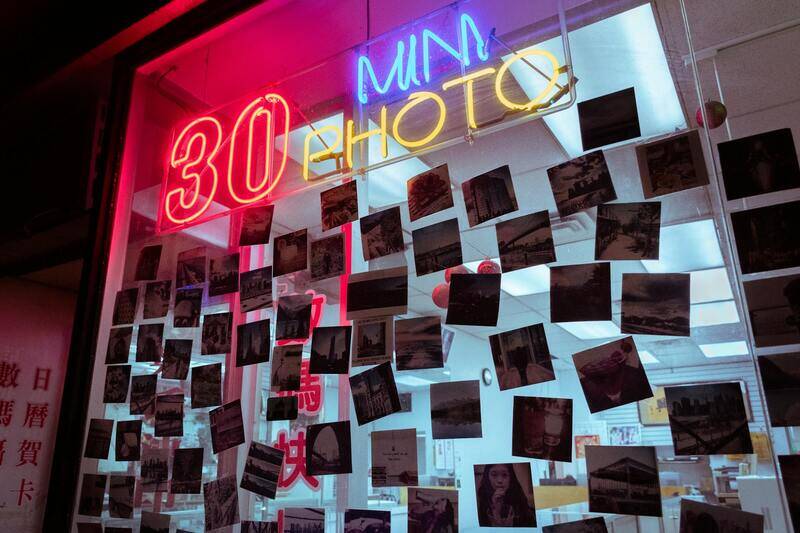
In art, big photography prints enable artists and photographers to present their visions in grand formats, allowing viewers to experience the depth, texture, and nuance of the work at an immersive scale. When displayed prominently in galleries or personal spaces, these prints serve as focal points that evoke emotional responses and invite prolonged engagement.
In marketing, large photographic prints are invaluable for creating impactful visual campaigns. Billboards, trade show backdrops, and promotional displays often rely on sizable, high-quality images that ensure visibility from a distance and leave lasting impressions. The size of the print directly correlates with the message’s reach, making it an effective tool for branding and advertising efforts.
Interior decorators and homeowners increasingly leverage big photography prints to showcase their preferences and set the tone of a space. A striking landscape or abstract imagery in a large format can define the atmosphere of a room, adding personality and sophistication while also serving as captivating conversation starters.
The importance of size in big photography prints goes beyond mere scale; it influences the perception, interaction, and emotional impact of the image. Larger prints tend to evoke awe, inspire admiration, and foster a deeper connection with the viewer, emphasizing the significance of choosing the appropriate dimensions and presentation style for each application.
When considering the application of large-format images, it is crucial to understand the environments where they will be displayed. For example, expansive murals might be used to create an immersive experience in commercial spaces, while framed large photos are ideal for personal galleries and living rooms. The versatility of big photography prints makes them suitable for countless settings, provided they are produced with meticulous attention to quality and detail.
Creating these impressive pieces involves not only selecting high-resolution digital files but also choosing the right material, printing technology, and finishing methods. Each aspect plays a vital role in ensuring the final product maintains clarity, color fidelity, and durability at a larger scale. As more consumers seek to transform their environments with impactful visuals, understanding the fundamentals of big photography prints becomes essential for making informed decisions that result in stunning and memorable displays.
Understanding Big Photography Prints
Creating impactful large-format photographs requires more than just selecting a high-resolution image. It involves a comprehensive approach that considers the material compatibility, printing technology, and presentation techniques to ensure the final display captures the original image's essence. Big photography prints serve as powerful visual statements, whether they are used to decorate expansive commercial spaces or personal galleries. Their ability to fill a space demands meticulous planning, from the initial file preparation to the final finishing touches.

Proper preparation of the digital file is crucial for large-scale reproductions. This includes ensuring the image resolution aligns with the intended print size, maintaining sharpness and clarity without pixelation or loss of detail. The standard for large prints often exceeds 300 DPI at the final print size, which may require either sourcing high-resolution images or employing upscaling techniques that preserve image quality.
Choosing the right material for printing impacts how the final piece looks and holds up over time. Various materials offer distinctive textures and finishes that can complement the photograph's style and the environment where it will be displayed. For instance, glossy papers enhance vibrancy and offer a sleek appearance, perfect for vivid landscapes or cityscapes. Matte or luster finishes help reduce glare in brightly lit spaces, making them suitable for areas with abundant natural light.
Material Options for Big Photography Prints
- Photographic Paper: Offers high fidelity, vivid colors, and sharp details. Ideal for gallery exhibitions or feature walls.
- Canvas: Adds a textured, artistic feel. Suitable for a classic or contemporary look in home or commercial decor.
- Metal Prints: Provide a modern aesthetic with vibrant, sharp imagery that is highly durable and easy to clean.
- Acrylic: Lends a glossy, high-end appearance with exceptional color clarity and depth.
Each material has specific preparation and handling requirements. For example, metal and acrylic prints are typically produced using dye-sublimation or UV printing technologies, which deposit vibrant dyes directly onto the surface, resulting in a long-lasting, weather-resistant finish. Canvas prints are often gallery-wrapped or framed, adding to their visual appeal and durability.
Implementing Proper Techniques in Large-Scale Printing
Beyond material selection, the printing process itself plays a crucial role in ensuring quality. Modern digital printing technologies such as inkjet printers equipped with archival inks are standard for creating large photography prints due to their precision and color accuracy. These printers can handle wide rolls of media, producing seamless images without visible joins, which is essential for large displays.
Color management practices, including the use of calibrated monitors and proofing, are indispensable. They guarantee that the colors in the digital file match the printed output, preserving the photographer's original intent. This attention to detail minimizes surprises upon delivery and ensures a visually cohesive final product.
Additional Considerations for Large Prints
- Edge Finishing: Consider framing, mounting, or edge wrapping techniques that complement the size and style of the print.
- Protective Coatings: Apply UV-resistant or anti-reflective coatings to enhance longevity and viewing comfort.
- Handling and Transport: Use appropriate packaging methods to prevent damage during shipping or installation.
Manufacturers and specialists dedicated to large-format printing incorporate these technical insights, ensuring the final product embodies both visual brilliance and sustained durability. Carefully selecting and combining materials, print technology, and finishing options results in big photography prints that not only impress at first sight but also continue to captivate for years to come.
Understanding Big Photography Prints
Large-format photography prints serve as striking visual statements, transforming digital images into wall-ready masterpieces that command attention. The process begins with careful image preparation, ensuring that the digital file is of the highest quality and resolution to withstand scaling without loss of detail. When producing big photography prints, selecting the appropriate printing technology is vital; modern digital printers, particularly high-end inkjet models equipped with archival inks, deliver vibrant colors and long-lasting results. These printers use wide rolls of media, allowing for seamless printing of expansive images without visible joins, which is essential for maintaining visual integrity at large sizes.

Color management plays a crucial role in ensuring the final print accurately reflects the artist’s original vision. This includes calibrating monitors, soft-proofing images, and using color profiles compatible with the selected media and inks. Such practices minimize discrepancies and guarantee that hues, contrast, and details are preserved from screen to print. When combined with sophisticated printing devices, these techniques uphold the integrity of the photographer’s artistic intent, producing images that are both detailed and true to life.
Different Types of Large-Format Photography Prints
- Standard Matte or Gloss Prints: Widely used for their versatility and durability, suitable for a range of interior styles.
- Metallic Prints: Offer a reflective quality that intensifies colors and adds a modern, dynamic look.
- Canvas Prints: Provide a textured, artistic appearance, ideal for creating gallery-style wall displays.
- Acrylic Prints: Deliver high-gloss finishes with a sense of depth and clarity, popular for contemporary settings.
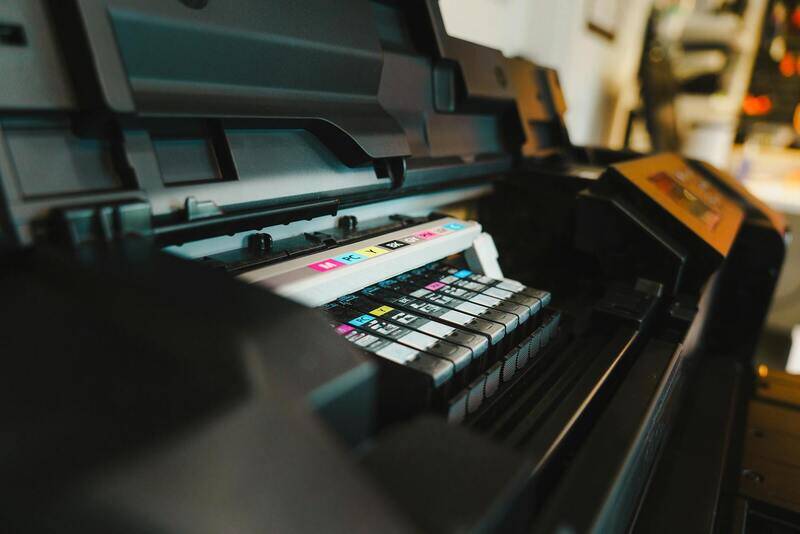
Each type of large-format print offers unique visual and tactile effects, allowing photographers and decorators to select based on the desired aesthetic, durability, and display environment. Properly finished and mounted, these prints become focal points in residential, commercial, or gallery settings, showcasing impressive detail with clarity at any viewing distance.
Additional Considerations for Big Photography Prints
Beyond the selection of media and printing technology, several factors influence the final appearance and longevity of large photography prints:
- Edge Finishing: Framing, mounting, or edge wrapping techniques protect the print edges and enhance presentation style.
- Protective Coatings: UV-resistant or anti-reflective coatings shield the print from fading, scratches, and environmental damage, preserving color vibrancy over time.
- Handling and Transport: Proper packaging, such as corner protectors and sturdy tubes or crates, prevents damage during shipping and installation, ensuring the artwork arrives pristine.
Manufacturers specializing in large-format printing incorporate these technical and artistic considerations into their production workflows, resulting in enduring, visually captivating pieces that withstand the test of time. Meticulous material selection and finishing strategies culminate in big photography prints that are as resilient as they are breathtaking, suitable for elevating any interior display.
Understanding Big Photography Prints
Big photography prints serve as striking visual statements, transforming digital images into monumental works of art that command attention within any interior setting. These prints are ideal for creating focal points in both residential and commercial environments, offering a way to showcase photographic mastery on an impressive scale. The essence of a big photography print lies in its ability to preserve fine details, rich colors, and dimensional depth, ensuring that viewers can appreciate the image in its full glory, regardless of the size. Producing a high-impact large-format print requires meticulous planning and execution, from choosing suitable materials to utilizing advanced printing technologies that maintain image fidelity across expansive surfaces.

Different Types of Large-Format Photography Prints
Large-format photography prints come in a variety of types, each offering unique qualities suited to specific aesthetic preferences and display environments. Common formats include:
- Giclée Prints: Created using high-quality inkjet printers and archival inks on fine art papers, Giclée prints are renowned for their color accuracy, longevity, and exquisite detail. They often serve as gallery-quality pieces that emphasize artistic expression and subtle tonal variations.
- Metal Prints: Utilizing dye sublimation or direct printing technologies, metal prints feature a modern, sleek appearance with vibrant, luminous colors. Their durability, resistance to environmental factors, and contemporary aesthetic make them popular choices for impactful large displays.
- Acrylic Prints: Printed on high-resolution displays and mounted behind a clear acrylic sheet, these prints exhibit depth and brilliance, giving images a three-dimensional quality that captivates viewers.
- Canvas Prints: Traditional yet versatile, canvas prints are stretched over wooden frames, infusing a timeless or artistic feel into large photographic displays. They are especially favored for their textured finish and warm, inviting ambiance.
- Poster and Vinyl Prints: Cost-effective options that provide vivid color reproduction on flexible materials. Ideal for temporary installations or promotional displays, with easy-to-assemble installation options.

Choosing the Right Material for Large-Scale Prints
Selecting the appropriate material involves considering factors such as environmental exposure, intended display setting, and visual impact. Each material offers distinct advantages:
- Archival and Fine Art Papers: Optimal for gallery-quality displays, these materials ensure color longevity and fine detail preservation, making them suitable for interior decor and collection pieces.
- Aluminum and Metal Surfaces: Known for their durability and modern aesthetic, these materials resist fading, scratches, and moisture, making them appropriate for both indoor and outdoor exhibits.
- Acrylic and Plexiglas: Provide vibrant color reproduction with a glossy, reflective finish. They are best for a contemporary look, especially when mounted on walls with integrated lighting setups.
- Canvas and Fabric: Offer textured finishes that subtly diffuse light, creating a softer visual effect that works well in living spaces and galleries.
- Vinyl and Posters: Lightweight and flexible, these materials are excellent for temporary displays or installations requiring easy transportation and quick setup.
Choosing the right material ultimately depends on balancing visual preferences with environmental demands, ensuring the large-scale photograph maintains its vibrancy and structural integrity over time.
Strategies for Designing and Preparing Large Photography Files
Creating stunning big photography prints begins long before the printing process. Proper digital file preparation is essential to ensure that large-format images retain their sharpness, color fidelity, and overall visual impact. This involves implementing best practices for editing, cropping, and optimizing images to meet the demands of high-quality large-scale reproductions.
Optimal Resolution for Large Prints
To achieve crisp, detailed results, images should be captured or scanned at the highest possible resolution. For large prints, a common guideline is to aim for a resolution of approximately 300 DPI (dots per inch) at the final print size. For example, a 40-inch wide print should ideally have an image resolution of at least 12,000 pixels in width. This ensures that when the image is scaled up during printing, it maintains fine detail without appearing pixelated or blurry.
Editing and Cropping Techniques
- Maintain Aspect Ratio: When cropping images, preserve the aspect ratio that matches the intended print size to prevent distortion. Use cropping tools that allow locking the aspect ratio to keep proportions consistent.
- Adjust for Color Accuracy: Fine-tune color profiles and perform color corrections to ensure the digital image matches the desired output. Calibration of monitors is crucial for accurate color assessment.
- Sharpening and Noise Reduction: Apply appropriate sharpening algorithms to enhance details, especially after resizing. Conversely, reduce noise to avoid graininess in large prints, which can become more apparent at larger sizes.
Optimizing Files for Printing
Save images in formats that preserve quality and support high fidelity, such as TIFF or a high-quality JPEG with minimal compression. Use color spaces like Adobe RGB or ProPhoto RGB rather than sRGB to encompass a broader spectrum of colors, which is beneficial during the printing process.
Additionally, utilizing soft-proofing techniques allows previewing how an image will appear once printed, making adjustments in contrast, brightness, or color saturation to match the print output more closely. Collaborating with the printing service provider to understand their specific requirements for file formats, resolution, and color profiles can significantly streamline the process.
Compression and File Size Management
While lowering file compression is optimal for maintaining image integrity, be mindful of file sizes. High-resolution large-format images can be several gigabytes, so employing efficient file management practices ensures smoother workflow. This may include using dedicated image management software or cloud storage solutions for sharing and storing files securely.
Technical Considerations for File Preparation
- Color Profile Embedding: Embed the appropriate color profile during saving to maintain color consistency throughout the printing process.
- Layer Management: When editing in layered formats like PSD, flatten images or save layered versions separately to facilitate a smooth output.
- Test Prints: Before committing to a large run, request a smaller proof or a portion of the final image to evaluate color accuracy and detail fidelity, making any necessary adjustments afterward.

Understanding Big Photography Prints
Large-scale photography prints have become a popular choice for both art enthusiasts and interior decorators seeking to make a bold visual statement. When producing big photography prints, it is essential to consider the inherent qualities of the original image, such as resolution, composition, and tonal range. High-resolution images are crucial to ensure that details remain crisp and clear when enlarged, avoiding pixelation or blurriness. The seamless blend of technical precision and artistic intent results in stunning displays that captivate viewers and enhance any space.
Authentic Methods for Creating Large Photography Prints
To achieve the best results in large-format printing, professionals rely on verified and proven techniques. Inkjet printing, specifically using archival quality inks and papers, stands out as the gold standard for producing vibrant and durable big photography prints. This process involves spraying tiny droplets of ink directly onto high-quality media, allowing for exceptional detail reproduction and color fidelity. Other official methods include dye-sublimation printing, which is often used for fabric or similar materials, and silver halide printing, known for its rich tonal range and longevity. Each method is chosen based on the intended display medium, desired aesthetic, and the specific qualities of the image.
These official printing procedures ensure that large-scale images retain their visual integrity over time, making them suitable for both indoor exhibitions and long-term decorative solutions. Selecting a reputable printing provider with a track record of consistent quality is essential. Such providers employ professionally calibrated equipment and supervised workflows that guarantee color accuracy, precise detail rendering, and durability against environmental factors like UV exposure and humidity.
In addition to the printing process, quality control measures such as color management protocols and thorough proofing stages are integral. Digital proofs allow clients to review and approve how the colors and details will translate onto the chosen media, reducing the risk of discrepancies. Ultimately, adhering to these official practice standards ensures the final big photography print is true to the original vision, vibrant, and resilient for display in diverse environments.
Understanding Big Photography Prints
Big photography prints serve as a powerful medium for showcasing detailed imagery on a grand scale. They are often used to create impactful visual statements in both personal and commercial spaces. These prints not only highlight the finesse and intricacies inherent in high-resolution images but also transform ordinary photographs into immersive visual experiences. When executed correctly through legitimate printing channels, large-scale prints maintain the original clarity, color accuracy, and tonal depth, ensuring that the viewer perceives the art as intended by the photographer.
Significance of Proper Manufacturing Techniques
The production of big photography prints requires adherence to precise manufacturing standards that preserve image fidelity at large sizes. Depending on the chosen method and media, official printing processes include inkjet printing with archival inks and media, dye-sublimation transfers, and silver halide printing. Each technique is optimized to produce vibrant colors, sharp details, and longevity, which are essential qualities for large-format display. Professionals employ calibrated equipment, manage color profiles meticulously, and implement rigorous quality control protocols to guarantee the consistency and excellence of every print.

Choosing a reputable, official printing provider that adheres to these standards ensures that the final output remains true to the original digital file, capturing the subtle gradations and intricate textures of the image. This disciplined approach to large-format printing is vital for clients seeking a durable, visually stunning piece that will stand the test of time whether displayed indoors or outdoors.
Importance of Color Management and Proofing
Color management plays a crucial role in producing large photographic works. Professional printers utilize advanced software and hardware calibration to translate digital colors accurately onto physical media. Before committing to the final print, clients often receive digital proofs—precise representations of how the image will look when printed. These proofs allow adjustments and approval, minimizing surprises in the finished product. The process underscores the importance of collaboration between the client and printing professional, ensuring the final big photography print reflects the true aesthetic vision.
Environmental Considerations for Large Prints
Legitimate printing services consider environmental conditions that can affect the longevity and appearance of big photography prints. UV-resistant coatings, protective laminates, and specialized mounting materials help guard against fading, moisture, and environmental pollutants. These treatments and materials—used exclusively by official providers—extend the lifespan of large-format prints and sustain their visual appeal over time, making them suitable for various display environments, from galleries to outdoor spaces.
Key Takeaways for Clients
- Select a trusted, professional printing service with proven standards for large-format photography prints.
- Ensure proper color management and review digital proofs before final production.
- Choose suitable media and protective treatments to enhance durability and presentation.
- Always verify the printing provider’s adherence to high-quality manufacturing and environmental protocols.
Ensuring Legitimacy and Quality in Large Photography Printing
When selecting a method to produce big photography prints, it is vital to utilize official and recognized channels that guarantee high standards of quality, durability, and accurate color reproduction. Relying solely on authorized professional printing services provides assurance that your artwork will be handled with expertise, adhering to strict production protocols that safeguard image integrity during the entire process. These official services employ advanced color management systems, state-of-the-art printers, and premium materials specifically designed for large-format outputs, minimizing issues such as color discrepancies, pixelation, or fading over time.
Engaging with reputable print providers also ensures access to comprehensive quality controls, including meticulous calibration of printers and monitors, high-quality inks, and careful selection of substrates suited for large prints. Such providers typically follow professional workflows involving digital proofing and client approval stages, allowing for adjustments before the final run—thus avoiding costly reprints and unexpected quality defects. In addition, authorized printers often guarantee compliance with environmental standards, utilizing eco-friendly inks and sustainable materials that contribute to the longevity and visual appeal of large photography displays.
Validation Through Certified Processes
- Use of ISO-certified printing equipment and facilities
- Implementation of rigorous quality assurance protocols
- Adherence to environmentally responsible manufacturing practices
- Provision of digital proofs for client approval before final printing
- Guarantees on color accuracy, image fidelity, and material longevity
Choosing official printing channels not only elevates the quality and durability of big photography prints but also aligns with established standards that ensure your artwork remains impactful over time. Such verification processes foster confidence that your large-scale images will be reproduced faithfully and preserved effectively, making them suitable for both personal displays and professional exhibitions.
Verification and Transparency in the Production Workflow
Reputable providers typically openly share their process information, including details about the printing technologies used, the types of substrates available, and the environmental safeguards they follow. Transparency regarding these aspects allows consumers to make informed decisions, knowing that their investment is supported by proven, high-quality methods. Additionally, formal partnerships with recognized suppliers and adherence to industry-best practices reinforce trust, confirming that the final product will meet high standards of precision, aesthetics, and durability.
Final Considerations
To secure authentic, high-quality big photography prints, always prioritize services with documented credentials, professional equipment, and a commitment to excellence. Ensuring that your images are printed through authorized and reputable channels minimizes risks of subpar results and guarantees that your large-format photographs will impress and endure. These official channels uphold the technical, environmental, and aesthetic standards essential for creating big photography prints that truly stand outBoth in size and impact.
