
Overview of Large Print Photography
Large print photography involves the creation of photographic images mounted on a scale significantly bigger than standard sizes, often exceeding 24 inches in width or height. This art form has gained substantial recognition in recent years, serving as an influential medium for both artistic expression and interior decoration. When properly executed, large photo prints command attention, transform spaces, and evoke emotional responses through their vivid detail and immersive presence.
In the realm of visual arts, large print photography offers a platform for artists to showcase their work on a monumental scale, emphasizing textures, colors, and intricate details that might be overlooked in smaller formats. Such prints are frequently employed in galleries, public art installations, and exhibitions, where their grandeur enhances the viewer’s experience and fosters a deeper connection with the artwork.
Beyond the artistic sector, large photography has significant relevance in commercial and interior design contexts. From high-impact branding displays in corporate environments to eye-catching murals in retail stores, large prints serve to convey messages with clarity and visual strength. Their application extends to personal spaces—such as expansive family portraits, scenic landscapes, or personal photographs—adding a personalized yet commanding aesthetic element to homes and private collections.
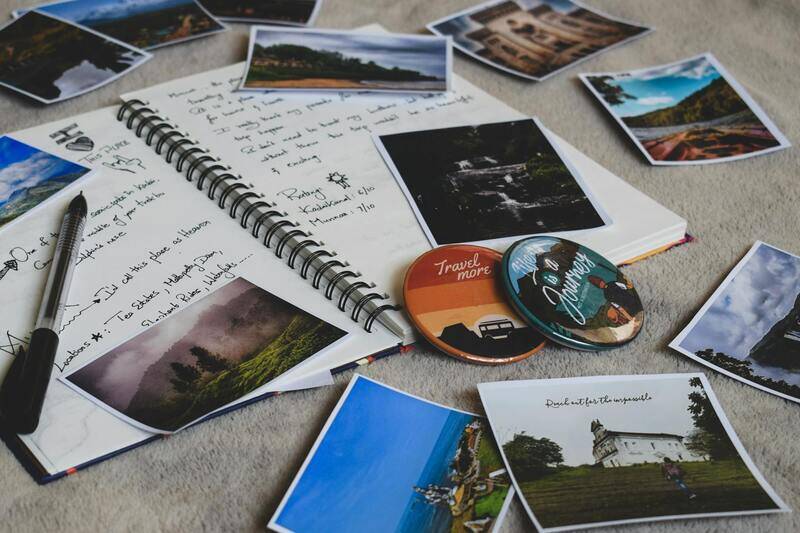
Creating such impactful works necessitates attention to factors like image resolution, print material, and mounting techniques. The process transforms a digital image into a physical masterpiece, demanding both technical expertise and artistic vision. As this field continues to evolve with technological advancements, the importance of understanding the principles and applications of large print photography becomes essential for artists, photographers, and consumers alike.
For those interested in exploring or expanding their use of large print photography, understanding the scope, benefits, and essential considerations is fundamental. From selecting the appropriate images to mastering the printing process, each step plays a crucial role in achieving a final product that stands out. By harnessing proper methods and materials, individuals and organizations can produce stunning visual displays that leave a lasting impression.
Official Methods for Creating Large Print Photography
Producing high-quality large print photography involves a series of proven, legitimate techniques that ensure the final product maintains clarity, color accuracy, and durability. The process begins with selecting a digital image that possesses adequate resolution, typically at least 150 pixels per inch (ppi) at the intended print size. This ensures that when enlarged, the photograph remains sharp without pixelation or loss of detail. To achieve this, photographers and consumers should opt for images captured with high-resolution cameras or carefully scanned from physical photographs using professional-grade scanners.
Once an appropriate digital file is secured, preparing it for printing involves standardized steps such as color correction, sharpening, and calibration. These adjustments can be performed with professional editing software that ensures the image’s fidelity is preserved and optimized for large-format output. The color profile embedded within the file should match the intended printing medium to prevent discrepancies in hues and tones. Accordingly, color management systems and calibrated monitors are essential for achieving consistent results across different devices and printers.
When selecting a printing medium, adhering to industry-approved materials guarantees durability and aesthetic appeal. Options include fine art papers, canvas, or specialty substrates like metallic or acrylic surfaces. Each material reacts differently to inks and light, influencing the longevity and visual impact of the print. For instance, archival-quality papers with acid-free coatings prevent degradation over time, maintaining image vibrancy for decades, whereas glossy or matte finishes can alter the visual texture and sheen.

Advanced printing technologies such as dye-sublimation, giclée inkjet, and UV-curable printing are core equipment in legitimate large format printing services. These methods utilize high-precision nozzles and specialized inks designed for lateral scalability, delivering even color distribution and sharp detail at large sizes. It is crucial to work with reputable print providers who utilize certified equipment and maintain strict quality control protocols, ensuring that each print adheres to professional standards.
Montage Techniques and Final Presentation
After the printing process, proper mounting and framing techniques help preserve the artwork while enhancing its aesthetic appeal. Legitimate methods include professional face mounting, where prints are adhered directly to rigid backing materials like acrylic, aluminum, or foam board, providing stability and a gallery-quality finish. Framing options vary, from sleek minimalist edges to elaborate ornate borders, but should be selected based on the context and display environment.
Proper handling and storage during and after the printing process are also vital. Utilizing gloves and ensuring a dust-free environment prevents fingerprints, smudges, and debris from affecting the print’s surface. Displaying large photographs with appropriate lighting and environmental controls further prolongs their visual integrity and significance.
Understanding the Methods of Producing Large Print Photography
Creating large print photographs involves several legitimate and precise methods that ensure high quality and durability. Selecting the appropriate printing technique depends on factors like material, intended display location, and desired visual effects. Some of the most reputable methods include dye-sublimation, giclée inkjet, and UV-curable printing, each with distinct advantages suited for large-scale images.
Premium Printing Technologies for Large Format Prints
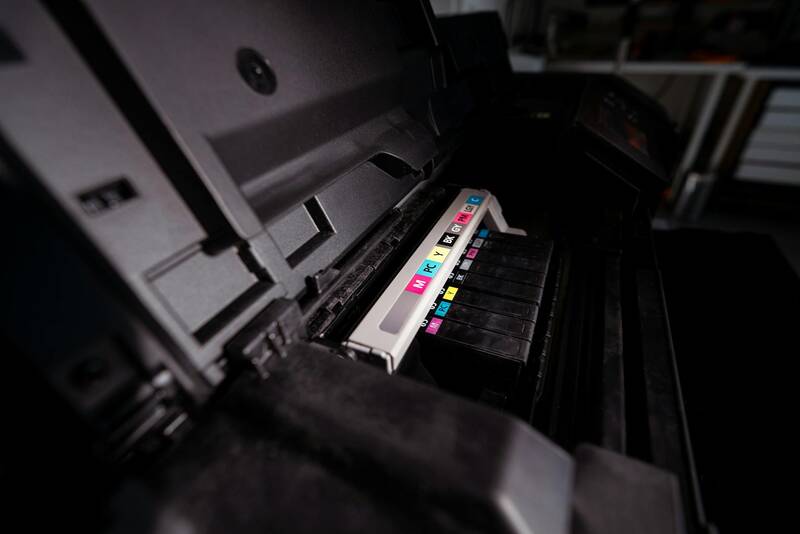
High-end printing technologies are vital to achieve sharp detail, vibrant colors, and longevity. The dye-sublimation process involves transferring dye-based inks onto substrates like fabric or specially coated metals, resulting in vivid, durable images that resist fading. Giclée inkjet printing uses high-resolution inkjet nozzles and archival inks to produce precise color blending and intricate details across expansive surfaces. UV-curable printing employs ultraviolet light to instantly cure the inks on rigid materials such as acrylic, aluminum, or foam board, delivering sharp images with excellent resistance to environmental factors.
Ensuring Quality Through Certified Equipment and Skilled Operators
Choosing a printing service that employs certified machinery and trained technicians guarantees consistency and studio-quality results. Reputable providers maintain strict calibration routines, use tested color management protocols, and adhere to rigorous quality control standards. These practices prevent issues such as color inaccuracies, pixelation, or surface imperfections. The use of premium inks and substrates further ensures that the final product maintains its aesthetic appeal and structural integrity over time.
Surface Preparation and Finishing Techniques
Proper surface treatment and finishing enhance the print's appearance and durability. For instance, face mounting involves adhering prints directly to rigid substrates like acrylic or aluminum, which provides a sleek, seamless look and added protection. Framing options should complement the artwork and display environment; minimalist metal frames or elaborate wood moldings can elevate the presentation. Additionally, protective coatings like gloss or matte finishes can be applied to control reflections, reduce glare, and safeguard against scratches.
Maintaining and Handling Large Prints
Handling large photographic prints requires care to prevent damage. Wearing gloves during installation, avoiding contact with the surface, and storing prints in dust-free environments preserve image quality. When not on display, storing prints rolled in protective tubes or flat with acid-free backing prevents warping and surface degradation. Proper lighting and indoor climate controls—such as consistent temperature and humidity—are essential for long-term preservation, especially for valuable or sentimental pieces.
By utilizing these validated techniques and best practices, collectors and artists can produce impressive, long-lasting large print photographs that meet professional standards and aesthetic expectations.
Technical Considerations for Large Print Photography
Producing high-quality large print photographs requires meticulous attention to technical specifications and quality control throughout the printing process. Choosing the right resolution is fundamental; images intended for large-format printing should ideally be captured at a resolution of at least 150 pixels per inch (ppi) at the final print size. This ensures that the image maintains its sharpness and detail without appearing pixelated or blurry when viewed from typical viewing distances.
In addition, file preparation plays a crucial role. High-resolution images should be properly calibrated and color-managed to ensure accurate reproduction of tones and hues. This involves working within color spaces that are compatible with large-format printing devices, such as Adobe RGB or ProPhoto RGB, to maximize color fidelity. Soft-proofing techniques enable designers and artists to simulate how the colors will appear once printed, reducing surprises and ensuring the desired outcome.
Printer profiles matching the specific substrate and ink combination are equally important. Employing the correct color profiles ensures that the colors are rendered accurately and consistently across different batches, minimizing color shifts or inconsistencies. Uniform lighting conditions during the editing process help detect potential issues like banding, moiré patterns, or color banding, allowing for adjustments before printing.
Surface preparation techniques, such as applying protective coatings or selecting appropriate substrates, directly influence the longevity and appearance of large prints. For instance, matte finishes offer reduced glare ideal for highly detailed images in gallery settings, whereas gloss finishes amplify color vibrancy, making images pop with life.


Technical Considerations for Large Print Photography
Achieving the highest quality in large print photography requires meticulous attention to technical details throughout the entire process, from image capture to final output. High-resolution digital files are fundamental, ensuring that the image maintains sharpness and detail when scaled to large dimensions. Typically, files intended for large prints should be captured or processed in formats that support lossless quality, such as TIFF, which preserves image integrity without compression artifacts. Maintaining the original layered files separately is advisable, with exported versions optimized specifically for printing, using high-quality JPEG or TIFF formats.
Color management is another critical aspect. Proper calibration of monitors enables accurate previewing of the final output, aligning screen colors with the real print. Using color profiles, such as Adobe RGB or ProPhoto RGB, facilitates consistent color reproduction during the printing process. Soft-proofing within editing software allows photographers to simulate how colors will appear on specific types of media, helping to make necessary adjustments beforehand.

Another technical element involves resolution settings. For large-format prints, a common guideline is a resolution of 150-300 dpi at the final print size. However, as the viewing distance increases, the required dpi can often be reduced without perceptible loss of quality. Ensuring that the image’s pixel dimensions are appropriate for the intended print size prevents pixelation or blurriness. When preparing files, it’s advisable to crop or resize images to match the exact print dimensions, avoiding unnecessary upscaling that can degrade image quality.
Sharpening images specifically for large prints enhances perceived detail and clarity. Applying appropriate sharpening techniques after resizing can compensate for any softness introduced during scaling. Additionally, correct noise reduction minimizes grain that becomes more apparent in enlarged images, ensuring textures appear smooth and natural.

Finally, collaboration with professional printers who understand the nuances of large-format printing is invaluable. They can offer guidance on optimal file formats, color profiles, and resolution settings specific to their equipment and media. Validating print proofs before producing the final large-scale piece ensures colors, contrast, and details align with expectations, minimizing costly reprints and ensuring the final product meets the desired standards of excellence.
Overview of Large Print Photography
Large print photography involves creating photographic reproductions at significantly bigger scales than standard sizes. This form of photography emphasizes not only the subject matter but also technical precision, as enlarging images demands meticulous attention to detail to maintain clarity, color fidelity, and overall visual impact. The process begins with high-resolution digital images or scans, which serve as the foundation for producing impactful, large-scale artworks suitable for both display and commercial purposes.
Unlike smaller prints, large photo reproductions require an understanding of how images will be viewed at different distances. This influences decisions about resolution, detail retention, and image composition. The goal is to balance technical considerations with artistic intent, ensuring that the enlarged image retains its intended visual impact and aesthetic quality. Proper planning and execution are critical for translating small digital files into stunning, large-format photographic displays that captivate viewers and enhance interior spaces.
Key Benefits of Large Print Photography
- Enhanced Visual Presence: Large prints create a commanding presence in any space, drawing attention and becoming focal points within interior design or exhibition settings.
- Detail Emphasis: Larger formats allow viewers to appreciate intricate details and textures, especially when high-resolution images are used.
- Emotional Impact: The scale amplifies emotional responses, making the imagery more immersive and engaging.
- Versatility in Display: Large prints suit diverse environments, from corporate offices to galleries, galleries, or personal collections, providing versatile options for showcasing photographic art.
Technical Considerations for Large Print Photography
Producing high-quality large prints begins with understanding the technical parameters involved. The primary factor is image resolution—ensuring that pixel dimensions correspond appropriately to the intended print size. As a rule of thumb, a resolution of 150-300 dpi (dots per inch) is generally recommended for large-format printing. At larger viewing distances, the dpi can often be reduced without sacrificing perceived quality, but maintaining sufficient pixel detail is essential for sharpness and clarity.
Preparing files involves cropping or resizing images to match the exact print dimensions, avoiding upscaling that can introduce softness or pixelation. Applying sharpening techniques post-resizing can enhance perceived detail, while noise reduction minimizes graininess that becomes more noticeable in larger prints. Color management plays a vital role; using correct color profiles ensures the printed output matches the digital image's vibrancy and tone. Collaboration with professional printers who understand large-format output is invaluable for optimizing file formats, resolution, and color settings, ultimately delivering a flawless final product.
Materials and Finishes for Large Prints
Choosing the right materials and finishes impacts both the appearance and durability of large photo prints. Options include:
- Paper Stocks: Matte, gloss, or satin finishes are popular choices, each offering different aesthetic qualities and glare reduction.
- Canvas: Provides a textured look, suitable for fine art photography, with options for gallery wrapping or framing.
- Metal Prints: Offer modern, sleek finishes with excellent durability and vibrancy, ideal for bold visuals.
- Acrylic: Produces vibrant, high-gloss effects with a sense of depth, often used for gallery-quality displays.
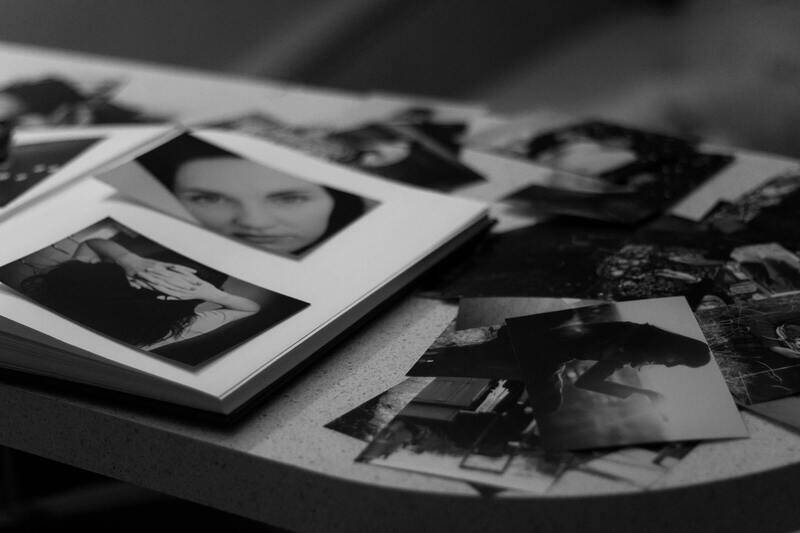
The choice of finish not only influences the aesthetic appeal but also affects factors such as glare, reflection, and longevity. Protective coatings and laminates can be added to enhance durability and maintain the print’s appearance over time, especially for pieces displayed in high-traffic or humid environments.
Printing Processes and Technologies
Modern large-format printing employs advanced technologies that ensure high resolution, color accuracy, and durability. Inkjet printing remains the predominant method, favored for its ability to render detailed images with a wide color gamut and smooth gradations. Queue systems utilize pigment inks that resist fading, making them suitable for long-term display.
Printing processes such as dye-sublimation are also used, especially for metal and acrylic substrates, providing vibrant, durable finishes. Artists and photographers often work with specialized printers that support various media types and size formats, ensuring optimal results. Proper calibration of printers and regular maintenance are necessary to consistently produce high-quality large prints. Additionally, post-printing treatments like UV coatings or framing techniques can further protect the image and enhance its presentation.
Professionally managed large-format printing is essential in translating digital images into impactful visual statements. Ensuring compatibility of file formats, precise color profiles, and resolution alignment helps achieve a high-quality output that faithfully reproduces the photographer’s vision in a large-scale format.
Overview of Large Print Photography
Large print photography involves producing photographic images on a scale that surpasses standard print sizes, often extending to several feet in width and height. This specialization requires precise techniques and high-quality materials to ensure the integrity of the artwork at an expansive scale. It is widely embraced by artists, galleries, and residential decorators seeking to create striking visual environments. The ability to reproduce intricate details and vivid colors on a large canvas enhances the immersive experience, making the artwork an integral part of interior design or public art spaces.
To achieve optimal results, photographers and printers need to understand the nuances of file preparation, appropriate media selections, and advanced printing technologies. The aim is to maintain sharpness, color accuracy, and durability from digital image to final display, which is especially critical when enlarging images without sacrificing quality. As digital photography continues to evolve, so too does the capacity for creating impactful large-scale prints that faithfully represent the original capture in commanding formats.
Key Benefits of Large Print Photography
- Enhanced Visual Impact: Larger images command attention and can transform ordinary spaces into extraordinary displays.
- Increased Detail Visibility: High-resolution large prints reveal details invisible in smaller formats, enriching the viewer’s experience.
- Versatile Display Options: Suitable for both interior and exterior environments, from gallery walls to public murals.
- Customization Potential: The scale allows for creative framing, mounting, and presentation tailored to specific aesthetics.
- Long-term Durability: When produced with quality materials, large prints can withstand environmental stressors, maintaining their visual appeal over time.
Technical Considerations for Large Print Photography
Producing large-scale images with precision requires adherence to several technical standards. The resolution of the digital file should typically be at least 150-300 DPI at the final print size to retain clarity and detail. File formats such as TIFF or high-quality JPEGs are preferred because they preserve image fidelity. Color management is vital, involving the appropriate use of color profiles and calibration to ensure accurate reproduction of hues and tones. Attention must also be given to maintaining sufficient bleed areas, which allow for clean, edge-to-edge printing without perceptible borders or margins.
Lighting considerations during the digital capture phase greatly influence the final print quality. Proper exposure and focus ensure that fine details are well preserved, especially when enlarging images. Additionally, understanding the nuances of various media—such as fine art papers, canvas, acrylic, or metal substrates—can dramatically affect the texture, gloss, and overall aesthetic. The choice of protective finishes like matte varnishes or gloss coatings helps enhance longevity and reduces glare, making the piece suitable for diverse viewing environments.
Materials and Finishes for Large Prints
- Photo Papers: Matte, glossy, or luster finishes cater to different lighting conditions and visual preferences. They provide excellent color reproduction and protection against fading.
- Canvas: Offers a textured surface that adds depth and artistic character, ideal for fine art reproductions.
- Acrylic and Metal: Provide vibrant, durable surfaces with a modern look, suitable for high-impact contemporary displays.
- Protective Coatings: UV-resistant or anti-glare coatings extend the lifespan and improve visibility regardless of ambient light.

Printing Processes and Technologies
Modern large-format printing employs advanced digital technologies tailored for precision and durability. Inkjet technology remains the industry standard, utilizing pigment-based inks that resist fading and environmental damage. Artists and professionals often use wide-format printers capable of handling media up to several meters wide, enabling seamless images without joints or visible seams.
Certain applications benefit from specialized processes such as dye-sublimation printing, especially on substrates like metal or acrylic that demand vibrant, high-resolution finishes. UV-curable printers are also popular for their rapid curing times and ability to print directly onto a variety of rigid surfaces. Proper calibration, maintenance, and color management protocols are essential to achieving consistent quality across large productions.
Choosing a Printing Service for Large Format Photography
Selecting a reputable printing service is crucial for attaining high-quality large prints. Key factors include the service’s experience with large-scale projects, the availability of advanced printing equipment, and their understanding of color management and material compatibility. Ensuring the provider offers comprehensive proofing options and samples helps in making informed decisions before committing to a final order.
Additionally, inquire about their post-printing services, such as framing, mounting, and protective coatings, which contribute to the overall presentation and durability of the artwork. A professional service can advise on the best media choices and finishes tailored to the intended display environment, whether it’s a gallery wall, commercial space, or outdoor installation.
Final Tips for Ensuring Quality Large Print Photography
When finalizing your large print photography projects, meticulous attention to detail during the preparation and printing stages is paramount. High-resolution files should be optimized to preserve clarity, color accuracy, and detail across expansive surfaces. It is advisable to utilize professional-level editing software to fine-tune images, ensuring they meet the desired specifications before submission.
Color management is a critical aspect that cannot be overlooked. Employing calibrated monitors and color profiles facilitates consistent output that resembles the original digital image. This process minimizes unexpected color shifts that often occur when transitioning between digital files and printed material, resulting in true-to-life reproductions in large formats.
File formats matter—using lossless formats such as TIFF or high-quality JPEGs ensures that image data remains intact during the printing process. Including bleed areas or margins can prevent unintended cropping and guarantee that the entire image is properly displayed upon final framing or mounting.
Final Quality Checks and Proofing
Before proceeding with the full-scale print, ordering sample proofs or smaller test prints can reveal potential issues like color discrepancies, resolution problems, or surface imperfections. Visual inspection of these proofs provides the opportunity to make necessary adjustments, ensuring that the final large-scale print aligns precisely with expectations.
Effective communication with your printing service provider is essential throughout this process. Clarify your expectations regarding color fidelity, material choice, and finishing options. Confirm that the printer is equipped to handle the specific requirements of large-format photographic art, including appropriate calibration and media handling protocols.
Ensuring Longevity and Protection of Your Large Prints
To extend the lifespan of your large photographic prints, consider applying protective coatings or finishes. UV-resistant laminates can shield images from environmental damage such as fading caused by sunlight exposure. For indoor settings, framing with UV-filtering glass offers an additional layer of protection while enhancing visual appeal.
Mounting techniques should be chosen carefully based on the display environment. Options like floating mounts or secure wall adhesives ensure stability and prevent warping over time. For outdoor or high-traffic areas, robust framing combined with weather-resistant coatings preserves the integrity and vibrancy of your photographs.
By adhering strictly to these practices—precise file preparation, rigorous proofing, skilled handling, and protective solutions—you can achieve large print photographic pieces that are both visually striking and durable for years to come.
