
Understanding Huge Photo Prints
Large scale and huge photo prints are specialized printing formats designed to display images on a grand scale, often exceeding standard poster sizes. These prints are typically produced in dimensions that range from 24 inches (61 cm) wide to over 96 inches (244 cm), with lengths varying based on the intended design. The primary purpose behind creating such large-format prints is to make a visual impact — whether for artistic exhibitions, advertising, interior decor, or promotional displays. Their size allows viewers to appreciate detail from a distance, creating an immersive experience that smaller prints cannot achieve.
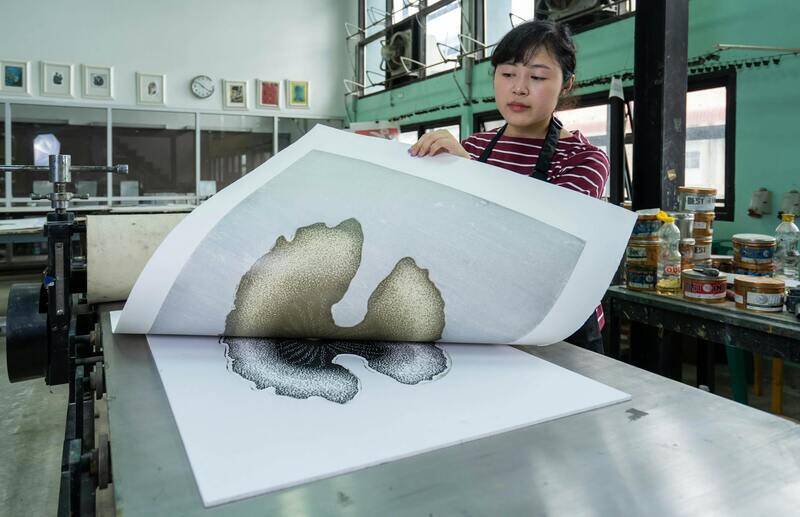
Creating huge photo prints involves choosing the right images, resolution, and material to ensure clarity and durability. These prints often serve to transform spaces, emphasize branding, or showcase artwork in a manner that captures attention quickly. The goal is to translate high-resolution digital images into large physical formats without sacrificing detail, color accuracy, or sharpness. As technology advances, the ability to produce high-quality, huge photo prints has become more accessible, enabling artists, businesses, and individuals to realize their larger-than-life visions effectively.
In essence, giant photo prints are an extension of photographic art and visual communication. They serve both aesthetic and functional roles — from decorating expansive walls in commercial settings to creating eye-catching billboards and display stands. Whether for a personal project or professional deployment, understanding the fundamentals of what constitutes a huge photo print helps in selecting the appropriate approach, ensuring the final piece is both impactful and enduring.
Material Options for Huge Photo Prints
Choosing the right material is fundamental to achieving the desired visual impact and ensuring the longevity of large photo prints. Different substrates and finishes offer unique aesthetics, durability, and suitability for various display environments. Typically, materials used for huge photo prints include high-quality photo papers, vinyl, canvas, and acrylic, each with specific benefits tailored to different applications.
- Photo Paper: Premium glossy or matte photo papers provide sharp details and vivid colors. These are ideal for indoor displays where clarity and color accuracy are paramount. For large prints, additional considerations like weight and rigidity are essential, often requiring backing or mounting solutions.
- Vinyl: Durable and weather-resistant, vinyl is perfect for both indoor and outdoor large-format prints. Its flexibility allows for application on curved surfaces and outdoor signage, making it a versatile choice for billboards, banners, and banners.
- Canvas: Offering a textured, artistic feel, canvas is frequently chosen for large portrait or art reproduction prints. It adds a tactile dimension to the image, lending a gallery-like sophistication suitable for interior spaces.
- Acrylic: Known for its exceptional clarity and modern aesthetic, acrylic enhances color vibrancy and adds depth. It's often used for high-end displays and artistic installations, providing a sleek, professional finish.
Printing Technologies and Quality Considerations
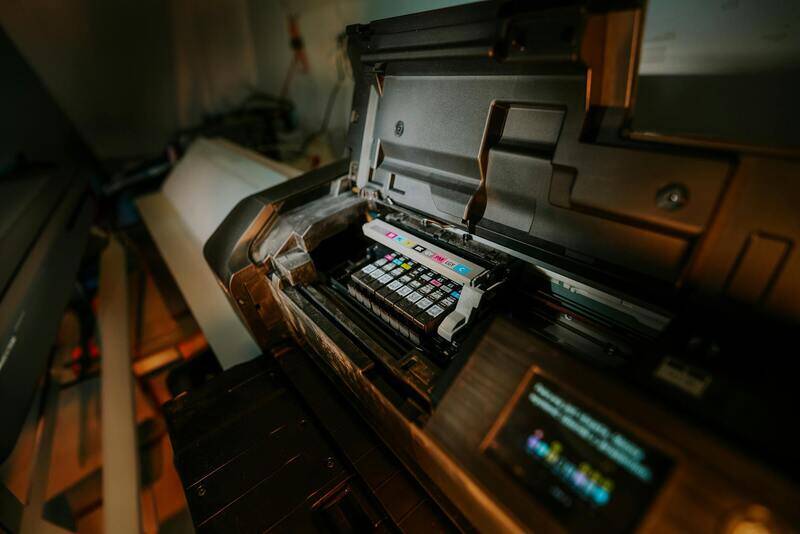
High-quality large photo prints demand advanced printing technologies capable of reproducing fine details, smooth color transitions, and sharp imagery. Continuous/digital inkjet printing is the most prevalent method, especially for large-format prints due to its precision, speed, and ability to handle various materials.
Key factors influencing print quality include:
- Resolution: Ensuring the digital image has a resolution that matches or exceeds the print size is critical. For large photos, a resolution of at least 150-300 DPI at the final print size is recommended to maintain clarity and detail.
- Color Management: Accurate color reproduction hinges on proper calibration of monitors, printers, and color profiles. Consistent color management ensures that the vibrant hues seen on-screen match the physical outcome.
- Print Colorants and Inks: Utilizing archival-grade, fade-resistant inks prolongs the lifespan and vibrancy of large prints, especially for outdoor or high-traffic environments.
- Print Finish: Matte, gloss, or satin finishes can alter the appearance and durability of the final product. The choice depends on environmental factors and aesthetic preferences.
Material Options for Huge Photo Prints
When creating large-scale photographs, selecting the appropriate material is crucial to achieve the desired visual impact, durability, and display setting. Different substrates offer unique qualities that can enhance the final presentation, whether for indoor or outdoor environments.

The most common choices for huge photo prints include:
- Photo Paper: A traditional option offering fine detail and vibrant color reproduction. Available in glossy, matte, or satin finishes, it suits indoor displays like galleries or personal collections.
- Canvas: Provides a textured, artistic feel and is ideal for framing without glass. Canvas enhances the aesthetic appeal of large photos, making them resemble paintings and suitable for lounges, offices, or public installations.
- Acrylic: Offers a sleek, modern look with a high-gloss finish that intensifies colors and depth. Acrylic-backed prints are resilient and excellent for high-impact visual statements in commercial or contemporary spaces.
- Metal (Aluminum): Creates a durable, lightweight, and highly reflective surface with vibrant color reproduction. Metal prints are perfect for outdoor signage or areas where a sleek, industrial aesthetic is desired.
- Specialty Surfaces: Textured textiles, wood, or other innovative materials can add unique tactile qualities, elevating the visual experience and aligning with specific interior design themes.
The choice of material depends on the intended environment, aesthetic preferences, and longevity requirements. For outdoor applications, weather-resistant materials like metal or specially coated acrylic are recommended to withstand elements without compromising image quality. Conversely, interior displays might benefit from canvas or fine art papers for a softer, more refined appearance.

Matching the right material with the specific display context can significantly impact the visual impression and overall effectiveness of large photo prints. High-quality substrates ensure that every detail is preserved and that the print maintains its vibrancy and sharpness over time, which is essential for making a lasting impression in both commercial and personal settings.
Choosing the Right Material for Your Huge Photo Prints
When creating large photo prints, selecting the appropriate material is essential to achieving the desired aesthetic and durability. Different substrates offer unique qualities that can enhance the visual appeal and longevity of your print. Common options include canvas, which imparts a textured, artistic look synonymous with fine art displays; acrylic, known for its sleek, glossy finish that amplifies colors and depth; metal (aluminum), providing a highly reflective surface that lends a modern, industrial edge; and specialty surfaces such as textured textiles or wood, which can introduce tactile elements that complement specific interior themes.
In addition to aesthetic preferences, environmental considerations such as whether the print will be displayed indoors or outdoors influence the choice of material. Weather-resistant options like coated acrylic or metal are ideal for outdoor installations, ensuring the print withstands elements without losing vibrancy. For interior spaces where softer visuals are preferred, canvas or premium fine art papers can create a refined and elegant presentation.
Surface Texture and Finish Considerations
The surface finish plays a significant role in the appearance of huge photo prints. Glossy finishes, such as those found on acrylic or certain metal prints, enhance color vibrancy and provide a sleek look that is perfect for modern or high-impact displays. Matte finishes, on the other hand, reduce glare and are ideal for environments with bright lighting, ensuring the details in the photograph remain clear and vibrant. There are also satin or semi-gloss options that offer a balanced sheen, combining the benefits of both gloss and matte finishes.
Texture adds another dimension, with options like canvas offering a subtle weave that adds depth and a more artistic feel. Textured papers and textiles can evoke a tactile experience, enriching the visual impact by providing a nuanced surface that interacts with light differently across viewing angles. Choosing the right finish and texture depends on the intended environment, viewing distance, and desired emotional response from viewers.
Optimizing Material Selection for Specific Display Contexts
Effective large photo displays require careful matching of material to context. For instance, a high-gloss acrylic print can be stunning in a well-lit, contemporary setting where vibrancy is paramount. Conversely, a textured canvas may be better suited for a gallery or living space seeking a more artistic ambiance. Outdoor signage benefits from weather-resistant surfaces like aluminum or specially coated acrylic, ensuring images stay vivid over time. For interior exhibitions or personal collections, fine art papers or canvas provide a luxurious touch that elevates the visual experience.
Understanding the specific requirements of the space, exposure conditions, and the desired aesthetic will guide the selection process, ultimately ensuring the large photo print makes a compelling and lasting impression.
Understanding Huge Photo Prints
Creating large-scale photographic displays involves more than just magnifying a standard image. It requires a thoughtful approach to resolution, image quality, and overall visual impact to ensure that the enlarged photo retains its clarity and aesthetic appeal. When considering huge photo prints, the core principle is digital resolution; images intended for large format printing should typically possess a minimum of 150 DPI (dots per inch) at the final viewing size. This prevents pixelation and maintains crisp detail, even when viewed up close. High-resolution images achieved through professional cameras or optimized digital editing are essential to ensure the enlarged print appears seamless and vivid.
In addition to resolution, image composition plays a vital role. A well-balanced shot with clear focal points and minimal distractions translates better at large sizes. Cropping, perspective adjustments, and color grading are often necessary steps to prepare images for magnification, ensuring they possess the proper visual weight and clarity for display. Careful consideration of lighting, contrast, and color saturation also contributes to the photorealistic quality expected in large prints.
Proper Digital Preparation and File Management
- Use RAW or high-quality JPEG files to capture maximum detail.
- Maintain original aspect ratios to prevent distortion during enlargement.
- Apply sharpening and noise reduction tailored for large-format viewing.
- Consult with professional printers to determine the ideal file specifications for your specific print size and material.
Keep in mind that color profiles should be standardized (such as sRGB or Adobe RGB) to ensure color accuracy across devices and during the printing process. Proper file management not only improves the final output but also reduces the need for repeated reprints, saving time and costs. When preparing images for large photo prints, collaborating with experienced printing professionals ensures that your digital files are optimized for the best possible physical result.
Image Review and Proofing
Before committing to a large print, it's advisable to review digital proofs or smaller test prints. This step helps identify potential issues related to color accuracy, composition, and resolution. Digital previews in the actual print size can provide valuable insights and help make necessary adjustments. This proactive review ensures the final huge photo print fulfills your expectations and enhances the environment in which it will be displayed.
In summary, producing impressive huge photo prints hinges on meticulous image preparation—favoring high-resolution files, thoughtful composition, and collaborative proofing with skilled printers. Such attention to detail guarantees that your enlarged images will command attention, captivate audiences, and provide a lasting visual impression for any setting.
Understanding Huge Photo Prints
Creating large-scale photo prints involves more than just enlarging digital images; it requires a thoughtful approach to image resolution, file preparation, and material selection. The goal is to produce a display piece that maintains clarity, color fidelity, and visual impact when scaled to dimensions often exceeding several feet in width or height. For high-quality results, digital files should be formatted at a resolution that ensures detail retention—generally, a minimum of 150 dots per inch (DPI) at the intended size. This ensures the print appears crisp and vibrant without pixelation or blurriness. Additionally, standardizing color profiles like sRGB or Adobe RGB across the digital workflow helps preserve accurate color reproduction during printing, aligning the digital file with the final physical output.
Further, selecting high-resolution images or scanning existing photographs at the highest possible quality before printing is vital. This step minimizes the risk of pixelation in enlarged prints and ensures the final product retains its original aesthetic. Digital file management, including proper naming conventions, layering, and backup, facilitates smoother workflow and reduces errors during production. Collaborating with professional printers can also help interpret your digital files correctly, optimizing settings for the specific materials and printing technology in use.
Material Options for Huge Photo Prints
When considering materials for large photo prints, the choice significantly influences durability, appearance, and display environment suitability. Common options include:
- Vinyl: Ideal for outdoor signage due to its weather resistance and durability.
- Canvas: Offers a classic, textured look suitable for fine art displays and interior decor.
- Photo paper: Available in gloss, matte, or lustre finishes, perfect for high-resolution displays and gallery presentations.
- Backlit materials: Designed for illuminated displays or lightboxes, enhancing brightness and color vibrancy.
Each material has unique properties and costs, so selecting the right one depends on the intended setting, maintenance requirements, and aesthetic preferences. Lightfastness and resistance to fading are also critical factors, particularly for pieces displayed in well-lit environments over extended periods. Moreover, some materials support framing options that enhance their visual impact and provide additional protection to preserve the print's quality over time.
To ensure the best outcome, working with experienced print providers who can advise on material compatibility, printing techniques, and finishing options is highly recommended. They can also assist in troubleshooting issues such as color mismatches, edge distortions, or surface reflections—common challenges in large-format printing. By making informed decisions on materials and print specifications, you can achieve impressive, durable big photo displays that elevate your visual storytelling.
Understanding Huge Photo Prints
Huge photo prints serve as a powerful visual tool, capable of transforming a simple image into an impressive focal point. Their ability to create a lasting impression makes them ideal for various applications, from artistic displays to commercial advertising. When considering the creation of large photo prints, it’s essential to understand the balance between image resolution and physical dimensions. High-resolution images ensure that enlarged prints maintain clarity and detail, preventing pixelation or blurriness. Additionally, the choice of size must align with the intended viewing environment—whether it’s an expansive wall in a gallery, an eye-catching outdoor billboard, or a stunning interior feature. Proper planning involves evaluating the viewing distance; larger prints can be appreciated from afar, making high detail less critical while maintaining impact.

Another crucial aspect involves the intended message or aesthetic effect. Large photo prints are not merely scaled-up images; they are designed to evoke emotion, convey a story, or establish brand presence. Achieving these goals requires meticulous planning around composition and visual balance. Elements like color saturation, contrast, and framing are amplified at such sizes, emphasizing the importance of high-quality source images and professional processing. As technology advances, the ability to print vibrant, highly detailed large images continues to improve, expanding creative possibilities for photographers, artists, and brands alike.
Benefits of Large Photo Prints
The advantages of opting for huge photo prints extend beyond mere visual appeal. Their commanding presence can redefine spaces, creating immersive environments that captivate viewers. For interior designers and artists, large prints serve as tools to showcase craftsmanship and elevate decor, transforming plain walls into gallery-like displays. In commercial contexts, such prints enhance branding efforts, drawing attention with vivid imagery that supports marketing campaigns. Furthermore, large photo prints can evoke emotional responses or nostalgia, making them valuable for personal memories or commemorations.
- Visual Impact: Captures attention from a distance and within close proximity, depending on the design.
- Versatility: Suitable for both indoor and outdoor applications, accommodating various mediums such as canvas, vinyl, or fabric.
- Durability: When made with appropriate materials and finishes, large prints can withstand environmental elements and maintain visual appeal over years.
- Customization: Offers a range of options for framing, mounting, or backlighting, tailored to specific display needs.
- Enhancement of Space: Can define a room’s aesthetic or serve as a statement piece in public venues.
Material Options for Huge Photo Prints
Choosing the right material is pivotal for the success of a large photo print. Each material has unique properties that influence durability, appearance, and suitability for various environments. Some of the most common options include:
- Vinyl: Known for its weather resistance and flexibility, making it perfect for outdoor signage or banners.
- Canvas: Provides a textured, artistic finish resembling classic paintings, ideal for interior decoration.
- Photo Paper: Available in gloss, matte, or lustre finishes, this material emphasizes fine detail and vibrant colors, suitable for gallery-quality displays.
- Backlit Materials: Designed to be illuminated from behind, creating eye-catching illuminated displays and lightbox features.
Selecting the right material depends on where and how the print will be displayed, cost considerations, and aesthetic preferences. High-quality materials ensure that the vibrant details of the original image are preserved, and resistance to fading and environmental wear enhances longevity.
Printing Technologies and Quality Considerations
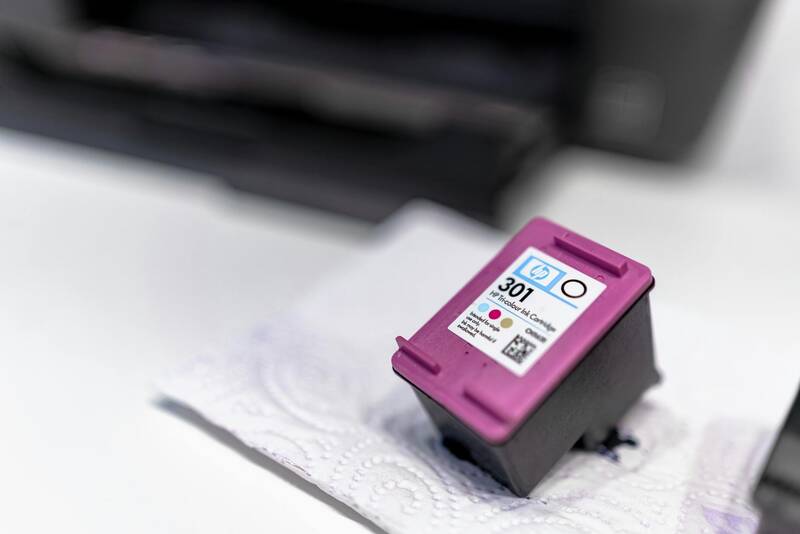
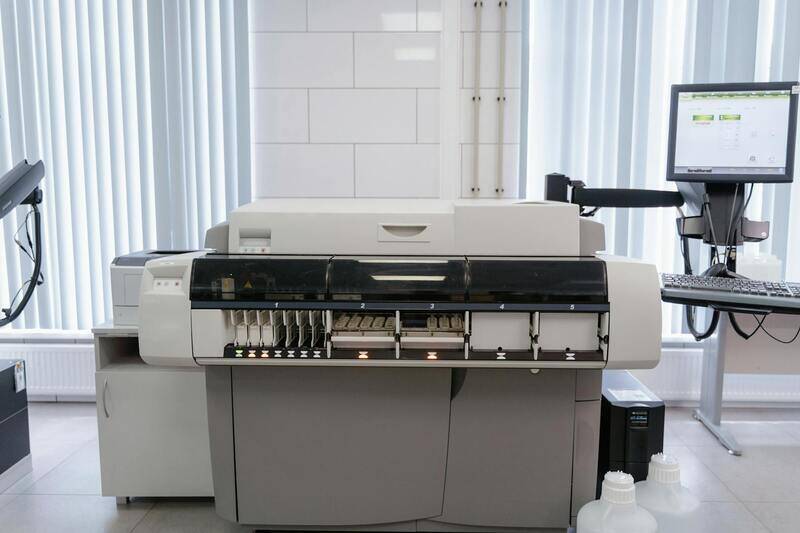
Advances in printing technology have significantly improved the quality and efficiency of large photo print production. Techniques such as inkjet printing, UV printing, and dye sublimation allow for high-resolution images with impressive color accuracy and detail. Inkjet printers used for large-format printing typically utilize multiple cartridges with specialized inks, including pigment-based options for durability and fade resistance. Resolution settings are critical; a minimum of 300 dpi (dots per inch) at the final print size is recommended to ensure sharpness, especially for close viewing. Moreover, color management systems and calibration are essential to match the on-screen image with the printed output, maintaining consistency across different devices and materials.
Screen resolution, ink quality, and the substrate's texture all influence the final result. For instance, matte finishes tend to reduce glare and reflections, whereas gloss finishes enhance vibrancy and contrast. Additionally, lamination or coating can provide extra protection against scratches and environmental factors, extending the lifespan of the print. Working with experienced printers who utilize advanced machinery and high-quality materials ensures that large photo prints achieve the desired clarity, vibrancy, and durability.
Design and Composition Tips for Large Prints
Designing for large-format printing requires a thoughtful approach to composition to maximize visual impact. When creating or preparing images for enlargement, consider the following:
- Focus on Simplicity: Avoid overly complex compositions that can become cluttered when scaled up. Clear focal points are more effective.
- High-Resolution Files: Use images with sufficient resolution to prevent pixelation at larger sizes. Raw images or high-quality JPEGs are preferred.
- Bold Colors and Contrasts: Large prints are more impactful when colors are vibrant and contrasts are strong, helping the image stand out.
- Guidelines and Framing: Incorporate visual guides or framing elements to lead the viewer’s eye into the composition.
- Context Considerations: Think about where the print will be displayed and tailor the design to complement the surroundings.
Proper alignment and cropping are crucial, especially for panoramic or wide-format images. A professional designer or printer can assist in optimizing compositions to retain detail and balance when scaled to large dimensions.
Official Methods to Obtain Huge Photo Prints
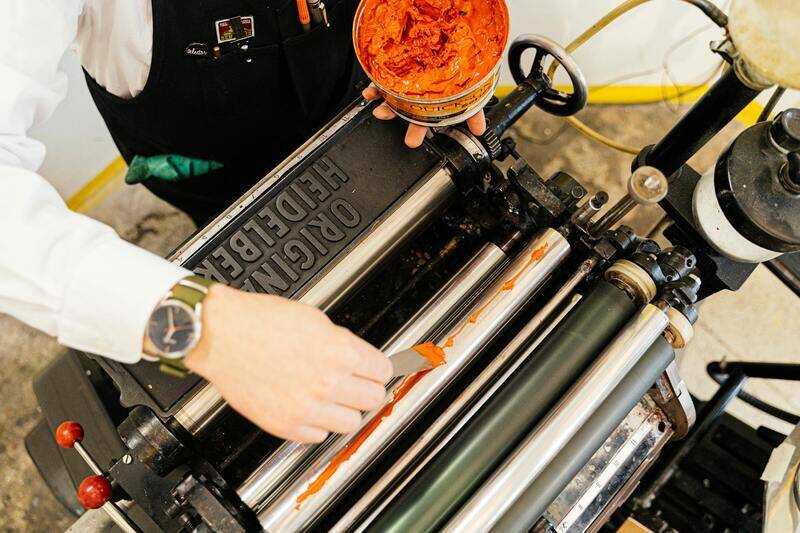
To secure high-quality and legitimate giant photo prints, it is essential to utilize reputable printing services that operate within established industry standards. Many professional printers and printing establishments, like those associated with proven industry leaders, have dedicated large-format printing departments equipped with advanced machinery and high-grade materials. These providers ensure that every printed image meets strict quality protocols, delivering vibrant colors, sharp details, and durable finishes.
When selecting an official printing service, consider verifying their credentials, including certifications, affiliations with recognized industry associations, and their portfolio of previous large-format projects. Well-established providers will often showcase sample images and offer consultation to help optimize design and print specifications tailored to your project’s requirements. Additionally, official merchants frequently adopt eco-friendly practices, source approved materials, and adhere to safety standards, all of which contribute to a trustworthy printing process.
Steps to Secure Authentic Large Photo Prints
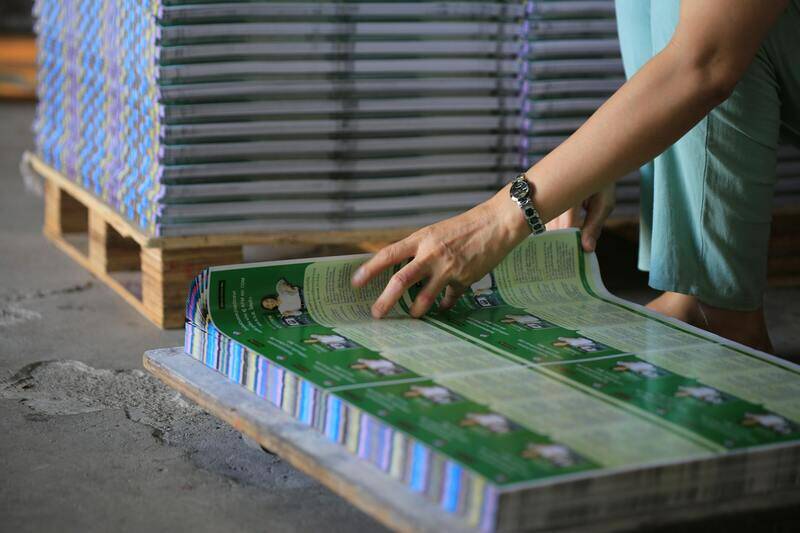
- Consult with Certified Printers: Engage with providers who specialize in large-format printing and possess certifications from recognized industry bodies.
- Review Portfolios and Customer Feedback: Examine previous works and read testimonials to ensure the quality and reliability of the service.
- Request Sample Prints: Obtain sample images to assess colour accuracy, resolution, and material quality before committing to your project.
- Discuss Material Choices and Finishes: Work with professionals to select appropriate substrates, coatings, and framing options suitable for your display environment.
- Ensure Clear Agreements: Confirm all specifications, timelines, and costs in a detailed agreement to safeguard your interests.
Why Official Channels Matter
Utilizing recognized and authorized printing outlets guarantees compliance with industry standards, safeguarding the quality and longevity of your large photo prints. These channels typically employ licensed equipment, employ skilled technicians, and use certified materials, ensuring your images are reproduced accurately and authentically. Moreover, official providers offer warranties, after-sales support, and post-printing services such as mounting, framing, and installation assistance, making the entire process seamless and trustworthy.
Authentic Image Sourcing Practices
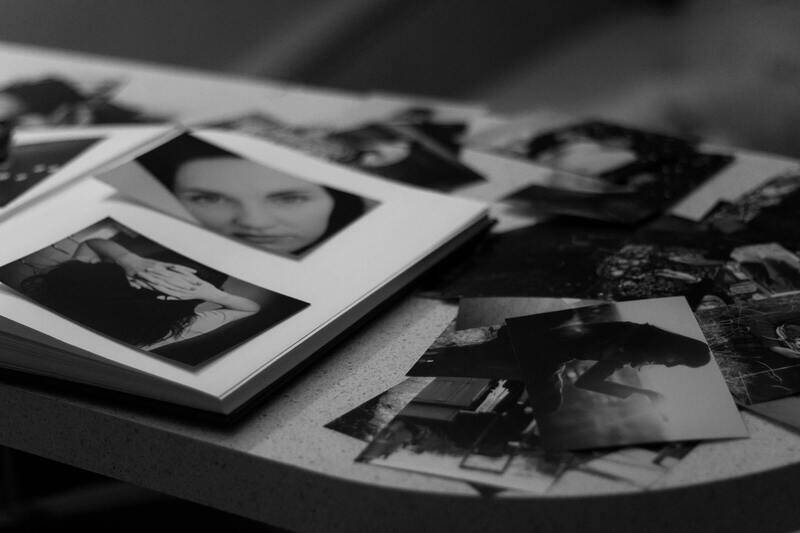
To further validate the legitimacy of your large photo prints, source your original images through authorized means. High-resolution digital files purchased or licensed directly from photographers, image agencies, or through legal digital marketplaces ensure the integrity of your artwork. Always retain proof of licensing or purchase receipts and maintain proper metadata records. These practices not only support the work of professional image creators but also guarantee that you are using legally obtained content for your prints.
Conclusion
Choosing the right official methods and trusted providers for your huge photo prints is crucial for achieving superior quality, durability, and a professional finish. By engaging with certified printing establishments, verifying their credentials, and sourcing images legally, you can ensure that your large-scale prints will stand the test of time and make the desired visual impact. Remember that working with experienced professionals who adhere to industry standards safeguards your investment and elevates the overall result of your large-format printing project.
