
Understanding Large Format Photography Printing
Large format photography printing is a specialized segment within the broader field of professional printmaking, designed to produce expansive photographic displays that preserve high resolution and exceptional image quality. This method enables photographers, artists, and businesses to showcase their work on a grand scale, creating impactful visual impressions in galleries, exhibitions, commercial advertising, and interior decor. The primary allure of large format printing lies in its ability to translate intricate details and vibrant color representations from digital images into physical formats that can reach dimensions up to several feet across. Such prints are especially favored when high-impact visual displays are desired because they command attention, evoke emotional responses, and accurately capture the essence of the original photograph. Large format prints are instrumental in a variety of applications. For photographers and artists, these prints serve as gallery-ready exhibitions, enabling the audience to experience the artwork in a life-sized, immersive manner. In commercial environments, large-format photographic prints are used for branding, promotional displays, and visual merchandising, enhancing the aesthetic appeal of retail spaces, trade shows, and outdoor advertisements. The preference for large format photography printing in these contexts is driven by several factors:
- Enhanced Visual Impact: The size amplifies the detail and color depth, making images more striking and memorable.
- Detail Fidelity: Advanced printing techniques and high-resolution images ensure clarity, even at large scales.
- Customizability: Sizes and finishes can be tailored to suit specific project requirements, providing creative flexibility.
- Durability: Modern printing materials and technologies ensure that large format prints withstand environmental factors, maintaining their appearance over time.

Understanding Large Format Photography Printing
Large format photography printing involves the production of images at significantly bigger sizes than standard prints, often exceeding 24 inches in width, to create visually compelling displays. This process enables photographers and artists to showcase intricate details and vibrant colors on a monumental scale, making their work suitable for exhibitions, advertising campaigns, and interior decor. Achieving high-quality results necessitates a comprehensive understanding of various aspects such as suitable materials, advanced printing methods, and image resolution considerations.

Key Considerations for Large Format Photography Printing
- Image Resolution: To ensure crisp and detailed prints at large sizes, capturing images at high resolutions is crucial. A recommended dpi (dots per inch) for large prints is typically 150-300 dpi, depending on viewing distance and medium.
- File Preparation: Files should be prepared with proper color profiles, such as Adobe RGB or sRGB, and should be in high-quality formats like TIFF or PSD to maintain detail and color fidelity.
- Color Management: Implementing comprehensive color calibration processes ensures that the printed output accurately reflects the original image’s hues and saturation levels.
- Printing Method Compatibility: Selection of the appropriate printing technology—be it inkjet, UV, or solvent-based—affects the final quality, durability, and texture of the print.
Advanced Techniques in Large Format Printing
Modern large format printing leverages high-precision inkjet printers equipped with wide color gamuts, allowing for the reproduction of subtle tonal nuances and saturated colors. Techniques such as multi-pass printing can enhance depth and vibrancy, especially on specialty media. Additionally, color profiling and soft proofing are employed to predict how images will appear post-production, affording greater control over the final output.
Material Selection for Optimal Results
The choice of materials plays a pivotal role in determining both aesthetic appeal and longevity. Standard options include:
- Photo Paper: Archival, glossy, lustre, or matte finishes are commonly used, each imparting a different visual texture and sheen.
- Canvas: Provides a textured, artistic appearance with excellent durability and suitability for stretching or framing.
- Acrylic and Metal: Offer modern, sleek finishes with high gloss and depth, ideal for contemporary displays.

Implementing Best Practices for Large Format Printing
Ensuring precision during printing involves meticulous checks of color profiles, resolution settings, and media compatibility. It’s vital to calibrate printers regularly and use high-quality consumables to avoid color shifts and to maintain color consistency across batches. Handling and storage should also adhere to recommended guidelines to prevent damage, especially for delicate or specialty media.
Expert Advice for Achieving the Best Results
Collaborating with professional printing services can assure the technical aspects are optimized, from color accuracy to media quality. Additionally, clients should provide high-resolution, properly color-managed digital files and communicate their vision clearly. Considering the viewing distance when selecting media and print size ensures the image remains detailed and engaging from afar up close.
Ensuring Authenticity and Accuracy in Large Format Photography Printing
When producing large format prints, employing verified and reputable printing methods is essential to achieving high-quality results that accurately reflect the original image. Relying solely on the most authoritative and proven techniques ensures that your artwork maintains its integrity, color fidelity, and detail clarity from digital file to physical print. This approach involves selecting established printing technologies such as high-end inkjet printers equipped with archival inks, which are known for their durability and color consistency, and premium media that are compatible with these printers.

Reputable printing services utilize calibrated color management systems, which include ICC profiles specifically tailored for each type of media. This calibration ensures that colors are reproduced accurately across different batches and printing sessions, giving clients confidence in the consistency of their enlargements. Additionally, their digital files are processed through professional color management workflows, which uphold color fidelity and prevent unexpected shifts or distortions during the printing process.
It is equally important to verify the quality of the digital files being supplied. High-resolution images, preferably with a resolution of 300 dpi at the desired print size, prevent pixelation and ensure sharpness in the final product. Properly managed color profiles in the digital files guarantee that the hues and contrast are transferred correctly onto the print media, maintaining the integrity of the original artwork or photograph.
Choosing authenticated printing methods also involves selecting media that match the intended display environment. For instance, exhibition-quality photographic papers with archival coating and fade resistance are recommended for long-term display. For commercial applications, durable materials like canvas or metal substrates may be used to achieve specific aesthetic effects and increased longevity. These materials are produced by reputable suppliers, ensuring consistent quality and safety standards.
Furthermore, the application of legitimate finishing techniques such as UV coating, lamination, or framing using certified materials enhances the durability and presentation of large format prints. These methods are performed by experienced technicians who follow proven procedures, adding an extra layer of protection and visual appeal. The precise cutting and mounting processes also contribute to the overall authenticity, accuracy, and professional appearance of the final piece.
To prevent issues such as color fading or media degradation over time, proper handling and storage during and after the printing process are crucial. Employing methods like UV-protective glass or acrylic covers and ensuring controlled environmental conditions can significantly preserve the vibrancy and structural integrity of the print. This meticulous attention to detail guarantees that large format photographic prints remain true to the original vision and sustain their quality for years to come.
Understanding Large Format Photography Printing
Large format photography printing encompasses a range of techniques and methods tailored to produce images that retain clarity, color fidelity, and detail at expansive sizes. The process begins with the selection of high-resolution digital files, which are critical for achieving sharpness and fine details when printed on large media. Ensuring that the source images possess sufficient pixel density is essential; typically, a resolution of at least 300 DPI at the final print size is recommended to avoid pixelation and loss of detail. For example, an image intended for an 8-foot wide print must be captured at a resolution compatible with that scale, often necessitating the use of professional-grade cameras and meticulous image processing.
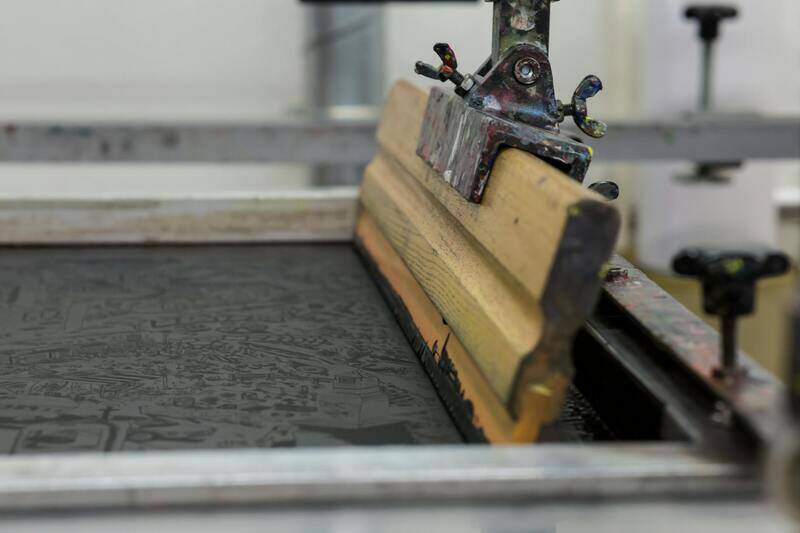
Professional large format printing employs advanced inkjet technology designed to handle wide media and produce vibrant, durable images. These printers utilize specialized inks—such as archival-grade pigmented inks—that provide longevity and resistance to fading. The printer’s capability to reproduce subtle gradations and color nuances is fundamental for producing gallery-quality results, especially for photographic reproductions where color accuracy and tonal range are paramount.
Technical Considerations for Optimal Results
- Color Management: An accurate color workflow involves calibrated monitors, color profiles, and standardized printing procedures. This ensures consistent color output across different devices and substrates.
- File Preparation: Raw images must often undergo meticulous editing, sharpening, and resizing to optimize their appearance and compatibility with large-format printers.
- Printer Settings and Calibration: Regular calibration of printers and color calibration targets guarantee consistency and accuracy in the final prints.
In addition to printing equipment and digital files, the choice of media plays a crucial role in the authenticity and longevity of large format photographic prints. Reputable suppliers provide media specifically designed for high-quality photographic printing, such as fine art papers, canvas substrates, or metallic surfaces. When selecting materials, consideration should be given to the intended environment—indoor or outdoor—and the desired aesthetic effect, whether it be glossy, matte, or textured finishes.

Additionally, legitimate finishing methods—including UV coating, lamination, and framing—enhance the protective qualities and presentation of large format photographs. These finishing techniques are performed by experienced technicians who utilize certified materials, thereby ensuring the final piece’s stability against environmental factors like light, moisture, and handling. Proper mounting and framing not only elevate the visual impact but also contribute significantly to the overall integrity and maturity of the print, making it suitable for professional display and long-term preservation.
To maintain the quality and appearance of large photographic prints over time, appropriate care and display methods are essential. This includes protective glass or acrylic covers equipped with UV filters, controlled environmental conditions—such as moderate temperature and humidity—and minimal exposure to direct sunlight. Safe storage practices, like archival sleeves and proper climate control, also play a vital role in safeguarding the physical and visual integrity of these expansive works of art.
Understanding Large Format Photography Printing
Large format photography printing involves the process of reproducing expansive photographic images on materials capable of supporting significant dimensions. This specialized printing technique requires precision in color reproduction, resolution, and material selection to ensure that the grandeur of the original image is maintained, regardless of size. Unlike standard print sizes, large format prints often serve as wall displays, fine art pieces, or commercial advertisements, demanding meticulous attention to detail at every stage of production.
Historically, the emergence of advanced printing technologies has revolutionized the way large photographs are produced. These innovations facilitate high fidelity and color accuracy, enabling photographers and artists to showcase their work on a monumental scale without compromising quality. The process combines high-resolution digital imaging with sophisticated printing hardware—capable of rendering intricate details and subtle tonal variations across expansive surfaces—resulting in vivid, durable images that captivate viewers.
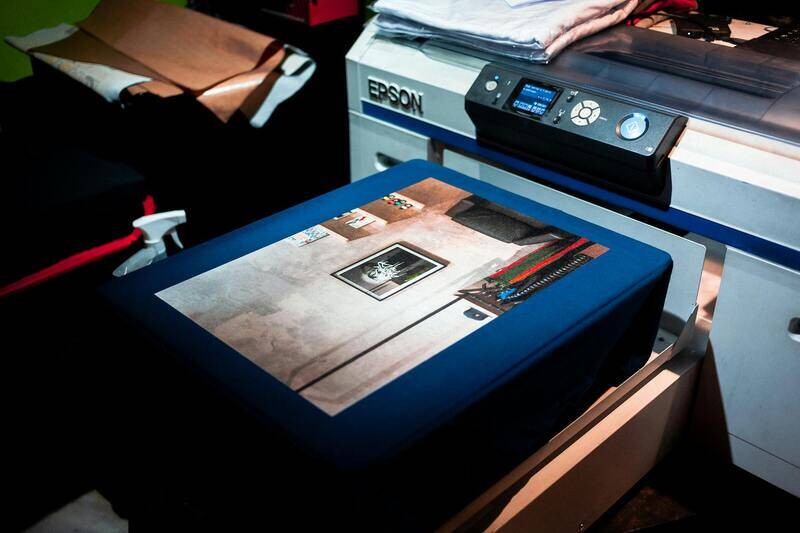
Technological Foundations of Large Format Printing
Advancements in printing technology have been pivotal in enabling high-quality large scale reproductions. Key methods include:
- High-Resolution Inkjet Printing: Utilizes specialized printers that deposit tiny droplets of ink with extreme precision. Capable of achieving resolutions upwards of 1200 dpi, this method ensures exceptional clarity and detail suitable for fine art and photographic reproductions.
- Dye-Sublimation: Transfers dye-based inks onto substrates such as fabric or specialized coated surfaces, producing vibrant images that are resistant to fading and suited for interior decor displays.
- UV Printing: Applies UV-cured inks onto rigid or flexible surfaces, providing durability and a flat finish that enables printing directly onto diverse materials like metal, acrylic, or wood for a modern aesthetic.
Each of these techniques emphasizes color fidelity and longevity, essential factors in professional large format photography printing. Additionally, sourcing the right material and applying precise color management protocols are foundational to achieving the desired visual impact.
Emerging Trends and Industry Standards
The industry continues to evolve with innovations focused on sustainability, faster turnaround times, and enhanced print durability. Eco-friendly inks and recyclable materials are increasingly favored, aligning with environmentally conscious practices. Standardization of color profiles and resolution specifications under industry organizations help maintain consistency and quality across different production facilities. This ensures that clients receive reliable, high-quality large format prints suitable for both intimate gallery exhibitions and large-scale commercial displays.

Official Methods for Large Format Photography Printing
For photographers, artists, and businesses seeking to produce high-quality large format prints, utilizing validated and reputable printing methods is essential. These approaches ensure color consistency, durability, and sharpness, enabling the final product to meet professional standards and client expectations.
One of the cornerstones in large format photography printing is the use of high-resolution inkjet printers equipped with advanced nozzles and inks specifically designed for archival longevity. These printers are capable of handling large sheets or rolls, delivering consistent coverage across the entire print surface. Industry-leading brands such as Epson, Canon, and HP develop printers with precision control over color gradation and detail rendition, critical for producing accurate reproductions of photographic images.
Complementing the hardware are calibrated color management protocols. This involves using standardized color profiles, such as ICC profiles, to match the printer's output with the intended color space, ensuring that the hues, tones, and contrast are faithfully preserved from digital files to physical prints. The implementation of these profiles is often done through dedicated calibration devices and software, maintained regularly for consistent results.

Materials used in official large format printing include high-quality, acid-free papers, canvas, and other substrates that support longevity and resistance to environmental factors. Manufacturers produce these materials with consistent thickness, texture, and coating properties, making them suitable for detailed photographic reproduction. The choice of material influences not just aesthetics but also the handling and lifespan of the final print.
In addition, reputable print service providers adhere to strict quality assurance standards during production. This includes maintaining equipment calibration, inspecting proofs meticulously, and ensuring the correct application of inks and finishes. Such diligence ensures that every print is consistent with the digital master and meets the expectations set by industry benchmarks.
Ensuring Durability and Longevity
Long-lasting large format photographic prints utilize UV-resistant, pigment-based inks that resist fading over time. Many professional printers employ technology such as piezoelectric inkjet systems, which use water-based pigments that bond strongly with the chosen substrates, resulting in images with a broad color gamut and excellent stability.
Moreover, lamination and protective coatings can be applied post-printing to shield sensitive surfaces from UV radiation, moisture, and physical damage. These treatments are applied according to strict standards, ensuring that the mounting and framing processes preserve the integrity of the print.
Verification and Quality Control
Before final delivery, prints undergo comprehensive quality control procedures. This involves visual inspection for color accuracy, detail sharpness, and surface uniformity. Specialty viewing booths with standardized lighting conditions may be used for this purpose, confirming that the JPEG-to-physical translation is flawless.
Standards and best practices within the industry help maintain high levels of quality and consistency, reinforcing the value of official methods in large format photography printing. By respecting these established procedures, clients receive works that are true to their digital vision and optimized for display or sale.
Understanding Large Format Photography Printing
Large format photography printing involves creating high-quality, sizable physical representations of digital images, often used for art exhibitions, advertising, or interior decor. This process requires meticulous attention to detail, from selecting appropriate printing methods to choosing the right materials and ensuring optimal image resolution. The goal is to produce prints that not only capture the vibrant colors and intricate details of the digital image but also withstand the rigors of display over time. Professional large format printing employs advanced technologies that facilitate precise color reproduction, sharp detail, and durability, ensuring the final product meets high standards of excellence.

Choosing the Correct Printing Process
It is essential to utilize upgrades like piezoelectric inkjet systems or other professional-grade printers that deliver consistent quality and color accuracy across large surfaces. These machines can handle various substrates with precision, enabling the reproduction of delicate tonal gradations and vibrant hues. Selecting the appropriate process often depends on the desired print longevity, surface texture, and specific aesthetic effects. Commercial-grade printers also incorporate features such as color calibration and automatic nozzle cleaning to maintain output consistency and prevent imperfections.
Color Management and Calibration
Accurate color reproduction is pivotal in large format photography printing. Using industry-standard color management workflows, including calibrated monitors, ICC profiles, and standardized viewing environments, helps ensure that the colors seen digitally translate faithfully onto the physical print. Regular calibration of the printing equipment guarantees uniformity and high fidelity over repeated print runs. This rigorous approach results in prints where the richness of hues and subtle tonal shifts are preserved precisely, which is particularly critical for artistic or commercial work where color accuracy influences viewer perception.
Layering and Fine Detail Enhancement
Achieving fine detail and depth in large format prints involves multiple passes or layering techniques during printing. Utilizing high-density ink applications enhances sharpness and minimizes graininess, especially in images with intricate patterns or textures. Advanced printing methods incorporate micro-nozzles that allow for extremely fine droplets of ink, facilitating the creation of smooth gradients and detailed textures. Proper color blending and layering not only improve visual richness but also contribute to the dimensionality of the image, making large prints vibrant and engaging from various viewing distances.
Post-Processing and Finishing Procedures
Once the printing process is complete, additional steps such as lamination, UV coating, or protective overlays are often employed to preserve the print’s quality. These treatments shield against UV exposure, moisture, scratches, and physical damage, extending the lifespan of the print. Framing and mounting also play a vital role in presentation; professional mounting techniques prevent warping and provide structural stability. Proper post-processing ensures that large format prints retain their visual integrity while enhancing their aesthetic appeal in various display environments.

Methods for Purchasing Authentic Large Format Photography Prints
Securing genuine large format photography prints involves relying on reputable printing providers and verified sources that adhere to industry standards. Consumers should seek services that utilize professional-grade printing equipment and high-quality materials, ensuring the final product meets both aesthetic and durability expectations. Established online platforms and local specialty print shops typically provide transparency about their processes and material sourcing, which is crucial for consistent quality assurance.
Official Channels for Large Format Photography Printing
Quality large format prints are best acquired through official, verified printing companies with specialized expertise in this domain. These providers often feature a portfolio showcasing previous projects, customer testimonials, and detailed descriptions of their printing technologies and materials. Many professional studios and authorized printshops have certifications or affiliations with recognized industry organizations, affirming their commitment to standards and best practices.
Online marketplaces that partner directly with reputable print labs can also serve as reliable options, provided they offer transparency about their manufacturing processes and quality control procedures. It is advisable to verify the provenance of the print, confirm the use of archival inks and materials, and review sample images to gauge fidelity and detail. In addition, many authorized printers provide proofing options, allowing clients to approve color and detail before final production, thereby aligning expectations with the finished product.
Ensuring the Authenticity and Quality of Your Purchase
To guarantee that you are obtaining a legitimate large format photographic print, consider the following steps:
- Confirm the provider’s credentials: Look for industry recognition, certifications, or affiliations with reputable professional organizations.
- Request sample works: Ask for samples or view online galleries to assess print quality, color accuracy, and material fidelity.
- Evaluate printing technology and materials: Ensure the provider uses high-end inkjet or toner-based printers capable of producing detailed, vibrant images on durable substrates.
- Inquire about proprietary or custom printing methods: Such techniques often enhance color depth, sharpness, and longevity, adding assurance of authenticity.
- Review customer feedback and testimonials: Positive reviews from other photographers and artists can help gauge the reliability and quality standards of the service provider.
Leveraging Professional Services for Large Format Photography
Professional commercial printers are equipped with advanced printing systems and employ rigorous quality control procedures that guarantee consistency and precision across large batches of prints. When working with specialized print services, clients often have the advantage of personalized consultations, allowing for tailored sizing, material selection, and finishing options. These professionals are trained to handle sensitive color management, ensuring the final print accurately reflects the digital image with optimal detail and vibrancy.

It is vital to establish clear communication about expected outcomes, including color matching, resolution, and finishing techniques such as lamination or framing. Confirming these parameters upfront helps mitigate discrepancies and ensures the print aligns with artistic or commercial intents. Certified printing labs often employ color calibration tools, advanced ink formulations, and premium substrates to realize the highest standards in large format photography reproduction.
