
Definition and Scope of Large Format Printing
Large format picture printing refers to the process of producing high-quality images on media that exceeds standard printing dimensions. Typically, these prints are designed to accommodate various display needs from retail signage to artistic murals, with dimensions that often extend beyond 24 inches in width. The scope of large format printing encompasses a variety of materials, printing technologies, and finishing options, making it a versatile solution for visual communication in many fields.

The dimensions involved in large format printing can range from modest sizes like 24x36 inches up to multiple meters in width and height, often referred to as grand or billboard formats. These measurements require advanced printing machinery capable of handling wide media rolls or sheets with precision, consistency, and vibrant color reproduction. Commonly used materials include adhesive vinyl, fabric, canvas, photo paper, and specialty films, each selected based on the intended application and environmental exposure conditions.
Technological processes such as inkjet printing dominate the large format printing industry due to their ability to produce sharp images with excellent color fidelity over broad surfaces. These printers use specialized inks—often UV, eco-solvent, latex, or aqueous-based—to ensure durability, environmental safety, and high resolution. The combination of sophisticated machinery and high-quality materials allows for detailed, impactful visuals that meet the specific requirements of clients, whether for indoor exhibitions, outdoor advertising, or artistic displays.
Understanding the definition and scope of large format picture printing is essential for those seeking professional-grade outputs that communicate messages effectively and create visual impact. With continuous advancements in print technology and materials, this field offers a broad spectrum of options to produce visually stunning representations on a truly grand scale.
Definition and Scope of Large Format Printing
Large format picture printing encompasses the production of images and visuals that exceed standard printing dimensions, typically starting from 24x36 inches and extending to several meters in width and height. This specialized form of printing is fundamental in creating impactful visual displays for various professional, commercial, and artistic applications. It demands high-capacity and precision machinery capable of accommodating broad media rolls or large sheets, ensuring that each output maintains sharpness, color vibrancy, and consistency across expansive surfaces.

The materials employed in large format picture printing are carefully selected based on the desired longevity, environmental exposure, and visual effect. Commonly used substrates include adhesive vinyl for outdoor signs, fabrics for murals, canvas for artistic reproductions, photo papers for high-resolution displays, and specialty films for unique visual textures. The choice of material significantly influences the final appearance, durability, and application method of the print.
Technological advancements have positioned inkjet printing as the predominant method for producing high-quality large format images. Inkjet printers utilize specialized inks such as UV-curable, eco-solvent, latex, or aqueous-based inks that deliver exceptional color fidelity and resistance to environmental factors. These inks are jetted onto media with pinpoint accuracy, preserving fine details and delivering rich, vibrant hues even over large surface areas.
Technical Process and Capabilities
In large format picture printing, the process begins with the digital design created using advanced graphic software. Once the design is finalized, it is transferred to the printer's software platform, which manages color profiles, resolution settings, and media handling. The printer then precisely deposits the inks onto the chosen material, ensuring a seamless and continuous output that faithfully reproduces the original digital image.
The machinery used in these processes combines sophisticated mechanics with high-resolution printheads that can operate at speeds suitable for commercial-scale production. The result is high-definition prints with sharp detail, smooth color gradients, and robust durability suitable for indoor or outdoor use.
Factors Enhancing Production Quality
- High-resolution imaging: Typically, 1440 dpi or higher for sharp, detailed visuals.
- Color management: Adoption of industry-standard color profiles ensures consistent color reproduction across different media and printing sessions.
- Media handling: Precise feed mechanisms prevent misalignments and distortions, crucial for large format visuals.
- Specialized inks: Selection based on environmental requirements and longevity, such as UV resistance for outdoor applications.
- Post-processing options: Laminating or mounting can add protective layers, enhance colors, and facilitate installation.
Preparation of Digital Files
To maximize the quality of large format pictures, file preparation is critical. High-resolution images are essential, typically with a DPI setting suited to the final print size. Designers should consider color calibration and profile embedding to maintain consistent hues. Additionally, artwork should be formatted in appropriate file types, such as TIFF, PDF, or high-quality JPEGs, ensuring no compression artifacts compromise image fidelity.
Environmental Considerations
Materials and inks are chosen not only for visual impact but also for their environmental resilience. UV and eco-solvent inks provide outdoor durability, resisting weather conditions without fading or peeling. Fabric-based media can offer a softer aesthetic, ideal for interior decor, while vinyl options provide ruggedness suitable for prolonged outdoor exposure.
Furthermore, advances in eco-friendly inks and recyclable substrates have been integrated into large format printing practices, aligning with environmentally conscious industry standards and client preferences.
Definition and Scope of Large Format Printing
Large format printing encompasses the production of visuals that exceed the standard dimensions of typical printing techniques. This method is designed to create expansive images suitable for diverse applications, ranging from advertising billboards to intricate art displays. The scope of large format printing includes a variety of media, such as vinyl, canvas, fabric, metal, and foam board, each chosen based on the desired finish and environment where the print will be displayed. Advanced printing equipment, such as wide-format inkjet printers, allows for high-resolution outputs with exceptional detail, color accuracy, and durability. These printers are capable of handling material widths ranging from 24 inches up to 160 inches or more, enabling the reproduction of detailed images at monumental sizes without sacrificing clarity or vibrancy.
The process involves meticulous digital file preparation, including resolution optimization, color management, and format compatibility, to ensure that the final printed large image maintains fidelity and visual impact. Such printing techniques are fundamental in industries like advertising, interior design, fine art reproduction, and event signage, where large-scale visuals are essential for effective communication and aesthetic appeal. The combination of specialized hardware, advanced inks, and high-quality substrates culminates in prints that can withstand environmental factors and last over extended periods, making large format printing a versatile and essential tool in contemporary visual communication.
Common Applications of Large Format Pictures
- Advertising and Marketing: Billboards, banners, vehicle wraps, and trade show displays leverage large format printing for maximum visibility and brand exposure.
- Interior Decor: Wall murals, canvas prints, and fabric banners transform commercial and residential spaces with impactful visual statements.
- Event and Exhibition Signage: Life-sized standees, backdrops, and promotional posters serve as focal points at events, conferences, and exhibitions.
- Fine Art and Photography: Artists and photographers reproduce their work in large scales for galleries, exhibitions, and collectors, offering an immersive viewing experience.
- Architectural and Construction Plans: Large-scale blueprints and presentation boards facilitate clear communication of project designs and concepts.
Each application benefits from the ability of large format printing to deliver vibrant, detailed images that are both visually engaging and functionally effective. The selection of media and finishing options enhances the durability and aesthetic appeal of these projects, ensuring they meet specific environmental and usage requirements.
Image Placeholder

Definition and Scope of Large Format Printing
Large format picture printing involves the creation of high-quality images on expansive substrates, typically exceeding 24 inches in width. This specialized printing method is distinguished by its ability to produce vivid, detailed visual displays suitable for both indoor and outdoor environments. The scope of large format printing encompasses various techniques and materials designed to accommodate diverse applications, from advertising banners to fine art reproductions.
This process leverages advanced printing technologies, such as high-resolution inkjet, solvent, eco-solvent, and UV printing methods, to ensure clarity and color accuracy over sizable surfaces. The precision of these methods allows for seamless, continuous images without visible pixelation or stitching, which is crucial for creating impactful visual statements. The capability to print directly onto durable substrates means that large format prints can withstand environmental challenges, making them ideal for outdoor advertising, event signage, and long-term displays.

Common Applications of Large Format Pictures
Large format printing plays a vital role across multiple industries and settings, primarily driven by its ability to deliver eye-catching visuals with exceptional detail. Key areas of implementation include:
- Advertising and Marketing: Elevating brand visibility through billboards, banners, vehicle wraps, and trade show displays that attract attention from afar.
- Interior Decor: Transforming spaces with wall murals, canvas art, and fabric banners that create immersive environments in commercial and residential properties.
- Event and Exhibition Signage: Producing life-sized standees, backdrops, and promotional posters that serve as focal points in various gatherings and promotional events.
- Fine Art and Photography: Enabling artists and photographers to reproduce their work at a scale that preserves detail and impact, suitable for gallery exhibitions and collectors.
- Architectural and Construction Plans: Facilitating clear communication through large blueprints, presentation boards, and display panels used during project development.
The ability to showcase vibrant, highly detailed images ensures each application effectively communicates its intended message or aesthetic. Additionally, choosing the right materials and finishes enhances the durability of large format prints, aligning them with environmental conditions and usage duration.
Types of Materials Used in Large Format Printing
The selection of materials in large format printing is critical to achieving desired aesthetic and operational outcomes. The most common substrates include:
- Vinyl Films: Popular for outdoor signage due to their weather resistance and flexibility. Available in various finishes, including matte, gloss, and satin.
- Canvas: Employed primarily for fine art reproductions and decorative wall art, offering a textured surface that mimics traditional art materials.
- Backlit Films: Designed for illuminated displays, these materials enhance visibility and brightness when used in lightbox applications.
- Paper and Poster Boards: Suitable for indoor promotional displays, exhibitions, and temporary signage with ease of mounting and framing.
- Fabric Materials: Used for banners and soft signage, providing durability and a premium tactile finish.
In addition to the substrate selection, finishing options such as lamination, mounting, and framing are pivotal in enhancing longevity, ease of installation, and overall presentation quality. The choice of ink also influences the output, with UV-curable inks offering chemical resistance and vibrant color retention, especially in outdoor environments.
Definition and Scope of Large Format Printing
Large format printing encompasses the creation of images, photographs, and graphics on substrates that are significantly larger than standard printing sizes. This specialized form of printing often involves dimensions that exceed 24 inches in width, making it ideal for applications requiring high visual impact and visibility from considerable distances. The scope of large format printing extends across various sectors, including advertising, interior decoration, fine art reproduction, and event display. It relies on advanced printing technologies capable of producing high-resolution images with vibrant color fidelity, ensuring each piece commands attention and communicates effectively. The process involves meticulous calibration of digital files, selection of suitable substrates, and application of appropriate finishing techniques to maintain image quality and durability in diverse environments.
Common Applications of Large Format Pictures
Large format pictures serve numerous functional and aesthetic purposes across multiple industries. In outdoor advertising, they are used for billboards, transit signage, and building wraps, where their size ensures maximum exposure and brand visibility. Retail spaces and showrooms utilize large images for impactful signage, promotional displays, and window graphics that attract foot traffic. Artistic institutions incorporate oversized photographs and prints into exhibitions and installations, providing immersive experiences for viewers. Event planners leverage large format visuals for conventions, trade shows, and conferences, creating visually compelling backdrops and booths. Moreover, interior designers use large photographs as statement pieces—covering entire walls to create focal points or thematic atmospheres within residential and commercial interiors.
Types of Materials Used in Large Format Printing
The choice of material is integral to the success of large format prints, impacting longevity, appearance, and suitability for specific environments. Common substrates include:
- Vinyl Films: Highly versatile and weather-resistant, ideal for outdoor signage and banners. Available in matte, gloss, and satin finishes, vinyl provides flexibility and durability against the elements.
- Canvas: Employed for fine art reproductions and decorative wall art, canvas offers a textured surface that mimics traditional paints, adding a touch of sophistication.
- Backlit Films: Designed for illuminated displays, these materials enhance visibility and color vibrancy when used in lightboxes or illuminated signage.
- Paper and Poster Boards: Suitable for indoor promotional displays, exhibitions, and temporary signage, these substrates are easy to mount and frame, providing a sharp, vibrant appearance.
- Fabric Materials: Often used for soft signage and banners, fabrics are valued for their durability and tactile quality, suitable for both indoor and outdoor applications.
Beyond substrate selection, finishing options such as lamination, mounting, and framing further ensure the protection and presentation quality of large format prints. Using UV-curable inks enhances color retention and chemical resistance, especially important for outdoor or high-traffic environments.

Understanding the Materials for Large Format Picture Printing
Selecting the appropriate substrate is a critical component in producing high-quality large format images. The material chosen not only influences the visual aesthetics but also determines the print's durability and suitability for various display environments. Various substrates are employed based on the intended use, environmental conditions, and desired visual impact.
Common Substrates in Large Format Printing
- Vinyl Films: Favored for outdoor signage due to their weather resistance, vinyl films come in matte, gloss, and satin finishes. They are flexible, tear-resistant, and can endure harsh environmental elements, making them ideal for banners, billboard advertisements, and vehicle wraps.
- Canvas: Emulating traditional art surfaces, canvas is frequently used for reproductions of fine art or for decorative wall hangings. Its textured surface lends a sophisticated look, with the ability to achieve subtle shading and depth.
- Backlit Films: Designed for illuminated displays, these substrates enhance color vibrancy when placed in lightboxes. They are perfect for retail signage and promotional displays that require illumination for high visibility.
- Paper and Poster Boards: Suitable for indoor promotional displays, exhibit signage, or temporary advertising, paper and poster boards allow for sharp color reproduction and are easily mounted or framed.
- Fabric Materials: Soft signage, such as banners and textile backdrops, often use fabrics like polyester or nylon. These materials are valued for their durability, vibrant color reproduction, and tactile texture, suitable for both indoor and outdoor use.

Finishing Techniques Enhancing Large Format Prints
Beyond selecting the primary substrate, applying the right finishing technique can significantly improve the presentation and longevity of the print. Lamination, for instance, provides a protective layer against scratches, UV rays, and moisture. Mounting and framing options are also essential, especially for exhibition displays or client presentations. UV-curable inks are popular for outdoor applications due to their chemical resistance and ability to maintain vibrant colors over extended periods.
The choice of material and finishing process should be aligned with factors such as environmental exposure, aesthetic preference, and the anticipated lifespan of the print. Properly paired, these elements ensure that large format images retain their visual impact and integrity over time, fulfilling the high standards expected in professional visual communications.
Legal and Official Methods for Large Format Picture Printing
When seeking to reproduce images on a large scale through official channels, it is essential to utilize recognized and authorized methods. These approaches ensure the integrity, quality, and durability of the final product, respecting copyright and intellectual property rights while adhering to established standards. Legitimate large format picture printing typically involves working with certified professional printing services that employ approved technologies and materials, guaranteeing consistent results that meet industry benchmarks.
Engaging with Certified Printing Providers
One of the primary avenues for large format picture printing is collaborating with reputed printing establishments that specialize in high-quality, large-scale reproductions. These providers are equipped with state-of-the-art printing equipment, such as large format inkjet printers, solvent or UV-curable printers, and advanced color management systems. Their expertise ensures accurate color rendition, precise image scaling, and long-lasting finishes that maintain visual impact over time. Partnering with authorized providers often involves formal agreements, clear specifications, and adherence to standard operating procedures, which uphold quality and consistency.
Utilizing Licensed Printing Technologies and Materials
Official methods demand the use of licensed printing hardware and approved substrates. Large format printers operated under licensed protocols guarantee that the machinery functions within designated parameters, minimizing errors and defects. Similarly, using authorized materials—such as certified vinyl, canvas, fabric, or photographic papers—ensures compliance with safety, environmental, and optical standards. These materials are tested for color accuracy, weather resistance, and longevity, which are critical when producing high-quality large images intended for both indoor and outdoor displays.

Digital File Preparation and Licensing
Preparing digital files through legitimate means is crucial. This includes obtaining proper licenses for any copyrighted images, employing trusted editing software, and ensuring files meet the required resolution standards—typically at least 150-300 DPI at the final print size. Using professional design and prepress services often involves licensing agreements and verified software that guarantee color management, proofing, and file integrity. These steps are vital for ensuring that the final output precisely matches the intended visual representation.
Adherence to Industry Standards and Certification
The use of industry-approved standards, such as those set by printing associations and certification bodies, helps maintain quality control. Certifications like ISO 12647 or ISO 9001 validate that printing processes meet rigorous quality and consistency requirements. Engaging with providers who possess such credentials assures clients that their large format prints are produced under strict guidelines, fostering confidence in the authenticity and professionalism of the outcome.
Compliance with Environmental and Safety Regulations
Using legally compliant inks and substrates also involves adherence to environmental and health safety regulations. Professional print shops utilize inks and materials approved by regulatory agencies, ensuring minimal environmental impact and safe handling. Their operational protocols include proper disposal of chemical waste and compliance with local environmental statutes—these measures reinforce their commitment to responsible production practices while ensuring the durability and safety of the finished products.
By consistently choosing properly licensed technology, materials, and vetted service providers, clients can be confident that their large format picture prints are created through legitimate methods that uphold quality, durability, and ethical standards. This approach not only results in superior visual outcomes but also sustains long-term relationships based on trust and professional integrity.
Legitimate Methods for Large Format Picture Printing
To achieve high-quality, durable large format pictures, professional printing providers employ a range of established, legitimate methods that adhere to industry standards. These methods include the use of certified equipment, environmentally approved inks, and high-quality substrates, ensuring the final product meets both aesthetic and functional expectations.

State-of-the-art large format printers typically utilize advanced inkjet technology that delivers superior resolution and color accuracy. These printers are calibrated regularly to meet specific color profiles and brightness levels, ensuring consistency regardless of the size of the print run. They operate under controlled conditions to minimize imperfections such as banding or color drift, which are common issues in substandard printing processes.
Inks used in large format prints are sourced from reputable manufacturers who comply with environmental safety standards. These inks are often formulated to be waterproof, UV-resistant, and fade-proof, making them suitable for both indoor and outdoor applications. The materials upon which images are printed—such as vinyl, canvas, or specialty papers—are also selected for their durability and capacity to retain vibrancy over extended periods.
Metal and PVC Substrates Controlled by Certified Processes
Materials like aluminum or PVC panels are frequently used for more rigid, professional displays. These substrates are manufactured under precise quality controls, ensuring uniform thickness and flatness, which are crucial for large-scale high-resolution images. When printing on these materials, professional shops employ sublimation or UV-curing technologies that embed images into the surface, providing longevity and weather resistance.
Ensuring Proper Workflow through Industry-Standard Certification
Reputable printing facilities follow rigorous industry standards validated by certifications such as ISO 12647 or ISO 9001. These certifications specify detailed guidelines related to color management, process controls, and quality assurance. By choosing service providers with such credentials, clients can trust that their large format images are produced through legitimate, verified methods that prioritize excellence and consistency.
Environmental and Safety Practices in Production
Fully compliant production facilities adopt responsible handling of chemicals, utilizing inks and materials approved by health and environmental agencies. Waste disposal protocols are put in place to prevent chemical leaks or contamination, aligning with local environmental regulations. This commitment to safety translates into components that are safe for indoor environments and outdoor installations alike.
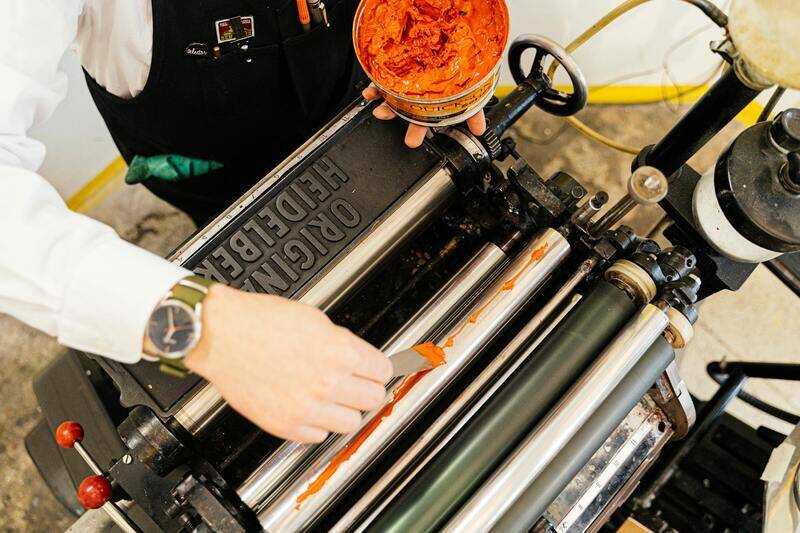
Legitimate large format printing involves meticulous calibration, the use of environmentally compliant inks, certified substrates, and adherence to industry standards for quality control. This comprehensive approach ensures the production of premium large photos that are not only visually striking but also long-lasting and safe for various environments, aligning with the highest professional criteria in the signage and visual communication industry.
