Introduction to Card Printing Services
Card printing services have become an essential component for many businesses and organizations seeking effective identification, membership management, and branding solutions. In Singapore, a competitive market demands high-quality, reliable, and customizable card printing options that meet diverse needs. These services facilitate the production of various types of cards that serve different functions, from professional business cards to membership access cards and promotional materials. The importance of these services extends beyond simple printing; they offer the ability to incorporate advanced features, personalized designs, and state-of-the-art security elements that enhance both appearance and functionality.
Choosing a reputable card printing service ensures that your business or organization projects a professional image, fosters brand recognition, and provides practical tools for customer engagement. Whether it’s for corporate identification, membership programs, or promotional giveaways, high-quality printing is crucial in making a lasting impression. The rapid technological developments in printing methods also mean that services today can deliver a wide array of customization options, security features, and materials to meet the evolving demands of businesses in Singapore.
Types of Cards Offered by Printing Services
Card printing services provide an extensive selection of card types, each designed for specific applications. Typical offerings include:
- Business Cards: Classic tools for professional networking, these cards can be customized with unique designs and finishes to reflect brand identity.
- Membership Cards: Used by clubs, gyms, or loyalty programs, these cards often feature magnetic strips or chips for easy access and tracking.
- Identification Cards: Employee or staff ID cards combined with security features to enhance access control and identification.
- Gift and Promotional Cards: Custom cards distributed during marketing campaigns to encourage customer loyalty and engagement.
- NFC and Smart Cards: Incorporating near-field communication technology, these cards facilitate contactless transactions and data sharing.
The variety of options ensures that businesses can select the most suitable card type that aligns with their operational requirements and brand messaging. Professional card printing providers can advise on the optimal choice based on factors such as durability, security features, and usage environment.
Materials and Finish Options for Card Printing
Choosing the appropriate materials and finishes is crucial in creating durable and visually appealing cards that meet specific functional needs. Standard card materials include PVC, composite, and high-quality cardstock, each offering distinct benefits in terms of durability, flexibility, and appearance. PVC cards are widely favored for their robustness and longevity, making them ideal for membership, ID, and access cards. Cardstock options, such as matte or gloss finish paper, are popular for business cards that emphasize tactile quality.
Multiple finish options can enhance the aesthetic and functional qualities of printed cards. Matte finishes provide a sophisticated, non-reflective surface suitable for readability and ease of writing. Gloss finishes, on the other hand, impart vibrancy and a reflective sheen that accentuates colors and graphics, ideal for promotional and gift cards. Special finishes like spot UV coating, embossing, or foil stamping add texture and visual interest, elevating the perceived value of the cards.
Surface treatments such as lamination can provide additional protection against scratches and environmental wear, extending the lifespan of frequently handled cards. Moreover, textured finishes like linen or tactile coatings can differentiate your cards, leaving a lasting impression on recipients.
Printing Techniques and Security Features
Advanced printing techniques ensure that cards not only look professional but also incorporate security features to prevent misuse or duplication. Offset printing provides high-quality, detailed images, suitable for intricate designs and full-color images. Digital printing offers versatility and quick turnaround times, ideal for small batches or customized orders.
Security-enhanced cards often feature holograms, microtext, UV inks, or transparent window elements embedded within the design. Magnetic stripes and embedded chips or RFID tags further contribute to secure access or transaction capabilities. Watermarking and serialized numbering are additional layers combating counterfeiting or duplication, especially vital for identification and membership cards.
Customisation and Design Considerations
Customisation plays a crucial role in aligning printed cards with brand identity or operational specifications. High-resolution graphics, precise color matching, and tailored layouts ensure that the cards resonate with recipients and serve their intended purpose effectively. Incorporating brand logos, slogans, and contact information consistently across the design enhances recognition and professionalism.
Design considerations also extend to functional aspects, such as the placement of magnetic strips or embedded chips, the use of rounded or die-cut edges, and the inclusion of tactile elements for better grip and handling. It is essential to work with experienced printing providers who can advise on optimal design choices that balance aesthetic appeal with practicality and security.
Comprehensive Customisation Options for Printed Cards
When selecting a card printing service, it is essential to evaluate the range of customization options available to tailor the cards precisely to your branding and functional needs. High-quality printing providers utilize advanced design tools and professional oversight to ensure that every detail meets specific requirements. Customisation extends beyond the visual to include functional features, such as the placement of magnetic strips, embedded RFID chips, or contactless transaction capabilities. These features can significantly enhance the card’s usability for access control, payments, or identification.
In addition, many printing services offer options for special finishes and tactile elements that increase the card’s durability and aesthetic appeal. Matte or gloss coatings can be selected based on the desired look and feel. Holographic overlays, embossed patterns, textured surfaces, and spot UV highlights are among the techniques used to enhance visual impact and tactile experience, ensuring the card stands out and aligns with the branding identity.
Design and Layout Considerations
Effective design is critical in creating a memorable and functional printed card. This involves selecting appropriate color schemes, logo placements, and text arrangements that comply with brand standards and operational purposes. Visual hierarchy ensures important information such as identification details or contact info are easily accessible. Additionally, the positioning of security features, such as microtext or holograms, should be subtly integrated to maximize security without compromising design integrity.
Card layout must also factor in the placement of magnetic strips, embedded chips, or RFID tags. Proper positioning ensures optimal functionality while maintaining a sleek appearance. Rounded or die-cut edges not only improve handling but can also serve aesthetic goals, making the card more ergonomic or visually appealing.
Security Features That Elevate Card Authenticity
Security-enhanced cards typically incorporate multiple layers of protection. Holograms and microtext serve as quick verification markers, difficult to replicate without specialized equipment. Fluorescent or UV-reactive inks enable security checks under specific lighting conditions, blocking counterfeit attempts. Transparent window elements integrated into the design offer additional verification points while maintaining a modern look.
Embedding magnetic stripes or chips adds transactional capabilities, supporting secure access, payments, or data storage. These elements require precise placement and integration, emphasizing the importance of collaborating with experienced printing services that understand the technical requirements for security features.
Optimal Materials for Different Card Types
Choosing the right material is vital for durability and suitability to the intended use. PVC remains the most popular option due to its robustness and cost-effectiveness. Transparent materials are ideal for innovative designs that showcase logos or embedded security features effectively. Embossed cards, with raised text or images, add tactile dimension and premium appeal. Foil or textured finishes can further enhance visual richness, particularly for luxury or high-visibility cards.
Available Finishes to Enhance Appearance and Durability
- Matte Finish: Offers a sophisticated, non-reflective surface that minimizes fingerprints and glare.
- Gloss Finish: Provides a vibrant, shiny surface that enhances color brightness and appeal.
- UV Coating: Adds a protective layer that resists scratching and UV damage, extending the lifespan of the card.
- Hologram Overlays: Embellish the card with dynamic, light-reflecting images that deter counterfeiting.
- Embossing: Creates a three-dimensional effect on text or logos, adding tactile refinement.
- Textured Finishes: Include patterns or raised surfaces that improve grip and visual interest.
Understanding the Range of Card Printing Options
Professional card printing services provide an extensive array of options tailored to meet diverse needs, from corporate branding to personal identification. When selecting a card printing provider, it is crucial to understand the variety of card types available, as this impacts both functionality and visual appeal.
Standard Business and Identity Cards
These are the staple offerings for professional environments, often serving as business cards, employee IDs, or customer loyalty cards. Standard materials typically include durable PVC, which ensures longevity and resistance to everyday wear. They can be customized with logos, contact details, and employee information to project a polished image.
Specialized Cards for Enhanced Security
For applications requiring increased security, printing services offer options such as smart cards embedded with RFID chips or magnetic strip cards for access control and secure transactions. These cards often incorporate security features like holograms, embedded microtext, or UV elements to prevent counterfeit attempts.
Event and Promotional Cards
Event badges, promotional invitations, and gift cards benefit from vibrant full-color printing, often with glossy or matte finishes. Additional customization such as embossed logos or foiled accents can elevate the perceived value and visual interest of these cards, making them effective promotional tools.
Membership and Access Cards
Designed to be durable and functional, membership cards often utilize specialty materials like transparent or textured PVC. These cards may include embedded security features or contactless technology, facilitating seamless access control or cashless transactions while maintaining high visual standards.
Custom and Unique Card Solutions
For clients seeking distinctive designs, printing providers can incorporate embossed elements, spot UV coatings, and textured finishes that add tactile and visual depth. Such customizations often serve branding strategies, creating memorable impressions and reinforcing brand identity.
Interactive and Embedded Card Options
Emerging card solutions include NFC-enabled cards, which facilitate contactless interactions, and barcode or QR code integrations for quick data access. These technologically advanced options are ideal for event management, retail, or facility access, providing both security and convenience.
Understanding Material Choices and Their Impact
Materials influence not only the durability of the card but also its appearance and tactile experience. PVC remains a popular choice due to its strength and cost-effectiveness. Translucent or transparent materials lend a modern aesthetic suitable for innovative designs, while textured or embossed surfaces add a premium touch. Finish options such as matte or gloss coatings can be selected based on branding preferences or environmental considerations.
The Role of Quality and Certification in Card Printing
Choosing a reputable printing service ensures that materials, print quality, and security features meet high standards. Quality assurance processes include precise color matching, accurate embossing, and the integration of security elements. It is important to work with providers who utilize certified equipment and adhere to industry standards, ensuring that each card produced aligns with the desired specifications and performs reliably over time.
Additional Considerations for Optimal Card Production
- Design Compatibility: Ensuring design files are prepared according to technical specifications for clarity and color fidelity.
- Turnaround Time: Confirming lead times align with project deadlines.
- Order Quantities and Flexibility: Selecting a service provider capable of handling both small batches and large orders.
- Pricing Transparency: Understanding cost structures including setup fees, finishing options, and bulk discounts.
- Sample Proofing: Requesting prototypes to verify the quality and appearance before full production.
By focusing on these aspects, organizations and individuals can leverage professional card printing services to produce highly customized, durable, and visually appealing cards that meet their specific needs and reinforce their brand identity in the marketplace.
Advanced Security Features and Personalization Options in Card Printing
Modern card printing services employ a range of sophisticated security features and personalization techniques to enhance the uniqueness and safety of each card. These elements not only serve aesthetic purposes but also act as robust measures against counterfeiting and unauthorized duplication. When selecting a service provider, it is essential to understand the array of options available to ensure the final product meets both functional and branding needs.
Incorporation of Security Elements
Security features integrated during the printing process include holographic overlays, microtext, UV printing, and color-shifting inks. These features are often embedded into the card design to be visible only under specific conditions, providing an added layer of verification. Additionally, advanced card printing services may offer embedded chips or magnetic strips that facilitate contactless transactions or identification functionalities.
For organizations requiring high-security credentials, options such as smart card technology with encrypted data storage and biometric integration are available. These features rely on sophisticated hardware and software systems that enhance data protection and authenticate users effectively. The use of tamper-evident lamination and custom holograms further deters fraudulent copying, maintaining the integrity of official cards.

Personalization and Custom Design
Personalized cards are pivotal in establishing a brand identity or individual recognition. Printing services facilitate the inclusion of custom data like names, photographs, signatures, and logos with high precision. To ensure the clarity and visual impact of personalized elements, adherence to artwork specifications—including appropriate file formats, bleed settings, and color modes—is crucial.
Design considerations extend to the use of branded colors, fonts, and layouts that align with organizational themes. High-resolution images, vector graphics, and correctly formatted files enable seamless integration during printing. Some services also offer online design tools or collaboration platforms to streamline the customization process, ensuring that clients can review proofs and make adjustments before final production.

Technological Compatibility and Data Management
Ensuring compatibility between your digital assets and the printing equipment is fundamental in producing flawless cards. Professional printing providers typically accept a variety of file formats, including AI, EPS, PDF, and PSD, and enforce strict guidelines for resolution and color management. Properly prepared files enhance the accuracy of printed elements, reducing the risk of misalignment or color discrepancies.
Moreover, some printing solutions support mass customization through data integration systems. These allow for the efficient inclusion of dynamic data sets—such as employee information or membership details—across large batches of cards, maintaining consistency and reducing manual errors. Adoption of these technological tools is vital for organizations with high-volume or frequently updated card needs.
Comprehensive Overview of Card Printing Service Methods
Utilization of Official Printing Equipment
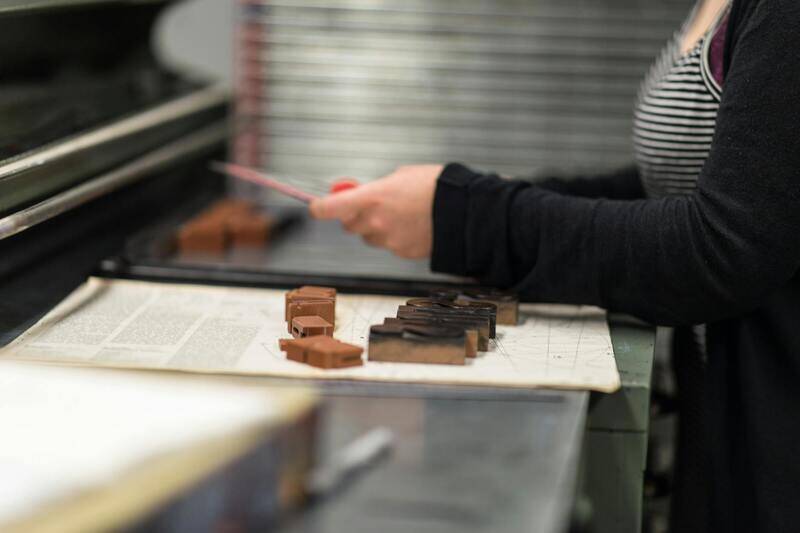
Professional card printing services rely on state-of-the-art printing machinery to deliver high-quality output consistent across various card types. These machines include digital presses and offset printing presses, which provide precise color reproduction, sharp image clarity, and detailed security features. Digital presses are particularly beneficial for short runs and quick turnarounds, accommodating customization and variable data printing effectively. Offset presses, on the other hand, are suited for large-volume orders, ensuring cost efficiency and consistent quality over extensive batches.
Specific printing equipment is calibrated meticulously to adhere to industry standards, enabling the production of durable cards with consistent results. Advanced printers utilize multiple color stations, allowing for rich color gradients, seamless blending, and complex graphic integration. Additionally, in-house equipment often features inline finishing modules for cutting, lamination, and embossing, streamlining the production process and ensuring minimal handling errors.

Employment of Recognized Security and Authentication Measures
To ensure the authenticity of printed cards, several legitimate services implement specialized security features during the printing process. These include holographic overlays, microtext, ultraviolet (UV) ink, and transparent windows integrated into the card design. Such features serve as advanced methods to prevent counterfeiting and unauthorized duplication. Incorporating security elements is executed through specialized printing techniques that resist tampering and can be verified through various authentication tools.
For organizations requiring high-security credentials, services often integrate barcode or QR code encoding, magnetic stripes, or embedded chips — tools that facilitate secure data storage and retrieval. These features are added at the printing stage through precise application methods, ensuring seamless integration without compromising the card’s visual appeal or functional integrity. The deployment of these measures by established providers enhances the credibility and trustworthiness of the printed cards.

Adherence to Proven, Certified Processes
Choosing a card printing service that follows recognized production protocols is vital for ensuring reliable results. Legitimate providers operate within certified quality management frameworks such as ISO 9001, which sets standards for consistent quality and customer satisfaction. These processes include rigorous inspection stages, calibrated color matching, and controlled environmental conditions to prevent deviations during printing.
Quality assurance is further strengthened by comprehensive testing of printed cards for durability, color correctness, and security feature functionality. Certification from authoritative bodies guarantees that the methods used align with industry best practices, offering clients confidence in the dependability of their printed materials. It also ensures compliance with safety standards, which can be crucial for cards with embedded security features or sensitive data.
Services adhering to these established processes also maintain meticulous documentation and traceability throughout the printing workflow. This documentation guarantees transparency and accountability, essential elements for organizations that depend heavily on the integrity and reliability of their printed cards.
Comprehensive Guide to Professional Card Printing Services
Selecting a reputable card printing service involves understanding the official methods and industry standards that underpin the creation of high-quality, durable, and secure cards. Authentic processes employed by established providers ensure that each card produced meets strict criteria for consistency, safety, and visual appeal. These services often utilize certified quality management systems, such as ISO 9001, which guarantee that every stage—from design to final inspection—is meticulously monitored and standardized. This commitment to quality control ensures that clients receive cards that are not only visually impressive but also reliable in terms of security and longevity.

Utilizing Legitimate Methods for Quality Assurance
When ordering card printing services, it is essential to verify that the provider adheres to recognized production protocols. Certified processes involve controlled environmental conditions to prevent deviations and contamination, calibrated color matching equipment to guarantee consistency across batches, and rigorous inspection procedures to identify and rectify defects before delivery. These measures safeguard the integrity of the final product, ensuring high fidelity in design reproduction and durability.
Security Features Embedded in Official Printing Methods
Official card printing incorporates advanced security features designed to enhance authenticity and prevent counterfeiting. Techniques such as holographic overlays, UV ink printing, microtext, microperforations, and embedded chips are applied through specialized equipment and processes. These security elements are integrated into the printing workflow, ensuring seamless incorporation without compromising visual clarity or functionality. Reputable providers also offer options for custom security features tailored to specific organizational needs.

Official Customization Options Through Certified Printing
Custom design flexibility is a hallmark of legitimate card printing services. Clients can work closely with designers to develop unique logos, color schemes, and layouts that align with their branding and functional requirements. These services utilize digital and offset printing techniques that support complex graphics, variable data, and precise color matching. When engaging with an accredited provider, clients benefit from detailed consultations to optimize design elements, ensuring the final product accurately reflects their brand identity and purpose.
Design Considerations for Professional Cards
- High-resolution images and graphics to maintain clarity and impact
- Consistent color schemes that match branding guidelines
- Clear, legible typography for easy recognition
- Placement of security features without cluttering the design
- Placement of branding elements such as logos and taglines
Key Factors in Selecting a Trusted Card Printing Partner
Choosing the right official provider requires evaluating several essential criteria:
- Certification and Accreditation: Ensure the service operates within certified quality and security standards, such as ISO certifications.
- Range of Materials and Techniques: Confirm that the provider offers diverse options for card substrates and finishing processes suited to your specific needs.
- Integrity of Security Features: Verify the incorporation of reputable security elements aligned with industry best practices.
- Customization Capabilities: Opt for providers that support advanced customization, including innovative security features and design elements.
- Reputation and Customer Feedback: Review testimonials and case studies to assess reliability and finished product quality.
- Pricing Transparency and Turnaround Time: Seek clear quotations and realistic delivery schedules to plan your procurement effectively.
By ensuring that the chosen service operates with transparent, traceable workflows and adheres strictly to established production protocols, organizations can confidently obtain cards that fulfill their operational and security requirements without compromise.
Comprehensive Overview of Card Printing Services
When selecting a card printing service, it is imperative to understand the detailed processes and align your expectations with the capabilities of the provider. High-quality card printing demands precision and adherence to established production standards, ensuring that each card not only meets aesthetic requirements but also functions reliably for its intended purpose.
Understanding the Production Workflow
Reliable card printing processes typically involve several meticulously controlled stages. Initially, the design phase utilizes advanced software to prepare artwork that is optimized for the chosen method of printing. Proper resolution, color profiles, and layout considerations are crucial to achieve sharp images and vibrant colors.
Following design finalization, the production shifts to the actual printing process. Modern printing services employ techniques such as offset or digital printing, depending on order size and complexity. Offset printing offers superior consistency and color fidelity for large batches, while digital printing provides flexibility for short runs and rapid turnaround.
Post-printing, cards undergo finishing procedures such as lamination, embossing, or spot UV coating to enhance durability and visual appeal. Additional security elements like holograms or microtext can be embedded during this phase to safeguard against tampering or counterfeiting.
Quality Control and Inspection
Consistent quality assurance is vital. Experienced providers implement rigorous inspection protocols, examining each batch for defects, color accuracy, and alignment of security features. This step ensures that the final product aligns with industry standards and client specifications, fostering trust and satisfaction.
Environmental and Material Considerations
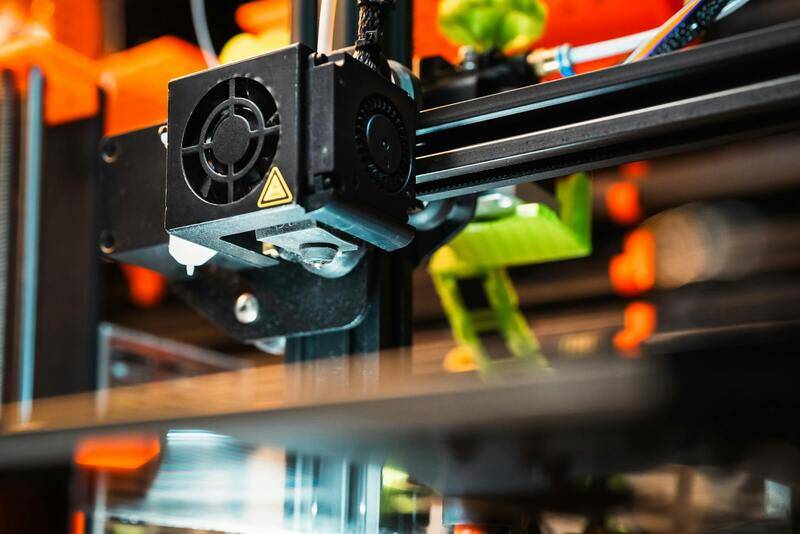
Choosing appropriate materials is fundamental. Reputable printing services offer a broad spectrum of substrates including PVC, PET, or composite cards, each with tailored finishes such as matte, gloss, or satin. These options determine the card’s look, feel, and longevity. Selecting eco-friendly materials aligns with sustainable practices and enhances brand reputation.
Security and Authentication Features
To prevent unauthorized duplication, integrated security features are embedded using official methods. These include holographic overlays, UV-reactive inks, microtext, or embedded chips. These elements elevate the card’s security profile and offer simple verification methods, crucial for identification cards, access badges, or secure membership cards.
Customized Design and Production Flexibility
Collaborating with a dedicated card printing service affords extensive customization options. Advanced capabilities include inserting foil elements, layered embossing, and variable data printing. These features allow for personalized information that adapts to individual needs without sacrificing quality or security.
Factors Influencing the Choice of a Card Printing Partner
- Advanced Equipment and Techniques: Modern machinery and innovative printing methods ensure efficiency and precision.
- Variety of Material and Finish Choices: A comprehensive portfolio of substrates and finishes supports diverse applications and durability requirements.
- Expertise in Security Elements: Proven incorporation of security features that maintain integrity and authenticity.
- Strong Client Feedback and Case Studies: Testimonials and portfolio reviews provide insights into reliability and service quality.
- Transparent Pricing and Delivery Schedules: Clear quotations and well-defined timelines facilitate effective planning and budget management.
Additional Offerings and Card Accessories
Beyond basic printing, many providers supply supplementary services to enhance functionality and presentation. These include:
- Customized cardholders, lanyards, and badge reels for easy distribution and display
- Magnetic stripe or chip embedding for access control and transactions
- Matching stationery such as letterheads or envelopes for branding consistency
- Support with bulk orders or fast turnaround options for critical projects