
Importance of Business Card Design
In the competitive landscape of professional networking and brand representation, the design of your business card plays a pivotal role in shaping first impressions and fostering meaningful connections. A well-crafted business card stands out amid a sea of generic templates, reflecting your professionalism, attention to detail, and commitment to quality. The visual appeal of a business card is not merely aesthetic; it communicates your brand identity, values, and the reliability of your services or products.
Effective business card design influences how recipients perceive your business and encourages them to remember you. A memorable design can facilitate easier recall and foster trust, which are critical in transforming initial meetings into ongoing relationships. Whether you’re attending a conference, meeting potential clients, or exchanging contacts during casual encounters, the design of your card serves as an extension of your personal and corporate branding.

Moreover, a professionally designed business card can differentiate you from competitors. It acts as a tangible representation of your brand’s values, professionalism, and attention to detail. The importance of vintage styles, minimalist layouts, or innovative formats underscores how tailored design can effectively communicate your unique business identity. An aesthetically pleasing and functionally effective business card leaves a lasting impression that encourages potential partners or clients to engage further.
In addition, the tangible nature of a business card allows for immediate, direct contact sharing, which is invaluable in establishing trust and credibility. When designed with clarity and precision, it ensures that all essential information—such as name, title, company, contact details, and website—is easily readable. High-quality business card design thereby enhances your visibility and accessibility, fostering ongoing professional relationships.

Ultimately, investing in strategic design elements enhances the overall impression clients and contacts have of your business. It’s an essential element that bridges the gap between digital presence and face-to-face interactions, reinforcing your brand identity and supporting your marketing efforts. As the adage goes, first impressions matter—your business card design serves as a key instrument in ensuring that impression is favorable, memorable, and aligned with your professional ethos.
Key Takeaways
- Effective business card design significantly influences networking outcomes and first impressions.
- Design reflects brand identity, professionalism, and attention to detail.
- Memorable visuals aid in brand recall and trust-building.
- Quality design ensures essential information is clear and easy to read.
- Strategic visual elements set your business apart in a competitive environment.
Key Elements of Business Card Design
Creating an effective business card hinges on meticulous attention to its core components, each serving a vital purpose in crafting a cohesive and professional image. Incorporating a well-designed logo ensures immediate brand recognition, reinforcing your corporate identity at a glance. The placement and clarity of contact information—such as phone number, email address, and website—must be optimized for legibility, allowing recipients to effortlessly establish communication.
Typography plays a crucial role in conveying professionalism and personality. Selecting fonts that align with your brand’s tone—whether modern, classic, or creative—enhances readability while maintaining aesthetic appeal. Consistent use of type styles across the card avoids visual clutter, fostering a clean and organized look.
The layout should balance visual hierarchy and whitespace effectively, guiding the viewer’s eye through the essential information without overwhelming. Strategic placement of elements ensures that key details, like your name and company, draw attention first, with secondary information supporting the overall design.

Additional Design Considerations
- Brand Consistency: Ensure that the design aligns with your overall branding guidelines, using consistent colors, fonts, and imagery.
- Visual Hierarchy: Prioritize information with size, color, or placement to guide the recipient’s focus effectively.
- White Space: Adequate spacing prevents clutter, enhancing readability and aesthetic balance.
- Legibility: Choose high-contrast colors and legible fonts to ensure all details are clear even at smaller sizes.
- Focal Points: Use design elements such as borders or sizing to highlight your name and contact channels, making them stand out.
Specialty Elements to Elevate Your Design
Incorporating unique features like embossed logos, foil accents, or textured finishes can transform an ordinary card into an impactful marketing tool. When thoughtfully integrated, these elements not only enhance tactile appeal but also convey a sense of premium quality, further strengthening your brand presence.
Moreover, considering orientation—vertical or horizontal—should suit your branding style and improve visual flow. The choice of embellishments must complement the overall aesthetic without compromising clarity or functionality.
Understanding the Impact of Business Card Design on Your Brand Identity
Crafting an effective business card design goes beyond selecting attractive fonts or catchy graphics. It serves as a fundamental extension of your company's brand identity, conveying professionalism, credibility, and uniqueness. A well-designed card not only facilitates information sharing but also reinforces your brand's visual language, making it memorable to recipients.
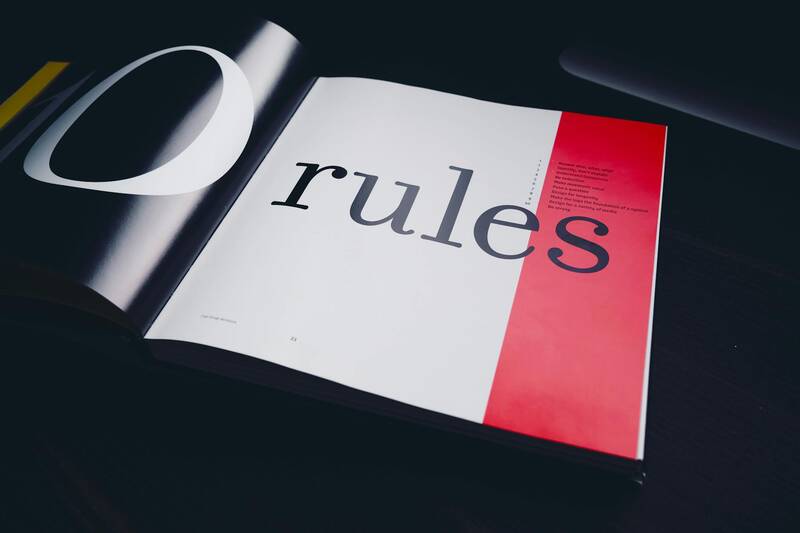
In a competitive marketplace, the impression made by your business card can influence future engagement. It’s essential to integrate your brand’s core elements—including logo, color palette, and typography—into your card design cohesively. Consistent use of branding elements across various marketing channels enhances recognition, trust, and perception of your business’s professionalism.
How Business Card Design Reflects Authority and Trustworthiness
A thoughtfully curated business card design demonstrates attention to detail and a dedication to quality. When your card boasts a balanced layout, appropriate font choices, and high-quality finishes, it communicates reliability and authority. The design elements you select should be aligned with your industry standards to evoke confidence among potential clients and partners.

Choosing the right design approach can establish your stature within your sector. For instance, minimalist designs often signify modern professionalism, while intricate details may suggest luxury and exclusivity. Paying attention to these nuances through strategic design choices enhances your brand’s authenticity and appeal.
Strategic Use of Design Elements for Effective Business Cards
Effective business card design incorporates several key visual elements to convey your message succinctly and attractively:
- Logo Placement: Position your logo prominently to reinforce brand visibility. Its placement should be clear but not overpower the overall layout.
- Typography: Select legible fonts that align with your branding. Use varying font weights to highlight essential details like your name and contact information.
- Color Scheme: Implement colors consistent with your brand palette. Use contrast effectively to ensure information stands out and remains easy to read.
- Layout and Spacing: Maintain adequate white space to prevent clutter, guiding the recipient’s eye smoothly across the card’s content.
- Focal Points: Highlight key details such as your name, title, and contact channels through size, color, or placement.
Incorporating Specialty Features to Elevate Your Business Card
Adding specialty elements can significantly enhance the tactile and visual appeal of your business cards. Raised or embossed logos, foil accents, and textured finishes lend a premium feel that leaves a lasting impression. When these features are harmonized with the overall design, they project a sense of sophistication and high quality, making your card a valuable marketing tool.
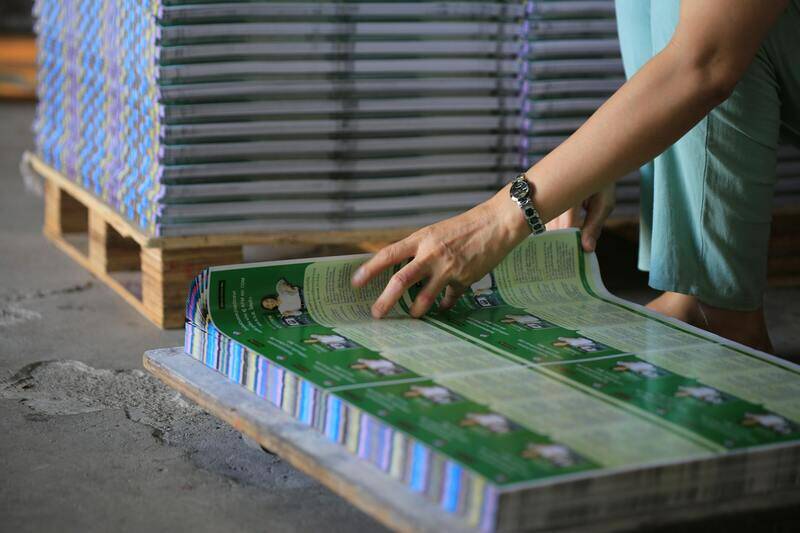
The orientation of your card—vertical or horizontal—should complement your branding style and improve visual flow. Vertical designs can exude modernity, while horizontal layouts often promote tradition and stability. Integrating embellishments delicately ensures that aesthetic enhancements do not compromise clarity and function, maintaining the practicality of the card alongside its visual appeal.
Materials and Finishes That Elevate Business Card Design
Choosing the right materials and finishes for your business card is pivotal in conveying professionalism and aligning with your brand identity. The selection extends beyond basic cardstock, encompassing premium options that add tactile richness and visual dynamism. For instance, thicker stocks such as 350 gsm or higher provide durability and a high-end feel, which can reinforce your company's stature and reliability. Additionally, specialty papers like textured or linen finishes introduce tactile interest that sets your card apart from standard options.
Incorporating unique finishes can dramatically improve the perceived value of your business card. Matte finishes offer a subdued, sophisticated look, reducing glare and accentuating subtle design elements. Conversely, gloss finishes elevate colors and visuals, making your logo and graphics pop vividly. Soft-touch coatings provide a velvety texture that invites touch, fostering a memorable interaction with your brand. Furthermore, specialty effects such as spot UV coating or foil stamping can highlight specific areas like your logo or contact details, drawing immediate focus and enhancing clarity.
Impact of Specialty Embellishments
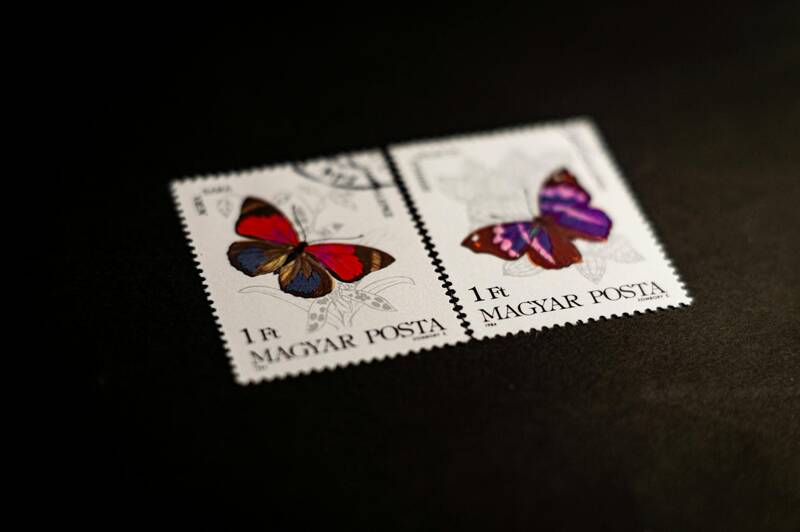
While the core material and finish set the foundation, specialty embellishments serve as accents that elevate business card aesthetics. Raised or embossed logos create a tactile experience that communicates quality and attention to detail. Foil accents, whether gold, silver, or colored, add a luxurious sheen that catches light and draws attention to important details. Textured finishes like linen or canvas impart a classic charm, appealing particularly to brands that emphasize craftsmanship and tradition.
When these embellishments are applied judiciously, they ensure the card remains functional without compromising clarity. For instance, embossed branding combined with a clean layout and sufficient white space produces a balanced design that is both stunning and easy to read. The integration of such features should always complement the overall branding message, enhancing recognition and memorability.
Considerations for Selecting Card Orientation
The orientation of your card—vertical or horizontal—can influence how your information is perceived. Vertical designs often evoke a sense of modernity and innovation, appealing to creative industries or tech firms. Horizontal layouts tend to suggest stability and tradition, aligning well with corporate or financial sectors. The choice of orientation should harmonize with your brand personality and facilitate easy navigation of information.
Additionally, urban or unconventional orientations can make your business card stand out uniquely. Incorporating subtle design elements such as asymmetrical layouts or innovative fold patterns can further distinguish your card. Regardless of orientation, maintaining a consistent visual hierarchy and ensuring clarity of essential details remain paramount.
Standards and Methods for Authentic Business Card Production
Developing a professional business card involves adhering to established industry standards that ensure consistency, quality, and durability. The production process begins with precise digital design files that conform to standardized dimensions, typically 3.5 x 2 inches, accommodating industry expectations and usability across various cardholders. Ensuring that the resolution of the artwork is at least 300 DPI guarantees sharp, clear print quality, which is crucial for representing a brand's credibility.
Color management plays a vital role in maintaining brand consistency. Using standardized color formats such as CMYK ensures that printed colors match digital designs accurately. Advanced color calibration techniques are employed during the pre-press phase to align monitor displays with the final printed output, minimizing discrepancies. In addition, applying standard print margins and safe zones prevents critical information from being trimmed during cutting, maintaining the integrity of essential details like contact information and logos.
Types of Printing Techniques
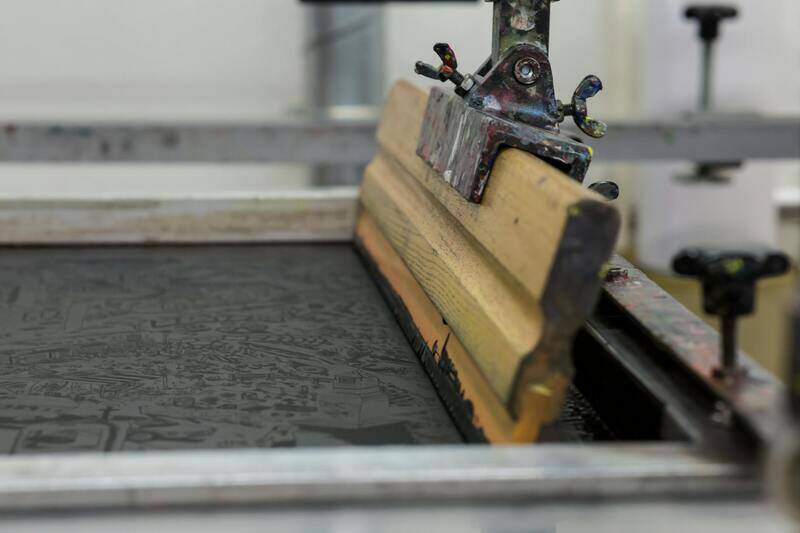
- Offset Printing: Suitable for large volume runs, offset printing offers consistent color quality and sharp images, making it ideal for corporate branding materials. It involves transferring ink from a plate to a rubber blanket before applying it to the card surface.
- Digital Printing: Perfect for short runs or customized designs, digital printing provides rapid production with high fidelity and the flexibility to incorporate variable data and personalized elements.
- Letterpress and Relief Printing: These traditional methods use embossing or debossing to create tactile textures. When executed correctly, they add a distinctive elegance and are often used for luxury or bespoke business cards.
- Specialty Finishes: Embossing, debossing, foil stamping, and UV coating are applied following specific technical standards to ensure their longevity and visual impact. Each finishing method has specific guidelines for compatibility with the base print method, and careful execution is necessary to avoid smudging or misregistration.
Quality Control and Inspection
Implementing rigorous quality control measures is essential to verify that each batch of business cards meets industry standards. Visual inspections for color consistency, registration accuracy, and finishing quality help identify defects before distribution. Moreover, measuring tools such as calipers and spectrophotometers are employed to verify dimensions and color accuracy, ensuring repeatability in large orders. Correct handling and storage practices prevent distortion or damage, particularly for special finishes or textured cards.
Environmental Standards and Sustainability
Adhering to environmentally responsible standards enhances brand reputation and aligns with consumer expectations. Reputable printing services often use ISO-certified sustainable papers, soy-based or vegetable-based inks, and environmentally friendly finishes. Following proper disposal procedures for waste materials and optimizing printing layouts to minimize paper waste further supports sustainability efforts. Certifications such as FSC or PEFC indicate compliance with responsible forestry and manufacturing practices, providing assurance of the legitimacy and ethical sourcing of materials used in business card production.
The Significance of Business Card Design in Professional Branding
In the competitive landscape of modern business, the design of a business card holds considerable weight in shaping first impressions and establishing credibility. A thoughtfully crafted business card acts as a tangible representation of your brand, encapsulating your company's identity, values, and professionalism. When printed with precision and a clear understanding of design principles, a business card can serve as a lasting reminder of your brand, ensuring potential clients and partners remember you in a crowded marketplace.
Effective business card design communicates more than contact information; it conveys your brand personality and fosters trust. A well-designed card can facilitate networking opportunities by making a memorable visual statement and encouraging recipients to initiate further contact. Significantly, professionalism in design reflects on your company's attention to detail, reliability, and commitment to quality — qualities highly valued by discerning clients and collaborators.
Core Elements that Define Successful Business Card Design
To optimize the impact of a business card, certain elements must be incorporated with precision and purpose:
- Contact Information: Clear presentation of essential details such as name, title, phone number, email, and company website.
- Brand Logos and Icons: Strategically placed to reinforce brand recognition without overwhelming the overall design.
- Visual Hierarchy: Effective use of size, color, and placement to guide the recipient’s attention naturally across key information.
- Whitespace: Adequate spacing to enhance readability and aesthetic balance.
- Consistent Typography and Color Schemes: Reflecting your brand identity and ensuring readability across different formats.
Material Selection and Finishing Techniques for Business Cards
The choice of card materials and finishes profoundly influences the tactile experience and durability of your business card:
- Card Materials: Options include standard cardstock, textured papers, matte or gloss finishes, and specialty options like plastic or metal for unique branding.
- Finishing Techniques: Finishes such as UV coating, soft-touch matte, embossing, or spot UV highlight specific design features, adding tactile and visual depth.
- Sustainability Considerations: Using recycled or sustainably sourced materials aligns with eco-friendly practices and appeals to environmentally conscious clients.

Design Styles and Trends Shaping Modern Business Cards
Contemporary trends in business card design emphasize minimalism, bold typography, and innovative use of space. Flat design aesthetics and monochromatic color schemes are popular for their clean and professional appearance. Additionally, leveraging geometric patterns and asymmetry creates visual interest and helps your card stand out. Incorporating elements like foil stamping, UV gloss, or textured surfaces can elevate the card’s tactile appeal, leaving a memorable impression.
Color Combinations and Typography Choices for Maximum Impact
Strategic color schemes reinforce brand identity and evoke specific emotional responses. For instance, blue conveys trust and professionalism, while red signifies energy and passion. When selecting colors, consider contrast and visibility to ensure readability, especially for contact details and names.
Typography must be chosen thoughtfully to align with brand personality. Serif fonts project tradition and reliability; sans-serif fonts suggest modernity and clarity. Proper font sizing and hierarchy facilitate easy reading, and limited font variations maintain visual coherence. Combining bold type with lighter, more subtle fonts creates a balanced design that is both attractive and functional.

Effective Business Card Design: Ensuring Clarity and Professionalism
Creating a business card that accurately represents your brand while remaining functional is pivotal. Effective design hinges on clarity, simplicity, and consistency. Key considerations include the strategic placement of essential information, such as your name, role, contact details, and company logo, that ensures these elements are immediately recognizable and accessible. Avoid overcrowding the card with excessive graphics or text, as this can detract from legibility and professionalism.
Utilizing clean lines and ample whitespace facilitates a balanced layout that directs attention to the most critical information. Hierarchical organization through typographic variation—such as larger fonts for names and contact numbers—guides recipients effortlessly through the content. Moreover, maintaining alignment and symmetry contributes to a cohesive appearance that signals reliability and attention to detail.
Choice of fonts plays a vital role; select typefaces that match your brand personality, whether that's modern sans-serif for innovation or serif fonts for tradition. Consistent font sizing and limited font styles foster visual harmony and improve readability, especially in quick-glance scenarios. The integration of brand elements like logos, color palettes, and taglines should be seamless, reinforcing identity without causing clutter.
Incorporating Visual Elements to Enhance Recognition
Visual elements significantly boost memorability and brand recall. A well-designed logo positioned strategically on the card creates immediate association and supports brand identity. Iconography and pictorial symbols can present complex ideas succinctly, facilitating instant recognition of your services or products.
Additionally, subtle graphical accents—such as lines, borders, or patterns—can enhance aesthetic appeal while maintaining professional standards. When used thoughtfully, these elements create a distinctive look without overwhelming the core information. Consistency in style and scale ensures cohesive visual storytelling, aligning with your brand personality and industry expectations.
Balancing Image and Text
Striking the right harmony between imagery and textual information influences the card’s overall effectiveness. High-quality images or graphics should complement textual content rather than overpower it. Opt for minimalistic imagery that aligns with your brand message, ensuring it does not detract from essential contact details.
Placement is critical; images can be positioned on one side with text on the other or integrated into the background design utilizing subtle transparency. This approach maintains clarity, allowing recipients to quickly access contact information without distraction. Consider the visual flow—elements should guide the eye naturally across the card, emphasizing key details while preserving a polished look.
Avoiding Common Design Pitfalls
Through experience, many design efforts falter due to avoidable oversights. Clutter and inconsistent branding are among the most significant issues. Maintain a clean, uncluttered layout, ensuring each element serves a purpose. Overly decorative fonts or excessive use of colors can hinder readability and dilute your message.
Consistency in color schemes, typography, and imagery across your card and broader branding collateral is essential. Color contrasts should ensure text remains legible; for example, dark text on a light background or vice versa. Proper document dimensioning and margins prevent information from being cut off during printing, preserving the professional appearance.
Final Tips for Business Card Mastery
Investing in professional design services or utilizing high-quality design templates from trusted platforms ensures your card meets industry standards. Proofreading thoroughly before printing eliminates errors that could undermine credibility. Lastly, select premium materials and finishes that resonate with your brand’s premium or approachable nature, reinforcing the overall impression you intend to convey. Thoughtful design, aligned with your brand essence, transforms a simple contact tool into a memorable asset for lasting relationships.
Best Practices for Effective Business Card Design
Creating a business card that effectively communicates your professional identity and leaves a memorable impression involves meticulous attention to design principles and strategic choices. To maximize the impact of your business cards, adhering to best practices ensures your branding remains consistent and your message clear. Here are essential guidelines for designing business cards that stand out while maintaining professionalism.
Strategic Layout and Visual Hierarchy
Optimizing the layout of your business card enhances readability and directs attention to crucial information. Use a clean grid system to organize elements logically, placing the most important details — such as name, title, and contact information — prominently. Employ visual hierarchy by varying font sizes, weights, and positioning to guide the viewer's eye naturally across the card. Strategic spacing and alignment prevent clutter, ensuring each element has room to breathe and thus maintaining a polished appearance.
Prioritize Simplicity and Clarity
A cluttered business card can confuse or overwhelm recipients. Focus on delivering essential information with clarity. Limit the use of decorative fonts or complex graphics that can diminish readability. A minimalist design often resonates better, allowing your brand to appear confident and professional. Choose fonts that are legible at small sizes and avoid overusing colors, which can create visual noise.
Maintain Consistency Across Branding Elements
Your business card is an extension of your overall branding. Ensure alignment with other branding collateral such as your website, letterhead, and promotional materials. Consistent use of color schemes, fonts, and logo placement reinforces brand recognition and conveys a cohesive image. This synergy reinforces professionalism and helps establish trust with your audience.
Incorporate White Space Effectively

White space, or negative space, is crucial in avoiding a congested look. It directs focus towards key information and allows design elements to breathe. Thoughtful use of white space balances text and imagery, making the card easier to scan and more aesthetically pleasing.
Choose Complementary Color Schemes and Readable Typography
Color plays a vital role in brand perception. Select color schemes that align with your brand identity and evoke the desired emotional response. Use contrasting colors for text and background to enhance readability. Similarly, typography should be chosen with care — opt for fonts that are easy to read on small surfaces, avoiding overly stylized or decorative fonts that hinder clarity. The combination of harmonious colors and clear typography ensures your contact details are easily accessible.
Avoid Common Design Mistakes
- Overcrowding: Cramming too much information or graphics can detract from key details.
- Inconsistent Branding: Deviating from established color palettes and logo styles reduces recognition.
- Poor Contrast: Using colors with insufficient contrast can impair readability.
- Neglecting Margins: Ignoring safe margins might result in important content being cut off during printing.
- Low-Quality Materials: Choosing inferior paper or finishes can diminish perceived value and durability.
Proofreading and Quality Control
Before proceeding with printing, meticulous proofreading is imperative. Typos or incorrect contact details can undermine credibility and diminish the effectiveness of your business card. Double-check all elements, including spelling, formatting, and alignment, to ensure everything adheres to professional standards.
Utilize Professional Printing Services
Opting for high-quality printing processes and premium materials further elevates your business card’s appearance. Specialized techniques such as spot UV coating, embossing, or foil stamping can add tactile interest and make your card stand out. Working with reputable printing providers guarantees that your design translates well from screen to physical product, ensuring consistent quality and durability.
