
Comprehensive Guide to Card Printing in Singapore
Overview of Card Printing
Card printing stands as a vital component within Singapore's dynamic printing industry, serving an array of business and personal needs. High-quality printed cards are essential tools for branding, identification, and personal expression. Whether for professional networking, promotional events, or personal milestones, properly printed cards convey credibility and visual appeal. As digital technologies evolve, the demand for durable, vibrant, and customized cards continues to grow, prompting businesses to seek reliable practices that uphold quality standards and design integrity. The prominence of card printing in Singapore is reflected by its widespread application across industries, including corporate branding, hospitality, retail, and personal celebrations. Optimization in card printing ensures that clients receive finished products that meet specific functional and aesthetic requirements, reinforcing the importance of legitimate and established printing methods.

Types of Cards Commonly Printed
The diversity of printed cards caters to a broad spectrum of uses. Business cards remain the most prevalent, providing succinct contact details and corporate identity. They can vary from standard matte finishes to elaborate embossed and foil-stamped options, reflecting professionalism and brand prestige. Loyalty or membership cards serve as functional tools in retail and hospitality sectors, often incorporating security features like holograms or magnetic strips. Promotional or event-specific cards, such as gift vouchers and invitations, focus on visual impact and appeal. Personal cards, including thank you cards or milestone celebrations, emphasize customization and personal touch. Understanding these variations ensures clients select the most suitable format and material to meet their objectives.

Materials Used in Card Printing
The choice of materials significantly influences the durability, appearance, and overall quality of printed cards. Premium cardstock varieties such as PVC, PET, and high-gsm paper are frequently employed for their robustness and sleek finish. Laminated layers provide additional protection against wear and tear, ideal for frequently handled cards. Metallic or foil elements can be incorporated for a luxurious feel, especially in premium business card options. Additionally, specialty materials like transparent PET or holographic films introduce unique visual effects that enhance the card’s appeal. Selecting the appropriate material hinges on the card's purpose, desired lifespan, and budget considerations, ensuring the final product aligns with the purpose it intends to serve.
Design Considerations for Card Printing
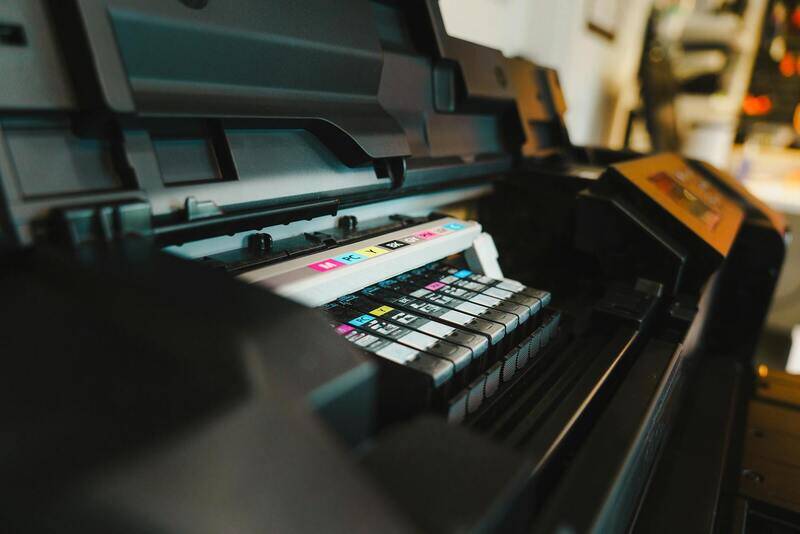
Effective card design combines visual elements with functional features to create impactful printed items. Clear branding, legible typography, and balanced layouts are fundamental. Incorporating brand colors, logos, and thematic motifs reinforces identity and makes the card instantly recognizable. Technical aspects such as bleed margins, resolution, and color profiles must be meticulously managed to prevent distortions or color inconsistencies. For cards used in security or identification, adding features like holograms, microtexts, or embedded chips enhances authenticity. Design versatility is crucial, enabling customization for different clients and purposes while maintaining consistency across branding materials.
Printing Technologies and Techniques
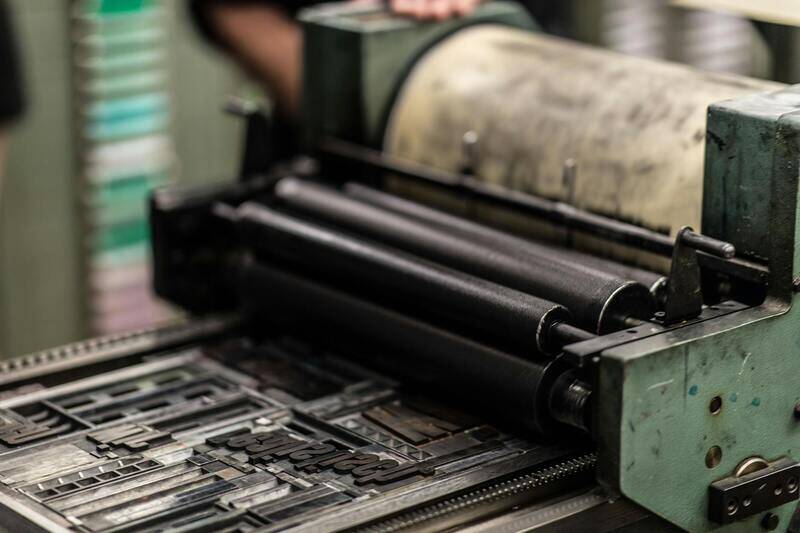
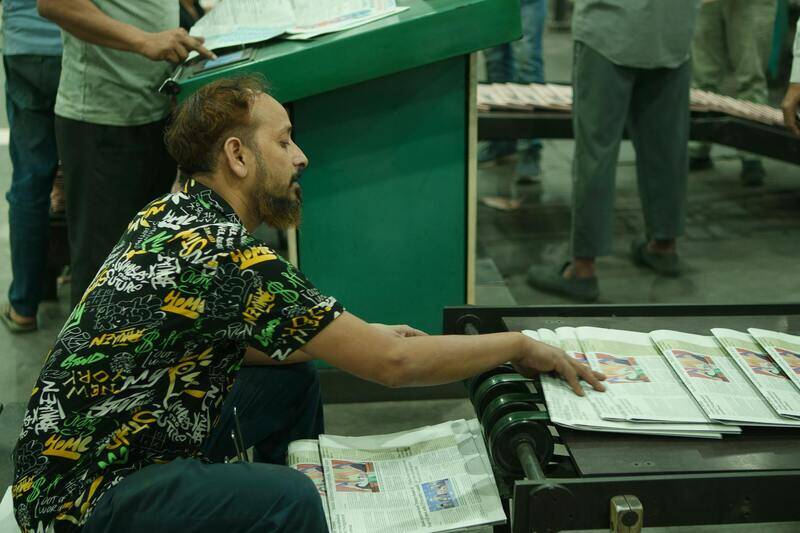
Advancements in printing technology offer various methods to produce high-quality cards efficiently. Digital printing is favored for its quick turnaround and cost-effectiveness, especially suitable for small batches or personalized orders. Offset printing provides superior color fidelity and is ideal for large-volume runs, ensuring uniformity across multiple cards. Special techniques such as embossing, foiling, and spot UV coating add tactile and visual accents that elevate the card’s perceived value. Laser engraving and thermal printing are also employed to embed information directly onto cards, enhancing security features. The choice of technology directly impacts the final product's print quality, durability, and tactile experience, emphasizing the need for trusted printing providers employing legitimate equipment.
Customization Options and Special Features
Customization elevates standard cards to personalized branding tools. Clients can choose from a wide array of options, including die-cut shapes, textured finishes, and magnetic or RFID strips. Special features like holograms, microtext, and embedded chips enhance security and functionality. Visual embellishments such as embossing, foil stamping, and spot UV coating create depth and shine, making cards stand out. Additionally, printing services often provide options for augmented reality integrations or NFC tags for interactive experiences. Properly executed customization ensures that each card not only serves a practical purpose but also leaves a lasting impression aligned with the client's branding and operational needs.
Order Process and Turnaround Times
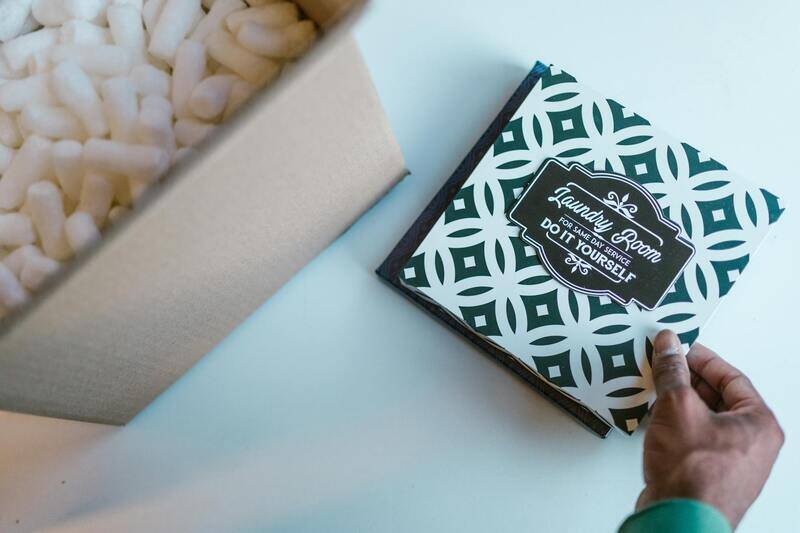
An efficient order process begins with selecting a reputable printing provider that adheres to standardized procedures. Clients should expect straightforward steps involving artwork submission, proof approval, and material selection. Clear communication about specifications ensures accuracy. Turnaround times depend on order volume, complexity, and the chosen printing technology. Typically, standard orders are completed within a few business days, while expedited options are available for urgent needs. Reliable service providers maintain transparency, providing clients with updates throughout the production cycle. Timely delivery of high-quality printed cards is critical for meeting business schedules and personal deadlines, underscoring the importance of working with experienced, legitimate printers.

Choosing the Right Printing Service in Singapore
Singapore hosts numerous printing service providers, but selecting the right partner requires careful consideration of their expertise, equipment, and track record. Clients should verify service credentials and request samples to assess print quality. A reputable service offers comprehensive options, including various materials, finishing techniques, and customization features. Transparency in pricing, turnaround times, and after-sales support also influences satisfaction. Established providers invest in advanced technology and employ skilled personnel to ensure precision and consistency. When seeking a printing partner, it is essential to prioritize experience and reliability to secure high-quality output that meets professional or personal standards.
Overview of Card Printing
Card printing has become an essential component of branding, identification, and promotional strategies across various industries. The process involves transferring designs onto different types of substrates, primarily focusing on quality, durability, and visual appeal. The range of card printing encompasses business cards, membership cards, gift cards, ID cards, and specialized NFC cards, each serving distinct purposes and requiring specific techniques to achieve optimal results.

Choosing the appropriate card printing method hinges on understanding the end-use, desired aesthetic, and functional requirements of the final product. For instance, business cards often demand fine detail and premium finishes to reinforce a professional image, while loyalty cards need robustness and security features for repeated handling. Ensuring that the design is accurately translated onto the chosen material is crucial for achieving a polished look and consistent quality across all printed cards.
Key Factors in Card Printing
- Material Selection: The choice of material influences durability, texture, and overall appearance. Options include standard paper, PVC, PET, and specialty plastics, each offering different advantages depending on the card’s application.
- Design Precision: Accurate color reproduction, sharp graphics, and clear text are vital for a professional outcome. High-resolution digital files and proofing processes are instrumental in managing design quality before final printing.
- Technology Utilization: Modern printing techniques such as digital, offset, flexography, and UV printing provide a spectrum of options to match quality requirements, order sizes, and budget considerations.
- Finishing Techniques: Adding features like lamination, embossing, spot UV coating, foil stamping, or matte/gloss finishes enhances the visual appeal, tactile experience, and lifespan of the printed cards.
Materials Used in Card Printing
The selection of materials is pivotal for achieving specific qualities in the final product. Common substrates include:
- Paper and Cardstock: Ideal for standard business and greeting cards, offering versatility and ease of customization.
- PVC and PET: Known for durability, water resistance, and flexibility, making them suitable for ID and membership cards.
- Specialty Plastics: Provide added security features and are used for high-security identification products.
Each material provides unique properties that cater to specific needs, whether it’s long-term durability, resistance to environmental factors, or tactile qualities that leave a strong impression.
Choosing the Appropriate Printing Method for High-Quality Card Production
Selecting the right printing technology is essential to achieve durable, vibrant, and precise cards that meet specific requirements. Modern digital printing offers rapid turnaround times and high-resolution output suitable for smaller runs or customized projects. Offset printing, on the other hand, provides consistent color fidelity and cost-efficiency for large volume orders, making it ideal for corporate branding or promotional materials. Flexography and UV printing are also utilized for specialty applications, such as high-gloss finishes or textured effects, adding a tactile dimension to the final product.

It's crucial for printing services to utilize pre-press proofing stages, allowing clients to review digital proofs for color accuracy and layout precision before proceeding to full-scale production. This process ensures that the final cards accurately reflect the design intent, avoiding costly errors and revisions. Additionally, advanced printing techniques such as spot UV coating, foil stamping, embossing, and matte or gloss finishes can significantly elevate the finished product, providing an eye-catching and professional appearance.
Finishing Options that Elevate Card Quality and Functionality
Finishing touches are critical in transforming a standard printed card into a premium product. Lamination, whether matte or gloss, protects the surface from scratches and environmental damage, extending the card’s lifespan. Embossing imparts tactile interest, producing a raised effect that enhances branding elements like logos or text.
- Lamination: Adds durability and resistance against wear and tear.
- Embossing: Creates a three-dimensional tactile feature for visual and tactile impact.
- Spot UV Coating: Highlights specific areas such as logos or graphics with a shiny finish.
- Foil Stamping: Imparts a metallic sheen, often used for luxury branding or decorative accents.
- Matte or Gloss Finishes: Tailors the card’s visual tone and tactile feel, with matte providing a sophisticated look and gloss adding vibrancy.
These enhancements not only improve aesthetics but also reinforce the card’s protective qualities, ensuring that it maintains its intended appearance over time despite frequent handling or exposure to harsh conditions.
Materials Used in Card Printing
Choosing the appropriate materials is fundamental to producing durable and visually appealing cards. Commonly, printing is executed on high-quality substrates that balance cost with reliability. PVC (polyvinyl chloride) remains a top choice for its rigidity, waterproof properties, and long-lasting nature, making it ideal for loyalty cards, membership cards, and business cards that require frequent handling and exposure to various environments.
alternative materials such as PET (polyethylene terephthalate) offer enhanced flexibility and resistance to deformation, while polycarbonate provides superior impact resistance, suitable for security cards or identification badges. Card stocks like matte and gloss paper are also utilized, primarily for promotional or personalized applications where a high-end look is desired.

For decorative finishes, specialty materials such as foil accents or textured overlays are incorporated to add sophistication or tactile interest. When selecting materials, factors like exposure to elements, frequency of use, and desired durability influence the final choice. High-quality substrates not only improve the aesthetic but also enhance the print's longevity, ensuring that colors remain vibrant and details sharp over time.
Printing Techniques and Their Impact on Final Products
Various printing methods cater to specific design needs and production volumes. Digital printing allows for rapid turnaround, cost-efficient small batch runs, and precise color reproduction, making it suitable for personalized or short-run cards. Offset printing, on the other hand, excels in large-volume orders, providing consistent color fidelity and detailed image rendering.
Specialized techniques such as thermal printing are often employed for security cards, offering fast and durable results. Additionally, spot UV coating can be applied selectively to highlight logos or specific graphic elements with a glossy finish, creating a striking contrast against matte backgrounds. Embossing and debossing enhance tactile features, giving logos or patterns a raised or recessed feel that adds depth and professionalism.
Foil stamping introduces metallic or pigmented foils into the print design for a luxurious effect, frequently seen on premium membership or VIP cards. Matte or gloss lamination provides protective coatings that guard against scratches and environmental factors while also influencing the card's overall aesthetics. The selection of finishing techniques complements design choices, ensuring the final product resonates with its intended purpose and branding standards.
Enhancing Card Durability and Visual Impact
Applying protective finishes extends the lifespan of printed cards by safeguarding against wear, moisture, and UV damage. Lamination is particularly effective for maintaining visual clarity and extending the professional appearance of the card. For cards exposed to frequent handling, scratch-resistant coatings or UV-resistant layers are recommended.
The tactile qualities introduced through embossing or debossing can reinforce brand identity and improve user interaction. When combined with high-quality print techniques and premium materials, these enhancements deliver a finished product that is both visually compelling and resilient under demanding conditions.
Official Methods for Card Printing
Producing high-quality, legitimate cards involves adhering to standardized printing processes that ensure consistency, durability, and visual appeal. The most reputable methods include digital printing, offset printing, and thermal printing, each suited to specific types of cards and production volumes. Digital printing is favored for short runs and customization, as it allows for rapid turnaround and easy updates to designs. Offset printing, on the other hand, is ideal for large quantities, offering sharp image quality and cost efficiency. Thermal printing, often used for specialized cards like identification badges, provides precise and durable results, especially when integrating security features or barcodes.

Complementing these primary printing methods are finishing techniques that elevate the final product. Spot UV coating adds gloss to specific areas, creating contrast and emphasizing logos or design elements. Embossing and debossing provide tactile features, giving the card a three-dimensional element that enhances brand recognition and perceived quality. Lamination, whether matte or gloss, offers protection against everyday wear and environmental damage, maintaining clarity and vibrancy over time. Foil stamping imparts metallic effects that lend a sense of luxury, often used on business or membership cards to signify prestige.
Using Appropriate Materials for Card Printing
Choosing the right material is crucial for producing durable and visually appealing cards. Standard PVC remains the most common, prized for its rigidity, water resistance, and long-lasting finish. For applications requiring additional strength, composite materials or Teslin substrate offer enhanced durability without compromising print quality. PET and polypropylene are options that provide excellent resistance to bending and environmental stresses, making them suitable for outdoor or high-traffic scenarios. Special coatings, such as matte or gloss finishes, further protect printed surfaces and influence the tactile experience, aligning with the intended impression of the business or brand.

Maintaining Legitimacy and Quality in Card Production
Authentic card printing hinges on using approved materials and ensuring the process aligns with industry standards. Reputable suppliers employ high-grade inks and substrates that guarantee vivid colors, sharp details, and longevity. This commitment to quality extends to the calibration of printing equipment, ensuring consistent results across batches. Implementing quality control measures during production—such as checking for color accuracy, registration, and absence of defects—further safeguards the integrity of the final product. It is also essential to work with trusted printing providers who adhere to strict standards and offer transparent documentation of their processes, providing peace of mind that each card meets the necessary criteria for professional use.
Comprehensive Approaches to Card Printing
In the realm of professional card printing, industries rely exclusively on tried-and-true methods that guarantee high-quality outputs aligned with specific requirements. Recognizing the importance of consistency and durability, official card printing involves meticulous processes and industry-approved tools to craft visually appealing and resilient cards for various applications. From business identification badges to membership and loyalty cards, the procedures adhered to by reputable manufacturers focus on precision and longevity.
Authentic Material Selection
The foundation of legitimate card printing starts with authentic raw materials. Materials such as PVC, PET, and high-grade composite substrates form the core of robust and long-lasting cards. PVC remains the most popular for its rigidity and water resistance; its versatility makes it ideal for standard identification and access control cards. PET and composite options are often selected for external or high-traffic environments owing to their superior resistance to bending and environmental stresses. For applications demanding additional strength, high-density substrates or Teslin can be utilized, providing enhanced durability without sacrificing print sharpness.

Utilization of Advanced Printing Technologies
Official card printing employs a range of industry-standard technologies to ensure each card meets exacting standards. Digital printing methods such as dye sublimation and reverse offset printing are prevalent due to their capability to produce vibrant colors and intricate designs. Dye sublimation involves transferring molten dye onto materials, creating high-resolution images that resist fading. Offset printing offers precise registration and uniformity, especially when producing large quantities. Laser engraving is also utilized for personalized touches, such as serial numbers or security features, delivering high-fidelity imprinting directly onto the card surface.
Rigorous Quality Control Measures
In legitimate card printing operations, quality assurance procedures are integral to maintaining standards. This involves verifying color accuracy through calibrated color management systems and inspecting registration to prevent misalignment of layered designs. A thorough review process includes checking for surface defects, consistency of print across batches, and the integrity of embedded features like magnetic strips or holograms. Striving for impeccable finish, manufacturers employ specialized equipment to scrutinize each card before batch release ensuring clarity, precision, and durability.
Certifications and Process Transparency
Working with authorized printing suppliers, companies benefit from documented procedures that conform to established industry protocols. Certifications from recognized standards bodies further attest to the quality and safety of printing processes, especially when incorporating security features. Transparent documentation of material sources, ink compositions, and process workflows instills confidence and guarantees that every card produced adheres to prescribed standards of legitimacy and performance.
Ensuring Compliance and Documented Provenance
To maintain high standards, it is essential for printing providers to operate within documented procedures that track materials used, equipment calibration, and process parameters. Doing so ensures uniform quality across production runs and facilitates traceability. When choosing a card printing service, clients should prioritize providers who supply verifiable records and information about their manufacturing practices. Compliance with these diligent measures affirms that each card meets the necessary benchmarks for professional and legitimate application.
Overview of Card Printing
Card printing is an essential process that transforms digital designs into tangible, high-quality cards used across numerous industries. The process involves meticulous planning, precise execution, and adherence to established standards to produce cards that fulfill specific functional and aesthetic requirements. Whether for identification, access control, promotional purposes, or financial transactions, the integrity of the printing process directly influences the durability, security, and overall effectiveness of the final product.
Types of Cards Commonly Printed
The diversity of card types necessitates tailored printing methods and materials to suit their unique purposes. Some of the most prevalent categories include:
- Identification Cards: Used by employees, students, or members, these cards typically feature photographs, names, and security chips or magnetic strips.
- Business and Membership Cards: Designed to promote brands and foster customer loyalty, they emphasize branding elements, contact information, and sometimes embossed features.
- Access Control Cards: Deployed in secure facilities, these cards often incorporate proximity or smart technologies for authorized entry.
- Financial Cards: Including credit and debit cards, these require advanced security features, such as holograms and microtext, to prevent counterfeiting.
- Gift and Loyalty Cards: Used in retail environments, these cards can be customized with vibrant designs and QR codes for tracking rewards.
Materials Used in Card Printing
The selection of materials directly influences the durability, security, and aesthetic appeal of printed cards. Commonly used materials include:
- PVC (Polyvinyl Chloride): The industry standard due to its robustness, flexibility, and cost-effectiveness. Suitable for most card types including ID and membership cards.
- Polycarbonate: Offers exceptional durability and resistance to wear and tear, often utilized for high-security applications like government or corporate IDs.
- PET (Polyethylene Terephthalate): An eco-friendly alternative that provides good durability and clarity, ideal for environmentally conscious branding initiatives.
- PVC Films and Composites: Thin films that can be layered over other substrates to achieve specific security or aesthetic features.

Design Considerations for Card Printing
Optimizing the visual appeal and functional aspects of a card requires careful attention to design elements. These considerations include:
- Layout and Orientation: Clear placement of logos, text, and security features for easy recognition and scanability.
- Color Scheme: Use of color enhances branding but also requires compatibility with printing inks and substrates for vivid reproduction.
- Security Features: Incorporating holograms, microtext, UV elements, and magnetic strips to establish authenticity.
- Printing Resolution: High DPI settings ensure sharp images and crisp text, vital for identification and security features.
- Accessibility and Usability: Considerations for card size, clear fonts, and tactile features to facilitate user interaction.
Printing Technologies and Techniques
The choice of printing technology impacts the final quality, security, and production efficiency of the cards. Popular methods include:
- Offset Printing: Suitable for large batch runs with high precision in vibrant color reproduction, often used for promotional or membership cards.
- Digital Printing: Offers flexibility for short runs and customization; effective for personalized branding or special editions.
- Thermal Transfer and Dye Sublimation: Common choices for ID cards with integrated security features, providing durable and detailed images.
- RFID and Smart Card Embedding: Incorporates microchips during the printing process to enable contactless data exchange.

Customization Options and Special Features
Enhancing the functionality and aesthetic of printed cards involves various customization options and special features. These include:
- Holographic Overlays: Tamper-evident features that add an extra security layer.
- Embossing and Debossing: Raised or recessed text and logos to enhance tactile feel and authenticity.
- Magnetic and Barcode Stripes: Facilitate data encoding for access and transaction purposes.
- UV Inks and Invisible Elements: Visible only under UV light, used for authentication.
- Special Shapes and Edges: Custom die cuts for unique appearance and enhanced brand identity.

Comprehensive Guide to Card Printing Methods and Official Practices
Accurate and reliable card printing relies on the use of established, official techniques performed by reputable providers. These methods not only ensure high-quality output but also uphold industry standards for consistency, durability, and security. Government-approved digital printing, offset printing, thermal transfer, dye sublimation, and embedded microchip integration are among the recognized procedures that enable the production of complex and secure cards, such as ID cards, access passes, and membership cards. Each technique offers specific benefits suited to different requirements, whether for short-term events, high-volume distributions, or security-sensitive applications.

Official and Valid Card Production Procedures
The production of legitimate cards involves strict adherence to official protocols established by authorized printing service providers. These providers maintain compliance with quality standards and acquire necessary certifications that confirm their capacity to produce cards with embedded security features and customized designs effectively. Utilizing certified services ensures that the printed cards meet required specifications, incorporate security elements like holograms, magnetic stripes, or UV inks, and adhere to industry best practices for data encoding and visual integrity.
Standards for Secure Card Printing
- Use of certified printing equipment approved for secure card manufacturing.
- Employment of official templates that comply with branding guidelines and security benchmarks.
- Implementation of tamper-evident features, such as holographic overlays and microtext, through authorized processes.
- Embedding of RFID or smart chips following official protocols to ensure data security and functionality.
- Strict quality control measures throughout the production process to verify color fidelity, print alignment, and security feature effectiveness.
Intellectual Property and Design Authentication
All original designs submitted for card printing should be officially documented and processed by licensed providers. This practice safeguards intellectual property rights and ensures designs are correctly executed, maintaining the integrity of branding and security elements. Using authorized printers prevents unauthorized reproductions and guarantees that design elements such as logos, graphics, and personalized data are accurately incorporated with the correct security features.
Maintaining Compliance with Industry Regulations
Adhering to recognized standards in card printing involves regular audits, certification renewals, and staying updated with technological advancements. Authorized printing companies follow established guidelines that govern card data protection, security measures, and environmental considerations. Their compliance ensures that printed cards uphold the necessary legal and operational standards, facilitating safe and official issuance of access or identification credentials.
Best Practices for Ensuring Legitimacy in Card Printing
- Engage with reputable, certified printing providers that specialize in official card production.
- Verify the provider's accreditation and adherence to relevant industry standards before placing orders.
- Review and approve proofs or sample cards created through official channels to confirm design accuracy and security features.
- Ensure all personalization and data encoding processes comply with certified methods and security guidelines.
- Maintain thorough documentation of the production process for traceability and verification purposes.
Summary
Utilizing only authorized and recognized methods for card printing guarantees the delivery of high-quality, secure, and functional cards suitable for official use. Collaboration with certified providers employing approved techniques such as digital, offset, thermal transfer, and RFID embedding ensures that the final product adheres to industry standards for security, durability, and design integrity. Confirming the legitimacy of these processes—not through vague terminology but through adherence to established protocols—strengthens trust and ensures the cards serve their intended purpose effectively.
