Types of Card Printing Services
In the realm of professional printing, a variety of card types are available to serve different functional and aesthetic purposes. Recognizing the distinctions among business, membership, ID, greeting, and custom cards is essential for selecting the appropriate solution for your needs. Each category caters to specific applications, ensuring maximum effectiveness and impact in communication, branding, or security.
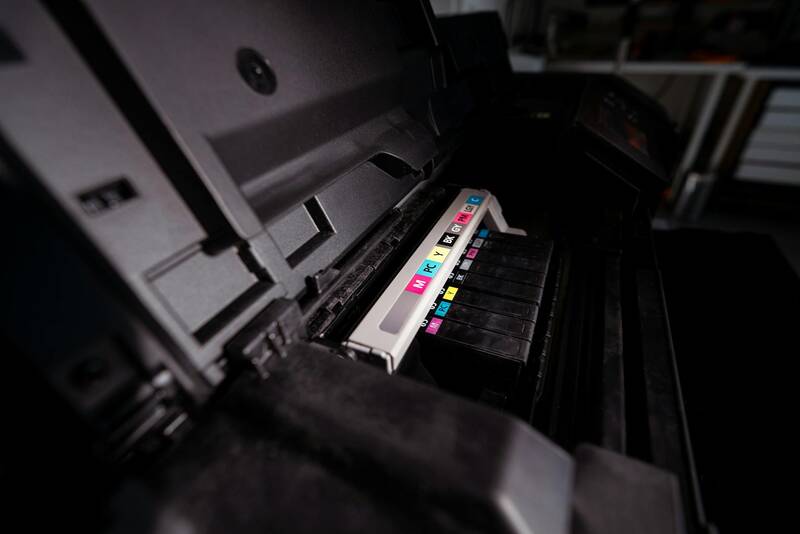
Business Cards
Business cards remain a cornerstone of professional networking. Printed using high-quality materials, these cards convey branding, contact information, and professional identity in a compact format. Options such as matte, gloss, embossed, foil, and spot UV finishes are common, providing tactile appeal and visual sophistication. Advanced printing techniques allow integration of design elements like logos, textures, and metallic accents to enhance brand recognition.
Membership and Loyalty Cards
Membership cards are integral to loyalty programs and subscriber identification. Typically custom-designed to match brand aesthetics, these cards often feature magnetic stripes, barcodes, or QR codes for quick data retrieval. Durability is prioritized, with materials like PVC or PET to withstand frequent handling. Their primary function is to facilitate access, earn rewards, or track user activity, thus fostering customer loyalty and engagement.
ID Cards
Identification cards are essential for security and organization within corporate, educational, or governmental environments. Precision printing ensures that personal details, photographs, and security features are clearly displayed. Tamper-proof elements, holographic overlays, and embedded chips can be incorporated to enhance security. The use of durable, resistant materials ensures the longevity of these cards in daily use.
Greeting Cards
Greeting card printing focuses on creating visually appealing and heartfelt messages for various occasions. Special finishes like embossing, spot UV, and foil stamping add a refined touch. Customization options include personalized images, messages, and designs that resonate emotionally, making these cards ideal for holidays, birthdays, or corporate occasions.
Custom Cards
Custom card printing offers flexibility in size, shape, and design, accommodating unique branding or personal preferences. Businesses may opt for coasters, gift cards, or promotional cards with specialized finishes or features. The ability to print on various materials and incorporate complex designs allows for distinctive and memorable cards tailored to specific campaigns or identities.
By understanding these diverse card printing options, organizations and individuals can select the most suitable solution that aligns with their specific objectives. Maintaining quality standards and leveraging appropriate customization options will enhance the visual impact and functional performance of printed cards, ensuring they serve their intended purpose effectively.
Materials and Card Stocks
Choosing the appropriate materials and card stocks is fundamental to achieving desired quality, durability, and aesthetic appeal in printed cards. PVC remains a popular choice for its robustness and professional appearance, especially for business and identification cards. Its resistance to wear and tear ensures longevity in daily use, making it suitable for access control, membership cards, and loyalty programs.
Laminated card stocks add an extra layer of protection, safeguarding against scratches, moisture, and fading. This finish enhances the card’s visual appeal and extends its lifespan, which is vital for high-traffic applications.
Premium textured stocks, such as linen or matte finishes, provide a tactile experience that can reinforce branding or create a more upscale perception. These options are frequently selected for VIP membership cards, gift cards, and event passes where tactile quality plays a role in the card's perceived value.
Eco-friendly materials are increasingly employed to support sustainable practices. Recycled paper stocks and biodegradable plastics serve as environmentally responsible options without compromising print quality or durability.

Additional Considerations
- Thickness: Selecting the right thickness (measured in mil or GSM) impacts durability and flexibility. Thicker cards are more rigid and durable, ideal for official identification or corporate branding.
- Finish: Matte finishes prevent fingerprints and glare, suitable for professional settings, whereas gloss finishes enhance color vibrancy and overall visual impact.
- Water and Tear Resistance: For applications exposed to environmental elements or frequent handling, resistant materials provide added longevity.
By evaluating the intended use, environment, and aesthetic preferences, organizations can select from an array of materials that optimize both function and appearance of their printed cards. Ensuring material quality aligns with the overall purpose enhances the card's performance and reinforces brand image.
Materials and Card Stocks
When selecting a printing service for custom cards, understanding the range of materials and stocks available is essential for achieving the desired look and longevity. Professional card printing providers utilize an array of high-quality stocks designed to meet the specific needs of different applications, whether for promotional, identification, or decorative purposes.
Commonly used materials include standard PVC plastic, which offers durability and flexibility, making it ideal for business or membership cards that require frequent handling. Additionally, polycarbonate and PET stocks are favored for their strength and resistance to wear and tear, especially in high-use environments.
For applications where aesthetics are paramount, textured stocks such as linen, matte, or embossed finishes provide a tactile richness that enhances the perceived value of the card. These finishes not only add a distinct touch but also help to mask fingerprints and smudges, maintaining a clean appearance over time.
Eco-conscious options are increasingly gaining popularity, with recycled paper and biodegradable plastics available to support sustainability efforts without sacrificing print quality. These environmentally friendly stocks are suitable for gift cards, event passes, or membership cards that aim to align with green practices.
Thickness, measured in mils or GSM, plays a pivotal role in determining a card’s robustness. Thicker cards, typically ranging from 20 to 30 mil, are more rigid and suited for official identification or premium branding. Conversely, thinner options may be preferable for applications requiring flexibility, such as wallet-sized cards or those that need to bend frequently.
- Finish Types: Matte, gloss, satin, embossed
- Durability Considerations: Water-resistant, tear-resistant, scratch-proof
- Special Features: Water and tear resistance, anti-fingerprint coatings, UV protection
By carefully evaluating the intended environment and purpose of the cards, organizations can select the most appropriate materials to optimize both functionality and visual appeal. High-quality materials ensure that printed cards maintain their appearance and integrity over time, reinforcing brand image and ensuring user satisfaction.
Types of Card Printing Services
Exploring the spectrum of card printing services reveals a diverse array of options tailored to meet specific professional and personal needs. Businesses often seek high-quality, durable cards that project a polished image, such as standard business cards and premium variants that incorporate special finishes like spot UV or embossing. These options enhance tactile appeal and visual impact, ensuring that the card leaves a lasting impression. For identification purposes, organizations frequently opt for official ID cards that integrate security features like holograms or microtext, while event organizers prefer event passes and visitor badges that are made from sturdy materials with customizable designs. Membership cards are another critical category, often requiring chips or magnetic strips to facilitate access control or transaction processing. In addition, promotional and loyalty cards are designed to reinforce brand identity through vibrant colors and personalized elements, emphasizing the importance of consistent branding across various touchpoints. Specialty services, including customized shapes and die-cut formats, allow for unique designs that stand out distinctly from standard rectangular cards.

Materials and Card Stocks
The foundation of any high-quality printed card resides in its material and stock. Common choices include PVC, which offers excellent durability and flexibility, making it suitable for credit, membership, and identification cards. For a premium feel, many opt for polycarbonate or Teslin synthetic substrates that provide increased resistance to wear and tear. Stock finishes such as matte, gloss, satin, or embossed surfaces play a crucial role in both the aesthetic appeal and functional longevity of the cards. Matte finishes help to diffuse reflections and hide fingerprints, ideal for professional business cards. Gloss finishes, on the other hand, provide a vibrant, eye-catching appearance suitable for promotional materials. Eco-conscious options are gaining traction, with recycled paper and biodegradable plastics serving as sustainable alternatives. These environmentally friendly stocks are particularly well-suited for gift cards, event passes, or any items aligned with green initiatives. The thickness of the card, generally measured in mils or GSM, impacts both durability and flexibility. Thicker cards, ranging from 20 to 30 mil, are ideal for official identification or high-end branding, whereas thinner options are better for items that need to be bendable or lightweight, including wallet-sized cards.
Variety of Card Printing Services
When selecting a card printing provider, it is essential to understand the range of services available to meet diverse needs. These include standard business cards, which are typically used for professional networking and reflect a company's brand image through quality design and finish options. Premium business cards often incorporate special features such as embossed lettering, foil stamping, or spot UV coating to create a more luxurious feel and enhanced visual impact.
In addition to traditional business cards, many printing services offer specialty options like NFC-enabled cards, which integrate radio-frequency identification technology for contactless data sharing. Such cards serve innovative purposes in security and customer engagement.
For organizations requiring identification cards, services encompass the printing of employee IDs, access passes, and membership cards, often integrating security features such as holograms or microtext. Promotional and event cards, including gift cards, loyalty cards, and event passes, are also commonly available, with customization tailored to branding and functional specifications.
The scope of offered services typically extends to die-cut shapes, custom sizes, and finishes, ensuring each card aligns with the client's branding theme and purpose. High-volume printing, along with quick turnaround options, makes these services suitable for both small businesses and large corporations seeking to maintain consistent branding across multiple card formats.

Types of Card Printing Services
In today’s competitive marketplace, businesses and individuals increasingly rely on a diverse array of card printing solutions to meet their specific needs. From classic business cards to specialized identification and loyalty cards, the variety of options available ensures that each card effectively serves its intended purpose. Standard business cards remain a staple for professional networking, featuring lightweight paper stocks with simple, crisp designs. For a touch of sophistication, embossed or foil-stamped cards enhance visual appeal and tactile experience, making a memorable impression.
Customized cards, such as ID badges and access cards, incorporate security features like embedded chips or holograms for increased functionality and protection. Promotional cards, including gift and greeting cards, often utilize innovative finishes and shapes to stand out in retail environments. Additionally, eco-friendly card printing options are gaining popularity, utilizing recycled materials and biodegradable stocks to align with sustainable business practices.
These services are often accessible in both small batch runs for personalized projects and high-volume orders for mass distribution. The flexibility to choose from various card formats, finishes, and features ensures compatibility across multiple applications, including corporate branding, retail promotions, event giveaways, and membership programs. The reliability and professionalism of these offerings underpin their importance in establishing trust and recognition.

Materials and Card Stocks
The foundation of effective card printing lies in selecting the appropriate materials and stocks. Standard cardstock used for business cards is typically between 14 to 18 points in thickness, providing durability without sacrificing manageability. Premium options include layering or specialty stocks such as linen, textured, or matte finishes, which add unique tactile qualities. For identification cards or badges requiring durability and longevity, PVC or plastic stocks are preferred due to their resistance to wear and tear.
Eco-conscious options utilize recycled paper or biodegradable plastics, allowing organizations to promote environmental responsibility without compromising print quality. Specialty stocks like transparent PET or bubble plastic can be used for creative packaging, gift cards, or decorative purposes, adding a distinctive visual element.
Manufacturers also offer a range of finishes, such as matte, gloss, or satin, which influence both aesthetics and functionality. Matte finishes reduce glare, making text easier to read, whereas gloss finishes highlight colors and images, creating vibrant, eye-catching visuals. Soft-touch coatings provide a luxurious feel, enhancing the perceived value of the card.
Choosing the right material and stock ensures that cards are not only visually appealing but also resilient enough to withstand frequent handling and environmental factors. Compatibility with different printing techniques further tightens the link between material selection and overall card quality.

Design and Customization Options
Design flexibility is a critical aspect of card printing services, enabling clients to create truly bespoke cards that echo their brand identity or personal style. Most providers offer comprehensive design tools or collaborate with clients to develop custom layouts. Digital and print-ready templates provide a starting point, which can then be tailored with logos, slogans, images, and contact details.
Customization extends beyond visual elements. Features such as rounded corners, die-cut shapes, and UV coatings allow for creative personalization. Specialty finishes like spot UV, embossing, or foil stamping add texture and shine, elevating the card’s elegance and professionalism.
For identification and access cards, integrated features such as magnetic strips, RFID chips, or QR codes enhance functionality. Loyalty and membership cards often incorporate unique identifiers, enabling seamless tracking and management. Gift cards may include holograms or embedded security features to prevent counterfeiting.
Design options are also influenced by the purpose and target audience. Corporate branding cards favor minimalistic, clean layouts with consistent color schemes, while promotional cards might leverage vibrant images and bold typography to attract attention. The availability of various customization options ensures that each card aligns with the strategic objectives and aesthetic preferences of the client.

Printing Techniques and Technology
Advancements in printing technology have significantly expanded the range of options available for card production. Traditional offset printing remains a reliable choice for large-volume projects, delivering sharp images and consistent color reproduction across bulk runs. Digital printing, on the other hand, offers quick turnaround times and cost-effective short runs, making it ideal for prototypes, promotional events, or customized batches.
For high-end finishes and intricate designs, techniques such as spot UV coating, embossing, or foil stamping are employed to add visual and tactile depth. Laser cutting and die-cutting allow for complex shapes and unique silhouettes, enhancing the card’s visual identity.
Emerging technologies, including UV printing and digital holography, facilitate high-security features and premium aesthetics. These methods produce vivid, durable images with embedded security elements that prevent counterfeiting or tampering.
The selection of the appropriate printing technology depends on factors such as order volume, design complexity, desired finish, and budget constraints. By leveraging state-of-the-art equipment, service providers ensure that clients receive high-quality cards with precise details, vibrant colors, and durable finishes.
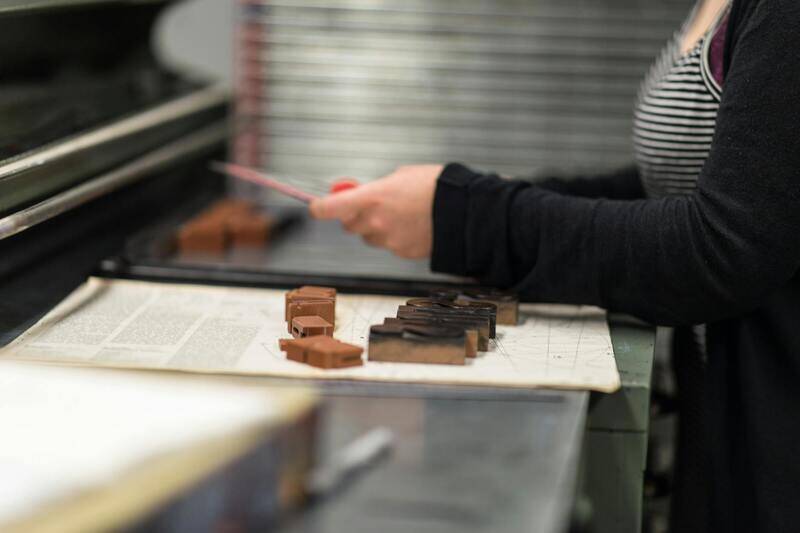
Order Quantities and MOQ
One of the notable aspects of professional card printing services is their flexibility in handling various order quantities. Many providers accommodate small batch runs for startups, individuals, or special events, where minimal quantities are needed for quick, cost-effective production. Conversely, high-volume orders are optimized for mass distribution, such as corporate branding or large-scale promotional campaigns.
Minimum order quantities (MOQ) vary depending on the type of card and chosen printing method. Digital printing services often have no MOQ or very low minimums, making them suitable for custom projects and short runs. Offset printing typically requires higher minimums but offers advantages in cost-per-unit for larger batches.
Customization complexity can also influence order size, especially when specialty finishes or security features are involved. Advanced printing processes may have higher setup costs, which are mitigated by larger order sizes.
Clients benefit from transparent pricing structures and turnaround times tied to the order quantity. Rapid turnaround services are often available for smaller orders or urgent needs, ensuring flexibility for various business timelines and event deadlines.
This adaptable approach to order quantities allows organizations to plan their production scale efficiently, balancing cost, quality, and delivery schedules.

Types of Card Printing Services
Professional card printing services offer a variety of options tailored to meet diverse branding, identification, and promotional needs. These services encompass standard business cards, loyalty and membership cards, gift and event cards, as well as specialized security and functional cards. Each type is designed with specific features and finishes to cater to the unique requirements of clients, ensuring both practicality and aesthetic appeal.
Standard business cards remain a staple for corporate branding, providing essential contact information with various finish options for a polished look. For industries requiring enhanced security, such as banking or healthcare, security cards equipped with features like holograms, magnetic strips, or smart chips are essential. Additionally, promotional cards like loyalty and gift cards are optimized for durability and ease of use, often incorporating innovative design elements and security features to prevent counterfeiting or misuse.
Specialized Card Types
- Security Cards: Often integrated with encryption features such as RFID chips or magnetic stripes, these cards facilitate secure access control and data transfer.
- Membership and Loyalty Cards: Customizable with barcodes or QR codes, these cards enable effective customer engagement and reward management.
- Gift and Discount Cards: Designed for retail and hospitality sectors, blending vibrant graphics with durable, smart materials for repeated use.
- Event and Identification Cards: Incorporate high-quality printing and security features for attendee identification and access tracking.
Materials and Card Stocks
The choice of material significantly influences the durability, feel, and visual impact of printed cards. Leading printing services utilize a range of premium stocks to meet both functional and aesthetic expectations. The common materials include:
- PVC (Polyvinyl Chloride): The most widely used material for its waterproof nature, durability, and ability to support high-quality printing. Ideal for standard business, loyalty, and membership cards.
- Polyester and PET Films: Known for superior resistance to scratches and chemicals, suitable for security and access control cards requiring longevity.
- Premium Cardstocks: Thick, high-quality papers or laminates for custom-designed, one-off business cards that prioritize tactile experience.
- Specialty Materials: Including transparent, frosted, or metallic finishes to create unique visual effects and enhance brand appeal.

Design and Customization Options
A broad spectrum of design tools and customization options enables clients to realize their unique branding vision. Professional card printing services often provide intuitive online design platforms, allowing users to upload logos, choose layouts, and incorporate personalized data seamlessly.
In addition to layout and graphics, options for finishes include matte, gloss, and satin coatings. Specialty finishes like UV spot, embossing, foil stamping, and holographic overlays can add sophistication and security, making cards visually compelling and harder to counterfeit.
Customization also extends to shape alterations, such as rounded edges or die-cut outlines, providing a distinctive look tailored to specific campaigns or brand identities.
Printing Techniques and Technology
The choice of printing technique impacts the quality, production speed, and overall finish of the cards. High-end digital printing allows for vibrant, full-color images with low minimum orders, making it ideal for customized and short-run projects.
Offset printing, on the other hand, is cost-efficient for large volumes, providing consistent color reproduction and sharp detailing. Combining both methods, some services offer hybrid solutions that balance speed and cost-effectiveness, especially for complex designs involving multiple finishes or security features.

Order Quantities and MOQ
Handling diverse order sizes is a hallmark of professional card printing services. Short runs, often as few as 100 to 250 units, are frequently supported using digital printing methods, with minimal or no minimum order quantities (MOQs). This flexibility benefits startups, small businesses, or events requiring limited cards, allowing for swift turnaround times without excessive costs.
For larger volumes, offset printing becomes more economical, with higher MOQs typically in place—often starting at 1,000 or more units. These larger batches benefit from reduced per-unit costs and superior color consistency, making them suitable for bulk distribution, corporate branding, and widespread campaigns.
Clients should consider their specific needs, budget, and timeline to choose the optimal printing method and volume. Transparent pricing and clear turnaround expectations are critical, particularly during tight schedules or urgent projects.
Application Areas for Printed Cards
Printed cards serve a broad array of applications across various industries, providing functional and branding solutions in both everyday and specialized contexts. Some of the primary sectors employing professional card printing services include:
- Corporate Identity: Business cards, employee identification badges, and access control cards support professional networking and secure facilities.
- Retail and Hospitality: Loyalty, gift, and membership cards enhance customer engagement and repeat business.
- Event Management: Badges, passes, and attendee identification cards streamline entry management and branding at large gatherings, conferences, and exhibitions.
- Healthcare and Education: Secure ID cards, access badges, and membership cards help maintain security and streamline service delivery.
- Security and Access Control: Magnetic and smart cards facilitate secure access to facilities, data, and financial transactions.

Comprehensive Insights into Card Printing Services
Professional card printing encompasses a diverse array of options tailored to meet the specific needs of various industries and applications. By understanding the different categories of services, clients can make informed decisions that align with their branding, security, and functional requirements. High-quality card printing providers leverage advanced technology and premium materials to produce durable, visually appealing, and secure cards. From identification badges and membership cards to promotional gift cards, the range of offerings ensures versatility and adaptability across sectors.
Materials and Card Stocks
The foundation of a high-quality printed card lies in the choice of materials and stocks used during production. The most common materials include:
- Plastic PVC: The standard material for most cards, providing durability, flexibility, and a professional finish.
- Polypropylene: Known for its resistance to bending and moisture, suitable for outdoor or long-term use.
- Recycled Materials: Environmentally conscious options made from recycled plastics, offering sustainability without compromising quality.
- Specialty Stocks: Including reflective, textured, or matte finishes that enhance visual appeal and tactile experience.

Design and Customization Options
Design versatility is a key feature of reputable card printing services. Clients can personalize their cards by choosing from an array of customization options, which include:
- Full-color printing for vibrant visuals and branding elements.
- Custom shapes and die-cut designs to stand out and align with branding themes.
- Incorporation of logos, images, and unique patterns for differentiation.
- Embedded elements such as holograms, embossed logos, and metallic foils for added security and visual impact.
- Specialty finishes like spot UV coating, matte, gloss, or satin for a refined look and feel.
Printing Techniques and Technology
State-of-the-art printing technologies ensure precision, consistency, and high-resolution output. Techniques commonly employed include:
- Digital Printing: Ideal for small to medium runs with quick turnaround, offering excellent color accuracy and detail.
- Offset Printing: Suitable for large volume orders, providing cost efficiency and consistent quality across batches.
- Laser Engraving: Used for data printing and security features, offering durability and precision for ID cards and access badges.
- Security Printing: Incorporates microtext, holograms, and embedded security features for tamper-proof cards.

Order Quantities and Minimum Order Requirements (MOQ)
Order sizing varies among providers, with some offering flexible quantities while others maintain minimum order requirements. Batch sizes are typically influenced by the printing method used:
- Small Batch Printing: Perfect for personalized or limited-edition cards, often starting from 50 to 100 units.
- Bulk Printing: Cost-effective options for large campaigns, corporate bulk distributions, or widespread branding, often involving thousands of units.
- Custom Quantities: Many services accommodate unique order sizes to suit specific needs, balancing cost, urgency, and customization complexity.
Application Areas for Printed Cards
The versatility of professional card printing serves numerous applications:
- Corporate Identity: Business cards, employee ID badges, and access cards enhance professionalism and security.
- Retail and Hospitality: Loyalty, gift, and membership cards foster customer engagement and brand loyalty.
- Event Management: Badges and passes facilitate attendee tracking and brand exposure.
- Healthcare and Education: Secure ID cards and membership passes streamline operations and secure premises.
- Security and Facility Access: Magnetic, RFID, and smart cards provide controlled access and transaction security.
Security Features and Data Printing
Incorporating security elements is vital for cards that manage sensitive data or provide access control. Key features include:
- Microtext and fine line printing that are difficult to reproduce accurately.
- Hologram overlays and laminate layers that provide visual verification and tamper evidence.
- Embedded chips such as RFID and smart card components for contactless functionality.
- UV printing or invisible inks that reveal hidden information under specific lighting conditions.
- Data printing with high-resolution graphics for clear, legible information, including names, IDs, or codes.