
Overview of Custom Card Printing
Custom card printing has become an essential service for individuals and businesses seeking personalized solutions for various needs. This process involves producing cards that are tailored to specific designs, branding elements, and functional features, ensuring that each card serves a unique purpose. From corporate branding to personal gifting, custom printed cards offer a versatile platform to communicate identity and sentiment effectively.
In today’s competitive marketplace, the ability to create distinctive cards helps organizations stand out, enhance brand recognition, and foster customer loyalty. Custom cards are widely used across different sectors including retail, hospitality, finance, and corporate gift programs. For events such as weddings, birthdays, or anniversaries, personalized greeting cards and gift cards add a special touch that makes recipients feel valued and appreciated.

One of the key advantages of custom card printing is the high level of flexibility it offers in design and functionality. Customers can choose various sizes, shapes, and finishes to match their aesthetic preferences. Additionally, custom cards can incorporate advanced security features for financial or access control applications, ensuring the integrity and safety of the cards.
Moreover, personalized cards facilitate marketing efforts by providing tangible, visually appealing tools that strengthen brand presence. Whether used as loyalty cards, promotional giveaway items, or exclusive membership passes, custom printed cards serve as memorable promotional assets that leave lasting impressions.
With advances in digital printing technology, creating high-resolution images and intricate designs has become more accessible and cost-effective. Businesses and individuals benefit from quick turnaround times without compromising on quality, making custom card printing a practical choice for both small and large-scale needs.
The convenience of ordering custom cards online through specialized providers simplifies the process, allowing customers to upload their designs and select desired finishes with ease. This streamlined approach ensures that personalized cards can be produced efficiently, meeting tight deadlines while maintaining high standards of craftsmanship.
Materials and Finishes for Custom Cards
Choosing the right materials and finishes is critical when creating custom cards that are both durable and visually appealing. The most commonly used materials include high-quality cardstock, PVC plastic, and composite materials, each offering different levels of longevity and tactile experience. Cardstock is generally used for event invitations or greeting cards, providing a thick, textured feel that can be easily embellished. PVC plastic, on the other hand, is the preferred choice for business cards, ID cards, and any application requiring durability and water resistance. Its sturdy nature ensures that your cards withstand everyday handling while maintaining their vibrancy over time.

Finish Options
- Glossy Finish: Enhances color richness and adds a shiny, reflective surface that catches the eye. Ideal for vibrant designs and promotional cards intended to grab attention.
- Matte Finish: Offers a non-reflective, smooth surface that reduces glare and provides a sophisticated, understated look. Suitable for professional profiles or understated branding.
- Soft Touch: Provides a velvety, matte feel that enhances tactile experience and exudes luxury, perfect for high-end branding or personalized greeting cards.
- UV Coating: Adds a protective layer that resists scratches, moisture, and fingerprints, ensuring your card remains pristine over time.
Design Considerations and Personalization Options
When crafting custom cards, several key design elements should be thoughtfully integrated to maximize impact. High-resolution images, vector logos, and intricate patterns require adequate space and proper formatting to ensure clarity. Personalization options include the addition of custom text, unique fonts, QR codes, holographic elements, and metallic foil accents that elevate the overall aesthetic. The strategic use of color theory, including brand colors and complementary palettes, helps reinforce brand identity or personal expression.
Layout balance is essential; maintaining a clear hierarchy of information guarantees that vital details such as names, contact info, or event specifics are easily readable. For cards with security features, incorporating discreet embedded elements like microtext or holograms enhances authenticity without compromising design integrity.
Advanced Personalization Techniques
- Laser Engraving: Adds a permanent, tactile element by etching designs or text directly into the card surface, providing a sleek, modern look suitable for premium business cards.
- Embossing and Debossing: Creates a three-dimensional effect by raising or lowering elements on the card surface, adding a sense of depth and sophistication.
- Spot UV Printing: Applies glossy UV coating to selected areas, emphasizing logos, images, or text for enhanced visual contrast.
- Holographic Effects: Integrate hologram stickers or overlays for added security and visual impact, ideal for official identification or premium promotional items.
Printing Techniques and Technology
State-of-the-art printing technology underpins the quality and precision of custom cards. Digital printing offers quick turnaround times and high-resolution images, making it suitable for short runs and personalized projects. For larger quantities, offset printing is a cost-effective choice that produces consistent, vibrant results across batches. Additionally, specialized techniques such as dye-sublimation or UV printing allow for complex color gradients and detailed imagery that withstand wear and exposure.

Embedding security features through the latest printing methods helps validate authenticity and prevent counterfeiting. Magnetic stripes, embedded chips, or microtext can be seamlessly integrated using these advanced techniques, providing both functional security and aesthetic appeal.
Materials and Finishes for Custom Cards
Choosing the appropriate materials and finishes is essential to creating durable and visually appealing custom cards that meet both functional and aesthetic needs. The selection of materials ranges from standard art papers to advanced waterproof and tear-resistant substrates, each offering unique benefits for different applications. High-quality cardstock remains popular for its balance of rigidity and flexibility, providing a sturdy base that maintains its form over time. For environments demanding resilience against moisture or rough handling, waterproof options such as plastic or laminated surfaces are ideal, ensuring longevity and resistance to wear and tear.
In terms of finishes, a variety of options can significantly elevate the visual impact and tactile experience of your custom cards. Matte finishes offer a sophisticated, glare-free surface that reduces fingerprints and enhances readability. Gloss finishes, on the other hand, give cards a vibrant, reflective appearance that accentuates colors and details, making designs pop. Foil finishes provide an eye-catching metallic sheen—ideal for premium branding or limited editions—adding a luxurious touch that commands attention. Spot UV coatings, selectively applied, can highlight specific design elements like logos or images with a glossy, raised effect, creating contrast and depth.
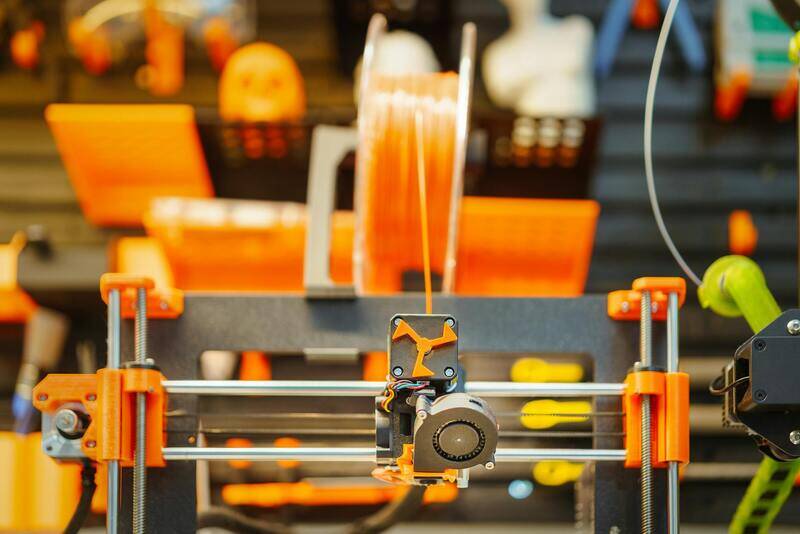
Implementing these finishes involves advanced printing and post-processing techniques, often performed with state-of-the-art equipment to ensure precision and consistency. For instance, foil stamping is applied through heat and pressure to transfer metallic foil onto the surface, creating an elegant effect. UV coatings are cured under ultraviolet light, producing a hard, glossy layer that protects printed graphics from scratches and fading. When combined with waterproof materials and high-quality finishes, custom cards become not only visually distinctive but also capable of withstanding the rigors of daily use, making them ideal for corporate branding, gift cards, identification badges, and promotional giveaways.
In addition to aesthetics, some materials incorporate security features such as embedded microtexts or holographic overlays, which are seamlessly integrated during the printing process. These enhancements help verify authenticity and increase the perceived value of the cards. As a result, clients can enjoy a product that harmonizes visual appeal with functional durability, empowering their branding or identification efforts with confidence in quality and lifespan.
Materials and Finishes for Custom Cards
When selecting materials for custom card printing, the choice of substrate significantly influences both the durability and visual appeal of the finished product. High-quality plastic options such as PVC are preferred for their robustness, flexibility, and resistance to wear and tear. PVC cards can withstand frequent handling and environmental exposure, making them ideal for long-term use in identification or loyalty programs. For premium applications, thicker gauges of PVC or specialty plastics like PET or Teslin can provide enhanced texture and resilience.
Beyond the base material, finishes and coatings elevate the aesthetics and protect the printed design. Matte finishes offer a sophisticated, glare-free appearance that enhances readability, while gloss coatings intensify colors and add a vibrant, eye-catching shine. Spot UV coatings, as a specialized gloss, are often used to accentuate logos or key design elements, providing a layered depth that captivates attention.
Specialized finishes such as foil stamping introduce metallic accents that exude elegance and professionalism. This is done by applying heat and pressure to transfer metallic foil onto specific areas of the card, creating a striking contrast against the background. Embossed or debossed effects further add tactile interest, allowing certain design elements like logos or borders to stand out physically, which enhances the sensory experience.
UV coatings are another robust finishing technique that involves curing a clear, glossy layer over the design. This protective layer resists scratches, smudges, and fading, ensuring the card maintains its visual integrity over time. For outdoor or high-traffic use, waterproof materials combined with these finishes extend the lifespan of the card.
Security Features Embedded During Printing
Security elements are seamlessly integrated to heighten authenticity and reduce potential duplication. Microtext, holographic overlays, or transparent UV features can be embedded during the printing process. These features are often used in conjunction with metallic foils or embossed designs to create multiple layers of verification, subtly reinforcing the card's integrity without compromising its aesthetic appeal.
Using advanced printing techniques like offset or digital printing allows for high precision in reproducing intricate details, including subtle security patterns or complex imagery. These methods, combined with high-quality materials and finishes, develop a comprehensive product that stands out visually while maintaining functional durability.
Comprehensive Approaches to Custom Card Printing
In the world of personalized items, custom card printing stands out as a versatile and impactful method of creating unique, branded, and memorable cards for both personal and commercial purposes. By leveraging official and proven printing processes, clients can achieve high-quality results that cater to specific aesthetic and functional requirements. The selection of appropriate printing techniques, materials, and finishing options is fundamental to producing cards that are not only visually appealing but also durable and secure.
Secure and Effective Printing Methods
To guarantee the integrity and authenticity of custom cards, established printing techniques are employed routinely by reputable service providers. These methodologies include digital printing, offset printing, and foil stamping, each suited to different project scales and design complexities.
- Digital Printing: Ideal for small to medium orders, digital printing offers quick turnaround times and exceptional color accuracy. This method uses electronically stored images, allowing for easy modifications and personalized elements such as names, photographs, or unique designs.
- Offset Printing: Suitable for high-volume production with consistent quality, offset printing transposes ink from a plate onto a rubber sheet before transferring it onto the card surface. This process ensures sharp images and color fidelity, making it a popular choice for bulk orders with intricate graphics.
- Foil Stamping: To add a touch of elegance and security, foil stamping employs heat and pressure to apply metallic foils onto the card, creating eye-catching accents that stand out prominently. This technique enhances visual appeal while also providing a layer of protection against duplication.
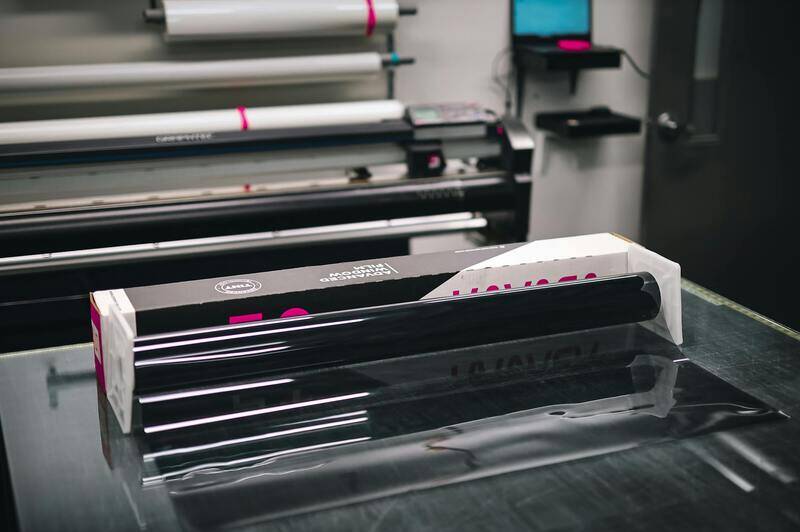
Material Selection and Surface Finishing
The choice of substrate and surface treatment significantly influences the durability, appearance, and tactile experience of custom cards. Leading printing providers utilize a wide array of materials and finishes to meet diverse client needs.
- Card Materials: Common options include standard cardstock, PVC, PET, and other synthetic materials that offer resistance to wear and environmental factors. For high-end applications, premium materials such as laminated or embossed surfaces provide a luxurious feel and added protection.
- Finishing Options: Finishes such as gloss, matte, or satin coatings are applied to enhance visual effects and protect the print. Special effects like spot UV coating create a glossy overlay on selected areas, emphasizing logos or images, while embossing or debossing procedures add a tactile layer that enhances the card's aesthetics.

Design and Personalization Strategies
Creating impactful custom cards involves thoughtful design combined with state-of-the-art printing techniques. Professional customization options include high-resolution graphics, variable data printing, and on-demand personalization, enabling clients to tailor each card uniquely.
- Design Software and Tools: Many service providers offer intuitive design platforms that facilitate layout customization, font selection, color schemes, and logo placement, ensuring the final product aligns perfectly with branding standards.
- Personalization Features: Incorporating individual data—names, photos, messages—via variable data printing creates one-of-a-kind cards suitable for corporate giveaways, identification, or gifting purposes. These personalized touches reinforce brand recognition and emotional connections.
By combining these reliable printing methods, material choices, and customization options, clients can produce custom cards that are not only visually striking but also resilient and secure. This approach ensures that each card reflects the intended message and maintains its quality throughout its lifecycle, fulfilling both practical and aesthetic expectations effectively.