Factors Influencing Color Printout Costs
Understanding the nuances of color printout costs necessitates an exploration of the primary elements that drive expenses higher compared to monochrome printing. These factors encompass material requirements, technological sophistication, and the volume of pages produced.

Material Costs and Color Cartridges
One of the key determinants of color printout costs is the type and quantity of consumables involved. Color printers utilize multiple cartridges—cyan, magenta, yellow, and black (CMYK)—which are often more expensive than standard monochrome toner or ink. The quality and brand of these cartridges influence the overall expense, with high-capacity cartridges generally offering a more cost-efficient solution for bulk printing. The complexity of color ink formulations also adds to material costs, especially when printing images with vibrant hues and high resolution.
Technological Complexity and Printer Type
The underlying technology of the printer significantly impacts the per-page cost. Inkjet printers, favored for their high-quality color output, tend to have lower initial costs but higher running costs due to the frequent replacement of ink cartridges. Laser printers, particularly color laser units, consume more energy but generally offer faster printing and better cost efficiency in high-volume environments. Advanced features such as duplex printing, high resolution, and fast processing further contribute to the overall operational expenses.
Page Volume and Print Density
The volume of pages produced directly correlates with printing costs. Small batches or occasional printing typically result in higher per-page costs due to the fixed costs associated with ink cartridge replacements and machine setup. Conversely, high-volume printing benefits from economies of scale, distributing fixed costs across a larger number of pages and thus lowering the individual printout cost. Print density—the number of images or color saturation per page—also influences costs; heavily saturated pages consume more ink and increase expenses.

Additional Overheads and Maintenance
Beyond direct material and technological costs, there are supplementary charges associated with color printing. Routine maintenance, such as cleaning print heads, replacing drums, and calibrating the device for color accuracy, add to operational overheads. These procedures are essential for maintaining print quality but contribute to the overall cost structure. Moreover, some service providers apply additional fees for color printing due to the complexity and consumables involved, further elevating the total expenditure.
Summary
Optimal management of color printout costs involves understanding these core factors and their interplay. Selecting the right equipment, utilizing high-capacity cartridges, and maintaining the printers efficiently are crucial strategies for reducing expenses. Awareness of the technological and material influences on costs empowers users and businesses to make informed decisions when planning their printing needs.
Factors Influencing Color Printout Costs
Understanding the various elements that impact the cost of color printouts is essential for both individual users and organizations seeking to optimize their printing expenses. These factors encompass equipment specifications, consumable details, print job complexity, and operational overheads.
1. Equipment and Technological Specifications
The type and age of the printer significantly influence the per-page cost. Modern digital color printers equipped with advanced imaging technology typically have higher initial purchase prices but operate more efficiently, resulting in lower costs over time. Laser printers, known for their speed and precision, tend to offer more cost-effective solutions for high-volume printing. Meanwhile, inkjet devices, while versatile and capable of high-resolution output, generally have higher running costs due to frequent ink cartridge replacements.
2. Consumable Quality and Supply Strategy
The quality and capacity of ink cartridges play a pivotal role in determining costs. High-capacity, refillable cartridges tend to have a higher upfront price but lower cost per page, making them suitable for frequent printing needs. Conversely, standard cartridges are less expensive initially but may result in higher operational costs due to more frequent replacements. Additionally, using third-party or compatible supplies can reduce expenses; however, such choices may sometimes affect print quality and device longevity.
3. Color Density and Print Complexity
Print jobs with high color saturation or detailed images require more ink to achieve the desired quality. The density of the colors and the number of images per page directly influence ink consumption and, consequently, the overall cost. Complex documents with multiple colors, gradients, or photographic images necessitate precise calibration and often more expensive consumables, driving costs upward.
4. Operational and Maintenance Overheads
Regular maintenance activities such as cleaning print heads, replacing worn drums, and calibrating color outputs incur additional costs. These procedures are vital for maintaining high print quality but add to the ongoing operational expenses. Some service providers include maintenance fees within their pricing structures, which can contribute to fluctuating overall costs. Using performing maintenance schedules and quality consumables can mitigate the frequency and expense of repairs and adjustments.
5. Environmental and Mechanical Factors
Environmental conditions, such as humidity and dust, can affect print quality and printer performance, potentially increasing maintenance needs. Mechanical factors, including paper handling and feed mechanisms, also impact ink efficiency and device wear. Proper routine checks and quality paper sources help sustain optimal print quality and cost-efficiency.
Effective management of these interconnected elements enables users to control and predict the expenses associated with color printing more accurately. Strategically selecting equipment, maintaining consistent maintenance routines, and choosing appropriate consumables can lead to significant savings without compromising output quality.
Understanding the Factors That Influence Color Printout Costs
When considering color printing services, it’s essential to recognize the multiple elements that shape the final expenses. Beyond the straightforward perception of ink usage, several intertwined factors impact the overall cost structure. These include the complexity of the images, the type of printing technology employed, operational overheads, and the quality of consumables used. Each of these factors contributes significantly to per-page pricing, especially when large volumes or high-quality color accuracy are involved.
Complexity of Print Content
The design intricacies of your print material play a pivotal role in determining costs. Documents featuring photographic images, gradients, or multiple colors require more precise calibration and higher-quality consumables to achieve desirable output quality. For example, printing a vibrant brochure with detailed images demands advanced color management systems and superior ink or toner, which naturally lead to increased costs. Conversely, straightforward color charts or simple logos may incur fewer expenses due to less complex image processing needs.
Choice of Printing Technology

The hardware used for color printouts—such as inkjet, laser, or digital presses—directly influences the expenditure. Inkjet printers, often utilized for high-quality photographic prints, tend to have higher ink consumption per page, especially when printing in full color. Laser printers, on the other hand, might have higher initial equipment costs but are more cost-efficient at high volumes. Digital presses used by professional printing services typically operate with economies of scale, reducing the per-unit cost for large runs. Therefore, selecting the appropriate technology aligned with your printing volume and quality requirements can result in substantial savings.
Operational and Maintenance Overheads
Consistent maintenance routines are vital for keeping color printers operational and ensuring optimal quality. Regular tasks such as cleaning print heads, replacing ink or toner cartridges, and recalibrating color outputs incur costs that are factored into the overall printout expenses. Some service providers include these maintenance fees within their pricing structures, which can fluctuate based on usage and age of equipment. Utilizing scheduled maintenance programs and investing in high-quality consumables can minimize downtime and repair costs, contributing to more predictable and controlled printing budgets.
Consumables and Material Quality
The quality of ink, toner, and paper significantly impacts cost. Premium-grade consumables generally provide better color fidelity and durability but come at a higher price. Opting for generic or lower-quality supplies may reduce expenses initially but can compromise output quality and increase the need for reprints or repairs. In high-volume settings, bulk purchasing of consumables often yields cost savings, making it financially advantageous to establish good supplier relationships.
Environmental and Mechanical Factors
Environmental conditions such as humidity, dust, and temperature can affect the efficiency of color printing devices. These factors may lead to more frequent maintenance or adjustments, adding to operational costs. Mechanical elements, including paper handling mechanisms and feed rollers, also influence ink efficiency and potential device wear. Ensuring a clean and controlled environment, alongside the use of compatible and quality paper sources, helps maintain consistent print quality and prolongs the lifespan of printing equipment, ultimately controlling costs.
In summary, understanding and managing these interconnected factors enables organizations and individuals to better estimate and control the expenses associated with color printouts. A strategic approach to equipment selection, routine maintenance, and consumables procurement can lead to significant savings without sacrificing print quality.
Factors Influencing Color Printout Costs
Understanding the various elements that impact the cost of color printing is essential for effective budget management and selecting appropriate printing strategies. These factors include the type of printing equipment used, the quality and type of consumables, and environmental conditions that may influence device performance.
Type of Printer Technology
The core technology behind a printer significantly affects its operational costs. Inkjet printers, known for their vibrant color reproduction, typically have lower upfront costs but may incur higher running expenses due to frequent ink cartridge replacements. Laser printers, on the other hand, tend to have higher initial costs but often offer lower per-page costs over extensive print runs, especially when equipped for color printing. The choice between these technologies should consider the volume of printing, the required color fidelity, and the overall budget constraints.
Quality and Type of Consumables
Consumables such as ink and toner are primary cost drivers. Premium-quality inks and toners provide superior color accuracy and longevity, but these come at a higher price point. In environments where color fidelity is paramount, investing in high-quality supplies is justified. Conversely, using generic or compatible consumables can reduce costs; however, these might impact print quality and could lead to increased maintenance, reprints, or device repairs. Paper quality also plays a role, with higher-grade papers and specialized substrates often costing more but offering better print results.
Environmental and Mechanical Conditions
External factors like humidity, temperature, and dust levels can influence the efficiency and lifespan of printing devices. Proper maintenance, including regular cleaning and calibration, helps maintain optimal performance and prevents issues that could increase operational costs. Additionally, mechanical components such as paper feed mechanisms must function smoothly; any delays or malfunctions can lead to waste and higher operational overheads.

Additional Cost Factors
- Maintenance and servicing fees
- Device depreciation over time
- Software licenses or encryption for secure printing
- Energy consumption and related utility costs
Strategies for Managing and Reducing Costs
To control color printout expenses effectively, organizations should analyze their printing patterns and select equipment aligned with their volume and quality requirements. Regularly monitoring consumable usage helps avoid unnecessary wastage. Implementing duplex printing, optimizing color usage by limiting full-color pages, and encouraging users to preview documents before printing can significantly cut costs.

Factors Influencing Color Printout Costs
Understanding the elements that contribute to the cost of color printouts is vital for efficient budgeting and selection of printing services. The primary factors include the type of printing technology employed, the complexity and quantity of color in the document, the quality of consumables such as toner or ink, and the operational settings of the printing device. Specific details such as resolution, color fidelity, and whether additional finishing services are required can also impact overall expenses. For instance, high-resolution images or documents requiring precise color matching will typically incur higher costs due to increased ink or toner usage and longer processing times.

The choice between different printing technologies plays a significant role in cost variance. Digital color printing, suitable forshort to medium runs with quick turnaround times, generally offers a flexible and cost-effective solution for most small to medium-sized printing jobs. Conversely, offset printing, often more economical for large quantities, involves higher setup costs but lower per-unit expenses once established. Large-format printers used for banners or signage tend to have higher initial investments and ongoing consumable costs, especially for full-color outputs, which can significantly influence overall budget considerations.
Cost Differences Between Color and Black-and-White Printing
The differentiation in costs between color and black-and-white printing stems mainly from the amount and type of consumables utilized. Black-and-white printing requires only a single toner cartridge and less ink, leading to lower operational costs. Color printing, in contrast, involves multiple cartridges—cyan, magenta, yellow, and black—and more complex machinery, which increases both material and maintenance costs. This fundamental difference makes color printouts inherently more expensive per page, especially when printing large volumes or documents with intricate color schemes.
Pricing Models and How They Are Structured
Pricing structures for color printing are often built around a combination of fixed and variable costs. A common approach is a per-page charge that accounts for toner, ink, paper, and operational wear and tear. Some service providers apply tiered pricing, where the unit cost decreases with increased volume, incentivizing bulk orders. Additionally, many printers implement minimum order fees or setup charges for custom jobs or specific finishes. Understanding these models helps clients choose a service that aligns with their project scale and desired quality, ensuring cost efficiency.
Impact of Printing Volume on Cost Per Page
Volume plays a crucial role in determining the per-page cost of color printouts. As the number of pages increases, the fixed costs—such as machine calibration, setup, and initial consumable expenses—are distributed across a larger number of pages, reducing the overall cost per unit. This economies of scale means that bulk printing typically yields significantly lower costs per page compared to small or one-off print jobs. Conversely, for small volumes, the cost per page remains high, making it essential to evaluate printing needs carefully and possibly consolidate jobs to capitalize on cost savings. This is especially relevant for organizations that require frequent color printing, as investing in high-capacity printers with larger toner reservoirs can further decrease long-term expenses.
Factors Influencing Color Printout Costs
Understanding the variables that impact the total expenses for color printouts allows consumers and businesses to make more informed decisions when selecting printing services. Several key factors contribute to fluctuating costs, including the complexity of the print job, the type of color involved, paper quality, and printing equipment used. For instance, jobs requiring high-resolution images with intricate color gradients or the use of specialty inks tend to be more costly due to the increased amount of consumables and longer processing times involved.
Additionally, the size and format of the printouts directly influence costs. Larger formats or multiple copies increase material usage and machine operation time, thereby raising overall expenses. The choice of paper—standard versus premium or textured types—also plays a role; premium papers often carry higher costs, especially when paired with vivid, full-color printing that demands more ink coverage. Complexity extends to the finishing processes, such as lamination, coating, or special binding, which, while enhancing durability and appearance, consequently add to the final cost.

Another significant aspect is the quality and type of the printing technology. Digital printers equipped with advanced color management systems and high-capacity ink cartridges tend to operate more efficiently, but initial setup and maintenance costs can be higher. Conversely, traditional offset printers, while economical for large runs, may involve higher setup fees, impacting smaller or one-off jobs differently.
Cost Differences Between Color and Black-and-White Printing
Color printing generally incurs higher expenses compared to black-and-white processes due to the additional inks and processing involved. While black-and-white jobs typically rely on a single toner or ink cartridge and simpler printing mechanisms, color printouts utilize multiple cartridges and complex color management systems to produce vibrant, accurate results. The difference in material consumption is evident: color inks or toners are often more expensive per unit than their monochrome counterparts, which affects the overall cost per page.
Furthermore, the speed and operational costs vary between the two. Color printers may require more frequent calibration and maintenance to preserve print quality, contributing to higher ongoing expenses. The choice between the two depends on the project’s requirements; for high-volume printing, investing in capable equipment can lower cost per page, whereas smaller quantities might find black-and-white options more budget-friendly.
Pricing Models and How They Are Structured
Color printout costs are typically structured around various pricing models, including per-page fees, volume discounts, and fixed rates for specific jobs. Many service providers adopt tiered pricing systems where the cost per page decreases as the quantity increases, incentivizing bulk orders. Such models often include base charges covering setup and equipment usage, with additional fees for each color or special finishing process.
Some providers implement minimum order fees or setup charges, especially for custom or complex printing jobs. These fixed costs aim to offset the initial investment in preparing equipment or materials, ensuring the provider can sustain offering high-quality services at competitive prices. It's essential for clients to understand the pricing structure to predict their total expenditure accurately and choose services that align with their budget constraints.
Impact of Printing Volume on Cost Per Page
The volume of printing significantly affects the cost per color printout. For small runs or single copies, fixed costs such as machine calibration, setup, and any initial material expenses are distributed over fewer pages, resulting in higher per-page costs. As the volume increases, these fixed costs are spread across a larger number of pages, leading to reduced costs per unit due to economies of scale.
This dynamic makes bulk printing considerably more economical, particularly for organizations with regular or extensive color printing needs. High-capacity printers with large toner reservoirs and fast processing speeds are well-suited to exploit these economies, offering substantial savings over time. Conversely, for one-off or occasional printing tasks, smaller, more versatile printers might be preferable, even if costs are higher on a per-page basis, to avoid unnecessary expenditure.
Different Types of Printing Technologies and Their Costs
The choice of printing technology impacts both the quality and cost of color printouts. Digital printing methods, such as inkjet and laser printers, are prevalent for their versatility and rapid turnaround times for small to medium volumes. Inkjet printers are known for their ability to produce high-quality color images, but their ink cartridges can be costly, especially when printing large or detailed materials.
Laser printers, on the other hand, offer faster output with lower cost per page for extensive runs, making them ideal for frequent high-volume printing. The initial equipment investment is higher, but ongoing operational costs tend to be lower, especially when using high-yield toner cartridges. Offset printing is another option better suited for large-scale projects, where initial setup costs are amortized over thousands of copies, resulting in lower costs per sheet but less flexibility for small runs.
Factors Influencing Color Printout Costs
Understanding the variables that affect the overall cost of color printing is essential for efficient budgeting and selecting the appropriate printing solutions. Several key elements come into play when determining the total expense of producing color documents or images, including printer type, ink or toner consumption, paper quality, and the specific nature of the print job.
Primarily, the choice of printing device significantly influences costs. High-end, professional-grade printers generally offer better color accuracy and resolution but come with higher initial investments and maintenance costs. More affordable consumer-grade printers may reduce upfront expenses but can lead to higher per-page costs, especially when printing frequently in color.

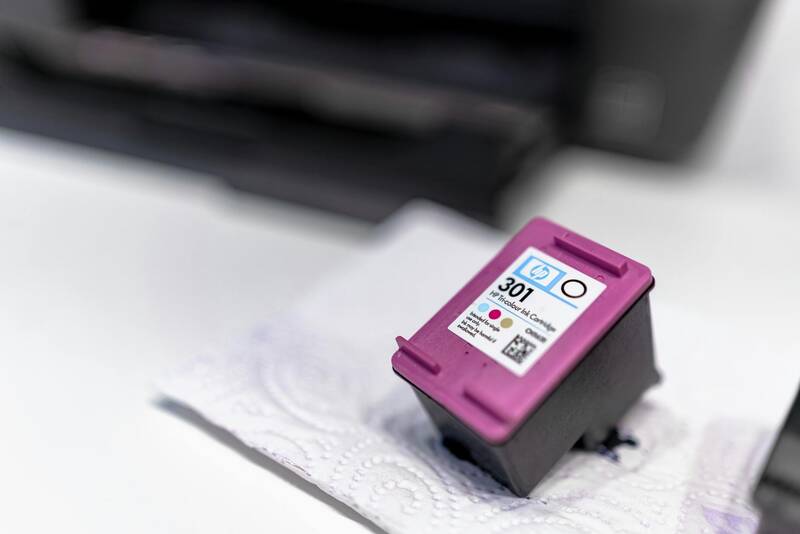
Next, the usage of consumables such as ink or toner directly impacts how much each print costs. Color cartridges tend to be more expensive than their black-and-white counterparts, and their consumption rates vary based on the complexity and color richness of the design. Detailed, vibrant images consume more ink, thereby elevating costs.
The type and quality of paper also play a pivotal role. Thicker, glossy, or specialized media not only enhance visual impact but are also pricier, leading to higher overall print costs. Selecting the right paper balance can yield significant savings without compromising desired quality.
Another vital factor is the complexity and size of the print job. Large-format posters, high-resolution images, or multi-page brochures necessitate more ink and heavier paper, which collectively escalate expenses. For bulk print runs, economies of scale can mitigate some of these costs, but individual or small-volume projects tend to incur higher per-page costs due to setup and consumable usage.
Cost Differences Between Color and Black-and-White Printing
Typically, black-and-white printing offers a more economical solution for text-heavy documents or drafts, with substantially lower cost per page. The expenses associated with printing in color are higher because of the price of multicolored ink or toner, increased processing time, and the need for specialized equipment or settings to produce vibrant outputs.
For organizations and individuals prioritizing budget management, understanding when to opt for color over black-and-white printing becomes crucial. While color printing enhances visual appeal and comprehension in marketing materials, presentations, or photo reproductions, reducing its use for routine or internal documents can lead to noticeable savings over time.
Pricing Models and How They Are Structured
Color printout pricing is generally structured around different models, including pay-per-page, subscription plans, or bulk discounts. Pay-per-page models are common in office environments, where costs elevate with increased usage. Subscription plans or monthly packages may offer reduced rates for consistent print volumes, especially when printing in color frequently.
In addition, some printing providers incorporate setup fees or minimum order quantities into their pricing models. Understanding these structures helps in forecasting expenses accurately and selecting services aligned with specific needs.
Impact of Printing Volume on Cost Per Page
Volume plays a critical role in cost efficiency. Higher print volumes typically allow for a lower cost per page due to the distribution of fixed costs like initial setup, equipment depreciation, and maintenance over a larger number of prints. Conversely, low-volume or one-off prints tend to have higher per-page costs, making them less economical for large projects.
For businesses or individuals with recurring high-volume printing needs, investing in high-capacity printers or negotiating bulk contracts can yield substantial savings. Conversely, relying on external printing services for small batches might be more cost-effective if the per-page cost is competitive and aligns with project timelines.
Different Types of Printing Technologies and Their Costs
The technology used in color printing significantly influences costs. Digital printers, including inkjet and laser models, dominate the market for their speed, versatility, and quality. Inkjet printers excel at producing high-resolution images with rich color depth, but their ink cartridges tend to be more costly and require frequent replacement. Laser printers are typically more cost-efficient for high-volume printing, offering lower per-page costs with faster output speeds, though they often involve higher upfront equipment expenses.
Offset printing is another technology employed mainly for large-scale commercial projects. Instead of individual documents, offset presses produce large quantities at a lower per-unit cost, as many variables like setup costs are amortized over large print runs. However, offset printing involves significant initial setup costs and isn't suited for small or urgent jobs.

Additional Charges and Hidden Costs in Color Printing
Beyond the basic costs of toner, ink, and paper, several supplementary charges can elevate the final expense of color printouts. These include:
- Finishing Services: Binding, lamination, or folding services add to the overall cost, especially when requiring high-quality or specialized finishes.
- Setup Fees: Custom job setup, color calibration, or proofing procedures may incur one-time charges.
- Design and Color Management: Professional design or color correction services to ensure optimal print quality can be additional costs.
- Urgency Charges: Expedited printing requests often carry premium fees to prioritize production schedules.
- Supplies Premiums: Using specialty papers, vinyl, or other unique materials naturally increases expenses.
Being aware of these potential additional costs can assist in accurate budgeting and prevent unexpected expenses during the printing process. Clear communication with service providers regarding pricing structures and potential surcharges ensures transparency and helps select the best options within budget constraints.
Factors Influencing Color Printout Costs
Understanding the elements that impact the cost of color printouts is essential for effective budgeting and optimal selection of printing options. Several key factors contribute to the overall expense, each requiring careful consideration.
Quality of Ink and Toner
The sophistication and quality of the inks or toners used directly influence pricing. High-quality, pigment-based inks tend to last longer and offer vivid colors but come at a higher cost. Printers utilizing advanced color cartridges or toner formulations also incur greater expenses, especially when producing large volumes.
Paper Selection
The type and quality of paper play a substantial role in cost determination. Standard office paper is economical, but specialty papers—such as glossy, matte, or textured options—add to the total. Thicker, heavier, or uniquely coated papers are more expensive, affecting both the per-page cost and overall project budget.

Print Size and Resolution
Large-format or high-resolution printing demands more ink and longer production times, elevating costs. The dimensions of each print and the required resolution directly correlate with resource usage, emphasizing the importance of precise specifications to control expenses.
Complexity of the Design
Prints with intricate graphics, gradients, or extensive color gradients inherently require more processing and precise calibration, which can introduce additional charges. Simple images or text generally involve fewer resources and lower costs.
Printer Efficiency and Maintenance
Newer, high-efficiency printers may provide cost savings over time due to faster print speeds and more ink-efficient technologies. Conversely, older or poorly maintained equipment can have higher wastage rates, increasing the cost per print.
Environmental Considerations
Eco-friendly inks, recycled paper, and energy-efficient printing practices may incur initial higher costs but often lead to savings in long-term operational expenses and reflect responsible sourcing.
Additional Costs and Factors
Beyond the primary printing elements, several supplementary costs can influence the total expenditure for color printouts:
- Setup Fees: Custom calibration, color matching, and proofing processes may involve one-time charges.
- Binding and Finishing: Additional services such as lamination, binding, or folding can significantly add to the overall cost.
- Urgency Surcharges: Rush orders often attract premium fees to prioritize production schedules.
- Specialty Materials: Usage of unique substrates, vinyls, or coated papers naturally elevates expenses.
Strategies to Manage and Reduce Color Printout Costs
Implementing targeted approaches can help organizations and individuals optimize their expenditures on color printouts.
- Limit Color Usage: Use color strategically only where necessary, opting for black-and-white printing for less critical documents.
- Optimize Design and Content: Simplify graphics and minimize the number of colors to reduce ink consumption.
- Choose Appropriate Paper: Select cost-effective yet suitable papers that meet quality standards without unnecessary expense.
- Utilize High-Efficiency Printing Technologies: Invest in modern printers capable of handling high-volume jobs efficiently, thereby reducing waste and costs over time.
- Plan Printing Volumes: Consolidate print projects to achieve economies of scale, reducing the cost per page.
- Negotiate Service Agreements: Establish contracts with reliable printing service providers to secure better rates, especially for ongoing or large-scale projects.