
Understanding Speed in Colour Printers
Print speed is a critical metric when evaluating colour printers, especially for businesses that rely on rapid turnaround times and high-volume printing. It is generally measured by how many pages a printer can produce within a specified period, typically expressed in pages per minute (PPM). Accurate measurement involves standardized testing conditions that consider factors such as print complexity, colour settings, and document size. High-speed colour printers are designed to handle these demanding requirements efficiently, reducing waiting times and increasing productivity.
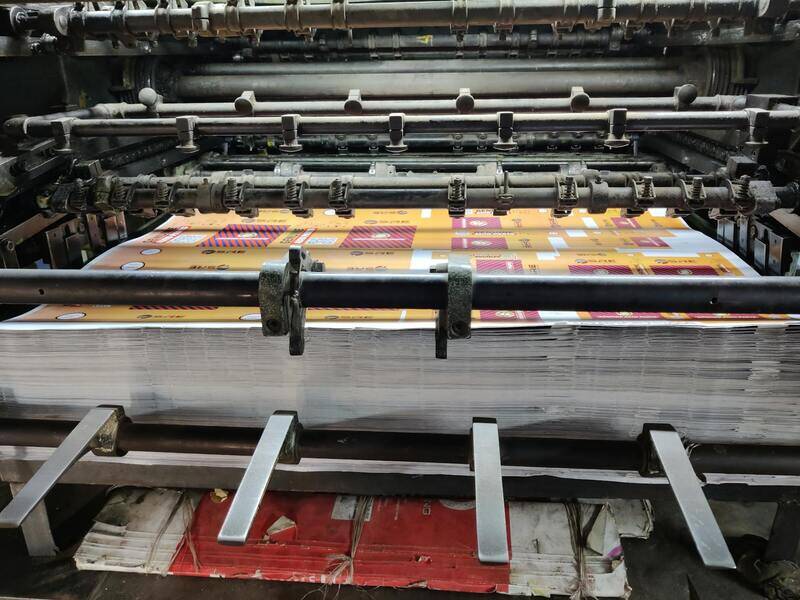
Optimal print speed depends on several factors, including the technology utilized within the device, the processor speed, and the quality of the print engine. For print service providers and large enterprises, the ability to swiftly produce high-quality colour outputs is essential for meeting tight deadlines and maintaining client satisfaction. Consequently, understanding how speed is measured and what constitutes a fast colour printer is foundational for selecting equipment tailored to high-volume or time-sensitive environments.
Types of Colour Printers Suitable for Fast Printing
The market offers various types of colour printers, each suited for specific speed requirements and operational contexts. Laser printers, particularly those with monochrome and colour capabilities, are renowned for their high output speeds and document durability. They employ electrophotographic technology to produce crisp images rapidly. Inkjet printers, while traditionally slower, have made significant advancements, with some models now matching the speed of laser counterparts for certain types of print jobs. The choice of printer type hinges on factors such as print volume, quality expectations, and the nature of print tasks.
Laser Colour Printers
- Capable of high volumes with fast output times
- Ideal for offices with continuous printing needs
- Provide consistent colour accuracy and sharpness
High-Speed Inkjet Printers
- Offer rapid printing for both text and images
- Suitable for detailed colour photo printing
- Enhanced with features like multiple paper trays and duplexing
Key Features of the Fastest Colour Printers
Identifying the fastest colour printers requires an understanding of certain features that directly impact speed. These include advanced print engine technology, high-capacity paper trays, and efficient data processing units. Some printers incorporate multi-feed rollers and instant warm-up capabilities, reducing delays during operation. Additionally, models with support for duplex printing and high volume input/output handling can substantially decrease overall print times.

Speed-enhancing features often come with robust processing power, enabling faster interpretation and rendering of complex graphics. Reliable connectivity options such as Ethernet, Wi-Fi 6, and cloud support facilitate swift job submission from multiple devices, further contributing to rapid printing cycles. Manufacturers also focus on durability and minimal downtime, ensuring the printer maintains peak performance across extensive workloads.
Top Models Offering the Fastest Colour Printing
Several models stand out in the realm of rapid colour printing, boasting impressive PPM rates and advanced feature sets. These include machine models tailored for both office environments and print service businesses that require high throughput. The selection of top models depends on criteria such as print speed, image quality, cost efficiency, and firmware capabilities for managing large print volumes efficiently.
Leading High-Speed Colour Printers
- Model A: Recognized for its record-breaking print speeds, with over 60 PPM for colour pages
- Model B: Balances speed and cost-efficiency, suitable for small to medium businesses
- Model C: High-volume capacity with enhanced finishing options for commercial printing
Factors Affecting Colour Printing Speed
Several technical and operational factors influence the actual speed achievable by a colour printer. The complexity of the print job, including the number of graphics and colours involved, plays a significant role. Printer settings such as resolution and print quality modes can also impact speed; lower resolution modes typically offer faster output. Additionally, hardware components such as the processor, memory, and print engine throughput dictate the maximum potential speed. Proper maintenance and regular firmware updates ensure consistent performance over time.
Cost Considerations for High-Speed Colour Printers
Investing in one of the fastest colour printers entails evaluating both upfront and ongoing expenses. High-speed models tend to have higher purchase prices due to their advanced technology and increased capacity. Operating costs, including consumables like toner or ink, maintenance, and energy consumption, also influence total ownership costs. While premium models may generate higher initial costs, their efficiency and ability to handle larger workloads can result in cost savings through reduced per-page printing expenses and minimized downtime.
Understanding Speed in Colour Printers
When evaluating the performance of the fastest colour printers, it is essential to comprehend the key elements that influence printing speeds. The term "speed" typically refers to the number of pages a printer can produce per minute, but actual output can vary significantly based on several technical factors and operational settings.

The complexity of print jobs plays a central role; documents containing numerous graphics, high-resolution images, or multiple colours demand more processing power and time. As a result, the presence of detailed visuals or variable data can substantially reduce output speed. To optimize for speed, many operators select lower resolution settings, which decrease the quality but significantly boost the number of pages printed within a given timeframe.
Hardware components are equally critical. Modern high-speed colour printers are equipped with advanced processors and ample memory capacity that enable rapid data handling and processing. The print engine’s throughput capacity determines how quickly the machine can produce a high volume of pages without delays. Maintenance routines such as regular firmware updates, cleaning, and calibration also ensure consistent and optimal performance over time.
Print resolution settings—measured in dots per inch (DPI)—are another influencing factor. While higher DPI provides sharper images, it also requires more processing, which can slow down output. Many high-end models allow users to switch between modes depending on the quality requirements, balancing speed and image clarity effectively.
Operational Settings and Their Impact
- Print Quality Mode: Lower quality modes, such as draft or economy, drastically enhance speed by reducing the amount of data processed per page.
- Paper Type and Size: Using standard sizes and high-quality paper may introduce delays, especially if the printer has to adjust settings or handle different media types.
- Connectivity and Data Transfer: Wired connections typically offer faster data transfer rates compared to wireless configurations, which can slightly affect printing times especially with large files.
Significance of Proper Maintenance
Maintaining the printer in optimal condition helps preserve its maximum throughput capabilities. Regularly cleaning print heads, updating firmware, and replacing worn-out components reduce downtime and prevent performance bottlenecks. Institutional and business users who require consistent high-speed printing should establish scheduled maintenance routines and monitor hardware health proactively.

In summary, the fastest colour printers on the market are characterized not only by their raw pages-per-minute (PPM) ratings but also by how effectively they leverage advanced technology and operational practices to deliver rapid, high-quality output consistently. When choosing such models, understanding these multifaceted influences helps ensure the selected device aligns with specific business or operational needs, balancing speed, quality, and cost efficiency.
Factors Influencing the Speed of Colour Printing
Several key elements determine how swiftly a colour printer can produce high-quality outputs. The core component is the printer’s hardware, including the processing unit and memory capacity, which facilitate rapid data handling and output generation. Modern printers with advanced CPUs and ample RAM can process complex color images and large files more efficiently, translating to faster printing speeds.

Another influential factor is the type of printing technology employed. Laser colour printers typically outperform inkjet models in speed due to their ability to dry toner onto the page quickly, whereas inkjet printers may be slower owing to liquid ink drying times and the need for precise droplet placement. However, high-end inkjet models designed for high-speed operation have made significant advancements, narrowing this gap.
Significance of Proper Paper Management
The paper feeding system plays a crucial role in maintaining high throughput. Duplex printing capabilities, which enable automatic double-sided printing, significantly boost productivity, especially in office settings. Additionally, the capacity of paper trays determines how frequently the printer requires refilling, directly impacting overall speed during high-volume tasks.
Operational Settings and Data Transfer Protocols
The selection of print quality modes dictates the speed-performance balance. Draft or economy modes, which minimize ink or toner density, allow for faster output when color precision is less critical. Moreover, the connection type influences data transfer rates—wired connections like Ethernet or USB generally facilitate quicker communication between the computer and printer than wireless networks, especially with large files or volume printing.
Maintaining Optimal Performance
Routine maintenance ensures sustained printer efficiency. Tasks such as cleaning print heads, updating firmware, and replacing consumables at the right intervals prevent bottlenecks caused by clogged nozzles or outdated software. Well-maintained machines can consistently operate at their maximum specified speeds, reducing delays and ensuring that productivity remains high during critical printing tasks.
Technological Innovations Enhancing Speed
Recent technological breakthroughs focus on increasing pages-per-minute (PPM) ratings through faster printing engines and improved data processing. Multi-core processors within printers, high-capacity memory modules, and multifunction units designed with speed in mind enable rapid handling of complex, colorful images. These innovations contribute significantly to the availability of printers capable of fulfilling demanding printing environments with efficiency and high quality.
Impact of Operational Practices
Practices such as pre-loading print jobs, optimizing file formats, and utilizing print presets can streamline workflows. When combined with high-capacity toner and ink cartridges, these practices reduce downtime and allow for bulk printing with consistent speed enhancements. Employing high-speed printing protocols and batch processing methods also plays a vital role in optimizing outcomes in busy commercial settings.
Finding a balance between processing capabilities, hardware design, and operational settings ensures the delivery of high-quality colour prints at rapid speeds. Selecting models equipped with the latest advancements and maintaining them properly supports ongoing productivity, allowing businesses to meet the demands of fast-paced environments without compromising image quality or operational efficiency.
Understanding Speed in Colour Printers
Speed is a critical factor when evaluating colour printers, especially for high-volume environments where efficiency directly impacts productivity. A printer's speed is typically measured in pages per minute (PPM), indicating how many pages it can output within a specific timeframe. For fast colour printing, this metric becomes even more significant because combining high speed with vibrant, detailed images requires advanced hardware and optimized processing capabilities. The more swiftly a printer can handle complex, multi-colored documents without sacrificing quality, the better suited it is for demanding business needs.
Modern technology has propelled the development of faster colour printers through innovations in engine design, data processing, and materials used. For instance, cutting-edge print engines utilize high-speed laser or inkjet technology that accelerates the printing process while maintaining precise color fidelity. Faster data handling, facilitated by multi-core processors and increased memory capacity, minimizes delays caused by processing complex files or graphics. As a result, high-speed colour printers are more capable of producing large volumes of vibrant, accurate images in significantly reduced times, making them indispensable for fast-paced offices and commercial settings.
Types of Colour Printers Suitable for Fast Printing
Choosing the right type of printer is essential when prioritizing speed without compromising on color quality. Laser printers are generally considered the fastest option, thanks to their high-speed toner-based technology that can efficiently handle large volume printing with quick turnaround times. Laser printers excel in producing sharp, consistent color documents at impressively high PPM rates, making them ideal for enterprise environments requiring rapid throughput.
Inkjet printers also offer fast colour printing but are more suited for applications demanding high resolution and detailed images. Modern high-speed inkjet models incorporate advanced nozzles and optimized ink delivery systems to increase print speed while rendering rich, vibrant images suitable for marketing materials, photographs, and artwork.
Multifunction printers, combining printing, copying, scanning, and faxing, are available with high-speed capabilities, allowing for streamlined workflows in busy workplaces. These multifunction units often feature high-capacity cartridges, rapid data processing, and durable hardware components designed to withstand continuous operation at high speeds.

Key Features of the Fastest Colour Printers
- High PPM Rates: Most top models boast speeds exceeding 30 pages per minute, with some reaching up to 60 PPM for both monochrome and colour output.
- Advanced Print Engines: Incorporate high-speed laser or inkjet technology optimized for quick processing and output.
- Robust Processing Power: Equipped with multi-core processors to handle complex color graphics swiftly.
- Large Memory Capacity: Ensures seamless handling of large files and batch printing jobs.
- High-Capacity Cartridges and Supplies: Reduce the frequency of refills, minimizing downtime during high-volume printing.
- Connectivity Options: Support for Ethernet, Wi-Fi, and cloud printing to streamline workflows and reduce print initiation delays.
- Efficient Paper Handling: Features like high-capacity paper trays and duplex printing capabilities contribute to uninterrupted high-speed output.
Factors Influencing Colour Printing Speed in High-Performance Devices
Achieving optimal speed in colour printing depends on several technical and operational factors that, when managed effectively, enable high throughput without compromising quality. Key among these are print resolution, print mode, and the efficiency of the printer’s internal architecture.
Print resolution, typically measured in dots per inch (DPI), directly affects print speed. While higher DPI settings produce sharper, more detailed images, they require more data processing, which can slow down output. Conversely, lower DPI settings enable faster printing, suitable for draft or internal documents where exact image detail is less critical. Selecting the appropriate resolution for the intended output balances clarity with speed.
Print mode settings actively influence speed; for instance, draft mode prioritizes rapid output over image richness, ideal for non-final documents. Normal or high-quality modes push slower but enhance image detail and colour accuracy, suitable for presentations and professional materials.
Another significant factor is the printer's processing power. Modern high-speed printers are equipped with multi-core processors and large RAM capacities, allowing them to handle complex graphics and multiple file formats efficiently. This hardware advantage reduces processing bottlenecks, especially during large batch print jobs.
Network connectivity also plays a pivotal role. Ethernet and Wi-Fi capabilities enable rapid data transfer from the source device to the printer, significantly decreasing idle times between jobs. Advanced printers support cloud printing and wireless management, reducing the need for physical connection and facilitating seamless job submissions from multiple devices.
Paper handling systems contribute indirectly to speed by minimizing interruptions. High-capacity input trays, automatic duplex printing, and quick paper feeds ensure continuous workflow, especially vital in high-volume environments. These features are designed to operate efficiently at high speeds, maintaining consistent output without frequent manual intervention.
- Print Engine Technology: Laser printers and high-speed inkjet models are optimized for rapid colour output, employing advanced laser or ink converging technologies.
- Hardware Durability: Robust construction allows sustained operation at maximum rated speeds without overheating or component failure.
- Connectivity and Management: Support for multiple interfaces and management tools can automate and streamline print queue handling, reducing delays.
Enhancing Speed through Operational Best Practices
While choosing the right hardware sets the foundation for high speed, operational strategies further optimize performance. Regular maintenance, such as cleaning print heads and updating firmware, ensures the device functions at peak efficiency. Properly configuring print settings—using draft modes where quality is less critical, or batching jobs—may significantly save time in busy office environments.
Ensuring network infrastructure is robust and capable of handling high data volumes is equally important. Upgrading to faster Wi-Fi standards or dedicated network connections minimizes transfer delays. Additionally, integrating printer management software helps monitor usage patterns, maintain device health, and automatically allocate resources, all contributing to sustained high-speed printing capabilities.
Understanding Speed in Colour Printers
Speed in colour printers refers to how quickly a device can produce a set number of monochrome or coloured pages, usually measured in pages per minute (PPM). This metric is crucial for offices and environments where high-volume printing is routine, as it directly impacts workflow efficiency and operational costs. Several technical and operational factors influence printing speed, including print engine design, data processing capabilities, and the printer’s ability to handle high data throughput without delays.
Fast colour printers must seamlessly manage complex printing tasks—especially those involving high-resolution images and multi-page documents—without compromising on quality or consistency. When evaluating speed, it’s essential to distinguish between the maximum theoretical speed and real-world performance, which can be affected by workload, connectivity, and print complexity. For environments demanding rapid output, understanding these nuances ensures the selection of a device that reliably meets operational needs.

Types of Colour Printers Suitable for Fast Printing
The primary categories that excel in delivering high-speed colour printing include laser printers and high-end inkjet models tuned for speed. Laser printers, in particular, are renowned for their rapid output capabilities, utilizing a laser beam to form electrostatic images on a drum that are transferred onto paper swiftly and efficiently. They typically produce more pages per minute compared to inkjet counterparts, especially in high-volume scenarios.
- Laser Printers: Ideal for high-volume environments, laser printers offer rapid printing speeds, crisp text and vibrant colours, and high duty cycles. Their ability to handle continuous, large print jobs makes them suitable for demanding business settings.
- High-Speed Inkjet Printers: While traditionally slower, some advanced inkjet models leverage dedicated print heads and optimized ink delivery systems to achieve impressive speeds, particularly when printing high-quality photographs or colour-rich documents.
Key Features of the Fastest Colour Printers
The efficiency of rapid colour printers hinges on several technological features. These include advanced print engine designs that facilitate high-speed image processing and transfer. Robust hardware components, such as durable fuser units in laser models, enable prolonged operation at maximum throughput without overheating or failure.
Connectivity options play a vital role in minimizing delays, with modern devices supporting multiple interfaces such as Ethernet, Wi-Fi, and NFC. Automated management tools, including print queuing and job prioritization software, further enhance operational flow, reducing wait times for large batches of documents.

Top Models Offering the Fastest Colour Printing
Several reputable manufacturers provide models that set benchmarks in speed, combining robust build quality with innovative technology. Among these, the Canon imageCLASS series, Hewlett-Packard's LaserJet Enterprise models, and Xerox WorkCentre series stand out for their high PPM ratings, reliability, and high-duty cycle capacities.
- Canon imageCLASS MF445dw: Combines high speed with multifunctionality, delivering up to 40 PPM in colour and mono print modes.
- HP LaserJet Enterprise M653x: Offers speeds exceeding 60 PPM, suitable for large offices with intensive printing requirements.
- Xerox WorkCentre 7855: Known for its rapid performance, supporting high-volume colour printing with robust security features.
Factors Affecting Colour Printing Speed
Several elements influence the actual speed achievable with a colour printer. Print complexity, such as high-resolution images or detailed graphics, can significantly impact throughput. The volume of data transferred over network connections or USB interfaces may cause delays if bandwidth is insufficient or if the printer's processor is underpowered.
Hardware specifics, including the processor speed, memory capacity, and the efficiency of the print engine, play a significant role. Regular maintenance, firmware updates, and efficient print queue management ensure devices operate at peak speeds. Environmental factors, like proper ventilation and power stability, also contribute to consistent high-speed performance.
Understanding Speed in Colour Printers
Speed in colour printers is a critical performance metric, especially for businesses and environments where high-volume printing is routine. It typically denotes the number of pages a printer can produce per minute (PPM), with higher PPM ratings indicating faster printing capabilities. Nonetheless, raw speed figures do not tell the entire story; factors such as print quality, reliability, and workflow efficiency also influence the overall performance.
In real-world scenarios, the high throughput capacity of the fastest colour printers allows for seamless handling of large print jobs without significant delays. This is especially vital in sectors like graphic design, marketing, and publishing, where vibrant colour accuracy paired with speed is essential. To truly maximize productivity, understanding the nuances behind printer speed and how it integrates with other features becomes indispensable.
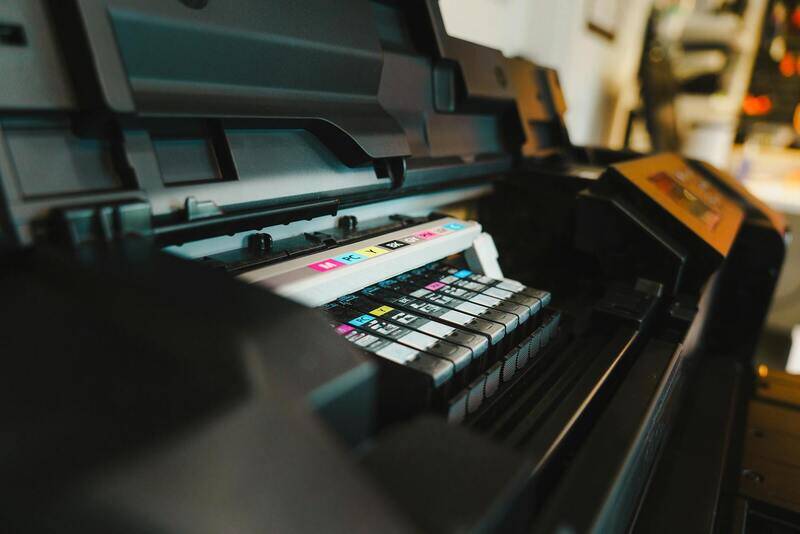
Types of Colour Printers Suitable for Fast Printing
Choosing the right type of colour printer is fundamental to achieving optimal speed. The primary categories include laser printers, inkjet printers, and solid ink printers. Each type has distinct characteristics affecting printing speed and suitability for specific environments.
- Laser Printers: Known for their rapid printing speeds and high page yields, laser printers are often preferred in enterprise environments. They utilize a laser beam to produce images on a drum, which then transfers toner onto paper. High-end laser models can reach speeds exceeding 60 PPM, making them suitable for busy offices requiring quick turnaround times.
- Color Inkjet Printers: While traditionally slower than laser counterparts, advanced high-speed inkjet printers are capable of considerable PPM ratings. They excel in producing high-quality images, making them ideal for creative tasks that demand vibrant colours combined with decent speed.
- Solid Ink Printers: Offering a balance between speed and colour fidelity, solid ink printers print using wax-like blocks that are melted during the process. They are effective for medium to high-volume colour printing needs, especially in environments prioritizing colour accuracy and speed.
Key Features of the Fastest Colour Printers
The top-performing colour printers incorporate several key features to enhance speed without compromising on quality:
- High Processor Speed: A faster processor enables the printer to process complex images and large data files rapidly, reducing lag time between jobs.
- Ample Memory Capacity: Sufficient RAM accelerates rendering processes and helps manage multiple print jobs concurrently, safeguarding against delays caused by memory bottlenecks.
- Efficient Print Engine: A robust and optimized print engine ensures the rapid transfer of toner or ink onto paper, maintaining high PPM rates even with complex documents.
- Advanced Paper Handling: Features like high-capacity trays and automatic duplex printing facilitate quick turnaround for large volumes of colour pages.
- Connectivity Options: High-speed interfaces like Ethernet and USB-C minimize data transfer delays, streamlining print workflows, especially in networked environments.
Manufacturers incorporate these features in flagship models to cater to demanding settings where speed is paramount, often complemented by advanced software solutions that optimize print queue management and job prioritization.
Top Models Offering the Fastest Colour Printing
Several models stand out due to their exceptional speed capabilities. These include:
- Canon imageCLASS MF445dw: This multifunction laser printer balances high speed with multifunctionality, delivering up to 40 PPM in colour and mono modes, making it suitable for small to medium-sized offices with demanding colour printing needs.
- HP LaserJet Enterprise M653x: Designed for high-volume environments, this model exceeds 60 PPM in colour, supporting large workloads with reliable performance.
- Xerox WorkCentre 7855: Recognized for its rapid printing speeds and robust security features, it handles high-volume colour documents efficiently.

Factors Affecting Colour Printing Speed
Achieving maximum permissible speed in colour printing involves consideration of multiple factors:
- Print Complexity: High-resolution images and detailed graphics require more processing time, potentially reducing effective speed.
- Data Transfer Rate: Bandwidth limitations in network connections or USB interfaces can cause bottlenecks, impacting throughput.
- Hardware Performance: Processor power, memory size, and engine efficiency directly influence speed. Upgraded hardware components tend to facilitate faster printing.
- Maintenance and Firmware Updates: Regular upkeep ensures optimal operation, preventing speed degradation caused by dust, worn components, or outdated firmware.
- Environmental Conditions: Proper ventilation and stable power supply help maintain consistent printer performance over prolonged periods.

Cost Considerations for High-Speed Colour Printers
Investing in the fastest colour printers involves analyzing various cost elements to ensure a sustainable and effective deployment. Initial purchase price is often higher for models incorporating advanced features and superior hardware components. Additionally, operational expenses such as toner or ink costs, energy consumption, and maintenance must be factored into the overall budget.
High-speed models tend to utilize larger toner cartridges and energy-efficient components, which can result in lower per-page costs over time despite higher upfront costs. Strategic planning around volume requirements and workload forecasts assists in selecting a model whose speed and cost efficiency align with business needs.
Some models also include feature sets that optimize consumable usage, prolong equipment lifespan, and reduce downtime, further enhancing cost-effectiveness. A well-channed approach to machinery investment ensures that speed advantages translate into tangible productivity gains without unforeseen expenditure burdens.
Understanding Speed in Colour Printers
In the realm of colour printing, speed is a critical factor that influences workflow efficiency and overall productivity. The term 'speed' in this context typically refers to pages per minute (PPM), a standard measurement to gauge how many sheets a printer can produce within a certain timeframe. Speed varies significantly across different models and technologies, with some high-performance printers capable of printing over 30 pages per minute, while entry-level devices might manage only a handful. Moreover, the initial printing speed can differ from sustained operational speed, especially when handling complex graphics or high-resolution images. Factors like the printer’s processing power, memory capacity, and the type of print job affect real-world speed performance. Familiarity with these measures allows businesses to choose printers that align with their workload demands, ensuring minimal wait times and seamless workflow continuity.

Types of Colour Printers Suitable for Fast Printing
Fast colour printing is predominantly achieved through specific printer technologies designed for high throughput. Laser printers, especially monochrome models, are renowned for their speed and are widely adopted in commercial settings. Modern colour laser printers have advanced significantly, offering rapid print rates alongside high-quality output. On the other hand, high-end inkjet printers with specialized printing heads and larger ink cartridges can also deliver impressive speeds suitable for mid-sized businesses or departments with substantial colour printing needs. Production-level printers, such as digital presses or wide-format printers, are engineered for large-volume runs, providing exceptionally high speeds with consistent quality. Selecting the right type depends on the volume of output, the required resolution, and the operational environment—lasers often excel in speed for high-volume, monochrome or colour needs, while inkjets offer versatility for dynamic, varied work orders.

Key Features of the Fastest Colour Printers
- High Pages per Minute (PPM): The primary indicator of printing speed, with top models surpassing 30 PPM for colour prints.
- Enhanced Processor and Memory: Faster CPUs and increased RAM enable quicker processing of complex colour graphics, reducing delays.
- Large Paper and Toner Capacity: Ability to handle extensive print jobs without frequent refilling, maintaining continuous operation.
- Automatic Duplexing: Efficient double-sided printing saves time and reduces manual intervention.
- Connectivity Options: Ethernet, Wi-Fi, and mobile support facilitate rapid job submission and sharing across devices.
Top Models Offering the Fastest Colour Printing
The current market features several models recognized for their blistering print speeds combined with high-quality output. For instance, some laser printers can produce in excess of 40 PPM, while specialized production printers can handle hundreds of sheets per hour. These models often incorporate advanced features like dual engines, high-capacity toners, and advanced firmware to ensure consistent high-speed performance. It's essential to consider these top-performing options alongside other factors such as total cost of ownership, connectivity, and output quality to find the best fit for demanding environments.
Factors Affecting Colour Printing Speed
Several key elements influence the actual printing speed you experience. Hardware specifications, including processor speed and available memory, directly impact how quickly a printer can process large or complex files. The type of paper and print mode also play substantial roles; high-resolution, color-rich prints often take longer than basic text or draft-quality documents. Network bandwidth and data transfer times can introduce bottlenecks, especially in networked environments handling multiple print requests simultaneously. Additionally, firmware and driver efficiency, along with regular maintenance and firmware updates, are essential for maintaining peak performance over time. Understanding these factors helps in selecting models that meet specific business needs and in optimizing existing equipment for maximum output.
Cost Considerations for High-Speed Colour Printers
The investment in high-speed colour printers involves a comprehensive analysis of upfront and operational expenses. Premium models with advanced features typically command higher purchase prices, but they may offer lower per-page costs through efficient toner utilization and energy-efficient operation. Operational expenses such as replacement toner or ink cartridges, maintenance kits, and electricity consumption can significantly influence the overall cost-effectiveness. Larger capacity toner cartridges extend operational periods, reducing downtime and refill frequency, which is especially advantageous in high-volume environments. Moreover, selecting a model with robust build quality and extended warranty options can mitigate maintenance expenses over the lifespan of the device. Carefully aligning budget constraints with volume requirements ensures that the speed advantages translate into tangible productivity benefits without exceeding financial limits.

Implementation Tips for Maximizing Printer Speed
- Regular Hardware Maintenance: Routine cleaning, timely replacement of worn parts, and firmware updates help prevent speed degradation caused by dust accumulation or outdated software.
- Optimized Print Settings: Configuring print resolution, color modes, and duplex printing options enables faster output without compromising quality.
- Network Optimization: Ensuring robust network infrastructure with sufficient bandwidth minimizes data transfer delays, especially when handling large files or multiple concurrent jobs.
- File Preparation: Preprocessing documents by reducing unnecessary graphics, compressing files, or using simplified formats accelerates printing tasks.
- User Training and Workflow Management: Educating staff on optimal print command usage and implementing print management solutions help streamline operations, reducing queues and wait times.
