
Overview of Colour Printing Services
Colour printing services play a pivotal role in both commercial and personal contexts within Singapore, providing vibrant, high-quality outputs that effectively communicate messages and enhance visual appeal. These services encompass a broad spectrum of print outputs, ranging from marketing materials and corporate branding assets to personalized items such as photo prints and greeting cards. The ability to reproduce precise, vivid colours enables businesses to strengthen brand identity through consistent and eye-catching promotional materials. On a personal level, colour printing allows individuals to preserve memories and create unique, customized gifts that stand out. The demand for reliable, high-quality colour printing continues to grow, reflecting the necessity for professional outputs that meet the expectations of both corporate clients and individual consumers.

While the scope of colour printing services is extensive, the core offerings typically include digital printing, lithographic printing, and large-format printing. Digital printing has become especially popular due to its quick turnaround times, affordability, and suitability for short to medium print runs. Lithography remains essential for larger production volumes, maintaining consistent quality and colour accuracy. Large-format printing caters to signage, banners, and displays, demanding high-resolution outputs with wide colour gamuts. The variety of available print outputs ensures that businesses and consumers can find tailored solutions to suit their specific requirements, whether for detailed brochures, eye-catching posters, vibrant banners, or customized print products.

This diversity underscores the importance of selecting the right technology and materials to achieve desired results, ensuring that each printed piece effectively communicates its intended message with clarity and visual appeal. As colour printing technology advances, the combination of efficiency, quality, and variety continues to elevate the standards of print outputs, making colour printing services indispensable for various aesthetic and functional needs across Singapore.
Understanding the Range of Colour Printing Options
Choosing the appropriate colour printing method is crucial for achieving optimal results tailored to specific project requirements. The primary techniques encompass digital printing, offset printing, and large-format printing, each offering distinct benefits suited to various applications.

Digital Printing: Flexibility and Speed
Digital printing has revolutionized the industry with its ability to produce high-quality prints rapidly and cost-effectively for short to medium runs. This method employs digital files directly from computers, eliminating the need for traditional printing plates, which reduces setup time and costs significantly. It is especially suitable for custom projects, personalized marketing materials, and prototypes, where quick turnaround and intricate colour accuracy are essential. Advanced digital presses can handle a diverse array of substrates, making them versatile for various output types.
Offset Printing: High Volume and Consistency
Offset lithography remains a go-to choice for large-volume printing requiring consistent colour reproduction and sharp image quality. This process involves transferring ink from metal plates onto rubber blankets, and finally onto the printing substrate. Offset printing excels in producing vibrant colours with precise accuracy, making it ideal for producing bulk brochures, magazines, or packaging components. Although initial setup costs are higher, the per-unit cost decreases with volume, making it a cost-effective solution for extensive print runs.
Large-Format Printing: Signage and Display
For impactful visual displays, large-format colour printing delivers high-resolution outputs on wide substrates, such as vinyl, fabric, or paper. This technique is essential for creating large banners, posters, trade show displays, and signage that demand vibrant colours and exceptional clarity. Wide colour gamuts ensure that promotional materials attract attention and resonate with viewers from a distance. Modern large-format printers utilize advanced inkjet technology, providing durable, weather-resistant results suitable for indoor and outdoor use.

Matching Techniques to Project Needs
Careful consideration of the project scope, substrate, colour fidelity, and budget guides the selection of the printing method. Digital printing offers flexibility for personalized and short-run projects, while offset printing provides economical solutions for large quantities demanding precise colour matching. Large-format printing serves as an impactful tool for visual marketing, with options tailored to both indoor and outdoor environments. Combining these technologies ensures that businesses and individuals can execute a wide array of creative ideas with professional quality.
Additional Considerations in Colour Printing
- Colour Management: Utilization of colour profiles and calibration ensures consistency across different media and print runs.
- Material Compatibility: Selecting the right substrate, such as gloss or matte papers, vinyl, or fabric, affects the final appearance and durability.
- Inks and Finishes: The choice of inks, including eco-solvent or UV-curable options, influences longevity and environmental impact. Special effects like spot gloss or matte coatings can add visual interest.
By leveraging the proper colour printing technology and understanding material options, clients can achieve vibrant, durable, and visually compelling outputs that align perfectly with their branding or personal goals.
Overview of Colour Printing Services
Colour printing services encompass a broad spectrum of solutions tailored to meet diverse needs across various industries and personal projects. They are essential for producing vibrant marketing materials, detailed product displays, personalized stationery, and eye-catching signage. These services leverage advanced printing technologies to ensure colour accuracy, rich visuals, and durable finishes, making them indispensable for branding, advertising, and creative expression.

Understanding the core aspects of colour printing involves exploring the different technologies, substrates, and finishing options that elevate print quality and impact. It also requires awareness of how to select appropriate materials and methods to achieve desired visual effects while maintaining cost efficiency. This comprehensive approach ensures that each project’s specific goals—be it promotional outreach or artistic design—are realized with professionalism and precision.
Types of Colour Printing Technologies
Several key technological methods underpin modern colour printing services, each suited for different project requirements and output qualities. Choosing the right method depends on scale, substrate compatibility, colour fidelity, and budget constraints.
- Digital Printing: Ideal for short runs and personalized projects, digital printing offers quick turnaround times and high-resolution outputs. It allows for easy customization and rapid adjustments, making it suitable for on-demand printing, promotional flyers, and limited-edition prints.
- Offset Printing: Best suited for large-volume production, offset printing provides consistent, sharp colours with high accuracy. It is cost-effective when printing in large quantities and excels at matching complex colour profiles, making it the preferred choice for brochures, magazines, and extensive marketing campaigns.
- Large-Format Printing: Specializing in banners, posters, and signage, this technology accommodates wide-format substrates. It uses high-capacity inkjet printers capable of delivering vibrant, eye-catching visuals for both indoor and outdoor displays.
- Screen Printing: Primarily used for textiles, apparel, and promotional items like branded bags and t-shirts, this method deposits ink through a mesh stencil to produce bold, vivid colours on various surfaces.
Matching Techniques to Project Needs
Effective colour printing hinges on aligning the chosen technology with project specifications. For instance, short-run, highly customized prints benefit from digital printing’s flexibility, while mass-produced, high-precision outputs are best served by offset techniques. For impactful visual signage, large-format printing offers high-resolution, durable solutions. Complementing these methodologies are colour management practices that ensure consistency and accuracy across different media and print batches.

Material selection plays a critical role in achieving the desired aesthetics and longevity. Glossy or matte papers, vinyl wraps, fabric substrates, and specialty materials like transparent or textured surfaces expand creative possibilities. Additionally, environmentally friendly inks—such as eco-solvent or UV-curable options—are increasingly popular for their durability and reduced environmental impact, aligning with sustainable business practices and personal values.
Additional Considerations in Colour Printing
- Colour Management: Implementing colour profiles and calibration ensures vibrancy accuracy and consistency. This involves using standardised colour spaces and precise colour matching techniques to deliver reliable results across different media and print runs.
- Material Compatibility: Selecting substrates compatible with the chosen printing method and inks influences the final look and durability. For example, vinyl is ideal for outdoor signage due to its weather resistance, while high-quality paper suits indoor presentations and packaging.
- Inks and Finishes: The choice between eco-solvent, UV-curable, or aqueous inks impacts print longevity and environmental footprint. Finishing options like spot gloss, matte coatings, or laminations enhance visual appeal and resistance to wear and tear.
Incorporating these considerations ensures that clients receive vibrant, durable, and striking printed materials that meet their branding or personal requirements with a high degree of professionalism and appearance.
Overview of Colour Printing Services
Colour printing services encompass a broad spectrum of solutions tailored to meet diverse branding, marketing, and personal needs. These services leverage advanced printing technologies and premium materials to deliver vibrant, high-quality visual outputs. Whether for promotional materials, packaging, signage, or customized products, the primary aim is to create eye-catching visuals that effectively communicate messages and reinforce brand identity. Colour printing is essential in transforming digital designs into tangible forms, providing a tactile experience that complements visual appeal. As businesses and individuals seek to stand out in competitive environments, the importance of professional colour printing services continues to grow, emphasizing precision, consistency, and durability across all projects.
From small-scale projects like business cards and flyers to large-format banners and posters, colour printing services accommodate various scales and specifications. They incorporate innovative printing techniques that ensure colour vibrancy, detail accuracy, and material compatibility. The availability of eco-friendly options also allows clients to maintain sustainable practices without compromising on quality. As an integral part of visual communication strategies, colour printing services enable brands and individuals to make memorable impressions, regardless of the medium or scope.
Types of Colour Printing Technologies
The efficacy and quality of colour printing hinge on the underlying technology employed. Each method offers distinct advantages suited to different applications, budgets, and desired results. The primary techniques include digital printing, offset printing, and large-format printing, each optimized for specific needs.
Digital Printing
This method utilizes digital files directly fed into high-tech printers. It excels at short runs, fast turnaround times, and cost-effectiveness for custom or on-demand prints. Digital printing provides superior colour accuracy and fine detail representation, making it suitable for marketing materials, business stationery, and personalized products. Advances in inkjet and laser printers further enhance the quality and durability of output, with options for eco-solvent or UV-curable inks to meet environmental standards.
Offset Printing
Widely used for large-volume productions, offset printing employs plates and rubber blankets to transfer ink onto substrates. It achieves consistent colour matching and high-quality finishes, ideal for brochures, magazines, and booklets requiring large quantities. Although initial setup costs are higher, the per-unit cost decreases significantly with volume, making it a cost-effective choice for extensive print runs. The process adapts well to a variety of paper types and textures, allowing for versatile applications.
Large-Format Printing
Designed to produce oversized visuals, large-format printing is a cornerstone for banners, posters, wall coverings, and signs. Utilizing wide-format inkjet printers, this technology offers high-resolution output with rich colour depth and durability. The choice of substrates ranges from vinyl and fabric to canvas and textured materials, providing ample opportunities for creative and impactful displays. Print longevity and weather resistance are features often enhanced with special coatings and finishes tailored to outdoor or indoor environments.
Common Printing Materials and Substrates
The selection of appropriate materials significantly influences the final appearance, durability, and usability of printed items. Different substrates complement specific printing technologies and end-use environments, enabling clients to achieve optimal results for their projects.
Paper and Cardstock
- Glossy Paper: Enhances colour vibrancy and sharpness, suitable for brochures, flyers, and photo prints.
- Matte Paper: Offers a subdued finish that reduces glare, ideal for professional reports and presentations.
- Coated and Uncoated Papers: Provide additional surface properties for specific effects or tactile qualities.
Vinyl and Plastic Films
- Vinyl Films: Durable and weather-resistant, perfect for outdoor signage, vehicle wraps, and window decals.
- PVC and Polyethylene: Offer flexibility and resistance to moisture, suitable for banners and point-of-sale displays.
Fabric and Textiles
- Canvas and Polyester Fabrics: Used for banners, flags, and soft signage, delivering vivid colour reproduction and durability.
- Specialty Textiles: Include textured or transparent fabrics for unique visual effects and branding opportunities.
Specialty Materials
- Transparent Films: Used for overlays, window graphics, and decorative elements.
- Textured Surfaces: Such as embossed or textured papers and plastics, to add tactile interest.
- Sustainable Materials: Recyclable or biodegradable substrates align with eco-conscious initiatives.
Choosing the right combination of substrate and printing technology is critical to achieving vivid colours, durability, and the desired aesthetic appeal. Considerations include environmental exposure, tactile preferences, and the specific demands of the project to ensure the final product meets expectations and withstands operational conditions.
Overview of Colour Printing Services
Colour printing services encompass a broad spectrum of options designed to meet diverse business and personal needs. These services enable vibrant, high-quality visuals on various substrates, facilitating impactful branding, marketing, and communication efforts. By utilizing advanced printing technologies and premium materials, colour printing companies help clients achieve their desired aesthetic effects, whether for promotional materials, packaging, or decorative displays.
In the realm of colour printing, precision and consistency are paramount. Providers invest in state-of-the-art equipment to ensure colour accuracy across multiple jobs, maintaining brand integrity and visual coherence. Moreover, comprehensive colour management workflows—such as calibration of printers, color profiling, and proofing—are integral to delivering reliable, high-fidelity results. The combination of technological innovation and meticulous quality control makes professional colour printing a dependable resource for producing eye-catching, durable, and highly detailed printed materials.
Types of Colour Printing Technologies
Several sophisticated printing technologies underpin the diversity and quality of colour printing services available today. Each method offers unique advantages suited to specific applications, substrates, and budget considerations.
- Offset Lithography: Renowned for its high volume capacity and exceptional colour consistency, offset printing uses plates to transfer inks onto rollers, which then apply the image onto the substrate. It is ideal for large runs of brochures, magazines, and packaging with complex colour requirements.
- Digital Printing: Increasingly popular due to its quick turnaround and cost-effectiveness for short runs, digital printing employs toner or inkjet heads directly onto the material. This method is suitable for custom prints, on-demand jobs, and variable data applications.
- Inkjet Printing: Utilized for high-resolution, photo-quality images, inkjet technology ejects tiny droplets of ink onto substrates. It accommodates a wide range of materials, including fine art papers and specialty media, making it ideal for promotional displays and fine art reproductions.
- Flexography: Commonly used in packaging and labels, flexography employs flexible relief plates to print on flexible materials like plastics, aluminum foils, and paper. It offers fast production speeds and vibrant colours suitable for large-scale packaging needs.
- Screen Printing: This versatile method involves forcing ink through a mesh screen onto the substrate. Screen printing excels for applications requiring thick ink deposits and is often used for textiles, signage, and promotional products.
Common Printing Materials and Substrates
The choice of substrate significantly influences the visual impact, durability, and appropriateness of a printed piece. Colour printing services cater to a range of materials to ensure versatility and suitability for each project’s specific demands.
- Paper and Cardstock: Options include glossy, matte, coated, and uncoated papers, each offering distinct surface qualities that enhance colour vibrancy or reduce glare.
- Vinyl and Plastic Films: Durable and weather-resistant, vinyl is often used for outdoor signage, vehicle wraps, and window decals, providing excellent colour retention and flexibility.
- Fabric and Textiles: Canvas, polyester, and specialized textiles enable soft signage, banners, and promotional fabrics with vivid, durable colours.
- Specialty Materials: Transparent films, textured surfaces, and environmentally sustainable substrates expand creative options, allowing for unique visual effects and eco-conscious projects.
Matching the right substrate to the appropriate printing technology is essential for achieving optimal colour reproduction, longevity, and tactile aesthetic. Careful consideration of environmental exposure, tactile preferences, and project goals ensures the final product aligns with expectations and operational conditions.
Overview of Colour Printing Services
Colour printing services encompass a broad spectrum of professional printing solutions designed to produce vibrant, precise, and high-quality imagery across various media. These services are essential for businesses and individuals seeking to elevate their visual communications through eye-catching marketing materials, signage, or promotional items. By leveraging advanced printing technologies and a wide array of substrates, colour printing providers ensure that each project achieves its desired impact with durability and aesthetic appeal. From small-scale custom flyers to large-format banners, the capabilities of colour printing services offer unmatched versatility to meet diverse creative and operational demands.

Types of Colour Printing Technologies
Multiple printing technologies cater to different project requirements, budgets, and substrate compatibilities. Understanding these methods allows stakeholders to select the most effective solution for their specific objectives. The primary types include:
- Offset Printing: Ideal for large-volume jobs with consistent colour accuracy, offset printing offers high resolution and cost efficiencies on bulk orders. It involves transferring ink from plates onto rubber blankets, then onto the substrate, which facilitates vibrant colours on paper stocks and other materials.
- Digital Printing: This technology is highly flexible, providing quick turnarounds and affordability for short runs. With direct-to-substrate capabilities, digital printing ensures accurate colour reproduction and is suitable for a vast array of media, from paper to synthetic materials.
- UV and Latex Printing: These methods are suited for large-format applications requiring outdoor durability. UV printing cures the ink instantly, enabling sharp, vibrant output on rigid or flexible substrates, while latex printing offers eco-friendly options with excellent weather resistance.
- Flexographic and Screen Printing: Commonly used for packaging, labels, and textiles, these techniques excel in printing on uneven or textured surfaces, broadening the scope of colour application across different products.
Common Printing Materials and Substrates
The selection of ideal materials profoundly influences the visual quality and longevity of printed items. Here are some of the most frequently used substrates:
- Paper and Cardstock: Available in glossy, matte, coated, uncoated, and textured finishes, these substrates are staples for brochures, flyers, and business cards, providing vibrant colour reproduction and tactile options.
- Vinyl and Plastic Films: Durable and weather-resistant, vinyl is predominantly used for outdoor signage, vehicle wraps, and window decals, supporting high definition and colour retention in various environmental conditions.
- Fabric and Textiles: Used in soft signage, banners, and promotional apparel, textiles like polyester and canvas have excellent printability with vivid colours and lasting durability.
- Specialty Materials: Innovative substrates such as transparent films, textured surfaces, and eco-friendly options allow for creative effects and environmentally conscious projects, expanding the possibilities of colour printing applications.
Matching the appropriate substrate with the right printing method ensures optimal results concerning colour vibrancy, durability, environmental exposure, and tactile qualities. This meticulous process ensures each printed piece meets project expectations and maintains its visual integrity over time.
Overview of Colour Printing Services
Colour printing services encompass a comprehensive range of solutions designed to transform digital designs into vibrant, high-quality physical outputs. These services cater to diverse sectors, including marketing, retail, corporate branding, and personal projects, through specialised techniques that ensure vivid colour accuracy and durability. Effectively, colour printing amplifies the visual impact of printed materials, making it possible to convey messages more compellingly and captivate target audiences. The growth of colour printing technology has enabled customization with intricate colour nuances, supporting complex designs and rich gradients that were once challenging to reproduce accurately. This advancement guarantees the production of visually stunning materials, whether for promotional campaigns, packaging, or bespoke artwork, maintaining consistency across different mediums and substrates.

Types of Colour Printing Technologies
Understanding the different colour printing methods helps in selecting the most suitable technology based on project requirements, budget, and timeline. Commonly employed printing techniques include:
- Offset Lithography: Known for high-volume production, offset lithography delivers precise colour matching and sharp detail, making it ideal for large runs of brochures, magazines, and labels. It involves transferring ink from a plate to a rubber blanket before printing onto the substrate, allowing for consistent colour reproduction across thousands of copies.
- Digital Printing: Perfect for short to medium print runs, digital printing offers quick turnaround times and low setup costs. Variants such as inkjet and laser printing enable high-resolution images with vibrant colours, accommodating personalized printing jobs like direct mail and promotional materials.
- Flexography: A form of relief printing better suited for packaging materials, flexography uses flexible plates and fast-drying inks to print on uneven surfaces like plastic, foil, and paper bags, supporting vibrant, durable colour outputs.
- Gravure: Employed primarily for high-volume printing of packaging and wallpaper, gravure provides rich colour depth and continuous-tone images with excellent quality and longevity.

Common Printing Materials and Substrates
The choice of substrate significantly influences the visual impact and lifespan of the printed material. Different materials respond uniquely to various printing technologies, affecting colour vibrancy, texture, and durability. Key substrates include:
- Paper and Cardstock: Ranging from glossy to matte and textured finishes, paper-based substrates are versatile and ideal for marketing collateral, stationery, and high-end brochures, providing exceptional colour clarity and tactile feel.
- Vinyl and Plastic Films: Used extensively in outdoor signage, vehicle branding, and window decals, these materials withstand environmental factors while maintaining vibrant colour fidelity over time.
- Fabric and Textiles: Suitable for soft signage, banners, and apparel, textiles allow for high-quality colour reproduction with a focus on durability and fabric texture enhancements.
- Specialty Materials: Innovative substrates such as transparent films, textured surfaces, and eco-friendly options open new creative avenues, enabling unique effects and sustainable printing solutions.
Matching the appropriate substrate with the correct printing method ensures optimal results, maximising colour vibrancy, environmental resistance, and tactile appeal. This careful consideration guarantees that each printed piece aligns with project expectations and withstands the conditions of its intended environment.

Ensuring Authenticity and Quality in Colour Printing Services
When investing in colour printing services, it is vital to select methods that are recognized for their precision and consistency. Established and reputable approaches such as offset, digital, and inkjet printing adhere to strict quality standards that ensure genuine reproduction of colours, sharp details, and long-lasting results. These techniques rely on licensed equipment and certified inks that meet industry standards, providing trust in the authenticity of the printed output.
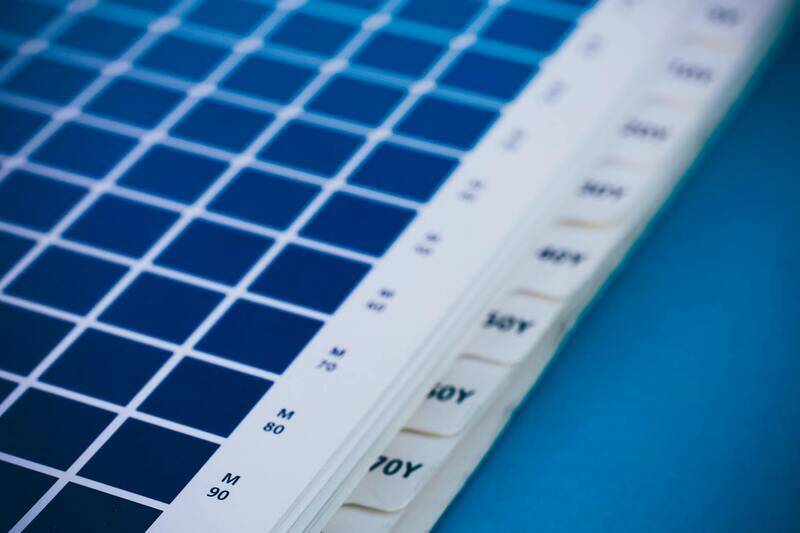
Using verified methods includes comprehensive colour management processes, which involve calibration of printing devices and the use of colour profiles designed for specific substrates. This coordination helps maintain fidelity across different print runs and media types, ensuring that the colours seen on the screen are reliably reproduced on the final product. Such precision is essential for branding consistency, where even minor deviations can impact brand perception and customer trust.
Vigilant Material Selection and Printing Procedures
- Certified Inks and Materials: Genuine colour printing services utilize only approved inks, toners, and substrates that have undergone rigorous testing for colour fastness, environmental safety, and compatibility with printing equipment. This guarantees that the colours will remain vibrant and intact over time, particularly for outdoor or high-traffic applications.
- Rigorous Maintenance of Equipment: Regular calibration, cleaning, and servicing of printing machinery are crucial practices that uphold print integrity. Trusted providers follow strict maintenance schedules, minimizing colour discrepancies and ensuring each job meets the highest standards.
- Compliance with Industry Standards: Adherence to recognised standards such as ISO 12647 or G7 ensures colour consistency and quality control. These standards guide colour profile management and print validation processes, fostering uniformity across extensive projects.
- Quality Assurance Protocols: Reputable services incorporate multiple stages of inspection—from proofing to final check—to detect and correct inaccuracies. Digital proofs offer clients a true preview of the output, enabling approvals before mass production, thereby preventing costly errors.
Strategic Use of Certification and Documentation
Official documentation such as colour certification charts, testing reports, and compliance certificates reinforce the trustworthiness of a printing provider. Clients can verify that printed materials have been produced following globally recognized standards, ensuring reliability for official branding, marketing, and promotional materials.
Embedding Authenticity in Your Visual Identity
Ultimately, genuine colour printing services infuse your brand identity with authenticity. Relying on proven methods and certified processes ensures that your colours are accurately represented and consistently reproduced, regardless of the project scale or medium. This commitment to quality sustains brand integrity and elevates your visual communications to a professional level that clients and consumers can trust.
