
Overview of Online Booklet Printing
Booklet printing online has become an essential service for individuals and organizations seeking efficient, customizable, and high-quality printed materials. This method leverages digital platforms to provide a streamlined process from design to delivery, making it easier than ever to produce booklets for various purposes such as marketing, educational resources, event programs, or corporate reports. The primary advantage of online booklet printing resides in its convenience, allowing clients to access professional printing services without the need for physical visits to print shops or negotiating complex arrangements locally.
One of the most significant benefits of opting for booklet printing online is the rapid turnaround time. Advanced digital printing technologies enable quick production, ensuring that even last-minute projects can be handled efficiently. This speed is coupled with a wide array of options for customization, allowing users to select paper types, binding styles, cover finishes, and sizes tailored specifically to their needs. Such versatility ensures that each booklet produced precisely aligns with the intended purpose and branding requirements.

Furthermore, online booklet printing offers cost-effective solutions for both small-scale and large-volume projects. Bulk printing options mean that costs decrease per unit, making it feasible for startups, educational institutions, and established enterprises to produce professionally finished booklets without exceeding their budgets. The digitalization of the printing process also reduces the need for extensive warehousing or inventory, since printed booklets can be ordered as needed, minimizing waste and storage costs.
Many online printing platforms provide tools for clients to design their booklets directly on the website or upload their pre-designed files securely. This flexibility simplifies the production process by allowing users to maintain control over the creative aspects while entrusting the technical execution to experts. Furthermore, the integration of real-time previews and file verification ensures that each booklet meets quality standards before printing, helping to avoid mistakes and costly reprints.
Securing a reliable online booklet printing service also involves considering the technological standards and the reputation of the provider. Established platforms utilize ISO-certified equipment and follow strict quality control procedures to ensure consistency, sharp image output, and durable binding. Clients can rely on such services for producing professional-looking booklets that reflect their brand or message compellingly.

In summary, online booklet printing is a sophisticated, efficient, and flexible approach suited to a diverse range of printing requirements. It combines technological innovation with customer-centric services, enabling quick, affordable, and high-quality production of booklets that are essential for effective communication, marketing, or informational purposes. As the demand for personalized printed materials continues to rise, this digital method of printing stands out as a reliable and valuable option for any project.
Understanding Fully Customizable Options in Online Booklet Printing
When exploring the range of options available through online booklet printing platforms like happyprintshop.com, clients are often presented with a variety of customization features that enable tailored creations suited to specific needs. The capacity to personalize every aspect of a booklet—from size and layout to cover finish—ensures that the final product aligns seamlessly with branding or personal preferences.
Personalization of Size and Format
One of the primary customizable elements involves the selection of booklet dimensions. Online platforms typically offer standard sizes such as A4 or A5, along with bespoke dimensions to suit unique project requirements. Variations in format also extend to square or portrait orientations, allowing for innovative presentation styles.
Cover Materials and Finishes
Designers can choose from a palette of cover materials—ranging from matte to gloss lamination, soft touch finishes, or even textured textures like linen or metallic foils. These options contribute significantly to the tactile experience and professional appeal of the booklet, enhancing durability while complementing the aesthetic intent.
Binding and Paper Selection
Binding methods are integral to the durability and look of the final product. Common choices like saddle stitch, perfect binding, or spiral binding are available, each offering different advantages based on the number of pages and intended use. Alongside binding, the choice of paper is crucial—ranging from recycled papers to coated magazines for vibrant image reproduction, or heavyweight covers for added robustness.
Color and Finish Options
Full-color printing capabilities on both interior and cover pages empower users to vividly convey their message or imagery. Additionally, finishing touches like embossing, spot UV coating, or foil stamping can add a layer of sophistication and uniqueness, crucial for promotional or corporate materials.
Adding Inserts and Special Elements
Some platforms enable the inclusion of embedded accessories such as business cards, flyers, or coupons within the booklet, thereby increasing functionality. Special elements like Die-cut windows or embossed text can also be incorporated for a more engaging presentation.
Technological Features Ensuring Quality
Advanced online platforms leverage high-resolution digital printing, ensuring that color accuracy and sharpness are preserved across different formats and finishes. Prepress tools like digital proofing or 3D previews help clients visualize the final product, reducing the risk of errors. Moreover, stringent file verification processes help ensure that colour profiles and bleed areas are correctly set, preserving visual integrity.
Accessibility and Ease of Customization
Most online multimodal platforms provide user-friendly interfaces, where clients can effortlessly select options, upload files, and preview their booklet before placing an order. Custom templates and design guides further simplify creating professional-looking booklets, even for those with limited graphic design experience.
By offering an extensive suite of personalized features, online booklet printing services such as happyprintshop.com empower users to produce highly tailored materials that meet precise specifications, delivering a polished, professional product every time.
Overview of Online Booklet Printing
In today’s fast-paced digital economy, businesses, institutions, and individuals seek efficient ways to produce high-quality printed materials, and online booklet printing has emerged as a preferred solution. The process offers a seamless, accessible, and customizable experience that caters to various project requirements. Customers can design, preview, and order their booklets directly through dedicated online platforms, eliminating the need for physical visits to print shops. This convenience ensures that even complex projects—such as marketing collateral, event programs, or educational materials—are completed with precision and speed. The digital nature of online booklet printing means that users have access to a broad spectrum of design tools, paper options, and finishing techniques. Enhanced features, such as instant price estimating, detailed previews, and automated file checks, provide clients with confidence in the final product’s quality before placing an order. These platforms also accommodate small runs and bulk orders, making them suitable for startups, small businesses, or large corporations aiming for consistency across multiple projects.

Types of Booklets Available for Online Printing
Online printing services offer a diverse range of booklet types, each tailored to specific needs and presentation styles. Selecting the right type depends on factors such as intended use, desired durability, and aesthetic preferences.
- Saddle Stitch Booklets: The most common and cost-effective option, saddle stitching involves folding sheets together and securing them along the spine with staples. Ideal for brochures, small catalogs, and programs, saddle stitch booklets handle up to 100 pages comfortably and deliver a clean, professional appearance.
- Perfect Bound Booklets: For a more polished and book-like finish, perfect binding glues the pages along the spine and attaches a sturdy cover. This style is preferred for longer documents such as reports, manuals, or coffee table books, offering a seamless look with added durability.
- Wire-O and Spiral Binding: These options facilitate easy page turning and lay-flat design, making them suitable for notebooks, manuals, or presentation materials. The binding can be customized with various colors and finishes to match branding requirements.
- Square or Hardcover Bindings: For premium projects, such as portfolios or coffee table books, options like hardcover (case-bound) or square binding provide a premium feel and long-lasting quality, with the possibility of incorporating materials like embossed covers or foil stamping.
Additionally, some online platforms support unique features like embedded inserts, custom die-cuts, or embossed elements to elevate the visual impact and engagement level of your booklet. The availability of diverse paper choices—from recycled stocks to high-gloss finishes—ensures that each project can be tailored for specific visual and tactile effects.
Custom Finishing and Materials
The choice of paper and binding isn’t limited to standard options. Many online printing services allow clients to select specialized finishes such as matte, gloss, silk, or soft-touch coatings, enhancing durability and aesthetic appeal. Eco-conscious users can opt for recycled or FSC-certified papers, aligning their print projects with sustainable practices.
Design flexibility extends beyond binding, with options for UV coating, lamination, or foil stamping that can add texture and visual interest. These enhancements are particularly valuable for brands seeking to make a memorable impression with their printed materials.
Comparison of Printing Methods for Booklets
When selecting a method for printable booklets through online services, it is essential to understand the differences between various printing techniques to ensure optimal results for your project. Each printing process offers distinct advantages and is suited for specific types of projects based on volume, quality, and budget considerations.
Digital Printing
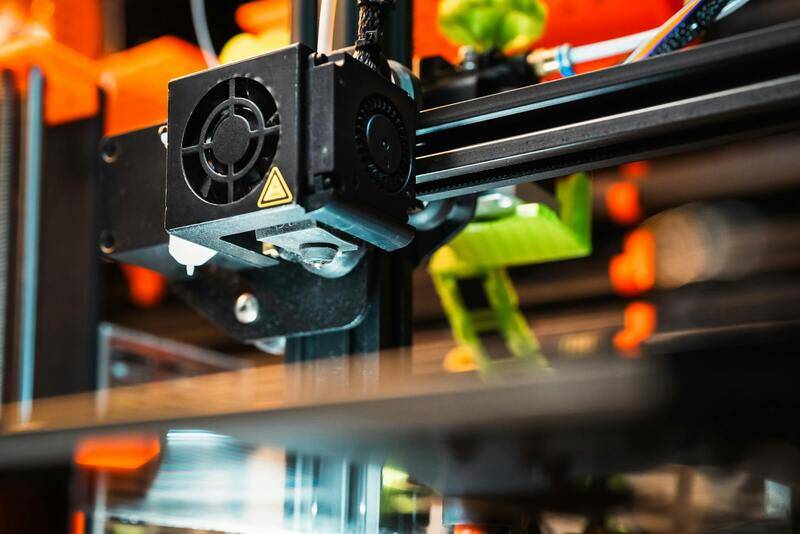
Digital printing has become a popular choice for booklet printing online due to its speed and flexibility. It operates without the need for printing plates, making it ideal for short to medium print runs. This method enables quick turnaround times, often allowing for same-day or next-day printing, which is highly beneficial for urgent projects. Moreover, digital printing supports variable data printing, allowing customization of each booklet with different content, names, or images, making it especially suitable for personalized marketing materials or limited editions.
Offset Printing
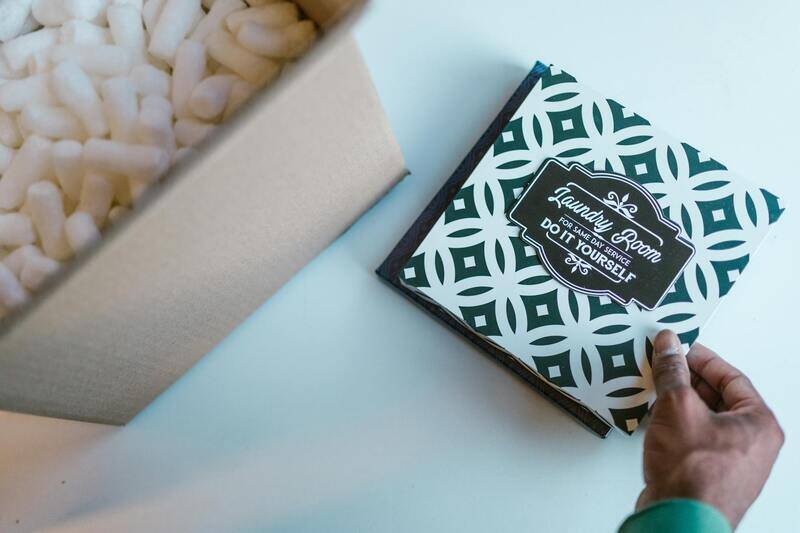
Offset printing is renowned for delivering high-quality prints with consistent color accuracy and sharp detail. It involves transferring ink from plates onto a rubber sheet, which then presses onto the printing surface. This method is most effective for large print volumes, where the initial setup costs are justified by the lower per-unit cost. Offset printing produces vibrant, durable images perfect for professional presentations, catalogs, or promotional booklets intended for widespread distribution. The process also supports a broader range of paper types and finishes, such as matte, gloss, or soft-touch coatings over the entire booklet.
Choosing the Appropriate Method
The decision between digital and offset printing hinges on factors like print volume, timeline, and quality requirements. For small to medium quantities with quick turnarounds, digital printing provides convenience and flexibility. Conversely, if you require a large number of high-quality booklets and can accommodate longer production times, offset printing may offer superior durability and visual impact. Consulting with an online printing service provider can assist in aligning your project's specifications with the most suitable printing method.
Additional Considerations for Inclined Selection
- Color Consistency: Offset printing typically guarantees more uniform color fidelity across large batches, which is vital for branding.
- Paper Compatibility: Some papers or finishes may only be compatible with specific printing methods, influencing the final appearance and feel of your booklet.
- Environmental Impact: Certain printing techniques utilize eco-friendly inks and processes, supporting sustainability goals.
Visuals of Printing Processes
Understanding these distinctions allows for informed decisions tailored to your project’s needs. Whether prioritizing speed, quality, or cost-effectiveness, selecting the appropriate printing method ensures your booklets achieve the desired professional appearance and impact when printed online through trusted providers such as happyprintshop.com.
Comprehensive Guide to Online Booklet Printing Methods
Obtaining Accurate and High-Quality Booklets through Digital and Offset Printing
When considering how to produce professional booklets via online platforms such as happyprintshop.com, it is essential to understand the detailed processes and quality standards involved. Digital booklet printing offers immediate production capabilities with consistent quality, making it highly suitable for short-run projects. It employs advanced inkjet or laser technology to reproduce vibrant images and precise text, ensuring each copy meets your predetermined standards. For projects demanding large quantities or uniform color reproduction across batches, offset printing presents an excellent alternative. This method uses plates and ink transfers, resulting in exceptional color fidelity and superior finishes preferred for branding and marketing materials.
Understanding the Distinct Characteristics of Printing Methods
- Digital Printing: Ideal for quick turnaround and small volumes, digital printing allows for complex customization, variable data printing, and minimal setup costs. This method can print intricate designs directly from digital files, maintaining sharpness and clarity.
- Offset Printing: Best suited for large orders requiring high-quality imagery with consistent color accuracy. Offset presses produce durable, professional finishes with deep saturation and fine detail, although they involve a longer setup process.
Technical Differentiators and Visual Quality
The choice between these techniques influences the overall look and feel of your booklet. Digital printing excels in reproducing detailed images and vibrant colors rapidly, while offset printing offers superior consistency for larger runs. The finished product's texture and gloss level can vary based on the chosen printing method and paper selection, which impacts the perceived quality and durability.
Selecting the Appropriate Printing Method for Your Project
Choosing the optimal printing technique hinges on evaluating your project's scope, budget, and desired quality. Short-run projects with custom designs benefit from digital options, while large-scale distributions favor offset printing for consistent color and enhanced durability. Consulting with experienced online printing providers can help clarify which method aligns with your objectives, ensuring your booklet not only meets expectations but also provides long-lasting value.
Comprehensive Guidance for Ordering Booklet Printing Online
Booking a professional booklet printing service through online platforms offers a seamless, cost-effective approach to produce high-quality publications tailored to your needs. With the increasing sophistication of digital printing technologies, selecting the appropriate method, materials, and finishing options ensures your booklet stands out, communicates your message effectively, and leaves a lasting impression.
Understanding the Critical Aspects of Online Booklet Printing
When opting for online booklet printing, it is essential to consider various elements that influence the final product. These include the choice of printing technology, paper quality, binding options, and finishing details. Each decision impacts not only the aesthetic appeal but also the durability and functionality of the booklet.
Selecting the Right Printing Technology
Two primary digital printing methods are prevalent in online booklet services:
- Digital Printing: Ideal for short runs and customized designs, digital printing offers rapid turnaround times and vibrant color reproduction. It excels in reproducing complex graphics, images, and variable data, making it suitable for promotional booklets, event programs, and personalized publications.
- Offset Printing: Suitable for larger quantities, offset printing delivers consistent color accuracy and a polished finish. It involves a more extensive setup process but results in a durable, high-quality product with a professional feel, ideal for catalogs, corporate reports, and multi-copy distributions.
Choosing Appropriate Paper and Finishing Options
The choice of paper stock and finishing styles significantly affects the tactile quality and visual appeal of your booklet. Common options include:
- Paper Types: Glossy papers enhance vibrant images and a shiny finish, perfect for promotional and photo-heavy booklets. Matte papers provide a sophisticated, non-reflective surface suited for text-heavy materials and elegant presentations. Recycled papers are also available for environmentally conscious projects, combining quality with sustainability.
- Binding Techniques: Saddle stitching remains the most popular method for booklets with fewer pages, offering a clean and affordable finish. Perfect binding provides a more durable, hardcover-like feel suitable for thicker publications, while wire-o binding offers lay-flat capabilities, ideal for manuals and catalogs requiring ease of use.
- Additional Finishes: Coatings such as UV gloss or matte lamination protect your cover and enhance durability, while spot UV adds visual accents and emphasis to specific design elements.
Optimizing Design for Online Printing
Effective design preparation involves adhering to specific guidelines to ensure your artwork translates accurately onto print. This includes using high-resolution images (at least 300 dpi), maintaining proper color profiles (CMYK), and ensuring bleed areas extend beyond trim lines to avoid unwanted white borders. Templates provided by online printers assist in aligning margins and fold lines, ensuring a professional appearance upon completion.

Streamlined Ordering Process for Booklet Printing Online
Ordering your booklet online involves a straightforward sequence designed for efficiency:
- Product Selection: Define the quantity, size, binding, and paper type required for your project.
- Design Upload: Sign into your account on the printing platform and upload your prepared files. Ensure they are checked following the platform's preflight guidelines to prevent issues during printing.
- Review & Customize: Preview your design through digital proofs, choose finishing options such as coatings or special folds, and confirm all specifications align with your expectations.
- Final Checkout and Payment: Complete your order securely online, selecting your preferred delivery method and timeline.
Once your order is submitted, reputable online printing services often provide order tracking and customer support to ensure seamless communication and prompt delivery.
How to Properly Handle Booklet Printing Orders Online
When ordering booklets online, meticulous attention to detail and adherence to best practices are essential for achieving high-quality results. Selecting the right printing service is the first step; it is crucial to choose a reputable platform that emphasizes quality standards, sustainable practices, and customer support. Happyprintshop.com, for instance, offers a comprehensive range of options tailored to professional needs, ensuring your project aligns with industry benchmarks.

Before uploading your design files, verify that they conform to the specific requirements provided by your chosen online printer. This includes ensuring images are set at a resolution of 300 dpi or higher, formatted in CMYK color space, and that all content respects the designated bleed margins. Proper preparation minimizes the risk of errors during printing, reduces rework, and guarantees the final product reflects your intended design.
Design File Preparation for Optimal Print Results
- Use high-resolution images and graphics to prevent pixelation.
- Maintain consistent color profiles in CMYK to ensure color fidelity.
- Include bleed areas (typically 3mm) beyond the trim line to prevent unwanted white borders.
- Adopt templates provided by the online platform to align margins, fold lines, and safe zones accurately.
- Check font embedding and ensure all text is outlines or embedded to prevent font substitution issues.
Choosing the Right Paper Quality and Binding Styles
The tactile quality of your booklet hinges on your selection of paper stock and binding style. For professional presentations, coated cardstock offers durability and a premium look, while recycled paper options support eco-friendly initiatives. Binding methods like saddle stitching or perfect binding can affect the booklet’s flexibility and longevity. Your choice should reflect the purpose of the booklet—be it a marketing brochure, report, or event program—and your budget constraints.
Ensuring Compatibility with Online Ordering Platforms
Most online printers simplify the ordering process by providing intuitive interfaces that guide you through each step. Typically, you select your specifications, upload files through secure portals, preview digital proofs, and customize finishing options such as matte or gloss coatings, lamination, or special folds. Double-check all selections before final submission to avoid discrepancies. Once processed, reputable sites offer order tracking, customer support, and options for expedited delivery, ensuring your project stays on schedule.
Managing Costs and Delivery Expectations Effectively
Transparent pricing structures are vital when budgeting for booklet printing. Factors influencing costs include the number of copies, paper choice, binding type, and turnaround time. By leveraging online calculators or requesting customized quotes, you gain clarity on expenses upfront. Turnaround times can vary from same-day to several business days, depending on quantity and complexity. Planning your print schedule with buffer time ensures delivery aligns with your project deadlines.
Investing in quality adherence and meticulous order management transforms online booklet printing into a streamlined and rewarding process, delivering polished results directly to your doorstep with minimal hassle.
Comprehensive Insights into Online Booklet Printing Methods
Engaging in booklet printing via online platforms offers a versatile and efficient approach to producing professional-grade materials. This method ensures a seamless integration of design, paper selection, and binding options, all managed through user-friendly interfaces that guide clients from customization to delivery. By utilizing reputable online services, organizations and individuals can access a wide array of options tailored to their project's scope and purpose, including marketing collateral, educational materials, or event programs.
Varieties of Booklets for Online Customization
Online printing services feature a rich selection of booklet types designed to meet various needs. Saddle-stitched booklets are popular for their affordability and ease of assembly, suitable for short to medium-length publications. Perfect-bound options cater to thicker, more polished presentations such as catalogs or annual reports. Square binding and sewn options provide additional strength and aesthetic appeal for high-end projects. Users can also choose specialized formats like art books, flip pages, or custom folds, depending on their creative requirements.
Key Features of Available Booklet Types
- Saddle Stitch: Ideal for brochures and thin catalogs, with staples along the spine.
- Perfect Binding: Suitable for thicker publications, providing a professional, hardcover-like finish.
- Square Binding: Offers a modern look with a square spine, perfect for art portfolios and photo books.
- Sewn & Loop Bindings: Provide durability for manuals and interactive projects.
Design Optimization for Online Printing
Preparing an effective booklet design involves adhering to specific guidelines that facilitate high-quality reproduction. Ensuring proper resolution (minimum 300 dpi), embedding fonts, and selecting color modes compatible with printing (CMYK) are fundamental steps. Digital proofing options allow users to preview layouts, fonts, and color accuracy before final submission. Incorporating bleed areas, safe margins, and proper pagination enhances the overall aesthetics and functionality of the printed material. Communicating with the print provider regarding any special finishing touches, such as matte or gloss coatings, lamination, or unique folds, guarantees the final product aligns with the envisioned design.
Paper and Binding Selections for a Custom Finish
Choosing the right paper type and weight significantly influences the tactile quality and durability of your booklet. Options range from matte and gloss coating papers to recycled or eco-friendly materials, each suited for different visual effects and environmental considerations. Binding choices impact the presentation's longevity and aesthetic appeal, with options such as saddle stitch, perfect binding, or spiral binding available for customization. The thickness of paper (measured in gsm) should correspond with the intended use—thinner papers for brochures, thicker stock for art catalogues—ensuring a balanced combination of cost-efficiency and premium feel.
How to Place an Online Booklet Order
- Specify Your Requirements: Select your preferred booklet size, type, binding, and paper quality on the platform’s interface.
- Upload Your Design Files: Use the secure upload portal to submit print-ready files, ensuring they meet specified guidelines.
- Review Digital Proofs: Preview virtual proofs to confirm layout, color accuracy, and finishing options before approval.
- Finalize Your Order: Confirm details, choose shipping options, and complete your purchase through the platform’s checkout system.
- Track Delivery: Utilize order tracking services to monitor progress and receive updates until your booklet arrives.
Pricing Structures and Production Timelines
Understanding the pricing breakdown is vital for effective budgeting. Cost factors include the number of copies, paper quality, binding method, and complexity of finishing options. Many online platforms offer instant quotes through online calculators or customized estimates based on project specifics. Turnaround times vary from same-day or next-day production for small batches to longer periods for larger or complex orders. Planning ahead and adding buffer time minimizes delays, ensuring your projects meet their intended deadlines without compromising quality.
Eco-Conscious and Sustainable Printing Choices
Opting for environmentally friendly booklet printing involves selecting providers that prioritize sustainable practices. Recycled paper options, vegetable-based inks, and energy-efficient printing technologies reduce environmental impact. Certifications such as FSC and PEFC affirm the commitment to responsible forest management and eco-friendly sourcing. These choices are particularly relevant for organizations aiming to minimize their ecological footprint, support sustainability initiatives, and demonstrate environmental responsibility to their audience.
