
Introduction to Custom Booklet Printing
Custom booklet printing serves as a versatile and impactful tool for a wide array of industries, including corporate sectors, educational institutions, non-profit organizations, and marketing agencies. By enabling the creation of tailored printed materials, businesses can effectively communicate their messages, showcase their products and services, and strengthen brand identity. The appeal of custom booklets lies in their ability to present detailed information in an organized and engaging manner, making them ideal for brochures, catalogs, manuals, event programs, and training materials.
Utilizing premium printing techniques and high-quality materials, custom booklets offer durability and a professional appearance that enhances credibility and trustworthiness. They function as a tangible touchpoint, fostering deeper engagement with target audiences and providing long-lasting value. Whether used for internal training or external marketing campaigns, well-designed custom booklets can differentiate a brand in competitive markets and serve as memorable tools for outreach and promotion.

Moreover, custom booklet printing supports specialized branding strategies through various customization options, including choices in size, binding, paper stock, and finishes. This flexibility ensures that each booklet aligns perfectly with the intended purpose and visual identity of the organization. Regularly, enterprises leverage these printed materials at trade shows, corporate events, educational seminars, and client meetings to deliver cohesive messages that resonate with audiences.
In addition to their aesthetic appeal, custom booklets can be produced in varying quantities, accommodating both small batch projects and large-scale distribution efforts. This scalability allows organizations to maintain consistency across their printed campaigns while optimizing costs. Ultimately, investing in professionally produced custom booklets translates to a strategic advantage—enhancing communication efficacy, reinforcing branding, and creating a curated experience that captivates and informs.
Introduction to Custom Booklet Printing
Custom booklet printing serves as a vital element for organizations seeking to communicate their message with clarity and professionalism. By utilizing tailored printing solutions, businesses and institutions can craft durable, visually appealing materials that effectively convey their core messages. From marketing campaigns and product catalogs to training manuals and event programs, customized booklets offer versatility and impactful presentation.

Implementing professional printing methods ensures that each detail — from layout and design to paper choice and finishing touches — aligns with the organization’s branding and content goals. This meticulous approach strengthens brand identity, fosters audience engagement, and leaves a lasting impression. Whether for internal use or external outreach, custom booklets are crafted to meet specific requirements, providing a scalable solution that ranges from small batch runs to large production volumes.
Factors Influencing the Power of Custom Booklet Printing
To maximize the impact of custom booklets, careful consideration must be given to various elements that influence quality and effectiveness. These include choosing the appropriate binding style, selecting suitable paper stocks, and incorporating finishes that enhance durability and visual appeal. Every detail contributes to creating a polished, cohesive product that resonates with its target audience and elevates the message being delivered.
Binding Styles and Formats
- Saddle Stitching: Ideal for booklets with fewer pages, offering a slim profile and straightforward assembly.
- Perfect Binding: Suitable for larger, professional-looking booklets with a clean spine, resembling paperback books.
- Wire-O Binding: Provides durability and allows the booklet to lay flat when open, ideal for manuals and catalogs.
Standard formats include A4, A5, and custom sizes designed to match specific usage scenarios or aesthetic preferences. Opting for the right binding and format balances functionality with visual appeal, ensuring the final product meets its intended purpose effectively.
Paper Materials and Finishes
The choice of paper significantly influences the tactile experience and overall presentation of the booklet. Options range from glossy, semi-gloss, to matte finishes, each offering different visual effects and durability levels.
- Glossy Paper: Enhances vibrant colors and images, making it suitable for catalogs and promotional materials.
- Matte Paper: Provides a sophisticated, non-reflective surface, ideal for manuals and text-heavy booklets.
- Uncoated Paper: Offers a natural feel, often preferred for art books or environmentally conscious projects.
Finishes such as UV coating, lamination, or soft-touch coatings can further enhance durability, add tactile appeal, and protect against wear and tear, making them suitable for materials expected to endure frequent handling or outdoor use.

Ultimately, the selection of materials and finishes should align with the booklet’s purpose, target audience, and branding strategy. High-quality printing ensures vibrant imagery, crisp text, and a professional appearance that captures attention and builds credibility.
Design and Content Strategy
Effective custom booklet printing begins with comprehensive planning of design and content. Clear layout, compelling visuals, and concise messaging are essential elements that enhance readability and engagement. Collaborating with design professionals can optimize artwork, ensure consistent branding, and incorporate elements like watermarks, embossed features, or die-cut finishes to add uniqueness.
Content should be tailored to resonate with the target audience, providing value through informative, well-structured sections that guide the reader seamlessly through the material. Use of infographics, high-resolution images, and impactful headlines can significantly boost the overall effectiveness of the booklet.
Conclusion
Investing in diverse printing techniques and materials for custom booklets elevates communication efforts by delivering visually compelling, durable, and brand-coherent materials. Ensuring precision in design, material selection, and finishing touches results in a finished product that not only meets functional requirements but also leaves a memorable impression on its audience.
Exploring Official and Approved Customization Techniques
When engaging in custom booklet printing, adherence to official and approved methods ensures the production of high-quality, durable, and visually appealing materials. These techniques involve using industry-standard printing processes, recognized substrates, and certified finishing methods that guarantee the integrity and presentation of the final product. Such practices are crucial for maintaining consistency, meeting industry benchmarks, and fulfilling client expectations.
Utilizing Certified Materials and Equipment
Fundamental to legitimate custom booklet printing is the use of certified paper stocks and finishing materials. This includes selecting paper with recognized grades and certifications, such as FSC or SFI, which ensures sustainability and quality. Additionally, employing equipment that complies with industry standards—like color calibration tools, proofing systems, and high-resolution digital or offset presses—guarantees accurate color reproduction, sharp images, and crisp text.
Advanced printing methods incorporate approved color management systems like Pantone matching, ensuring that brand colors are faithfully reproduced across all print runs. The use of precise registration techniques aligns multiple color layers, resulting in flawless visuals. Finishing options such as lamination, embossing, or die-cutting are performed with certified tools, preserving the quality and safety standards necessary for professional outputs.
Following Established Quality Standards
Operational adherence to established quality standards involves comprehensive pre-press checks, controlled printing environments, and rigorous quality control throughout the process. This ensures each booklet meets specified dimensions, color accuracy, and durability requirements. Many professional printers pursue compliance with industry standards like ISO 9001, which emphasizes quality management systems, or ISO 14001, focusing on environmental responsibility.
Furthermore, regular calibration of printing equipment minimizes color shifts and print defects. Employing approved ink formulations reduces issues related to smudging, color bleeding, or fading, thus prolonging the lifespan of the printed material. Final inspection stages include assessing binding integrity, ink adhesion, and overall aesthetics to deliver a product that aligns with client specifications and branding standards.
Implementing Legitimate Finishing Processes
Finishings such as UV coating, lamination, and embossing are executed using certified and tested procedures to enhance durability and visual interest. For example, UV coatings are applied with calibrated equipment to create a high-gloss or matte finish that resists scratches and fingerprints. Embossing and debossing are performed with precision dies, ensuring clean and consistent impressions. Die-cut finishes are created using officially approved tools to achieve complex shapes without compromising the structural integrity of the booklet.
All finishing activities are carried out in environments that adhere to safety and quality protocols, ensuring the final product is both aesthetically superior and structurally sound. Such meticulous attention to approved methods guarantees that each booklet produced is not only visually compelling but also capable of withstanding handling and long-term use.
Ensuring Transparency and Accountability in the Process
Legitimate custom booklet printing providers maintain transparency by providing detailed information on their adherence to official production methods. This includes offering sample proofs demonstrating the inking, color accuracy, and finishing quality, as well as documentation of the materials used. Clear communication about timelines, costs, and the standards followed reassures clients of the product’s reliability.
Moreover, certified printers often participate in industry audits and accreditation programs, which verify their commitment to legitimate and quality-centric practices. These protocols serve as a safeguard, ensuring that every printed booklet aligns with recognized standards and fulfills the expected quality benchmarks.
Understanding Official Methods for Custom Booklet Printing
When selecting a provider for custom booklet printing, confirming the adherence to established, recognized production standards is essential. This involves verifying that all printing processes utilize officially sanctioned equipment, inks, and materials that meet quality benchmarks. Certified printers employ industry-approved technologies such as digital, offset, or hybrid printing machines that guarantee consistent color reproduction, sharp image quality, and durable finishes. These technologies are operated within environments that follow strict environmental and safety regulations to ensure both safety and quality in every output.
In practice, official methods translate into meticulous processes like the use of ISO-certified inks, which are tested for color stability and environmental compliance. The printing presses are maintained regularly and calibrated to ensure alignment with precise color standards. Such measures eliminate discrepancies in color matching or image clarity, resulting in a finished booklet that perfectly aligns with its digital design. This standardization also extends to binding techniques, finishing touches, and packaging, all governed by trusted industry protocols.
Verification Through Proofs and Documentation
Providers dedicated to quality assurance supply clients with comprehensive proofs prior to full production. These proofs demonstrate the actual output quality, including color accuracy, binding integrity, and finishing details. They serve as an official reference point, allowing clients to approve or request adjustments before commitment to mass production. Additionally, reputable printers maintain detailed documentation, including material certificates, process descriptions, and compliance records, accessible upon request. Such documentation provides transparency, affirming that the final product has been produced following approved, legitimate procedures.

Industry Certifications and Quality Checks
Manufacturers with recognized industry accreditations participate in ongoing audits, which serve to verify their adherence to high operational standards. These certifications often encompass excellence in environmental management, safety protocols, and consistent quality control. Regular inspections and quality checks are integral parts of the production cycle, confirming that each booklet fulfills predefined specifications. The combination of certified processes, documented compliance, and ongoing quality management establishes a robust framework for producing premium, reliable custom booklets through official methods.
This commitment to approved procedures ensures durability, consistency, and aesthetic appeal, making the final product suitable for a range of professional and promotional purposes.

Summary of Best Practices
- Utilize only industry-certified printing machines and inks that meet stringent standards.
- Adopt environmentally responsible and safety-approved production environments.
- Provide detailed proofs and documentation before final approval and printing.
- Participate in industry accreditation programs and regularly undergo quality audits.
- Maintain transparent communication regarding processes, materials, and timelines.
Implementing these methods ensures each custom booklet produced is of superior quality, consistent, and durable—reflective of legitimate and recognized production standards. Clients benefit from receiving a product that not only meets their expectations but also upholds industry quality benchmarks, providing peace of mind with every print order.
Adherence to Authorized Printing Methods and Certification Standards
To ensure the integrity and quality of your custom booklet, it is essential to employ official and verified printing processes. These established methods include the utilization of industry-standard offset and digital printing technologies, which are recognized for their precision, color accuracy, and consistent output. Certified printing equipment and approved inks are integral components of legitimate booklet production, guaranteeing that each item meets strict quality benchmarks.
Maintaining a controlled production environment with adherence to recognized safety and environmental protocols is vital. This includes the deployment of environmentally responsible materials and the implementation of rigorous safety procedures, which collectively contribute to sustainable and compliant printing practices. Through these practices, printers can guarantee that their operations align with industry standards, fostering trust and reliability for clients seeking custom booklet printing services.

Certification and Quality Assurance in Official Printing
Quality assurance programs and industry certifications serve as pillars of legitimacy within the booklet printing process. These standards involve regular audits, calibration of printing machinery, and ongoing staff training to uphold best practices. When working with a provider that pursues accreditation and certification, clients can be assured that their custom booklets are produced following approved procedures that meet strict technical and aesthetic standards.
Additionally, documented processes such as detailed proofs, sample approvals, and traceable quality reports reinforce the integrity of each order. These official methods ensure that the final product aligns precisely with client specifications and professional standards, providing a dependable outcome for marketing, educational, or corporate purposes.

Implementation of Transparent Workflow and Documentation
Transparency throughout the production lifecycle is a cornerstone of legitimate custom booklet printing. From initial consultation and design review to proof approval and final delivery, clear communication and detailed documentation are maintained. Clients receive comprehensive guides and proofs, enabling them to verify design accuracy, color fidelity, and material choices before proceeding to print.
This approach not only minimizes errors but also establishes accountability and confidence in the process. Every step, including material sourcing, printing techniques, and finishing procedures, is documented and aligned with official standards, which upholds the quality and authenticity of the finished product.
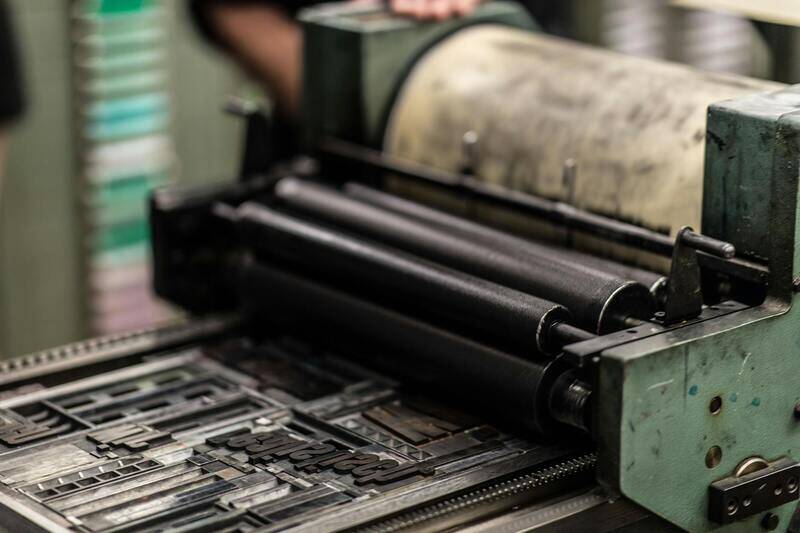
Official Methods for Custom Booklet Printing
When aiming for professional-grade results in custom booklet printing, leveraging established, proven procedures is essential. Strictly regulated printing channels employ documented workflows that guarantee meticulous adherence to quality standards, from initial concept to final delivery. These methods encompass comprehensive design review stages, which ensure that layouts, typographies, and imagery meet precise specifications before production begins.
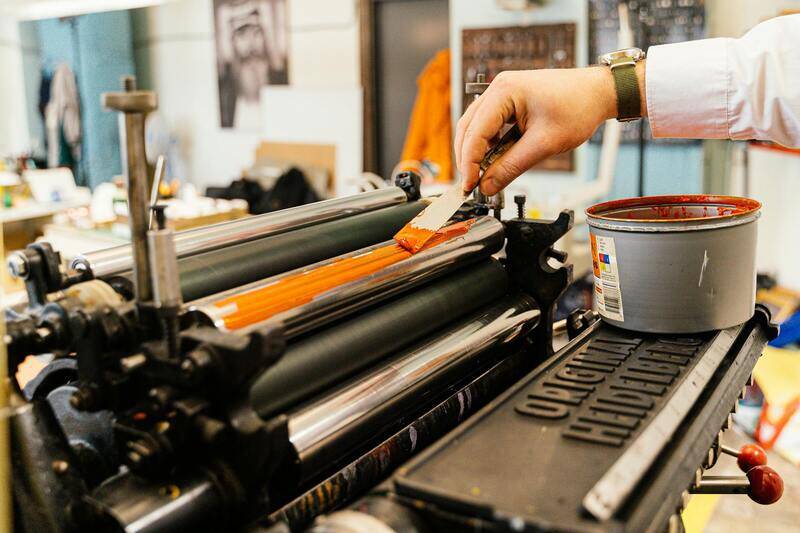
Rendering accurate proofs allows clients to verify every detail, preventing costly errors or misalignments. Once approved, production follows detailed protocols, including control checks for color consistency, material quality, and finishing details. These standardized procedures are validated through continual process audits and compliance with industry benchmarks, fostering trust and consistency.
Official custom booklet printing also mandates rigorous traceability practices. Every batch is documented, from raw material sourcing to in-process inspections, culminating in comprehensive quality reports. This transparency ensures that each booklet meets the outlined specifications and maintains a record for future reference or dispute resolution.
Maintaining such a systematic approach minimizes variances, upholds high-quality standards, and aligns with the authoritative practices that safeguard the product’s integrity throughout the printing cycle. The entire process is structured to not only meet aesthetic and functional expectations but also to instill confidence in the deliverables delivered to marketing, education, or corporate clients.
Implementation of these legitimate printing methodologies is supported by certifications, adherence to industry norms, and participation in quality assurance programs. These elements combined help deliver a final product that showcases professionalism, durability, and visual excellence, regardless of the complexities involved in the customization request.
Furthermore, official methods encourage sustainable practices, ensuring responsible sourcing of paper materials, environmentally friendly finishing processes, and energy-efficient printing techniques. This commitment to sustainability aligns with contemporary industry standards, promoting an eco-conscious approach without compromising on print quality.

By integrating these rigorous, verified procedures into their workflow, printing providers support the creation of premium custom booklets that stand out in design, durability, and overall presentation. Clients can be assured that each booklet is produced through legitimate, well-documented methods that uphold strict technical and aesthetic standards, fostering long-term trust and satisfaction.
Understanding Official and Reliable Methods for Custom Booklet Printing
Choosing legitimate and consistent methods for custom booklet printing enhances the quality, durability, and visual impact of your printed materials. These methods ensure that each booklet produced meets stringent standards for color accuracy, binding integrity, and material consistency, which are critical for professional presentation in marketing campaigns, corporate communications, or personal projects.
Adherence to Certified Printing Processes
Certified printing processes involve rigorous quality management systems that ensure every print run conforms to predefined specifications. This includes regular calibration of printing equipment, standardized procedures for color matching, and comprehensive quality inspections at multiple stages of production. Certification assures clients that the methods used are in line with established industry norms, promoting trust and repeat business.
Use of Authorized Printing Technologies
Legitimate printing facilities utilize authorized printing technology, such as high-resolution digital printers and traditional offset presses, to guarantee precise output. Digital printing enables quick turnaround times and cost-effective short runs, while offset presses are preferred for large volume orders requiring superior color fidelity and sharpness. Both technologies are operated under strict parameters to maximize consistency and minimize waste, adhering to widely accepted operational standards.
Material Sourcing and Sustainability Practices
Official methods emphasize responsible sourcing of paper and finishing materials, ensuring suppliers adhere to environmental standards. Recycled and sustainably harvested papers are commonly used, and eco-friendly inks are preferred to reduce environmental impact. Finishing processes such as lamination, embossing, or foil stamping are executed using approved procedures that maintain materials' integrity and ensure durability.

Implementation of Quality Assurance Protocols
Structured quality assurance protocols involve comprehensive inspection points throughout the printing process. These include checking color consistency, verifying binding quality, and inspecting physical finishes. Final approval is granted only after rigorous review, ensuring that every booklet meets the predetermined standards for appearance and performance. This systematic approach supports the delivery of premium, reliable products that reflect professionalism and attention to detail.
Documentation and Traceability
Reliable booklet printing providers maintain detailed records of their manufacturing processes, including materials used, equipment calibrations, and inspection reports. These records facilitate traceability, support ongoing quality improvements, and provide transparency for clients seeking reassurance about the methods employed. Maintaining proper documentation aligns with best practices for production integrity and accountability.

Post-Production Handling and Delivery
Official printing methods extend beyond the pressroom to include proper handling, packaging, and shipping procedures. Protective packaging is used to prevent damage during transit, and delivery is coordinated through reputable logistics providers. Tracking information and delivery confirmation further assure clients of the integrity and timely arrival of their custom booklets, demonstrating adherence to legitimate business practices.
Conclusion
Relying on official methods in custom booklet printing not only guarantees high-caliber end products but also aligns with industry standards that emphasize sustainability, transparency, and consistent quality. These processes foster confidence, build long-term relationships with clients, and support the creation of visually compelling and durable printed materials suitable for various professional applications.
Ensuring Authenticity and Compliance in Custom Booklet Printing
To guarantee that custom booklet printing meets established standards and provides optimal quality, it is essential to collaborate exclusively with reputable printing providers that utilize recognized methods and maintain transparency throughout their processes. Such providers adhere strictly to documented procedures, ensuring that every printed booklet aligns with the specifications agreed upon and meets the desired standards for durability, color fidelity, and finish quality. Engaging with certified sources ensures that the production process employs officially approved techniques that uphold the integrity of the final product.
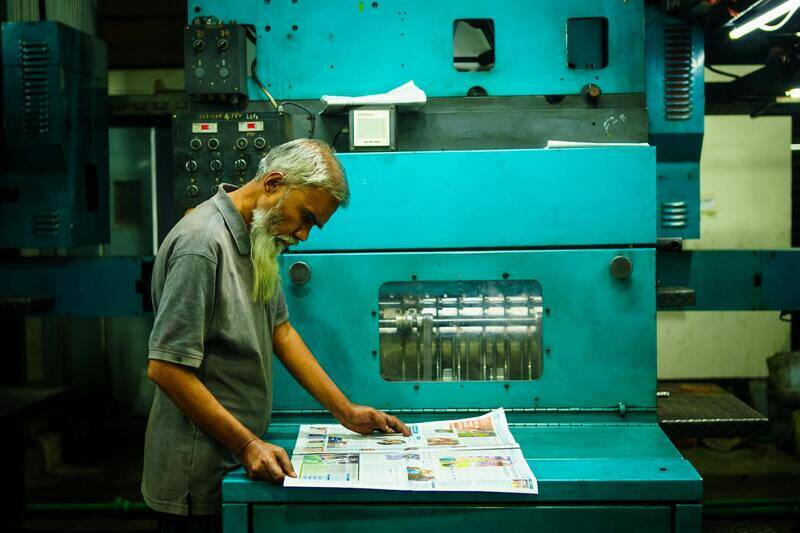
One of the key factors in choosing a legitimate provider is the use of advanced printing technology combined with rigorous quality assurance protocols. Digital and offset printing are the most common official methods for producing premium booklets, offering precise color matching, sharp image reproduction, and consistent output. These techniques are supported by industry-standard calibration processes, regular maintenance of equipment, and detailed inspection routines, all of which contribute to a reliable and predictable production outcome. This attention to detail minimizes errors and ensures that each booklet meets the high standards expected by clients.
Adherence to Material Specifications and Documented Processes
Legally compliant printing systems are characterized by thorough documentation of every step, from selecting paper grades to setting press parameters. Such documentation includes material certificates, calibration logs, and inspection reports that serve as evidence of adherence to predefined quality benchmarks. This traceability facilitates accountability, allows for process improvements, and assures clients that their custom booklets are produced using verified materials and techniques. Maintaining comprehensive records is a hallmark of legitimate printing operations committed to quality and transparency.
Implementation of Environmental and Sustainability Standards
Responsible printing companies often incorporate sustainable practices aligned with internationally recognized guidelines. This includes sourcing eco-friendly papers, using environmentally safe inks, and adhering to waste management protocols. Official printing processes also involve careful handling and recycling of materials, reducing the environmental footprint of production. These practices are documented and verified through certifications and audits, ensuring that custom booklet printing not only meets quality expectations but also supports sustainability commitments.
Secured Confidentiality and Data Integrity
In instances where proprietary design content is involved, official printers implement strict confidentiality measures. These include secure file transfer protocols, non-disclosure agreements, and restricted access to sensitive information. Such protocols safeguard clients’ intellectual property and ensure that all aspects of the project, from design to final delivery, adhere to legally established confidentiality standards. This level of professionalism reinforces trust and aligns with accepted practices in legitimate printing services.
Quality Control and Final Inspection Procedures
Before dispatching completed booklets, reputable providers conduct comprehensive quality control inspections. These checks encompass verifying color accuracy, examining binding integrity, assessing paper quality, and ensuring that specifications are precisely met. Final inspection reports detail conformity to quality standards and help identify any deviations, which are corrected before delivery. This rigorous approach guarantees that each booklet distributor receives a product that is flawless and ready for its intended professional use.
Proper Packaging and Secure Delivery Methods
The assurance of integrity extends through packaging and logistics. Secure packaging materials protect booklets against environmental damage during transit. Trusted logistics services are utilized to ensure timely and safe delivery, with tracking options available for monitoring progress. Proper handling and shipping procedures preserve the quality of the printed materials and uphold the high standards associated with official printing channels.
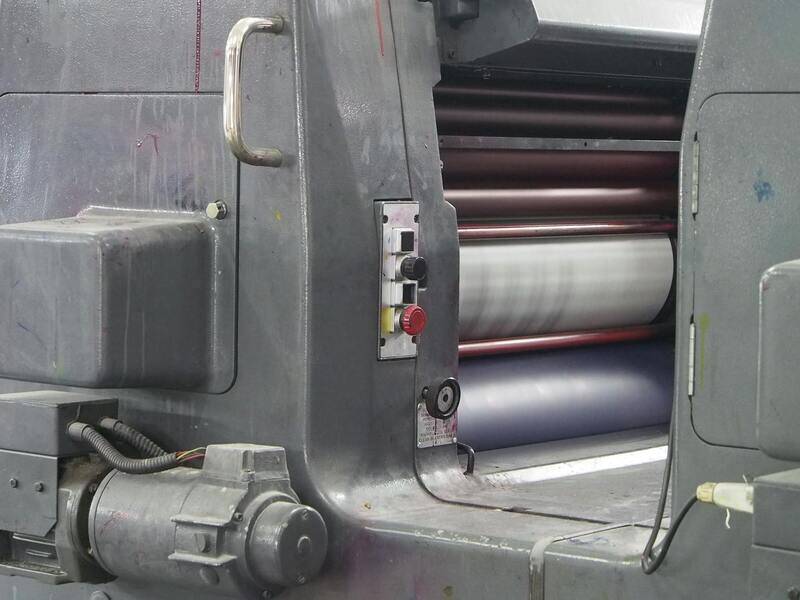
By strictly following these accepted methods and practices, the production of custom booklets remains compliant with recognized industry standards. This not only guarantees that the final product is of exceptional quality but also fosters trust and transparency between the printing service provider and the client. Such adherence to legitimate processes assures that every printed booklet serves its purpose effectively, whether for marketing, training, corporate communications, or other professional applications.
