
Overview of Brochure Printing
Brochure printing stands as a vital component in the realm of marketing and corporate communication. It serves as a tangible visual tool designed to attract, inform, and engage potential customers or clients. In a competitive marketplace such as Singapore, where branding and presentation heavily influence consumer perception, professionally printed brochures are instrumental in establishing credibility and conveying essential information about products, services, or corporate values. Crafting a persuasive brochure requires a strategic blend of content, design, and quality printing techniques, ensuring the final product effectively enhances brand visibility.

One of the fundamental advantages of brochure printing is its adaptability across various marketing platforms. Whether displayed at trade shows, included in direct mail campaigns, or presented in retail outlets, brochures serve as portable and versatile marketing tools. They can succinctly communicate complex information, showcase a company's portfolio, or highlight promotional offers. Furthermore, the tactile nature of printed brochures often leaves a lasting impression, fostering brand recall and loyalty among recipients.
In today’s digital age, printed brochures complement online marketing efforts by providing a physical touchpoint that encourages engagement. They act as credible, tangible representations of a brand's professionalism and dedication to quality. Properly executed brochure printing can significantly influence customer decision-making processes, turning interest into action.
Given the importance of first impressions, selecting the right printing methods, materials, and design elements is crucial. The process often begins with understanding target audiences and defining the core message to craft brochures that resonate. Whether opting for a simple, minimalist layout or an elaborate, visually rich design, professional brochure printing ensures that the final product aligns with branding objectives and delivers maximal impact.
Ultimately, brochure printing remains a cost-effective and efficient marketing method that offers wide-ranging benefits—from enhancing brand credibility to facilitating information dissemination. Investing in high-quality production, coupled with compelling content, makes brochures invaluable assets for businesses aiming to strengthen their presence in Singapore’s dynamic market landscape.
Materials and Paper Stocks Used in Brochure Printing
Choosing the right materials plays a pivotal role in the overall quality and durability of printed brochures. The selection of paper stock influences not only the visual appeal but also the tactile experience, which can significantly impact recipient perception and engagement. Several types of paper are commonly used, each suited to specific design objectives and budgets.

- Glossy Coated Paper: Known for its high sheen surface, glossy paper enhances vibrant colors and sharp images. It is ideal for image-heavy brochures where visual impact is paramount.
- Satin or Silk Finish: Providing a smooth, semi-matte texture, satin or silk papers balance visual richness with a professional, sophisticated feel, suitable for premium brochures.
- Matte Finish: Offering a non-reflective surface, matte papers reduce glare and are favored for their understated, elegant appearance. They work well with minimalistic designs and facilitate easier readability.
- Uncoated Paper: With a natural feel and reduced sheen, uncoated stocks are easy to write on and are often used for brochures that include handwritten notes or signatures.
- Textured Papers: Materials such as linen or felt finishes add tactile depth and can make a brochure stand out through a distinctive look and feel, reinforcing brand identity.
When selecting paper stocks, consider the environmental impact as well. Recycled papers and sustainably sourced materials are increasingly preferred for eco-conscious branding. The weight or thickness of paper—measured in GSM (grams per square meter)—dictates durability; heavier stocks (e.g., 170-350 GSM) are more robust and suitable for high-end projects, whereas lighter options are cost-effective for bulk distribution.
Custom Finishes and Special Effects
Beyond basic material choices, adding special finishes can elevate the perceived value of a brochure. Techniques include UV coating, lamination, embossing, foil stamping, and spot varnishing. UV coating, in particular, provides a glossy, durable surface that resists scratches and moisture, making the brochure more resilient over time. For a more tactile approach, embossed or debossed elements can highlight specific design features or branding elements, creating a memorable experience for recipients.
Adapting Material Choices to Brochure Design
Matching materials with design intent is essential. For instance, a minimalist brochure benefits from uncoated, matte paper that emphasizes clean lines and elegant simplicity. Conversely, a promotional brochure featuring vibrant images may benefit from glossy or silk finishes, which make colors pop and draw attention. Designers must consider how lighting conditions, handling, and distribution environment affect the brochure’s appearance and longevity.
Ultimately, selecting the correct paper stock and finishing options aligns with branding objectives, target audience expectations, and budget constraints, ensuring the final product complements the overall marketing strategy and creates a lasting impression.
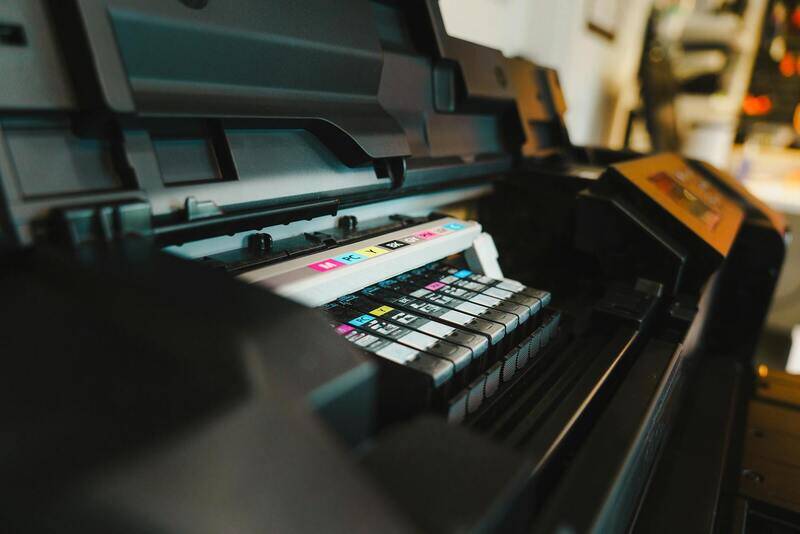
Materials and Paper Stocks Used in Brochure Printing
When choosing materials for brochure printing, several options are available, each offering unique advantages in terms of appearance, durability, and perceived value. Popular choices include gloss art paper, which enhances vibrant colors and provides a polished, professional finish, perfect for promotional materials that rely heavily on imagery. Matte papers offer a subdued, elegant look, reducing glare and making text more comfortable to read, ideal for informational brochures or luxury branding.
Art cards are thicker, offering increased sturdiness and a premium feel, making them suitable for high-end product catalogs or limited-edition catalogs. Waterproof materials are also available, providing resistance to moisture and handling, which is particularly beneficial for outdoor distribution or items expected to endure harsh environments. Each material choice impacts the brochure's tactile quality, visual appeal, and lifespan, making it essential to match the paper stock with the intended purpose and target audience.
Durability can be further enhanced through finishing options such as lamination, which protects surfaces from scratches and moisture, or embossing, which adds tactile texture and visual interest to specific design elements. For instance, spot UV coating can make particular images or text stand out with a glossy finish against a matte background. These enhancements contribute to a cohesive and engaging visual experience, reinforcing brand messaging and ensuring the brochure remains in good condition through handling and long-term storage.
Printing Techniques and Finishes
Advanced printing techniques play a crucial role in elevating brochure quality. Offset printing is the most common method, offering high precision and consistency, especially suitable for large runs. Digital printing provides quick turnaround times, ideal for short runs or variable data printing, such as personalized brochures. Flexo printing is also used for certain specialized finishes and effects.
Finishes like silk coating lend a smooth, non-reflective surface that enhances color richness while maintaining an elegant appearance. For a more tactile effect, embossing and debossing create relief impressions that draw attention to logos or specific text. Foil stamping adds metallic accents, ideal for luxury brands aiming to convey sophistication. Additionally, spot varnishing highlights key elements, offering a contrast in texture and gloss that guides the viewer’s focus effectively.

The combination of printing techniques and finishes allows for a custom-tailored approach, aligning with branding strategies and visual identity. By selecting appropriate methods, designers can create brochures that not only communicate information but also provide a memorable tactile experience, leaving a lasting impression on recipients.
Materials and Paper Stocks Used
Choosing the appropriate material and paper stock is a fundamental aspect of producing high-quality brochures that effectively convey your message and strengthen your brand identity. The selection process involves considering factors such as durability, finish, weight, and visual appeal, all of which influence the overall impression of the final product.
Standard paper options include uncoated, gloss, and matte finishes, each suited for different purposes. Uncoated paper offers a natural, tactile feel that is ideal for easy readability and is often preferred for informational brochures. Glossy paper enhances color vibrancy and sharpness, making images appear more vivid and eye-catching, which is excellent for visually-driven campaigns. Matte paper provides a smooth, non-reflective surface that lends a sophisticated look and reduces glare, making it suitable for a professional and elegant appearance.
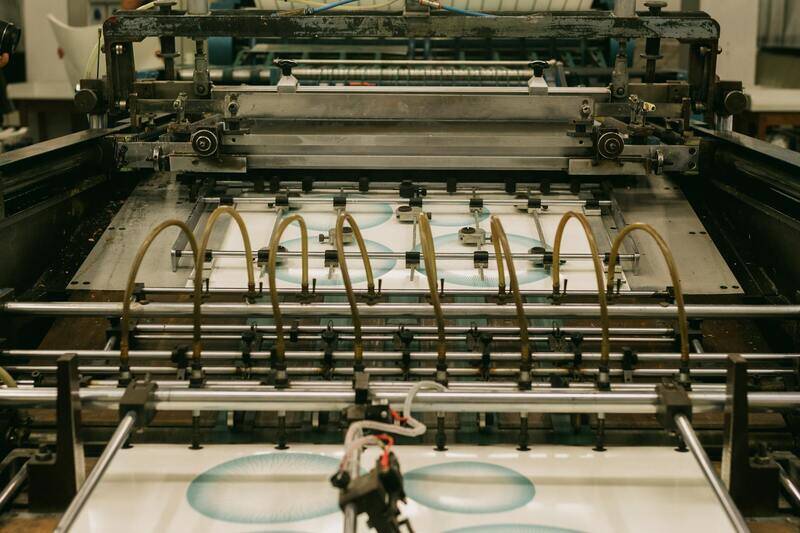
Beyond basic finishes, specialty papers are also available to add a distinctive touch. Textured papers, such as linen or suede finishes, create a tactile experience that can set your brochure apart. Recycled paper options are valued for environmental sustainability and can enhance the perception of your brand as eco-conscious. For premium brochures, thicker stocks such as 100lb or 130lb cover weight are used to provide a sturdy, high-quality feel that signifies exclusivity and attention to detail.
Adhesives, lamination materials, and coatings further augment durability and aesthetic appeal. UV coatings offer increased scratch resistance and a glossy, reflective surface that enhances color brightness, making images pop. Soft-touch coatings provide a luxurious feel, encouraging engagement and a memorable tactile experience. The choice of materials must align with the purpose of the brochure, whether it's to inform, promote, or showcase luxury offerings.
- Uncoated paper: Ideal for readability and quick printing, with a natural texture.
- Glossy paper: Enhances colors, sharpness, and visual impact.
- Matte paper: Provides an elegant, non-reflective finish suitable for professional presentations.
- Textured and specialty papers: Add a tactile element that differentiates your brochure.
- Heavyweight stocks: Increase durability and perceived value.
- Laminates and coatings: Protect the surface and enhance visual appeal with UV or soft-touch finishes.
When selecting materials, it is important to consider the environment in which the brochures will be handled and stored, as well as the overall budget and intended brand message. Premium materials and finishes, though often more costly, can significantly elevate the brochure’s impact and produce a lasting impression on recipients.
Introduction to Brochure Printing Methods
Brochure printing holds a vital place in effective marketing strategies, providing a tangible and visual representation of your brand, products, or services. To ensure that your brochures leave a lasting impression, it is essential to utilize proven and reputable printing methods that guarantee consistent quality, durability, and aesthetic appeal. When selecting a printing process, it's important to consider factors such as volume, timeline, budget, and desired finish, as these will influence the choice of technology and techniques applied.
Digital Printing: Precision and Flexibility
Digital printing is a popular choice for small to medium-sized brochure runs due to its cost-effectiveness and rapid turnaround times. This method involves directly transferring digital images onto paper using advanced inkjet or laser printers. The main advantage is the ability to produce high-quality prints with vibrant colors, sharp details, and the flexibility to customize each brochure with variable data, such as personalized names or tailored messages. Digital printing is ideal for businesses needing quick production cycles or testing different designs before a full-scale campaign.
Offset Printing: Superior Quality for Larger Quantities
Offset printing remains the preferred process for large-volume brochure production owing to its superior image quality and cost-efficiency at scale. This process involves transferring ink from a metal plate onto a rubber blanket, then onto the printing surface. Offset printing ensures precise color reproduction and sharp details, making it suitable for detailed graphics and high-resolution images. Additionally, offset presses allow for consistent color matching across large batches, guaranteeing uniformity and professional presentation in every brochure.
Screen Printing and Specialty Techniques
While less common for standard brochure printing, screen printing may be employed for specific design effects or materials. This method uses stencils and mesh screens to apply ink onto surfaces, offering unique textures and finishes. Specialty printing techniques such as foil stamping, embossing, and debossing can add tactile richness and visual contrast, elevating the perceived value of your brochures. Combining these with traditional methods can craft a multi-sensory experience that resonates with your target audience.
Finishing Processes to Enhance Durability and Aesthetics
The final presentation of brochures is heavily influenced by post-printing finishes that improve durability and visual impact. Coatings like UV gloss or matte finishes can protect against scratches and fingerprints, while soft-touch coatings impart a luxurious tactile sensation. Laminations not only bolster resistance to environmental factors but also enhance color vibrancy. Spot UV coatings can be strategically applied to highlight specific areas or graphics, creating a dimensional effect that captures attention. Such finishes are particularly effective for high-end or promotional brochures where first impressions are paramount.
Environmental and Sustainability Considerations
In selecting the appropriate printing method and materials, eco-conscious choices are increasingly significant. Many printers offer options for recycled paper stocks and environmentally friendly inks, which contribute to sustainability efforts without compromising quality. Techniques such as water-based inks and soy-based toners reduce the environmental footprint, aligning your branding with responsible business practices. It is advisable to communicate these preferences clearly with your printing service provider to ensure the final product adheres to your sustainability standards.
Materials and Paper Stocks Used in Brochure Printing
Choosing the appropriate paper stock is fundamental to achieving the desired impact and longevity of your brochure. Different materials serve varied purposes, from conveying elegance to ensuring durability in diverse environments. Common options include coated papers such as gloss, matte, and satin finishes, which lend vibrancy and a polished look, ideal for colorful graphics and detailed imagery. Additionally, uncoated papers provide a natural, tactile feel that suits a more subdued, professional aesthetic.
For high-end marketing materials, specialty papers like textured or linen stocks can elevate the perceived value of your brochure. Recycled papers are also available, aligning with environmentally conscious branding efforts without sacrificing quality. Thickness is another consideration; heavier weights such as 150gsm or 200gsm ensure a sturdy, premium feel, while lighter options like 100gsm are suitable for bulk distributions or inserts.
Printing Techniques and Finishing Processes
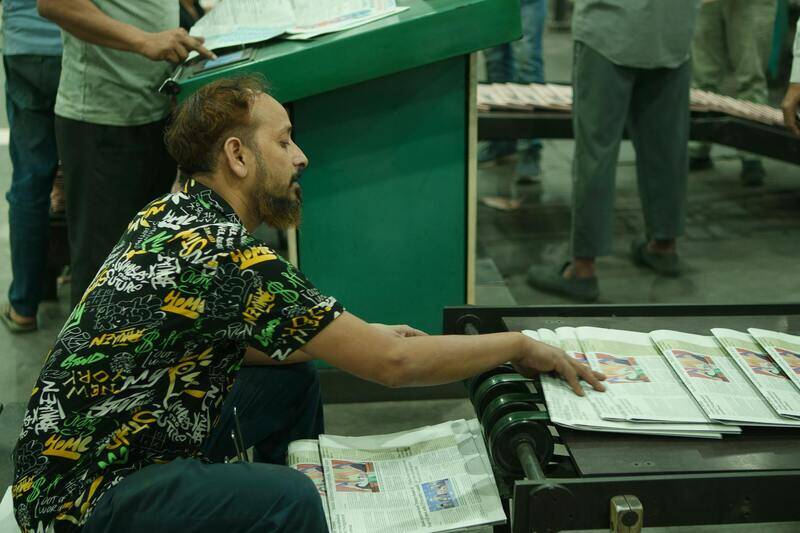
The finishing layer greatly influences the tactile and visual appeal of your brochure. Standard printing techniques include digital and offset printing, each suited to different production runs and quality requirements. Offset printing offers high precision and color consistency for large quantities, while digital printing provides faster turnaround times and flexibility for smaller batches.
Enhancement through specialized finishes can dramatically alter the brochure’s first impression. Coatings like UV gloss impart a shiny, reflective surface that amplifies color vibrancy, making images pop. Matte finishes provide a subdued, sophisticated look that minimizes glare and fingerprints. Soft-touch coatings offer a velvety tactile experience, aligning with luxury branding.
Additional finishing options include lamination, which adds a protective layer against environmental elements and handling, and spot UV coatings, which selectively highlight specific graphics or text to create contrast and depth. Die-cutting can also be used to produce unique shapes and window effects, making your brochure stand out from standard rectangular formats.
Customization Options for Brochure Printing
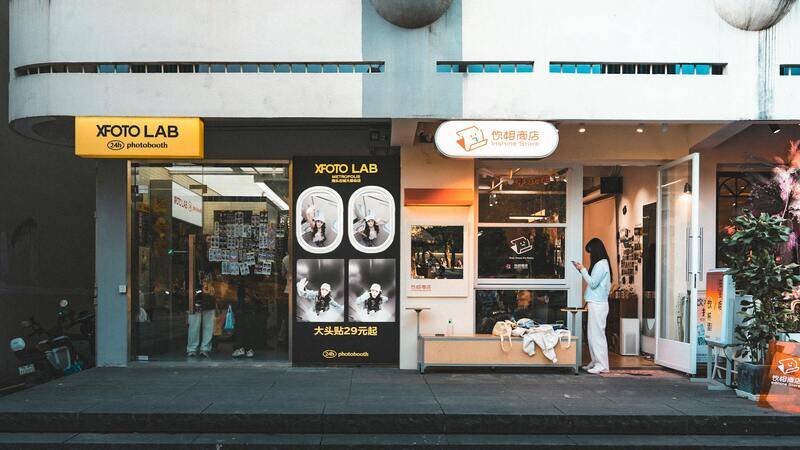
Personalization plays a critical role in ensuring your brochure resonates with your target audience. This can be achieved through various customization options, such as unique fold styles, die-cuts, and textured surfaces. Custom folds like gatefolds, z-folds, or accordion patterns add visual interest and provide additional space for content, allowing for a creative storytelling approach.
Incorporating bespoke design elements, such as embossed logos or foil stamping, can elevate the brochure’s premium feel. Color matching using Pantone guides ensures your brand colors are accurately represented, complementing the overall visual harmony. For further impact, variable data printing enables the inclusion of personalized messages or contact details tailored to each recipient, increasing engagement and response rates.
Innovative finishes such as holographic accents or metallic inks can make your brochure impossible to ignore. These options are particularly advantageous for promotional campaigns, high-end product launches, or event invitations where capturing immediate attention is crucial.
Understanding the Brochure Printing Process
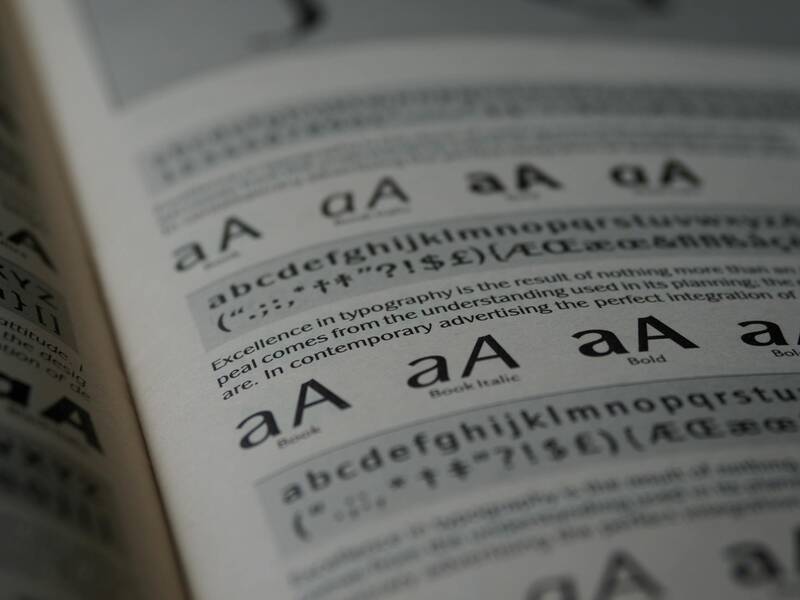
Brochure printing involves multiple steps to ensure that the final product aligns with your marketing goals and brand identity. Starting from the initial design phase, it’s crucial to prepare high-resolution files that meet the specifications of your chosen printing provider. Accurate color profiles, bleed settings, and layout alignments are essential to achieve vibrant visuals and sharp text in the finished product.
Once the design is finalized, selecting the appropriate printing method is key. Digital printing offers rapid turnaround times and cost-effective options for smaller quantities, while offset printing provides superior quality and cost efficiency for larger runs. These methods influence not only the look and feel of your brochures but also impact production timelines and budget considerations.

During the printing process, quality control measures are implemented to verify color accuracy, paper integrity, and finish consistency. This step ensures that each brochure produced meets the specified standards, resulting in a professional presentation that effectively communicates your message to your audience.
Importance of Proper Finishes and Coatings
Applying finishes such as UV coating or matte varnishes enhances durability, visual appeal, and tactile experience. These coatings not only protect the brochure from wear and tear but also make colors pop, creating a captivating visual impact. The choice of finish can be tailored to match the brochure’s purpose—whether it demands a sleek, understated look or a glossy, eye-catching effect.
Design Considerations for Impactful Brochures
- Use high-resolution images to ensure clarity and vibrancy.
- Maintain consistency with your brand's color palette and logo placement.
- Incorporate hierarchical content layout to guide readers naturally through the information.
- Integrate compelling calls-to-action that prompt engagement.
Effective brochure printing marries design ingenuity with technical precision, culminating in a marketing collateral that elevates your brand's visibility and credibility.
Advanced Printing Techniques and Finishes for Brochure Excellence
Employing innovative printing techniques enhances the visual appeal and tactile quality of brochures, making them more engaging for recipients. Hybrid printing methods that combine digital and offset printing can optimize color accuracy, especially for complex color schemes or high-volume runs. Layered finishes, such as embossing or spot UV coating, add depth and dimension, highlighting specific design elements or logos. A brochure with selective spot UV applied to certain areas, like titles or images, draws attention precisely where it is needed, creating a sophisticated and memorable impression.
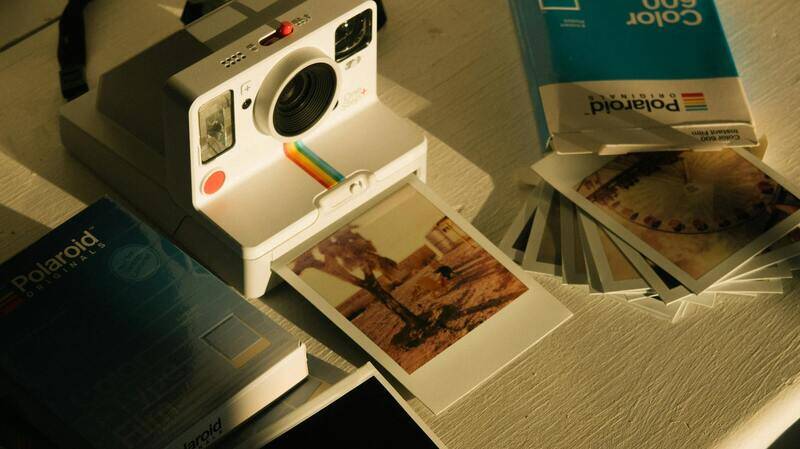
Matte, gloss, or satin finishes are standard options that can dramatically influence the overall aesthetic. A gloss finish tends to produce vibrant colors and shiny surfaces, ideal for eye-catching promotions, while matte offers a subdued, professional look suitable for corporate or formal industries. Satin finishes strike a balance, providing a smooth sheen that enhances both durability and visual appeal. Applying protective coatings, such as aqueous or varnish layers, safeguards against scratches and fingerprints, ensuring the brochure retains its quality over time.
Customization Options Tailored to Your Branding Needs
Customization extends beyond finishes to include binding styles, fold types, and special insert features. For instance, saddle stitching or perfect binding can impact the durability and overall aesthetic, aligning with the brochure’s purpose and distribution method. Special folds like gatefolds, parallel folds, or Z-folds provide unique ways to structure information, guiding readers through a narrative seamlessly. Die-cutting options enable the creation of intricate shapes or window cutouts that reveal parts of the content or images, adding a layer of intrigue and tactile interaction.
Furthermore, incorporating variable data printing allows for highly personalized brochures, which can be used for targeted marketing campaigns or direct mailings. This method ensures that each brochure contains customized information tailored to individual prospects, increasing relevance and engagement. The selection of paper weight and finish complements these customization options, resulting in a professional and cohesive end product that reflects the brand's identity and message clearly and effectively.
Streamlined Delivery and Efficient Turnaround Processes
Fast and reliable delivery is essential for time-sensitive marketing campaigns. Many brochure printing services now offer expedited turnaround options, including same-day or next-day printing, especially for smaller quantities or standard formats. Advanced production workflows, including digital presses and automated quality checks, contribute to minimizing delays while maintaining high standards of print quality.
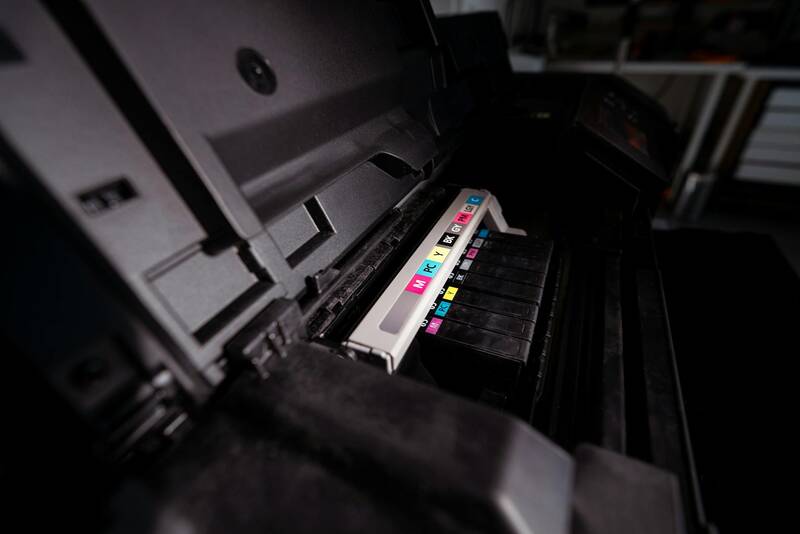
Order tracking systems enable clients to monitor progress from submission through to delivery, ensuring transparency and planning accuracy. Delivery options are often customizable, with choices for courier services that prioritize speed or cost-effectiveness. For bulk orders, warehouses with strategic locations facilitate quicker distribution to multiple regions, reducing lead times and ensuring that your marketing collateral arrives precisely when needed.
Pricing Dynamics and Cost Optimization Strategies
Pricing for brochure printing is influenced by several variables, including print volume, paper choice, finishing techniques, and customization complexity. Bulk orders generally benefit from economies of scale, reducing the per-unit cost and enabling more extensive distribution within tighter budgets. High-quality materials like thick cover stocks or specialty papers naturally carry higher costs but provide a premium feel that can justify the investment for brand positioning.
- Choosing standard formats and materials can lower costs without sacrificing impact.
- Utilizing digital printing for short runs offers cost-effective, quick turnarounds with flexible customization.
- Investing in durable finishes and premium papers enhances perceived value, making the investment worthwhile in competitive markets.
- Seeking package deals or bulk discounts from trusted printing providers can lead to substantial savings.
By carefully balancing design choices, material selections, and order quantities, businesses can achieve impactful brochures that meet their marketing objectives while optimizing budgetary considerations. Selecting a reputable printing partner with transparent pricing structures and flexible service offerings ensures an efficient and successful campaign.
