
Understanding Custom Business Card Printing
Custom business card printing is a specialized service that allows businesses to create unique, professionally designed cards tailored to their branding needs. Unlike standard or mass-produced cards, custom printing offers extensive options for personalization, which can significantly enhance a company's visibility and credibility. Personalized business cards serve as a tangible expression of brand identity, showcasing logo, color schemes, typography, and design elements that resonate with the company's ethos. Effective business cards leave a lasting impression, fostering networking opportunities and reinforcing brand recognition. Whether crafted with elegant minimalism or bold visuals, custom business cards can communicate professionalism, creativity, and attention to detail. This form of branding tool not only facilitates contact sharing but also acts as a mini-marketing asset, contributing to brand recall. In an increasingly competitive marketplace, investing in custom business card printing ensures that your brand stands out from the crowd. High-quality, uniquely designed cards can significantly influence potential clients and partners, conveying an image of reliability and sophistication. Leveraging advanced printing options and premium materials, companies can produce business cards that reflect their unique identity, making every handshake or meeting more impactful. Furthermore, custom business card printing involves a range of options, from paper choice and finishes to layout and texture, enabling businesses to craft cards that perfectly match their industry standards and aesthetic preferences. This tailored approach not only enhances the tactile experience of the card but also supports overall brand consistency across various marketing collateral. Business owners seeking to elevate their professional image often opt for custom printing services to achieve a cohesive and memorable branding experience. By selecting appropriate design and print options, organizations can communicate their core values and services succinctly while maintaining an appealing visual presence. Moreover, the process of custom business card printing requires collaboration between the client and the printing provider, ensuring that the final product aligns with the desired vision. This partnership also involves selecting suitable print techniques and materials, which are crucial for achieving the desired quality and durability of the cards. Overall, custom business card printing is a vital component of modern corporate branding strategies, offering a powerful and versatile medium to make a positive and lasting impression in any professional setting.
Understanding Custom Business Card Printing
Custom business card printing is a strategic approach that empowers businesses to create visual representations of their brand identity. This process involves selecting specific materials, finishes, and designs to produce cards that stand out and convey professionalism. Unlike standard business cards, which often follow a generic format, custom options allow for personalized branding elements that resonate with the company's values, culture, and target audience. High-quality printed cards serve as tangible touchpoints that leave a lasting impression, strengthening professional relationships and increasing brand recall.
One of the core advantages of custom business card printing lies in its versatility. Businesses can choose from an extensive variety of paper stocks, from smooth matte finishes to glossy textures, and even specialty materials like recycled paper or textured cardstock. These choices not only affect the aesthetic appeal but also influence the durability and tactile experience of the card. Premium finishes such as embossing, foil stamping, or spot UV coatings further enhance visual impact, adding elements of luxury and sophistication that can distinguish a brand in competitive markets.
Collaborative Design and Material Selection
The process of creating custom business cards is driven by collaboration. Clients work closely with printing providers to determine the best combination of design elements, materials, and techniques that align with their brand identity. This collaborative effort ensures that the final product accurately reflects the company's image and meets specific business needs. Thoughtful material selection, coupled with innovative printing techniques, can result in business cards that not only look impressive but are also highly functional and durable for everyday use.

In addition to visual customization, structural options such as unique shapes or die-cut designs provide opportunities for further differentiation. Rounded corners, custom die-stamped shapes, or folding cards can introduce a level of interactivity and personality to the standard business card format. These design innovations help brands stand out in a stack of traditional cards, making the initial exchange more memorable and engaging.
Environmental Considerations
In today’s market, sustainability plays an important role in business branding. Many printing providers offer eco-friendly options, including recycled papers, soy-based inks, and environmentally conscious finishes. Incorporating sustainable materials and practices into custom business card printing not only reflects a company’s commitment to environmental responsibility but can also appeal to eco-conscious clients and partners. These choices demonstrate a brand's values and dedication to responsible business conduct, which can enhance its overall reputation.
Understanding Custom Business Card Printing
Custom business card printing involves tailoring your printed cards to match your brand identity with precision and professionalism. It encompasses a wide array of options, from selecting high-quality materials to employing advanced printing techniques that ensure your cards stand out. Whether you are a startup or an established enterprise, investing in custom printing allows you to convey your brand message with clarity and style, making every exchange memorable and impactful.
In the process of custom business card printing, the emphasis is on creating a final product that aligns with your corporate identity and communicates professionalism. It starts with understanding the different capabilities offered by printing providers, including the diversity of card stock options, custom finishes, and special effects such as embossing or foil stamping. This comprehensive approach ensures that the cards are not only visually appealing but also durable enough to withstand everyday handling.
Key Features and Design Options
Custom business cards afford a multitude of design opportunities that can help define your brand and leave a lasting impression. From the choice of materials to structural innovations, each element plays a pivotal role in the final appearance and functionality of your cards.
- Material Selection: The foundation of any high-quality business card is the material. Options include traditional cardstock, textured paper, matte or gloss finishes, and specialty materials like wood or metal. The right choice depends on the desired aesthetic and the level of durability required.
- Design Printing Techniques: Strategies such as spot UV coating, foil stamping, letterpress, and thermography help add tactile and visual depth. These techniques enhance key elements like logos or contact details, making them more prominent.
- Shape and Size Variations: Moving beyond standard rectangles, custom shapes including rounded corners, circular cards, or die-cut designs create a distinctive look. Folding cards or integrating interactive elements can elevate the overall branding experience.
- Eco-friendly Options: Sustainability is increasingly integral to branding. Using recycled paper, soy-based inks, and biodegradable finishes demonstrates environmental responsibility and aligns with ethical business values.

These comprehensive design choices not only help attain a unique visual appeal but also facilitate functional enhancements that improve the card’s practicality. Embossed or embossed details, textured surfaces, and special die-cut shapes contribute to a tactile experience that fosters engagement and recognition.
Choosing the Right Printing Materials
The selection of materials directly influences both the aesthetics and longevity of your business cards. Factors to consider include durability, tactile quality, and visual appeal. High-quality cardstock offers robustness and a premium feel, suitable for formal industries, while textured or specialty papers can express creativity and uniqueness.
Special materials such as transparent PVC, metal, or wood provide distinctive options for conveying a modern and innovative image. These materials typically involve specific printing methods and finishes to ensure the final product maintains clarity and durability, especially under frequent handling.
Environmental considerations should also inform material choices. Recycled papers and sustainably sourced materials align with eco-conscious branding strategies, resonating well with clients and partners who value sustainability.
In essence, selecting the appropriate material requires balancing visual appeal with practical requirements, ensuring that your business card remains appealing over time while reflecting your brand's values and identity.
Understanding Custom Business Card Printing
Custom business card printing is a strategic approach to creating cards that effectively represent your brand’s identity and leave a memorable impression. Unlike generic templates, customized cards allow you to select specific designs, features, and finishes that align with your company's ethos. This process involves a detailed customization of layout, typography, colors, and special effects, all tailored to highlight your unique value proposition. High-quality printing ensures that the final product embodies professionalism, sophistication, and attention to detail, which are essential in fostering strong business relationships and brand recognition.

The importance of custom printing extends beyond aesthetic appeal; it also encompasses durability and functionality. Businesses often opt for finishing techniques such as matte or gloss coatings, spot UV, or soft-touch finishes to enhance tactile experience and protect the card from wear and tear. Additionally, many companies incorporate innovative features like QR codes, embossed logos, or textured surfaces to facilitate easy information sharing and establish a deeper sensory connection with recipients.
Key Features and Design Options
Design flexibility is a core aspect of custom business card printing. Here are some of the most prevalent options available:
- Typography: Custom fonts or handwritten styles can convey personality and professionalism.
- Color Schemes: Bright colors for creative brands or subdued palettes for corporate settings ensure visual alignment with brand identity.
- Shape and Size: Standard rectangles, rounded corners, or custom die-cut shapes can make your card stand out.
- Finishings: Matte, gloss, satin, or textured surfaces add complexity and tactile richness.
- Special Effects: Foil stamping, embossing, debossing, and spot UV highlight specific design elements and add luxury touches.
- Additional Features: Embossed logos, raised lettering, or transparent overlays enhance visual interest and uniqueness.
Choosing the Right Printing Materials
The selection of materials impacts not only the look and feel of your business cards but also their durability and perceived value. Common options encompass a broad spectrum, each offering distinct advantages to cater to various branding needs and operational environments.
- Standard Cardstock: A versatile, cost-effective choice suitable for most professional settings, available in multiple thicknesses for added robustness.
- Recycled Paper: An eco-conscious option that supports sustainable branding without compromising quality.
- Textured Materials: Fabrics, linen, or velvet finishes provide tactile depth and unique sensory experiences.
- Transparent Materials: PVC or acrylic cards give a modern, sleek appearance and are resistant to moisture and wear.
- Metal and Wood: Premium, unconventional choices that deliver a distinctive look and impressive durability.
Each material's properties must be considered in relation to your brand image, the intended use, and environmental considerations. For instance, metal cards project strength and innovation, suitable for industries like tech or finance, while recycled paper aligns with eco-friendly branding efforts.
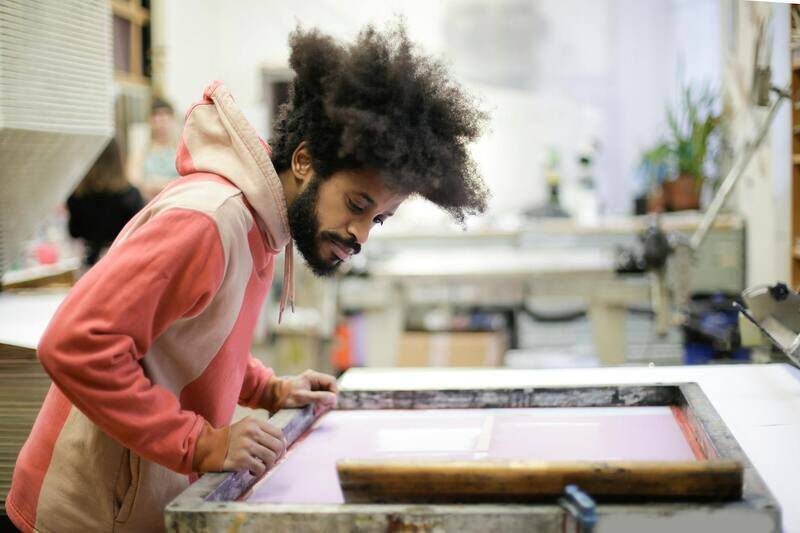
Ultimately, selecting the appropriate material involves balancing visual impact with long-term practicality. High-quality materials help ensure your business card maintains its appearance and functionality over time, reinforcing the professionalism and consistency of your brand image.
Printing Techniques and Methods
When selecting a printing method for custom business cards, it is essential to consider the desired quality, tactile experience, and production yield. Different printing techniques offer unique advantages, influencing the overall look and durability of the final product.
Offset Printing is a traditional technique that provides high-precision, vibrant color reproduction suitable for large print runs. This method ensures consistency across numerous copies, making it ideal for organizations requiring uniformity in their branding materials. Its cost-effectiveness at volume makes it a popular choice among established businesses.
Digital Printing is a more flexible process that allows for shorter turnaround times and smaller print quantities. It is highly adaptable for personalized business cards, enabling features like variable data printing—perfect for customizing each card with individual names or specific details. The sharpness and color fidelity match traditional methods, ensuring professional results without the need for extensive setup.
Letterpress Printing, a technique with historical significance, involves pressing the design into thick cardstock to create a tactile, embossed effect. This method exudes sophistication and is well-suited for premium branding, providing a lasting impression through its textured finish. The process requires meticulous craftsmanship and is generally reserved for high-end, bespoke business cards.
Foil Stamping adds metallic accents, such as gold, silver, or other metallic hues, to enhance visual appeal and convey luxury. This method involves applying a heated die to transfer foil onto the card surface, creating eye-catching details that catch the light. Foil stamping is commonly combined with other printing techniques for a layered, textured aesthetic.
Spot UV Coating is employed to accentuate specific areas of a business card with a shiny, protective coating. Strategically applying this technique highlights logos, contact details, or design elements, adding dimension and elevating design sophistication. It also offers protective benefits, safeguarding key parts of the card from scratches and wear.
In selecting a printing technique, consider not only visual impact but also factors like production time, cost, and application compatibility. The optimal approach balances aesthetic appeal with functional durability, ensuring the business card exemplifies your brand’s professionalism.

Understanding Custom Business Card Printing
Custom business card printing involves more than simply selecting a design and printing on standard cardstock. It is a specialized process that allows businesses to craft unique, memorable representations of their brand. This process can be tailored to accommodate various design features, materials, and techniques, ensuring that each card aligns precisely with a company's branding strategy. The primary goal of custom business card printing is to create a tangible and professional tool that effectively communicates your brand identity. This might include incorporating specific textures, finishes, embossing, or unique die cuts, all of which contribute to the tactile and visual impact of the card. When planning your custom print run, understanding the options available and how they complement your branding needs is essential for producing a device that stands out in a competitive marketplace. High-quality craftsmanship combined with innovative printing technology ensures that every detail of your business card is precise and durable. Custom business card printing also offers flexibility in terms of volume, allowing small batches for discreet networking or large runs for extensive marketing campaigns. The availability of numerous design options, combined with official, reputable printing methods, guarantees a professional appearance that captures attention and leaves a lasting impression. Custom prints deliver more than just aesthetic appeal; they serve as a reflection of your professional identity and your company's commitment to quality. Investing in tailored printing processes not only elevates your branding efforts but also enhances the perception of your business in the eyes of clients and prospects.
Key Features and Design Options
Designing a custom business card involves a multitude of features that contribute to its uniqueness and effectiveness. These options include various shape choices beyond the conventional rectangle, such as rounded edges, die-cut shapes, or unique contours, all designed to draw attention and differentiate your card from others. Incorporating custom finishes adds a tactile dimension—examples include matte, gloss, or soft-touch coatings that enhance visual appeal and durability.
Color strategies also play a vital role. Embedding vibrant hues, metallic accents, or subtle, sophisticated palettes can project different branding messages. Layered designs, incorporating overlays or embossed elements, help elevate the visual and tactile quality. Additionally, including QR codes or interactive features can seamlessly integrate digital connectivity, encouraging engagement with potential clients or partners.
Creative typography, logo placement, and the integration of brand elements are critical design considerations. Precise placement and balance of these elements ensure the card remains uncluttered yet informative. Many printing services offer design templates and professional graphic assistance, enabling precise execution of your vision.
Choosing the Right Printing Materials
The material selected for custom business card printing significantly influences the final look, feel, and longevity of the cards. Standard cardstock remains popular for its balance of quality and affordability, but specialty materials elevate the standard. For instance, premium options like thick matte or gloss papers, textured linen, or recycled materials can convey brand values such as sustainability or luxury. Synthetic materials, such as plastic or PET, are highly durable and ideal for cards that require water resistance or extended lifespan. Metal cards crafted from aluminum or stainless steel offer a modern, industrial aesthetic, with unmatched durability and tactile appeal. For adding dimension and visual interest, options such as translucent or frosted acrylic cards are increasingly popular. These materials can be customized with embedded elements or unique printing effects. When selecting materials, consider the intended use of your business card, the impression you wish to leave, and the environmental impact of your choices. Ultimately, the right mix of material quality and design features ensures that your business card not only looks impressive but also withstands everyday handling, making a positive, lasting impression.
Understanding Custom Business Card Printing
Custom business card printing encompasses a comprehensive range of options that allow businesses and professionals to craft cards tailored to their brand identity and functional needs. This process involves selecting specific design elements, materials, and printing techniques to produce a unique and memorable tangible representation of a company or individual. High-quality custom cards serve as a powerful branding tool, offering an immediate visual impression and reinforcing professionalism in networking scenarios.
When approaching custom business card printing, it’s essential to assess various factors that influence the final product’s quality and effectiveness. These include the choice of materials, printing methods, design considerations, and budget constraints. A strategic approach ensures that each card not only captures attention but also aligns with the overall marketing and branding objectives. Precision in execution and attention to detail are fundamental to delivering a product that stands out while maintaining practical usability and durability.

Key Features and Design Options
Custom business card printing offers an expansive array of design options, incorporating both aesthetic and tactile features. This flexibility enables brands to differentiate themselves in competitive environments. Design features often include:
- Shape Customization: Standard rectangular, rounded edges, or entirely custom shapes to reflect the brand’s personality.
- Finish Choices: Matte, gloss, satin, or soft-touch coatings add texture and visual appeal.
- Special Effects: Embossing, debossing, foil stamping, and spot UV coating can enhance specific areas of the card for a luxurious feel.
- Unique Textures: Linen, linen-like textures, or textured varnishes provide tactile interest.
- Incorporating Visual Elements: Custom graphics, logos, and images that resonate with your brand identity.
Blending these features strategically enables the creation of a card that not only conveys contact information but also communicates core brand values and aesthetics effectively.

Choosing the Right Printing Materials
The selection of printing materials plays a critical role in achieving the desired look, feel, and longevity of your business cards. Standard cardstock remains a popular choice due to its affordability and durability, providing a solid foundation for most designs. However, premium materials can elevate your cards, offering unique textures and finishes that leave a lasting impression.
- Standard Cardstocks: Balance of quality and cost, suitable for most everyday networking purposes.
- Premium Papers: Thick matte or gloss papers, textured linen, or recycled options that promote sustainability and sophistication.
- Synthetic Materials: Transparent or frosted acrylic, plastic, or PET cards for water resistance and increased durability.
- Metal Options: Aluminum or stainless steel cards provide a modern, industrial aesthetic and exceptional durability, often used for high-end branding.
Environmental considerations also influence material choice, with recycled and biodegradable options gaining popularity among eco-conscious brands. When choosing materials, consider how the card’s intended use and the desired impression influence your decision, ensuring a combination of visual appeal and functional resilience.
Printing Techniques and Methods
The choice of printing technique determines how vibrant, detailed, and tactile the final product will be. Various methods offer distinct advantages suited to different design complexities and budget levels:
- Digital Printing: Ideal for quick turnaround and short runs, producing sharp images with rich color fidelity. Suitable for customization and variable data printing.
- Offset Printing: Cost-effective for larger quantities, delivering consistent high-quality images and color accuracy. Suitable for bulk production with intricate designs.
- Letterpress and Foil Stamping: Provides a tactile, embossed finish or metallic accents, adding elegance and depth to the design.
- Spot UV Coating: Adds a glossy finish to specific areas, creating contrast and visual interest.
- Specialty Techniques: Embossing, debossing, die-cutting, and embedded elements for distinctive, multi-dimensional effects.
Combining techniques can further enhance the sensory experience, making your business card memorable and engaging. The chosen method should align with your design vision, material selection, and budget, ensuring a cohesive final product that communicates professionalism effectively.
Understanding Custom Business Card Printing
Custom business card printing provides a unique opportunity for professionals and businesses to establish a tangible representation of their brand identity. When selecting a printing provider, it’s essential to consider not only the visual appeal of the finished product but also the quality of materials and the printing process employed. High-quality custom cards can foster trust, convey professionalism, and leave a lasting impression on clients and partners alike. Each project begins with a clear understanding of your brand’s message and how best to communicate it through design, material, and finish.
Opting for custom business card printing involves careful consideration of various elements, from material selection to finishing techniques, which collectively enhance the card’s tactile and visual appeal. The right combination of these elements ensures your card stands out in a competitive landscape, effectively conveying your unique brand personality while maintaining professionalism and quality.
Key Features and Design Options
- Customizable sizes, shapes, and layouts to match your branding
- Use of bold colors, textures, and patterns to create visual impact
- Incorporation of logo, typography, and branding elements with precision
- Special effects like foil stamping, embossing, or spot UV coating for added dimension
- Innovative finishes such as matte, gloss, or soft-touch coatings that elevate the tactile experience
Design flexibility is crucial for aligning your business card with your overall branding strategy. Whether aiming for a minimalist aesthetic or an intricate, textured look, the range of available design options enables you to craft a card that truly represents your professional identity.
Choosing a Printing Materials
The selection of printing materials greatly influences both the durability and appearance of your business cards. High-quality cardstock offers a professional feel and resilience, while eco-friendly options contribute to sustainable business practices. Consider the following material types:
- Standard cardstock: Offers a sturdy base with a smooth finish suitable for most designs.
- Premium matte or gloss paper: Adds sophistication and enhances color vibrancy.
- Recycled paper: Emphasizes eco-consciousness without sacrificing visual appeal.
- Textured papers: Include linen or cotton finishes for a tactile experience that stands out.

Printing Techniques and Methods
The technique chosen impacts how your design appears and its overall sensory effect. Selecting the appropriate method depends on your design complexity, budget, and desired finish:
- Digital Printing: Perfect for short runs and quick turnarounds, producing sharp images with accurate color reproduction.
- Offset Printing: Economical for larger quantities, ensuring consistent high quality suitable for detailed designs.
- Letterpress and Foil Stamping: Create tactile, embossed effects and metallic accents that add an element of luxury.
- Spot UV Coating: Adds a glossy highlight to specific areas, creating contrast and drawing attention.
- Specialty Techniques: Embossing, debossing, die-cutting, and embedded elements for unique, multi-layered effects.
Combining multiple techniques can further amplify the sensory and visual impact. For example, pairing foil stamping with embossing can produce a striking, multi-dimensional effect that makes your business card unforgettable.
Cost Factors and Budgeting
Understanding the factors affecting cost helps in effectively planning your print project. Elements such as material choice, size, finishing effects, and quantity all influence the overall expense. Typically, digital printing offers a cost-effective solution for small batches, while offset printing becomes more economical for larger runs. Additionally, special finishes like foil stamping or embossing generally entail higher costs due to additional labor and materials. Setting a clear budget allows you to prioritize design elements and select appropriate techniques that align with your financial plan while maintaining quality standards.
Turnaround Time and Ordering Process
Efficient turnaround times depend on the printing method, project size, and the complexity of design features. Digital printing can often deliver orders within a few business days, whereas specialty finishes or large quantities may extend lead times. Ensuring you provide accurate specifications and high-resolution files during the ordering process minimizes delays. Working with a trusted printing service that offers clear communication, detailed quotations, and flexible scheduling optimizes the entire process, guaranteeing your business cards are ready when needed for upcoming meetings or networking events.
Additional Insights and Recommendations
When specifying your order, always request sample kits or proofs to evaluate color accuracy, paper quality, and finish effects before committing to a full print run. This step allows for adjustments that enhance the final product's alignment with your expectations. Additionally, maintain a consistent design language across your business collateral to reinforce brand recognition. Incorporating industry-specific elements or subtle branding cues can elevate your business card's effectiveness, making a memorable impression that resonates with your audience long after the initial encounter.
