Overview of Business Card Printing Services in Singapore
In Singapore's competitive corporate landscape, professional business cards serve as a vital tool for establishing brand recognition and making lasting impressions. The demand for high-quality business card printing services has grown significantly, offering businesses a range of options tailored to their branding needs. These services encompass a spectrum of printing technologies, including digital printing for quick turnaround and smaller quantities, as well as offset printing for larger volumes with superior color fidelity and detail. By opting for reputable business card printing services, companies ensure their contact information, logo, and brand identity are presented with clarity and professionalism.
Business card printing providers in Singapore are equipped with advanced machinery and experienced staff to deliver consistent quality. They understand the importance of accuracy in color matching, precise cuts, and durable finishes to uphold a company's image. Moreover, many offer consulting services to help clients choose the best design, materials, and finishes, ensuring that each card effectively communicates the intended message. With the diverse range of printing options available, businesses can select from standard, luxury, and specialty cards that cater to their unique brand identity and marketing strategies.

Printing service providers also prioritize quick turnaround times and reliable delivery, essential for businesses operating on tight schedules. Whether for a product launch, business networking event, or routine branding needs, Singapore's business card printing services deliver efficient solutions without compromising on quality. As a result, companies can confidently rely on these services to boost their corporate image and foster professional relationships through well-crafted, visually appealing business cards.
Materials and Finishing Options for Business Cards in Singapore
When selecting business card printing services, understanding the array of materials and finishing options available is essential to achieve a professional and memorable result. High-quality materials such as thick cardstock, textured surfaces, or specialty papers contribute to a tactile experience that enhances brand perception. Premium options like matte, gloss, or satin finishes not only improve visual appeal but also offer varying levels of durability and resistance to wear.
Finishing techniques provide additional customization and sophistication. Laminated finishes increase longevity and protect against scratches and moisture, ideal for frequently handled cards. Spot UV coating adds glossy highlights to specific areas, creating contrast and drawing attention to logos or key contact details. Embossing and debossing techniques generate a three-dimensional effect, adding tactile depth that can make a card stand out in a stack.
For clients seeking a contemporary edge, foil stamping introduces metallic accents like gold or silver, lending a luxurious feel. Laminated or matte finishes combined with intricate embossing are particularly suited for high-end brands aiming to showcase exclusivity. Additionally, specialty papers such as recycled or textured stocks can reinforce brand values like sustainability or craftsmanship. Each of these options plays a critical role in reinforcing brand identity and ensuring the card communicates professionalism and quality effectively.
Design Considerations for Business Cards
Effective business card design involves strategic choices that balance aesthetics with functionality. The key elements include the logo, contact information, and a clean layout that ensures readability. Consistent use of brand colors, fonts, and imagery helps establish a recognizable identity. Incorporating white space judiciously prevents clutter and guides the viewer’s eye across essential information.
Designers must also consider the size and orientation of the card. While the standard size remains popular for its familiarity and ease of storage, alternate shapes and sizes can offer distinctive appearances. For instance, a square card or rounded corners can subtly differentiate a brand in a competitive environment. The choice of font size and style also influences readability; bold, clear fonts are preferred for contact details, while decorative fonts might be reserved for logos or taglines.
Including interactive elements such as QR codes or NFC chips is increasingly common for modern business cards. These features facilitate direct access to digital portfolios, websites, or social media profiles, enabling more dynamic engagement. When integrating such elements, ensure that they complement the overall design rather than overwhelm it, maintaining a professional appearance.
Pricing and Turnaround Times for Business Card Printing
Pricing structures for business card printing services in Singapore vary based on the choice of materials, finishes, and order quantity. Standard options are generally cost-effective for bulk printing, whereas premium and specialty cards attract higher pricing due to custom features and higher-grade materials. Many providers offer tiered packages, with discounts available for larger orders, making it feasible for startups and established companies alike to access quality printing within their budget.
Turnaround times tend to be streamlined, especially for standard business cards, with most reputable printers delivering within 24 to 48 hours. For customized or specialty options, lead times may extend to 3-5 business days to accommodate additional processing and finishing. Rush services are widely available for urgent requirements, often at a premium cost. Reliable providers prioritize transparency regarding delivery schedules and provide tracking options to ensure clients are kept informed throughout the production process.

In assessing printing options, it is crucial to balance cost efficiency with quality expectations and timeline constraints. Clear communication with the printing service helps prevent misunderstandings and allows for adjustments that meet specific business needs. When planning events or marketing campaigns, early ordering is advisable to accommodate production and shipping timeframes, ensuring your business cards are ready when needed.
Materials and Finishing Options
Choosing the appropriate materials and finishes for your business cards is essential to make a memorable impression and ensure durability. Commonly used materials include premium art paper, plastic, and textured options that add tactile interest. Art paper provides a classic feel, suitable for professional settings, while plastic cards are highly durable and resistant to wear and tear, making them ideal for frequent handling. Textured finishes, such as linen or linen-like surfaces, can impart a sophisticated touch, whereas smooth matte or gloss finishes offer sleek aesthetics that enhance printed graphics and text. Finishing techniques further elevate the card’s appearance and longevity:
- Lamination: Adds a protective layer, enhancing durability and giving the card a glossy or matte appearance.
- Embossing: Creates a raised effect on specific design elements, adding depth and tactile interest.
- Hot Stamping: Applies metallic or colored foils to highlight logos or text, lending a luxurious look.
- UV Coating: Provides a high-gloss finish that enhances vibrancy and offers additional protection against scratches.
For specialized branding, combining these finishes can produce a unique texture and visual impact. For example, an embossed logo with foil accents can significantly boost brand recognition, while lamination ensures the card withstands daily use without damage.

Design Considerations for Business Cards
Effective business card design balances aesthetics with functional information delivery. Opting for a clear hierarchy of information ensures that essential details—such as name, title, contact channels, and company branding—are easily identifiable. Consistent use of branding elements, including logo, color palette, and typography, reinforces brand identity. The layout should keep ample white space to prevent clutter, and strategic placement of design elements directs the viewer’s attention to key information. Incorporating unique design features, like die cuts or textured finishes, can differentiate your cards from competitors. However, it is vital to maintain a professional appearance, avoiding overcrowding that could diminish readability. In addition, considering the card size and shape—standard vs. custom geometries—can influence how memorable your card is. Custom shapes, such as rounded edges or bespoke silhouettes, add a creative twist but should still conform to practical dimensions for ease of storage and handling.
Materials and Finishing Options
Choosing the right materials and finishes for your business cards is essential in conveying your brand’s professionalism and uniqueness. High-quality cardstock options typically include matte, gloss, silk, and velvet finishes, each offering distinct tactile and visual effects that can complement your branding strategy. For example, matte finishes provide a sophisticated look with minimal glare, making them ideal for minimalist designs, while gloss finishes enhance vibrant color presence, making images and logos pop.
In addition to the base material, a variety of finishing options are available to add texture, durability, and visual interest. Lamination, for instance, extends the lifespan of your cards by protecting against scratches, moisture, and general wear and tear. Embossing and debossing techniques add a three-dimensional texture to logos or key design elements, lending a tactile quality that enhances memorability. Foil stamping, available in metallic or colored options, introduces a luxurious shimmer that makes key details stand out prominently.
Spot UV coating is another popular finish that selectively applies a glossy, protective layer on specific areas of the card, such as logos or icons, creating a striking contrast with matte or uncoated sections. This technique draws attention to particular features and adds a layer of sophistication. For additional customization, textured finishes such as linen, soft-touch, or suede provide unique tactile experiences, ensuring your business card leaves a lasting impression.
Design Elements That Elevate Your Business Card
Effective design is pivotal in transforming a simple card into a powerful branding tool. Strategically placing your logo ensures brand recognition at first glance, usually positioned prominently—either at the top or centered for maximum visibility. Color schemes should align with your corporate palette, maintaining consistency across all branding materials to reinforce identity and evoke the desired emotional response.
Typography choices must prioritize readability while reflecting your brand’s tone—whether professional, creative, or casual. Using clear, legible fonts with appropriate sizing helps convey information efficiently. The shape and size of your business card can also influence how memorable it is. While standard rectangular formats are versatile and easy to store, custom shapes such as rounded corners, die-cut silhouettes, or even asymmetrical designs can set your cards apart in a crowded marketplace.
Incorporating design features like die cuts, embossed patterns, or unique textures enhances visual interest and tactile engagement. When executed professionally, these elements can effectively communicate your brand’s personality and values. However, maintaining a balanced layout with sufficient white space ensures the card does not become cluttered, facilitating easy comprehension of essential details—name, title, contact information, and company branding.

Materials and Finishing Options
Choosing the right materials and finishing options is essential to creating durable and visually appealing business cards that leave a lasting impression. High-quality materials such as premium cardstock, textured paper, or specialty finishes enhance the tactile experience and showcase professionalism. Standard cardstock offers affordability and versatility, while textured or thick options provide a luxurious feel and greater durability. Finishing techniques further elevate the design of business cards. Matte finishes impart an elegant, subdued appearance that minimizes glare and fingerprints, making contact and handling more comfortable. Glossy finishes, on the other hand, amplify colors and details, resulting in vibrant, eye-catching cards suitable for designs with bold visuals. Spot UV coating can be applied selectively to highlight logos or specific elements, adding a subtle yet sophisticated dimension. Embossing and debossing techniques create raised or recessed effects, providing tactile differentiation that enhances brand identity. Metallic foils and foil stamping add a reflective shimmer, ideal for conveying luxury and exclusivity. Lamination options, whether matte or gloss, not only improve the card’s resilience against wear and tear but also contribute to the overall aesthetic appeal. Specialty textures such as soft-touch coatings mimic velvet or suede surfaces, offering a premium, sensory experience to card recipients. These options, combined with unique finishing elements like rounded corners or die-cut shapes, help your business card stand out in a crowded marketplace. Ensuring each element aligns with your brand’s identity enhances recognition and memorable interaction.

When selecting materials and finishes, it’s important to consider the intended use of the card, the impression you aim to create, and budget constraints. Consulting with professional printers can assist in identifying the best options that align with your branding goals and ensure a consistent, high-quality presentation across all your printed marketing materials.
Overview of Business Card Printing Services in Singapore
Singapore boasts a vibrant market for professional printing services, with a particular emphasis on business card printing that caters to diverse needs and branding requirements. Trusted providers like happyprintshop.com leverage cutting-edge printing technology to produce high-quality cards that uphold corporate identities and leave lasting impressions. These services are highly customizable, allowing clients to select from a wide range of styles, finishes, and materials to align with their brand image and industry standards.
Business card printing services in Singapore are renowned for their consistency, durability, and attention to detail. They often employ advanced digital and offset printing methods to ensure color accuracy and crisp design reproduction. Many service providers also integrate eco-friendly printing options, permitting businesses to uphold sustainable practices without compromising on quality. Portfolios often include options for standard, premium, and specialty cards, complemented by customization features such as embossed logos, foil stamping, or spot UV coatings.

These services typically serve a broad client base, ranging from startups and small businesses to large corporations, providing scalable solutions that can accommodate bulk orders or urgent requests. The integration of digital workflows helps streamline the ordering process, ensuring that clients can easily select specifications, upload designs, and receive their printed cards within tight timeframes. Whether for networking events, client meetings, or branding campaigns, professional business card printing in Singapore ensures a polished and consistent presentation across all touchpoints.
Types of Business Cards Offered
Printing providers in Singapore deliver an array of business card types, tailored to specific branding goals and budget considerations. These include:
- Standard Business Cards: Classic designs with a focus on clarity and professionalism, typically printed on smooth cardstock with minimal embellishments.
- Premium Business Cards: Elevated options featuring thicker stock, textured finishes, or specialty coatings to convey exclusivity and sophistication.
- Fancy and Creative Designs: Cards incorporating unique shapes, die-cut patterns, or layered elements to stand out visually and tactilely.
- Laminated Business Cards: Enhanced durability with matte, gloss, or soft-touch lamination finishes for a refined look and feel.
- Spot UV and Embossed Cards: Techniques that add visual depth through glossy highlights or raised elements, emphasizing key branding features like logos or contact details.
- Metallic and Foil-Stamped Cards: Utilizing metallic foils or stamping processes for a luxurious shimmer, ideal for high-end brands and special occasions.
- Specialty Shapes and Die-Cuts: Custom shapes or cutouts that break the traditional rectangular mold, offering a memorable tactile experience.
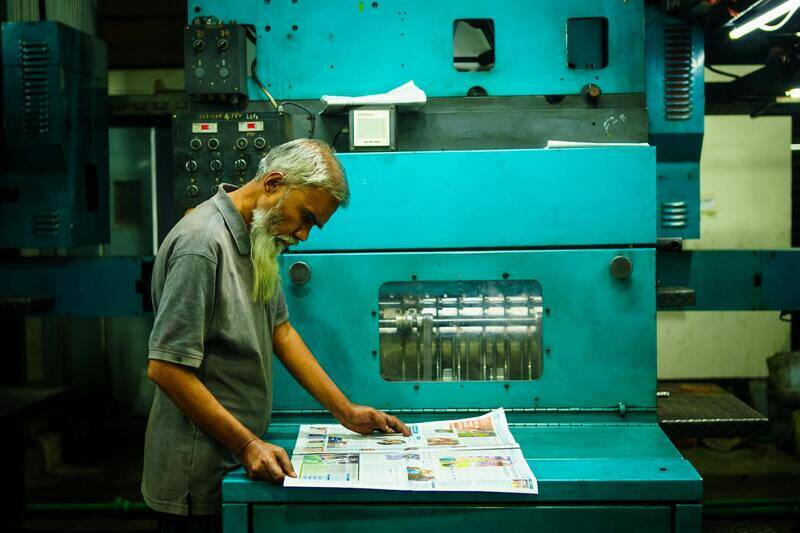
Materials and Finishing Options
Choosing the right material and finish is crucial to achieving the desired impact and longevity of your business cards. Singapore printing services typically offer a spectrum of options, each suited to specific branding messages and usage scenarios.
- Standard Paper Stocks: Matte or gloss-coated options provide a smooth surface suitable for most designs.
- Luxury and Textured Materials: Linen, craft, or textured stocks lend an artisanal feel that can reinforce the brand's premium positioning.
- Plastic and PVC: Durable, waterproof materials ideal for cards that need to withstand tough conditions or frequent handling.
- Metal Options: Aluminum or stainless steel cards convey a high level of sophistication and durability.
Finishing techniques play a vital role in enhancing the tactile and visual appeal of business cards. Popular options include:
- Matte Finish: Soft, non-reflective surface that exudes understated elegance and hides fingerprints or smudges.
- Gloss Finish: Bright, reflective surface that accentuates colors and details, suitable for vibrant art or photographic designs.
- Soft-Touch Coating: Velvety texture offering a luxurious touch experience that enhances perceived value.
- Spot UV Coating: Selectively applied glossy finish for specific design elements, creating contrast and emphasis.
- Embedded Foil and Metallic Accents: Adds shimmer and detail, making the card more eye-catching and memorable.
- Rounded Corners or Die-Cutting: Custom shapes and smooth edges improve aesthetics and tactile interaction.
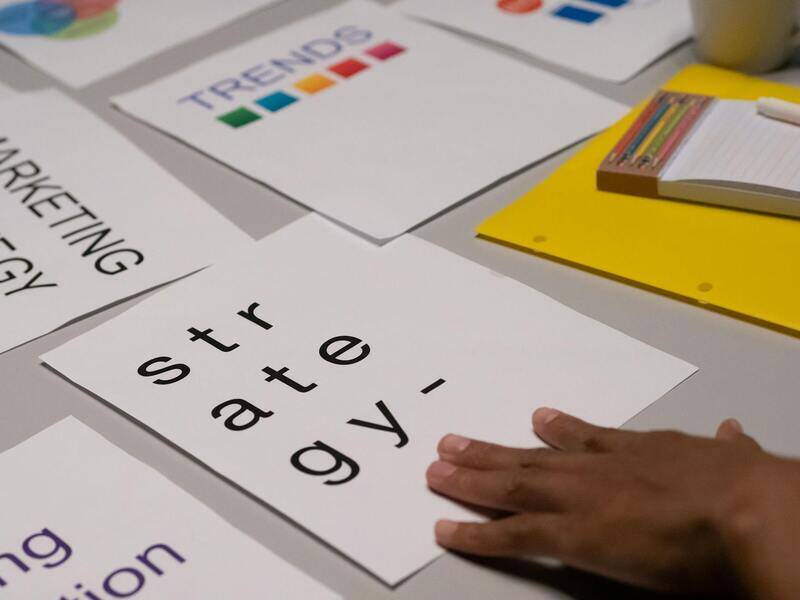
Overview of Business Card Printing Services in Singapore
Singapore's market for business card printing services is robust, offering a diverse array of options suited to various professional needs and branding strategies. These services ensure that businesses and individuals can customize their cards to reflect distinct personalities and corporate identities, using state-of-the-art printing technology and premium materials. Whether it’s for networking events, corporate branding, or personal branding, local providers cater to a broad spectrum of preferences by providing high-quality prints, expedited turnaround times, and environmentally conscious options. The competitive landscape encourages innovation and customization, empowering clients to create impactful first impressions with every card handed out.

Types of Business Cards Offered
In Singapore, business card printing services encompass a wide range of styles to suit various branding strategies. Standard business cards are the most common, typically measuring 85 x 55 mm or 90 x 50 mm, and are available in both matte and gloss finishes. For a more luxurious appeal, premium options such as embossed, foil-stamped, or textured cards are popular. Innovative styles include die-cut cards, which feature custom shapes, and NFC-enabled cards that incorporate contactless data transfer technology. Additionally, some providers offer eco-friendly options using recycled paper stocks or biodegradable plastics, aligning with sustainability initiatives prevalent in the city-state.

Materials and Finishing Options
Singapore's printing services excel in offering an extensive selection of materials and finishing techniques that enhance both aesthetic appeal and durability. Standard paper stocks include matte or gloss-coated options, which provide a smooth surface conducive to detailed designs. For a more tactile feel, textured materials like linen or craft paper add an artisanal touch, enhancing the perceived value of the card. Durable plastic and PVC cards are ideal for frequent handling and exposure to elements, ensuring longevity. Metal options, such as aluminum or stainless steel, are often chosen by companies seeking a high-end, modern look. Finishing techniques further elevate the design, with options like soft-touch coating, spot UV gloss for specific design elements, embedded foil accents, rounded corners, or die-cut edges that introduce unique shapes. These enhancements contribute to creating a memorable and professional presentation.
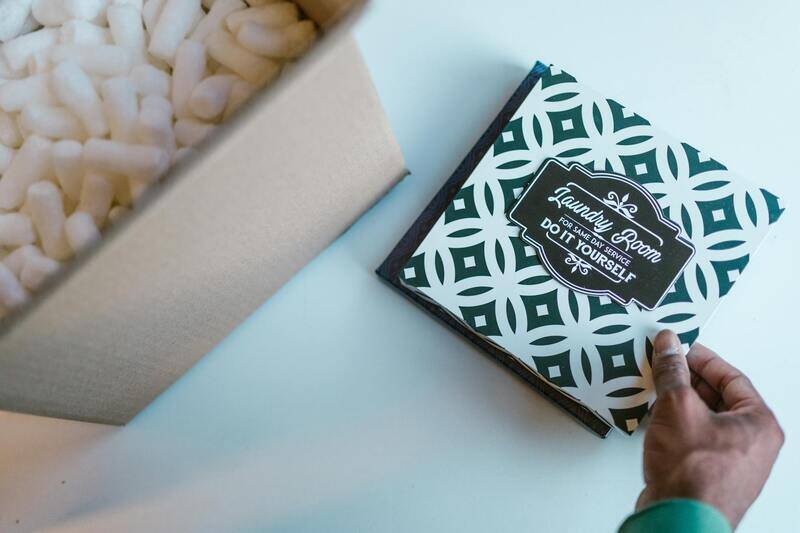
Design Considerations for Business Cards
Effective business card design balances aesthetics with functionality, ensuring that essential information is clear and branding is prominent. Color schemes should align with corporate branding, utilizing contrasting hues to emphasize key details. Typography choices should prioritize readability, with font sizes and styles selecting for clarity and professionalism. Incorporating creative elements such as logos, icons, and subtle patterns can enhance visual appeal without overwhelming the layout. Placement of contact information, job titles, and social media handles must be deliberate to facilitate easy access. Use of white space contributes to a clean look, preventing the design from appearing cluttered. For cards with special features like NFC or embossed details, the design must accommodate these elements seamlessly without compromising visual balance.
Pricing and Turnaround Times
Pricing for business card printing in Singapore varies based on factors such as material selection, finishing techniques, quantity, and complexity of design. Standard cards with basic finishes typically start at affordable rates for bulk orders, while premium options with special finishes command higher prices. Many providers offer volume discounts and package deals that cater to startups and established enterprises alike. Turnaround times can be as quick as 24 hours for standard jobs, with expedited options available for urgent needs. Delays might occur during peak periods or when requesting highly customized features or intricate finishes. Clients should confirm lead times during order placement to ensure timely delivery aligned with their operational timelines.

Choosing the Right Printing Service Provider
Selecting a printing provider in Singapore requires careful consideration of expertise, portfolio diversity, and customer reviews. A reputable provider should demonstrate a comprehensive range of materials and finishes, with examples of previous work that showcase quality and innovation. Experience in handling bulk orders and providing consistent results is essential for large projects. Client service responsiveness and transparency regarding pricing, lead times, and revision policies significantly influence satisfaction. It’s advisable to request samples or visit showrooms when possible to assess print quality firsthand. Additionally, providers with eco-friendly options or certifications in sustainability have become increasingly important to environmentally conscious businesses seeking responsible printing solutions.
Overview of Business Card Printing Services in Singapore
Singapore boasts a vibrant marketplace for business card printing services, offering a variety of options tailored to meet diverse business needs. Companies and entrepreneurs seek high-quality, customizable cards that effectively represent their brand identity. The competitive landscape ensures a focus on technological advancements, eco-friendly practices, and quick turnaround times. Established providers often facilitate seamless processes, from initial design to final delivery, making it convenient for clients to obtain professional-grade cards efficiently. Moreover, the rising demand for personalized and innovative designs pushes printing services to incorporate advanced printing techniques, innovative materials, and diverse finishings, enabling businesses to make memorable impressions at networking events, meetings, and trade shows.
Types of Business Cards Offered
Printing services in Singapore cater to a broad spectrum of business card types, each designed to cater to specific branding goals and industry standards:
- Standard Business Cards: The most common option featuring basic designs suitable for everyday professional interactions.
- Fancy and Premium Business Cards: Incorporate advanced finishes such as spot UV, embossing, or foil stamping to enhance visual appeal and tactile experience.
- Laminated and Spot UV Business Cards: Offer durability with glossy, matte, or textured finishes, showcasing logos or key information with striking contrast.
- Embossed and Foil Business Cards: Elevate the card's texture and appearance through raised designs and metallic accents.
- Die-Cut Business Cards: Customized shapes and intricate edges to stand out from traditional rectangular cards.
- NFC Business Cards: Integrate contactless technology for instant digital sharing and interactions, highly favored in tech-savvy industries.
Materials and Finishing Options
The choice of materials and finishes profoundly impacts the final look and feel of a business card. Popular materials include:
- Standard Cardstock: Cost-effective, suitable for mass printing, and available in various thicknesses.
- High-Quality Matte or Glossy Paper: Enhance visual appeal and durability.
- Plastic or PVC: Water-resistant and perfect for cards requiring longevity and robust handling.
- Eco-Friendly Materials: Recycled papers and biodegradable plastics aligning with sustainable practices.
Finishing options include:
- Matte, glossy, or satin coatings for different tactile sensations.
- Spot UV coating to highlight specific areas with shine.
- Embossing and debossing for a raised or recessed effect.
- Foil stamping in metallic or colored finishes for an elegant touch.
- Laser-cut edges or custom shapes for distinctive profiles.
Design Considerations for Business Cards
Designing effective business cards involves balancing aesthetic appeal with functional clarity. Key considerations include:
- Brand Consistency: Use brand colors, logos, and fonts to reinforce brand recognition.
- Clarity of Information: Ensure contact details are legible and prominently placed.
- Visual Hierarchy: Highlight essential information such as name and title without overcrowding.
- Use of Space: Adequately utilize the front and back of the card for additional details or design elements.
- Incorporation of Unique Features: Elements such as embossing or spot UV can make the card memorable.
- Alignment with Industry Norms: For instance, creative industries may favor bold designs, while corporate sectors might prefer minimalist styles.
Professional designers or print specialists can assist in crafting balanced layouts that effectively communicate brand identity while adhering to printing specifications.