
The Role and Purpose of Custom Business Cards
Custom business cards serve as a fundamental element in professional branding, offering a tangible representation of an individual’s or company's identity. These cards are more than just contact information; they are strategic tools that establish credibility, foster networking opportunities, and create memorable first impressions. The simplicity of handing over a professionally designed, high-quality card can leave a lasting impact that digital communications often cannot match.
In competitive markets, the customization of business cards becomes essential to stand out. Unique designs, material choices, and finishes illustrate creativity and attention to detail, reflecting the professionalism and value of the business or individual behind them. Additionally, custom business cards facilitate brand consistency by incorporating logos, color schemes, and specific aesthetic elements that align with overall branding strategies.
Beyond initial impressions, custom business cards act as tangible reminders for potential clients and contacts. When thoughtfully designed, they can convey key information succinctly while also showcasing personality and brand message. This dual function helps forge stronger relationships and encourages ongoing communication, making them an indispensable marketing and networking asset.

Effective custom business cards also support a company's image by demonstrating quality and attention to detail. Embodying professionalism through premium designs and finishes signals reliability and dedication, often influencing how contacts perceive the overall brand. When crafted with precision, they serve as a reflection of the company's core values and commitment to excellence, thereby enhancing reputation in the eyes of clients and partners.
Moreover, custom business cards can be tailored to specific industry standards and personal preferences. Whether opting for minimalist designs or elaborate artistic layouts, customization ensures that each card resonates with the intended audience and aligns with the purpose of the networking effort. This personalized approach ensures that the card not only provides contact details but also communicates the unique identity of its owner.
In an era dominated by digital interactions, the value of a well-designed physical card cannot be overstated. It acts as a memorable tangible asset that can be shared at meetings, conventions, and networking events, reinforcing the professional presence of the individual or organization. As such, investing in custom business cards is a strategic move that amplifies branding, builds trust, and fosters meaningful connections.
Material Options and Finishing Techniques for Custom Business Cards
Choosing the right material for your custom business cards is fundamental in conveying professionalism and aligning with your brand identity. Options range from traditional cardstock to innovative materials that add durability and tactile appeal. High-quality cardstock remains a popular choice, offering a smooth surface suitable for detailed printing and finishing touches. For more eco-conscious branding, recycled paper options are also available, providing a sustainable yet professional look.
Beyond basic materials, various finishing techniques can enhance the visual and tactile experience of your business cards. Matte finishes lend a sleek, understated elegance that minimizes reflections, making text easier to read. Glossy finishes, on the other hand, create vibrant colors and a shiny surface that attracts attention, ideal for bold designs. Soft-touch coatings provide a luxurious feel, adding an extra layer of sophistication. Specialty finishes like spot UV coating can highlight specific design elements, such as logos or contact information, by creating a contrast in textures and gloss levels.
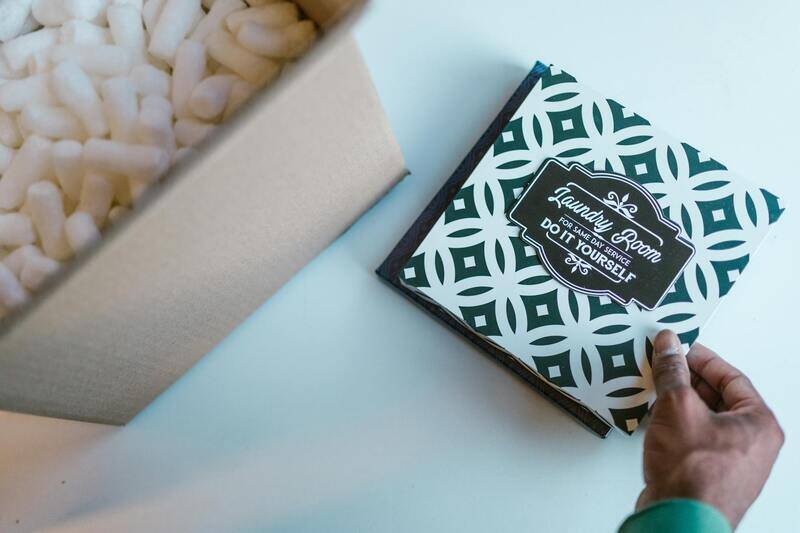
Embossing and debossing techniques are also valuable for adding dimensionality and sophistication to your cards. Embossed logos or text raise elements above the surface, drawing immediate attention, while debossed designs create an indented effect, lending a subtle elegance. Foil stamping introduces metallic accents—gold, silver, or custom colors—that make certain features stand out, emphasizing luxury and exclusivity. These finishing options are not only about aesthetics but also serve to increase durability, ensuring your cards withstand handling over time.
Shape and Size Variations
Standard rectangular business cards remain the most common, fitting easily into wallets and cardholders, but customizing shape and size can significantly impact the impression your brand makes. Die-cut options allow for unique shapes, including rounded corners, circular, or custom silhouettes that reflect your company's personality or industry. For instance, a tech firm might opt for a sleek, rectangular design with rounded edges, whereas an art studio might choose an unconventional shape that mirrors creativity.
Size variations also contribute to your branding statement. Oversized cards provide ample space for designs and details, making a bold visual statement. Conversely, miniature cards or square formats offer a modern, minimalist aesthetic. When selecting these variations, consider how the card will be stored and handled, ensuring practicality alongside visual appeal.
Printing Methods and Quality Factors
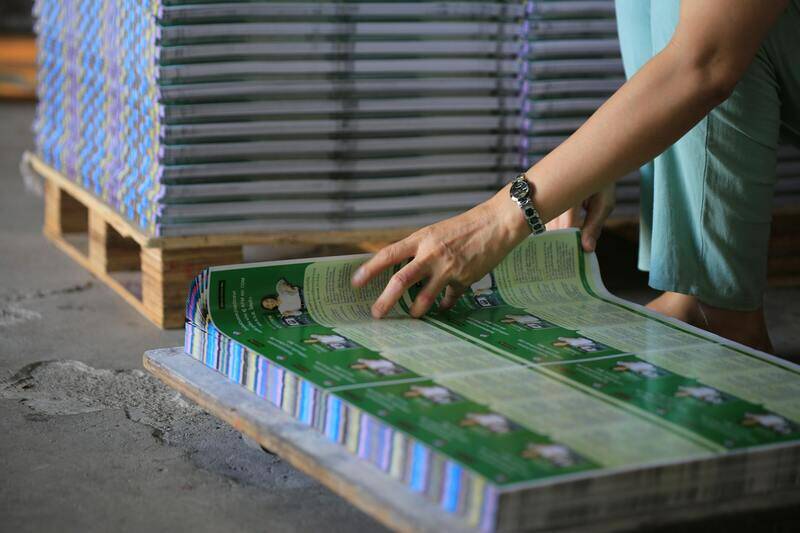
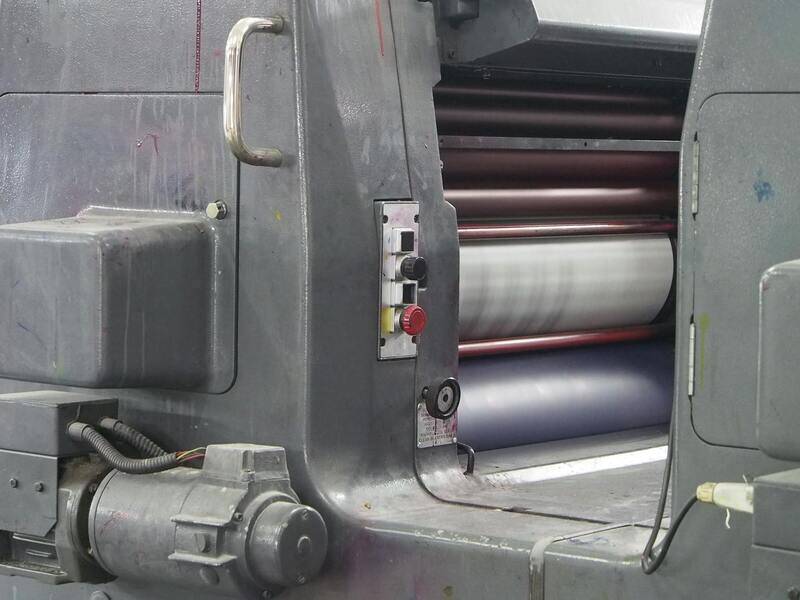
Digital and offset printing are the primary methods used for custom business cards, each with its benefits. Digital printing enables quick turnaround times and cost-effective small-batch production, making it ideal for personalized or limited editions. Offset printing, however, excels in producing high-quality images with precise color reproduction, suitable for batch orders or designs requiring fine detail.
Key quality factors include color fidelity, alignment precision, and consistent ink application. High-resolution printing ensures sharp text and images, while color matching techniques guarantee brand consistency. The choice of printing method can also influence finishing options; for example, embossing and foil stamping often require specific printing processes to ensure durability and clarity.
Customization Features and Add-Ons
- Double-sided printing: Maximize space for branding, messaging, and imagery without cluttering the front side.
- Transparent or translucent elements: Use clear or semi-transparent materials for a modern, innovative appearance.
- Special textures: Linen, canvas, or leather-like finishes add tactile interest and uniqueness.
- Interactive features: Incorporate QR codes, NFC tags, or augmented reality elements to engage recipients electronically.
Cost Considerations and Turnaround Time
Pricing for custom business cards varies depending on material choices, finishing techniques, and order quantities. While basic designs with standard finishes are generally economical, intricate details like foil stamping or specialty materials can increase costs. Turnaround times typically range from a few business days for standard orders to longer durations for custom shapes or elaborate finishes. Planning ahead ensures ample time for production, quality checks, and delivery.
Choosing a Printing Service and Ordering Tips
Reliable printing services should offer a broad selection of customization options, high-resolution proofs, and transparent pricing. Prioritize providers with experience in premium finishes and a reputation for quality craftsmanship. When placing an order, provide clear specifications, including design files, preferred materials, finishes, and quantities. Request sample swatches or proofs when possible to verify color accuracy and texture. This proactive approach helps prevent surprises and ensures your custom business cards align with your branding standards.
Material Options and Finishing Techniques
Choosing the right materials and finishes enhances the tactile experience and visual appeal of custom business cards. Standard cardstock remains the most economical choice, offering durability and versatility, but options extend beyond basic paper. Recycled materials provide an environmentally conscious option without sacrificing quality, often available in a variety of textures and colors. Specialty finishes, such as spot UV coating, add a glossy highlight to specific design elements, making key information or logos stand out. Foil stamping introduces metallic accents that lend a sophisticated, high-end look, while embossing creates a raised texture that adds depth and tactile interest. Lamination offers protection against wear and tear, maintaining the card’s pristine appearance through frequent handling. Additional options include matte or gloss coatings, which influence the card’s sheen and feel, and soft-touch finishes that provide a velvety surface. Combining different finishing techniques allows brands to craft unique, memorable cards that reflect their identity and professional standards. For example, a matte background paired with glossy embossed elements can create a striking contrast that captures attention. It is important to select materials and finishes that complement your branding while considering durability and environmental impact, especially when choosing specialty options that may require longer production times or higher budgets.
Role and Purpose of Custom Business Cards
Custom business cards serve as an essential tool for professionals and organizations aiming to make a memorable and lasting impression on clients, partners, and prospects. They encapsulate vital information such as contact details, company branding, and individual credentials, providing a tangible representation of a brand's identity. Beyond mere contact information, custom cards reinforce brand recognition through tailored design elements, logo placement, and unique material choices, fostering trust and credibility in competitive markets.
These cards are more than just identifiers; they act as mini marketing collateral, capable of conveying a company's values and professionalism succinctly. A well-designed custom card can stimulate curiosity, prompting recipients to initiate further communication or engagement. In industries where first impressions are crucial, personalized business cards differentiate professionals from their competitors, signaling attention to detail and a commitment to quality.
Design Considerations for Custom Business Cards
Design plays a pivotal role in the effectiveness of custom business cards. It involves a strategic blend of visual elements, typography, and layout that aligns with your brand’s voice and target audience. Key considerations include the selection of color schemes that evoke the right emotions, clear typography for readability, and a logo that encapsulates your brand essence.
It is essential to decide on the hierarchy of information, ensuring that the most critical details—such as name, title, and contact information—stand out. Incorporating white space judiciously prevents clutter, making the card attractive and easy to read. Creative use of imagery or patterns can enhance visual appeal, but it should complement rather than overshadow essential information.
- Maintain consistency with your existing branding, including logo, colors, and font styles.
- Use high-resolution graphics to ensure sharp printing quality.
- Consider innovative design layouts that differ from conventional rectangular formats.
- Implement ample contrast between text and background for enhanced legibility.
- Balance aesthetics with functionality, ensuring the card remains practical and durable.
Engaging a professional designer or utilizing advanced online tools can assist in creating a layout that is both visually appealing and aligned with branding strategies.
Material Options and Finishing Techniques
Choosing the right materials and finishes elevates the tactile experience and perceived value of your custom business cards. Standard cardstock is widely used for affordability and durability, but options extend to premium materials such as textured papers, recycled substrates, and exotic stocks, aligning sustainability with sophistication.
Finishing techniques add distinctive touches that make cards stand out:
- Spot UV Coating: Adds a glossy highlight to specific design elements, enhancing contrast and visual interest.
- Foil Stamping: Introduces metallic accents that convey elegance and a high-end image.
- Embossing and Debossing: Creates raised or recessed patterns, providing tactile feedback and depth.
- Laminate and Varnish: Protects against wear, moisture, and fingerprints, preserving the card’s appearance over time.
- Matte or Gloss Coatings: Determine the overall sheen, with matte providing a subdued, sophisticated feel and gloss offering vibrancy.
Role and Purpose of Custom Business Cards
Custom business cards serve as a tangible representation of a professional identity and brand image. They provide a convenient means to share contact details, reinforce brand recognition, and establish a memorable impression. The distinctiveness of a customized design ensures that recipients can easily recall the individual or company associated with the card. In competitive markets, a thoughtfully crafted business card can differentiate a brand from its competitors and leave a lasting impression that encourages future engagement.
Beyond basic contact sharing, custom business cards can incorporate specific branding elements such as logos, taglines, and color schemes. They also act as an extension of marketing strategies, conveying professionalism and attention to detail. When crafted with precision, they enhance credibility and foster trust with clients, partners, and prospects. Additionally, tailored designs can showcase unique features or attributes of a business, aligning visual aesthetics with core values and personality.
Design Considerations for Custom Business Cards
Effective design begins with clarity and purpose. It’s essential to balance visual appeal with functionality, ensuring the card remains easy to read and navigate. Choose a layout that emphasizes key information such as the individual’s name, title, contact details, and company branding. Incorporate consistent color schemes and font choices that align with the overall brand identity to create a cohesive appearance.
Contrast and hierarchy play critical roles in design. Use ample contrast between text and background to ensure legibility across different lighting conditions. Maintain enough white space around elements to avoid clutter and enhance overall readability. Combining striking visuals with minimalistic text can strengthen brand recognition without overwhelming the recipient.
- Engage professional designers or utilize advanced online tools to achieve precise layouts.
- Select high-quality images and graphics that align with your branding strategy.
- Test different designs with target audiences to gather feedback and refine the layout.
- Ensure the overall design resonates with the intended industry and target demographic.
Material Options and Finishing Techniques
The tactile experience of a business card significantly influences perceived value. Selecting appropriate materials and finishing options elevates both durability and aesthetic appeal. Standard cardstock remains popular for its balance of affordability and strength; however, premium selections are available for companies seeking to convey luxury or uniqueness.
Materials such as textured papers, recycled substrates, and exotic stocks infuse personality and statement-making qualities into the card. Finishing techniques add further distinction, often influencing visual richness and tactile sensation:
- Spot UV Coating: Glossy highlights on specific design elements create contrast and visual interest.
- Foil Stamping: Metallic accents impart elegance and a premium feel.
- Embossing and Debossing: Raised or recessed patterns add tactile depth and sophistication.
- Lamination and Varnish: Protective layers shielding from wear, moisture, and fingerprints, extending lifespan.
- Matte or Gloss Coatings: Overall sheen choices influence the card’s aesthetic tone, from subdued to vibrant.

Shape and Size Variations of Custom Business Cards
When considering the creation of custom business cards, the shape and size are critical factors that influence the card’s visual impact and functionality. Standard rectangle dimensions, typically 3.5 x 2 inches, remain popular due to their familiarity and ease of handling. However, innovation in this area allows for a wide array of options that can make a card stand out among competitors.
Oval, square, circular, and even die-cut shapes offer unique visual cues that can reinforce brand identity and industry relevance. For example, a circular card may evoke creativity and approachability, fitting for a design studio or artistic enterprise. Die-cut designs, tailored to specific motifs or logos, can add a memorable touch, ensuring that the card is not just a container of information but a tangible extension of the brand’s personality.

Considerations for Choosing Shapes and Sizes
- Brand Identity Alignment: Select shapes that complement your company’s personality and industry standards.
- Functionality: Ensure the card fits comfortably into wallets, cardholders, or badge reels for convenience.
- Design Space: Consider how the shape influences the placement of logos, text, and other visual elements to maintain clarity and impact.
- Uniqueness vs. Practicality: Balance distinctive design options with practicality to ensure the card remains user-friendly and durable.
Impact of Custom Shapes on Branding
Unique shapes can significantly enhance brand recognition by making the card instantly identifiable. An unconventional shape can serve as a conversation starter and encourage recipients to keep the card at hand longer. This deliberate design decision signals innovation and attention to detail, traits that can appeal strongly within particular industries such as tech, creative arts, or luxury services.
Furthermore, custom shapes can improve the overall aesthetic harmony, aligning the tactile experience with the visual message conveyed. When combined with thoughtfully chosen materials and finishes, these shape variations contribute to a cohesive and compelling brand presentation.
Shape and Size Variations
Advancing beyond standard dimensions, custom business cards can be crafted in an array of shapes and sizes to precisely mirror your brand identity. This flexibility allows businesses to establish a distinctive visual footprint in competitive markets, making each card a memorable representation of the company's ethos.
Considerations When Choosing Shapes and Sizes
- Brand Identity Alignment: Shapes should resonate with your company's personality, whether it's a sleek rectangle for corporate professionalism or a rounded corner design for a friendly, approachable image.
- Functionality: Prioritize sizes that comfortably fit into standard wallets, cardholders, or badge reels, ensuring ease of handling and consistent storage.
- Design Space: The chosen shape influences the placement of logos and text, requiring careful layout planning to maintain visual clarity and impact.
- Balance of Uniqueness and Practicality: While unconventional shapes foster memorable branding, they should not compromise usability or durability.
The Impact of Custom Shapes on Branding
Adopting unique geometries can significantly enhance brand recall, as distinctive shapes make your business card stand out instantly. An unconventional form can serve as a conversation catalyst, prompting curiosity and reinforcing the innovative image of your enterprise. This approach exemplifies meticulous attention to detail, highlighting your commitment to quality and the customer experience.
Furthermore, selecting a shape that aligns with your industry standards while maintaining originality can create a harmonious aesthetic. When combined with high-quality materials and premium finishes, custom shapes transform a simple contact point into a reflection of your brand's sophistication and creativity.
Role and Purpose of Custom Business Cards
Custom business cards serve as a vital tool in establishing and reinforcing professional identity. They act as tangible representations of your brand, encapsulating your company's ethos, contact information, and unique personality. Unlike generic cards, personalized options allow for differentiation in crowded markets, making it easier for clients and partners to remember you. Well-designed custom business cards can foster immediate trust and credibility, providing a foundation for ongoing professional relationships. Their primary purpose goes beyond mere contact sharing; they embody your brand’s visual language, conveying professionalism, creativity, and attention to detail.
Additionally, custom cards offer an opportunity to communicate aspects of your business that standard cards cannot. Incorporating unique design elements, specialized materials, or innovative finishes, these cards become memorable keepsakes that encourage recipients to engage further. Whether used at networking events, meetings, or conferences, their quality and distinctiveness can significantly impact impressions, fostering a sense of trustworthiness and authority in your industry. Moreover, they facilitate easier recall by recipients, increasing the likelihood of future interactions.
Design Considerations for Custom Business Cards
Effective design is crucial in ensuring your custom business card accomplishes its purpose. Key factors include layout, color schemes, typography, and visual hierarchy, each serving to enhance clarity and aesthetic appeal. The design should align seamlessly with your brand identity, reflecting your industry, target audience, and personal or corporate style.
- Brand Consistency: Use color palettes, fonts, and logo placement that match your broader branding efforts.
- Readability: Prioritize legible fonts and appropriate font sizes, especially for contact details.
- White Space: Balance visual elements with sufficient white space to prevent clutter and improve focus.
- Visual Hierarchy: Highlight key information such as your name, role, and contact details for quick scanning.
Incorporating creative elements such as minimalistic icons, textured backgrounds, or subtle patterns can elevate the overall design without compromising professionalism. It’s essential to consider how the card’s shape and size contribute to the visual flow, ensuring that all elements work cohesively to communicate your message clearly. Collaboration with professional designers or experienced printing providers can help fine-tune these details to create impactful results.
Material Options and Finishing Techniques
The choice of materials significantly influences the durability, tactile experience, and perceived value of your custom business cards. Options range from standard cardstock to premium materials like textured paper, plastic, metal, or even specialty surfaces such as clear acrylics.
- Standard Paper: Cost-effective, versatile, and available in various thicknesses and textures.
- Luxury Materials: Include thicker cardstocks, linen finishes, or specialty papers with embossed or matte surfaces.
- Plastic and Acrylic: Offer modern, sleek aesthetics with durability and transparency options.
- Metal or Wood: Provide a bold, tactile sensation that can make a lasting impression.
Finishing techniques further customize the look and feel. Matte, gloss, or soft-touch coatings, spot UV varnishes, foil stamping, or embossed accents add depth and texture. These finishes enhance the visual appeal and tactile quality, making your cards more memorable. For instance, foil stamping on logos can evoke sophistication, while embossed text adds a tangible element of exclusivity.
Shape and Size Variations
Moving beyond traditional rectangular cards opens up a realm of customization possibilities that can greatly influence brand recognition. Custom shapes, contours, and sizes allow your business card to stand out immediately upon reception.

When selecting shapes, consider how they reflect your industry and brand personality. Rounded corners, circular cuts, or asymmetric designs can evoke friendliness, creativity, or modernity. Unique sizes, such as square cards or mini cards, can add a distinctive touch that differentiates your brand from competitors.
- Standard Sizes: Typically 3.5 x 2 inches, fitting easily into wallets and cardholders.
- Square Cards: Enhances visual interest and perceived uniqueness.
- Mini or Slim Cards: Compact, convenient, and highly portable, perfect for minimalist aesthetics.
- Custom Shapes: Custom die cuts or irregular shapes aligned with your brand message can make a strong visual statement.
While unconventional shapes boost aesthetic appeal and brand recall, they must also be practical in terms of handling and durability. Collaborating with experienced printers ensures that the chosen shape maintains structural integrity and visual clarity, balancing innovation with functionality.
Printing Methods and Quality Factors
Selecting the appropriate printing process is fundamental to achieving desired quality and detail in your custom business cards. Common methods include digital printing, lithography, letterpress, and embossing, each offering distinct advantages.
- Digital Printing: Ideal for small runs, quick turnaround, and additional customization. It provides sharp images and vibrant colors suitable for complex designs.
- Lithography (Offset Printing): Cost-effective for larger quantities, delivering high-quality detail and color consistency.
- Letterpress: Offers a tactile, embossed feel that conveys elegance and tradition, especially suited for premium brands.
- UV Coating and Spot UV: Adds gloss and visual emphasis on specific areas or logos, creating a striking contrast.
- Embossing/Debossing: Creates a raised or recessed design for text or logos, enhancing tactile engagement.
Quality factors such as color fidelity, registration accuracy, and edge sharpness hinge upon using top-tier printing equipment and materials. Ensuring proof approval before mass production minimizes errors and guarantees the final product meets your expectations. High-quality printing, coupled with durable finishes, guarantees longevity and preserves the aesthetic integrity of your custom cards over time.
Customization Features and Add-Ons
Enhancing your business cards with various customization features can significantly improve their impact. These add-ons are strategic tools that embed your brand within the recipient’s memory more effectively.
- Foil Stamping: Adds metallic accents, highlighting logos or key text for elegance and visibility.
- Spot UV: Provides glossy emphasis on specific design elements, producing a compelling visual contrast.
- Embossing/Debossing: Creates three-dimensional effects, lending a tactile dimension to your design.
- Edge Coloring: Frames your cards with color on the edges, adding a subtle but effective stylistic touch.
- Specialty Inks: Use of thermochromatic or opaque inks for hidden messages or effects.
- Interactive Elements: Integration of QR codes, NFC chips, or augmented reality features to connect recipients with digital content.
Each add-on should complement your brand's message and style, ensuring the overall design remains cohesive. When thoughtfully incorporated, these features can elevate your business card from a simple contact tool to a memorable branding asset.
Cost and Turnaround Time
Cost considerations for custom business cards depend on material choices, design complexity, size, and finishing techniques. Standard designs on basic cardstock are generally more economical, while premium materials and intricate finishes naturally increase costs. Bulk orders often benefit from discounted rates, making large-scale distribution more feasible for expanding branding efforts.
Turnaround times can vary based on order complexity and the chosen printing method. Digital printing options typically offer faster delivery—often within a few days—while specialty finishes or custom shapes may extend this window to one or two weeks. Planning ahead and collaborating with reputable printers ensures a smooth process and timely delivery, preventing delays in marketing campaigns or professional engagements.
