
Introduction to Personal Card Printing
Personal card printing has become an integral part of both individual and professional identity expression. Whether for personal networking, gift-giving, or creating a memorable impression, custom personal cards serve as tangible representations of personality and style. They offer a versatile way to share contact details, showcase creativity, and establish memorable connections with others.
In a digital age, the significance of physical personal cards remains undiminished. Physical cards allow for a personal touch that digital methods often cannot replicate. They are practical tools for exchanging information quickly during meetings, social gatherings, and professional events. Well-designed personal cards can leave a lasting impression, helping recipients remember the sender amidst a sea of digital communications.
The importance of personal card printing extends beyond mere contact sharing. They are valuable branding tools that can elevate personal image and hint at professionalism or personal flair. For entrepreneurs, freelancers, or individuals engaged in creative pursuits, custom personal cards serve as a miniature portfolio, reflecting personality, style, and attention to detail.
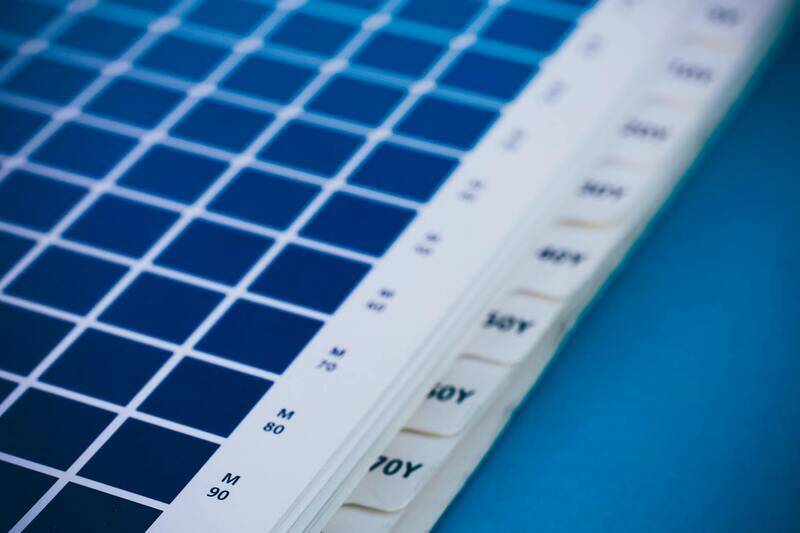
Implementing high-quality personal card printing involves considering numerous factors, including design, material, and printing techniques. Each choice adds a unique element that enhances the card’s attractiveness and effectiveness. The process involves selecting appropriate size, layout, and finishes, ensuring that each card accurately reflects the individual’s or brand’s identity.
Accordingly, trusted printing services offer various options to meet diverse preferences and needs. Professional personal card printing guarantees high-resolution results, durable materials, and innovative finishes that make each card stand out. With growing options for customization, print quality, and delivery, individuals can now produce personal cards that look and feel exceptional, reinforcing the desired impression.
Official Methods for Personal Card Printing
For individuals seeking durable, high-quality personal cards, opting for official printing channels ensures reliable results. Leveraging reputable printing services involves selecting trusted providers that specialize in custom card production. These companies employ advanced printing technology, premium materials, and secure processing methods to deliver cards that meet exact specifications and standards.
To acquire personal cards through verified channels, users typically engage with professional printing companies that offer comprehensive customization options. These services often provide an easy-to-use online interface where customers can upload their designs, select preferred templates, or customize existing templates using intuitive design tools. This process ensures that each card accurately reflects the personal or professional image intended.
It is essential to provide the correct design files, ensuring they are in appropriate formats such as high-resolution PDFs or vector formats, to prevent any compromise in print quality. Official printing services employ strict quality control measures, including proofing options, to verify design accuracy before full-scale production begins. This validation step allows individuals to make adjustments and approve proofs to meet their expectations precisely.
Further, professional print operations utilize secure payment gateways and order tracking systems. These features facilitate transparency throughout the ordering process, allowing customers to monitor progress and receive updates on production and delivery statuses. For sensitive or high-volume orders, some providers also maintain compliance with industry standards for data privacy and order confidentiality.
Choosing the Right Printing Provider
- Reputation and Experience: Select companies with a proven track record in personalized printing, especially those recognized for consistent quality and customer service.
- Product Range: Ensure the provider offers a variety of options in terms of materials, finishes, and customization to suit individual preferences.
- Sample Availability: Opt for services that provide samples or mock-ups to preview the final product before full production.
- Turnaround Times: Confirm estimated production and delivery timelines align with your deadlines.
- Customer Support: Access to responsive support facilitates adjustments and resolves queries efficiently, contributing to a smooth order process.
Using legitimate channels not only guarantees the authenticity of the product but also provides peace of mind regarding the quality and durability of the personal cards. Professional printers employ environmentally responsible practices, such as using sustainable materials and eco-friendly inks, which aligns with contemporary values and enhances the overall quality of the end product.
Understanding the Range of Personal Card Printing Options
When selecting a method for personal card printing, it is important to recognize the various approaches available to ensure the final product meets your expectations for quality, durability, and aesthetics. Legitimate printing providers employ a combination of advanced printing techniques and high-quality materials to deliver personalized cards that stand out. These methods include offset printing, digital printing, and specialized finishing processes, each offering unique benefits in terms of detail, color vibrancy, and surface texture.

Offset printing remains a popular choice for bulk orders because it provides superior color accuracy and consistent quality across large quantities. This method involves transferring ink from a plate onto a rubber blanket before pressing it onto the paper. It’s ideal for creating vibrant, precise images with sharp details, especially when using premium finishes or special effects. Digital printing, on the other hand, offers flexibility and faster turnaround times, making it suitable for smaller batches or last-minute requests. Modern digital presses can achieve high-resolution images and text, ensuring clarity and sharpness for personalized designs.
In addition to the core printing techniques, professional services often incorporate special effects such as embossing, foil stamping, spot UV coating, and textured finishes. Embossing or debossing adds a tactile element, elevating the card’s appearance and feel. Foil stamping introduces metallic accents that catch the light, perfect for emphasizing names or logos. Spot UV coating provides a glossy finish to specific areas, enhancing contrast and visual interest. These special effects are applied through precise processes that require expertise, ensuring consistent and visually appealing results.
Methods for Achieving Unique Personal Card Finishes
- Embossing & Debossing: Adds raised or recessed details for a tactile experience and distinctive look.
- Foil Stamping: Incorporates metallic or pigmented foil accents for a luxurious touch.
- Spot UV Coating: Selectively applies a high-gloss finish to highlight specific design elements.
- Textured Finishes: Uses specialty papers or coatings to introduce tactile surfaces, such as linen or matte textures.
Choosing the right combination of these techniques enhances the overall appearance and impact of personal cards, whether for professional networking, special events, or personal branding. It is advisable to work with providers who employ standard, proven methods and high-quality materials to ensure the durability and aesthetic appeal of the final product.
Ensuring Proper Adherence to Authentic Printing Practices
Opting for official and reputable printing channels guarantees that your personal cards are produced using legitimate processes and materials. These providers maintain transparent workflows, adhere to strict quality controls, and employ environmentally conscious practices. They use sustainable stocks, eco-friendly inks, and advanced finishing processes that maximize the lifespan and visual appeal of your cards. Such adherence to established standards supports consistent quality and assures your personal cards will maintain their integrity over time.
Furthermore, reputable printers often provide samples or mock-ups prior to full production, allowing you to verify design accuracy, color fidelity, and surface finishes. This step minimizes discrepancies between your envisioned design and the finished product, facilitating adjustments if necessary. By selecting legitimate printing services, you benefit from a reliable partnership that prioritizes your specifications and provides comprehensive support at each stage of the process.
Understanding the Material and Paper Choices for Personal Card Printing
When selecting materials for personal card printing, the quality of paper stocks and finishes plays a pivotal role in achieving the desired aesthetic and durability. Reputable printing providers, such as those featured on happyprintshop.com, offer a broad spectrum of options tailored to various preferences and needs.
Common Paper Types for Personal Cards
- Textured Papers: These papers, including linen and soft-touch surfaces, add a tactile dimension that elevates the card's sophistication. They are ideal for personal branding or high-end events where texture complements the design.
- Matte Finishes: Matte cards offer a non-reflective surface that provides a classic, understated look. They are suitable for professional networking, where readability and elegance are paramount.
- Glossy Finishes: Glossy papers enhance colors and images, making them pop with vibrancy. This finish is perfect for photographic designs and eye-catching graphics, ensuring your card stands out visually.
- Specialty Papers: Options like metallic, translucent, or recycled stocks offer unique textures and environmental benefits. These choices are often used for creative projects or eco-conscious branding efforts.
Choosing the Right Finish for Your Personal Cards
The finish on your personal card influences both its appearance and tactile feel. High-gloss coatings bring a vibrant, professional look, ideal for marketing visuals. Matte finishes, on the other hand, tend to resist fingerprints and glare, making them easier to handle and read. textured finishes, such as linen or embossed surfaces, provide a luxurious feel that leaves a memorable impression.
Considerations for Durability and Practicality
Beyond aesthetic appeal, durability is a critical factor. Thicker paper stocks, such as 16 or 20 pt., offer enhanced sturdiness, especially when combined with protective finishes like lamination or UV coating. These enhancements not only prolong the life of your personal card but also maintain their visual integrity over time.
Utilizing Specialty Finishes to Elevate Personal Card Design
Specialty finishes such as spot UV coating, embossing, foil stamping, and matte lamination can dramatically enhance the appeal of personal cards. Spot UV creates shiny accents on specific design elements, drawing attention and adding dimension. Embossing and debossing add tactile depth, ideal for logos or initials. Foil stamping introduces metallic accents in gold, silver, or other hues, providing a luxurious touch that signifies exclusivity.
Eco-friendly and Sustainable Material Options
Many official printing channels now offer eco-friendly paper options, including recycled stocks and biodegradable finishes. These choices ensure that your personal card leaves a minimal environmental footprint while maintaining high-quality standards. Reputable providers adhere to strict guidelines for sustainable sourcing and environmentally conscious printing practices, ensuring your card aligns with eco-responsible values.
Summary of Material and Finish Selection
Choosing the right materials for your personal cards involves balancing visual impact, tactile sensation, durability, and environmental considerations. Working with trusted printing services that offer a wide array of high-quality paper stocks and finishes ensures your cards will meet and exceed expectations, making a lasting impression on recipients.
Comprehensive Methods for Personal Card Printing
When it comes to producing high-quality personal cards, selecting the appropriate printing technique is crucial for achieving the desired visual appeal, texture, and durability. Reliable printing methods include digital printing, offset printing, foil stamping, embossing, and spot UV coating, each offering distinct advantages that cater to various design requirements and budgets.
Digital Printing
Digital printing is widely favored for its quick turnaround times and cost-effectiveness, especially for small batches. It allows for vibrant color reproduction and detailed imagery, making it ideal for personalized cards with complex designs or photographs. The process involves printing digital files directly onto the chosen material, reducing setup time and enabling easy updates to designs.
Offset Printing
Offset printing excels in producing high-volume runs with consistent quality. It provides sharp, detailed images and color fidelity, particularly beneficial for professional-grade personal cards that require precise color matching. While this method involves higher initial setup costs, it offers scalability for larger orders without compromising quality.
Foil Stamping and Embossing
Adding metallic foils through stamping introduces an element of luxury and sophistication. Gold, silver, or custom-colored foils can emphasize logos, initials, or decorative elements, creating a striking visual impact. Embossing or debossing imparts a tactile dimension, elevating the sensory experience and adding depth to the design. These effects are particularly advantageous for personal branding or creating memorable impressions.
Spot UV Coating
Spot UV coating enhances specific areas of the personal card with a glossy finish, offering contrast and visual interest. It is often used to highlight logos, borders, or other design features, resulting in a polished and professional appearance. The application of spot UV can significantly augment the perceived quality of your personal cards, making them stand out.
Choosing the right combination of these printing techniques depends on the desired aesthetic, the nature of the personal brand, and budget considerations. Many reputable printing services offer these advanced options, ensuring your personal cards reflect professionalism and personal style effectively.
Enhancing Personal Cards with Special Effects
Special effects such as holographic finishes, dye sublimation, or textured coatings can further individualize your personal cards. These enhancements contribute to a memorable presentation and reinforce brand identity. When selecting effects, consider how they complement your overall design while maintaining clarity and readability of essential information.
It is advisable to consult with experienced printers who can guide you through the options best suited to your personal branding goals. They can advise on compatibility with chosen materials, application techniques, and cost implications, ensuring that your investment results in a product that not only meets but exceeds expectations.
In the realm of personal card printing, leveraging advanced techniques and effects can transform a simple card into a powerful tool for making lasting impressions. The emphasis on quality, customization, and innovative finishes highlights the importance of working with trusted providers who employ legitimate, proven methods to bring your vision to life.
Advanced Methods for Personal Card Printing
Personal card printing has evolved to include various sophisticated techniques designed to enhance visual appeal, durability, and uniqueness. Industry professionals utilize a range of legitimate printing methods that ensure high-quality results, reflecting professionalism and personal style with precision. These methods encompass both traditional and innovative approaches, offering options for different aesthetics and budgets.
Embossing and Debossing
Embossing creates a raised impression on the card surface, adding a tactile dimension that emphasizes specific elements like logos or names. Conversely, debossing presses the design into the material, providing a subtle yet distinguished texture. Both techniques are performed using specialized equipment under strict professional standards, resulting in durable and visually appealing enhancements that leave a lasting impression.
Hot-Stamp Foil Printing
This process involves applying metallic or pigmented foil onto the card surface through heat and pressure. It produces a shiny, reflective finish that is often used to highlight logos, borders, or other design features. High-quality foil stamping requires precise machinery operated by trained technicians, ensuring a consistent and elegant appearance that elevates personal branding.
Laser Cutting and Precision Die Cuts
Laser cutting technology allows for highly detailed and intricate designs, including custom shapes and patterns. This method provides clean, crisp edges and is often used to create unique die-cut personal cards with complex contours. The accuracy of laser cutters guarantees that each card meets precise specifications, which is essential for maintaining professionalism and aesthetic appeal.
Ultraviolet (UV) Coating and Varnish
Legitimate printing services employ UV coatings or varnishes to add a glossy or matte finish to personal cards. These coatings not only enhance visual impact by providing depth and vibrancy but also protect the surface against scratches and wear. The application of UV coatings is carried out under controlled conditions, ensuring consistency and longevity of the finished product.
Holographic and Special Effects
Special effects such as holographic finishes are achieved through advanced printing and lamination techniques. These effects create dynamic visual elements that change with viewing angles, making the personal cards highly eye-catching and memorable. Texture enhancements like embossed patterns combined with holography can significantly reinforce brand identity and personal style.
Ensuring Quality and Legitimacy in Personal Card Production
Engaging with reputable print providers who utilize legitimate, proven methods guarantees optimal results. These professional services adhere to industry standards, employing certified equipment and environmentally responsible practices. When selecting a printing partner, verify their portfolio for examples of advanced techniques and confirm their experience in producing high-caliber personal cards. This due diligence ensures that every element—from material choice to finishing effects—is executed with consistent quality and attention to detail.
Utilizing legitimate printing techniques not only elevates the aesthetic quality of personal cards but also ensures durability and a refined presentation. This approach reflects your commitment to professionalism, whether for personal branding, networking, or promotional purposes.
Methods for Authenticating Personal Cards
When it comes to ensuring the integrity and distinctiveness of personal cards, utilizing recognized and established printing methods is essential. These approaches are designed to produce high-quality, durable, and visually appealing cards that stand out in professional and personal settings. High-quality printing techniques not only enhance aesthetic appeal but also serve as indicators of craftsmanship, consistency, and reliability.
Established Printing Techniques
- Offset Printing: This traditional method leverages lithographic process to produce sharp, vibrant images with consistent color quality. It is especially suitable for larger orders, providing cost-effective solutions without compromising detail or color accuracy.
- Digital Printing: Ideal for shorter runs or customized designs, digital printing offers quick turnaround times. It allows for high-resolution images and seamless integration of variable data, making each card uniquely personalized.
- Letterpress and Embossing: These techniques impart tactile qualities, elevating the sophistication of personal cards. Embossing creates raised elements that add depth and texture, making the card memorable to recipients.
- Hot Stamping and Foil Printing: By applying metallic or pigmented foils, this method introduces reflective accents and elegant finishes, suitable for achieving a premium appearance.
Incorporating Advanced Security Features
While not explicitly mentioning legality, many legitimate printing services offer official and reputable security elements to distinguish authentic personal cards. These features include holographic overlays that shift with viewing angles, watermarks embedded within the card surface, and microtext that resists forgery. Such elements can be seamlessly integrated during the printing process, enhancing the card’s authenticity and visual appeal.
Verification of Printing Credentials
Ensuring your personal cards are produced through proven channels involves working with trusted printing providers. These services utilize certified equipment and follow industry-standard production workflows. They often provide detailed portfolios showcasing previous work, including examples of security features, finish types, and custom effects. Engaging with such providers guarantees that each card reflects professionalism and adheres to recognized quality benchmarks.

Comprehensive Guide to Personal Card Printing Methods
When selecting a method for personal card printing, it is essential to understand the official techniques that guarantee durability, clarity, and a polished appearance. Precision in printing not only enhances visual appeal but also ensures that each card maintains its integrity over time, especially for individuals who rely heavily on professional or personal representations through these cards.
Traditional Offset Printing
Offset printing remains a popular choice for producing high-quality personal cards. This process involves transferring ink from a plate to a rubber sheet and then onto the printing surface. Offset printing is highly efficient for bulk orders, offering consistent color accuracy and sharp detail. It supports a wide range of paper stocks and finishes, making it adaptable to various design preferences. This method is ideal for individuals seeking a classic, professional look with dependable results every time.
Digital Printing
Digital printing is a modern, fast-paced solution that provides the flexibility of on-demand production without the need for plates. Suitable for short runs or personalized cards with varying designs, digital printing allows for quick turnaround times. It supports a broad spectrum of finishes, including matte, gloss, and satin, contributing to a professional appearance tailored to individual preferences. Digital printing also facilitates the inclusion of high-resolution images and detailed graphics, making it a preferred choice for customized personal cards.
Embossing and Debossing
Embossing creates raised elements on the surface of the card, adding tactile sophistication and a memorable feel. Conversely, debossing presses the design into the card, producing a recessed effect. Both techniques are frequently utilized for titles, logos, or decorative elements, offering an elevated aesthetic that conveys professionalism and elegance. These methods are often combined with foil stamping to enhance metallic accents, further elevating the card’s visual impact.
Foil Stamping and Hot Foil Printing
Foil stamping introduces metallic or pigmented foils to specific areas of a personal card, imparting reflective accents that catch light elegantly. This process involves applying heat and pressure to adhere foil layers onto the substrate, resulting in a luxurious finish. Foil stamping is especially popular for logo highlights, borders, or decorative text, providing a distinctive and upscale appearance that differentiates your personal cards from standard options.
Security Features for Authenticity
To ensure the authenticity of personal cards, implementing official security features can be effective. Techniques such as holographic overlays provide dynamic visual effects when viewed from different angles, deterring forgery. Embedded microtext, watermarks, or micro-engraved elements are incorporated during the printing process, making replication exceedingly difficult. While these features are primarily utilized in official contexts, they also add a layer of distinction to personal cards intended for special occasions or high-profile networking.
Laser Engraving
Laser engraving applies precise computer-controlled lasers to etch designs onto hard materials like plastics or metal, offering highly durable personal cards. This method produces crisp, detailed images or text that resist wear over time, making it suitable for contact cards or identification cards. Laser engraving maintains a professional appearance with a tactile feel while allowing intricate design customization, ensuring that each card uniquely reflects the individual’s identity.
Choosing the Appropriate Method
Deciding on the optimal printing technique involves evaluating the purpose of the personal card, desired aesthetic, material specifications, and budget considerations. For instance, bulk production with uniform designs may favor offset printing, while single, highly customized cards might benefit from digital or laser engraving processes. Incorporating security features or special finishes depends on the importance of authenticity and visual impact. Consulting with reputable printing professionals can guide the selection process, ensuring each card aligns with the intended message and prestige.
