
Understanding Large Photo Prints
Large photo prints serve as captivating visual statements, often transforming ordinary spaces into extraordinary showcases of imagery. These prints typically range from several feet in width and height, making them ideal for prominent display areas such as feature walls, galleries, offices, and home interiors. When selecting big prints of photos, it’s essential to consider both their aesthetic impact and the technical aspects involved in achieving a high-quality result.
Primarily, large photo prints find applications in various contexts, including professional photography exhibitions, personal wall art, commercial advertising, and interior decor. They allow photographers and artists to present their work in larger-than-life formats, emphasizing intricate details that might be overlooked in smaller sizes. Moreover, homeowners and interior designers favor big prints for creating focal points, establishing a mood, or complementing a room’s overall design scheme.

The reasons for opting for big prints extend beyond aesthetic appeal. Large photographs evoke emotional responses, draw viewers’ attention instantly, and lend a sense of grandeur to the displayed images. Whether showcasing a dramatic landscape, a vivid cityscape, or a detailed portrait, oversized prints amplify the visual storytelling and immersive experience for viewers.
Understanding the nuances of large photo printing involves recognizing the importance of proper image quality, suitable materials, and appropriate printing techniques. Each factor plays a crucial role in ensuring the final product is both stunning and durable. Choosing the right approach depends on the intended application, the environment where the print will be displayed, and the level of detail required to make the image impactful at a larger scale.
As the size of a photo print increases, so does the importance of resolving issues related to resolution, color accuracy, and material suitability. Oversized prints demand high-resolution images to maintain sharpness and clarity. Failure to prepare the image correctly or select optimal printing materials might result in a loss of detail, color fading, or a compromised visual effect. Therefore, a comprehensive understanding of these elements is essential for anyone aspiring to produce impressive large photo prints that truly stand out.
In sum, big prints of photos offer an exciting opportunity to showcase imagery in a monumental scale, making a powerful statement in any space. Whether for artistic, decorative, or commercial purposes, grasping the fundamentals of large-format printing is key to achieving results that are both aesthetically pleasing and technically sound.
Understanding Large Photo Prints
Creating big prints of photos involves a precise balance of technical skills, material choices, and artistic considerations. Unlike standard-sized prints, large-format prints demand a deeper understanding of image resolution, color fidelity, and material compatibility to realize their full potential. When processing images for oversized displays, ensuring high resolution is critical; images intended for large prints should ideally have a resolution of at least 300 DPI at the final print dimensions. This level of detail preserves clarity and sharpness, preventing pixelation or blurriness that can detract from the visual impact.
Color accuracy also plays a significant role in large photo printing. Variations in hue and saturation can become more apparent when the image is enlarged, making it imperative to work with calibrated color profiles and professional editing tools. This ensures that the colors in the final print closely match the digital source, providing a true representation of the original scene or artwork.
Material choice influences both the aesthetics and durability of large photo prints. Options include traditional photographic paper for detailed reproductions, canvas for a textured, artistic feel, or more modern materials such as acrylic, metal, and polycarbonate, which add a contemporary edge and weather resistance. Each substrate offers unique qualities: for example, acrylic provides a glossy, vibrant finish that enhances color depth, while metal prints offer robustness and a sleek, modern look.
Optimizing Images for Large Prints
- Resize images appropriately, maintaining aspect ratio to avoid distortion.
- Apply high-resolution image editing to enhance detail and clarity.
- Utilize calibrated monitors and color profiles during editing to ensure color fidelity.
- Save files in lossless formats like TIFF for optimal quality during printing.
In addition, consider the viewing distance when planning large photo prints. Larger images are often best viewed from a distance, which can allow for slightly less fine detail without compromising the overall visual experience. Adjusting image sharpness and contrast specifically for print can also help maintain the impact when viewed at scale.
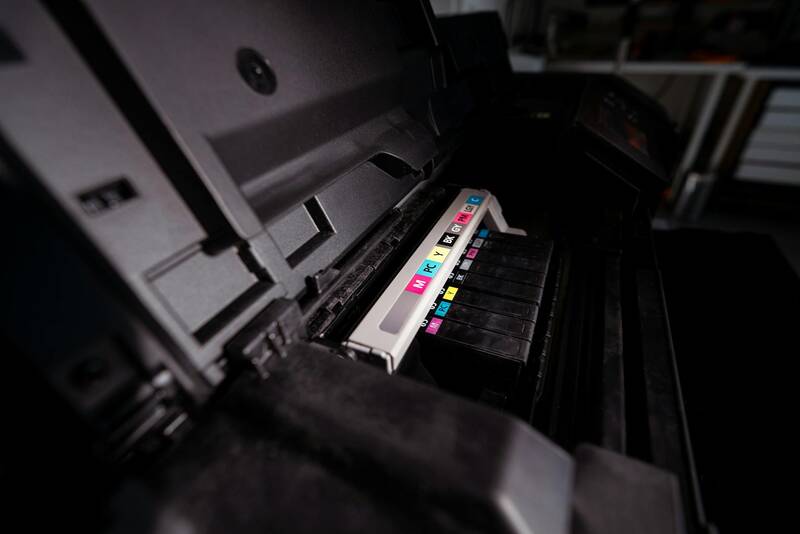
Furthermore, collaborating with professional printers who specialize in large-format and high-quality printing processes can significantly influence the outcome. These experts utilize advanced printing technologies, such as large-format inkjet or dye-sublimation, combined with premium materials to produce vibrant, durable images that withstand environmental factors and UV exposure.
By grasping these foundational elements—resolution optimization, color management, appropriate material selection, and expert printing techniques—photographers, artists, and homeowners can achieve impactful large photo prints that elevate any space. Emphasizing technical precision ensures that each enlarged photograph maintains the integrity, detail, and visual appeal originally intended, resulting in a finished product that commands attention and admiration in any setting.
Understanding Large Photo Prints
Creating big prints of photos involves more than simply enlarging an image; it requires a meticulous approach to ensure that image quality, color accuracy, and durability are maintained at a larger scale. When working with substantial photo prints, selecting the right resolution is critical. Images intended for large format printing should ideally be captured or edited at a resolution of at least 150-300 pixels per inch (PPI) at the final print size to prevent pixelation and loss of detail. For instance, a 40-inch wide print should have an image width of no less than 6000 pixels if a high-quality result is desired.

Beyond resolution, color fidelity plays a vital role in large-format printing. Accurate color management begins with calibrated monitors during the editing process, ensuring the colors seen on screen match the output. Embedding ICC color profiles into image files maintains color consistency across devices and printers. Using lossless formats such as TIFF or PSD during editing preserves image quality, which is crucial because any degradation becomes magnified during the enlargement process.
Another important aspect is understanding the appropriate viewing distance for large prints. The larger the print, the farther viewers generally need to stand to appreciate it fully. This allows for some compromise in fine detail, as the eye cannot examine every pixel from a distance, making slight imperfections less noticeable. Adjusting contrast and sharpness tailored to print can significantly enhance visual impact, ensuring details are crisp without introducing noise or artifacts.
Proper material selection is equally essential in large photo printing. The choice of canvas, fine art paper, vinyl, or metal influences not only aesthetics but also the longevity and environmental resistance of the finished piece. For outdoor or high-moisture environments, materials like aluminum or polypropylene provide enhanced durability. The type of ink used during printing—such as pigment-based inks—also affects resistance to UV exposure, fading, and water damage. High-end printers utilize advanced inkjet or dye-sublimation technologies capable of producing vibrant, long-lasting images that withstand the test of time and environmental factors.
Technical Considerations for Large Photo Printing
- Resolution: Maintain 150-300 PPI at the final print size.
- Color Management: Use calibrated displays and embed ICC profiles.
- Material Choice: Select appropriate surface and backing based on use.
- Printing Technology: Opt for high-quality inkjet or dye-sublimation printers.
- Ink Quality: Use archival-grade, UV-resistant inks for longevity.
Partnering with professional large-format printers who specialize in high-resolution, high-quality output can elevate the final product dramatically. These specialists use sophisticated techniques like color profiling, advanced curing processes, and precise calibration to ensure each print meets high standards of excellence. Their expertise allows for fine-tuning parameters such as ink density and layering to maximize detail and color vibrancy, resulting in a stunning large photo print that commands attention in any space.
Image Preparation for Large Prints
To achieve a flawless and impactful large photo print, meticulous image preparation is essential. High-resolution images are the foundation of quality large-format prints; ideally, files should be set at or above 150-300 pixels per inch (PPI) at the final print size. This ensures that details are sharp and textures are preserved, preventing pixelation or blurriness when enlarged.
Color correction plays a crucial role in translating your digital image onto a physical medium. Proper adjustments to brightness, contrast, and color balance should be performed using calibrated editing software to ensure color accuracy and vibrancy in the final print. Embedding an ICC profile tailored to the specific printer and material setup guarantees consistent color reproduction across different devices and workflows.
File formatting is equally important. Preferred formats such as TIFF or high-quality JPEGs maintain image fidelity and support color profiles. Avoid using compressed image files, as compression artifacts can become pronounced when enlarged. When submitting images for large prints, ensure that files are saved with the appropriate resolution, color profile, and without any unnecessary compression.
Design and Composition Tips
Large prints excel in showcasing compelling compositions. Focus on balanced positioning of focal points to guide viewers' eyes naturally across the image. Incorporating negative space can enhance the sense of scale, making the subject stand out more dramatically.
Utilize contrast and framing elements to create depth, adding dimension that appeals visually even from a distance. Remember that details which seem minor on smaller images tend to become prominent in large-scale prints, so choose images that possess strong visual interest and clarity.

When preparing your images, consider the environment where the print will be displayed. Adaptive design that complements the ambiance enhances the overall aesthetic. For instance, high-contrast images work well in well-lit areas, while softer, muted tones can add a calming effect to more subdued spaces.
Legal formatting for digital files, such as embedding metadata and preserving original data, ensures compliance with platform standards and helps maintain image integrity through the printing process. Collaborating with professional printing services that provide detailed image guidelines and support can further optimize your results.
Optimizing Image Quality for Big Prints of Photos
Preparing images for large-scale prints demands meticulous attention to detail to ensure the final product is vibrant, sharp, and true to the original subject. High-resolution digital files are essential; ideally, images should possess a minimum of 300 pixels per inch (PPI) at the final print size. This ensures that enlargements reveal fine details without appearing pixelated or blurry. For instance, if you plan to produce a 60-inch wide print, the image should ideally be at least 18,000 pixels wide to preserve clarity and sharpness.
Color management plays a vital role in achieving accurate and consistent hues in your oversized prints. It is recommended to work within a color-calibrated environment using color profiles such as Adobe RGB or sRGB, depending on the printing process. Embedding the correct color profile within your image file guarantees that colors are reproduced faithfully during printing.

Inspect images thoroughly before submission, looking for any compression artifacts or noise, particularly in uniform areas like skies or backgrounds. Use professional photo editing software to enhance contrast, brightness, and sharpness, but avoid over-processing, which can introduce unwanted artifacts. Noise reduction techniques should be applied carefully to prevent loss of detail in important areas.
File Formats and Validation
Choosing the appropriate file format is critical. Lossless formats such as TIFF and PSD are preferred for high-quality printing because they preserve image data without compression. JPEGs can be used if saved at their highest quality setting, but they often retain compression artifacts that may become more pronounced in large prints. Always check that your images are saved with embedded profiles and that files are not overly compressed.
When submitting images for big prints, ensure they are correctly scaled and dimensioned in your editing software. Maintaining original file integrity and avoiding resizing or resampling after initial processing prevents any degradation that could compromise print quality.
Designing for Impactful Large Prints
Consider the visual elements within your images—focal points, contrast, and composition—to maximize their impact when enlarged. A well-balanced focal point directs viewers’ eyes and prevents the composition from feeling overcrowded. Negative space contributes to a sense of grandeur, giving the artwork room to breathe and emphasizing its scale.
Incorporate framing elements creatively; natural borders, leading lines, and contrast can add depth and dimension, allowing the image to invite viewers into the scene. Sharp details tend to become more noticeable in large format prints, so selecting images with strong visual interest and clarity ensures that the artwork remains compelling at any viewing distance.
Environmental Context and Display Optimization
Tailoring your images to the environment where they will be displayed enhances their aesthetic appeal. For brightly lit spaces, high-contrast images with rich blacks and vibrant colors work best. Conversely, softer, more muted tones suit serene, subdued settings. Consider adding a subtle matte or gloss finish based on the lighting conditions and the desired visual effect.

Understanding Large Photo Prints
Creating big prints of photos involves more than enlarging an image; it requires meticulous attention to detail in file preparation, material selection, and printing techniques. Large-format photographs serve as impactful visual statements, often enhancing interior decor, commercial spaces, or art exhibitions. To achieve outstanding results, one must consider the inherent capabilities and limitations of digital images when scaled to significant sizes.
Image Resolution and Quality
High-resolution images are fundamental for large photo printing to ensure sharpness and detail preservation. A common guideline recommends a minimum of 300 DPI (dots per inch) at the final print size. For instance, printing a 4-foot-wide image would necessitate a file resolution that can resolve details at that size without pixelation or blurriness. When images are too small or have a low pixel count, enlarging them can lead to image degradation, such as pixelation or loss of clarity.

Color Accuracy and Profiling
Maintaining color fidelity during large photo printing is vital for producing images that match expectations. Professionals typically use color-managed workflows, including calibrated monitors and color profiles, to ensure consistency between digital files and final prints. Understanding how colors translate from screen to print helps prevent issues like oversaturation or dull results, especially when working with vibrant or subtle tonal images.
Material Choices for Large Prints
Selection of the appropriate printing substrate impacts the longevity, appearance, and installation of large photo prints. Common materials include:
- Glossy Photo Paper: Enhances color vibrancy and sharpness, ideal for vivid images.
- Matte Paper: Reduces glare, suitable for images displayed in bright environments.
- Canvas: Offers a textured finish akin to traditional paintings, popular for artistic displays.
- Acrylic or Plexiglass: Provides a sleek, modern look with depth and clarity.
- Dibond or Aluminum Panels: Durable with a contemporary aesthetic, often used for commercial or outdoor applications.
Printing Techniques and Technologies
Digital inkjet printing remains the standard for high-quality large format photo prints. Advanced printers employ UV or solvent inks to enhance durability and color richness. Certain printing methods, such as dye-sublimation for metal or fabric, can also produce exceptional results with specific materials. Proper selection of printing technology ensures consistent quality, even with large-scale images, and prolongs the lifespan of the finished piece.
Preparation Tips for Large Photo Files
To optimize large photo prints:
- Start with the highest quality original image possible, preferably in RAW format.
- Use professional editing software to resize, crop, or adjust the image while maintaining its resolution.
- Convert colorspaces to match the printer's profile, typically Adobe RGB or sRGB, and apply color profiles tailored for printing.
- Embed or assign the correct ICC profiles to ensure color accuracy throughout the printing process.
- Perform test prints on smaller sections or draft modes to check for color fidelity and details before committing to full size.
Image Stability and Final Checks
Prior to printing, verify no critical details are lost or distorted. Zoom in to 100% view to assess sharpness, noise, and artifacts. Make sure that the image's focal points and key visual elements are well-represented at the enlarged scale. Consistent contrast, brightness, and color balance should be maintained in line with the intended display environment.
Image Preparation Best Practices for Big Prints of Photos
Preparing images for large photo prints is a critical step to ensure the final product is sharp, vibrant, and visually impactful. It involves several key considerations, from capturing the original image to optimizing it for high-resolution output. High-quality image files form the foundation for impressive large-format prints, making preparation crucial for maintaining fidelity at an expanded scale.
Start with High-Resolution Originals
Using image files with the highest possible resolution is fundamental. RAW formats are preferred as they retain maximum detail and color information, giving greater flexibility during editing. Cameras with higher megapixel counts produce files that are more suitable for enlargements, minimizing pixelation or loss of sharpness. If working with existing images, check their dimensions and resolution, aiming for at least 300 pixels per inch (ppi) at the intended print size.
Adjustments and Editing
- Color correction: Properly calibrated monitors enable precise color adjustments. Correcting exposure, contrast, and saturation prevents dull or overexposed prints.
- Sharpening: Applying appropriate sharpening enhances details without introducing noise or halos, especially when enlarging images.
- Noise reduction: Reducing digital noise ensures smooth textures, which becomes more noticeable in large prints.
- Cropping and composition: Framing the key elements appropriately for the final display area ensures focal points remain compelling when scaled up.
Color Management and Profiling
Converting images to color spaces such as Adobe RGB or sRGB and embedding ICC profiles guarantees consistency across devices. Professional color management workflows, including soft-proofing within editing software, simulate how colors will appear once printed. This step helps prevent unexpected shifts in hue or saturation, maintaining the integrity of the original image's visual impact.
Pre-Print Proofing and Test Prints
Performing test prints on smaller sections or using draft modes verifies color accuracy and detail resolution. These previews allow adjustments before committing to the full-size print, saving time and resources. Regularly inspecting areas of high detail—such as faces or intricate textures—ensures they translate well at the larger scale.

Final Checks Before Printing
Inspect images at 100% zoom to confirm sharpness and detect artifacts. Pay attention to areas of contrast, color gradients, and shadow details. Ensuring that focal points are crisp and distractions are minimized leads to a more polished final product. Also, verify that aspect ratios align with the chosen print size to avoid unwanted cropping or distortion.
Adhering to these best practices in image preparation guarantees that large prints of photos will meet high standards of quality and visual appeal, whether displayed in homes, galleries, or commercial spaces.
Explore Reputable Options for Big Prints of Photos
When it comes to producing large prints of photos, relying on officially sanctioned printing services and trusted online platforms ensures high-quality results and consistent color reproduction. Reputable printing companies like HappyPrintShop offer professional services tailored to meet the demands of large-scale photo printing. These providers utilize advanced large-format printers equipped with high-resolution inkjet technology and premium materials, ensuring your images are rendered with clarity and vibrant color fidelity. Locally, cities often have specialized print shops that provide consultations, sample print options, and personalized support throughout the printing process. These establishments often employ experienced technicians who can advise on suitable materials, sizes, and finishing options to enhance your artwork’s display quality. For international projects, a range of established online platforms such as Bay Photo, WhiteWall, or Printique offer user-friendly interfaces to upload images, select sizes, and opt for professional finishing touches, all while adhering to strict quality assurance protocols. Choosing a service with a proven track record for large-format photo printing is paramount. Look for providers that support advanced color management, offer calibration reports, and provide test prints or proofs, which allow you to verify color accuracy before the final print is produced. Customer reviews and portfolios of past work can also offer insights into consistency and print quality, helping you make an informed decision for your large photo projects. Additionally, some printing services are integrated with specialized framing and mounting options, enabling you to receive ready-to-hang large prints that are professionally finished. This is especially advantageous for gallery displays, commercial spaces, or home installations where presentation quality is a priority. When selecting a provider, always confirm their adherence to industry best practices and their capacity to produce pieces that meet your design specifications and expectations.
As your project scales up, communication with your chosen provider becomes essential. Clear instructions regarding image resolution, format, and material choices help prevent common issues such as pixelation or color mismatches. Ensuring your digital files are prepared with proper color profiles, formatted for large-scale printing, and free from artifacts sets the foundation for a successful final product. Be sure to follow recommended file specifications and utilize professional editing tools to optimize images prior to upload.
In summary, sourcing your big photo prints from recognized, professional providers—whether locally or online—guarantees the best outcomes for size, durability, and color accuracy. Carefully review the service’s portfolio, confirm their capabilities in handling large-format projects, and engage with customer support for guidance on specific print options. This approach ensures your cherished images are transformed into stunning, large-scale displays that inspire and captivate viewers across various environments.
