Types of Large Picture Printing
Large picture printing encompasses a variety of formats, each tailored to specific aesthetic preferences, functional requirements, and spatial considerations. The most common options include posters, banners, canvas prints, and custom wall art. Each type plays a unique role in interior decoration, advertising, or personalized gifting, providing versatility in how large images are displayed and experienced.
Posters
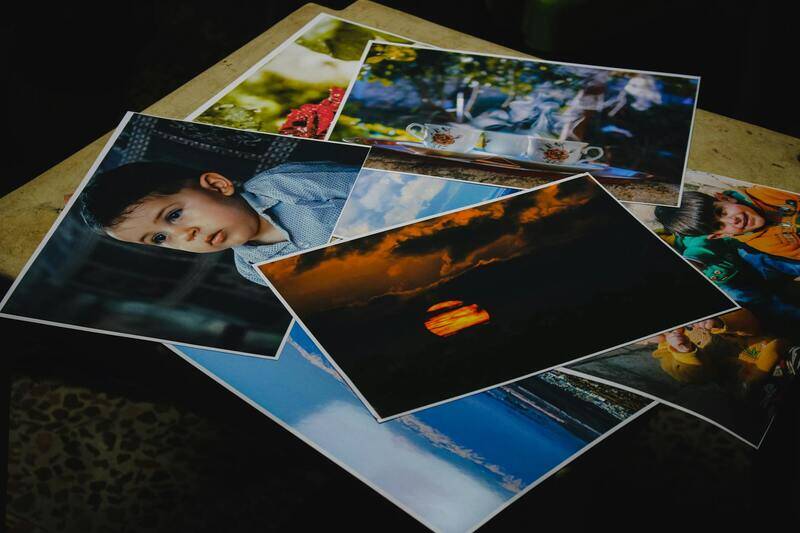
Posters are among the most popular large picture printing formats due to their affordability and visual impact. Typically printed on lightweight, glossy, or matte paper, they serve well in promotional campaigns, event displays, or as decorative elements within residential or commercial interiors. Posters can measure from standard sizes to ultra-large scales, making them adaptable for various environments.
Banners
Banners are designed for high visibility and durability, usually printed on vinyl or mesh materials. Widely used for outdoor advertising, trade shows, or event signage, banners are resistant to weather conditions and are easily portable. Their large surface area helps convey messages quickly and effectively to passersby, making them ideal for transient displays or promotional campaigns.
Canvas Prints
Canvas prints transform digital images into fine art pieces, offering a textured, gallery-quality finish. Printed on high-quality fabric using advanced inkjet technology, they are suitable for home decor, art exhibitions, or personalized gifts. Canvas prints are often stretched over a wooden frame, creating a seamless, polished look that enhances the visual appeal of large images.
Custom Wall Art
Custom wall art encompasses a broad spectrum of large picture printing options tailored to individual preferences. This includes mural-sized prints, composite images, or innovative arrangements combining multiple images into a cohesive piece. Custom wall art allows for creative expression and personalization, making it an excellent choice for both residential and commercial spaces seeking distinctive visual statements.
Each type of large picture printing offers unique benefits and characteristics that cater to different needs. Whether for aesthetic enhancement, branding, or functional signage, selecting the appropriate format ensures maximum impact and longevity. The choice depends on factors such as intended placement, durability requirements, budget, and the desired visual effect.
Materials and Finishes for Large Prints
Choosing the right material is crucial for achieving the desired visual impact and durability of large picture prints. The selection varies depending on the intended placement, environmental exposure, and aesthetic preferences. Vinyl remains a popular choice for outdoor banners and signage due to its weather-resistant properties. It is highly versatile, allowing for vibrant, long-lasting colors that stand up to UV exposure and moisture. Canvas is preferred for indoor displays, especially when aiming for a gallery-quality look. This material offers a textured finish that adds depth and character to photographic reproductions or artworks, facilitating a fine art presentation that can easily be integrated into home or gallery decor.

Foam board provides a lightweight, cost-effective option suitable for temporary displays, exhibitions, or indoor promo events. Its rigid structure ensures ease of installation and transport, making it ideal for quick setups. Metallic surfaces such as aluminum or acrylic can produce a sleek, modern aesthetic with high reflective qualities, suitable for high-end corporate branding or artistic displays. These materials tend to enhance color vibrancy and contrast, giving a premium feel to large visuals. Additionally, textured finishes like matte, gloss, and satin are applied to influence the final visual effect and glare resistance.
Matte finishes are excellent at reducing glare, making large images suitable for viewing under various lighting conditions. Glossy finishes amplify color saturation and contrast, creating striking visuals that attract immediate attention. Satin or semi-gloss options strike a balance, offering a smooth, shiny appearance with minimized reflections. Selecting the appropriate finish is essential for rendering the image’s details accurately while ensuring the enduring quality of the print. The combination of material and finish tailored to specific environmental and aesthetic needs results in a compelling, durable large-format visual piece.
Types of Large Picture Printing
When selecting a method for large picture printing, understanding the various printing techniques is essential to achieve the desired visual impact and durability. The primary types include inkjet printing, dye sublimation, and solvent or eco-solvent printing, each suited for specific applications and material compatibilities.
Inkjet Printing
Widely used in producing high-quality large-format images, inkjet printing employs tiny droplets of liquid ink directly onto the surface of the selected material. This method excels in capturing intricate details, vibrant colors, and smooth gradations. It is versatile, compatible with a range of materials such as photographic papers, canvas, vinyl, and fabric. Modern UV-curable inkjet printers can produce prints with exceptional color accuracy and water resistance, making them ideal for both indoor and outdoor displays.
Dye Sublimation
This process involves transferring dye-based inks onto specially coated materials, typically fabrics or polymer-coated surfaces, using heat. Dye sublimation results in vivid, durable prints with a soft finish that is resistant to cracking and fading. It is particularly popular for creating custom textile banners, fabric backdrops, and soft signage, offering excellent color vibrancy and longevity for indoor use.
Solvent and Eco-Solvent Printing
Solvent printing utilizes solvent-based inks capable of adhering to non-porous surfaces like vinyl, acrylic, and metal. These prints are highly weather-resistant, UV-stable, and suitable for exterior applications such as outdoor banners, billboards, and signage. Eco-solvent variants offer a more environmentally friendly option with reduced emissions, providing a safer choice for prolonged indoor applications and environments with sensitive occupants.
Considerations for Choosing a Printing Method
- Material Compatibility: Ensure the selected printing technology aligns with your chosen substrate to maximize durability and visual quality.
- Application Environment: Determine whether the display will be indoors, outdoors, or for temporary use to select the appropriate ink and material.
- Color Fidelity and Detail: High-resolution inkjet options are best for intricate images requiring precise color reproduction.
- Cost and Turnaround Time: Different methods vary in cost, with inkjet typically offering a balance of quality and affordability, while specialized techniques like dye sublimation may entail higher expenses for fabric-based outputs.
Professional Printing Standards
Adhering to professional standards involves meticulous calibration of printers to ensure accurate color matching and consistent output. It also encompasses the use of archival inks and high-quality substrates to enhance longevity and resistance to environmental factors. Finished large prints should undergo inspection for color consistency, sharpness, and absence of defects such as banding or ghosting to meet industry expectations of excellence.
Materials and Finishes for Large Prints
Choosing the right materials and finishes for your large picture prints significantly influences their visual impact, durability, and suitability for specific environments. The selection process should align with the intended display context, whether indoor or outdoor, permanent or temporary, and the desired aesthetic quality.
Among commonly used materials, vinyl banners and PVC foam boards are favored for their rigidity, weather resistance, and ease of installation. Vinyl offers excellent durability and flexibility, making it ideal for outdoor signage that must withstand rain, sun, and wind, while foam boards provide a lightweight option for indoor displays or gallery presentations.

Fabric-based materials, such as canvas and polyester, are popular for fine art reproductions and photographic enlargements. Canvas, in particular, imparts a textured, artistic feel, adding depth and vibrancy, while polyester options might offer higher resolution and color fidelity. These textiles are often finished with a protective coating or varnish to prevent fading and damage over time.
For a glossy or matte finish, coatings are applied to enhance visual appeal and ease of maintenance. Gloss finishes boost contrast and color saturation, perfect for vibrant images, whereas matte finishes reduce glare and reflections, suitable for display in well-lit environments or for viewing from various angles.
Sizes and Dimensions for Large Picture Printing
Large picture printing encompasses a spectrum of dimensions, from modest oversized displays to monumental murals, tailored to fit diverse spaces and purposes. Standard sizes often start at 24 inches in width, extending up to 10 feet or more for expansive wallpapers and billboards. It is crucial to consider both the physical dimensions and aspect ratio to ensure the image integrity remains intact during scaling.
When planning for large-format prints, pay attention to resolution requirements. A minimum of 150 DPI (dots per inch) at the final size is recommended to ensure sharpness and clarity, especially for detailed photographic images. For extremely large sizes, where viewers will be at a distance, a lower DPI can be acceptable, as the human eye perceives less detail from afar.
Custom sizing is often accommodated to suit specific needs, with many professional printers providing tools to virtually visualize how a particular image will appear at designated dimensions. This helps in preempting issues related to distortion or loss of detail, ensuring that the printed output matches expectations.
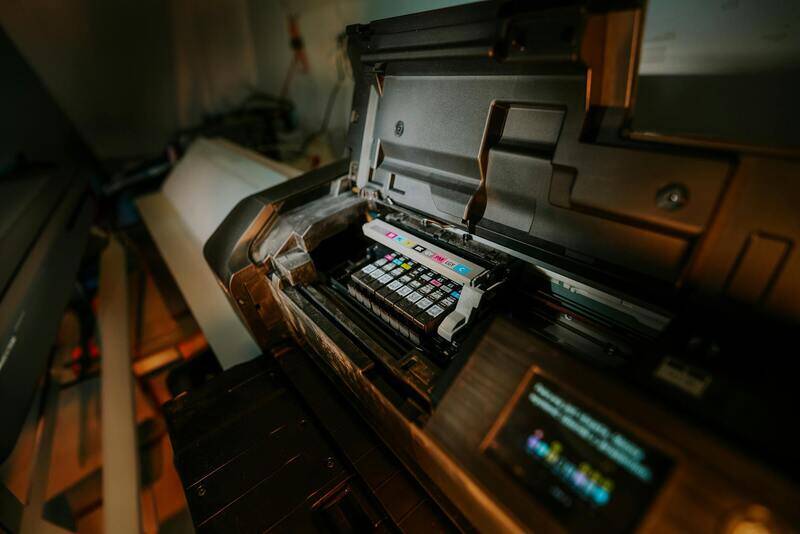
For projects requiring unique dimensions, inputting precise measurements during the ordering process guarantees a perfect fit. It is also advisable to consult with printing professionals to optimize the image resolution and quality settings for large-format reproduction, ensuring crisp details and vibrant colors regardless of size.
Types of Large Picture Printing
Choosing the right type of large picture printing is essential for achieving both visual impact and durability. Among the most common options are:
- Giclée Printing: This high-quality inkjet printing method leverages archival inks and fine art papers, making it ideal for gallery displays and art reproductions. It offers exceptional color accuracy and longevity, suitable for works that require detailed reproduction and vibrant hues.
- UV Printing: Utilizing ultraviolet light to cure inks instantly, UV printing allows for direct application onto various surfaces, including glass, metal, and acrylic. It produces vibrant, weather-resistant images perfect for both interior decor and outdoor signage.
- Solvent and Eco-Solvent Printing: These methods employ solvent-based inks that adhere strongly to non-porous surfaces, delivering vivid colors and resistance to elements. They are particularly common in billboard and outdoor advertising due to their durability.
- Dye Sublimation: Best suited for printable fabrics and coated ceramics, dye sublimation produces seamless, vibrant visuals with a glossy finish. It’s frequently used for personalized gifts, wall coverings, and fabric banners.
- LED and Laser Printing: While more common for smaller formats, advanced large-format laser and LED printers facilitate rapid production of detailed images with high precision, often utilized for corporate branding and promotional displays.
Each method offers unique advantages tailored to specific applications, whether aesthetic, environmental resistance, or material compatibility. Selecting the appropriate printing technology depends on considerations such as the intended display environment, material preferences, and budget constraints.
Materials and Finishes for Large Prints
Material choice plays a vital role in the longevity, appearance, and overall quality of large-format prints. Common materials include:
- Vinyl: Versatile and weather-resistant, vinyl is widely used for outdoor banners, vehicle wraps, and billboards. It can be finished with matte, gloss, or satin coatings to suit the desired aesthetic.
- Canvas: This textured fabric offers a classic fine-art look, ideal for photographic reproductions and gallery displays. Canvas prints can be coated with protective finishes to prevent fading and damage.
- Polyester Fabrics: These are often used for fabric banners and soft signage, providing flexibility, lightweight handling, and vibrant color reproduction.
- Foam Boards and FoamCores: Lightweight and rigid, foam boards are perfect for mounting posters and short-term displays. They provide a clean, professional finish and are easily transportable.
- Acrylic and Glass: For premium, high-end displays, acrylic or glass substrates can produce sleek, modern visuals with excellent clarity and depth.
Finishes influence both the visual characteristics and resilience of large prints. Options include matte, glossy, satin, and textured coatings, each catering to specific aesthetic preferences and environmental conditions. Laminations are also frequently applied to protect prints against scratches, UV rays, and moisture, ensuring the output remains vibrant and intact over time.
Sizes and Dimensions for Large Picture Printing
Large picture printing encompasses an extensive range of sizes, depending on the application and space available. Standard dimensions typically start at 24 inches in width for smaller formats, extending up to 10 feet or more for expansive wallpapers, murals, and billboards.
Dominant size categories include:
- Small to Medium Large: Ranging from 24 inches to 48 inches wide, suitable for indoor displays, retail signage, and decor accents.
- Large Wall Murals: Sizes around 5 to 8 feet in width, designed to transform entire walls in commercial or residential environments.
- Billboards and Exterior Signage: Often exceeding 10 feet, these massive formats require specialized printing techniques and materials to withstand outdoor conditions.
Aspect ratio and image resolution are critical during sizing adjustments. Maintaining high resolution (minimum 150 DPI at the final size) ensures that even at large dimensions, images remain sharp and vivid. When enlarging images, professional tools allow for virtual visualization, previewing how the final print will appear, which helps mitigate issues like pixelation or distortion.
Custom-sized prints are frequently produced for specific projects, with precise measurements inputted during the ordering process. Working alongside experienced print providers guarantees that the final product aligns closely with intended dimensions and display needs, preserving image details and color fidelity across various sizes.
Printing Technologies and Quality Standards
When it comes to printing large pictures, the selection of technology impacts the quality, color accuracy, and lifespan of the final product. Modern digital printers, such as wide-format inkjet printers, operate with high precision and can produce vibrant, detailed images on various substrates.
Key quality standards involve resolution, color gamut, ink durability, and adhesion. High-end printers utilize advanced multi-jet or piezoelectric inkjet heads to deposit tiny droplets with exceptional control, ensuring sharp details even at sizable scales. Additionally, calibration protocols and color management systems are employed to reproduce colors faithfully from digital files to physical prints.
Prolonged color retention and resistance to environmental factors are achieved through the use of archival-grade inks and protective coatings. For outdoor displays or high-traffic areas, UV-resistant and weatherproof finishes extend the lifespan of the print significantly.
Choosing reputable printing facilities that adhere to rigorous quality standards guarantees consistent results and minimizes the risk of issues like color mismatch, peeling, or fading. Technological advancements continue to push the boundaries of large-format printing, making it possible to produce images with stunning clarity and durability at increasingly larger sizes.
Types of Large Picture Printing
Understanding the various types of large picture printing available can help clients select the right technique for their specific needs. The most common options include:
- Digital Large Format Printing: Utilizes high-end inkjet printers capable of producing detailed and vibrant images on a range of substrates. Ideal for custom orders, one-off large prints, and short-run projects.
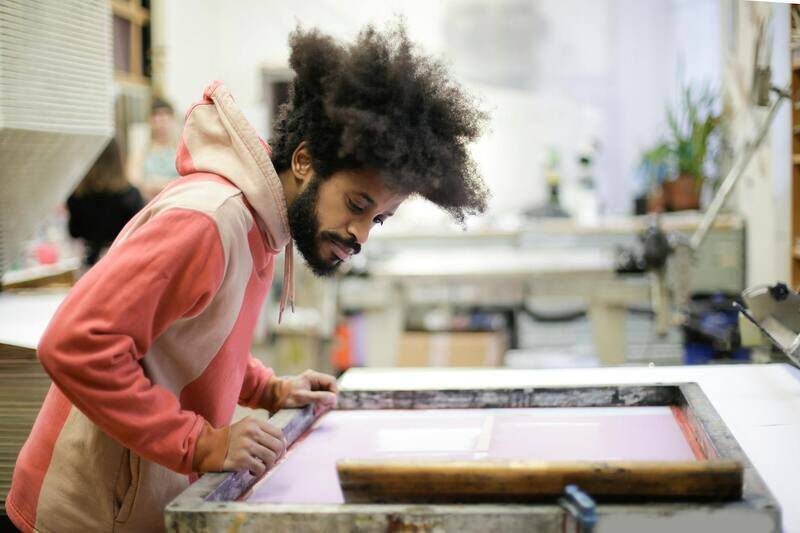
- Silkscreen Printing: Suitable for producing multiple copies of the same large image, especially on fabric or durable surfaces. While less common for detailed photographs, it remains a cost-effective choice for bold graphic designs.
- Giclée Printing: A high-quality inkjet process that uses archival inks and materials, known for producing museum-quality fine art prints that resist fading over time. Particularly popular for reproducing artwork and photography at large scales.
- Laminated Prints: Large images laminated with protective coatings enhance durability and weather resistance, especially for outdoor displays, banners, or signage.
Choosing the appropriate printing technique depends on the intended application, desired longevity, budget, and material compatibility. Digital large format printing remains the most prevalent for its flexibility and ability to produce highly detailed, colorful large pictures on various surfaces.
Materials and Finishes for Large Prints
The selection of materials and finishes significantly influences the appearance, durability, and application of large picture prints. Key substrate options include:
- Photo Paper: Archival-grade, glossy or matte finishes, ideal for indoor displays requiring vibrant color reproduction and fine detail.
- Vinyl: Durable, weather-resistant material suitable for outdoor signage and banners, with options for matte or gloss finishes.
- Canvas: Offers a textured, artistic appearance, perfect for reproducing paintings or creating gallery-style displays. Usually coated with a protective layer to prevent fading and damage.
- Polyester and Fabric: Used for flexible or display applications, often with flame-retardant finishes for safety compliance.
- Foam Board: Rigid and lightweight, ideal for indoor displays, exhibitions, or framing-friendly substrates. Finishes can include matte or semi-gloss surfaces.
Finishing options such as lamination, gloss or matte coatings, UV protection, and framing enhance the visual appeal and lifespan of the print. For outdoor or high-traffic applications, weatherproof finishes and UV-resistant coatings are recommended to maintain image integrity over time.
Types of Large Picture Printing
When it comes to large picture printing, selecting the right type is crucial for achieving the desired visual impact and durability. The most common categories include:
- Poster Printing: Ideal for promotional displays, events, and interior decor, posters are typically printed on glossy or semi-matte paper, emphasizing vibrant colors and sharp details.
- Vinyl Printing: Known for weather resistance, vinyl banners and signs are suitable for outdoor use. They can withstand exposure to sunlight, rain, and wind, making them a popular choice for advertising and directional signage.
- Canvas Printing: Providing an artistic, textured appearance, canvas prints are favored for reproducing fine art or creating gallery-quality displays. Coated with protective layers, they resist fading and are easy to frame.
- Fabric and Polyester Prints: Flexible and lightweight, fabric-based large prints are frequently used for event backdrops, trade show displays, and soft signage. Many fabrics feature flame-retardant finishes for safety compliance.
- Foam Board and Rigid Substrates: For indoor exhibitions or framing projects, foam board provides a sturdy surface that allows for easy mounting and framing. Variations include semi-gloss and matte finishes depending on aesthetic preference.
Beyond these primary categories, advances in printing technology have introduced hybrid options such as textile-wrapped panels and eco-friendly materials, expanding the possibilities for large picture displays.
Materials and Finishes for Large Prints
The choice of materials and finishing options significantly influences both the appearance and longevity of large picture prints. Selecting appropriate substrates depends on the intended environment, viewing distance, and aesthetic goals:
- Photo Paper: Offers excellent color accuracy and detail, with finishes ranging from glossy to matte. Often used for indoor displays where color vibrancy is paramount.
- Vinyl: Durable and weather-resistant, suitable for outdoor signage, banners, and billboards. Finishes include matte, gloss, and satin, providing varied visual effects and glare reduction.
- Canvas: Textured surface ideal for reproducing artwork or creating a sophisticated look. Usually coated with UV-resistant layers to prevent fading over time.
- Polyester and Fabric: Flexible, lightweight, and often flame-retardant; ideal for soft display applications like backdrops and wall coverings.
- Foam Core and Rigid Boards: Lightweight yet sturdy, perfect for mounting and framing. Matte or semi-gloss finishes are common to minimize reflections.
Finishing treatments enhance both aesthetic appeal and durability. These include gloss, matte, or satin lamination, UV coatings for weather resistance, and protective UV sprays. Framing options further complement the print and provide added protection.
Sizes and Dimensions for Large Picture Printing
Understanding standard and custom sizes is vital to ensure your large print fits your space and purpose. Common sizes range from:
- 24" x 36" (61cm x 91cm): Suitable for statement posters or prominent wall art
- 36" x 48" (91cm x 122cm): Ideal for sizable murals or exhibition panels
- 48" x 72" (122cm x 183cm): Perfect for creating impactful visual displays in commercial environments
- 60" x 120" (152cm x 305cm): For banners and large-scale murals requiring maximum visibility
Many printing services offer customization options, allowing for bespoke dimensions tailored to specific spatial or artistic requirements. It is important to consider resolution and viewing distance when selecting size to ensure image quality remains optimal.
Printing Technologies and Quality Standards
High-quality large picture printing employs advanced digital printing technologies such as UV, solvent, or eco-solvent inkjet printers. These methods provide vibrant color reproduction, sharp details, and enhanced longevity. Key quality standards include:
- Resolution: Typically, 720 dpi or higher for detailed images, ensuring clarity even when viewed at close range.
- Color Accuracy: Utilizes wide color gamuts and precise calibration to match digital files accurately.
- UV-Resistance: UV-protected inks extend the life of outdoor prints by preventing fading caused by sunlight exposure.
- Environmental Compliance: Use of environmentally sustainable inks and materials aligns with safety and sustainability standards.
Adherence to these standards guarantees the production of durable and visually stunning large prints, whether for commercial advertising, fine art, or internal decor.
Types of Large Picture Printing
Choosing the appropriate type of large picture printing is essential to ensure that your visual display meets your aesthetic and functional requirements. The most common types include digital inkjet printing, UV printing, and solvent printing. Digital inkjet printing, especially using eco-solvent and UV technologies, provides vibrant colors and sharp details suitable for artworks, advertising banners, and interior decor. UV printing involves curing UV-sensitive inks directly onto surfaces, making it ideal for rigid materials like acrylic or wood, offering durability and vividness. Solvent printing employs solvent-based inks, which are water-resistant and excellent for outdoor signage and murals. Each type offers unique advantages in terms of color accuracy, longevity, and material compatibility, making the selection process tailored to the specific application and environmental conditions.

Materials and Finishes for Large Prints
Selection of the right material significantly influences the appearance and durability of your large picture. Common substrates include vinyl, fabric, PVC foam boards, acrylic, and canvas. Vinyl is popular for its weather resistance, making it suitable for outdoor banners and murals. Fabric materials, such as polyester or cotton blends, provide a soft, matte finish ideal for fine art reproductions and gallery displays. PVC foam boards are lightweight and sturdy, perfect for indoor signage or exhibitions. Acrylic surfaces offer a glossy, high-end look and are often used for displays or artwork framing. Finishing options such as laminations, gloss or matte coatings, and UV protective layers enhance longevity, reduce glare, and add a professional aesthetic to your prints.
Sizes and Dimensions for Large Picture Printing
Large picture printing encompasses a broad spectrum of sizes, each suited for different display needs. Popular dimensions include 24" x 36" for impactful wall art, 36" x 48" for statement posters, and 48" x 72" for banners or murals. For grand-scale murals or commercial displays, dimensions such as 60" x 120" are common. When selecting size, consider the viewing distance to maintain image clarity; larger prints viewed from afar can afford lower resolutions, while close-up displays demand higher pixel density. Custom sizes can be tailored to fit specific spaces or artistic visions, ensuring optimal integration into the intended environment.
Design Tips for Large Picture Prints
- Maintain high-resolution images: Ensure files are at least 300 dpi at the final print size for sharpness.
- Focus on bold visuals: Large prints are best complemented by simple, impactful designs with strong contrast.
- Consider color calibration: Match your digital files precisely to ensure accurate color reproduction.
- Leave margins and bleed areas: Allow extra space around the design to prevent unwanted cropping or misalignment during trimming.
- Test print smaller sections: Preview critical areas at smaller scales before committing to full-size production.
Cost Factors and Pricing Strategies
The overall cost of large picture printing depends on multiple factors including size, material, printing technology, and finishes. Larger dimensions naturally incur higher material and production costs. Premium materials like acrylic or fabric tend to be more expensive than vinyl or foam board. Advanced printing technologies such as UV or eco-solvent inkjet printing may also influence pricing due to their precision and durability. Finishing options like lamination or mounting add further costs but enhance the lifespan and presentation quality. Volume discounts are often available for bulk orders, and choosing standard sizes can lead to more economical options, while bespoke dimensions or special materials may command premium prices.
Where to Print Large Pictures in Singapore
For those seeking professional large picture printing services in Singapore, a variety of reputable providers are available, offering extensive experience in producing high-quality prints. Companies such as Happy Print Shop specialize in large-format digital printing, capable of handling custom sizes and diverse materials. They leverage cutting-edge printing technologies to ensure vibrant colors and lasting durability, whether for commercial murals, gallery art, or corporate signage. Other notable providers include Artmill, known for their large photo prints and bespoke sizes up to 5x10 feet. These establishments often provide consultation on material selection, design optimization, and mounting options, ensuring your vision is accurately realized. It is advisable to evaluate their portfolios and client testimonials to select a partner aligned with your project goals and quality expectations.