Understanding Large-Size Photo Printing
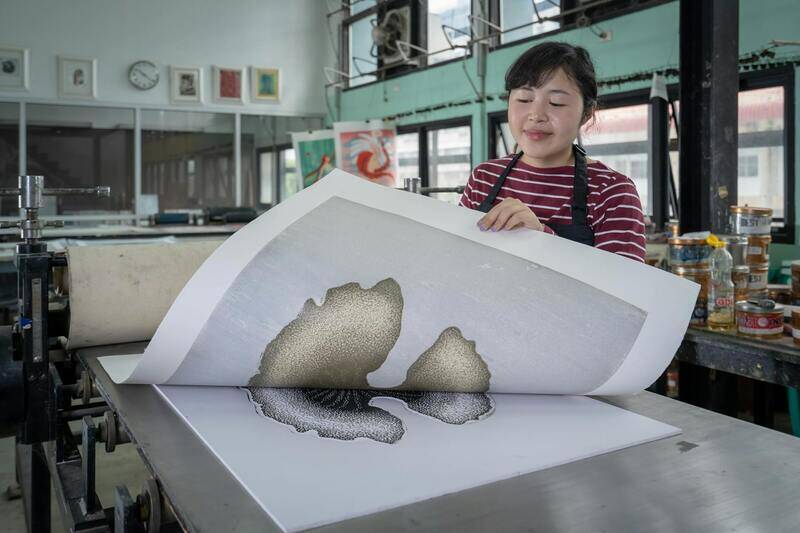
Large-size photo printing is a specialized process that transforms ordinary photographs into impressive visual displays, capable of capturing attention and conveying messages with remarkable clarity and impact. At its core, this type of printing involves producing images significantly larger than standard photo sizes, often spanning multiple feet in width and height, depending on the intended use and space. The primary purpose of printing photos on such a grand scale is to create compelling displays that can serve as focal points in various settings, including commercial, artistic, and personal environments.
In the realm of large-format photo printing, common sizes tend to vary based on the application. For example, posters might measure 24x36 inches, while banner-sized prints can extend to several meters in width and height, such as 3 meters by 10 meters, accommodating expansive visual narratives. These large prints are ideal for advertising billboards, gallery exhibitions, event backdrops, or personal murals. An impactful large photo can evoke strong emotional responses, elevate brand presence, or showcase artistic talent in a way that smaller prints simply cannot achieve.
Impactful display is a key aspect of large-size photo printing. These prints are often utilized in:
- Commercial advertising, where eye-catching visuals attract customer attention.
- Interior decoration, serving as statement pieces in homes, offices, or public spaces.
- Event decor, creating immersive environments for weddings, trade shows, or exhibitions.
- Art installations, allowing artists to scale their work for dramatic effect.
Choosing the right size for your project depends on several factors, including the viewing distance, the space available, and the purpose of the print. Larger images are best appreciated from a distance, which is why outdoor billboards and murals are often massive. Conversely, indoor displays may require somewhat smaller sizes to ensure viewers can appreciate the details without overwhelming the space. An effective large-format image balances size with resolution, detail, and the viewing context to maximize visual impact and engagement.
Understanding Large-Size Photo Printing
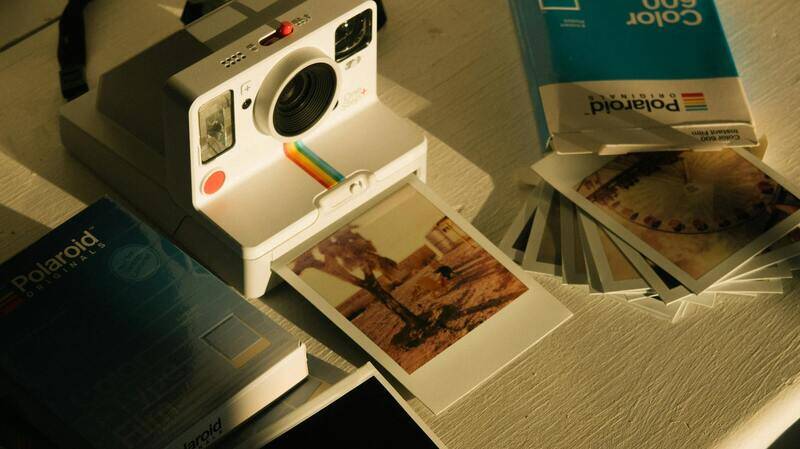
Printing large-size photos involves translating high-resolution images into expansive formats that retain clarity and detail, even when scaled up significantly. This process requires specialized techniques and equipment to ensure that the enlarged image remains sharp and vibrant, without pixelation or loss of quality. Factors such as image resolution, viewing distance, and chosen materials play crucial roles in achieving a stunning final product.
When preparing to print large photographs, it is essential to start with a high-resolution image file. Typically, a resolution of 150-300 DPI (dots per inch) is recommended for large-format prints, depending on the viewing distance. The larger the print, the farther away the viewer is expected to stand; therefore, details can be less critical at a distance. For instance, billboards or murals are often measured in meters, with images optimized accordingly to maintain visual impact from afar.
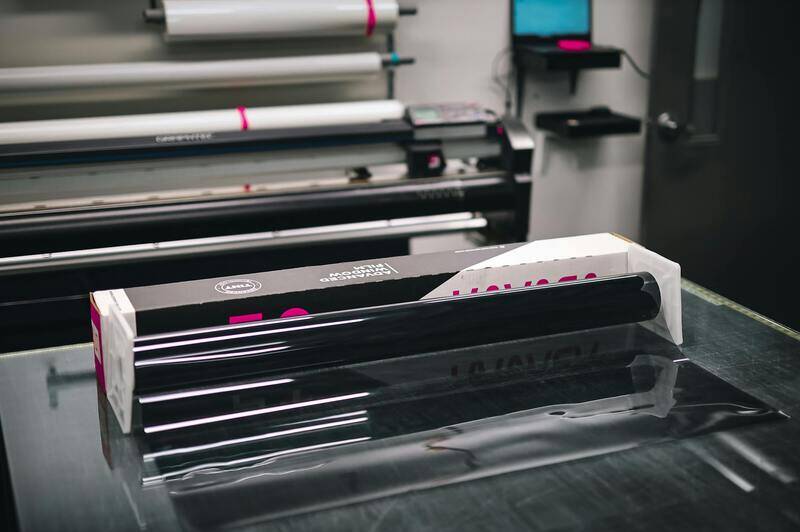
Choosing the right materials for large photo prints is equally vital. Depending on the intended environment and aesthetic preferences, options include high-grade canvas for a textured finish, aluminum or metal for a modern, sleek look, acrylic for a glossy and vibrant effect, or durable vinyl for outdoor displays. Each medium has different properties that influence light reflection, durability, and overall presentation quality.
Factors Influencing Large Photo Printing Quality
- Image Resolution: The image must have sufficient pixel density to prevent blurriness or pixelation when enlarged.
- Material Choice: The selection of printing surface impacts durability and visual effects.
- Printing Technique: Not all printing methods are suitable for large sizes; digital large-format printers with wide ink ranges are typically used.
- Color Accuracy: A comprehensive color management process ensures that the printed colors match the original digital file.
- Viewing Distance: The expected distance from which viewers will observe the image influences optimal size and detail retention.
Producing large-format photographs demands precise calibration and professional expertise. High-quality images captured with professional cameras or carefully curated digital files tend to produce the best results. Moreover, proper file preparation—such as ensuring correct aspect ratios, color correction, and sharpening—plays a crucial role in the final output quality.
Applications of Large-Size Photos
Large-format photo printing serves numerous purposes across different sectors:
- Advertising and Marketing: Eye-catching billboards and promotional visuals that draw attention from a distance.
- Interior Design: Statement walls, murals, or decorative panels in homes, hotels, and commercial spaces.
- Events and Exhibitions: Backdrops, banners, and immersive visual environments.
- Art Installations: Scaling artworks to make impactful statements in galleries or public spaces.
Maximizing visual impact in these applications requires careful planning during the design, material selection, and printing processes to ensure the final installation convincingly communicates the intended message or aesthetic.
Understanding Large-Size Photo Printing
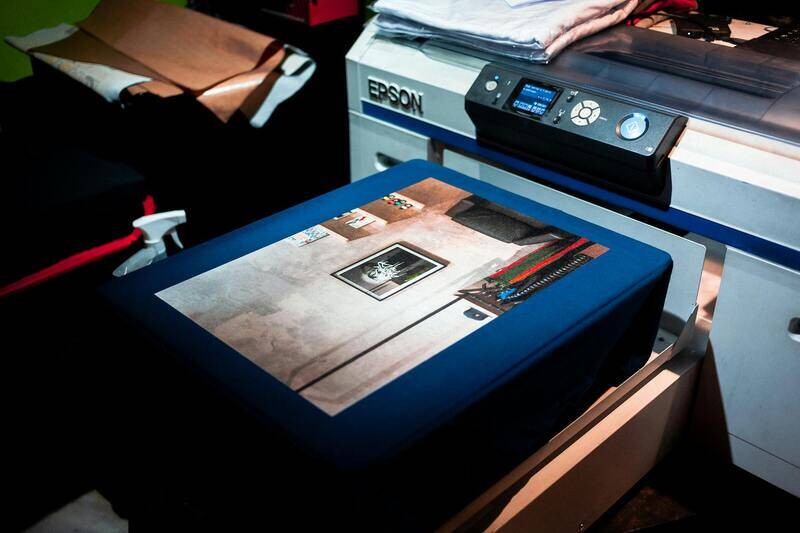
Large-size photo printing is a specialized process that transforms digital images into impressive physical displays, often used for artistic, commercial, or personal purposes. Achieving high-quality results in this realm requires meticulous attention to detail and a comprehensive understanding of the printing process. When printing photos on a large scale, attention must be given to resolution, file preparation, and material selection to ensure the visual integrity of the image is preserved and enhanced at expanded sizes. Professional-grade printers equipped with advanced ink systems and precision calibration are essential components to reproduce colors accurately, prevent pixelation, and deliver crisp details in the final output.
In large-format printing, the resolution of the digital file plays a pivotal role. Typically, a minimum of 150 dpi at the final print size is recommended to maintain sharpness, although higher resolutions are preferable for closer viewing distances. It is also vital to properly prepare digital files by checking aspect ratios to prevent unintended cropping or stretching, correcting colors to match the desired output, and sharpening images to enhance clarity. The choice of materials, such as vinyl, canvas, or photo paper, also influences the durability and aesthetic appeal of the printed photo. Each medium offers unique textures, finishes, and longevity, making the selection process a key part of the overall project.
Popular Large Photo Printing Methods and Materials
Various techniques and materials are utilized in the production of large-scale photographs, each suited to specific applications, budgets, and aesthetic preferences. Common methods include:
- UV打印 (UV Printing): This technique involves ultraviolet light curing inks directly onto rigid or flexible substrates. It offers excellent color vibrancy, weather resistance, and adherence to diverse surfaces.
- Dye Sublimation: Ideal for printing on fabric or specially coated surfaces, dye sublimation produces vibrant, durable, and color-rich images suitable for banners or fabric displays.
- Solvent and Eco-Solvent Printing: These methods are used primarily on vinyl and banner materials, providing weatherproofing and longevity, perfect for outdoor use.
Materials such as glossy or matte photo papers, canvas, vinyl, and aluminum panels are popular choices, each offering specific benefits. Vinyl is flexible and highly durable, making it suitable for outdoor banners, while canvas provides a textured, art-gallery feel perfect for interior decor. Aluminum or acrylic panels give a modern, sleek look with increased lifespan. The decision on material should be guided by the intended display environment, desired aesthetics, and budget considerations.
Ultimately, understanding the nuances of different printing techniques and materials empowers individuals and businesses to produce large-scale photographs that are both visually stunning and resilient over time, fitting seamlessly into various display contexts.
Official Techniques for Large-Size Photo Printing
When it comes to printing large-sized photos with high quality, leveraging approved and professional printing methods ensures stunning results and longevity. UV printing stands out as a prominent technique that involves curing inks with ultraviolet light directly onto rigid surfaces like metal, acrylic, or wood, allowing vibrant and weather-resistant displays. This process is especially suitable for interior decor and artistic displays that demand durability and color richness.
Dye sublimation is another reputable approach, primarily used for fabrics or coated substrates. It produces vibrant, long-lasting images that are resistant to fading, making it ideal for banners, fabric backdrops, or personalized textile products. The process involves transferring dye onto the surface using heat and pressure, resulting in vivid color representation and excellent color fidelity.
Solvent and eco-solvent printing techniques are widely employed for outdoor applications. These methods utilize solvents to embed inks into materials like vinyl, creating weatherproof, UV-resistant images. They are preferred for large outdoor banners or signage that require durability against environmental elements, ensuring the integrity of the print over extended periods.

Choosing the appropriate method hinges on the display environment, material compatibility, and intended use. Each technique offers distinct advantages in terms of vibrancy, weather resistance, and surface adherence, allowing optimal customization based on project specifications.
Selecting Suitable Materials for Large Prints
Material selection is a critical facet of achieving desirable large-format photographs. Glossy or matte photo papers are traditional options that deliver excellent image clarity and color accuracy, perfect for indoor displays. For a textured, artistic feel, canvas is preferred, providing a gallery-quality presentation that enhances the visual depth of photographs.
Vinyl is a flexible and highly durable material that withstands outdoor conditions, making it suitable for banners and signage that need to resist weather factors such as rain, sunlight, and wind. Aluminum panels and acrylic sheets contribute to a sleek, modern appearance with added resilience, ideal for contemporary interior decor or outdoor installations requiring a robust display.
In defining the best material for your project, consider the placement, lighting conditions, exposure to weather, and aesthetic goals. The right combination of material and printing technique ensures your large photo not only looks impressive but also maintains its quality over time.
Ensuring Proper Handling and Longevity of Large Photos
Proper handling during transportation and installation is paramount to maintain the integrity of large-format photographs. Use of appropriate mounting systems and protective coverings, such as UV-resistant laminates or clear coatings, can shield the print from scratches, UV damage, and environmental wear.
Regular maintenance, including cleaning with gentle, non-abrasive materials, extends the lifespan of the print. Avoid using harsh chemicals that may deteriorate the surface or fade the colors. For indoor displays, controlling exposure to direct sunlight and humidity further preserves the vibrancy and structural integrity of the photograph.
Consulting with professional installers ensures precise mounting and alignment, preventing warping or damage over time. Proper framing, especially with UV-protective glass or acrylic, can also safeguard the visual quality for years to come.
Summary
- Utilize professional, approved printing techniques like UV printing, dye sublimation, or solvent printing tailored to the application environment.
- Choose materials such as glossy/matte photo paper, canvas, vinyl, aluminum, or acrylic based on aesthetic preference and durability requirements.
- Implement proper handling, mounting, and protective measures to maximize the lifespan of large photo prints.
Understanding Large-Size Photo Printing
Printing photos in large sizes involves more than just enlarging an image; it requires careful consideration of resolution, material selection, and printing techniques to ensure the final product maintains clarity, color accuracy, and durability. The primary goal is to produce a visually striking display that retains detail and vibrancy, regardless of scale. When selecting an appropriate large-format printing method, factors such as intended display environment, longevity, and aesthetic preference play vital roles. Large photo printing is frequently utilized for interior decor, promotional displays, and artistic installations, making comprehension of the process essential for achieving the desired impact.
Key Elements in Large-Size Photo Printing
- Image Resolution: High resolution is critical when enlarging photos, as it prevents pixelation and ensures sharpness. Typically, images intended for large-format printing should have at least 150-300 DPI at the final print size.
- Material Compatibility: Selecting the right substrate influences both the appearance and longevity of the print. Options include glossy or matte photo paper, canvas, vinyl, aluminum, and acrylic, each offering unique aesthetic qualities and durability levels.
- Printing Techniques: Techniques such as UV printing, dye sublimation, and solvent printing differ in their application environments and longevity. Professional printers use these methods to produce vibrant, precise, and weather-resistant images suitable for various settings.
Common Challenges and Solutions
Large-scale photo printing presents specific challenges, including maintaining image quality during enlargement, handling color shifts, and resisting environmental damage. Collaborating with experienced printing providers and utilizing high-quality files are vital steps to mitigate these issues. Ensuring proper color calibration and test prints can help achieve consistent color reproduction, while selecting weatherproof materials and protective coatings extends the lifespan of the print. Proper handling, transportation, and professional installation further safeguard the integrity of your large photographs.
Positioning and Environment Considerations
The display environment significantly impacts the choice of material and finish. For example, outdoor displays benefit from UV-resistant and weatherproof substrates like acrylic or vinyl, combined with protective laminates. Indoor displays can leverage a variety of finishes based on the desired aesthetic—glossy for vibrant colors, matte for subdued tones and reduced glare. Adequate planning for mounting systems is essential, ensuring the large photo remains securely affixed and properly aligned. Additionally, considerations such as lighting and surrounding decor influence the final presentation, ensuring the image captures attention effectively and seamlessly integrates into the space.
Understanding Large-Size Photo Printing
Large-size photo printing involves creating photographs that exceed standard frame dimensions, often capturing expansive landscapes, memorable events, or captivating artwork. When producing these sizable images, maintaining high resolution and sharpness is paramount to avoid pixelation and blurriness. The printing process must handle significant enlargements without compromising image integrity, making it essential to work with high-quality, vector-based, or meticulously edited raster images. Additionally, color accuracy plays a vital role, as the print should reflect the original scene or artwork with vibrancy and depth. Considering the viewing distance is important; larger prints often benefit from a viewing distance that allows the eye to appreciate the detail and overall composition without focusing on minor imperfections.
Understanding the nuances of image preparation, material selection, and printing technology contributes to superior outcomes in large-format photo printing. When properly executed, these prints become focal points in both indoor and outdoor settings, transforming spaces and creating impactful visual narratives.
Popular Large Photo Printing Methods and Materials
Several methods exist for large photo printing, each suited to specific applications and desired aesthetics:
- UV-Printing: Utilizes ultraviolet light to cure inks instantly on various substrates, producing durable, vibrant images suitable for outdoor displays and high-traffic environments.
- Solvent and Eco-Solvent Printing: Employs solvent-based inks that bond strongly with materials like vinyl and canvas, offering weather resistance and longevity for outdoor signage.
- Latex Printing: Uses water-based latex inks that are eco-friendly and flexible, ideal for indoor and outdoor environments requiring high durability.
- Giclée Printing: A high-quality inkjet technique best for art reproductions on fine art papers or canvas, providing meticulous color precision and detail.
Material choices include:
- Vinyl: Weatherproof and versatile, suitable for outdoor banners, wall murals, and vehicle wraps.
- Canvas: Offers a classic look, perfect for gallery-style displays and indoor decor.
- Acrylic: Provides a glossy, modern finish with excellent color vibrancy, often used for premium displays.
- Foam Board and Mounting Substrates: Lightweight options suitable for indoor exhibitions and wall mounting.
Factors in Material Selection
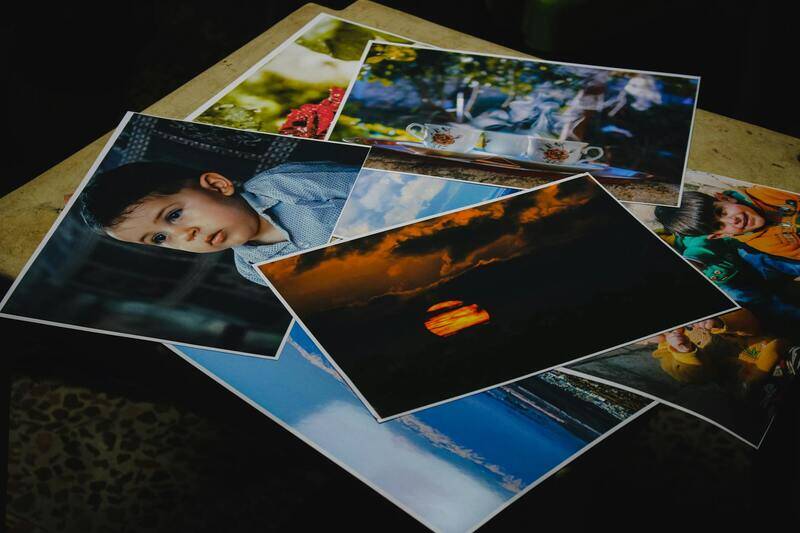
Choosing the appropriate material depends on the intended display environment, desired longevity, and aesthetic preferences. For outdoor applications, weather-resistant substrates with protective coatings are recommended. Indoor displays can leverage a wider variety of finishes, including matte or gloss, to enhance visual effects. Protective lamination or varnishing can further extend the lifespan of large photos, especially in high-traffic or outdoor settings, shielding against UV rays, scratches, and moisture.
Choosing the Right Size for Your Needs
Selecting an appropriate size for large photos involves considering several key aspects:
- Viewing Distance: Larger photos are intended to be viewed from afar, so sizes should correspond to the average viewing distance to ensure viewers can appreciate the detail without noticing pixels or imperfections.
- Display Location: Indoor installations in large open spaces can accommodate bigger images, while confined areas may require scaled-down versions to ensure proper visual balance.
- Image Composition: The complexity of the subject matter influences size choices; intricate details need sufficient space to be appreciated fully.
- Purpose of the Print: Commercial signage, art display, or personal decor all have different size considerations aligned with their impact goals.
Consulting with professional printers can help determine optimal dimensions that suit your space and intent, ensuring your large photo print achieves maximum visual impact.

Understanding Large-Size Photo Printing
Printing large-size photos necessitates a comprehensive understanding of the specialized processes involved, the variety of materials available, and the technical considerations to ensure crisp, vibrant, and durable results. Unlike standard photo printing, large-format printing demands precise calibration of printers, high-quality substrates, and meticulous handling to maintain image fidelity over expansive dimensions. The goal is to produce prints that captivate attention with their clarity and vividness while ensuring longevity in different environments.
Technical Aspects of Large-Format Photo Printing
The core factor in large-scale photo printing is the resolution. High-resolution images, typically 300 DPI (dots per inch) or higher, are essential to avoid pixelation when scaled up. This makes sourcing high-resolution digital images crucial, as low-resolution files can result in blurry or grainy prints. Additionally, color accuracy is vital; professional printers utilize advanced color management systems to reproduce true-to-life hues and contrasts, matched precisely to the original image.
Rasterization, which converts digital images into printable formats, must be optimized to handle the large size without loss of detail. Seamless tiling or paneling may be employed when printing particularly expansive images, maintaining image cohesion across sections. Additionally, alignment and tension are critical during the printing process to prevent distortions or shifts, especially in outdoor or high-traffic display settings.
Materials and Finishes for Large Photos
Selecting appropriate materials is fundamental to achieving desired aesthetic and functional outcomes. Common substrates include:
- Vinyl banners – ideal for outdoor applications, weather-resistant, and durable against UV exposure.
- Canvas – perfect for artistic displays, providing a textured, gallery-like appearance.
- Foam board – lightweight and suitable for indoor settings, offering a clean, professional finish.
- Polyester fabrics – used for soft signage or wall hangings, providing flexibility and high-quality image reproduction.
Finishing options such as matte, gloss, or satin coatings influence the visual impact and protective qualities. Glossy finishes enhance color vibrancy, while matte options reduce glare and reflections, ideal for spaces with ambient lighting. Protective coatings, including lamination or varnish, bolster resistance against scratches, moisture, and UV degradation, extending the lifespan of the print.
Environmental Considerations and Special Effects
Environmental factors, such as humidity, temperature fluctuations, and exposure to sunlight, influence the choice of materials and protective treatments. For outdoor installations, weatherproof substrates and UV-resistant coatings are essential to maintain image integrity over time. Indoors, options like non-reflective matte surfaces can enhance viewing comfort and prevent glare from ambient lighting.
Some advanced print methods offer special effects, including weather-resistant vinyl for outdoor signage, or textured finishes that add a tactile dimension to artistic displays. These techniques expand the creative possibilities for large photos, enabling highly customized visual experiences.
Ensuring Proper Storage and Handling
After printing, proper storage, transport, and installation are vital to preserving the integrity of large-format photos. Rolled prints should be carefully stored in protective tubes, avoiding undue pressure or sharp bends. During installation, professional mounting ensures the print remains flat and free from distortion. Protective framing or framing with UV glass further shields the print from environmental damage, enhancing durability while highlighting its visual appeal.
Understanding Large-Size Photo Printing
Printing photographs in large formats involves specialized techniques and equipment designed to produce high-quality, detailed images at substantial sizes. Unlike standard photo prints, which are typically confined to 4x6 or 8x10 inches, large-size photo printing aims to create impactful visuals often used as wall art, backdrops, or promotional displays. Key factors include the resolution of the original image, the chosen printing method, and the substrate material, all of which influence the final appearance and durability of the print.
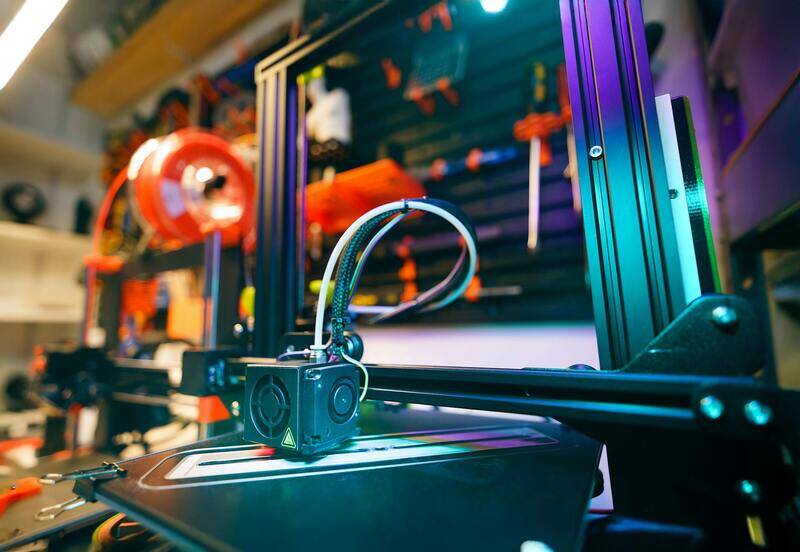
For optimal results, the original digital photo must have a high resolution, generally at least 150-300 DPI at the intended print dimensions. This ensures that the enlarged image retains sharpness, clarity, and vibrant color fidelity without pixelation or blurriness. The printing process must also be capable of handling wide-format media, often exceeding 1 meter in width, which requires specialized large-format printers.
Popular Large Photo Printing Methods and Materials
- UV Printing: This method uses ultraviolet light to cure ink instantly on various substrates, resulting in vibrant, durable images suitable for both indoor and outdoor use.
- Solvent and Eco-Solvent Printing: Known for their resistance to weather conditions and UV rays, these inks are ideal for outdoor signage and banners. They produce vivid colors and are flexible enough to conform to curved surfaces.
- Latex Printing: Latex inks offer environmentally friendly options with excellent color vibrancy and flexibility, making them suitable for versatile applications including wall coverings and fabric prints.
- Materials: Options range from vinyl, canvas, and fabric to rigid substrates like foam boards, acrylic, and metal. The choice depends on the intended display environment, whether indoor decor or outdoor signage.
Choosing the Right Size for Your Needs
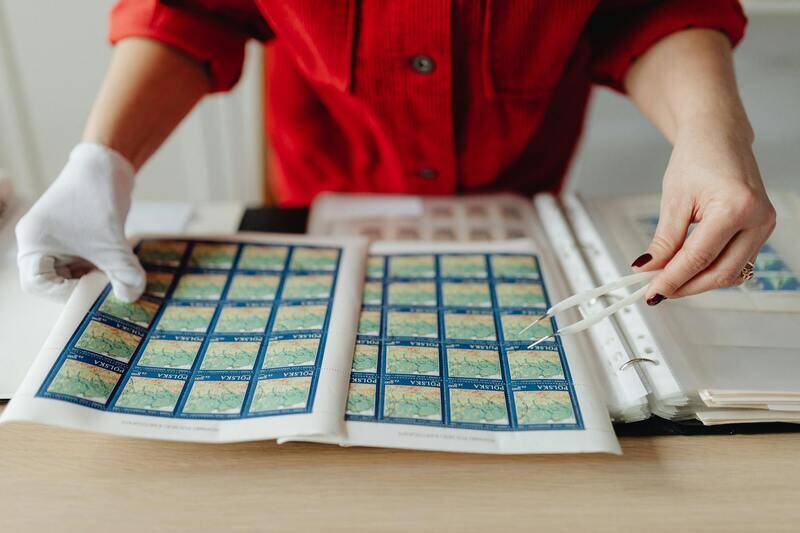
Determining the appropriate size involves considering the space where the photo will be displayed, the viewing distance, and the overall impact you aim to achieve. Larger images are more suited for expansive walls or outdoor installations, while smaller sizes can serve as focal points or detailed art pieces. To ensure the best visual impact without overwhelming the space, measure the intended display area carefully and match it with the resolution and scale of your digital image.
For instance, a mural-sized photo can span several meters, creating a striking visual statement. Conversely, a large-format but moderate-sized print, such as 1.5 meters wide, can serve as a focal feature without dominating the entire room. Customization helps in striking the right balance between size and detail.
Step-by-Step Guide to Ordering Large Photos
- Select Your Image: Choose high-resolution digital files suitable for enlargement.
- Decide on Dimensions: Measure the display space and select dimensions that complement the environment.
- Choose Material and Finish: Opt for a substrate that matches your indoor or outdoor requirements, along with protective coatings if necessary.
- Consult with Providers: Discuss your needs with a printing specialist to confirm image resolution, material compatibility, and technical considerations.
- Place Your Order: Submit your high-resolution image along with specifications; review proofs if available.
- Review and Approve: Check the final proofs and approve before production to ensure correctness.
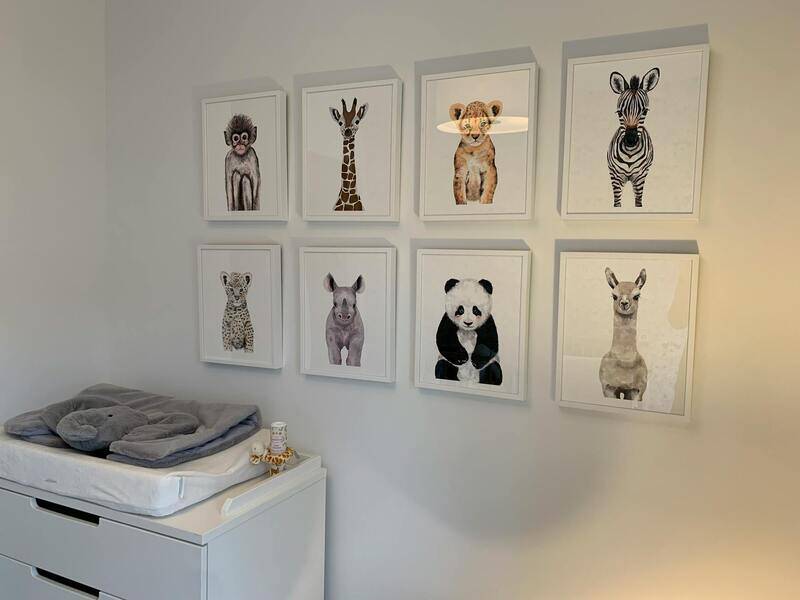
Installation and Display Tips for Large Photos
Proper installation is crucial to preserve the quality and appearance of large-format prints. Frames with UV-protective glass or acrylic can prevent scratches, dust, and UV damage. For wall-mounted prints, professional mounting ensures that the print remains flat and taut, avoiding wrinkles or sagging over time.
- Use Appropriate Hardware: Heavy-duty anchors, brackets, or specialized mounting systems are necessary depending on the weight and size of the print.
- Ensure Level Placement: Use a level and measuring tape during installation to achieve perfect alignment.
- Consider Environmental Factors: Indoor settings with controlled humidity and temperature help improve longevity. For outdoor displays, weatherproof substrates and UV coatings are essential.
- Maintenance: Regular cleaning with soft, non-abrasive cloths and mild cleaning solutions keeps large photos looking vibrant. Avoid harsh chemicals or abrasive materials that can damage the surface.