Choosing the Right Poster Type
Understanding Different Poster Options
When planning to get posters printed, selecting the appropriate type is essential to ensure your message or visual impact is maximized. There are several options available, each suited for different environments and purposes. Indoor posters are ideal for exhibitions, presentations, or retail displays where visibility is intended within a controlled environment. These posters often feature lightweight materials and finishes that enhance color vibrancy and sharpness.
Outdoor posters, on the other hand, require durable materials that withstand weather conditions such as rain, sun exposure, and wind. Rigid substrates like foam board or corrugated plastic are commonly chosen to prevent warping and ensure longevity. Self-adhesive posters are popular for quick, damage-free installation on walls, windows, or other surfaces. These are particularly useful for promotional campaigns or event signage that needs to be temporary but eye-catching.
Customized posters offer versatility in size, material, and finish, allowing for unique designs tailored to specific branding or marketing strategies. For instance, a business might opt for a large-format, high-impact outdoor poster to attract attention from afar, while a photographer may select a sleek, high-gloss indoor poster to showcase art in a gallery setting. Choosing the appropriate poster type depends on your intended environment, target audience, and durability requirements, all of which can be addressed through consultation with professional printing services.

Summary of Common Poster Types
- Indoor Posters: Lightweight, vibrant, suitable for controlled environments.
- Outdoor Posters: Weather-resistant materials designed to endure outdoor elements.
- Rigid Posters: Made from sturdy substrates like foam board or PVC for durability and presentation quality.
- Self-Adhesive Posters: Easy to install and remove; ideal for temporary advertising or branding.
- Customized Options: Tailored sizes, materials, and finishes for specific needs and branding consistency.
By understanding the characteristics and best applications of each poster type, organizations can make informed decisions that enhance visibility, durability, and visual appeal, ultimately supporting their marketing objectives more effectively.
Choosing the Right Poster Type
Understanding the specific needs of your display environment is crucial when selecting a poster type. Each type offers distinct advantages tailored to different marketing and branding scenarios. For temporary indoor events or promotions, lightweight and vibrant indoor posters are ideal, as they can be easily displayed and swapped out without significant investment. When visibility from distance is a priority, outdoor posters made from weather-resistant materials ensure your message remains intact despite the elements.
Rigid posters, typically crafted from foam board, PVC, or similar substrates, provide a sturdy option suitable for high-traffic areas where durability and a premium presentation are required. Self-adhesive posters are on the rise for their ease of installation and removal, making them perfect for short-term campaigns or temporary branding in retail environments.
Figures:
Selecting the Appropriate Size and Format
The choice of poster size is fundamental to maximizing its effectiveness. Standard formats such as A0 (841 x 1189 mm), A1 (594 x 841 mm), A2 (420 x 594 mm), and A3 (297 x 420 mm) serve different spatial and visibility requirements. Larger posters like A0 and A1 are suitable for high-impact outdoor advertising or large indoor displays where visibility from a distance is necessary. Conversely, smaller sizes such as A2 and A3 are well-suited for close-up viewing in retail, events, or detailed exhibition settings. Factors influencing size selection include the viewing distance, placement environment, and message complexity. For instance, a poster meant to be viewed from afar should feature prominently in size and design simplicity, ensuring the core message is easily grasped. If the poster is intended for detailed viewing, smaller formats can accommodate intricate graphics or text without overwhelming viewers.
- A0: Ideal for large outdoor billboards and exhibition backdrops.
- A1: Suitable for storefront displays and event signage.
- A2: Commonly used in retail window displays or wall-mounted advertising.
- A3: Perfect for handouts, tables, or localized advertising inside venues.
Choosing the right format enhances your poster’s visibility and effectiveness, so consider your environment and audience when finalizing dimensions. Professional printing services can provide guidance based on your specific needs, ensuring your poster is proportionate, legible, and impactful in its intended space.

Choosing the Right Poster Type
To ensure your poster effectively communicates your message and captures attention, selecting the appropriate poster type is essential. There are various options tailored to different needs, environments, and visual impacts. Standard poster types include:
- Indoor Posters: Designed for controlled environments like retail stores, conferences, or exhibitions. These posters often utilize durable materials such as high-quality paper or cardstock with finishes like gloss or matte, providing vivid imagery and clarity.
- Outdoor Posters: Built to withstand environmental factors such as weather and UV exposure. Materials like weatherproof vinyl or weather-resistant paper are common, often complemented by lamination or specialized finishes for durability.
- Backlit Posters: Suitable for illuminated displays on lightboxes or signage where enhanced brightness and visibility are desired. These often use translucent materials that allow light transmission, creating vibrant, eye-catching visuals even at night.
- Large Format Billboards: For high-impact, high visibility advertising from a distance. These require robust materials and precise printing techniques to maintain clarity and color fidelity over large surfaces.
- Customized Options: Tailored posters that incorporate unique dimensions, special finishes, or unique materials to meet specific branding or promotional requirements.
Key Factors in Choosing the Right Poster Type
When selecting a poster type, consider the following aspects:
- Intended Location: Determine whether the poster will be displayed indoors or outdoors, affecting material choice and durability requirements.
- Visibility Conditions: Assess lighting, distance, and viewer proximity to optimize size, brightness, and finish.
- Message Complexity: Use materials and formats that enhance clarity for detailed messages or visuals.
- Design Aesthetics: Choose finishes such as matte, gloss, or satin to complement your design and reduce glare or reflections.
Professional printing services, like those offered at happyprintshop.com, provide expert guidance to help you select the most suitable poster type based on your specific needs, ensuring your final product stands out effectively.
Materials and Finishes for Posters
When selecting materials for your posters, the choice of finish plays a crucial role in achieving the desired visual impact and durability. Glossy finishes are ideal for vibrant, eye-catching visuals, accentuating colors and details, making them excellent for promotional events or retail displays. Matte finishes, on the other hand, reduce glare and reflections, providing a subdued and professional aesthetic suitable for informational posters or artwork that benefits from a non-reflective surface.
Waterproof materials are essential for outdoor posters that are exposed to weather elements. These substrates, often made from vinyl or laminated paper, ensure longevity and maintain visual appeal over time. Specialty finishes like foil or canvas can introduce unique textures and visual effects, elevating the perceived quality of your poster. Foil finishes add a metallic sheen that catches light, while canvas provides a textured, artistic feel, perfect for gallery displays or premium branding projects.
Printing Techniques and Technologies
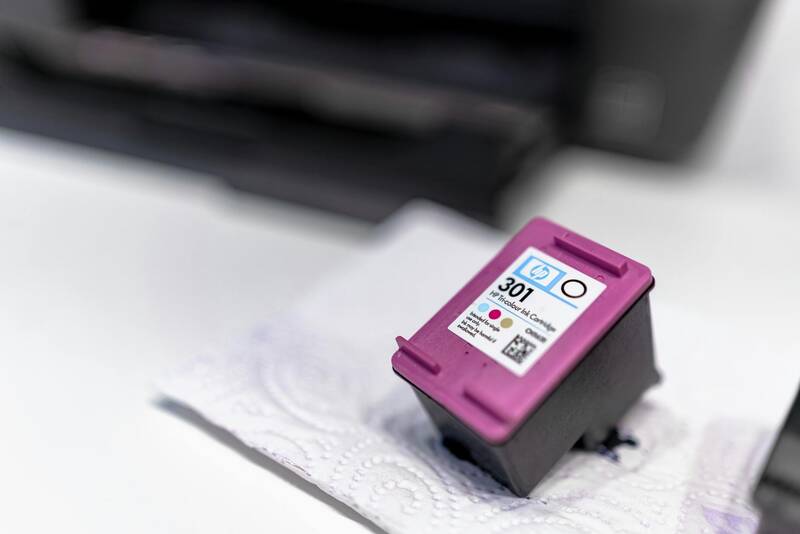
Advanced printing methods significantly influence the sharpness, color accuracy, and overall quality of posters. Digital printing is the most commonly employed technique, offering quick turnaround times and the ability to produce highly detailed and vibrant images. For large-scale projects, large-format digital printers are used to produce posters in various sizes without sacrificing resolution.
Some printers utilize UV-curing inks, which provide enhanced durability and resistance to fading, scratches, and moisture. This technology is especially beneficial for outdoor posters or those requiring extended display periods. Additionally, environmentally friendly printing processes are increasingly popular, using soy-based inks and sustainable substrates to reduce ecological impact while maintaining high-quality output.

Cost, Turnaround Time, and Ordering Process
Understanding the cost implications of your poster project is key to effective planning. Pricing typically depends on the poster size, material choice, finish, and the complexity of the design. While standard sizes like A3 or A2 are economical, custom dimensions may incur additional charges due to specialized production and setup requirements.
Turnaround times for poster printing vary based on the scope of the order and the selected printing technology. Most professional print services, including those at happyprintshop.com, offer expedited options for urgent projects, ensuring delivery within a few business days for standard orders. Organizing your order involves uploading your design, specifying your preferred materials and finishes, and confirming the quantity and delivery options, after which the printing process begins.

Choosing the Right Poster Type
When it comes to getting posters printed, selecting the appropriate type is essential to ensure your message resonates effectively with your target audience. The most common options include standard posters, mounted posters, and specialty prints such as backlit or fabric posters. Standard posters are versatile and suitable for indoor displays, conferences, or retail environments, offering a balanced mix of affordability and quality. Mounted posters, which are affixed to rigid backing materials like foam boards or acrylic, provide added durability and are ideal for outdoor events or locations where longevity is a priority. Specialty posters, such as backlit or fabric prints, provide unique visual effects that can elevate your display, making it stand out in trade shows or high-traffic areas. Understanding the purpose and location of your poster helps in choosing the right type that aligns with your branding goals and display requirements.
Considerations for Customization
- Material compatibility for indoor or outdoor use
- Durability and weather resistance
- Ability to incorporate special finishes or effects
- Compatibility with framing or display methods
Selecting the Appropriate Size and Format
The size and format of your poster significantly influence its visual impact and placement efficiency. Common poster sizes include A3, A2, A1, and A0, but custom dimensions are available to accommodate specific needs. Larger posters like A0 or custom oversized prints are excellent for catching attention from afar, making them ideal for advertising billboards or event backdrops. Smaller formats are suitable for point-of-sale displays, informational signage, or personal projects. When choosing a size, consider the viewing distance and the environment where the poster will be displayed. Higher resolution images are a must to ensure visual clarity, especially for larger sizes where pixelation can diminish the quality of the print.
Design Considerations for Posters
- High contrast and bold imagery for visibility
- Clear, concise messaging with a strong call-to-action
- Proper placement of logo and branding elements
- Use of vibrant colours or unique graphics to attract attention
- Avoid cluttering the layout—maximize whitespace for readability
Ensuring Accurate Color Reproduction and Image Quality
One of the critical aspects of getting posters printed is achieving the desired visual impact through accurate color reproduction and high-resolution images. To ensure the printed poster matches your digital design, it’s essential to work with formats that maintain color fidelity, such as CMYK color mode, and to provide files that are at least 300 DPI for sharp details. This high resolution prevents pixelation, especially when enlarging images for bigger poster sizes. Collaborating closely with your printing service provider allows for color proofing, where a sample of the poster is printed beforehand, enabling adjustments to color settings for optimal results.
Additionally, design considerations such as contrast, bold graphics, and clear typography contribute to attracting attention and conveying your message effectively. Avoid overly complex or cluttered layouts, as they can diminish readability from a distance. Emphasize key information with larger fonts or contrasting colors to ensure your poster’s message is instantly recognizable.
Professional Considerations for Durability and Visual Appeal
Beyond design, the choice of materials and finishing techniques plays a significant role in the poster’s overall visual appeal and longevity. Using premium-quality paper or vinyl ensures your poster withstands handling and environmental factors. For outdoor applications, weather-resistant materials like weatherproof vinyl or laminated surfaces are often preferred. Finishes such as matte, gloss, or satin coatings can enhance the visual effect and protect against fading or moisture.

Experimenting with special effects such as spot UV coating, embossing, or metallic inks can add a unique touch to your design, making your poster stand out further. When choosing a printing method, digital printing typically offers high detail and fast turnaround, suitable for both short-run and large-volume projects. For larger quantities or specific finishes, offset printing may offer more consistency and cost efficiency.
Efficient Color Matching and Consistency
To maintain consistency across multiple prints, requesting a color proof or sample batch ensures the final output aligns with your brand’s standards. Some printing providers offer color matching services, where they calibrate their presses according to your specifications. This step is particularly important for corporate branding, where uniformity in logo colors and branding elements is crucial.
With the right preparation, attention to detail, and consultation with experienced printing professionals, you can achieve posters that not only attract attention but also represent your message with clarity and impact, standing up well to environmental challenges and prolonged display periods.
Official Channels for Get Posters Printed
When aiming to produce high-quality posters through appropriate channels, it is essential to utilize reputable print service providers. Such providers are equipped with the necessary technology and expertise to deliver durable, vibrant, and precisely finished posters that meet your specific requirements. Certified commercial printing shops, such as those specializing in large-format digital printing, offer a variety of options tailored for different applications, whether indoor advertising, event promotion, or decorative displays.

By choosing established providers, you gain access to advanced printing techniques and robust quality control measures. These providers often adhere to industry standards for color fidelity, material selection, and finishing processes, which are crucial for maintaining consistency across multiple prints. They also provide consultations to help optimize your poster designs, ensuring the final product aligns with your visual branding and messaging objectives.
Certificate of authenticity and compliance with safety standards can further guarantee that your printed posters are produced through legitimate, monitored processes. For businesses, institutions, or individuals seeking official or promotional posters, working with approved vendors ensures the best results and legal compliance. Many professional print suppliers are members of industry associations, which adds an extra layer of reliability and accountability.
Ensuring the Use of Authorized Printing Facilities
To identify legitimate printing outlets, look for credentials such as business licenses, memberships in industry associations, or certifications for quality management systems. Verified providers often showcase their credentials and portfolios on their communication channels as proof of their capacity for producing high-caliber posters. Customer reviews and testimonials are also valuable indicators of a provider’s reputation and adherence to professional standards.
Additionally, official printing companies often offer guarantees or warranties on their products, ensuring that issues such as color mismatches, material defects, or finishing imperfections are addressed promptly. Utilizing these services minimizes risks associated with subpar outputs, ensuring your poster campaigns or displays remain impactful and professional.
Advantages of Selecting Certified and Recognized Print Providers
- Consistent Quality: Ensures uniformity across large batches, maintaining your brand’s visual standards.
- Wide Range of Materials and Finishes: Options like weatherproof vinyl, laminated surfaces, matte or gloss coatings provide durability and aesthetic appeal.
- Advanced Printing Technologies: Digital and offset printing methods support high-resolution outputs and cost-efficient large-volume production.
- Expert Guidance: Professional staff can advise on material choices, design optimization, and finishing effects.
- Compliance and Reliability: Certified providers assure that your posters are produced under recognized industry standards, fostering trust and consistency.
Securing Your Posters Through Trusted Providers
To ensure your posters are produced through legitimate means, conduct research to identify known providers with strong industry credentials. Request samples or proof of previous work, and confirm their capacity to handle your project specifications. Clear communication about your needs, including size, material, and finish, aids in aligning expectations and securing a quality product. Additionally, establishing a professional relationship with a reputable print company can streamline future projects and create a reliable source for all your visual display needs.

Guidelines for Proper Poster Placement and Usage
Ensuring that your posters are displayed effectively involves strategic placement and maintenance practices. This maximizes visibility, prolongs their lifespan, and enhances the impact of your visual communication.
Optimal Placement Strategies
- High-Traffic Areas: Position posters at eye level in locations with frequent footfall such as entrances, corridors, and main walkways. This increases the likelihood of catching attention.
- Targeted Viewpoints: Consider sight lines and natural gathering spots where your audience’s attention is naturally directed. Align your posters with these zones for maximum engagement.
- Complementary Backgrounds: Avoid placing posters against cluttered or overly busy backgrounds. Choose neutral or contrasting surfaces to make the design stand out.
- Lighting Conditions: Ensure posters are illuminated appropriately. Use spotlights or ambient lighting to highlight key visuals, especially in dimly lit areas, without causing glare.
Weather-Resistant Placement for Outdoor Posters
When displaying posters outdoors, select locations sheltered from direct exposure to elements such as rain, wind, and direct sunlight. Consider mounting on durable, weatherproof surfaces or using fixtures designed for outdoor conditions to preserve print quality.
Maintenance Tips for Longevity
- Regular Inspection: Check posters periodically for damage, fading, or detachment. Promptly replace or repair compromised displays to sustain professional appearance.
- Cleaning: Use gentle cleaning techniques and appropriate cleaning agents to remove dust and dirt. Avoid abrasive materials that can scratch or degrade the print surface.
- Protection Against Vandalism: If posters are in accessible areas, consider protective coatings or lamination to guard against vandalism or accidental damage.
- Environmental Considerations: In areas prone to pollution or high humidity, opt for materials and finishes engineered for durability under specific conditions.
Strategic Removal and Replacement
Plan for timely updates or removal of posters to maintain relevance and visual appeal. This avoids clutter and ensures your messaging remains current, especially for event-specific or promotional posters.