
Understanding Poster Printing Cost
When planning a poster printing project, budgeting accurately requires understanding the key factors that influence the overall cost. The total expense is not determined solely by the size of the poster but is affected by multiple components including materials used, finishing options, required quantity, and the printing technology applied. Each element plays a significant role in shaping the final price, making it essential for clients to recognize how these factors interact in the production process.

Size and Dimension
The dimensions of a poster are one of the most straightforward determinants of cost. Larger posters require more material and longer printing time, which naturally increases expenses. Standard sizes such as 24x36 inches or A1 are typically more affordable compared to custom or oversized formats. Larger prints demand higher-quality materials and often more durable finishes to maintain visual impact, further influencing price.
Material Choices
The type of material selected for the poster heavily impacts the cost. Common options include:
- Paper: Standard poster paper is cost-effective, but premium photo paper or gloss finishes add to the expense.
- Vinyl: Suitable for outdoor displays, vinyl offers durability but comes at a higher price point.
- Canvas: For artistic or high-end displays, canvas provides a distinctive look with increased costs.
Finish types, such as matte, gloss, or UV coating, also affect pricing. Higher-quality finishes provide better resistance and vibrancy, often justifying the additional cost.
Quantity and Order Size
The number of posters ordered influences unit costs significantly. Small quantities typically entail higher costs per unit due to setup fees and minimal production efficiency. Conversely, bulk orders benefit from economies of scale, lowering per-piece expenses. This aspect is particularly advantageous for organizations aiming to distribute multiple copies for promotional campaigns or events.
Summary of Cost Components
- Poster size and dimensions
- Material type and finish quality
- Color quality and printing technology
- Order quantity and production scale
Understanding these components enables businesses and individuals to make informed decisions that balance visual appeal with budget constraints, ensuring effective use of resources in poster printing projects.
Understanding Poster Printing Cost
Accurately estimating the expenses involved in poster printing requires a comprehensive understanding of the various factors that influence pricing. Beyond the basic printing process, elements such as material selection, size, intricacy of design, and order volume play vital roles in determining overall costs. The intricacies of these components assist both individuals and organizations in making informed financial decisions while ensuring the desired visual impact of their promotional material.
Material Selection and Associated Costs
The choice of materials profoundly affects the final cost of poster printing. Standard paper options provide a budget-friendly approach suitable for indoor displays or temporary use. However, premium materials such as photo paper or gloss finishes enhance visual appeal and durability, which often come with increased costs. Vinyl materials are commonly selected for outdoor displays due to their weather resistance but are priced higher. Canvas material offers an artistic, high-end presentation, significantly elevating material expenses.

Finish types, including matte, gloss, and UV coatings, serve to enhance the visual quality and longevity of posters. High-quality finishes not only improve vibrancy but also provide better protection against environmental damage, and these benefits are reflected in the pricing. In particular, UV coatings are more costly but offer superior resistance, which justifies their use for high-traffic or outdoor displays.
Size and Dimensions
Size is a primary determinant in poster printing costs. Larger posters, such as A0 or A1, demand more material and larger printing equipment, thus incurring higher charges. Conversely, smaller formats like A3 or A2 are more economical and suitable for quick, indoor displays. The dimensions selected must align with the intended application and budget constraints, allowing for strategic planning.
Design Complexity and Printing Technology
Poster design intricacies directly impact printing costs. High-resolution images, intricate graphics, and color gradients require advanced printing technologies to reproduce accurately, often involving digital or large-format printers with higher operational costs. The use of special color profiles or effects further influences pricing, especially when specialized inks or techniques are necessary to achieve the desired outcome.
Order Volume and Production Efficiency
The scale of the order significantly influences unit pricing. Smaller batches tend to carry higher per-unit costs due to setup fees and the minimal use of production resources. Meanwhile, bulk orders benefit from economies of scale, reducing marginal costs. For organizations planning mass distribution, multiple posters at a discounted rate are often more economical, allowing for notable savings over individual prints.
Additional Expenses and Custom Features
Customization options such as mounting, framing, or special finishes can add to the overall expense. Standard poster printing may include basic options, but premium choices like lamination, mounting on foam board, or custom cutting introduce extra charges. These supplementary features enhance durability and presentation style but should be accounted for within the budgeting process.
Timeframe and Turnaround Impact on Cost
Urgent printing requests often entail expedited production methods, which tend to command higher prices. Advanced scheduling or rush orders necessitate priority handling, increased labor, and potentially overtime costs. Planning projects in advance helps mitigate these additional expenses, resulting in more predictable budgeting and better resource allocation.
Understanding these various cost components enables clients to tailor their poster printing projects effectively. By balancing visual quality, material durability, and financial constraints, organizations and individuals can achieve optimal results that meet their promotional goals without exceeding their budgets.

Materials and Finish Options Affecting Cost
Choosing the right materials and finishes is a critical factor in determining poster printing costs. Standard posters are typically printed on paper stock that balances durability and affordability, such as coated or matte finishes. However, selecting more specialized materials can significantly influence the overall price. For outdoor signage or longer-term displays, waterproof or weather-resistant materials enhance longevity and resistance to environmental elements, albeit at a higher expense.
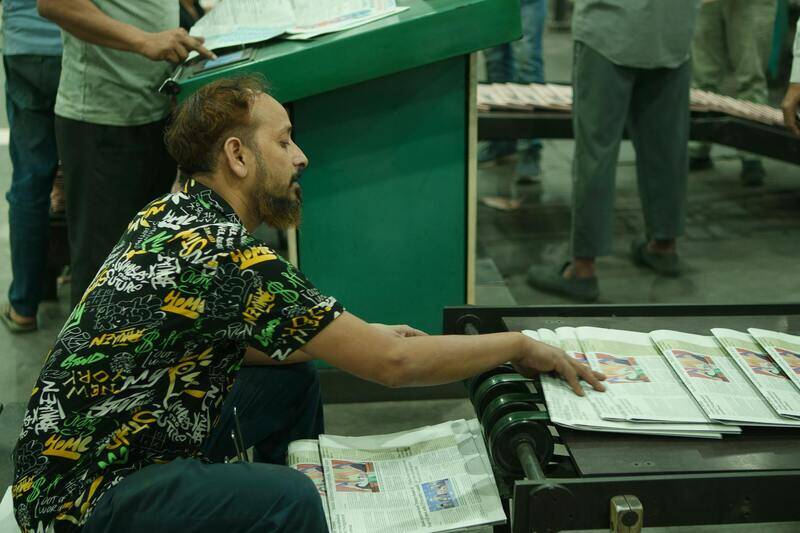
Finish options like lamination applied to the poster surface provide additional protection against moisture, tearing, and UV damage, extending the display life and maintaining visual clarity. While lamination increases production costs, it is especially beneficial for posters intended for outdoor use or high-traffic areas. In contrast, mounting options such as foam board or vinyl backing add to the weight and cost but lend a professional appearance and durability that withstand handling and environmental exposure.
Standard glossy or matte finishes are often included in base prices, but premium textures like satin or textured papers may come with additional charges. Custom-cut edges or unique sizes also impact costs, as they require specialized cutting equipment and setup procedures. When budgeting for poster printing, organizations should weigh the benefits of high-quality materials against their cost, ensuring the final product aligns with both their aesthetic goals and financial constraints.
Materials and Finish Options Affecting Cost
Choosing the right materials for poster printing significantly influences the overall expenditure. Standard poster substrates typically include coated paper, matte, or gloss finishes, offering a balance of quality and affordability. For indoor displays that require a sleek appearance, high-quality matte or satin finishes are common, with costs corresponding to material quality and production complexity.
When outdoor durability or weather resistance is a priority, materials such as weatherproof vinyl or waterproof rigid substrates like PVC or coroplast are preferred. These materials are inherently more expensive due to their enhanced resilience and the need for specialized printing processes. Moreover, weather-resistant posters might incorporate additional protective layers like lamination, which further affects costs but greatly extends the lifespan of the display.

Finish Enhancements and Customizations
Enhancements such as lamination, UV coating, or matte varnish provide practical benefits like UV protection, moisture resistance, and scratch resistance. These options are particularly suitable for posters exposed to outdoor or high-traffic environments. Laminated posters tend to have a higher initial price, but this investment preserves the visual integrity and durability over time, reducing replacement costs.
Additional customizations, including die-cut edges, unique shapes, or bespoke sizes, also impact the price. Precise cutting and shaping require advanced equipment and additional setup time, which translates into higher production costs. For organizations seeking a distinct visual impact, these custom options might be justified by the enhanced presentation and brand alignment.
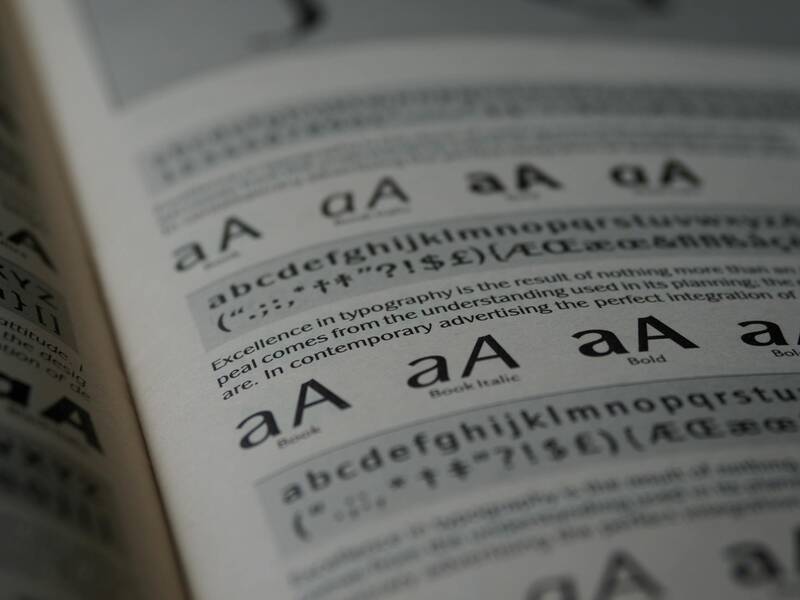
Color accuracy and print quality are critical aspects that influence the final expense. High-resolution printing with rich color profiles on premium substrates, such as textured or specialty papers, commands a premium price but ensures that visual appeal meets professional standards. Weighing the display environment and desired longevity against these costs helps optimize the investment.
Impact of Material and Finish on Budget Planning
Effective budgeting for poster printing involves understanding the trade-offs between material durability, visual quality, and cost. For short-term indoor use, lightweight paper with basic finishes may suffice, minimizing expenses. In contrast, for long-term outdoor signage, investing in weather-resistant materials and protective coatings is essential, despite the higher initial cost.
Organizations should prioritize their specific display needs and environmental conditions to select an appropriate combination of material and finish. Cost-benefit analysis ensures that the investment aligns with the audience reach, expected lifespan, and visual impact of the posters.
It is also advisable to request detailed quotes from printing providers that specify costs associated with different materials, finishes, and custom options. This transparency allows for informed decision-making and helps maintain compliance with project budgets and organizational standards.
Influence of Professional Printing Techniques on Poster Costs
Utilizing advanced printing techniques can significantly impact the overall poster printing expenses. Digital printing, offset printing, and large-format printing each come with distinct cost structures that reflect their capabilities and economies of scale.
- Digital Printing: Ideal for short runs and quick turnaround times, digital printing offers flexibility with minimal setup costs. The cost per poster remains relatively stable regardless of quantity, making it a cost-effective method for small orders or urgent projects.
- Offset Printing: Suitable for high-volume orders, offset printing provides superior image quality and color fidelity. However, setup costs such as plate creation and calibration are higher, which increases the initial investment but decreases the cost per unit in large quantities.
- Large Format and Fine Art Printing: Specifically designed for posters that demand high resolution or specialized finishes, these techniques often involve premium equipment and materials. While they tend to be more costly, the quality often justifies the expense, especially for promotional or art-focused displays.

Technological Advancements and Cost Optimization
Recent innovations in printing technologies have introduced more cost-efficient options that do not compromise on quality. For example, UV printing and eco-solvent printing enable vibrant color output on a variety of substrates, including rigid materials and textiles, often at competitive prices due to faster production speeds and reduced material waste.
Automated workflows, such as high-capacity digital presses, help minimize labor costs and reduce material consumption, translating into more affordable pricing. As a result, clients can achieve high-quality posters without exceeding their budgets by choosing the appropriate technique aligned with their production needs and print volume.
Material and Finish Considerations in Cost Evaluation
The selection of poster materials and finishes directly influences the cost outcome. Standard paper options like gloss and matte finish paper are typically more affordable, whereas specialty papers and textured surfaces increase expenses. Protective coatings such as laminates orUV coatings add durability and aesthetic appeal but come at additional costs.
For outdoor applications, weather-resistant materials such as vinyl or corrugated boards are recommended, though they incur higher material and printing costs. Conversely, lightweight paper with simple finishes is suitable for indoor displays and remains budget-friendly.
Custom Finishing and Personalization Expenses
Incorporating customized features like die-cut edges, rounded corners, or mounting options elevates the visual impact but also increases costs. For instance, die-cut posters with intricate shapes require specialized cutting tools and additional labor, leading to higher customization charges.
Similarly, adding framing or mounting hardware—such as foam boards, grommets, or adhesive backings—entails extra expenses but enhances the presentation and longevity of the posters, especially for exhibitions or outdoor signage. When planning your project, it is prudent to obtain detailed quotes that itemize these additional services to align your design ambitions with your budget.
Understanding Poster Printing Cost
Determining the true expense of poster printing involves analyzing multiple factors that influence the final price. This includes not just the size and quantity, but also material choices, printing methods, and additional customization features. When evaluating poster printing costs, it is crucial to start with a clear outline of your project requirements and then compare offerings from reputable service providers to ensure a fair and competitive rate. High-quality prints that employ advanced technologies or premium materials naturally command higher prices, but they also ensure durability and visual impact, which might be essential depending on your application.
Factors Impacting Poster Printing Expenses
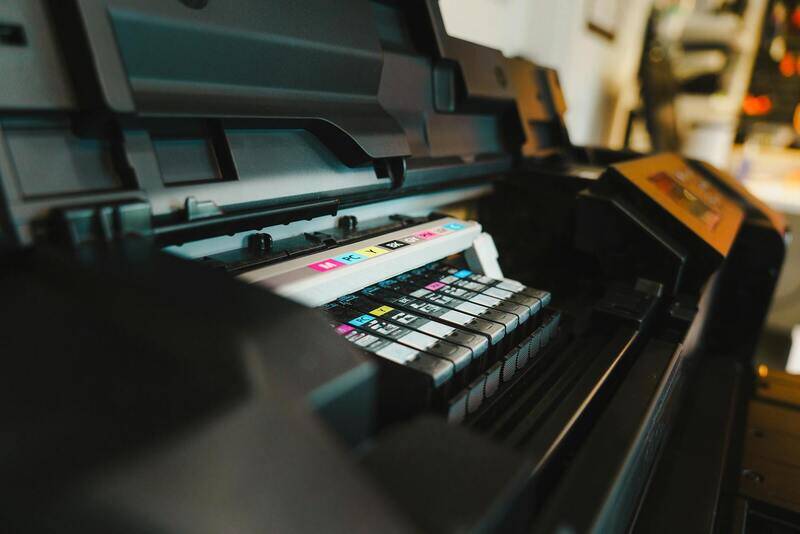
Among the key determinants of poster printing costs are the size of the poster, the choice of materials, and the complexity of the printing process. Larger posters naturally require more raw materials and longer printing times, thereby increasing the total cost. Materials like standard paper are cost-effective, whereas specialty papers and textured finishes elevate expenses. Protective coatings or UV laminates also contribute additional charges, especially when outdoor durability is a priority. The selection of eco-friendly or weather-resistant materials, such as vinyl or weatherproof boards, further influences the pricing structure, aligning costs closely with quality and longevity expectations.
Official Methods to Properly Estimate Cost
To obtain accurate pricing, it is advisable to request detailed quotes from printing service providers. These quotes should itemize all aspects involved, including size options, material types, finishing touches, and any custom features. Many providers offer instant online calculators wherein you can input your specifications to get preliminary estimates, though final quotations might include additional charges for special requests. Reliable companies typically provide transparent pricing models, allowing clients to adjust variables to match their budget constraints effectively.

Cost Optimization Tips
- Opt for standard sizes and materials for indoor or short-term displays to keep expenses manageable.
- Limit customized features like die-cut shapes or mounted hardware unless critically necessary, as they significantly add to costs.
- Compare multiple vendors and choose those that offer transparent pricing and volume discounts.
- Coordinate your project timeline to leverage bulk order discounts, which can notably reduce the unit price for large quantities.
- Evaluate whether simplified finishing options suffice for your needs, or if premium finishes are justified based on the intended use and display environment.
Understanding these elements allows for strategic planning that balances quality expectations with budget constraints, ensuring effective use of resources in poster printing projects.
Understanding Poster Printing Cost
When evaluating the expenses associated with poster printing, it’s essential to consider the comprehensive factors that influence the final price. Official printing providers typically base their pricing on factors such as size, material choice, finish options, and the complexity of printing techniques employed. To ensure accurate budgeting, obtaining detailed and itemized quotes from legitimate service providers is recommended. These quotes should break down costs for each element, enabling clients to compare options effectively and select solutions aligned with their financial constraints.
In addition to size and material selections, the nature of the print job itself can induce variations in cost. For example, a poster featuring vibrant color work or intricate designs may demand higher ink consumption and more advanced printing technology, thereby increasing the price. Conversely, straightforward monochrome prints generally incur lower costs, especially when produced in bulk.

Standard pricing models often incorporate setup charges, particularly for custom designs or specific finishing instructions. Setup fees cover the preparation of the printing environment to meet unique client specifications. Some providers also charge additional fees for specialized services such as mounting, lamination, or foldability. To avoid unforeseen expenses, it’s advisable to clarify whether these charges are included in the initial quote or applied separately.
Cost Transparency and Price Adjustment
Reputable printing companies offer transparent pricing structures, permitting clients to manipulate various parameters to optimize costs. For example, choosing a standard size over a custom dimension or opting for a matte finish instead of a glossy one can significantly influence the overall expense. Industry leaders also provide online cost calculators, where potential clients can input their specifications to receive real-time estimates. These tools facilitate pre-planning and help set realistic expectations aligned with the available budget.
Official Methods for Estimating Cost
- Requesting Quotations: Directly contacting authorized printing providers for tailored quotes ensures accuracy. Details such as poster dimensions, desired materials, and any custom requirements should be clearly communicated.
- Using Online Price Calculators: Many legitimate vendors, including happyprintshop.com, feature interactive calculators on their websites. These tools allow for quick estimation by entering specific project parameters.
- Comparing Vendor Pricing Structures: Reviewing multiple quotes from different providers helps identify competitive pricing and recognize consistent fee patterns, fostering better decision-making.
- Understanding Cost Breakdown: Analyzing itemized quotes helps pinpoint areas where costs can be minimized, such as opting for less expensive materials or reducing finishing options.
- Volume-Based Pricing: Suitable for bulk orders, volume discounts tend to considerably lower the per-unit cost, especially when producing large quantities of posters.
By following these official strategies, clients can efficiently estimate poster printing costs and choose solutions that balance quality with budget considerations. Ensuring all cost factors are transparent and well-understood is pivotal in planning successful printing projects without overshooting financial limits.
Determining the Poster Printing Cost: Official and Legitimate Approaches
When planning a poster printing project, understanding how to accurately estimate costs using official methods is essential. These approaches are designed to provide transparency and reliability, ensuring an efficient allocation of your budget.
Requesting Formal Quotes from Authorized Suppliers
One of the most straightforward strategies involves reaching out directly to authorized printing providers. This process typically involves providing detailed information about the poster dimensions, selected materials, finish preferences, and any custom features. Authorized vendors will then furnish a comprehensive quotation that reflects all relevant costs, including setup fees, material charges, printing techniques, and any additional services. It is advisable to communicate all specifications clearly to obtain precise estimates and avoid unexpected expenses.
Utilizing Official Online Price Calculators
Many legitimate printing services, such as happyprintshop.com, offer interactive pricing tools on their official websites. These online calculators enable users to input specific project parameters—such as poster size, material type, quantity, and finish options—and receive immediate cost estimates. These tools are designed to streamline budgeting processes, allowing clients to compare different configurations conveniently and make informed decisions without needing to request manual quotations.
Comparative Analysis of Multiple Vendor Quotations
To ensure competitive pricing, conducting a comparison of quotations from various authorized providers is a recommended procedure. Analyzing itemized quotes enables identification of consistent fee structures and potential areas where costs can be optimized. For instance, choosing different materials or adjusting finishing options based on official cost breakdowns can substantially impact the overall expense. Maintaining a record of these comparisons also supports selecting the most cost-effective yet quality-assured solution.
Understanding and Analyzing Cost Breakdown Details
Beyond obtaining quotes, reviewing detailed cost breakdowns helps in uncovering specific charges associated with each component of the poster printing process. This detailed approach allows clients to pinpoint areas where expenses can be reduced—for example, opting for standard materials instead of premium finishes, or adjusting size and complexity to align with budget constraints. A transparent understanding of the cost elements fosters better control over project expenses and aids in better planning.
Official Cost Estimation for Large Quantities
For projects involving bulk orders, volume-based pricing structures often apply. Engaging official printing providers for quotes on large quantities allows access to discounts that significantly reduce the per-unit cost. Such discounts are based on formal pricing policies designed to reward high-volume production, and discussing these options directly with authorized vendors ensures clarity and maximizes savings.

Adopting these official methods not only enhances cost accuracy but also ensures adherence to legitimate pricing standards. Leveraging direct communication with authorized vendors, official online calculators, and detailed quotations empowers clients to make financially sound decisions, balancing quality expectations with available budgets. A clear understanding of all cost components from reputable sources helps in avoiding over-expenditure, ensuring the project’s financial success from planning through execution.
