
Understanding Poster Printing Options
When it comes to order posters, selecting the appropriate printing method and materials is crucial for achieving the desired visual impact and durability. Various factors, including the size, material, and printing technique, influence the final appearance and longevity of posters. A comprehensive understanding of these options enables individuals and businesses to make informed decisions suited to their specific needs.

Varieties of Poster Sizes
Posters come in a multitude of sizes, from standard dimensions like 24x36 inches to custom measurements tailored to particular spaces. The size selection depends on the intended display environment, viewing distance, and visual impact. Larger posters command attention and are ideal for advertising, exhibitions, or event promotion, whereas smaller posters are suitable for personal use or localized advertising.
Common Poster Formats include:
- Small Posters (11x17 inches)
- Medium Posters (18x24 inches)
- Large Posters (24x36 inches)
- Custom Sizes for Specific Requirements
Materials Used for Poster Printing
The choice of material significantly influences the poster’s appearance, durability, and how it withstands environmental factors. Options range from standard poster paper to more robust substrates designed for outdoor use or long-term display.
Primary Materials Include:
- Glossy Poster Paper: Enhances colors and details, ideal for vibrant displays.
- Matte Poster Paper: Offers a non-reflective finish, reducing glare and easier viewing for text-heavy posters.
- Weather-Resistant Vinyl: Suitable for outdoor posters, resistant to water and UV rays.
- Foam Board: Provides rigidity and is often used for mounting or framing.
Printing Techniques and Their Advantages
Choosing the right printing technique ensures that the poster's visual quality and longevity meet expectations. Digital printing is the most common method for posters, offering high-quality, fast turnaround times, and customization options. Screen printing may be used for larger runs of posters with specific color requirements, though it is less common for small orders or quick production.
Popular Printing Techniques:
- Digital Printing: Offers vibrant colors, detailed imagery, and quick processing, suitable for short runs and custom designs.
- Offset Printing: Ideal for large quantities with consistent color accuracy, though less flexible for small batches.
- Screen Printing: Used for unique textures and special coatings, often in promotional or artistic applications.
Considerations for Selecting the Best Option
When choosing poster printing options, consider the intended environment, lifespan, and budget. Indoor posters typically require less weather resistance, allowing for less robust materials, whereas outdoor displays demand more durable substrates. Additionally, high-resolution images and vivid colors benefit from premium materials and advanced printing techniques. Ensuring compatibility between the design and chosen substrate optimizes the poster's visual appeal and performance.
Understanding Poster Printing Options
When it comes to ordering posters, selecting the appropriate printing method is essential to ensure the final product meets your expectations in quality, durability, and cost-efficiency. The most commonly used printing techniques for posters include digital printing, offset printing, and screen printing, each offering distinct advantages suited to specific needs.

Digital printing is the dominant choice for poster production due to its ability to produce high-resolution images quickly and cost-effectively. This method uses inkjet or laser technology to directly transfer digital images onto poster substrates, allowing for customization and rapid turnaround. High-resolution imagery and intricate designs are well preserved through this process, making it perfect for promotional posters, art reproductions, or event advertisements.
Offset printing is another method that excels when producing larger quantities of posters. It involves transferring ink from a plate onto a rubber blanket, then onto the printing surface. This process offers consistent color output and sharp image quality across bulk orders, often reducing costs per unit when printing in large volumes. However, due to setup requirements, offset printing is less flexible for small batches or urgent orders.
Screen printing, though less frequently used for standard posters, is valuable when special textures, metallic inks, or unique finishes are desired. This technique involves pushing ink through a screen stencil onto the poster surface. It is especially popular for artistic or promotional posters that need tactile effects or specific coating properties.
Choosing the Right Printing Technique Based on Your Needs
- Short runs or custom designs: Digital printing offers quick, detailed, and vibrant results, making it the best fit for these requirements.
- Large quantities: Offset printing provides cost efficiency, consistent color integrity, and high speed for mass production.
- Special finishes or artistic textures: Screen printing allows for creative effects and durable coatings, suitable for decorative or promotional poster applications.
In addition to choosing the appropriate technique, it is vital to consider the poster’s intended environment, lifespan, and budget. For outdoor displays exposed to weather, materials resistant to water, UV rays, and environmental wear should be prioritized, often involving specialized substrates and protective coatings.
High-performance printing techniques combined with quality materials ensure the poster's visual impact endures over time. Combining high-resolution images, vivid colors, and appropriate substrates results in posters that not only capture attention but also withstand physical and environmental challenges.
Beyond the printing process, the selection of materials such as vinyl, foam board, or paper significantly influences durability and visual effect. Gloss or matte finishes can further enhance the aesthetic by reducing glare or providing a sophisticated appearance. When placing an order, clear communication of these details helps ensure the final product aligns with your expectations and application needs.
Optimal Printing Techniques for Poster Durability
When it comes to producing posters that make a lasting impression, selecting the appropriate printing method is essential. Digital printing offers high-resolution output with vibrant colors, suitable for short to medium runs and quick turnaround times. It is ideal for projects that require detailed imagery and fine color gradations, making it a popular choice for promotional posters and art reproductions.
Offset printing remains a reliable choice for large-scale batch productions, providing consistent color fidelity and cost efficiency at volume. This method involves transferring ink from a plate to a rubber blanket before applying it to the printing surface. It yields sharp images and crisp text, making it suitable for posters intended for extensive distribution or long-term display.
Specialized Printing Processes for Unique Creative Effects
- Screen printing: Perfect for posters requiring tactile textures or vibrant, opaque colors. This process involves pushing ink through a mesh stencil, enabling creative effects such as metallic or fluorescent inks, which enhance visual impact for promotional or decorative posters.
- UV printing: Utilizes ultraviolet light to cure inks instantly, resulting in durable, weather-resistant posters with vibrant colors and glossy finishes. UV printing is advantageous for outdoor signage and posters exposed to environmental elements.
- Large Format Printing: Designed for oversized posters, this technique utilizes wide-format printers capable of printing on diverse materials, such as vinyl or fabric. It provides high-quality images without seams, suitable for banners, wall murals, and impactful visual displays.
Material and Finish Selection for Enhanced Visual Appeal and Longevity
The foundation of a high-quality poster is the choice of material. Common options include paper, vinyl, foam board, and fabric, each offering different levels of durability and visual effects. For indoor displays, glossy or matte paper provides sharp images and controlled light reflection, respectively. For outdoor or high-traffic environments, weather-resistant materials like vinyl or laminated substrates are recommended.
Finishing options such as gloss, matte, or satin coatings further refine the poster's appearance. Gloss finishes enhance color brightness and vibrancy, making images more striking. Matte finishes reduce glare and are preferred for readability in well-lit areas, imparting an elegant, subdued aesthetic. Laminating posters adds a protective layer that guards against water, scratches, and fading, extending their lifespan in demanding settings.
Environmental and Practical Considerations
Considering the intended environment of the poster is crucial. For outdoor applications, selecting materials with resistance to UV rays, moisture, and environmental wear ensures that the visuals remain clear and impactful over time. Specialized substrates like weatherproof vinyl or rigid foam boards with protective coatings provide the necessary durability.
In contrast, interior posters can utilize lighter, more cost-effective materials such as high-quality paper or specialty papers with textures to evoke artistic effects. These can be paired with various finishes, including pearl or metallic coatings, to reflect specific design themes and aesthetic preferences.
- Choosing the right material influences not only appearance but also handling and installation considerations.
- Durability should align with the poster’s purpose and location, ensuring sustained visibility and impact.
- Budget constraints can guide selections between premium substrates and standard options, balancing cost and longevity.
Clear communication of these preferences during the ordering process guarantees the final product aligns with your display requirements. By prioritizing appropriate materials and finishes, you ensure that your posters continue to attract attention and convey your message effectively over their intended lifespan.
Optimizing Poster Placement for Maximum Impact
Strategic placement of your ordered posters plays a critical role in ensuring your message captures the attention of your target audience effectively. Selecting high-traffic areas, such as entryways, near checkout counters, or at eye level in busy hallways, increases visibility and enhances engagement. Consider environmental factors to determine the best positioning, ensuring the posters are not obstructed and protected from potential damage.

Utilizing Proper Installation Techniques
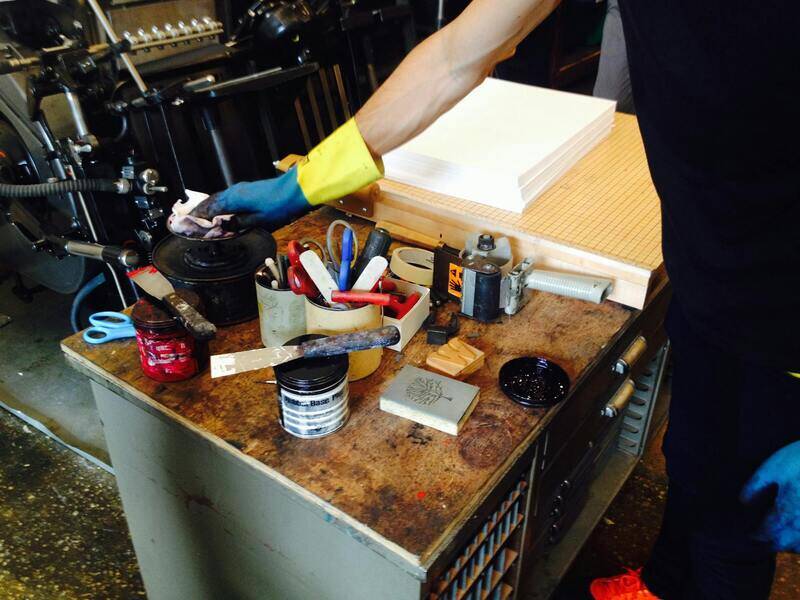
Secure and professional installation is essential for maintaining the integrity and appearance of your posters over time. Depending on the type of poster material selected, different mounting methods may be appropriate. For lightweight paper posters, double-sided adhesive, poster strips, or non-damaging hooks offer clean solutions without damaging the surface. For heavier or outdoor posters, more robust methods such as Frame mounting, shelving, or weather-resistant adhesives ensure stability and resilience against environmental elements.
- Use of framing for enhanced durability and aesthetic appeal
- Weather-resistant mounting options for outdoor displays
- Invisible or discreet adhesives to maintain visual cleanliness
Maintaining and Protecting Your Posters
Post-installation care contributes significantly to the longevity of your posters. Regular cleaning with soft, non-abrasive materials prevents dust and dirt buildup, preserving visual clarity. For indoor posters, UV-protective coatings or laminates help prevent fading caused by sunlight exposure. Outdoor posters benefit from weatherproof laminates or protective overlays that shield against moisture, scratches, and environmental wear. Proper storage when not in use, such as rolling posters in protective tubes or keeping them flat in climate-controlled environments, also safeguards their quality.
Monitoring and Updating Your Displays
Keeping your visual displays current ensures your messaging remains relevant and engaging. Scheduled reviews allow you to assess the condition and effectiveness of your posters, prompting timely replacements or updates. Digital tracking of display locations and dates can optimize signage turnover, particularly in dynamic environments like retail spaces, events, or exhibitions. This ongoing management enhances the overall impact of your visual communications and maintains a fresh and professional appearance.
Secure and Efficient Methods to Order Posters
Obtaining high-quality posters through trusted channels guarantees both the preservation of visual integrity and the satisfaction of your design expectations. When exploring options for placing your poster order, it is essential to utilize official platforms and authorized service providers that specialize in large-format printing. Premium online shops, such as happyprintshop.com, offer comprehensive ordering systems designed to streamline the process and ensure reliable delivery of your customized posters.
Utilizing Reputable Online Print Services
Leading online print service providers maintain user-friendly websites equipped with intuitive interfaces. These platforms enable you to upload your design files directly, select printing specifications, and review proofs before finalizing your order. For example, happyprintshop.com provides detailed configuration options, allowing you to specify poster dimensions, material types, finishes, and mounting preferences. Access to these features online minimizes errors and enhances your control over the final product.

Contacting Customer Support for Guidance
When uncertainty arises during the ordering process, engaging with customer service representatives through official communication channels—such as email, phone, or live chat—ensures that your specific needs are accurately addressed. Support teams can provide insights about suitable materials for different environments, recommend the best finishing options, and clarify production timelines. Maintaining communication with authorized personnel helps safeguard against miscommunications and guarantees that your orders meet professional standards.
Verifying Ordering Methods Against Authentic Sources
Confirmation of order placement should originate from verified sources and official websites. Always rely on secure payment portals integrated within the website or through authorized third-party providers. Avoid third-party platforms or unauthorized online marketplaces for bulk or custom poster orders, as these may not adhere to the same quality standards or processing protocols. Authentic ordering channels commonly feature order tracking, invoices, and customer reviews, which serve to validate the legitimacy of your purchase.
Step-by-Step Ordering Process
- Navigate to the official website of a trusted poster printing service, such as happyprintshop.com.
- Create an account or log in to access personalized features.
- Upload your digital artwork files, ensuring they meet the specified resolution and format requirements.
- Select preferred specifications, including size, paper type, finish, and mounting options.
- Review your order summary and confirm details before proceeding to payment.
- Complete the payment through secure methods supported by the website.
- Receive an order confirmation email with tracking information for your shipment.

Ensuring that each step of the process involves authentic and authorized channels minimizes discrepancies and enhances your overall experience. Carefully reviewing order details, confirming payment via secure portals, and utilizing official customer support channels form the foundation of a successful poster procurement procedure. By adhering to these guidelines, you secure quality prints that faithfully represent your original design intentions while receiving prompt and dependable service.
Understanding Poster Printing Options
When selecting the ideal method for ordering posters, it is essential to understand the diverse printing techniques available through reputable service providers like happyprintshop.com. High-quality digital poster printing is a popular choice due to its ability to produce vibrant images with excellent detail, suitable for both promotional displays and decorative purposes. Large format printing ensures posters are produced at sizes suitable for eye-catching visual impact, accommodating various dimensions to meet specific needs.
Offset vs. Digital Printing
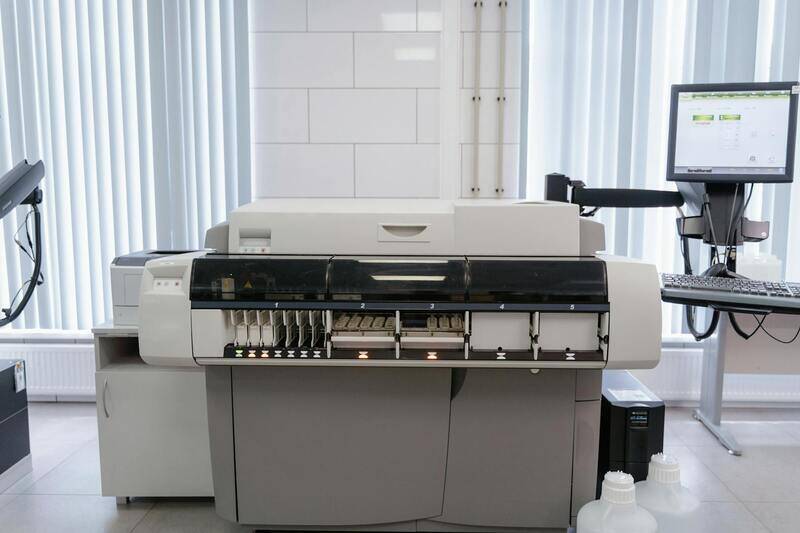
Modern poster printing predominantly uses digital printing techniques owing to their speed, cost-efficiency for low to medium volumes, and consistency in quality. Offset printing may be employed for large volume orders where color fidelity and detail are paramount, but it involves higher setup costs. Trusted printing services provide guidance on selecting the appropriate method based on order size, image complexity, and budget considerations.
Customization Options
- Size Selection: Custom dimensions ranging from small posters to large billboards.
- Material Choices: Various substrates such as gloss, matte, or satin paper, and alternative materials like vinyl for outdoor use.
- Finish Options: Options including lamination for durability, UV coating for glare reduction, or matte finishes for a subdued look.
- Mounting and Framing: Additional services like mounting on foam board or framing to enhance presentation and ease of display.
Duration and Quality Assurance
Reliable printing providers excel in translating digital designs into tangible posters with attention to color accuracy and print sharpness. Understanding the printing process ensures customers receive products that meet their expectations, whether for personal decor or professional marketing. During the printing, quality control measures such as proofing and color checks are standard practice, ensuring consistency and vibrancy in the final output.
Professional Image Handling
Preparing your artwork files correctly is critical to achieving optimal print quality. High-resolution images, ideally 300 dpi, are necessary, along with proper color formats such as CMYK. Following specific guidelines for file formats, like PDF, TIFF, or EPS, helps streamline the printing process and prevents delays or quality issues. Collaborate with customer support or graphic specialists offered by trusted printing sites to ensure your files are prepared accurately.
Ensuring Authentic and Secure Transactions
To guarantee authenticity, always order posters through established platforms that implement secure checkout processes. Authorized online platforms like happyprintshop.com typically provide order tracking, payment confirmation, and customer support. These features build confidence in the legitimacy of your order. It is advisable to avoid third-party marketplaces or unverified sources for bulk or custom poster orders, as they may not uphold the same standards, potentially affecting the final product quality.
Understanding Poster Printing Options
When it comes to ordering posters, selecting the appropriate printing method is crucial to achieving a high-quality final product that meets your needs. Digital printing remains the most common and versatile option, offering vibrant colors and sharp details suitable for both short-term displays and long-term installations. Large format digital printers can produce posters up to several meters in width, ensuring even the most expansive visuals are captured with clarity.

Beyond digital printing, some projects may benefit from specialized methods such as UV printing, which offers enhanced durability and vibrant UV-ink colors, or solvent printing that provides weather resistance for outdoor posters. The choice of printing technique impacts the poster's appearance, durability, and suitability for different environments. Professional printers often provide samples or proofs—either digitally or physically—to allow clients to review and approve before the final run.
Selecting the Right Printing Method
- Digital Printing: Ideal for high-resolution images, rapid turnaround, and flexible sizes.
- UV Printing: Suitable for maximum color vibrancy and outdoor durability.
- Solvent Printing: Best for outdoor signage, weather resistance essential.
When making your choice, consider factors such as the intended display environment, the longevity required, and your budget. Consulting with professional print providers can help you determine the most effective method for your project, ensuring the final poster aligns with your expectations.
Understanding Printing Resolutions and File Preparation
To ensure your posters look crisp and professional, preparing your artwork correctly is mandatory. High-resolution images, typically at 300 dpi, prevent pixelation or blurriness when enlarged. Moreover, color profiles should be set to CMYK to accurately preview how colors will appear in print. Accepted file formats often include PDF, TIFF, or EPS, which preserve image quality and layers for accurate printing.
Using vector files for text and logos ensures sharpness at any size. If needed, professional graphic designers or print support teams are available for assistance in optimizing your files, minimizing errors, and streamlining the production process. Proper preparation ensures the printed poster will meet high standards of clarity, color fidelity, and overall visual impact.
Additional Tips for Ensuring Poster Quality
- Always review proofs before final printing to verify color accuracy and layout.
- Maintain adequate bleed margins (typically 3mm to 5mm) to prevent unprinted edges.
- Ensure all images used are at least 300 dpi and in the correct color space.
- Work with trusted providers who utilize quality control measures such as color checks and proof approvals.
Adhering to these guidelines when ordering posters guarantees a polished, professional appearance that effectively communicates your message or enhances your space.
How to Effectively Order Posters from HappyPrintShop.com
Using Balanced and Accurate Files for Your Orders
When placing an order for posters, providing high-quality, well-prepared digital files guarantees the best possible print results. This process involves ensuring your images are at least 300 dpi resolution to avoid pixelation. Furthermore, color profiles should be set to CMYK to reflect true print colors, ensuring your visuals translate accurately from screen to print. Acceptable file formats typically include PDF, TIFF, or EPS, which support high resolution and layered content. For text or logos within your design, leveraging vector graphics guarantees sharpness at any scale, contributing to a professional finished product.

Submitting Files Properly and Utilizing Prepress Services
To enhance the quality of your poster order, carefully review proofs provided by the printer before proceeding to final production. This review allows for adjustments in color and layout, minimizing any discrepancies upon completion. Maintaining an adequate bleed margin—usually about 3mm to 5mm—prevents unintended white borders or cropping issues. Many printing providers offer support through professional prepress services, assisting customers in optimizing their files for print, ensuring all elements are correctly positioned and color-matched.
Establishing Clear Communication with the Printer
Engaging in detailed communication with your chosen print service provider is key. Clarify specifications such as material type, finish, size, and quantity during your order process. Providing precise instructions enhances the consistency and quality of your posters. If you require assistance, knowledgeable customer service teams can guide you through technical requirements, helping you select suitable options for your specific needs.

Tracking Your Order and Confirming Delivery Details
Once your order is submitted, request tracking information whenever possible to monitor its progress. Confirm shipping details and expected delivery dates to align with your project timelines. Many reputable print services offer various delivery options, from standard to expedited shipping, which cater to deadlines for events or promotions. Ensuring accuracy in your shipping information prevents delays and facilitates smooth receipt of your posters.
Final Quality Check and Receiving Your Posters
Upon receipt, inspect your posters for any damages or inconsistencies with your order specifications. High-quality printing should display vibrant colors, sharp images, and uniform finishing. Should discrepancies or damages arise, communicate with the printer promptly to resolve issues, which might include reprints or adjustments. These steps help maintain the integrity of your project and ensure your visual communication remains impactful.
