
Introduction to Print Colour
In the realm of printing, the concept of "print colour" is fundamental to producing visually compelling and accurate reproductions of images, designs, and text. Print colour refers to the range and fidelity of hues, shades, and tones that a printing system can produce on various media. Its importance extends beyond mere aesthetics; it plays a crucial role in effective visual communication, brand recognition, and conveying specific messages with clarity and vibrancy. Whether creating marketing materials, branding assets, or artistic prints, understanding how print colour works is vital for achieving desired outcomes.
Print colour impacts how audiences perceive a brand or message. Accurate colour reproduction ensures consistency across different printed materials and media, strengthening brand identity. Conversely, inaccurate colour representation can lead to miscommunication, reduced impact, or diminished credibility. For businesses involved in print marketing, high-quality colour output can be a significant differentiator, attracting attention and engaging customers more effectively.
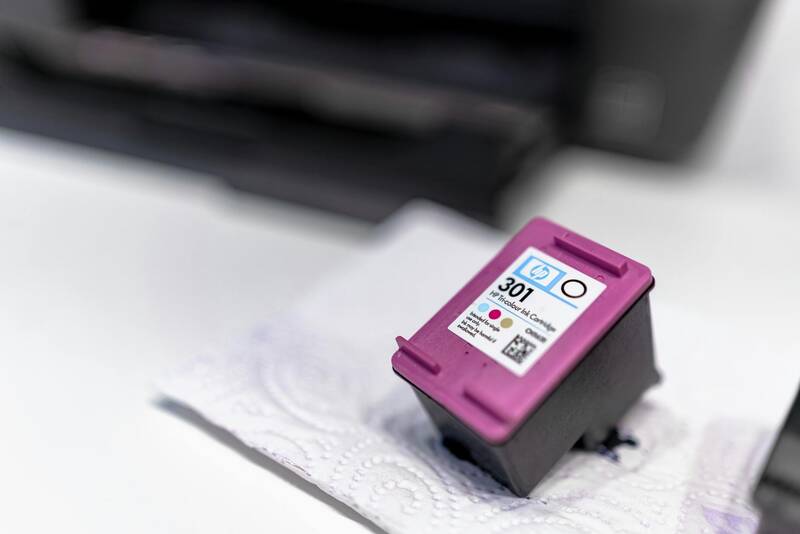
Choosing the right print colour techniques and systems ensures that the final output matches the original design intent. This process involves understanding various colour models, matching systems, and potential challenges that can influence colour accuracy. As print technology evolves, advancements in colour management continue to improve how accurately digital and offset printing methods reproduce complex colour palettes.
Effective print colour management also requires attention to factors such as substrate materials, ink qualities, and printer calibration. These elements work together to produce consistent and vibrant results, reinforcing the importance of technical precision in high-quality printing processes. Ultimately, mastering print colour ensures that printed materials communicate messages with the intended visual impact, fostering stronger engagement with intended audiences.
Color Matching Systems
Accurate color reproduction in printing heavily relies on sophisticated color matching systems. These systems serve as the bridge between the digital design and the final printed product, ensuring that the colors seen on a screen are as closely replicated onto physical media as possible. Established color matching methods analyze the color data within digital files and calibrate the printer’s output accordingly. This calibration process involves aligning the ink, substrate, and printer settings to produce consistent results.
Color matching systems typically incorporate a combination of hardware calibration tools and software management solutions. Devices like spectrophotometers are essential for measuring color output with high precision, providing data that color management software uses to create standardized profiles. These profiles, known as ICC profiles, encode the color characteristics of specific printers, inks, and substrates. When properly implemented, ICC profiles facilitate predictable and accurate color reproduction across different print runs and media, maintaining brand consistency.
Furthermore, integrated color management workflows optimize the entire printing process by controlling variables such as ink density, drying times, and environmental conditions. This comprehensive approach minimizes deviations and ensures that the intended color palette remains intact, which is particularly important for branding materials that demand high fidelity in colour.
By utilizing advanced color matching systems, printing professionals can achieve a high level of reproducibility, essential for meeting the strict standards often required in industries like advertising, packaging, and fine arts. The result is not only aesthetic accuracy but also an efficient workflow that reduces waste and reprints, ultimately supporting the delivery of high-quality printed products.

Understanding the Limitations of Print Colour Reproduction
Achieving precise and consistent print colours involves navigating a range of challenges intrinsic to the printing process. Variations in ink formulation, paper or substrate types, and environmental factors like temperature and humidity can significantly influence the final colour outcome. For example, even slight changes in paper absorbency or surface texture can cause colour shifts, affecting the fidelity of the intended hue. This variability necessitates robust calibration and meticulous control over the printing environment to ensure the printed colours match the design specifications.

Additionally, the physical properties of the inks themselves—such as viscosity and drying time—can alter how colours appear once printed. As inks dry, they may spread or pigment differently depending on the surface texture, potentially leading to discrepancies between the preview and the final product. Recognizing these limitations underscores the importance of employing advanced colour management techniques and standardization methods in professional printing environments.
Strategies for Improving Colour Consistency in Printing
To mitigate these issues, printing professionals implement several practical strategies. Regular calibration of printing devices ensures that the output consistently aligns with digital colour profiles. Using standardized substrates with known absorbency and surface characteristics helps maintain colour reliability. Moreover, comprehensive colour management workflows incorporate ICC profiles tailored for specific equipment and media, which serve as a reference point for matching digital designs with physical prints.
Another critical aspect involves pre-press proofing, where colour proofs are produced before the final print run. These proofs serve as benchmarks, allowing designers and operators to identify and correct colour deviations early in the process. Consistent lighting conditions during proofing and actual printing further contribute to maintaining colour fidelity. When combined with sophisticated software solutions that monitor and control variables such as ink density and drying times, these approaches significantly enhance the reproducibility of colours across batches.
Emerging Technologies Enhancing Print Colour Accuracy
Recent innovations in printing technology contribute significantly to overcoming traditional colour reproduction challenges. Spectrophotometers integrated into modern printers enable real-time colour measurement, allowing immediate adjustments for colour consistency. Digital workflow solutions utilizing artificial intelligence analyze print parameters dynamically and optimise processes on the fly. These advancements ensure higher accuracy in colour matching, reducing waste and reprints while improving overall product quality.
Furthermore, the development of new ink formulations, such as high-pigment or UV-curable inks, offers improved colour vibrancy and stability over time. The adoption of digital proofing tools and cloud-based colour management platforms enables collaborative feedback and standardization across multiple production sites, maintaining a uniform colour identity regardless of location. With ongoing research and technological improvements, the future of print colour accuracy looks increasingly precise and reliable, supporting brands and artists in achieving their visual goals.
Understanding Color Matching and Calibration in Printing
Achieving precise print colours relies heavily on effective color matching and calibration processes. Color matching involves selecting and controlling colour profiles that ensure the printed output matches the original design as closely as possible. Calibration systems use advanced software and hardware tools to align a printer’s output with standard colour standards, reducing variability and discrepancies.
In professional printing environments, color management systems incorporate spectrophotometers and color engines that measure the exact colour output during the printing process. These measurements are used to adjust ink densities and colour balance dynamically, ensuring consistency across different print runs. It is critical for brands that require uniform branding elements, such as logos and corporate colours, to implement these calibration practices routinely.
Moreover, many print service providers adopt standardized colour profiles, such as ICC profiles, tailored for specific printers and substrates. These profiles serve as a reference point during the pre-press phase, guiding colour adjustments and proofing processes. The use of digital colour management platforms enhances collaboration between designers and printers, enabling real-time feedback and adjustments without delays.

Implementation of Colour Standards in the Printing Industry
By adopting well-established colour standards, print providers can guarantee the accuracy and repeatability of colours, fostering trust and satisfaction among clients. The Pantone Matching System (PMS) remains a leading choice for specifying and matching colours precisely. It provides a comprehensive palette of standardized colours, each with an assigned code that simplifies communication and consistency across various media.
In digital workflows, tools like PantoneLIVE enable instant access to digital colour libraries and facilitate colour validation during the design phase. When coupled with high-quality printers equipped with colour management software, these systems significantly streamline the process of reproducing exact colours, regardless of batch or location.
For printing services in Singapore and beyond, integrating such standards into daily operations ensures that clients’ brand colours are accurately represented. It mitigates the risk of colour drift due to ink variations, substrate differences, or environmental factors. Regular colour audits and maintenance routines further support sustained colour fidelity and uphold the integrity of printed materials.
Key Factors Supporting Precise Print Colour Reproduction
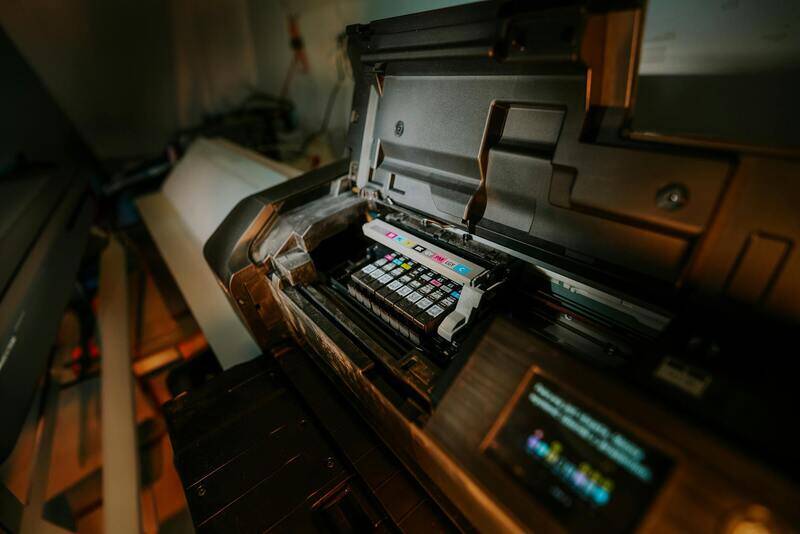
- Ink Quality and Composition: High-quality inks with stable pigmentation are fundamental for vibrant and consistent colours. UV-curable inks and high-pigment formulations have become popular for their colour intensity and longevity.
- Substrate Choice: Different paper types, fabrics, or plastics absorb inks differently, impacting the final colour. Selecting appropriate substrates and adjusting ink application accordingly is vital.
- Environmental Conditions: Humidity, temperature, and lighting conditions can influence ink drying and colour perception. Controlled environments are essential during calibration, proofing, and printing.
- Printer Maintenance and Calibration: Regular maintenance of print heads and calibration ensures colour consistency over time. Scheduled checks help detect and correct deviations promptly.
- Operator Expertise: Skilled operators who understand colour theory and equipment nuances contribute significantly to achieving precise print colours.
By meticulously managing these factors, printing professionals can produce highly accurate and consistent colours, meeting both technical standards and aesthetic expectations. Embracing ongoing advancements in printing technology will further enhance colour fidelity and operational efficiency, supporting complex applications from branding to fine art reproduction.
Understanding Print Colour Accuracy
Achieving precise and consistent print colours requires an in-depth understanding of various key factors that influence the final output. These factors encompass a combination of technical processes, material selections, and calibration practices. By meticulously managing each element, printing professionals can ensure that colours match client expectations, brand standards, or artistic visions with high fidelity.
Impact of Paper and Substrate Selection
The type of substrate used in printing plays a vital role in colour reproduction. Different papers, fabrics, or plastics absorb inks differently, which can result in variations in hue, saturation, and brightness. For instance, matte papers tend to diffuse ink, potentially dulling colours, while glossy finishes enhance colour vibrancy by reflecting light more effectively. Selecting an appropriate substrate aligned with the desired aesthetic and colour performance is essential. Moreover, surface texture and coating can influence how inks adhere and dry, further affecting final colour quality.
Calibration and Color Management
Consistent colour output is highly dependent on rigorous calibration of printing equipment. Regular calibration of printers, including colour profiles for specific media, ensures that colours remain reproducible over time. Color management systems utilize standardized ICC profiles that guide the printer to produce the intended colours accurately. When paired with proper calibration, these systems align the digital design with the physical print, minimizing colour discrepancies. Implementing routine calibration schedules and maintaining calibration tools guarantee ongoing colour precision.
Role of Ink Quality and Application
High-quality inks with stable pigmentation are fundamental to achieving vibrant, true-to-design colours. Advanced ink formulations, such as UV-curable or high-pigment inks, deliver intense and durable colours suitable for a variety of surfaces. Proper ink application, including correct density and drying times, is also crucial. Ensuring uniform ink spread avoids colour inconsistencies and enhances vibrancy. Additionally, controlled environmental conditions during printing, such as temperature and humidity, support optimal ink performance and colour stability.

Maintaining Consistency Through Quality Control
Implementing a rigorous quality control process helps detect deviations and maintain colour standards. Colour proofing, which involves creating sample prints before the full run, enables visual comparisons and adjustments. Use of spectrophotometers and colourimeters provides quantitative data to verify colour accuracy against target profiles. Continuous monitoring during production ensures that adjustments can be made promptly, preventing colour drift and ensuring that the final output aligns with initial expectations.
Operator Skill and Environmental Factors
Skilled operators play an important role in executing precise colour reproduction. Their understanding of equipment settings, ink behaviour, and substrate nuances enables them to make informed adjustments. Furthermore, controlling environmental factors such as light, temperature, and humidity during printing and calibration processes minimizes external influences that can alter colour perception, leading to enhanced consistency and fidelity.
Color Matching Systems in Printing
Achieving precise and consistent print colours depends heavily on sophisticated color matching systems that bridge the gap between digital designs and physical outputs. These systems utilize standardized colour profiles and calibration tools to ensure that colours are reproduced accurately across different substrates and printing conditions. One of the main tools employed in professional printing environments is the use of ICC profiles (International Color Consortium profiles). These profiles serve as a reference for colour calibration, enabling printers to interpret digital colour data correctly and transfer it onto physical media with minimal deviation.

In practical terms, these systems involve the calibration of both the monitor and the printer. Calibrating monitors ensures that digital images are viewed in true colours, aligning on-screen representations with actual intended hues. On the printer side, calibration involves the use of test charts and spectrophotometers to measure the colour output and compare it to the digital reference. By establishing these baseline calibrations, colour management workflows can reliably reproduce accurate colours from digital files to the final printed product.
Factors Affecting Print Colour Accuracy
Numerous variables influence how accurately colours are rendered during the printing process, making stringent control and understanding essential. Among these factors, the choice and quality of inks and substrates play a pivotal role. High-quality, pigment-based inks tend to produce more vibrant and stable colours, while substrates such as coated papers or synthetic materials are designed to hold inks more effectively, preventing colour bleed or fading over time. Variations in ink formulations, substrate composition, and surface texture all impact colour vibrancy and fidelity.
Environmental conditions during printing, including temperature and humidity, directly affect ink drying times and adhesion. For instance, excessive humidity can cause inks to smear, leading to colour inconsistencies, while overly dry environments may cause inks to dry too quickly, impacting colour depth and detail. Consistent environmental conditions are vital for maintaining colour integrity, especially in high-volume production settings.
- Operator Skill: Experienced operators can make real-time adjustments to device settings to counteract subtle variations in material or environmental factors, optimizing colour accuracy.
- Equipment Calibration: Regular calibration of printing devices ensures colour profiles are maintained, preventing drift over time.
- Quality of Materials: Utilizing premium inks and substrates reduces variability and enhances colour consistency.
- Color Proofing: Pre-press proofing involves creating sample prints that serve as benchmarks, allowing adjustments before the final run.
- Monitoring During Production: Continuous use of spectrophotometers or colourimeters allows real-time measurement and correction, safeguarding against colour shifts mid-production.

Color Matching Systems and Their Role in Consistent Print Colour
Achieving consistent and accurate print colours necessitates the use of advanced color matching systems. These systems employ standardized procedures and sophisticated tools to ensure that colours reproduced in print align precisely with original digital designs or specific colour standards. The process begins with creating a detailed colour profile, often based on industry-standard references, to guide the printer’s colour reproduction process. Color management systems (CMS) utilize hardware like spectrophotometers and colorimeters to measure the colours of proof prints or test sheets accurately. These measurements are then used to generate ICC profiles tailored to specific printers, inks, and substrates, enabling consistent colour output across different print runs and media. Proper implementation of color matching techniques reduces variability, ensuring that the final output corresponds exactly to the desired visual intent. Employing industry-recognized colour palettes and adhering to established colour matching protocols fosters a higher degree of precision, essential for branding and marketing materials where colour fidelity is paramount. Ultimately, the integration of reliable color matching systems and protocols results in minimal colour discrepancies, elevating the overall quality and professionalism of printed materials.

Impact of Substrate and Environmental Conditions on Print Colour
The substrate material's properties significantly influence the final print colour. Factors such as surface texture, gloss level, and ink absorption capacity can cause variations in colour appearance. For instance, porous substrates may absorb inks differently, leading to diminished vibrancy or altered hue, whereas glossy finishes tend to reflect light in a way that enhances colour brightness but can also introduce glare. Selecting the appropriate substrate for a specific colour outcome is essential to achieve desired results. Environmental conditions during printing, such as temperature, humidity, and light exposure, are equally critical. High temperatures can accelerate ink drying, potentially causing uneven colour distribution, while excessive humidity may lead to ink smudging and colour bleeding, impairing sharpness and fidelity. Maintaining a controlled environment minimizes these variables, ensuring predictable and uniform print colours. For high-volume or sensitive printing projects, implementing strict environmental controls and selecting compatible substrates reduces colour inconsistencies, leading to a more reliable and professional print outcome. Proper training for operators to understand the interplay between environment, substrate, and ink ensures that print colour quality is preserved regardless of external factors.
Accurate Print Colour Production: Official Methods for Consistent Results
Ensuring accurate print colour reproduction is fundamental for maintaining brand consistency and achieving professional-quality outputs. To attain this, printers rely on established and official techniques that prioritize precision and reliability. These methods encompass detailed colour management systems, rigorous calibration processes, and standardized procedures to guarantee that the final print aligns closely with the intended colour specifications.
Standardized Colour Management Protocols
Color management systems (CMS) are integral to controlling and maintaining colour accuracy throughout the printing process. These systems utilize professional software and hardware components, such as colourimeters and spectrophotometers, to create and monitor colour profiles specific to each device and substrate. Implementing these profiles ensures that input images, monitor displays, and printers operate within the same colour space, minimizing discrepancies and producing consistent results across multiple print runs.
Device Calibration and Profiling
Regular calibration of printers and monitors is essential for precise colour reproduction. Calibration involves adjusting device settings to match a standardised reference, often facilitated by official calibration tools. Profiling generates device-specific colour profiles that accurately translate digital colour data into physical output. Maintaining an up-to-date profile for each device ensures that colour fidelity is preserved, facilitating predictable outcomes regardless of external variables.
Utilizing Professional Colour Matching Systems
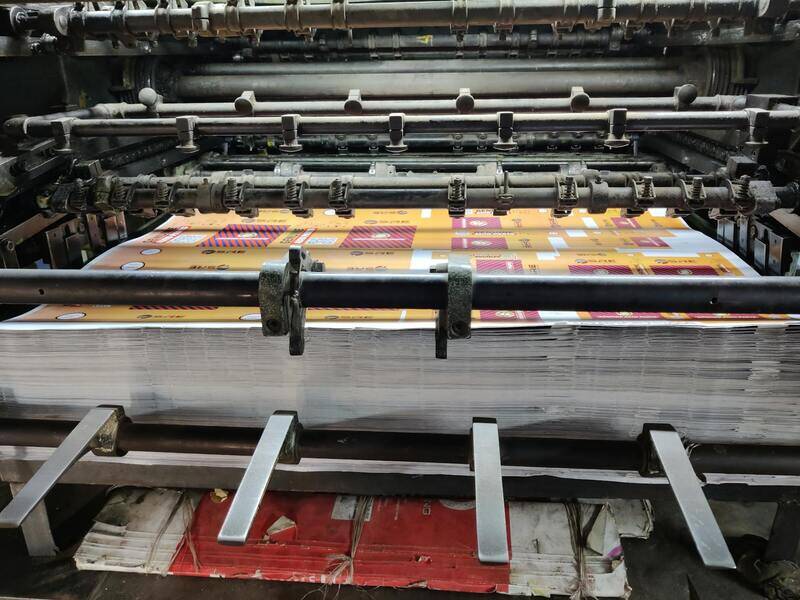
Color matching systems, such as PANTONE® and other licensed colour libraries, provide a standardized palette for achieving precise colour matches. Printing professionals employ these systems to identify and reproduce specific colours with official swatch books and digital tools. Integrating these reference colours into the workflow ensures that the reproduced hues meet exact specifications, especially when matching brand colours or complex gradients.
Implementing Quality Control Measures
Official quality control procedures include the creation of proof samples, which serve as benchmarks before mass production. These proofs are generated using approved materials and calibrated printers, allowing clients and operators to review and approve colours. Regular comparison of printed samples against digital standards helps identify any deviations early, enabling corrective actions before large batches are produced. Such meticulous oversight guarantees that the final output maintains its intended visual impact.

Conclusion
Achieving and maintaining exact print colours through official methods involves a comprehensive approach that includes calibrated hardware, standardized colour profiles, licensed colour libraries, and strict quality control protocols. Employing these professional strategies ensures the final print aligns with the design intent, delivering vibrant, consistent, and accurate colours suitable for diverse branding and marketing needs. Adhering to these practices not only elevates print quality but also reinforces trust and credibility with clients seeking dependable colour fidelity in their printed materials.
