Understanding Colour Printing Price: Factors And Cost Factors In Singapore Printing Services

Understanding Colour Printing Price: Factors And Cost Factors In Singapore Printing Services

Custom & Online Printing

Understanding the Price of Colour Printing

Factors Affecting Colour Printing Prices

Price considerations for colour printing are shaped by multiple influential factors, each playing a critical role in determining the final cost. A primary element is the volume of prints ordered; higher quantity jobs often benefit from reduced unit prices due to economies of scale. The choice of paper quality significantly affects cost, as premium stocks with thicker or textured finishes demand higher prices. The complexity of colour usage, including the number of hues involved and the intricacy of colour gradations, also influences pricing—more vibrant colours and detailed images require advanced techniques and materials.

Additionally, the printing technology employed bears considerable weight on costs. Modern digital and offset printing methods vary in efficiency and expense, with high-end presses offering sharper, more consistent output but often at a premium. Other considerations include the type of finish applied after printing—glossy, matte, or textured—each adding to the overall expense. Understanding these factors helps customers make informed decisions that balance quality with budget constraints.

Printing-64
illustration: key factors influencing colour printing costs

Types of Printing Technologies and Their Cost Implications

Different printing technologies cater to various needs and budgets, each with specific cost implications. Digital printing, known for its quick turnaround and flexibility, is typically more cost-effective for small-to-medium runs. Offset printing, although requiring higher initial setup costs, becomes more economical as print volume increases, owing to its rapid production capabilities and consistent quality. Other technologies like flexography or screen printing may be suitable for specific applications but generally involve higher setup expenses.
Printing-82
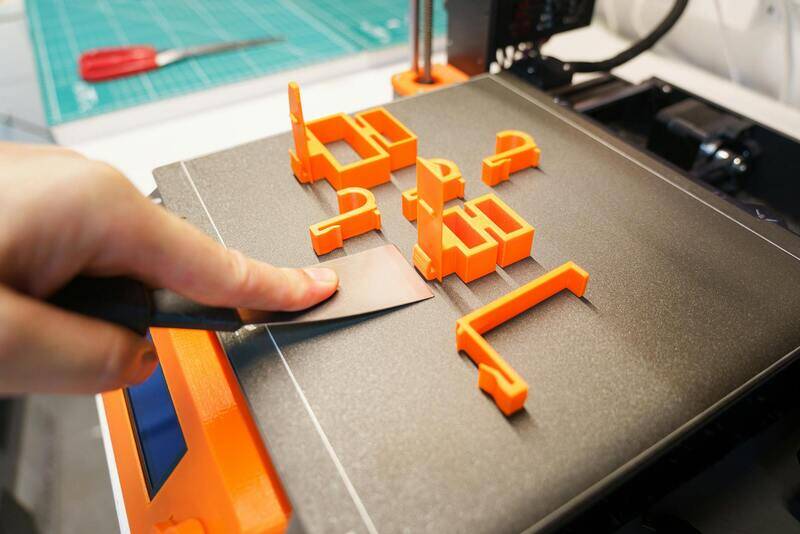
illustration: various printing technologies and their applications

Pricing Structure and How Colour Printing Costs Are Calculated

The pricing structure for colour printing often comprises fixed setup fees combined with variable costs based on the number of pages, ink usage, and paper choice. Pre-press processes, such as design adjustments and colour calibration, may incur additional charges. Cost calculations also consider the ink coverage—full-colour, high-resolution images require more ink, thus increasing expenses. Pricing models are typically transparent, allowing clients to estimate costs based on their quantity and quality preferences.

Impact of Paper Types and Finish on Printing Price

The selection of paper plays a substantial role in the overall cost of colour printing. Standard glossy or matte finish paper tends to be more affordable, while specialty papers like textured, recycled, or thicker stocks naturally elevate the price. Finishing options such as lamination, embossing, or UV coating add further costs but enhance the durability and aesthetic appeal of the final print piece.
Printing-92
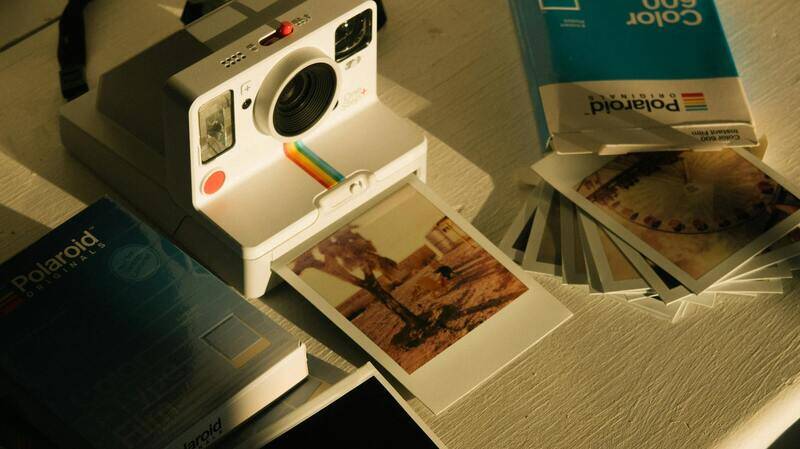
illustration: different paper types and finishes in colour printing

Quantity and Volume Discounts in Colour Printing

Order size directly influences pricing; larger volumes often qualify for discounts, making bulk printing a strategic choice for businesses with ongoing needs. Volume discounts typically decrease per-unit costs, fostering cost savings over smaller, sporadic print runs. Understanding these discounts is essential for planning print projects efficiently and ensuring the best value for bulk orders.

Additional Charges and Customization Options

Custom features such as die-cutting, embossing, foil stamping, or unique binding may incur additional fees. These options add a distinctive touch to printed materials but require extra time and resources, contributing to the overall price. Clients should consider their design goals and budget constraints when opting for these customizations to maximize impact without overspending.

Tips for Cost-Effective Colour Printing

  • Plan and consolidate print projects to benefit from volume discounts.
  • Choose standard paper types and finishes when possible to minimize costs.
  • Limit the use of full-colour images in large quantities and opt for cost-effective design alternatives.
  • Request detailed quotes to compare prices among suppliers and avoid hidden charges.
  • Schedule print jobs during off-peak periods if discounts are available to reduce costs.

Average Price Range for Colour Printing in Singapore

In Singapore, the cost for colour printing varies depending on the specifications, volume, and selected finishes. Small-scale digital jobs, such as brochures or flyers, can start from approximately SGD 0.20 to SGD 0.50 per piece. Larger orders with higher quality requirements or premium materials typically range from SGD 1.00 to SGD 5.00 per item. Bulk commercial printing services may offer even more competitive pricing, especially for extensive projects with standard specifications.

Types of Printing Technologies and Their Cost Implications

Understanding the different printing technologies available is essential when assessing colour printing prices. Each method has distinct advantages and associated costs that influence the final quote.

  • Digital Printing: This modern method is ideal for short to medium runs, offering quick turnaround times and high-quality colour reproduction. Since digital printers operate without plates, setup costs are minimal, making it a cost-effective choice for small batches. Cost per page decreases with volume, but overall, digital printing tends to be more expensive per unit compared to offset for large quantities.
  • Offset Printing: Known for high-quality output and cost efficiency at larger volumes, offset printing involves creating plates for each colour, which incurs initial setup costs. However, once set up, the price per unit drops significantly, making offset suitable for bulk orders such as large marketing collateral or packaging. It provides vibrant, consistent colours and is generally more economical for high-volume projects.
  • Large-Format Printing: Primarily used for banners, posters, and signage, large-format printers can handle wide media and produce vivid, durable colour outputs. The cost varies based on media type, print size, and complexity of the design. While pricing per square foot can be higher, this method offers flexibility for large visual displays, often utilized in advertising campaigns.
Printing-57 igurecaption> Comparison of digital, offset, and large-format printing methods and their pricing implications

Factors such as project scope, colour intensity, and quality requirements influence the choice of printing technology and subsequently affect the overall costs. Business owners and individuals should weigh these considerations carefully to align their project goals with budget constraints.

Factors Affecting Colour Printing Prices

Understanding the variables that influence the cost of colour printing is essential for making informed purchasing decisions. Several key factors play a role, including the complexity of the design, the number of colours involved, and the overall size of the print run. High-resolution images and intricate graphics require more ink and higher-quality materials, which can increase expenses. Similarly, projects with multiple colour layers tend to be more costly due to extended printing time and the need for precise colour matching. The choice of printing technology also significantly impacts costs. Digital printing, offset printing, and large-format printing each have distinct pricing structures based on efficiency, quality, and volume. Digital printing is advantageous for short runs because of its minimal setup costs, but it generally incurs higher per-unit prices for larger batches. Offset printing, with its extensive initial setup involving plates, offers lower costs per unit when printing in bulk, making it ideal for large-scale projects. Large-format printing, used primarily for banners and signage, varies in price depending on the media type, print size, and finish requirements. Project scope, including total desired output and the level of colour detail, directly influences overall pricing. For instance, a high-resolution poster with rich colours will cost more than a simple flyer. The quantity ordered also affects the unit price, with bulk orders often qualifying for discounts. Other factors, such as specific colour matching requirements, the need for proofs, and post-print finishing like lamination or embossing, further alter the final costs.

Printing-73
Comparison of various printing technologies and their pricing implications

Types of Printing Technologies and Their Cost Implications

The choice of printing technology is a primary determinant of colour printing price. Each method is suited to different project types and cost considerations:

  • Digital Printing: Ideal for small to medium batches, digital printing offers quick turnaround times and minimal setup. Cost per unit is higher compared to offset when printing large quantities, but its flexibility suits short runs and personalized prints. It is especially effective for rapid prototyping and on-demand printing.
  • Offset Printing: Best for high-volume projects, offset printing provides vibrant, consistent colours and sharp detail at a lower unit cost when scaled up. However, the initial setup expenses can be significant due to plate creation and press adjustments. It remains cost-effective for large quantities of brochures, calendars, and packaging materials.
  • Large-Format Printing: Used predominantly for banners, posters, and signage, this technology handles wide media and produces durable, bright colour outputs. Costs are influenced by media type, print size, and finishing options, requiring careful consideration when budgeting for large displays or outdoor advertising.

Impact of Paper Types and Finish on Printing Price

When calculating the cost of colour printing, the choice of paper and finishing options plays a significant role. Premium paper stocks, such as coated or glossy finishes, tend to be more expensive than standard matte or uncoated papers. The texture, weight, and brightness of the paper influence both the visual appeal and the printing costs.

For instance, thick, high-quality textured papers are often used for luxury branding materials, which, due to their manufacturing process and material cost, increase the overall printing invoice. Glossy and semi-gloss finishes enhance colour vibrancy, making images more striking, but they also demand specific ink absorption qualities and drying times, contributing to slight price variations.

Printing-99
Material choices like gloss or matte finishes affect printing costs and final appearance.

Size is another crucial element impacting the price. Standard dimensions, such as A4 or letter-sized sheets, are generally more affordable due to production efficiencies. Custom sizes or unusual formats often entail additional setup costs and higher per-unit prices, especially for large runs.

Beyond paper selection, finishing treatments such as lamination, embossing, foil stamping, or UV coating further influence costs. These processes add tactile and aesthetic value but also require specialized equipment and materials, which are reflected in the final quotation.

Quantity and Volume Discounts in Colour Printing

Bulk ordering often leads to favourable pricing arrangements, as many printing services offer volume discounts. These discounts are designed to make large print runs more economical, decreasing the unit cost proportionally with increased quantity.

For businesses or individuals planning extensive print campaigns, understanding volume discounts can significantly affect budgeting. Typical tiered pricing structures mean that once a certain quantity threshold is met, the cost per piece drops, sometimes substantially, making high-volume projects more cost-effective.

Printing-78
Volume discounts reduce the per-unit cost, ideal for large print runs.

It is advisable to discuss volume commitments upfront with printing vendors to optimize costs. Some providers may also offer custom discounts for specific project types or repeat orders, further boosting cost savings.

Additional Charges and Customization Options

Customization features like specialised colours, unique finishes, or intricate die-cut designs often come with additional charges. Colour matching to specific brand PMS (Pantone Matching System) colours involves additional setup and ink mixing costs, which can affect the overall price.

In addition, requesting proofs or sample runs to ensure colour accuracy and quality may incur extra fees. Finishing touches, including binding, folding, or adding special effects, further contribute to cost variations, especially when complex or detailed processes are involved.

Printing-15
Special finishes and colour matching services can affect the final printing costs.

Choosing the right customization options requires balancing your visual goals with your budget. Prioritizing essential enhancements while omitting non-critical features can allow for more predictable and manageable costs.

Tips for Cost-Effective Colour Printing

  • Opt for standard sizes and finishes when possible to reduce costs.
  • Plan your print quantities carefully, considering volume discounts for larger runs.
  • Limit the use of complex finishing processes unless they are essential to your brand image.
  • Choose the appropriate printing technology based on your project volume and turnaround time requirements.
  • Request detailed quotes from multiple providers to compare prices and included services.
  • Consider digital printing for short runs and offset printing for large volumes to optimize costs.
  • Batch similar designs together to streamline setup and reduce per-project expenses.

Average Price Range for Colour Printing in Singapore

In Singapore, the cost of colour printing varies depending on the scope and specifications of the project. Basic colour prints on standard paper, such as flyers or business cards, typically start at around SGD 0.10 to SGD 0.50 per piece, depending on quantity and finish. More elaborate projects, such as brochures with special coatings or premium papers, may range from SGD 1.00 to SGD 5.00 per piece or higher.

For larger orders or bulk printing, prices tend to decrease, with unit costs dropping well below SGD 0.10 for high-volume projects. Customised prints with advanced finishes or unique colour matching can push costs upward, but strategic planning and clear communication with the printing provider can help manage expenses effectively.

Impact of Paper Types and Finish on Printing Price

The choice of paper type and finish plays a significant role in determining the overall cost of colour printing projects. Standard paper options like matte or gloss finishes on basic cardstock are generally more cost-effective, making them suitable for everyday marketing materials or internal documents. However, as the quality and specialty nature of the paper increase, so does the cost per unit.

Premium papers such as textured or recycled materials, along with specialty finishes like soft-touch coatings or metallic effects, require higher-grade materials and often involve more complex printing setups. These enhancements can significantly elevate the expenses, especially for large runs where the costs accumulate over each piece.

Furthermore, the finish applied to the print surface impacts both the aesthetic appeal and the durability of the finished product. Glossy finishes tend to enhance vibrant colours, making images pop while offering some protection against smudges and moisture. Matte finishes, on the other hand, provide a more subdued look with reduced glare, often appealing for elegant branding materials. Each finish option influences pricing, with specialty coatings typically added at a premium.

Printing-20
Choosing the right paper and finish can balance aesthetics with cost efficiency in colour printing.

When planning your project, consider both budget constraints and the visual impact required. Consulting with the printing provider about available options can help identify suitable choices that align with your branding goals while remaining within budget.

Factors Affecting Colour Printing Prices

Understanding the various elements that influence colour printing costs is crucial for effective budget planning. Key factors include the complexity of the design, the number of colours used, and the intricacy of the print job. High-resolution images or designs with gradient effects typically require more advanced printing techniques and color management, leading to higher expenses. Additionally, the use of special inks or toners for vibrant or unique colour effects can contribute to increased costs.

Another significant component is the turnaround time. Rushed projects may incur premium charges due to the need for expedited processing or overtime labor. Geographic delivery considerations and the distance from the printing facility can also impact delivery charges and ultimately influence the total price.

Printing-88
Various factors such as design complexity, colour usage, and finishing options impact the overall colour printing cost.

Types of Printing Technologies and Their Cost Implications

Different printing technologies vary in their associated costs and are suitable for different types of projects. Digital printing is often the most cost-effective for small to medium runs, offering quick turnaround and minimal setup costs. It supports a wide range of colours, making it ideal for personalized marketing materials or prototypes.

Offset printing, on the other hand, incurs higher initial setup costs due to plate creation but becomes more economical for large volume orders. This method produces high-quality images with consistent colours, suitable for bulk production of brochures, posters, or packaging materials. The choice of technology influences not only the price but also the final quality, colour fidelity, and production time.

Printing-69
Different printing processes such as digital and offset have distinct cost implications and suitability for various volume requirements.

Pricing Structure and How Colour Printing Costs Are Calculated

Colour printing prices are typically calculated based on a combination of factors, including the number of pages or pieces, the printing method, and the types of finishes or special effects applied. Most providers use a per-unit rate, which decreases with higher volume orders, reflecting volume discounts.

Additional costs may include setup fees for preparing the printing plates or digital files, especially for complex or highly detailed designs. Colour costs are influenced by the number of colours used, with full-colour prints (CMYK) generally costing more than monochrome or spot colour jobs. This is because multiple inks or additional printing passes increase production complexity and material costs.

Printing-22
Pricing is determined by factors such as volume, colour complexity, and finishing options, with volume discounts often available for larger runs.

Impact of Paper Types and Finish on Printing Price

The choice of paper and surface finish significantly affects the overall cost of colour printing. Basic cardstock with matte or gloss coatings offers an economical option suitable for everyday printing needs. As the paper quality increases—such as textured, recycled, or specialty materials—the base cost per sheet also rises.

Finishes such as soft-touch coatings, metallic, or embossed effects typically add a premium to the unit price. The surface treatments not only enhance visual appeal but also increase durability and tactile quality, which is often desirable for premium branding or marketing collateral. These options require more complex printing processes and additional materials, further elevating the total cost.

Printing-8
Higher-quality paper and specialty finishes boost the overall printing price but can significantly enhance the perceived value of the printed material.

Quantity and Volume Discounts in Colour Printing

Order quantity plays a pivotal role in determining colour printing costs. Smaller runs tend to be more expensive on a per-piece basis due to setup and processing fees. Conversely, larger volume orders benefit from reduced unit costs, making them more economical especially for bulk marketing campaigns or large distribution quantities.

Many printing services offer volume discounts that are scaled according to the size of the order. These discounts can substantially lower the overall project expenditure, making high-quality colour printed materials more accessible for businesses seeking cost efficiency without compromising on visual quality. Planning ahead and consolidating printing needs can maximize these savings, especially for recurring projects or extensive campaigns.

Factors Affecting Colour Printing Prices

Understanding the various elements that influence the cost of colour printing is essential for optimizing your budget without compromising on quality. Several key factors come into play, including the complexity of the design, the number of colours used, and the intricacies of the printing process. For example, designs requiring multiple colours or gradients tend to be more expensive due to increased setup time and more advanced printing technology requirements.

Additionally, the size and dimensions of the printed material significantly impact costs. Larger formats or materials with irregular shapes may need special handling, which can add to expenses. intricate design details, such as fine lines or detailed images, often necessitate higher resolution printing and more precise printers, translating into increased costs.

Supply chain considerations also play a role. The availability of specific ink colours or special finishes can affect pricing. Rare or custom colours, such as metallic or fluorescent inks, generally come at a premium because they require specialized equipment and materials. Furthermore, turnaround times influence costs; expedited services often attract surcharges to prioritize production.

Types of Printing Technologies and Their Cost Implications

Printing-67
Different printing technologies and their cost profiles

Various printing technologies contribute differently to colour printing expenses, with each suited to specific project requirements:

  • Offset Printing: Ideal for large-volume projects, offset printing offers high colour fidelity and sharp detail at a cost-effective rate for high quantities. The initial setup is costly due to plate creation, but unit costs decrease significantly with volume. Suitable for books, brochures, and catalogs.
  • Digital Printing: More flexible and suited for smaller runs, digital printing requires minimal setup and delivers quick turnaround times. While the per-unit cost is higher compared to offset at scale, it remains economical for short runs or customized jobs, such as personalised flyers or business cards.
  • Screen Printing: Best for promotional items like T-shirts or specialised packaging, screen printing incurs costs based on screen creation and setup. It is advantageous for large batches with simple designs.
  • Pad Printing: Used for printing on three-dimensional objects, with costs varying according to complexity and volume. It’s particularly effective for customized corporate gifts or product branding.

Pricing Structure and How Colour Printing Costs Are Calculated

Costing in colour printing generally encompasses several components:

  1. Setup Fees: Cover the preparation of printing plates, digital files, or screens. These are one-time costs, but they are distributed across the number of copies ordered.
  2. Per-Page/Per-Item Charges: This includes the actual printing on each sheet or item, influenced by the number of colours, complexity, and size.
  3. Materials and Ink Costs: The type of paper and ink used play a significant role. Premium papers and specialty inks elevate the total price.
  4. Finishing and Post-Processing: Lamination, varnishing, folding, or binding services add extra charges based on the level of customization and quality desired.

Careful planning can help distribute initial setup costs over a larger volume, thereby reducing the unit price and making colour printing more affordable per piece.

Impact of Paper Types and Finish on Printing Price

Printing-16
Variety of paper finishes and their influence on pricing

The choice of paper and finishing treatments significantly impacts the overall cost of colour printing. Standard paper stocks such as matte or gloss options are generally more economical, while textured, recycled, or specialty materials tend to elevate expenses. For high-end or luxury printing, thicker stocks and premium finishes like soft-touch coatings, metallic, or embossed textures are often selected to enhance visual appeal and tactile experience.

Specialized finishes not only increase the surface durability and aesthetic quality but also demand additional processing steps, thus adding to the total cost. For instance, metallic finishes or UV coatings require precise application and curing times, which contribute to higher prices. When considering your project, weigh the visual and brand impact against the additional costs these finishes may incur, ensuring alignment with your overall marketing strategy.

Quantity and Volume Discounts in Colour Printing

Order quantity plays a crucial role in determining the price per unit. Smaller quantities often entail higher costs due to the fixed setup fees and minimal economies of scale. Conversely, bulk orders benefit from reduced per-piece costs, making sizeable campaigns more cost-effective.

Many printing providers offer scaled discounts based on volume tiers, incentivizing larger orders to optimize cost savings. Planning ahead and consolidating printing requirements can unlock these benefits, especially for recurring projects or extensive distribution efforts. Businesses should assess their long-term needs and consider scheduling multiple jobs together to maximize discounts and streamline production processes.

Additional Charges and Customization Options

  • Special Inks and Effects: Incorporating metallic, fluorescent, or custom colour inks enhances visual impact but adds to costs due to specialized materials and application techniques.
  • Custom Die-Cuts and Shapes: Complex cuts or unique shapes require additional tooling and design work, increasing overall expenses.
  • Embossing, Debossing, and Foil Stamping: These embellishments provide texture and luxury but involve extra steps and equipment, resulting in higher charges.
  • Fast Turnaround and Expedited Services: Rushed timelines often lead to premium pricing to prioritize production schedules.

Careful selection of customization options aligned with your branding goals can help balance aesthetic appeal with budget constraints. Precise communication with your print provider about desired features and delivery deadlines ensures transparency in costing and allows for tailored solutions that optimize value.

Factors Affecting Colour Printing Prices

Understanding the elements that influence colour printing prices is crucial for both businesses and individuals aiming to optimize their printing budgets. Several key factors play a role in determining the final cost, including the complexity of the design, the type of colour inks used, and the specific requirements of the project.

Design Complexity and Colour Depth

Intricate designs with multiple colours or gradients require more sophisticated printing processes and higher ink usage, which naturally increases costs. The more detailed the artwork, the higher the time and resources needed for precise colour matching and alignment, resulting in elevated prices.

Ink Types and Quality

Premium or specialty inks, such as metallic or fluorescent colours, contribute to higher printing costs. These inks often require specialized equipment and expertise, adding to the overall expense. Standard CMYK process inks are more cost-effective but may not provide the same visual impact required for certain branding projects.

Project Size and Complexity

Large-format printing, multi-page brochures, or high-volume runs tend to lower the unit cost, owing to economies of scale. Conversely, small-volume jobs, especially those with unique specifications, incur higher per-piece costs because setup and preparation still consume significant resources regardless of quantity.

Printing-66
Understanding the factors that influence colour printing costs helps in making informed decisions for your projects.

Types of Printing Technologies and Their Cost Implications

The choice of printing technology significantly impacts the pricing structure for colour printing services. Different methods offer varying balances of quality, speed, and expense, fitting different project needs and budgets.

Offset Printing

Offset printing is ideal for large-volume runs, delivering high-quality colour reproduction with consistent results. While the initial setup costs are higher due to plate creation, the per-unit expense decreases as volume increases, making it economical for bulk production.

Digital Printing

Digital colour printing provides quick turnaround times and is more flexible for short runs or on-demand projects. Although the per-page cost is generally higher than offset printing at high volumes, it offers a cost-effective solution for smaller quantities and rapid revisions.

Flexographic and Screen Printing

These techniques are more common in packaging and textiles but are also used for certain specialised colour printing applications. Costs vary depending on the complexity of the design and materials involved, often making them suitable for high-volume or specialty projects.

Printing-10
Different printing technologies offer distinct advantages and cost considerations suited to specific project requirements.

Pricing Structure and How Colour Printing Costs Are Calculated

Colour printing costs are typically calculated through a combination of setup fees, material costs, and production expenses. Understanding this structure helps in estimating expenses more accurately.

  • Setup Fees: Charges associated with preparing the printing plates, digital files, or screens. This is a fixed cost that is usually paid upfront and influences small-run pricing significantly.
  • Per-Unit Cost: Based on the number of print copies, factoring in ink usage, paper quality, and printing time. Larger quantities generally reduce the unit price due to economies of scale.
  • Additional Charges: Any special inks, finishes, or custom features that elevate the base cost.

For businesses planning large campaigns, consolidating print jobs and batching orders can lead to cost savings by reducing setup fees and unlocking volume discounts.

Impact of Paper Types and Finish on Printing Price

The choice of paper stock and finishing techniques directly affects the overall cost of colour printing projects. Premium papers and elaborate finishes enhance the aesthetic but come with higher expenses.

Paper Quality and Weight

Thicker, textured, or specialty papers such as gloss, silk, or matte finishes tend to be more expensive than standard options. Heavier paper weights may also increase shipping and handling costs.

Finish and Embellishments

Applications such as gloss, matte, satin, or soft-touch coatings modify the appearance and feel of printed materials, adding to costs. Embellishments like foil stamping, embossing, or spot UV coatings further elevate the sophistication and price point of the final product.

Printing-43
Selection of paper and finish options significantly influences the final colour printing price.

Quantity and Volume Discounts in Colour Printing

Volume plays a critical role in determining the unit cost in colour printing. High-volume orders enjoy more favorable rates, making large batches more economical over time.

Most print providers offer tiered discounts that reflect increasing order sizes. For instance, printing 1,000 copies might incur a premium rate compared to 5,000, which benefits from scaled pricing structures. Planning for multiple projects or recurring orders can unlock these savings and improve overall cost efficiency.

Additional Charges and Customization Options

Extra charges arise when specific customization features are requested. While these options enhance visual appeal and brand impact, they also influence the total cost.

  • Special Inks and Effects: Incorporating metallic, fluorescent, or custom-colour inks increases production expenses due to specialized materials and additional processing steps.
  • Design Complexity: Custom shape die-cuts, intricate embossing, or foil stamping demand specialized tools and labor, leading to higher charges.
  • Expedited Services: Fast turnaround times or urgent deliveries often incur premium fees to prioritize manufacturing schedules.

Tips for Cost-Effective Colour Printing

Achieving high-quality colour prints within budget requires strategic planning. Consider opting for simpler designs with fewer colours, which reduces ink costs and setup time. Consolidating multiple print jobs into a single batch minimizes setup fees and leverages volume discounts. Additionally, selecting standard paper stocks and finishes can help maintain quality without inflating expenses.

Printing-101
Choosing appropriate design and materials optimizes colour printing costs while maintaining quality.

Related Tags