
Overview of Color Printing Services
Color printing services have become an integral component across numerous industries, from marketing and advertising to educational and corporate sectors. These services enable organizations and individuals to produce vibrant, eye-catching visuals that enhance communication and branding efforts. High-quality color prints can significantly influence perceptions, making messages more engaging and memorable. In Singapore, the demand for such services continues to grow, driven by the increasing need for professional-grade materials that stand out in competitive markets.
Color printing encompasses a broad spectrum of applications, including marketing collateral, signage, packaging, and personal projects. The ability to reproduce images and text in rich, accurate hues is vital for creating impactful advertisements, informative displays, and personalized items. As businesses strive to elevate their brand visibility, access to reliable, vibrant color printing solutions becomes essential. Moreover, individuals seeking high-quality prints for personal celebrations, artistic endeavors, or educational materials also benefit from the versatility and excellence of professional color printing services.

Types of Color Printing Technologies
To meet diverse requirements, various color printing technologies are employed, each suited for specific applications and production scales. The most common types include:
- Inkjet Printing: Renowned for its ability to produce high-resolution images with vivid colors, inkjet printing is ideal for small to medium-sized prints such as art reproductions, posters, and photographs.
- Laser Printing: Offering fast turnaround times and cost-effective solutions for large-volume printing, laser technology is frequently used for creating newsletters, catalogs, and promotional materials requiring durable color output.
- Offset Printing: Suitable for high-volume production, offset printing ensures consistent quality and color fidelity for magazines, packaging, and bulk marketing materials.
- Dye Sublimation: Primarily used for printing on fabrics and plastics, this technique produces vibrant, long-lasting colors, making it popular in custom textiles and promotional products.
Each technology offers unique advantages, and the choice depends on project scope, budget, and desired quality. Professional color printing providers often utilize a combination of these methods to deliver optimal results tailored to client needs.
Common Products Offered with Color Printing
Color printing services cater to a wide array of products, enabling businesses and individuals to realize their creative and marketing visions. Typical offerings include:
- Brochures, Flyers, and Posters
- Business Cards and Stationery
- Signage such as Vinyl Lettering and Foam Boards
- Banners and Roll-up Displays
- Packaging Materials and Labels
- Event Invitations and Personalize Items
- Educational Materials like Charts and Visual Aids
These products benefit from high-resolution, color-rich printing to ensure clarity, attractiveness, and professionalism. Whether for promotional campaigns or personal projects, professional color printing guarantees visually compelling outputs that meet industry standards.

Understanding the Range of Color Printing Options
Modern color printing services encompass a diverse array of technologies, each tailored to specific project requirements and desired print qualities. Digital printing stands out as a versatile and fast solution for small to medium runs, offering excellent color accuracy and quick turnaround times. Offset printing remains the preferred choice for large-volume campaigns due to its ability to produce vibrant colors and consistent results across extensive runs. Inkjet printing excels in producing high-resolution images on various media, making it ideal for detailed marketing materials and photography prints. Large-format printers are essential for banners, posters, and display signage, delivering expansive, eye-catching visuals that retain high color fidelity.
Each of these methods involves different mechanisms such as toner-based ink application in digital and offset presses, or liquid inks in inkjet printers. Selecting the right technology depends on several factors, including the scope of the project, color vibrancy required, and expected durability of the printed product. Professional printing providers often blend these approaches within a single project to optimize value, quality, and efficiency, ensuring the end product perfectly aligns with client objectives.
Popular Products Enabled by Color Printing
Color printing enhances a wide range of printed materials that serve both promotional and informational purposes. Classic products including promotional brochures, flyers, and posters benefit from high-resolution images and vibrant color schemes designed to attract attention.
- Business cards and stationery that reflect brand identity with crisp, colorful details
- Signs such as vinyl lettering and foam boards for storefront displays
- Banners and roll-up displays designed for events or retail environments
- Packaging materials and labels that leverage striking colors to stand out on shelves
- Event invitations, personalized items, and educational materials like charts with vivid visuals
These products not only serve the functional purpose of conveying messages but also contribute significantly to branding and visual impact, making color quality a crucial aspect of the final output. High-resolution, color-rich printing guarantees clarity and visual appeal essential for professional presentations and marketing campaigns.
Visual Illustration of Color Printing Applications
Incorporating the appropriate color printing method ensures that the final products meet aesthetic and functional expectations. Whether producing intricate graphics for marketing or simple flyers for local promotions, leveraging the correct technology and expertise results in compelling, high-quality outputs tailored to specific needs and audiences.
Official Methods for Achieving High-Quality Color Printing
To ensure exceptional color fidelity and durability in printed materials, utilizing reputable and proven methods of color printing is essential. Industry-standard processes such as digital printing, offset printing, and large-format printing employ well-established techniques that deliver consistent and vibrant results. Digital printing offers high-resolution outputs with quick turnaround times, making it ideal for short runs and personalized projects. Offset printing, on the other hand, provides superior color accuracy and is cost-effective for large-volume jobs. Large-format printing specializes in producing expansive visuals like banners and signage, employing sophisticated inkjet or eco-solvent technologies that guarantee vivid colors over sizable surfaces.
The selection of appropriate printing materials further influences the outcome. Using coated or gloss finishes enhances color vibrancy and protection against environmental damage. Specialized inks designed for specific media can improve color depth and longevity, especially for outdoor signage or promotional displays. Additionally, maintaining calibrated printers and utilizing color management systems helps uniformize results across different print runs and media types, preserving brand consistency and visual impact.
Ensuring Compliance with Industry Standards
Legitimate color printing providers adhere to recognized industry standards that regulate color accuracy, ink stability, and print durability. These standards encompass the use of high-quality inks, precise calibration protocols, and environmentally controlled printing environments that minimize color variation. By working with reputable facilities that follow these practices, clients receive printed products that meet rigorous quality expectations for commercial and promotional purposes.
Beyond process validation, authentic manufacturers employ advanced color profiling tools to match and reproduce specific color palettes reliably. This precision is critical when reproducing brand-specific colors, intricate gradients, or detailed artwork. Such capabilities are often supported by comprehensive quality assurance procedures, including regular spectrophotometric testing and comparison against standardized color reference systems, ensuring each print run maintains high fidelity to original designs.
Maintaining Proper Color Profiles and Calibration
The integrity of color printing heavily depends on utilizing accurate color profiles within the design and printing software. Color profiles translate digital colors into the physical spectrum of inks, aligning the digital design with the print output. Regular calibration of printers guarantees that color outputs remain consistent across different sessions, preventing discrepancies that could affect branding or visual appeal. Professionals also employ soft-proofing techniques, viewing a virtual representation of the final print on calibrated monitors, to identify potential issues before printing begins.
In addition to calibration, environmental controls within the printing facility—such as temperature and humidity regulation—help sustain ideal conditions, reducing color shifts and ensuring that every print adheres to the desired specifications. Whether reproducing detailed graphics or subtle color transitions, maintaining these practices is integral to delivering reliable, high-quality color printed materials for diverse applications, from marketing collateral to packaging and signage.
Overview of Color Printing Services
Color printing services encompass a wide range of solutions designed to produce vibrant, high-quality images and graphics across various media. These services are essential for businesses and individuals seeking to create visually appealing marketing materials, promotional items, or personal projects with accurate color reproduction. High-definition color printing ensures that each detail, hue, and gradation is faithfully rendered, making it a preferred choice for branding and professional displays. Modern color printing leverages advanced technologies to deliver precise results consistently, accommodating both small-scale personal needs and large-volume commercial production.
Types of Color Printing Technologies
Choosing the appropriate color printing technology depends on the specific application, budget, and desired quality. The primary methods include:
- Laser Color Printing: Offers rapid production and sharp details, ideal for business documents, brochures, and catalogs. Laser printers utilize electrostatic charges to transfer toner onto media, resulting in vibrant, durable images that are suitable for both small and large print runs.
- Inkjet Color Printing: Known for its versatility and ability to print on various media types, inkjet printers are a common choice for high-resolution photo printing, fine art reproductions, and specialized promotional items. They employ liquid inks that produce rich, nuanced colors, especially suitable for detailed images and color gradations.
- Dye Sublimation Printing: Primarily used for producing photographic quality images on substrates such as fabrics, mugs, and promotional items. This process involves transferring dye-based inks onto materials via heat, resulting in durable, vibrant images that resist fading.
- UV Printing: Utilizes ultraviolet light to cure inks instantly on surfaces, enabling printing on unconventional substrates like plastics, glass, and metal. This method is excellent for high-end signage and decorative pieces requiring precision and durability.
Process Considerations and Outcomes
The effectiveness of color printing also hinges on multiple process factors. Proper calibration of printers and adherence to color management protocols ensure that the digital color palette translates accurately into the physical print. Employing standardized color profiles such as sRGB or Adobe RGB allows consistent color matching across different output devices and media. Hand-in-hand with calibration, soft-proofing techniques enable previewing the final output on calibrated monitors, reducing errors and aligning results with expectations. Environmental factors, including humidity and temperature, are tightly controlled within production environments to mitigate color shifts and ensure uniformity.
Common Products Offered with Color Printing
Color printing services support a diverse array of products tailored to various marketing, branding, and informational needs.
- Business Collateral: Business cards, letterheads, envelopes, and presentation folders are printed with crisp, color-rich graphics to reinforce branding consistency.
- Marketing Materials: Brochures, flyers, posters, and postcards utilize vibrant colors to capture attention and communicate messages effectively.
- Signage and Displays: Roll-up banners, foam board signs, and life-sized standees leverage durable materials and vivid printing to maximize visibility and impact.
- Packaging and Labels: Custom-printed boxes, stickers, and labels with vivid imagery enhance product appeal and brand recognition.
By utilizing the appropriate technology and quality control measures, color printing services can produce results that meet the high standards required for professional presentation and branding initiatives. Whether creating detailed graphics, subtle color transitions, or bold visual statements, the combination of advanced techniques and expert oversight ensures that each product surpasses client expectations with vibrant, accurate color reproduction.
Expert Methods for Color Printing Services
Color printing services utilize several official and advanced techniques to achieve vibrant, precise, and consistent results. These methods are designed to meet the diverse needs of businesses, individuals, and organizations that require high-quality visual output. Understanding these technologies helps clients make informed decisions and ensures that the finished products align with their expectations.
Understanding Inkjet Printing
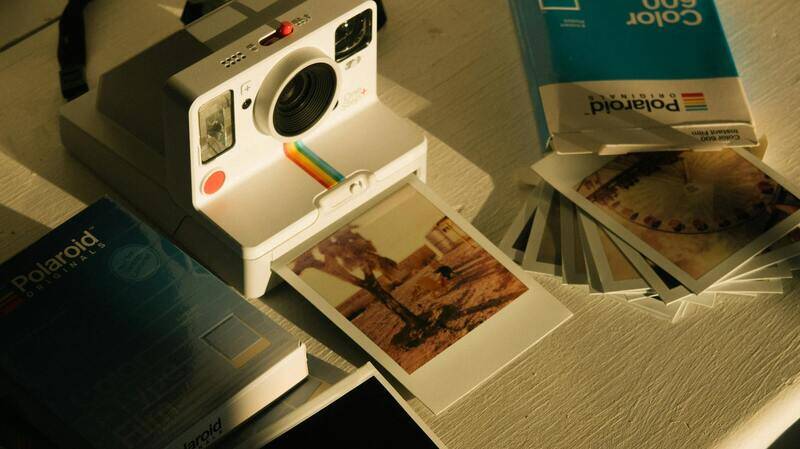
Inkjet printing is among the most prevalent and versatile color printing methods. It operates by propelling tiny droplets of liquid ink directly onto a variety of media surfaces. This technique is particularly suited for high-resolution images and detailed graphics, making it ideal for marketing materials, photographs, and promotional displays. Inkjet printers are available in both commercial and desktop versions, with professional-grade equipment offering larger color gamuts, enhanced color accuracy, and faster production speeds. Consistent ink flow control and quality inks ensure that color reproduction remains rich, accurate, and free from streaks or blurring.
Advantages of Dye Sublimation Printing
Dye sublimation is a specialized color printing process known for its ability to produce vivid, durable images. It works by converting dye-based inks into gas under heat and pressure, which then permeates the fibers of certain materials such as polyester fabrics or coated substrates. This technique is favored for printing textiles, promotional banners, and personalized merchandise because of its ability to generate seamless, high-quality images with a soft finish. The color vibrancy and resistance to fading make dye sublimation ideal for applications demanding longevity and visual impact.
Utilizing Color Management Systems (CMS)
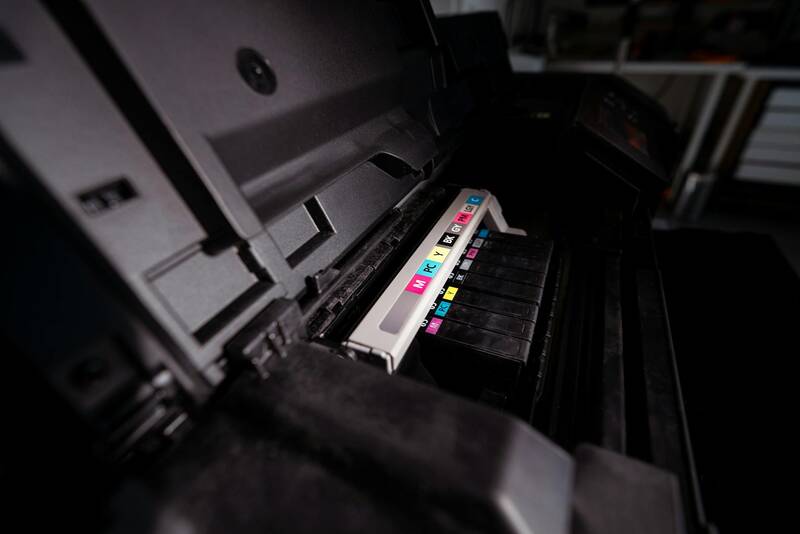
To guarantee color accuracy across different devices and media, most professional color printing services employ advanced color management systems. These systems involve calibrating monitors, printers, and output media to ensure consistent color reproduction. Color profiles are meticulously matched, allowing for a predictable and uniform appearance of printed products regardless of the printing batch or materials used. This precise color control is essential for branding, where exact color matching—such as Pantone colors—is critical for maintaining brand integrity.
Digital Printing Techniques for Small-Run Projects
Digital printing methods offer reliable solutions for short-run, personalized, or on-demand jobs. These techniques bypass traditional printing plates, directly transferring digital images onto media. They facilitate rapid turnaround times, lower setup costs, and flexible design adjustments without sacrificing color fidelity. Technologies such as LED UV printing and electrophotographic digital presses enable high-quality color output suitable for business cards, posters, flyers, and custom labels, ensuring vibrant hues and detailed visuals in small quantities.
Preparation and Quality Control in Color Printing
Since color printing relies heavily on media quality and precise calibration, pre-press preparation is vital. Files are carefully reviewed and color corrected to optimize vibrancy and contrast. Paper or material selection, coating finishes, and environmental conditions are managed within production environments to prevent issues like color shifts or ink bleed. Employing standard quality control measures throughout the printing process guarantees the final product's color consistency, sharpness, and durability, especially when producing branded assets or promotional materials that must stand out visually.

Comprehensive Overview of Color Printing Services
Color printing services have become an essential facet of modern visual communication, enabling businesses, designers, and individuals to produce vibrant, high-quality materials that captivate audiences. These services encompass a wide range of applications, from marketing collateral and promotional items to personalized gifts and artistic projects. The core advantage of professional color printing lies in its ability to reproduce complex images with precision and consistency, ensuring that colors are vivid and true to the original design. This meticulous control over color output is vital for maintaining brand identity, creating compelling advertisements, and showcasing detailed artwork.

Varieties of Color Printing Technologies
Advancements in printing technology have expanded the options available for high-quality color reproduction. Digital printing technologies dominate contemporary applications due to their speed and adaptability, especially for short runs and personalized projects. Electrophotographic digital presses and LED UV printing are prominent examples, delivering exceptional color accuracy and fine detail. Offset printing remains a preferred choice for large-volume jobs requiring consistent quality and cost efficiency per unit. It employs traditional plates and allows for precise color matching, including Pantone colors, which is crucial for brand consistency.
Each technology offers distinct advantages based on project requirements, including color fidelity, production speed, media compatibility, and budget considerations. By choosing the appropriate method, clients can achieve optimal results tailored to their specific needs.
Typical Products Enhanced by Color Printing
- Marketing Materials: Brochures, flyers, posters, and banners—all designed to attract attention with vivid imagery.
- Business Collateral: Business cards, letterheads, envelopes, and company stamps backed by vibrant, consistent colors that reinforce branding.
- Signage and Displays: Foam board signs, roll-up banners, vinyl lettering, and life-sized standees crafted to make immediate visual impact.
- Premium Packaging: Customized labels and boxes where precise color matching ensures a professional presentation.
- Personalized Items: Photo gifts, stationery, and event materials to add a personal touch with high-quality color reproduction.
Critical Factors Impacting Color Printing Quality
The excellence of color printing hinges on comprehensive color management strategies. Calibration of printing equipment ensures consistent output across batches, mirroring the intended palette accurately. The choice of media—papers, vinyls, or substrates—affects how pigments adhere and display, influencing vibrancy and durability. Quality control measures such as spectrophotometric analysis detect color deviations early, allowing immediate adjustments. Moreover, meticulous pre-press preparation, including color correction and file optimization, minimizes issues like ink bleed, color shifts, or resolution loss.
Understanding environmental factors like humidity and temperature also helps in maintaining consistency, especially for large-scale projects. This level of attention to detail guarantees that outcomes meet professional standards and client expectations.
Selecting a Strategic Color Printing Partner
Prospective clients seeking color printing services should prioritize providers with proven expertise in diverse printing technologies and a robust quality assurance framework. Evaluating service providers for their experience with various media types, their capacity for precise color matching—including Pantone color accuracy—and their capability to handle complex design specifications is essential. A reliable print partner offers consultation on material selection, color management, and finishing options to enhance the final product.
Furthermore, transparency in pricing structures and turnaround times facilitates seamless project planning. Experienced providers also accommodate flexible order quantities, from small-scale prototypes to large-volume runs, without compromising quality. Selecting a partner that employs advanced color management systems and maintains rigorous quality controls ensures that every print aligns with brand standards and creative expectations.

Overview of Color Printing Services
Color printing services encompass a wide array of solutions designed to produce vibrant, accurate, and high-quality printed materials across various media. These services are essential for businesses, marketers, and individuals seeking to create compelling visual communications. The appeal of color printing lies in its ability to enhance brand identity, attract attention, and convey messages with clarity and visual impact. Whether for marketing collateral, packaging, signage, or personal projects, professional color printing ensures consistency, richness, and durability in every print run, making it an indispensable component of modern marketing and communication strategies.
Types of Color Printing Technologies
- Offset Printing: Ideal for large quantities, offset printing offers precise color matching and high-quality results. It involves transferring ink from a plate to a rubber blanket and then onto the printing surface, ensuring sharp images and consistent color reproduction.
- Digital Printing: Suitable for shorter runs and personalized prints, digital printing allows for direct printing from digital files onto various media. It provides quick turnaround times and cost-effective options for small to medium-sized projects.
- UV Printing: Utilizing ultraviolet light to cure ink instantly, UV printing produces vibrant colors on unconventional materials such as glass, plastic, and metal. It enables printing on substrates with uneven surfaces and offers excellent durability.
- Screen Printing: Often used for apparel, promotional items, and signage, screen printing involves forcing ink through a mesh stencil onto the substrate. It is renowned for its vivid color output and durability in outdoor applications.

Common Products Offered with Color Printing
Color printing services cater to a diverse spectrum of products, each tailored to specific marketing and communication needs. These include:
- Marketing Materials: Brochures, flyers, and posters designed to attract attention and communicate messages effectively. Bright, crisp colors help make these materials stand out.
- Signage and Displays: Large-format banners, roll-up displays, and signage for events, retail, or outdoor advertising. Durability and color fidelity are crucial for impactful visual presentation.
- Business Stationery: Business cards, letterheads, envelopes, and appointment cards that reflect corporate branding with consistent color schemes.
- Packaging and Labels: Vibrant packaging solutions and labels that enhance product appeal and brand recognition.
- Personal and Creative Projects: Photo books, personalized gifts, and art prints where color accuracy and quality are paramount.
Key Factors Influencing Quality of Color Printing
Achieving high-quality color output depends on several critical factors:
- Color Management Systems: Advanced color calibration and profiling ensure that printed colors match the intended design, especially when using Pantone or specific color matching standards.
- Material Selection: The type of media, such as coated paper, vinyl, or fabric, affects color vibrancy and longevity. High-quality substrates provide a better surface for ink adhesion and color saturation.
- Printer Maintenance and Calibration: Regular calibration of printing equipment prevents color drift and maintains consistent results across batches.
- Ink Quality: Premium inks with superior color density and fade resistance contribute to vibrant, durable prints.
- Design Preparation: Proper file setup, including high-resolution images and correct color modes (RGB or CMYK), minimizes errors and ensures clarity.
Choosing the Right Color Printing Service Provider
Selecting a reputable provider involves evaluating their technological capabilities, experience, and commitment to quality. Look for providers with expertise in various printing technologies, robust quality assurance processes, and an ability to handle diverse media. Transparency regarding pricing, turnaround times, and customization options helps streamline project planning. A proven track record in delivering consistent results on time and within budget reflects a provider’s dedication to client satisfaction. Additionally, a collaborative approach to design consultation, material selection, and finishing options ensures the final product aligns perfectly with your branding and creative vision.
Advantages of Professional Color Printing Services
Partnering with established color printing service providers ensures that your high-quality visual materials meet professional standards. These services leverage advanced printing technologies to produce vibrant, precise colors that accurately reflect your brand identity. Utilizing professional services helps maintain consistency across multiple print runs, which is essential for branding and marketing campaigns. Additionally, reputable providers often offer comprehensive support, including design consultation, material selection, and finishing options, facilitating seamless project execution from conception to delivery. By choosing experienced printers, you also benefit from quality assurance processes that detect and correct color discrepancies early, minimizing waste and rework. The result is a polished final product that leaves a lasting impression, whether for marketing brochures, promotional banners, or custom packaging.
Advanced Equipment Ensures Consistent Color Output
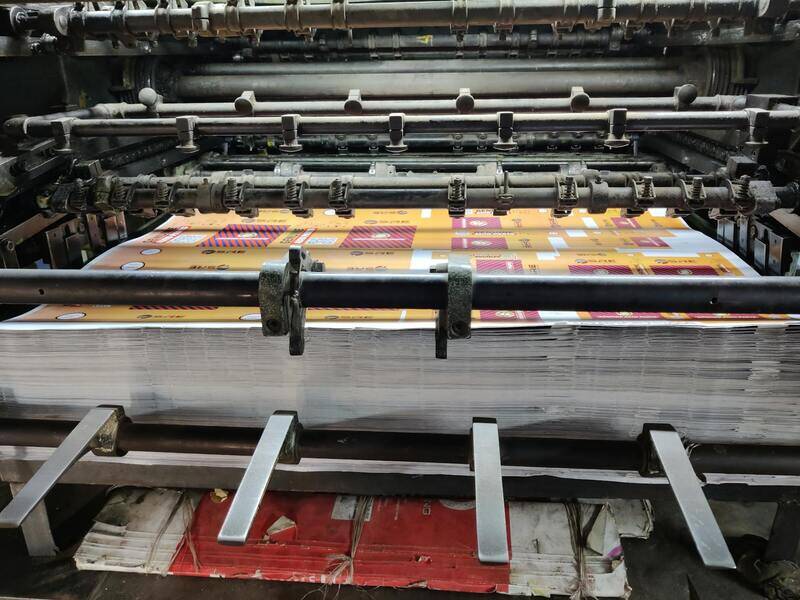
Modern color printing relies on state-of-the-art machinery equipped with calibrated color management systems. These systems are critical for achieving consistent output across different media types and print runs. High-end printers utilize techniques such as color profiling and ink density adjustment to match exact color standards, including Pantone or specified brand colors. Regular maintenance and calibration sessions are essential in preventing color drift and ensuring that the vibrancy and hue of each print are preserved. The use of high-quality inks with superior fade resistance further enhances the longevity and visual appeal of printed materials. From business cards to large-format banners, consistent color fidelity is vital for professional presentation and brand recognition.
Color Matching and Material Compatibility
Color printing often demands precise color matching, a process that involves aligning digital files with actual print outputs through standardized workflows. These workflows typically include using specialized software for color correction and proofing, which allows clients to approve a digital preview before mass production. Material choice also significantly impacts color vibrancy; substrates such as coated paper, vinyl, or fabric interact differently with ink, affecting saturation and durability. Reputed printers employ a variety of substrates suited for different applications, ensuring optimal color expression and longevity. Choosing the right combination of media and printing technology guarantees that the finished product meets both aesthetic standards and functional requirements.
Color Printing Finishing Techniques
Enhancing the visual impact of printed materials often involves various finishing options. These include lamination for added durability, gloss or matte coatings to influence tactile and visual appeal, and special effects such as spot UV or foil stamping for a luxurious finish. Die-cutting and binding add to the overall presentation, making printed items more functional and attractive. The application of textured finishes and embossing can also create a tactile experience that reinforces brand identity. Professional color printing services incorporate these finishing techniques seamlessly, ensuring that the final product is not only visually striking but also aligned with your desired branding image.
Ensuring High-Quality Color Prints with Technical Precision
Achieving optimal color reproduction involves meticulous preparation and execution. This includes meticulous file setup with high-resolution images, properly calibrated color profiles, and adherence to print specifications. Files should be prepared in the correct color mode—CMYK for most professional printing purposes—to prevent unexpected shifts in color tones. Regular quality checks during the printing process help identify issues early, allowing adjustments to maintain the fidelity of colors. It's also crucial to work closely with the printing provider to address any custom color requirements or special effects needed for your project. Technical proficiency combined with modern equipment ensures that each print accurately reflects your vision, with vibrant colors and sharp details that stand out.
