
Overview of Booklet Printing Services
Booklet printing has become an essential service for businesses and individuals seeking professional and visually appealing materials. Whether for marketing campaigns, product guides, event programs, or informational brochures, well-printed booklets effectively communicate messages while enhancing brand image. The versatility of booklet printing services allows customization in size, binding, paper quality, and finishing options, ensuring that each project meets specific aesthetic and functional requirements.
In today's competitive landscape, the importance of rapid turnaround times cannot be overstated. Fast booklet printing services enable clients to meet tight deadlines without compromising on quality. This capability is particularly advantageous for promotional events, last-minute marketing pushes, and urgent informational releases, where timely delivery can significantly impact success.
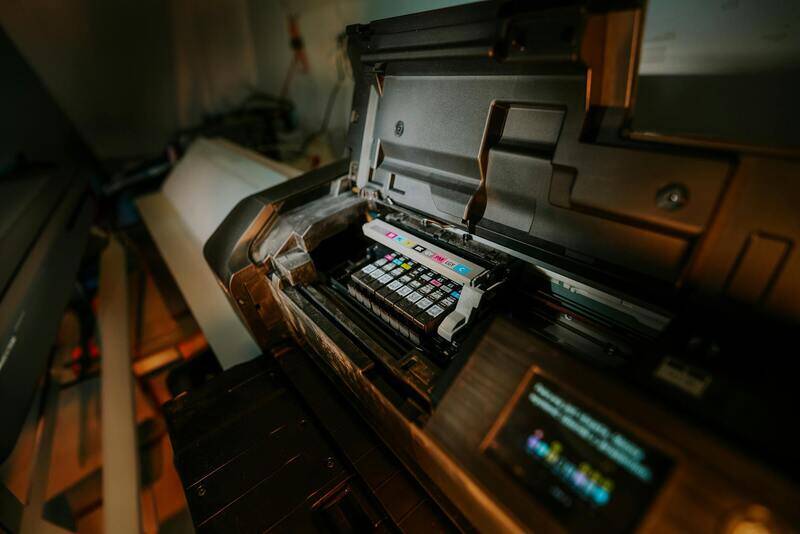
Moreover, the demand for quick printing options has grown with the rise of digital marketing and fast-paced business environments. High-quality print materials produced swiftly help companies maintain agility and responsiveness. For individuals, expedited printing services provide a means to quickly distribute customized materials for personal or community events, ensuring that deadlines are always met.
In essence, booklet printing is a crucial component of professional branding and communication strategy. With the ability to produce durable, aesthetically pleasing, and informative booklets rapidly, organizations and individuals alike can leverage these services to create impactful printed materials with efficiency and precision.
Factors Influencing Printing Speed
Understanding the key elements that affect the turnaround time of booklet printing is essential for achieving rapid delivery without compromising quality. Several factors play a pivotal role, including the volume of print jobs, the complexity of the design, the size and format of the booklet, the type of paper used, and the binding method selected. Each element requires strategic consideration to optimize the production schedule and meet tight deadlines effectively.
Print Quantity and Scale
One of the most significant determinants of printing speed is the volume of booklets required. While small batches may be processed swiftly using digital printing technologies, larger quantities often benefit from high-volume offset printing. Digital presses are ideal for short runs due to their quicker setup times and ability to produce high-quality prints with minimal lead time. Conversely, offset printing, though slightly more time-consuming initially, becomes cost-effective and rapid for bulk orders, especially when production is streamlined efficiently.

Design Complexity and Customization
Complex designs with intricate graphics, multiple colors, and special effects can extend production timelines. Simplified visuals, fewer colors, and straightforward layouts facilitate faster printing processes. When preparing files, using optimized, high-resolution images and adhering to specified bleed and margin settings ensure that digital and offset presses operate smoothly, minimizing delays caused by reprints or adjustments.
Booklet Size, Paper Type, and Binding
The physical dimensions and paper quality influence production speed. Smaller booklets or standard sizes are generally quicker to produce than larger, custom-sized formats. The choice of paper—lightweight or specialty materials—also affects printing and finishing processes. Binding methods such as saddle-stitch, perfect binding, or spiral binding demand different setup times; selecting efficient binding options compatible with fast turnaround schedules is advisable. Additionally, quick-drying papers or finishes can reduce processing time, further expediting fulfillment.
Special Finishing and Post-Processing
Finishing options like laminations, foil stamping, embossing, or varnishes may add to production time. For rapid booklet printing, selecting finishing processes that are compatible with high-speed production lines can significantly reduce delivery schedules. Simplifying or temporarily omitting elaborate finishes allows for quicker processing, with the option to add enhancements in subsequent batches if needed.
Material Preparation and File Readiness
Ensuring that digital files are properly prepared for printing is a critical step in maintaining speed. This involves using standardized file formats—such as PDF/X—checking for color consistency, resolution, and ensuring correct bleed and margin settings. Properly organized and pre-approved files reduce the likelihood of reprints or adjustments, which can delay project completion.
Technology and Equipment Choices
Modern printing technology, such as digital presses and high-speed offset printers, plays a vital role in achieving rapid turnaround times. Digital printing machines are particularly advantageous for short runs and quick setups, allowing for same-day or next-day production. High-capacity presses equipped with advanced finishing units facilitate continuous, fast-paced output, especially when paired with efficient prepress workflows.
Combining these factors thoughtfully ensures that booklet printing projects adhere to tight timelines while maintaining high standards of quality. Proper planning, file preparation, and choosing appropriate technology are instrumental in delivering printed materials promptly, satisfying urgent business needs and last-minute marketing campaigns effectively.
Overview of Booklet Printing Services
Fast booklet printing has become an essential service for businesses and individuals seeking high-quality printed materials with tight deadlines. Professional printing providers leverage advanced technology and streamlined workflows to deliver custom booklets efficiently. These services support various formats, sizes, and finishes, ensuring that clients receive visually appealing booklets tailored to their specifications and timeline needs. From marketing brochures and event programs to training manuals and catalogs, fast booklet printing enables organizations to meet urgent distribution requirements without compromising on quality.
Modern printing facilities utilize cutting-edge equipment that allows for rapid production cycles. Digital presses, in particular, are capable of handling short runs with quick turnaround times, often enabling same-day or next-day delivery. Offset printing remains a valuable option for larger quantities, offering cost-effective production while maintaining high fidelity in color reproduction. Combining these technologies with efficient prepress processes ensures that print jobs are executed swiftly from file submission to final delivery.

Factors Influencing Printing Speed
Several key elements determine the speed at which booklets are produced, starting with the readiness of digital files. Files prepared with standardized formats, such as PDF/X, and correct bleed and margin settings, minimize delays caused by adjustments or reprints. Well-organized files allow the printing process to begin promptly, ensuring that deadlines are met.
Material selection is another critical factor. Thinner, lightweight papers print faster and facilitate quicker finishing processes. Simplification of design elements—such as reducing intricate folds, lamination, or special coatings—can significantly reduce production times, especially when rapid turnaround is prioritized. Post-printing finishing steps like binding, trimming, and assembling should also be optimized to avoid bottlenecks.
Equipping facilities with high-capacity, multi-functional presses enhances throughput by enabling multiple jobs to run simultaneously or in quick succession. Implementing automated workflows for prepress, printing, and finishing facilitates seamless operation for urgent projects.

Wholesome Approach to Speed and Quality
Balancing speed with quality requires meticulous planning and precise execution. When clients provide print-ready files and opt for straightforward finishes, printing providers can meet tight schedules without sacrificing output standards. Clear communication regarding project scope, file specifications, and delivery deadlines further streamlines the process, ensuring that all parties are aligned from start to finish.
Strategic prioritization of jobs, along with flexible scheduling of production runs, results in efficient use of resources and timely delivery. Employing quality control checks during the printing process minimizes errors and rework, which are common sources of delays. These practices collectively enable fast booklet printing services to meet urgent business demands while upholding high standards.
Overview of Booklet Printing Services
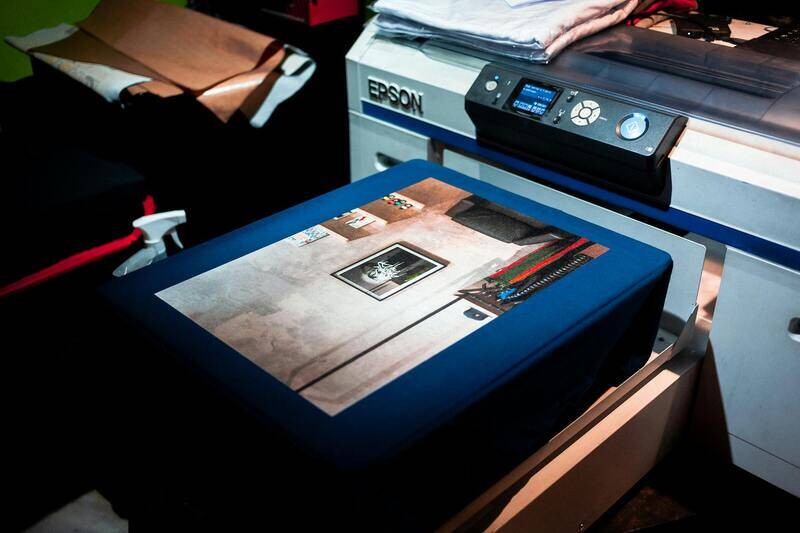
Fast booklet printing has become an essential component for businesses and individuals seeking quick turnaround times without compromising on quality. These services provide a comprehensive solution for producing booklets, brochures, catalogs, and similar materials efficiently. Established providers leverage advanced printing technologies and optimized workflows to deliver high-quality printed materials within tight deadlines. This ensures that marketing campaigns, event promotions, or informational distributions are executed seamlessly, even under urgent circumstances. The emphasis on legitimate, off-the-shelf methods guarantees that clients receive consistent results, transparency in processes, and adherence to all industry standards.
Factors Influencing Printing Speed
Several key elements directly impact the speed of booklet production. The choice of printing technology, file readiness, and workflow efficiency are crucial. High-capacity digital presses enable quick printing cycles, while the proper preparation of print files ensures minimal delays during prepress. Furthermore, the staging of production processes, such as trimming, binding, and finishing, can be optimized for faster completion. Technology like automated folding, binding, and trimming reduces manual intervention, decreasing the risk of errors and rework that often cause delays.
- Printing Technology: Digital presses, especially those designed for high-volume production, significantly cut down on print times compared to traditional offset methods.
- Prepress Accuracy: Properly formatted and correctly prepared files prevent time-consuming revisions and reprints.
- Workflow Automation: Automated processes throughout prepress, printing, and finishing contribute to consistent, rapid output.
- Finishing Efficiency: In-line binding, trimming, and folding streamline overall production times.
- Material Management: Sufficient inventory of suitable materials like paper stocks and binding supplies ensures uninterrupted workflow.
Choosing the Right Printing Technology for Speed
When rapid booklet printing is a priority, selecting the appropriate technology is vital. Digital printing modes, such as Indigo or other high-speed digital presses, dominate for quick-turn orders because they allow for on-demand printing with minimal setup. These machines enable tight deadlines to be met while maintaining consistent quality. Offset printing may be used for larger quantities but usually involves longer setup times, making it less suitable for very short time frames unless the order volume justifies it. Hybrid approaches, combining digital and offset processes, can also be employed for projects requiring both rapid turnaround and high-volume output.

In addition to the type of press, ancillary solutions like inline finishing options—lamination, binding, or coating—should be considered. These enhance not only the durability but also the professionalism of the final product, contributing to a faster overall production cycle when integrated into the printing process. The selection of these methods should align with project specifications and urgency, ensuring that the final booklet meets both visual standards and delivery deadlines.
Overview of Booklet Printing Services
Fast booklet printing has become a vital component for businesses and organizations seeking to deliver promotional materials, event programs, training manuals, or informational brochures within tight deadlines. Modern print service providers offer comprehensive solutions that accommodate urgent needs without compromising on print quality or design integrity. These services typically encompass a range of customization options—from paper type and binding styles to finishing touches—ensuring that clients receive a product that aligns with their branding and communication goals.
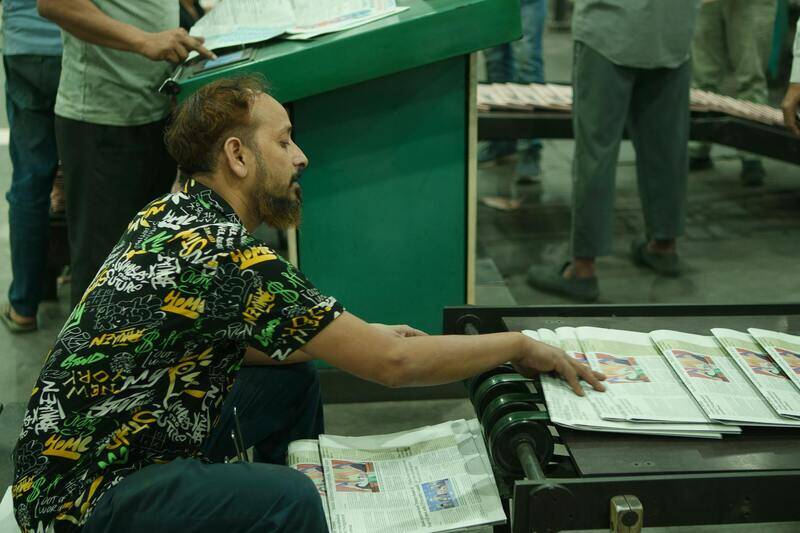
Through advanced printing techniques and streamlined production workflows, fast booklet printing providers can achieve remarkable turnaround times. They leverage efficient processes, high-capacity digital presses, and sophisticated finishing equipment to optimize each stage of production. The result is a seamless experience where clients can rely on prompt delivery while still maintaining the professionalism and visual appeal essential for effective communication.
Factors Influencing Printing Speed
Several critical factors determine the pace at which booklets can be produced, especially when time is limited. Understanding these elements helps in planning and executing print projects efficiently:
- Order Complexity: The complexity of the design, number of pages, and type of binding influence the overall production time. Simpler layouts and standard binding techniques tend to expedite the process.
- Material Availability: Ready stock of suitable printing papers, binding supplies, and finishing materials ensures no delays occur due to supply shortages.
- Print Technology: Choice of digital versus offset printing significantly impacts speed, with digital options providing on-demand, rapid turnaround capabilities.
- Workflow Efficiency: Integrated in-line finishing processes such as binding, trimming, folding, and coating reduce handling time and accelerate delivery.
- Order Volume: Smaller quantities generally require less setup time, making digital printing particularly advantageous for quick-turn projects.
Choosing the Right Printing Technology for Speed
When speed is prioritized, digital printing technology often emerges as the optimal choice. High-speed digital presses, such as Indigo or comparable systems, are engineered for rapid processing while maintaining high-quality output. These presses can produce crisp, vibrant images at speeds that offset can rarely match for small to medium runs.
Offset printing, traditionally favored for large-volume jobs, involves extensive setup procedures that can lengthen turnaround times. However, for bulk orders where cost efficiency and consistent color quality are paramount, offset remains a viable option with pre-planned scheduling. Additionally, hybrid printing solutions integrate both digital and offset methods, allowing for quick initial runs with scalability for larger quantities.
Design and File Preparation for Rapid Printing
Efficient turnaround begins with meticulous pre-press preparation. When working under tight time constraints, clients should ensure their design files adhere to the specifications required by the printing provider. Key considerations include:
- File Format: Use the correct format, typically PDF, with embedded fonts and high-resolution images to prevent delays caused by reformatting or file issues.
- Bleeds and Margins: Incorporate necessary bleed zones and safe margins to facilitate trimming and binding without compromising design elements.
- Color Mode: Use CMYK color profiles to ensure accurate color reproduction in printed outputs.
- Design Simplicity: Opt for straightforward layouts when speed is essential, avoiding complex effects or automation that may require additional processing time.
- Proofing: Conduct digital proofs prior to printing and approve swiftly to prevent bottlenecks during production.
Collaborating closely with the printing service provider from the outset allows for clarifying specifications and quickly resolving any file-related issues, ultimately speeding up the entire process.
Overview of Booklet Printing Services
Booklet printing encompasses a range of finishing options designed to produce professional, polished materials suited for marketing, informational, or educational purposes. It involves assembling multiple pages into a single print piece, typically bound to ensure durability and ease of use. Modern digital printing technology has significantly boosted the ability to produce these materials swiftly without compromising quality, making it an attractive choice for businesses needing rapid turnaround times.
In the realm of fast booklet printing, providers focus on optimizing every step of the process, from file preparation to finishing, to deliver completed products within constrained timelines. This service is especially valuable for time-sensitive campaigns, event programs, or last-minute packaging needs, where speed is as critical as design integrity.

Factors Influencing Printing Speed
The overall speed of booklet production hinges on multiple factors, which can be broadly categorized into technological capabilities, file readiness, and the scope of the order.
- Printing Technology: Digital printers are inherently faster when handling small runs due to reduced setup time, whereas offset printers require more preparation but excel in larger quantities. Hybrid solutions combine the advantages of both, facilitating quick initial prints with scalability.
- Order Quantity: Smaller print runs tend to be completed more rapidly, while large volumes may necessitate longer production schedules, especially if multiple steps like binding and finishing are involved.
- Design Complexity: Simplified layouts, fewer colors, and minimal graphics can accelerate both digital and offset printing processes. Conversely, intricate designs with special finishes or effects might require additional handling, extending production times.
- Pre-Press Readiness: Properly prepared files can drastically reduce delays. Files that meet all specifications, with correct formats, resolutions, and color profiles, enable seamless processing.
- Binding and Finishing: Production times also depend on the chosen binding method—saddle stitch, perfect bind, or spiral bound—as well as any additional finishes such as lamination, embossing, or UV coating.
Choosing the Right Printing Technology for Speed
When fast turnaround is a priority, selecting an appropriate printing technology is essential. Digital printing offers the advantage of minimal setup time, allowing for quick production of small to medium-sized batches. Its ability to produce high-quality images with variable data makes it particularly useful for personalized booklets, promotional materials, or customized event programs.
Offset printing, while traditionally slower due to the initial setup, remains cost-effective for large bulk orders, with some providers offering expedited offset options that can streamline the process without sacrificing quality. Hybrid printing techniques further enhance speed by combining digital and offset methods, providing rapid initial runs with the capacity to scale efficiently.

Design and File Preparation for Rapid Printing
Efficient turnaround begins well before printing begins. Well-prepared design files significantly reduce post-press delays and ensure the printing process proceeds smoothly. To facilitate rapid production, clients should adhere to specific guidelines:
- Use proper file formats: PDFs are preferred, containing embedded fonts and high-resolution images to prevent delays caused by reformatting or resolution issues.
- Incorporate bleed zones and safe margins: This prevents important elements from being trimmed during finishing, eliminating the need for rework.
- Maintain accurate color profiles: CMYK color mode ensures consistent color reproduction across the printed material.
- Simplify design elements: Avoid complex effects or excessive automation, which can slow the printing process.
- Conduct thorough proofing: Digital proofs should be reviewed and approved quickly to avoid production bottlenecks.
Collaborating with the printing provider from the outset can reveal potential issues early, allowing for adjustments that accelerate the entire workflow. Clear communication regarding specifications and expectations ensures all parties are aligned, reducing the likelihood of delays.
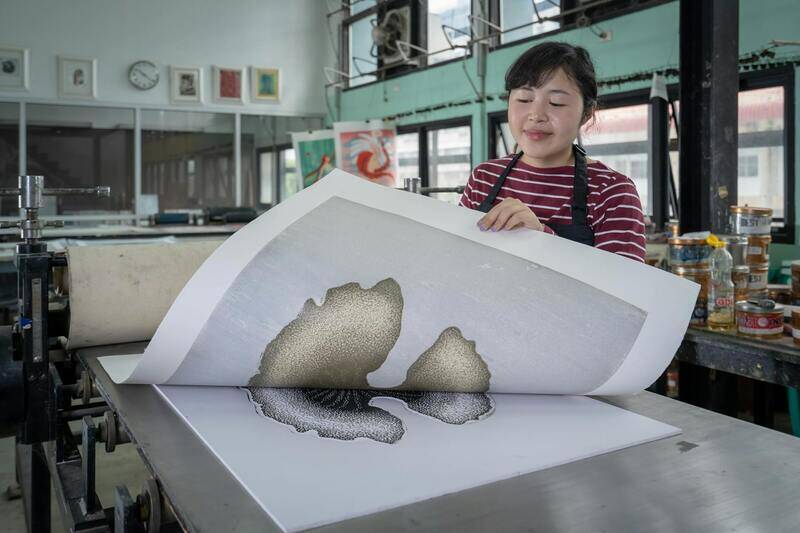
Overview of Booklet Printing Services
Fast booklet printing has become an essential component for businesses, educators, marketers, and organizations looking to disseminate information quickly and professionally. These services encompass a range of options designed to produce high-quality booklets within tight timelines without compromising on quality or precision. From short-run digital printing to advanced offset processes, the right choice depends on the desired quantity, turnaround time, and budget.

Reliable booklet printing providers employ state-of-the-art technology to expedite production while maintaining sharp image quality and accurate color reproduction. Such services are tailored to meet the specific needs of promotional campaigns, event handouts, instructional materials, and more. With streamlined workflows and dedicated rapid processing, clients can expect their materials delivered promptly, ready for distribution or display.
Factors Influencing Printing Speed
- Order Size: Smaller runs can often be completed faster, especially with digital printing technology, which is optimized for quick turnaround times.
- Design Complexity: Simple layouts with fewer colors and effects require less processing time, facilitating quicker production.
- Material Selection: Standard paper stocks and finishes enable faster printing and finishing processes. Unusual or specialty papers may introduce delays.
- Production Workflow: The efficiency of the printing facility’s workflow, including pre-press, printing, binding, and finishing, significantly impacts turnaround times.
- Technology Used: Digital presses are typically faster for low to medium quantities, whereas offset printing suits larger runs with cost-effective rapid turnaround.
Choosing the Right Printing Technology for Speed
Modern rapid booklet printing relies heavily on digital printing methodologies, which allow for quick setup and faster production cycles. Digital presses, such as high-speed inkjet and laser printers, excel in producing short to medium runs with minimal setup time. These machines can often complete from digital file to finished product within 24-48 hours, especially when processes are optimized for speed.
Offset printing, while traditionally slower due to initial plate creation, has adapted for rapid turnaround through innovations like quick-change plates and streamlined workflows. For large quantities requiring high-quality finishes, offset remains a cost-effective choice since it can produce more consistent color accuracy and detailed imagery at scale.

Design and File Preparation for Rapid Printing
Efficient turnaround begins with meticulous design and file preparation. When files are correctly formatted from the start, delays caused by troubleshooting or revisions are minimized. Best practices include:
- Using high-resolution, embedded fonts, and vector-based graphics in PDF format
- Incorporating bleed zones and safe margins to prevent unforeseen trimming errors
- Maintaining consistent color profiles, such as CMYK, to ensure accurate color matching
- Keeping designs simple and avoiding excessive effects that may slow printing speeds
- Conducting quick digital proofs for approval to prevent reprints or adjustments later in the process
Collaborating with the printing provider from an early stage ensures that potential issues are identified and addressed proactively. Clear communication about specifications, file formats, and desired delivery timelines streamlines the entire workflow, leading to faster, smoother production cycles.
Turnaround Time Options and Service Levels
Most providers offer multiple service tiers tailored for different urgency levels. Standard turnaround generally ranges from 48 to 72 hours, suitable for most projects. For clients requiring even faster delivery, options such as same-day or next-day printing are often available, particularly with digital presses and small to medium runs.
Express services typically involve dedicated production slots and prioritized workflows. These packages may include additional quality control measures to ensure the final product meets all specifications despite the accelerated process. Lead times can sometimes be compressed further via hot rush services or on-demand printing systems.

Cost Considerations for Fast Booklet Printing
While rapid printing solutions are designed to meet tight deadlines, they often come with premium pricing, reflecting the added resources and expedited workflows. Digital printing, being more flexible and quick to set up, typically incurs lower incremental costs for small runs. Larger quantities may benefit from offset printing's economies, but with lead times reduced through advanced setup techniques.
Clients should weigh the urgency against budget constraints, recognizing that higher service levels are offset by the value of timely delivery and quality assurance. Strategic planning, including early file submission and flexible design adjustments, can also help manage costs while achieving swift turnaround times.
Technical Aspects of Accelerated Booklet Printing Processes
Executing fast booklet printing requires the deployment of advanced technical strategies to streamline workflow without compromising quality. Digital printing technologies, especially inkjet and electrophotographic processes, are central to achieving rapid turnaround times due to their minimal setup times and immediate production capabilities. These methods facilitate high-speed printing directly from digital files, eliminating the need for extensive plate preparation associated with traditional offset techniques.

High-capacity digital presses equipped with large-format printing engines can handle substantial volumes efficiently, often enabling same-day or next-day delivery for small to medium-sized runs. Moreover, these systems are favored for their ability to print variable data, allowing customization on the fly—a crucial feature for personalized marketing materials or localized content. The integration of automated finishing modules, such as binding, folding, and trimming units, further accelerates the process, minimizing manual intervention and reducing overall production time.
Optimizing Workflow to Maximize Speed
- Pre-press Preparation: Efficient file management and pre-flighting ensure error-free printing, reducing revisions and delays. Establishing standardized templates and using high-resolution, correctly formatted files expedite the initial stages.
- Material Handling: Stock management plays a vital role. Ready-to-use stocks with quick-drying inks and coated surfaces compatible with digital presses facilitate faster printing and finishing. Consolidated inventory management prevents downtime caused by material shortages.
- Print Scheduling: Advanced scheduling systems allocate production slots based on urgency and complexity, ensuring that high-priority jobs proceed without unnecessary delay. Real-time tracking allows for swift adjustments if needed.
Role of Automated Finishing in Speed Enhancement
Automated finishing equipment is instrumental in shrinking turnaround times for booklet production. Integrated binding units, such as saddle stitching, perfect binding, or spiral binding, paired with folding and cutting modules, enable near-continuous operation from printing to final output. This integration reduces manual handling, minimizes errors, and accelerates completion schedules.
Leveraging Just-In-Time Printing Techniques
Just-in-time (JIT) printing methodologies emphasize producing booklets as needed, aligning production schedules with demand. This approach mitigates storage requirements and allows for rapid adjustments to design or content changes, fostering a more agile production environment. JIT practices are particularly effective when coupled with high-speed digital presses that can produce small quantities swiftly, maintaining high-quality standards.
Advanced Quality Control for Fast Production
Real-time quality monitoring systems integrated into digital printing workflows ensure that defects are detected and addressed immediately, preventing reprints and further delays. Technologies such as inline color calibration, defect detection, and automated inspection contribute to maintaining consistency and quality during rapid production cycles.
Innovative Additions to Accelerate Turnaround
- On-Demand Printing Systems: These systems allow for immediate printing of small batches, ideal for urgent orders requiring quick delivery.
- Priority Service Packaging: Offering customers options for expedited service levels, which include dedicated production lanes and resource allocation, further compresses turnaround times.
- Streamlined Workflow Integration: Seamless connection between design software, pre-press, printing, and finishing ensures minimal lag between each phase, supporting a rapid, efficient process.
By continuously refining these technical and operational mechanisms, printing providers can consistently deliver high-quality booklets within tight deadlines. Investing in cutting-edge digital press hardware, automation, and intelligent workflow management remains critical to maintaining competitive edge in fast booklet printing services.
