
Understanding Booklet Printing
Booklet printing is a specialized process that involves producing printed materials folded and bound together to create a compact, cohesive document. This method is widely utilized across various industries for marketing, informational, and educational purposes. Common applications include brochures, product catalogs, manuals, programs, event programmes, and promotional literature. The versatility of booklet printing allows businesses and organizations to communicate their message effectively in a professional format.
When considering booklet printing, several key features contribute to the overall quality and functionality of the final product. The choice of binding plays a significant role, with options ranging from saddle stitching to perfect binding, each offering different benefits in terms of durability and aesthetic appeal. The size of the booklet can vary based on content requirements, with standard formats often fitting within A4 or A5 dimensions, but custom sizes are also achievable.

The selection of paper quality is equally important. Thicker, higher-grade papers provide a premium feel and durability, especially for manuals or catalogs that require frequent handling. Matte finishes are popular for their glare-free appearance, ideal for reading, while gloss finishes enhance vibrant images and colors, making brochures visually striking. The choice of paper weight and finish should align with the purpose and desired presentation of the booklet.
Common Features and Considerations
- Binding Types: Saddle stitch, perfect binding, spiral binding, plastic comb, wire binding
- Sizes: Standard (A4, A5), custom sizes
- Paper Options: Matte, gloss, uncoated, heavy-weight cardstock
- Color Choices: Full-color CMYK printing for vibrant imagery, or black-and-white for text-heavy booklets
- Quantity: Ranges from small runs for personal or local use to large orders for mass distribution
A clear understanding of these fundamental elements ensures that the final booklet product effectively meets the specific needs of its intended audience. When selecting a printing service, careful attention to these features can lead to a more professional and impactful printed piece, enhancing brand presence and communication efficacy.
Understanding Booklet Printing
Booklet printing is a versatile form of print media that caters to a wide range of purposes, from marketing materials and product catalogs to informational guides and event programs. The process involves multiple elements that influence the final appearance, durability, and usability of the printed booklet. Selecting appropriate printing techniques, binding methods, and paper options is essential to produce a professional-quality product that effectively communicates your message. An in-depth understanding of these components ensures the creation of impactful booklets that meet specific objectives and audience expectations.
Paper Selection and Quality
The foundation of a high-quality booklet lies in the choice of paper. Options range from uncoated papers suitable for writing and reading ease to coated papers that enhance visual appeal. Heavier weight papers offer increased durability and a premium tactile experience, critical for booklets that are frequently handled. Matte finishes are ideal for minimizing glare and providing a sophisticated look, while gloss coatings accentuate colors, making visuals more vibrant and appealing. The amount of ink absorption, texture, and thickness all contribute to the overall presentation and functionality of the finished product.
Color Printing Capabilities
Advancements in printing technology allow for distinct color reproduction options that significantly elevate the booklet’s visual impact. Full-color CMYK printing enables vibrant imagery, rich gradients, and detailed graphics, making it ideal for promotional brochures or product catalogs. Conversely, black-and-white printing can be utilized for text-heavy documents, providing a cost-effective and clean aesthetic. Combining these approaches within a single booklet, such as using color for visuals and monochrome for text sections, can optimize both budget and design effectiveness.
Optimizing Content Layout
The effectiveness of a booklet hinges on compelling design and layout. Careful consideration of margins, font sizes, and spacing improves readability and visual flow. Incorporating consistent heading styles and strategic use of white space prevents clutter, guiding the reader smoothly through the content. High-quality images should be integrated thoughtfully, ensuring they align with the textual narrative and are optimized for print resolution. Employing professional layout software enables precise control over composition, contributing to a cohesive and aesthetically pleasing product.
Advanced Binding Techniques
The binding method selected impacts both the structural integrity and the visual aesthetic of the booklet. Saddle stitch binding, involving staples along the spine, is suitable for thinner booklets up to approximately 80 pages and offers a clean, streamlined appearance. Perfect binding uses a glue-based technique, ideal for larger booklets, providing a more polished look similar to paperback books. Spiral or wire binding allows for easy page turning, often preferred for manuals or workbooks. Each method offers a different balance of durability, presentation, and cost, making it critical to match the binding style to the booklet’s purpose and usage frequency.
Production Process and Quality Control
Once design and materials are finalized, the production phase commences. Digital printing offers high precision, quick turnaround times, and flexibility for small to medium runs, making it ideal for personalized or short-term projects. Offset printing, though requiring longer pre-press setup, proves cost-efficient for large quantities, ensuring consistent color and quality. Rigorous quality control measures, including color matching, paper inspection, and binding accuracy, are essential to maintain professional standards. A meticulous review process before mass production helps identify issues that could compromise the finished product’s appeal and durability.
Environmental Considerations
As sustainability becomes a growing concern, selecting environmentally friendly materials and processes can enhance your brand’s reputation. Recycled papers with FSC certification, soy-based inks, and vegetable-based adhesives contribute to eco-conscious production. These options often do not compromise quality and can appeal to environmentally aware audiences. Choosing local print providers minimizes carbon footprint associated with transportation, and implementing digital workflows reduces waste through precise job matching and minimal excess output.
In summary, a comprehensive approach to booklet printing involves thoughtful selection of materials, color capabilities, binding methods, and production quality control. The culmination of these elements ensures a high-impact, durable product that effectively serves its intended purpose and resonates with the target audience.
Understanding Booklet Printing
Booklet printing represents a versatile and effective method for presenting information, products, or promotional content in a compact, professional manner. The process emphasizes precision in layout, binding, and finishing to create an engaging, durable product suited for various applications such as marketing campaigns, event programs, instructional manuals, or corporate literature. To ensure the final product meets specifications, a thorough understanding of the official and established techniques is essential, along with selecting the appropriate printing technology, paper stock, and binding methods.

Methods of Booklet Production and Their Application
There are several reputable, tried-and-true methods used in the printing industry for producing booklets, each with its specific advantages based on the scope and purpose of your project. Key options include saddle stitch, perfect binding, and wire binding, among others.
Saddle Stitch Binding
Saddle stitching involves sewing folded sheets of paper through their spines using staples or stitching wire. It is the most common method for small to medium-sized booklets, offering an efficient and cost-effective solution that results in a slim profile. This method suits catalogs, programs, or informational pamphlets where quick turnaround and cost are considerations.
Perfect Binding
Ideal for larger booklets, perfect binding produces a sleek, professional finish where pages are glued into a flexible soft cover. This method is commonly used for brochures, manuals, or corporate reports where durability and a refined appearance are priorities. The process requires precise preparation, including edge trimming and binding glue application, ensuring high-quality results suitable for long-term use.
Wire Binding and Plastic Comb Binding
These binding styles facilitate ease of use and page turning, making them preferable for manuals or workbooks used in ongoing settings. They allow the booklet to lie flat, which enhances readability and interaction with the content.
Choosing the Right Paper for Booklets
Paper selection is critical not just for visual appeal but also for durability and user experience. Standard options encompass a range of finishes and weights, each suited for specific types of content and presentation styles.
- Art or Coated Paper: Offers a glossy or matte finish that accentuates images and vibrant colors, ideal for image-heavy brochures or catalogs.
- Cardstock: Heavier and more rigid, perfect for covers or promotional inserts where sturdiness is essential.
- Recycled Paper: Environmentally friendly option that aligns with sustainability goals and often meets quality standards required for professional printing.

Adherence to Industry Standards and Quality Control
Maintaining high standards throughout the booklet production process is paramount. This involves meticulous attention to detail during pre-press preparation, including layout consistency, color calibration, and proofing. Once printing begins, ongoing quality checks such as paper inspection, color matching, and binding accuracy help prevent discrepancies or defects that could diminish the integrity of the final product. Employing official, established standards ensures that each booklet produced aligns with industry expectations and professional benchmarks.
Final Considerations for the Practical Implementation of Booklet Printing
When planning for booklet production, it's crucial to communicate clearly with your printing service provider about your desired physical specifications, such as binding type, paper quality, and finishing options. Confirming the precise volume, turnaround time, and cost factors safeguards against unforeseen issues and aligns expectations. Additionally, requesting samples or proof copies allows for an evaluation of layout, color fidelity, and overall quality before mass printing, thereby reducing the risk of costly modifications post-production.
Step-by-Step Process of Professional Booklet Printing
Executing a high-quality booklet print requires meticulous attention at each stage, beginning with thorough pre-press preparations. This phase involves verifying that your digital files adhere to industry standards, including proper resolution (minimum 300 DPI), accurate color profiles, and correct layout dimensions with consistent margins and bleed zones. Clear communication with your printing provider ensures all specifications for binding, paper type, and finishing are understood and accurately implemented.
Once your artwork is finalized and approved, the actual printing process begins. Digital printing technology, particularly high-end inkjet or laser printers, offers precise color reproduction and quick turnaround times, making it suitable for smaller batches or customized projects. Offset printing, on the other hand, excels for large volumes due to its cost efficiency and consistent quality.
After printing, the focus shifts to binding and finishing. Saddle stitching is common for thinner booklets, involving staples along the spine, offering a clean, professional appearance. For thicker documents, perfect binding with glue along the spine provides durability and a polished look. Additionally, options like coil, plastic comb, or wire binding are available for specialized needs or increased durability.
Paper selection plays a vital role in the final presentation. Matte or gloss-coated paper enhances color vibrancy and readability, while uncoated options lend a more subdued, professional feel. Thickness such as 80-130 lb cover stock for covers and 70-100 lb inner pages strikes a balance between durability and ease of handling, aligning with your booklet’s purpose and target audience.
Additional finishing techniques like lamination or spot UV coating can elevate the booklet's aesthetics, providing protection and a premium look. When selecting these options, consider the environmental conditions where the booklet will be used, as well as its visual impact. Collaborating with your printer on samples or proof copies ensures that the chosen materials and finishes meet your expectations before full production.
Throughout the process, strict quality control measures are critical. Regular inspection of printed sheets, binding checks, and color calibration uphold high standards. Final review of the completed product—including fold accuracy, binding integrity, and cover finish—ensures that every booklet meets professional standards and effectively represents your brand or message.
Official and Legitimate Printing Techniques for Booklets
When it comes to producing high-quality booklets, relying on established printing methods ensures consistent results, durability, and vibrant visual appeal. Two primary printing techniques dominate the industry: digital printing and offset printing, each offering distinct advantages tailored to specific project requirements.
Digital Printing for Booklet Production
Digital printing utilizes modern inkjet or laser technology, making it an efficient choice for small to medium-sized print runs. Its advantages include rapid turnaround times, cost-effectiveness for short quantities, and the ability to easily personalize each booklet with variable data. This method is particularly suitable for projects requiring quick delivery and customization, such as event programs, promotional booklets, or limited-edition materials.
Digital presses can produce high-resolution images with precise color reproduction, achieving a vibrant aesthetic that corresponds closely to design specifications. Furthermore, digital printing streamlines the pre-press process, eliminating the need for plate creation, which accelerates the production cycle. Quality control measures, such as calibration and proofing, ensure that each booklet maintains a professional standard consistent with industry benchmarks.
Offset Printing for Large Volume Booklet Runs
Offset printing remains a staple for bulk booklet production, especially when a high level of color accuracy, sharp detail, and cost-efficiency per unit are priorities. This traditional method involves transferring ink from metal plates onto a rubber blanket before printing onto paper. Offset presses can handle large quantities efficiently while maintaining consistent quality throughout the run.
Offset printing excels in reproducing complex graphics, gradients, and color blends, making it ideal for detailed layouts and high-fidelity images. The process requires longer setup times due to plate creation and pre-press preparations, but in volume, the cost per copy decreases significantly, making it a cost-effective choice for large orders. Additionally, offset presses can accommodate a variety of paper stocks, including coated and uncoated options, offering flexibility in achieving desired textures and finishes.
Choosing Between Digital and Offset Printing
- Small to Medium Print Runs: Opt for digital printing due to its quick turnaround, minimal setup, and customization capabilities.
- Large Orders: Prefer offset printing to benefit from lower costs per unit and the ability to handle extensive quantities while maintaining high quality.
- Design Complexity: Both methods support complex design elements; however, offset printing often delivers superior color fidelity for intricate images.
- Time Constraints: Digital printing offers faster production, ideal for projects with tight deadlines.
Additional Considerations for Private and Professional Booklet Printing
Choosing a reputable printing service involves assessing their adherence to quality standards, range of available technologies, and the expertise in handling various paper and finishing options. It is advisable to request sample prints or proofs to verify color accuracy, binding quality, and overall presentation before proceeding with full-scale production.
Understanding Booklet Printing
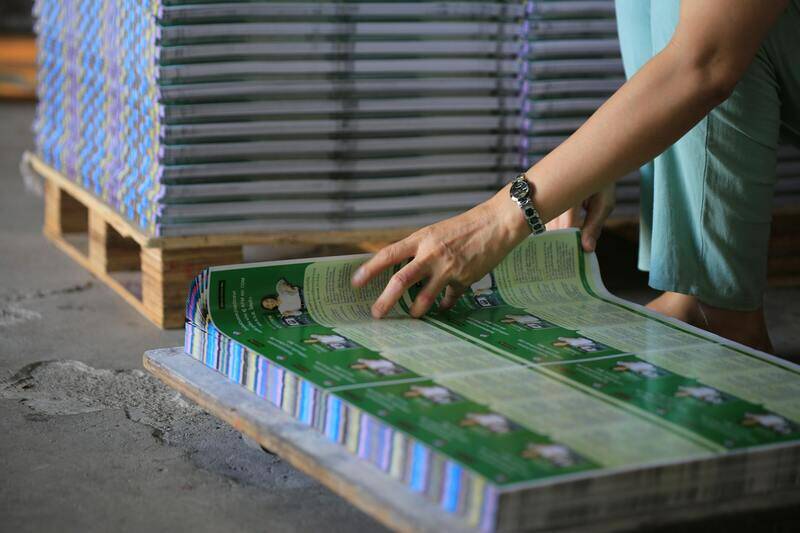
Booklet printing involves the precise process of transforming digital or physical designs into professionally printed, folded, and assembled publications that serve various purposes—from marketing materials to instructional manuals. The process requires a clear understanding of content organization, paper choices, binding methods, and finishing options to ensure that the final product aligns with the intended use and audience expectations.
Effective booklet printing prioritizes high-resolution images, clean typography, and balanced layouts that enhance readability and visual appeal. This is achieved through meticulous pre-press preparations, including color calibration and layout testing, to maintain consistency in print output. The importance of choosing the right printing method, paper type, and binding style cannot be overstated, as these factors directly influence durability, appearance, and cost.
Common applications of booklet printing encompass product catalogs, training manuals, event programs, promotional brochures, and educational materials. Each type of booklet demands specific design considerations to accommodate content volume and format, ensuring that information is conveyed effectively and professionally. Ultimately, the goal is to produce a visually compelling booklet that accurately represents the brand or message while meeting quality standards.
Key Aspects of Professional Booklet Printing
- Pre-press Preparation & Proofing
- Accurate Color Management
- High-resolution Graphics and Text
- Consistent Paper and Ink Quality
- Attention to Details in Folding and Binding
Choosing the Proper Materials
The selection of paper type and weight impacts the tactile experience, durability, and overall aesthetic of the booklet. Coated papers with gloss or matte finishes enhance image vibrancy and text sharpness, ideal for photographic content and vibrant graphics. Uncoated options provide a more natural, tactile feel suited for more textual or minimalistic designs.
Print Quality and Resolution
Opting for high-resolution printing (at least 300 DPI) ensures that images are sharp and text remains clear. Digital printing methods offer quick turnaround and flexibility for short runs, while offset printing excels with larger quantities and superior color fidelity. The choice depends on project scale, turnaround time, and quality expectations.
Content and Layout Optimization
Effective booklet design involves a strategic layout that guides the reader naturally through the content. This includes balanced use of headings, subheadings, images, and whitespace. Consistent margins and font choices foster readability, while visual hierarchy emphasizes key messages. Incorporating bleed and safe margins ensures that the design remains intact after trimming.
Considerations for Various Binding Types
- Saddle Stitching: Recommended for booklets with fewer pages; economical and straightforward.
- Perfect Binding: Suitable for thicker publications, offering a clean, professional appearance.
- Wire or Spiral Bindings: Facilitate easier page turning, suitable for manuals and guides.
Finishing Touches and Practical Tips
Adding finishing options like lamination, UV coating, embossed covers, or rounded corners can improve tactile quality and durability. It’s essential to request proofs or sample prints beforehand to verify color accuracy, binding quality, and overall presentation. Ensuring alignment and fold precision during production minimizes errors and enhances professionalism.
Effective Strategies for Booklet Printing
Ensuring Quality Through Certified Printing Methods
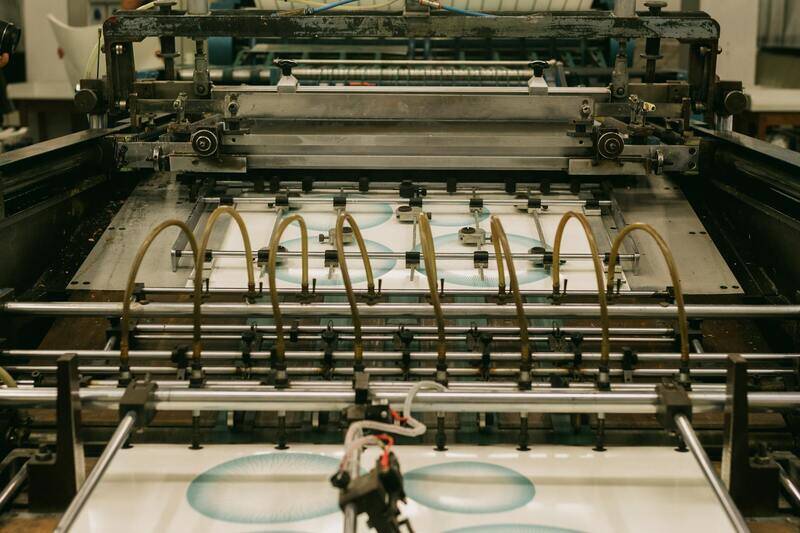
Achieving professional-quality booklet printing involves utilizing certified and reputable printing methods that guarantee sharp visuals and consistent color reproduction. When selecting a printing partner, it is crucial to verify their adherence to industry standards, which include the use of ISO-certified equipment and environmentally responsible practices. Digital printing is a prevalent option for short runs due to its speed and ability to produce vibrant color outputs with high resolution, typically at 300 DPI, ensuring that each image and text element remains crisp and clear. Offset printing, on the other hand, remains a preferred choice for larger quantities, providing superior color consistency and finer detail reproduction. Both methods employ specialized inks and precise registration techniques, which are essential for maintaining the integrity of intricate designs and dense color schemes in booklet production.
Choosing Appropriate Paper and Binding Techniques
The selection of paper stock significantly impacts the durability, appearance, and tactile experience of your finished booklet. Options range from matte to gloss finishes, with weight measurements typically between 80gsm and 170gsm. Thicker papers lend a luxurious feel, ideal for covers, while lighter papers are suitable for internal pages to optimize cost efficiency. Binding methods must align with the purpose and expected lifespan of the booklet. Common options include saddle stitching for short, lightweight booklets, perfect binding for thicker, professional-looking publications, and spiral or wire binding for items requiring frequent handling. Incorporating finishing touches like lamination, UV coatings, or embossed covers can enhance durability and visual appeal, protecting against wear and tear over time while elevating the overall presentation.
Ensuring Accurate Design and Layout
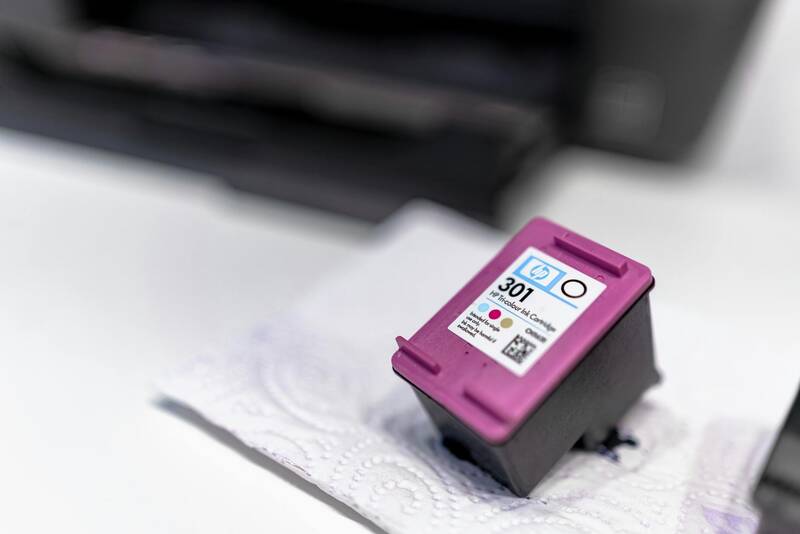
The layout and design of a booklet play a pivotal role in reader engagement and content clarity. Strategic use of color schemes, consistent font choices, and balanced margins foster easy navigation. Incorporating visual hierarchy—through the sizes of headings, subheadings, and images—guides readers seamlessly through information. Safe margins and bleed areas must be maintained to prevent content loss during trimming. Including ample whitespace enhances readability and prevents visual clutter, while grids and alignment tools help create a cohesive and professional appearance. Opting for templates that meet printing specifications ensures that the final print aligns with your digital design, eliminating unexpected discrepancies.
Implementing Digital and Offset Printing Processes
Choosing between digital and offset printing hinges on project scale and quality expectations. Digital printing offers rapid turnaround times and the flexibility for small batches, making it ideal for personalized or short-term projects. It employs toner or inkjet technology, enabling quick proofs and cost-effective short runs. Offset printing, utilizing plates and a rotary press, is best suited for bulk production, providing superior color accuracy, sharpness, and consistency across large quantities. Preparing print-ready files with proper color profiles, high-resolution images, and correct bleed settings ensures optimal results regardless of the method employed. Collaborating closely with your printing service provider throughout the proofing stage minimizes errors and guarantees that the final product aligns with your specifications.
Final Considerations in Booklet Printing Techniques
Expanding on the technical aspects of booklet printing, it is essential to understand the various legitimate methods that ensure high-quality results and durability of your printed editions. The choice of a printing process can significantly influence the overall look, feel, and longevity of your booklet, satisfying both aesthetic and functional criteria.
Digital vs. Offset Printing Revisited
Legitimate digital printing methods employ advanced toner or inkjet technology that allows for precise color replication and fast turnaround times. This makes digital printing particularly suited for short runs or when customized content is necessary. Offset printing, on the other hand, relies on transferring ink from plates to a rubber blanket before printing onto paper. This traditional method is ideal for large quantities, delivering consistent color and sharp images across hundreds or thousands of copies. Both methods are supported by specialized software that ensures files are correctly prepared with appropriate color profiles, bleed areas, and crop marks, facilitating smooth production workflows.

The Role of Finishing Techniques
After printing, the choice of binding and finishing methods can greatly impact the professional appearance and durability of your booklet. Legitimate binding options include saddle stitching, perfect binding, and wire or plastic comb binding, each suitable for specific types of projects and page counts. The selection depends on factors such as longevity, ease of use, and cost. Finish options like matte, gloss, or UV coating provide additional protection for printed surfaces, enhance visual appeal, and help prevent wear and tear over time.
Paper Types and Weight Classifications
The choice of paper influences both the tactile experience and visual quality of your booklet. Popular options include matte, gloss, and silk finishes, offering different levels of reflectivity and texture. Paper weights are measured in grams per square meter (gsm), with heavier weights (such as 170gsm-250gsm) providing a sturdier, more substantial feel, suitable for cover pages or high-end presentations. Lighter papers (around 80gsm-120gsm) are often used for internal pages, providing flexibility for folding and reducing bulk.
Environmental and Sustainability Considerations
Legitimate printing services prioritize environmentally responsible practices, including sourcing sustainable papers, utilizing soy-based or vegetable-based inks, and implementing recycling initiatives. Selecting eco-friendly materials not only reduces environmental impact but also appeals to environmentally conscious audiences, reinforcing a company's commitment to sustainability.

Quality Assurance Measures
To guarantee the final product meets designated standards, legitimate printing providers implement comprehensive quality control protocols. These include pre-press proofing, color calibration, and in-press inspections. Digital proofing affords clients an opportunity to preview layouts and colors before going into full production, mitigating errors and ensuring alignment with expectations. Regular communication and review during the process facilitate adjustments and guarantee a finished booklet that fulfills project specifications.
Final Tips for Optimal Booklet Outcomes
- Always work with reputable printing companies that adhere to recognized quality standards and use legitimate, industry-approved equipment.
- Prepare print files meticulously, ensuring high-resolution images (at least 300 dpi), correct color profiles, and proper bleed and margin settings to prevent content cropping issues.
- Request detailed quotes that itemize printing, binding, finishing, and shipping costs, allowing for transparent budgeting.
- Review proofs thoroughly—both digital and physical—to confirm that colors, layout, and content align with your expectations.
- Consider the intended use and audience to select appropriate paper stock, binding type, and finish, enhancing the booklet's overall impact and usability.
