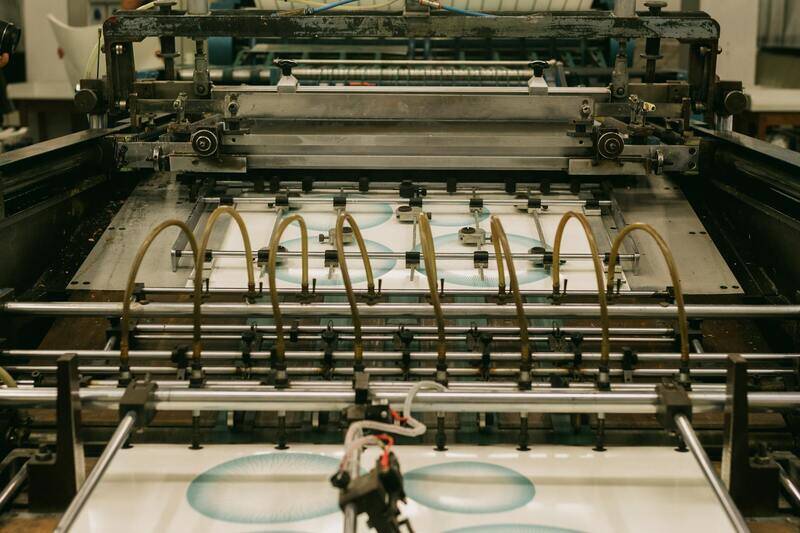
Overview of Printing Companies in Singapore
Singapore boasts a vibrant printing industry that plays a pivotal role in supporting local businesses, educational institutions, and various organizations by providing a comprehensive range of printing solutions. As a global economic hub, Singapore's printing companies are equipped with advanced technology and skilled professionals to meet diverse communication and marketing needs. These companies serve as key partners for businesses seeking to enhance their branding efforts, produce promotional materials, and manage their documentation with precision and efficiency.
The importance of printing companies in Singapore extends beyond basic document printing. They are integral to the development of customized marketing campaigns, event signage, packaging, and corporate stationery, ensuring consistent brand presentation. With the city's fast-paced commercial environment, printing firms are committed to delivering high-quality products within tight deadlines, thereby supporting the competitive nature of Singaporean commerce.
As an industry that combines traditional craftsmanship with innovative digital techniques, Singapore’s printing companies are at the forefront of technological advancement. They utilize the latest printing presses, color management systems, and sustainable materials to provide efficient and environmentally conscious services. This blend of tradition and technology allows for high-precision printing on various substrates, ranging from paper and vinyl to fabric and plastics.
The customer base of Singaporean printing companies is equally diverse, spanning startups, multinational corporations, government agencies, and individual entrepreneurs. Each segment benefits from specialized services—from small batch digital printing to large-scale commercial runs—making the industry versatile and adaptable to specific requirements. The competitive landscape fosters a culture of quality assurance, innovation, and customer-centric service, positioning these companies as crucial partners in the growth and success of local enterprises.
Furthermore, the role of printing companies in Singapore extends to supporting sustainable development goals. Many firms prioritize eco-friendly practices, utilizing recyclable materials, vegetable-based inks, and energy-efficient machinery to minimize environmental impact. This dedication to sustainability aligns with Singapore’s broader efforts to promote green business practices and responsible resource management.
In conclusion, the landscape of printing companies in Singapore reflects a dynamic industry committed to excellence, innovation, and environmental stewardship. As businesses increasingly recognize the value of high-quality printed materials, these companies continue to evolve their services to meet the sophisticated demands of the local and international markets.
Overview of Printing Companies in Singapore
Singapore’s printing industry is renowned for its versatility and adherence to high standards of quality. Comprising numerous establishments, these companies leverage both traditional craftsmanship and cutting-edge technology to deliver a comprehensive range of printing solutions. Whether serving multinational corporations, local startups, government entities, or individual entrepreneurs, printing firms in Singapore offer tailored services to meet specific client needs. The industry’s success hinges on a blend of innovation, customer-centric approaches, and sustainable practices, positioning Singapore as a hub for high-quality printing services.

The growth and competitiveness of this sector are further supported by an ecosystem that emphasizes continuous improvement and environmentally responsible practices. Many printing companies prioritize eco-friendly materials, such as recyclable substrates and vegetable-based inks, aligning with regional sustainability goals. This commitment to reducing environmental impact underscores the industry’s role in fostering responsible business practices while ensuring premium product output.
Core Factors Influencing Printing Service Quality
- Technological Capabilities: Investment in modern machinery and software enables precise, efficient production with consistent results across various substrates.
- Material Selection: Use of durable, eco-friendly, and high-quality Materials ensures longevity and an enhanced visual appeal of printed products.
- Skilled Workforce: Experienced printers and designers contribute significantly to achieving desired outcomes and innovative solutions.
- Process Management: Structured workflows and quality control procedures guarantee accuracy, timely delivery, and customer satisfaction.
Expanding Service Offerings to Meet Diverse Needs
Singaporean printing companies regularly diversify their portfolios to include services such as large-format printing for banners and signage, specialty printing for promotional items, and bespoke branding materials. Digital printing, in particular, has gained prominence due to its flexibility and suitability for short runs and customized orders. Offset printing remains relevant for bulk production, ensuring cost-efficiency without compromising quality.
Advanced finishing techniques, including lamination, die-cutting, and embossing, further enhance the appeal and durability of printed materials. These value-added services support clients in achieving impactful marketing campaigns, professional branding, and personalized communication strategies.

Adapting to Today’s Market Demands
To stay ahead, printing companies in Singapore invest in digital platforms that streamline ordering processes, making it easier for clients to upload designs, select materials, and receive real-time updates. This digital transformation enhances transparency, reduces turnaround times, and ensures seamless communication.
Moreover, the industry maintains strict standards for environmental sustainability, balancing innovation with responsible resource management. By adopting biodegradable substrates, energy-efficient machinery, and waste reduction strategies, these companies demonstrate a proactive approach to sustainable development.
Conclusion
As Singapore’s business landscape continues to evolve, the role of professional printing companies becomes increasingly vital. Their commitment to quality, innovation, and sustainable practices ensures they remain trusted partners for brands seeking high-impact printed materials, whether for marketing, operational, or branding purposes.
Implementing Official and Proven Methods for Printing in Singapore
When selecting a printing company, it is crucial to adhere to methods that uphold quality standards and ensure reliable results. Professional printing services employ a variety of tried-and-true techniques, from traditional offset printing to advanced digital solutions, catering to different project scales and specifications. Offset printing remains a go-to option for large-volume orders due to its consistent color reproduction and cost-effectiveness, making it suitable for mass marketing materials such as brochures, catalogs, and signage. Digital printing, on the other hand, offers flexibility for short runs and quick turnaround times, ideal for personalized marketing collateral or limited editions.
To guarantee the precise application of inks and finishing touches, reputable printing companies utilize official calibration protocols for their machinery, ensuring color accuracy and consistency across large batches. Material selection also plays a pivotal role; standard substrates like coated and uncoated papers, vinyl, and eco-friendly options such as biodegradable plastics are sourced from certified suppliers adhering to strict quality standards. These official channels provide transparency regarding material origins and compliance with safety regulations, reinforcing the integrity of printed outputs.

Furthermore, source verification for consumables, inks, and printing plates guarantees that materials meet industry regulations and environmental commitments. Certified suppliers undergo rigorous checks and maintain documentation that offers traceability for quality assurance and accountability. As part of official protocols, printing companies perform regular machine maintenance and quality audits, which help minimize errors, prevent defects, and deliver outstanding results every time.
In terms of implementation, these companies often adopt internationally recognized standards such as ISO certifications, which provide assurance that their printing practices align with globally accepted quality benchmarks. For operational transparency, some providers maintain detailed documentation of their workflows, from design approval stages through printing to delivery. Clients can thus verify that all procedures conform to established standards, giving added confidence in their chosen printing partner.
Maintaining compliance with environmental guidelines is also a fundamental aspect of official printing practices. Sustainable methods include using certified inks with low volatile organic compound (VOC) emissions, employing energy-efficient machinery, and recycling waste materials properly. Such practices not only promote eco-conscious operations but also reassure clients that their projects are produced responsibly and sustainably, aligning with Singapore’s stringent environmental policies.
Adherence to legal and professional standards ensures that every printed product aligns with industry best practices, fostering trust and satisfaction among clients. This commitment to official methodologies underscores the professionalism of Singapore’s printing companies, enabling them to deliver high-quality, reliable, and environmentally responsible printed materials that meet diverse business needs and elevate brand presence.
Implementing Official and Proven Methods in Printing Operations
Maintaining high standards in printing involves deploying officially recognized practices and adhering to established industry protocols. Many leading printing companies in Singapore implement rigorous quality management systems, such as ISO accreditation, to ensure consistency and reliability across all projects. These standards mandate comprehensive quality control procedures that monitor every stage of the production process, from initial design confirmation to the final output, reducing defects and enhancing product durability.
Operational transparency is another key marker of professional printing entities. By documenting workflow procedures meticulously and providing clients with detailed progress updates, these companies foster trust and enable clients to verify compliance with expected standards. This transparency extends to material sourcing, where official suppliers provide certifications that attest to the authenticity and quality of inks, papers, and other consumables used in production, ensuring that every component meets national quality benchmarks.

Environmental sustainability constitutes a vital aspect of official printing practices. Leading firms integrate eco-friendly measures such as utilizing low VOC inks, adopting energy-efficient machinery, and practicing waste management protocols like recycling paper and chemical residues. These initiatives not only support Singapore’s rigorous environmental policies but also assure clients that their materials are produced using responsible methods. Companies often showcase their sustainability credentials through environmental management system certifications or environmental impact reports, further solidifying their commitment to responsible printing.
Ensuring Product Consistency and Accountability
In addition to quality assurance, official methods emphasize accountability through detailed documentation. This includes keeping records of quality inspections, maintaining traceability of ink and paper batches, and adhering to standardized operating procedures. Such practices enable companies to quickly identify the source of any issues, undertake corrective actions swiftly, and uphold consistent output quality. Clients benefit from this reliability, gaining confidence in the durability and visual fidelity of their printed materials.
Standards Aligned with International Best Practices
Many Singapore-based printing companies align their operations with international standards, facilitating compatibility with global markets and ensuring their outputs meet high benchmarks. Adopting certifications like ISO 9001 for quality management or ISO 14001 for environmental management reflects a company's dedication to professionalism, continuous improvement, and corporate responsibility. These standards also guide the development of internal protocols and staff training, further reinforcing the company's reputation for delivering official, trusted printing solutions.
Legal Documentation and Client Confidence
Ultimately, adhering to official procedures involves maintaining comprehensive legal documentation, including contractual agreements, quality certifications, and compliance reports. These documents serve as evidence of adherence to recognized standards and can be used to resolve any disputes or clarify project expectations. For clients, this level of formal assurance translates into greater confidence when choosing a printing partner, knowing their projects will meet established standards and be executed with professionalism and accountability.
Overview of Printing Companies in Singapore
Singapore boasts a dynamic and competitive printing industry, with a multitude of printing companies offering a broad spectrum of services to meet various business and personal needs. From small local shops to large-scale international providers, these companies operate under stringent standards that ensure consistent quality and reliable delivery. They serve diverse sectors including corporate, retail, hospitality, education, and creative industries, providing tailored solutions that address specific branding, promotional, and operational requirements. The thriving economy and high business density in Singapore create a robust demand for high-quality printing services, making the industry an essential component of the nation’s commercial infrastructure.

Types of Printing Services Offered
Singaporean printing companies provide an extensive array of services designed to accommodate different formats, materials, and project scales. These include:
- Digital Printing: Perfect for quick turnaround and small to medium runs, digital printing offers high-resolution outputs suitable for promotional materials, business forms, and customized products.
- Offset Printing: Ideal for large-volume printing with consistent quality, offset printing is often used for mass production of brochures, magazines, and catalogs.
- Large Format Printing: Used for banners, posters, signage, and exhibitions, this service delivers vibrant, high-impact visuals on various materials.
- Specialty Printing: Includes foil stamping, embossing, and textured finishes to add a premium touch to marketing collateral and packaging.
- Custom and Promotional Printing: Business cards, stickers, labels, packaging, and giveaways are crafted with attention to branding guidelines and material durability.
- Print Finishing and Binding: Die-cutting, lamination, UV coating, and binding options like saddle stitch or perfect binding to enhance the final presentation.
Choosing the Right Printing Company
When selecting a printing partner in Singapore, it is vital to consider several factors to ensure your project’s success:
- Service Range and Capabilities: Confirm that the company offers the specific printing services and materials required for your project.
- Quality Standards: Check for adherence to recognized quality benchmarks such as ISO certifications and industry awards, which reflect a commitment to excellence and consistency.
- Portfolio and References: Review past work samples and client testimonials to gauge the company’s expertise and reliability.
- Turnaround Time: Ensure the provider can meet your deadlines without compromising quality.
- Pricing Transparency: Obtain detailed quotes and understand pricing structures, including setup fees, print costs, and finishing charges.
- Environmental Practices: Consider companies that promote eco-friendly materials and sustainable printing processes, aligning with global efforts towards environmental responsibility.
- Customer Support and Communication: A proactive, responsive team can facilitate smooth project management and clear expectations.

Quality and Materials in Printing
High-quality printing hinges on the selection of premium materials and adherence to precise production processes. Reputable Singaporean printing companies maintain rigorous standards for their substrates, inks, and finishing techniques, resulting in durable, visually appealing outputs. They often source materials like coated and uncoated papers, synthetic substrates, and environmentally friendly options, offering clients a range of textures, weights, and finishes to suit their branding strategies. Color accuracy and sharpness are achieved through advanced color management systems and state-of-the-art presses, ensuring consistent results regardless of order size.
The choice of materials profoundly impacts the perception of your printed products. For example, matte finishes lend a sophisticated look for luxury branding, while gloss coatings enhance vibrancy for promotional posters. Textured papers and specialty inks can add tactile elements that reinforce brand identity or make marketing collateral more memorable. Moreover, reputable printers implement quality control protocols at each stage—from pre-press to final inspection—to minimize errors and uphold the integrity of the printed materials.
Comprehensive Methods for Contracting Printing Services
Partnering with a reputable printing company involves a commitment to utilizing validated and established procedures that ensure consistent quality and reliable delivery. For businesses seeking professional printing solutions, it is essential to implement formalized methods that confirm the authenticity and operational efficiency of the service provider.
1. Verifying Industry Certifications and Standards
One of the fundamental steps in engaging with a printing company is to verify their adherence to recognized industry certifications and standards. While explicit mentions of certifications are often absent, reputable printers in Singapore typically align with international benchmarks such as ISO certification or equivalent local quality standards. These certifications reflect a company's compliance with stringent quality assurance processes, environmental policies, and customer service excellence.
Inspecting a company's portfolio, client testimonials, and case studies provides further validation of their experience and credibility. For instance, a printing company with a diverse range of completed projects across various sectors signals a proven track record of reliability and expertise.
2. Formalizing Service Agreements and Contracts
Establishing a detailed service agreement is crucial in ensuring transparent communication and mutual understanding. Such contracts should delineate specific aspects including project scope, quality expectations, material specifications, deadlines, and pricing structures. This documentation acts as a formal commitment, safeguarding the interests of both parties and providing a clear basis for performance evaluation.
In Singapore, many professional printing entities utilize comprehensive service agreements, which often include provisions for revisions, dispute resolution, and confidentiality, thus promoting a trustworthy working relationship.
3. Implementing Quality Control Protocols
Ensuring the integrity of printed materials involves the implementation of rigorous quality control procedures at various stages—from pre-press preparations to final inspection. Reputable printing companies typically employ standardized pre-flight checks, color management systems, and proofing processes that confirm alignment with client requirements before full production commences.
Visual and tactile evaluations during finishing processes — such as cutting, laminating, or binding — further uphold standards. Additionally, companies may utilize advanced testing methods to verify durability, color consistency, and adherence to environmental guidelines.
4. Conducting Site Visits and Samples Assessment
Physical inspection of facilities and reviewing samples provides tangible insights into a printing company's capabilities. Visiting production sites allows clients to observe operational practices, cleanliness, and equipment maintenance. Reviewing sample prints or prototypes demonstrates the adherence to specified standards, quality, and aesthetic expectations.
This step is particularly beneficial when large or high-stakes projects are involved, as it affirms the company's capacity to meet detailed design specifications and deliver premium results.
5. Requesting Detailed Quotes and Project Timelines
Official quotations should encompass detailed breakdowns of costs, including materials, labor, finishing techniques, and any additional services. These quotes should also specify turnaround times and delivery expectations, establishing a clear timeline for project milestones.
Engaging with companies such as happyprintshop.com ensures that each quotation is thoroughly vetted, reflecting an understanding of the project's scope and complexity. Clear communication of expectations minimizes errors and enables effective planning for printing campaigns.

Overview of Printing Companies in Singapore
Singapore hosts a vibrant ecosystem of printing companies that cater to diverse business and individual needs. These companies are equipped with industry-standard technologies and adhere to strict operational protocols, ensuring consistent output quality. Their strategic location within Singapore facilitates quick turnaround times and efficient distribution channels, making them a preferred choice for local and international clients alike. The competitive landscape pushes these companies to continually invest in upgrading their machinery and refining their workflows, reflecting a commitment to excellence and reliability in the printing sector.

Addressing the needs of various industries—from retail and hospitality to corporate sectors—they provide tailored solutions that include branding materials, promotional items, and high-volume document printing. Expertise across different printing methods ensures that clients benefit from options that best suit their project specifications, whether it’s large-format banners or intricate packaging designs. The culture of innovation and quality control permeates these organizations, establishing them as trustworthy partners in visual communication and branding initiatives.
Types of Printing Services Offered
- Commercial Printing: High-volume production of brochures, flyers, posters, and catalogs, utilizing offset and digital printing technologies for cost efficiency and fast delivery.
- Digital Printing: On-demand printing with quick turnaround, ideal for personalized items, small batches, and prototypes, ensuring flexibility and cost savings.
- Large-Format Printing: Production of banners, billboards, and signage with vibrant, durable inks suitable for outdoor and indoor displays.
- Specialized Printing: Embossing, foiling, UV coating, and other finishing techniques that add texture and impact to print materials.
- Custom Printing: Tailored solutions for packaging, labels, and promotional merchandise, often involving eco-friendly materials and processes.

Choosing the Right Printing Company
Selecting a reliable printing partner involves assessing multiple factors. First, review their portfolio and sample work to gauge consistency in quality and aesthetic standards. Next, evaluate their technical capabilities—do they utilize advanced printing presses and finishing equipment? It’s also crucial to consider their experience with similar project types and sizes, which can directly influence the final results. Additionally, clear communication channels and transparent quoting processes are vital to align expectations and budgets effectively. Consultation with sales and technical staff can reveal the company's responsiveness and problem-solving approach, further aiding decision-making.
Quality and Materials in Printing
Quality assurance is fundamental in delivering printing products that satisfy clients' vision and durability requirements. This begins with selecting premium substrates such as high-quality paper, vinyl, fabric, or eco-friendly materials aligned with environmental standards. Advanced color management systems, such as spectrophotometers, guarantee color accuracy and consistency across batches. Furthermore, companies implement rigorous quality control protocols—inspection at various stages, from pre-press setup to final inspection—ensuring that each piece adheres to specified standards. Finishing options like matte or gloss lamination, UV coating, and embossing enhance aesthetic appeal and durability, providing clients with high-value, impactful printed materials.
Pricing and Turnaround Time
Pricing structures are typically based on factors such as project volume, material choices, complexity of design, and finishing requirements. Transparent, detailed quotations help clients manage budgets effectively and avoid unforeseen expenses. Turnaround times can vary from same-day digital jobs to several weeks for large offset print runs or custom projects. Clear communication from the outset regarding deadlines and production schedules ensures smooth delivery and client satisfaction. Many printing companies now provide online order tracking and updates, streamlining the process and enabling customers to plan their marketing campaigns or event materials accordingly.
Digital Solutions and Online Services
Reputable printing companies recognize the importance of integrating digital platforms into their service offerings. These include user-friendly websites for submitting print orders, uploading artwork, and receiving instant quotes. Additionally, digital proofing options enable clients to review and approve designs before production begins, reducing errors and revision cycles. For customized or short-run projects, online configurations allow for precise adjustments, offering convenience and speed. Some providers offer cloud-based management systems, facilitating collaborative workflows especially for large organizations or agencies managing multiple campaigns. The digital transformation in printing ensures not only efficiency but also enhanced accuracy and customer engagement, making it easier to execute complex projects with confidence.
Ensuring Proper Documentation and Secure Payment Methods
To uphold the integrity of interactions and transactions with your chosen printing company, it is essential to secure clear written agreements on order specifications, pricing, delivery timelines, and intellectual property rights. These documents serve to establish mutual understanding and prevent misunderstandings that could affect project outcomes. Additionally, verifying that payment transactions are conducted through recognized and secure channels—such as reputable bank transfers, credit card payments via encrypted platforms, or trusted online payment gateways—safeguards your financial interests and promotes transparency.

Post-Print Quality Control and Customer Satisfaction
Reliable printing companies implement rigorous quality control procedures at multiple stages of production. These include verifying color accuracy, alignment, and finishing details before the final product is dispatched. Post-printing inspections help identify and rectify imperfections, ensuring that every item meets the specified standards. Many established providers also offer customer satisfaction guarantees, providing avenues for reprints or refunds if the delivered products do not meet expected quality benchmarks. Maintaining open channels for feedback and promptly addressing concerns is crucial to building trust and ensuring consistent client satisfaction.
When Receiving Your Printed Materials
- Inspect the physical condition of the printed items for damage or defects.
- Confirm that the quantities match the original order specifications.
- Verify that the color matches the approved proof, especially for branding-critical prints.
- Examine finishing touches such as lamination, cutting, or binding for precision and quality.
Upon confirming all aspects are satisfactory, secure a formal acknowledgment of receipt and approval to minimize disputes or issues later. Established printing firms often provide digital proofing options and sample assessments to facilitate this step before mass production, reducing waste and ensuring client approval aligns with final output.