
Overview of Customized Printing Services
Customized printing services have become an essential element for businesses, organizations, and individuals seeking to create personalized materials that stand out. These services allow for tailored design, size, and material choices, making each printed product uniquely suited to its purpose. In Singapore, a thriving hub for commerce and innovation, customized printing plays a pivotal role in branding, marketing campaigns, event promotions, and personal projects. From eye-catching business cards to intricate packaging solutions, these services harness advanced technology and a wide array of materials to deliver high-quality, personalized outcomes.

Customized printing services provide a practical solution for entities aiming to communicate their identity effectively. By utilizing printed materials that reflect specific branding elements or personal preferences, clients can enhance brand recognition, foster customer loyalty, and create memorable impressions. The importance of such services is evident in various sectors, including retail, hospitality, corporate events, education, and personal celebrations. Singapore's dynamic economy and competitive environment make it imperative for brands to differentiate themselves through innovative and personalized printed materials.
Types of Custom Printing Offered
- Business Collateral: including business cards, letterheads, and presentation folders tailored with brand-specific design elements.
- Marketing Materials: such as flyers, brochures, posters, and banners customized for targeted campaigns.
- Product Packaging: including boxes, pouches, and labels designed to enhance product appeal and convey brand identity.
- Promotional Items: like tote bags, apparel, and stationery personalized with logos and designs.
- Event Merchandise: including invitations, name tags, and signage crafted to match event themes.
Materials and Technologies Used
The range of materials utilized in customized printing spans from paper stocks such as gloss, matte, and textured finishes to specialty materials like vinyl, fabric, and eco-friendly options. Technological advancements in digital, offset, and large-format printing enable precise, vibrant, and durable outputs across various media. Techniques like UV printing, dye sublimation, and hot stamping further enhance customization capabilities, allowing for intricate designs and vibrant color reproduction. These innovations ensure that each print aligns with clients' specifications and maintains long-term quality.
Benefits of Customized Printing Services
- Brand Differentiation: stands out in competitive markets by producing unique, memorable materials.
- Enhanced Visibility: personalized designs attract more attention, increasing brand recall.
- Targeted Messaging: allows businesses to tailor content specific to their audience and campaign goals.
- Flexibility and Creativity: extensive options in design, material, and size empower clients to realize their vision.
- Cost Efficiency: short runs and on-demand printing reduce excess inventory and waste.
Factors to Consider When Choosing a Printing Provider
When selecting a customized printing service, clients should evaluate several key aspects to ensure their expectations are met:
- Printing Quality: Consistent high standards in color accuracy, finishing, and durability are crucial.
- Material Options: A wide selection ensures suitability for different applications and budgets.
- Technology Capabilities: Advanced equipment can provide better resolution, faster turnaround times, and innovative finishes.
- Customer Support: Responsive and professional assistance enhances the overall experience.
- Pricing and Turnaround: Clear pricing structures and prompt delivery are vital for project planning.
- Portfolio and Reputation: Reviewing past work and client testimonials helps gauge reliability and expertise.
Applications of Customized Printing
Customized printing finds extensive use across various industries and personal occasions:
- Branding: logos on business cards, banners, and corporate gifts.
- Event Planning: invitations, decorations, and signage tailored for weddings, parties, and conferences.
- Retail: product labels, packaging, and promotional displays designed to attract consumers.
- Education: certificates, awards, and learning materials personalized for students and staff.
- Personal Projects: customized gifts, apparel, and craft items for special occasions.
Cost and Turnaround Time
Pricing for customized printing varies depending on factors such as material choice, design complexity, quantity, and finishing options. Typically, digital printing offers cost-effective solutions for small to medium runs, while offset printing is more economical for larger quantities. Turnaround times can range from a few days to multiple weeks, depending on project intricacy and order volume. Many providers in Singapore offer expedited services to meet urgent deadlines, ensuring clients receive their products promptly without compromising quality.
Future Trends and Innovations in Customized Printing
The landscape of customized printing continues to evolve through technological innovation and emerging trends. Digital printing advances facilitate even more personalized, short-run productions with quick turnarounds. Eco-friendly materials and sustainable printing methods are gaining traction, aligning with global environmental concerns. Additionally, augmented reality integration into print materials offers interactive experiences that bridge digital and physical media. As sustainability and personalization become increasingly vital, the industry is poised to deliver even more versatile, innovative, and eco-conscious solutions tailored to diverse needs.
Materials and Technologies Used in Customized Printing Services
To achieve high-quality, durable, and visually appealing printed products, providers utilize a variety of materials and advanced printing technologies. The choice of materials significantly influences the final product's aesthetic appeal, longevity, and suitability for specific applications.

Common Materials Utilized
- Paper and Cardstock: Ranging from standard copier paper to premium textured cardstock, ideal for business cards, brochures, and invitations.
- Textiles: Including cotton, polyester, and blends for apparel, tote bags, and other fabric items.
- Plastics and Polymers: Used in creating durable labels, stickers, and signage.
- Specialty Materials: Eco-friendly options such as recycled paper or biodegradable plastics, aligning with sustainability goals.
Technologies Powering Customized Printing
- Digital Printing: Enables quick turnaround, high-resolution images, and cost-effective short runs—perfect for personalized gifts and promotional items.
- Offset Printing: Suitable for larger volume orders, offering consistent color accuracy and crisp details on various substrates.
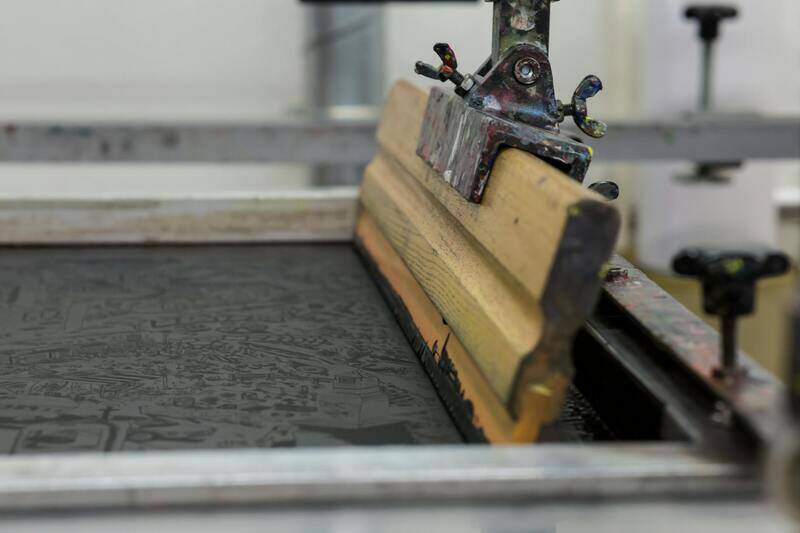
- Screen Printing: Widely used for textiles and promotional apparel, providing vibrant colors and durability in printing on fabric surfaces.
- UV Printing: Allows direct printing on complex shapes and hard surfaces, creating eye-catching signs, labels, and packaging.
- Sublimation Printing: Ideal for reproducing vibrant images on polyester fabrics and specially coated surfaces, often used in custom apparel and accessories.
Emerging Trends and Sustainable Practices
Innovations such as eco-solvent inks, water-based dyes, and biodegradable substrates are increasingly adopted by printing service providers to promote environmental sustainability. Additionally, the integration of augmented reality (AR) and other digital enhancements into print materials is creating engaging, interactive experiences that bridge the gap between digital and physical media.
Choosing the Right Materials and Technology for Your Project
When selecting materials and printing technology, it is crucial to consider factors such as the intended use of the product, budget constraints, and desired quality level. For instance, high-volume bulk printing might benefit from offset printing due to its efficiency and cost-effectiveness, while personalized, short-run projects can leverage the flexibility of digital printing. Quality assurance processes, including color matching and material compatibility, are also vital to ensure the final product meets expectations and achieves the desired impact.
Custom printing services often work with clients to identify the most suitable combination of materials and technologies, ensuring optimized results tailored to each specific project. This collaborative approach helps in realizing creative ideas effectively while maintaining standards of durability and visual appeal.
Materials and Technologies Used
Selecting the appropriate materials and printing technologies is fundamental to achieving high-quality customized prints that align with the project’s goals. Various printing techniques are available, each suited for specific applications and material types. Digital printing offers remarkable flexibility and is ideal for short runs, personalized items, and quick turnaround times. It uses inkjet or laser technology to produce vibrant images directly onto substrates such as paper, fabric, or plastics, ensuring sharp detail and a broad color spectrum. Screen printing remains a popular choice for bulk production and designs requiring bold colors, especially on textiles like t-shirts, bags, and banners. It involves creating a stencil (or screen) for each color and applying inks directly through the mesh, resulting in durable, vibrant prints suitable for promotional items and apparel. Sublimation printing is particularly effective for producing high-resolution images on polyester fabrics and coated surfaces. This method involves transferring dye-based inks onto substrates using heat and pressure, resulting in vibrant, long-lasting images without the feel of ink layers on the surface. In addition to these core techniques, a variety of materials are used across different projects:
- Fabrics: Cotton, polyester, microfiber, and blends are used for apparel, accessories, and banners, with specific treatments to optimize print adhesion and durability.
- Plastics and vinyl: Used predominantly for signs, decals, and promotional stickers, offering weather-resistant qualities for outdoor use.
- Papers and cardstocks: Essential for stationery, flyers, posters, and packaging inserts, with options for matte, gloss, or textured finishes to enhance visual appeal.
- Biodegradable substrates: Eco-friendly options such as plant-based plastics and recycled materials support sustainability goals.

Adoption of Sustainable Technologies
More printing service providers are incorporating eco-conscious practices by opting for environmentally friendly inks like water-based and soy-based dyes. These formulations reduce volatile organic compound (VOC) emissions, making the process safer for operators and less harmful to the environment. Additionally, biodegradable fabrics and recyclable substrates are increasingly used in projects to minimize waste. Innovative digital enhancements such as augmented reality (AR) integration are transforming traditional print materials into interactive experiences. By embedding AR markers within printed designs, customers can engage with digital content through smartphones, creating dynamic touchpoints that enhance brand engagement and provide immersive storytelling opportunities.
Key Considerations for Selecting a Customized Printing Services Provider
Choosing the right partner for customized printing services involves a thorough assessment of several critical factors. First and foremost, evaluating the quality standards and consistency of the print outputs is essential. Industry-leading providers employ state-of-the-art printing technologies and high-grade materials to ensure that every product meets strict quality benchmarks, resulting in vibrant colors, sharp details, and durable finishes.
It is equally important to verify the range of customization options available. A reputable service should offer a variety of design templates, fonts, colors, and finishing touches such as embossing, debossing, or gloss coating. This flexibility allows clients to bring their unique branding visions to life, whether for business promotions, personal gifts, or event memorabilia.

Turnaround time and reliability are pivotal in meeting project deadlines. Leading providers typically have streamlined processes and extensive capacity, enabling rapid production and delivery without compromising quality. Clear communication regarding timelines and order tracking ensures clients remain informed throughout the process.
Transparency in pricing and the availability of comprehensive service packages helps manage expectations and facilitates budget planning. Clients should seek providers who offer detailed quotes that encompass all costs, including setup fees, printing charges, and shipping expenses, to avoid unexpected costs.
Technological Capabilities and Sustainable Practices
Advanced digital printing techniques, such as UV, sublimation, or eco-solvent printing, enable the creation of vibrant, detailed images on a variety of substrates. These technologies support smaller runs and quick turnaround times, making them ideal for personalized projects. Moreover, many providers incorporate sustainable practices by utilizing eco-friendly inks, recyclable materials, and biodegradable substrates, aligning with growing environmental consciousness among consumers.

Innovation is continually shaping the landscape of customized printing. The integration of augmented reality (AR) features into printed materials transforms static visuals into interactive experiences. This dynamic approach not only enhances user engagement but also offers novel avenues for storytelling and brand interaction, setting a new standard for personalized marketing solutions.
When selecting a printing service, evaluating the provider’s technological infrastructure and environmental commitments ensures alignment with your project’s goals and corporate values. The synergy of advanced capabilities and eco-consciousness often results in higher-quality outputs and a positive brand image.
Overview of Customized Printing Services
Customized printing services are an essential resource for individuals and businesses seeking to create personalized products that stand out. These services enable clients to produce unique designs on a wide variety of substrates, including paper, fabric, plastic, and other materials. The process involves adapting printing techniques to meet specific aesthetic and functional requirements, ensuring that each project aligns precisely with the client's vision.
When exploring customized printing solutions, it’s important to consider the scope of options available, from small-scale personal projects to large corporate campaigns. Reliable providers employ advanced technology and adhere to strict quality standards to deliver consistent, vibrant, and durable results. This personal touch not only enhances brand recognition but also encourages customer loyalty by offering products that resonate on a deeper level.
Types of Custom Printing Offered
Customized printing providers typically offer a diverse range of printing solutions to suit various project requirements:
- Business branding materials: Business cards, letterheads, envelopes, and branded packaging that reinforce corporate identity.
- Promotional items: Custom stickers, badges, tote bags, and giveaways designed to increase brand visibility.
- Event-specific products: Invitations, banners, and signage for weddings, conferences, or special occasions.
- Apparel and textiles: T-shirts, caps, uniforms, and other clothing items with personalized prints.
- Creative artwork and personal projects: Art prints, photo books, and custom stationery with unique designs.
Materials and Technologies Used
Innovative printing technologies allow for a broad spectrum of applications, each suitable for different materials and desired effects:
- Digital printing: Ideal for short runs with quick turnaround times, producing high-resolution images on various substrates.
- UV printing: Uses ultraviolet light to cure inks instantly, suitable for printing on non-porous surfaces like plastics and metals.
- Sublimation printing: Great for fabric printing, enabling vibrant, all-over designs on textiles like polyester.
- Eco-solvent and solvent printing: Supports outdoor and waterproof applications with environmentally friendly inks on flexible materials.
The selection of materials includes recyclable papers, biodegradable substrates, and eco-friendly inks, reflecting a trend towards sustainable practices without compromising quality.
Application of Customized Printing
Customized printing services serve a broad spectrum of applications across various sectors, enabling brands and individuals to express identity, promote products, or commemorate special events through tailored printed materials. The versatility of these services allows businesses to create consistent branding imagery on diverse surfaces, from corporate merchandise to retail displays, ensuring impactful visual engagement.
Corporate Branding and Promotions
Companies leverage customized printing to produce branded assets such as business cards, letterheads, and packaging that reinforce their corporate identity. Promotional items like branded tote bags, stickers, and badges serve as effective marketing tools, increasing visibility and fostering brand recognition. Additionally, event-specific products—including invitations, banners, and signage—are customized to match the theme or message of corporate events, conferences, and product launches, creating memorable experiences for attendees.
Retail and Displays
Retail outlets utilize customized signage, window decals, and product labels to attract customer attention and communicate key information. Custom printed displays and banners are often used for seasonal sales or promotional campaigns, aligning visual messaging with ongoing marketing strategies. These tailored visual elements enhance the retail environment and improve customer engagement through compelling visuals and personalized messaging.
Uniforms and Apparel
From employee uniforms to promotional apparel, customized printing on textiles offers a practical and stylish solution for brand consistency. Logo placement on T-shirts, caps, and workwear not only promotes brand awareness but also fosters a sense of team unity. Advances in textile printing technologies enable high-quality, durable prints on various clothing materials, accommodating small batches or large-scale orders efficiently.

Personalized Gifts and Personal Projects
Customized printing services also cater to personal needs, offering options for art prints, photo books, and custom stationery. These personalized products serve as thoughtful gifts or cherished keepsakes, capturing individual memories or artistic expressions through tailored designs. The ability to produce unique, one-of-a-kind items enhances personal creativity and makes special occasions even more memorable.
Signage and Event Materials
Events such as weddings, parties, and trade shows benefit greatly from customized signage and event materials. Banners, posters, and table displays featuring personalized graphics and messages help create cohesive visual themes. Custom printed invitations, programs, and directional signage contribute to a seamless event experience, while also serving as lasting mementos.

Overall, the adaptability of customized printing services makes them an essential component for effective branding, marketing, and personal expression, capable of translating creative concepts into tangible, impactful products tailored to meet precise specifications and objectives.
Understanding the Official Methods for Customized Printing Services
Securing customized printing services through official channels ensures that your projects are executed with quality, reliability, and adherence to industry standards. These methods rely on industry-approved workflows, professional-grade equipment, and proven printing techniques that deliver sharp, durable, and vibrant results. Clients benefit from a structured process that involves consultation, design validation, material selection, and quality assurance, guaranteeing that every product meets the desired specifications.
Standardized Printing Procedures
Utilizing standardized procedures involves a series of carefully managed steps, beginning with detailed design input and digital pre-press preparations. Once the design files are verified and optimized, high-end printing machines with calibrated settings produce consistent outputs. These procedures often include color matching protocols, proof approvals, and inspection checkpoints, minimizing discrepancies and ensuring fidelity to the original design.
Legal and Industry-Compliant Equipment
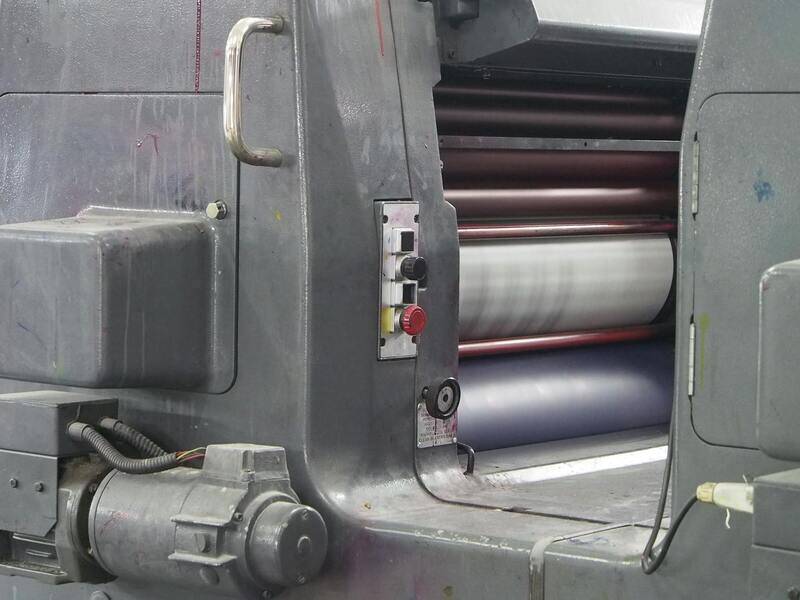
Official printing facilities operate with equipment that complies with safety and environmental standards, including advanced digital and offset printers, heat presses, and finishing tools. These tools are maintained regularly to uphold precise calibration, guaranteeing color accuracy and durable results. Moreover, use of certified inks and materials results in end products that are safe for various applications, conforming to health and safety regulations.
Design Verification and Approval Processes
Part of legitimate printing methods includes comprehensive design verification stages. Clients are typically provided with digital proofs or sample swatches for approval before full-scale production begins. This step ensures that the final output aligns with the client’s expectations, avoiding costly reprints or modifications. These formal approval processes also help in adhering to contractual timelines and quality benchmarks.
Traceability and Documentation
Official printing operations maintain detailed records of each project, including material sources, printing settings, batch numbers, and inspection reports. This traceability facilitates accountability and quality control, allowing for prompt resolution of any issues that may arise. Documentation also supports compliance with industry standards and provides reassurance to clients regarding the legitimacy of their customized printing services.
Engaging with Accredited Printing Providers
Choosing a recognized and accredited printing provider involves verifying their certifications, review of client testimonials, and inspection of their facilities. Reputable companies will display their credentials prominently and possess extensive portfolios demonstrating their capabilities. Engaging with such providers ensures that your customized print jobs are handled with professionalism, expertise, and adherence to established standards.
Ensuring Ethical and Sustainable Practices
Official methods emphasize the importance of sustainability, prompting providers to adopt environmentally responsible practices. This can include using eco-friendly inks, recyclable packaging, and energy-efficient machinery. These practices not only comply with regulations but also reflect a commitment to corporate responsibility, which clients increasingly prioritize in their procurement choices.
Final Insights into Customized Printing Services
Choosing the right provider for customized printing services demands careful evaluation of their operational standards and adherence to established procedures. Genuine providers employ comprehensive quality management protocols, encompassing detailed project documentation which tracks every aspect of the printing process. This includes sourcing of materials, specific printing parameters, batch numbers, and rigorous inspection reports. Such meticulous record-keeping not only facilitates consistent quality but also enhances accountability, reassuring clients of the integrity behind their custom print jobs.

Engagement with recognized printing entities involves verifying their credentials through certifications and reviewing their portfolios. Trusted providers typically showcase certifications from industry authorities, environmental standards, and quality assurance bodies. Their portfolios often include diverse completed projects, illustrating their versatility and proficiency in handling various customization requirements. Such transparency allows clients to assess their capabilities and align expectations accordingly. Additionally, professional providers adopt eco-conscious practices—using environmentally friendly inks, recyclable packaging materials, and energy-efficient machinery—demonstrating their commitment to sustainable operations. These measures not only comply with environmental guidelines but also resonate with clients who value corporate responsibility.
Employing certified equipment and standardized procedures forms the foundation of dependable customized printing operations. This systematic approach ensures precision, reduces errors, and enhances overall output quality. By prioritizing official methods and adhering to best practices, reputable printing providers deliver reliable services that meet high standards of excellence and customer satisfaction.
Emerging Trends and Future Outlook in Customized Printing
The industry is witnessing rapid innovations driven by advanced technologies and shifting consumer preferences. 3D printing, for instance, is opening new avenues for highly customized, complex products that were previously difficult to produce. Eco-friendly materials are gaining prominence, with providers offering biodegradable, recyclable, or organic inks and substrates that reduce environmental impact. Digital on-demand customization enables real-time adjustments, allowing clients to personalize products swiftly without incurring significant costs or delays.
Furthermore, integration of smart printing solutions with digital platforms facilitates seamless order placement, tracking, and management, elevating the end-user experience. As industries move toward more sustainable and versatile operations, customized printing providers will continue to innovate, leveraging new materials and technologies to meet the evolving market demands with greater efficiency and environmental consciousness.
