
Understanding Large Format Printing
Large format printing is a specialized printing process designed to produce high-quality visual displays on oversized surfaces. This technique is primarily utilized for creating banners, posters, billboards, wall murals, and trade show displays where scale and clarity are crucial. Unlike conventional printing methods, large format printing accommodates dimensions that typically exceed 24 inches in width, allowing for impactful visual communication that commands attention from afar.
Its application spans multiple industries, including retail, event management, real estate, and hospitality. Retail businesses leverage large format prints for in-store advertisements to enhance product visibility and brand messaging. Event organizers use these prints to create engaging backdrops and signage that enhance the overall atmosphere of a venue. Real estate agencies depend on large-scale banners to promote property openings and sales. Moreover, public installation projects and artistic murals benefit from the durability and vibrancy that large format printing offers.
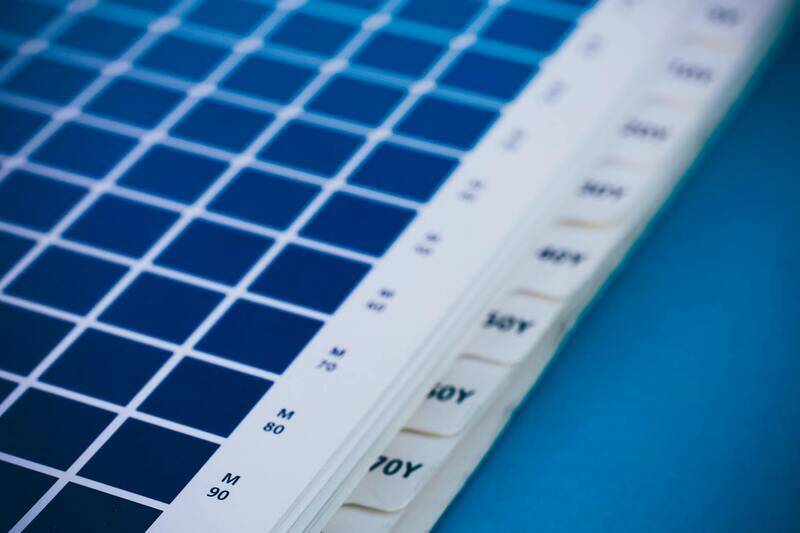
The significance of large format printing lies in its ability to transform plain surfaces into visually compelling narratives. When executed with precision, these prints can significantly elevate a brand’s visibility and convey messages effectively to target audiences. The versatility of materials and technologies involved in large format printing also means that businesses can tailor their displays to suit different environments and purposes, whether they require indoor or outdoor solutions, temporary or permanent installations.
In a competitive marketplace, the capacity to produce vivid, large-scale visuals quickly and reliably offers a strategic advantage. Businesses that partner with a reputable large format printing company gain access to advanced machinery, high-quality materials, and expert guidance, ensuring their printed displays meet exact specifications and stand the test of time. This not only amplifies marketing efforts but also maximizes return on investment by providing eye-catching results that resonate with viewers.

Choosing the right large format printing company is essential to harness these benefits fully. A qualified provider brings technical expertise, industry experience, and access to cutting-edge printing technology needed to produce premium-quality visuals. As the demand for sustainability rises, leading companies also offer eco-friendly material options without compromising on print quality or durability. This commitment to excellence ensures that every project, whether a single banner or a comprehensive environmental graphics installation, delivers impactful results aligned with branding goals and environmental standards.
Ultimately, large format printing serves as a vital element in contemporary marketing and communication strategies. Its ability to create bold, engaging visuals in various settings underscores its importance for companies aiming to capture attention and leave a memorable impression. Partnering with a professional large format printing company like HappyPrintShop ensures access to the best practices, innovative solutions, and high-quality outputs necessary to achieve marketing success in today’s visual-centric marketplace.
Understanding Large Format Printing
Large format printing is an intricate process that demands precision, top-tier technology, and high-quality materials to produce visually impactful and durable displays. This specialized printing technique involves reproducing images and designs on substrates that are significantly larger than standard formats, often used in outdoor signage, trade show displays, banners, murals, and environmental graphics. To meet the diverse needs of clients, a leading large format printing company combines advanced machinery with an expert understanding of materials, offering solutions tailored to specific project demands.
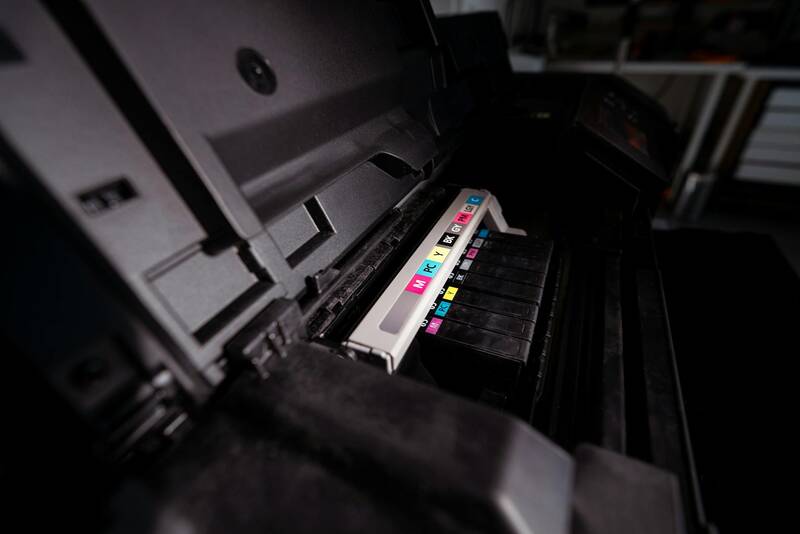
Achieving high-quality large-scale prints requires not only sophisticated printing equipment but also meticulous attention to detail throughout the production process. These printers utilize specialized ink delivery systems designed to produce vibrant color fidelity, sharp details, and long-lasting results. The precision of these machines is crucial in reproducing fine elements within large visuals, from intricate logos to detailed photographs, ensuring that each printed piece communicates its intended message effectively.
Popular Technologies in Large Format Printing
- Inkjet Printing: Favored for its versatility, inkjet technology employs tiny nozzles to deposit droplets of ink onto various substrates. Its ability to produce high-resolution images with a broad color spectrum makes it ideal for detailed graphics and photographic reproductions.
- Solvent and Eco-Solvent Printing: These methods utilize solvent-based inks known for their durability and resistance to water, UV rays, and scratches. They are especially suitable for outdoor signage, vehicle wraps, and other applications exposed to harsh environmental conditions.
- UV Printing: UV technology involves curing ink directly onto the substrate with ultraviolet light. This process enables printing on a wide range of materials, including rigid and non-porous surfaces like acrylic, glass, and metal, resulting in vibrant and scratch-resistant images.
Material Options for Large Format Printing
Material selection is pivotal in ensuring the final output meets the functional and aesthetic requirements of each project. Leading providers offer a broad spectrum of substrates suitable for various applications:
- Vinyl Films: Popular for banners, vehicle wraps, and decals, removable or permanent vinyl offers flexibility and weather resistance.
- Banner Fabrics: Fabric materials provide a softer, more textured appearance, ideal for indoor displays and event backdrops.
- Rigid Substrates: Materials like foam board, acrylic, aluminum, and corrugated plastics are used for signs, displays, and point-of-sale materials requiring durability and structural integrity.
- Specialty Materials: Magnetic sheets, canvas, and eco-friendly substrates cater to niche project needs, emphasizing sustainability without compromising quality.
Choosing the Right Large Format Printing Company
Selecting a credible partner in large format printing involves assessing their technical capabilities, material offerings, and experience with diverse projects. A professional company should demonstrate mastery in handling an array of substrates and printing technologies to deliver tailored solutions. Additionally, transparency in processes and a commitment to environmentally responsible practices signal their dedication to quality and sustainability. Collaborating with an experienced provider ensures that technical specifications are met accurately, timelines are adhered to, and the visual impact aligns with branding objectives.
Factoring Material Compatibility and Durability in Large Format Printing
Understanding the characteristics of different substrates is essential for achieving high-quality, long-lasting prints. A reputable large format printing company carefully considers material compatibility, environmental conditions, and intended use when selecting substrates. For outdoor signage, durable materials like vinyl films and rigid plastics such as aluminum or acrylic are favored for their weather resistance and structural integrity. Conversely, indoor displays may utilize softer materials like fabric or poster paper for their aesthetic appeal and ease of installation.
Material durability is a critical factor in ensuring the longevity of large format prints. For example, vinyl banners can withstand exposure to sunlight and rain when made with UV-resistant inks and high-quality adhesive backing. Fabric banners, often made from polyester or nylon, offer softer textures suited for interior use where environmental challenges are less severe. Rigid substrates like foam board or aluminum provide the necessary strength for static displays or point-of-sale signage, especially in high-traffic or outdoor environments.
Color Management and Finishing Techniques
Advanced color management ensures that digital files are reproduced accurately, maintaining brand consistency and visual appeal across each project. High-end large format printing companies employ sophisticated color profiles, calibration processes, and proofing methods to replicate colors faithfully. Finishing techniques such as lamination, UV coating, and edge sealing further enhance the durability, aesthetic value, and protection of the prints against scratches, weather, and UV damage.
Moreover, employees trained in precise cutting, hemming, and mounting procedures optimize the presentation and lifespan of large format prints. Proper finishing not only safeguards the graphics but also elevates the overall professional quality of the final product, making it suitable for a wide range of applications, from temporary event signage to permanent outdoor displays.
Environmental and Sustainability Considerations
Leading large format printing companies prioritize eco-friendly practices, utilizing sustainable materials and environmentally responsible inks. Water-based, latex, or UV-curable inks reduce emissions and contain fewer harmful volatile organic compounds (VOCs), aligning with modern sustainability standards. Material choices such as recycled vinyl or biodegradable fabrics are increasingly available, allowing clients to meet their environmental goals without sacrificing quality.
Implementing efficient waste management procedures and recycling leftover substrates further enhances the company's commitment to sustainability. Clients seeking environmentally conscious solutions benefit from working with a company that integrates eco-friendly materials and practices into its operational standards, ensuring their large-scale projects align with broader sustainability objectives.
Materials Used in Large Format Printing
Choosing the appropriate materials is crucial for achieving high-quality, durable, and visually appealing large format prints. Manufacturers and printing companies often utilize materials that balance aesthetics, functionality, and environmental considerations. Vinyl substrates, especially those with weather-resistant coatings, are popular for outdoor signage due to their resilience against water, UV exposure, and physical wear. Recycled vinyl and biodegradable fabrics are increasingly adopted to align projects with sustainability goals. For interior applications, papers, canvas, and fabric banners are preferred for their texture and finish, providing a sophisticated look to wall murals, displays, and promotional posters.
Surface treatments and finishes play a significant role in the longevity and visual impact of the prints. Laminates and protective coatings safeguard against scratches, UV fading, and moisture, extending the life of the graphics. Matte, gloss, or satin finishes can be selected based on the desired visual effect and location of the display. For instance, gloss finishes enhance color vibrancy, making images more vivid, while matte options reduce glare in bright environments. Proper preparation and finishing ensure that large format prints remain in pristine condition over time, which is essential for brand reputation and operational success.

Environmental and Sustainability Considerations
Leading printing companies are committed to eco-friendly practices that minimize environmental impact without compromising quality. The selection of sustainable inks, such as water-based, latex, or UV-curable options, reduces emissions and VOC content, making indoor and outdoor installations safer for users and the environment. Materials like recycled or biodegradable substrates are increasingly available, enabling clients to fulfill corporate social responsibility objectives while achieving vibrant visual results.
Effective waste management is also a priority. Recycling leftover materials and substrates reduces landfill contribution and promotes circular economy practices. Implementing these procedures demonstrates a commitment to sustainability and ensures that large-scale projects align with global environmental standards. Clients benefit from partnering with companies that integrate eco-conscious practices, providing transparency and assurance that their visual branding efforts contribute positively to environmental preservation.

Understanding Large Format Printing
Large format printing serves as a critical tool for businesses and organizations seeking to create visually striking displays that command attention from a distance. Unlike traditional printing methods, large format printing involves specialized equipment capable of producing high-resolution images on expansive surfaces, making it ideal for banners, billboards, posters, and signage. This process ensures that the visuals remain crisp, vibrant, and impactful, even when viewed from considerable distances. Successful execution requires precision in color management, correct material selection, and expertise in handling oversized substrates to prevent distortions, wrinkles, or other defects. The ability to produce consistent color accuracy and sharp details across large surfaces is essential in maintaining professional quality and reinforcing brand consistency. As technology advances, large format printing companies continue to enhance their capabilities, offering faster turnaround times, broader material options, and environmentally conscious printing solutions that meet evolving client needs.
Modern Techniques in Large Format Printing
Many large format printing providers utilize cutting-edge technologies like inkjet and solvent-based printing, which facilitate the creation of durable yet vibrant images on various substrates. These techniques allow for precise ink deposition, resulting in high-detail images with an extensive color gamut. Advanced printers often incorporate features such as UV-curable inks, which instantly harden upon exposure to ultraviolet light, producing weather-resistant and long-lasting outputs suitable for outdoor environments. Moreover, digital printing methods enable on-demand production, reducing waste and enabling quick adjustments to designs. The adoption of such innovative approaches ensures that clients receive top-tier results tailored to their specific advertising, signage, or decorative projects. Furthermore, the integration of 3D printing and textile printing options broadens the scope of large format printing, enabling versatile applications across industries.

Understanding Large Format Printing
Large format printing encompasses the creation of oversized images, graphics, and advertisements designed to make an impactful visual statement across a variety of mediums. This specialized printing technique is essential for businesses and organizations aiming to attract attention with banners, signage, posters, and murals. The process involves printing on materials that can handle larger dimensions without compromising image quality, ensuring the final product maintains vibrancy, clarity, and durability. Selecting the appropriate large format printing company is pivotal in achieving professional results, as these providers employ precise technology and quality materials for every project.
Precision and Clarity in Large Scale
High-resolution output is critical in large format printing applications. Despite the size, images must retain sharpness, rich color depth, and consistent ink coverage, which requires advanced printing technology and quality inks. Modern large format printers utilize inkjet, solvent, UV-curable, or latex printing methods, each suited for different applications and material compatibilities. Accurate color management and calibration are crucial factors that help produce consistent, true-to-design visuals on expansive surfaces.
Color Management and Calibration
Ensuring colors appear vibrant and true to the original design involves meticulous calibration of printers and color profiles. Large format printing companies often employ industry-standard color management systems to maintain consistency across production runs. This precision guarantees that the final output aligns with branding guidelines, promotional standards, or artistic visions, regardless of the size of the print.
Durability and Weather Resistance
Materials and inks used in large format printing must withstand varying environmental conditions. Outdoor signage, for instance, requires weather-resistant substrates and UV-protective inks that resist fading, moisture, and abrasion. High-quality large format printing companies select substrates like vinyl, canvas, mesh, or rigid panels, along with specialized inks, to ensure longevity. Proper finishing processes, including lamination or coatings, further enhance durability and visual appeal over time.
Environmental Considerations
Leading print providers prioritize environmentally responsible practices by utilizing eco-friendly inks and recyclable materials, reducing waste through digital, on-demand printing, and adhering to sustainable manufacturing standards. This commitment not only aligns with contemporary environmental priorities but also affirms a company's reputation for responsible business practices.

Quality Control and Inspection
Rigorous quality control measures are integral in large format printing. This includes color verification, print registration, and surface examination before delivery. Proper inspection ensures that every large-scale project meets the highest standards, minimizing errors and the need for reprints, thereby saving time and resources for clients.
Understanding Large Format Printing
Large format printing is a specialized process used to produce high-quality visual displays on a significantly larger scale than standard printing. This method crucially enables businesses and individuals to create eye-catching banners, posters, murals, and various signage that command attention from afar. The process typically involves the use of wide-format printers capable of handling roll or sheet substrates, offering precision and vibrant colors that meet diverse project needs. Projects often require meticulous planning, from selecting the right materials to understanding the environmental conditions where the print will be displayed, ensuring that each piece delivers maximum visual impact and durability.
Types of Large Format Printing Technologies
Choosing the appropriate technology is vital for achieving desired results. Key printing methods include:
- Inkjet Printing: The most common technology, utilizing droplet-based ink systems that produce detailed, vibrant images suitable for indoor and outdoor applications.
- Latex Printing: Known for eco-friendliness and flexibility, latex printers use water-based inks that are durable and odorless, ideal for versatile applications including vehicle wraps and promotional displays.
- Sewage or Screen Printing: Typically used for repetitive printing processes on large surfaces, mainly in textile and fabric applications.
Each technology has specific strengths, making it essential for clients to consult with experts at a reputable large format printing company to select the optimal approach for their project.
Materials Used in Large Format Printing
The selection of materials significantly influences the durability, appearance, and suitability of the finished print. Usable substrates include:
- Vinyl: A versatile material, waterproof and weather-resistant, perfect for outdoor signage and banners.
- Canvas: Offers a textured, artistic look, commonly used for murals, art reproductions, and interior decor.
- Mesh: Designed with tiny holes to allow wind passage, ideal for large outdoor banners on windy locations.
- Rigid Panels: Made from foamboard, aluminum, or ACP (AluminumCompositePanel), suitable for point-of-sale displays or exhibition panels.
Inks also vary, with solvent-based, UV-curable, and aqueous options available, each tailored for specific environmental conditions and longevity requirements.
Key Applications of Large Format Printing
Large format printing is indispensable in various sectors, including:
- Advertising and Marketing: Creating vibrant banners, posters, and point-of-sale displays that drive brand visibility.
- Event and Exhibition Displays: Producing custom backdrops, standees, and signage that enhance visual storytelling at events.
- Interior and Exterior Decor: Developing murals, wall wraps, and decorative graphics that transform spaces.
- Architectural and Construction: Generating detailed plans, site signage, and safety instructions for construction sites.
Benefits of Choosing a Large Format Printing Company
Partnering with a professional large format printing company provides numerous advantages, such as:
- Quality Assurance: Access to high-end equipment and expertise guarantees vibrant, precise, and durable results.
- Material and Technique Expertise: Skilled companies can recommend the best substrates and inks to match project requirements and environmental conditions.
- Turnaround Efficiency: Experienced teams streamline the production process, ensuring prompt completion without compromising quality.
- Innovative Solutions: Leading providers stay updated with the latest printing technologies and design trends, offering creative and effective options.

Factors to Consider When Selecting a Printing Company
While choosing a large format printing provider, it is vital to evaluate several key aspects:
- Technical Capabilities: Verify the availability of advanced printers and a comprehensive range of materials to match your project scope.
- Experience and Portfolio: Review past work to assess quality standards and the range of completed projects.
- Customer Service and Support: Ensure the company offers clear communication, guidance, and post-project assistance.
- Environmental Practices: Consider providers committed to eco-friendly processes and sustainable material sourcing.
- Pricing and Turnaround Time: Balance budget considerations with the need for timely delivery, avoiding compromises that might affect quality.
By meticulously evaluating these factors, clients can secure a partner capable of transforming their visual ideas into impactful large-scale visuals that meet strategic goals and stand the test of time.
Understanding Large Format Printing
Large format printing stands as a cornerstone of visual communication, enabling the creation of impactful displays that command attention and convey messages with clarity on a grand scale. This printing approach involves the use of specialized printers capable of reproducing images and graphics on materials that extend beyond the dimensions achievable by standard printing technologies. Such capability makes it an essential service for a diverse range of applications including outdoor advertising, trade show displays, banners, murals, and architectural signage.
Types of Large Format Printing Technologies
The core technologies employed in large format printing encompass several advanced systems, each tailored to specific project requirements:
- UV Printing: Uses ultraviolet light to instantly cure inks upon contact with substrates, enabling vibrant and durable prints on rigid or flexible surfaces.
- Solvent and Eco-Solvent Printing: Utilizes solvent-based inks that penetrate materials for resilient outdoor signage with vivid color quality.
- Latex Printing: Employs water-based latex inks that are environmentally friendly, flexible, and suitable for a wide array of media with excellent adhesion and color vibrancy.
- Piezoelectric Inkjet Printing: A precise method that delivers high-resolution images, often used for detailed advertising graphics and fine art reproductions.
Materials Used in Large Format Printing
The selection of materials is crucial for ensuring that large format prints meet durability, aesthetic, and functional needs. Popular substrates include:
- Vinyl: The most common material for banners and outdoor signage due to its weather resistance and flexibility.
- Canvas: Ideal for fine art reproductions and upscale displays, offering a textured finish that mimics traditional art mediums.
- Foam Board: Lightweight and suitable for indoor graphics, trade show displays, and point-of-sale signage.
- Mesh Fabrics: Used for outdoor banners where wind resistance and breathability are important.
- Acrylic and Polycarbonate: Rigid materials used for high-end signage and visual displays demanding clarity and impact resistance.
Key Applications of Large Format Printing
The versatility of large format printing allows it to serve numerous industries, including:
- Advertising and Marketing: Creating eye-catching banners, posters, and trade show displays that boost brand visibility.
- Event Decor and Signage: Providing customized backdrops, directional signs, and promotional materials for events.
- Architectural and Interior Design: Producing murals, wall coverings, and decorative panels that enhance space aesthetics.
- Retail Displays: Designing impactful point-of-purchase signage, window decals, and branded environments.
- Public Information Campaigns: Developing large-scale informational posters and directional signs for urban and community projects.
Benefits of Choosing a Large Format Printing Company
Partnering with experienced large format printing providers offers significant advantages. These include access to cutting-edge technology capable of handling complex designs, the assurance of high-quality and consistent results, and the ability to meet tight deadlines without sacrificing detail. Furthermore, specialized companies often have extensive material resources and expert knowledge, facilitating custom solutions that align with specific project goals. Reliability and professional support throughout the process ensure that clients’ expectations are not only met but exceeded, transforming visual ideas into vibrant, durable displays that leave a lasting impact.
Factors to Consider When Selecting a Printing Company
To ensure successful project outcomes, it is crucial to vet potential printing partners based on several key attributes:
- Technical Capabilities: Confirm the availability of advanced printers and a broad selection of substrates to match project needs.
- Experience and Portfolio: Review past work to evaluate quality standards and versatility across different media and applications.
- Customer Support and Consultation: Choose a provider that offers clear communication, design assistance, and post-production support.
- Environmental Commitments: Opt for companies dedicated to sustainable practices, including eco-friendly inks and recyclable materials.
- Pricing Structure and Delivery Timelines: Balance budget constraints with prompt delivery expectations to avoid compromises that might affect output quality.
The Process of Working with a Large Format Printing Company
Engagement typically begins with a comprehensive consultation to define the scope, design specifications, and material choices. Once the project details are finalized, the proofing stage allows for review and adjustments before the production phase. During printing, advanced calibration ensures color accuracy and image sharpness. Post-printing, quality checks assure the durability and visual consistency of the final product, followed by careful packaging and prompt delivery. Throughout this process, ongoing communication and project management foster transparency and ensure that the final output aligns with overarching objectives.
