
Overview of Large Format Digital Printing
Large format digital printing stands as a pivotal technology within the printing industry, enabling the production of exceptionally wide and detailed images that surpass traditional printing capabilities. This method is distinguished by its ability to handle substantial print sizes, often measuring several meters in width, making it suitable for a broad spectrum of applications across diverse sectors. Unlike conventional printing, which is optimized for standard paper sizes, large format digital printing offers remarkable versatility, accommodating various materials and complex designs with high resolution.
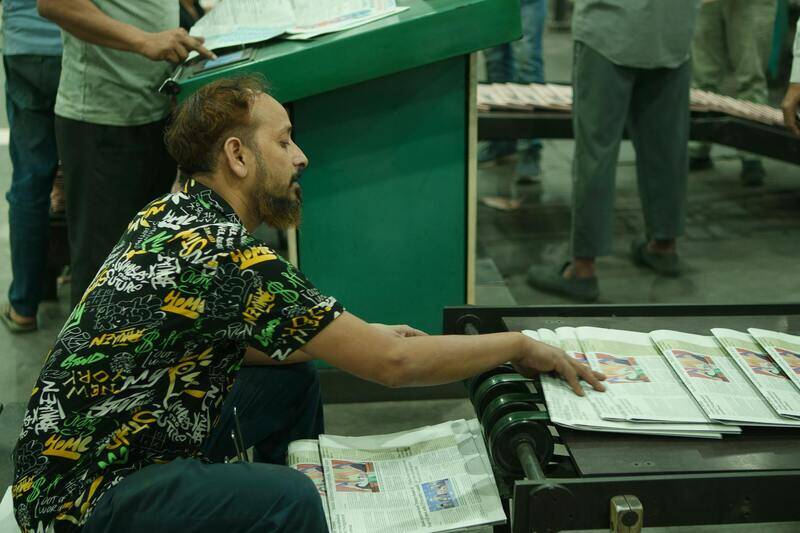
One of the defining features of large format digital printing is its capacity for quick turnaround times and customization, making it ideal for both short-run projects and highly detailed, large-scale visual displays. Its adaptability has led to widespread adoption in industries such as retail, advertising, interior decor, event promotion, and architectural signage. From billboards and wall murals to trade show displays and vehicle wraps, large format digital printing continually pushes the boundaries of visual communication, delivering impactful, eye-catching results.
This technology also differs significantly from traditional printing methods like screen printing or lithography, primarily in its direct-to-substrate approach and digital workflow. Digital machines deliver vibrant colors and sharp images with precision, reducing the need for lengthy setup processes and enabling on-demand production. The ability to reproduce complex images, gradients, and fine details in large formats is a key advantage, elevating the aesthetic quality and effectiveness of final products.
The primary advantage of large format digital printing lies in its flexibility. It supports a wide range of substrates such as vinyl, fabric, paper, plastics, and even canvas, allowing for innovative applications. The eco-friendly and cost-efficient nature of digital printing also contributes to its popularity by minimizing waste and reducing overall production costs.
In practical terms, this technology empowers businesses and creatives to produce large-scale visuals that are not only visually striking but also durable and suitable for both indoor and outdoor environments. Its ability to produce consistent quality across various substrates makes it a preferred choice for large-scale branding, promotional campaigns, and environmental design. As technology advances, improvements in print speed, color fidelity, and material compatibility continue to expand the possibilities of large format digital printing, positioning it as a cornerstone of modern visual communication strategies.
Overall, large format digital printing combines technological innovation with artistic flexibility, providing a robust platform for creating impactful visual experiences. Its capacity to deliver high-quality, large-scale images rapidly and cost-effectively is instrumental in meeting the demands of contemporary marketing and design industries, ensuring that projects stand out and resonate with targeted audiences.
Overview of Large Format Digital Printing
Large format digital printing revolutionizes how visual content is produced at monumental scales, enabling the creation of vibrant, detailed, and durable prints that command attention across various industries. This technology is distinguished by its capacity to handle extensive media sizes, often exceeding standard printing dimensions, making it ideal for projects such as billboards, banners, vehicle wraps, wall murals, and trade show displays. The core strength of this process lies in its ability to produce wide, seamless images without the need for multiple sections or complex assembly, streamlining production timelines and ensuring visual consistency.
At the heart of large format digital printing is versatility. It supports an array of substrates, including vinyl, fabric, paper, plastic, and canvas—each chosen based on the intended use and environment. This compatibility facilitates innovative applications, allowing designers and marketers to craft exhibits that are not only visually impressive but also resilient to outdoor elements such as UV rays, moisture, and temperature fluctuations. The durability of large format prints directly influences their longevity and overall impact, making careful substrate and ink selection essential for optimal results.

Economic and environmental considerations further enhance the appeal of this technology. Digital printing methods generate less waste compared to traditional analog printing, as they do not rely on plates or extensive setup processes. This results in cost savings and a reduction in material waste, aligning with sustainability goals. Additionally, the ability to produce short runs without significant overhead allows organizations to execute targeted campaigns or one-off projects without excessive upfront investment.
Rapid turnaround times are another key benefit. Modern digital printers are equipped with advanced print heads and high-speed mechanisms that ensure large-volume jobs are completed efficiently, preserving tight project deadlines. The technology's capacity for consistent color reproduction ensures each print matches the intended design, regardless of production size. This consistency is vital for maintaining branding integrity across multiple large-scale visuals, whether for promotional events, corporate branding, or environmental graphics.
Technical Foundations of Large Format Digital Printing
Understanding the technological underpinnings offers insight into the capabilities and limitations of various large format printing systems. Among the prevalent technologies are UV-curable, latex, eco-solvent, and dye sublimation printers, each optimized for specific applications and material compatibilities.
- UV-curable printing: Utilizes ultraviolet light to instantly cure the ink upon contact with the substrate, producing sharp images with excellent adhesion and scratch resistance. Ideal for rigid materials like acrylic, glass, and metal.
- Latex printing: Employs water-based latex inks renowned for their flexibility, quick drying times, and environmentally friendly profile. Suitable for a wide range of substrates, including fabrics and wallpapers.
- Eco-solvent printing: Uses solvent-based inks that penetrate substrates effectively, delivering vibrant colors and outdoor durability. Often chosen for vinyl banners and vehicle wraps.
- Dye sublimation: Transfers dye-based inks onto fabrics through heat, resulting in high-quality, fade-resistant textiles, frequently used for soft signage and apparel.
Each technology presents unique advantages, making the selection process a critical step based on project requirements, substrate type, and environmental considerations. Precise calibration and maintenance of the printing equipment are paramount to achieving high-resolution outputs with consistent color fidelity and minimal defects, ensuring that large format prints meet the exacting standards of clients across various sectors.
Materials Used in Large Format Digital Printing
Choosing the right substrate is essential for achieving high-quality results and ensuring durability based on the intended environment and visual effect. Common materials include:
- Vinyl: Versatile and weather-resistant, vinyl is a top choice for outdoor signage such as banners, vehicle wraps, and billboards. Its flexibility allows it to conform to different surfaces, making it suitable for complex or curved installations.
- Canvas: Often used for fine art reproductions, gallery wraps, and decorative wall art, canvas offers a textured finish that enhances visual appeal. It is generally printed with UV or solvent inks to ensure longevity.
- Fabric: Ideal for soft signage, event backdrops, and trade show displays, fabrics like polyester and nylon are lightweight and easy to transport. Dye sublimation printing is common here, imparting vibrant and fade-resistant colors.
- Paper: Suitable for indoor posters, point-of-purchase displays, and temporary signage, paper substrates come in various finishes and weights, allowing for sharp, detailed imagery.
- Polypropylene and Corrugated Plastics: Used for lightweight, durable signage, these materials are resistant to moisture and impact, making them suitable for both indoor and outdoor applications.

Environmental considerations influence substrate choices significantly. For outdoor applications, weather-resistant and UV-protected materials help prevent fading and deterioration. Indoor projects benefit from lighter, eco-friendly options that maintain color fidelity without emitting volatile organic compounds (VOCs). Manufacturers assess factors such as substrate thickness, flexibility, and adhesive requirements to match project specifications, ensuring that each print maintains its integrity over time.
Proper handling and storage of materials prior to printing also play a critical role in achieving the best outcomes. Materials should be stored in a climate-controlled environment to prevent warping or curling. When printing, precise calibration of equipment according to the substrate specifications ensures sharp details, vibrant colors, and consistent coverage without issues like ink bleeding or poor adhesion.
Advanced substrates like magnetic sheets or textured vinyl open additional creative avenues, enabling unique visual effects and interactive signage solutions. Ultimately, the selection of the appropriate material aligns with project goals, budget constraints, and environmental factors, contributing to a seamless production process and durable result.
Common Material Types for Large Format Digital Printing
When selecting substrates for large format digital printing, industry professionals prioritize materials that seamlessly blend durability, visual fidelity, and versatility. Among the most prevalent options are vinyl films, which are favored for their weather-resistant qualities and ease of application on various surfaces. Specifically, calendared vinyl offers a cost-effective solution for short-term outdoor signage, while cast vinyl provides a more conformable alternative suited for intricate curves and long-term installations.
Fabric-based materials, such as mesh and polyester textiles, are increasingly adopted for banners and retail displays due to their lightweight nature and excellent print quality. Mesh fabrics enable wind passage, reducing stress on outdoor structures, while smooth textiles offer a premium, high-resolution canvas for indoor advertising.
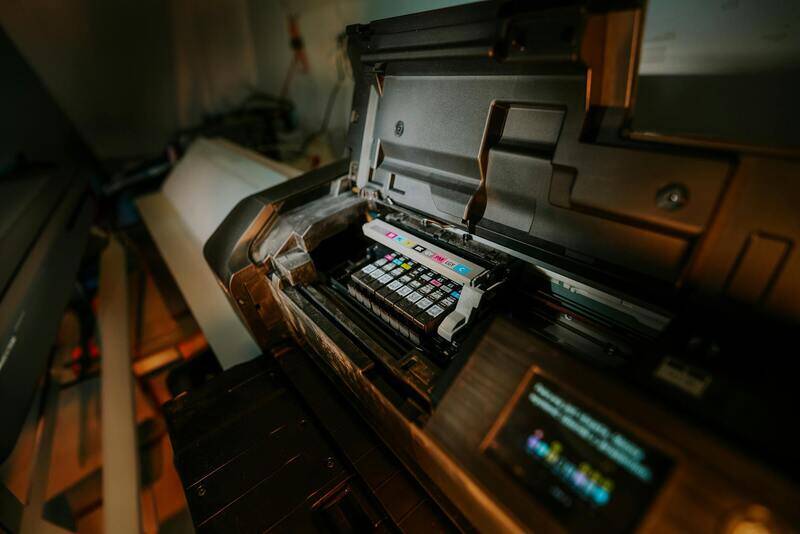
Rigid substrates such as foam boards, coroplast, and aluminum composite panels are crucial for mounting high-quality images that require rigidity and structural stability. Foam boards are particularly popular for short-term displays and exhibitions, providing a lightweight yet sturdy support. Coroplast, a corrugated polypropylene, is an economical choice for outdoor signage, offering resistance to moisture and impact. Aluminum composite panels combine rigidity with a sleek finish, making them ideal for long-lasting outdoor signage and architectural elements.
Enhancing Print Durability and Visual Impact through Material Choices
Choosing the right materials directly influences the longevity, appearance, and effectiveness of large format digital prints. For outdoor applications, UV-protected and weather-resistant substrates are essential to prevent colors from fading and materials from degrading despite exposure to sunlight, rain, and wind. Conversely, indoor projects benefit from environmentally friendly, VOC-free options that maintain vibrant colors and crisp details without health risks.
Manufacturers also consider substrate thickness, flexibility, and adhesive properties when advising clients. Thicker materials, such as foam boards or metal-backed panels, are suitable for displays requiring high stability, while flexible options like vinyl and textiles accommodate complex surface contours. Adhesive-backed substrates simplify installation and ensure seamless integration into various environments.

Importance of Proper Material Handling and Storage
To achieve consistent quality in large format digital printing, proper handling and storage of materials are vital. Materials should be kept in climate-controlled environments to prevent warping, curling, or deterioration that could compromise print quality. Properly stored substrates maintain their adhesive qualities and physical integrity, facilitating smoother printing processes and cleaner finished products.
Consistent calibration of printing equipment to match the specific substrate characteristics ensures sharp details, accurate color reproduction, and even ink coverage. Advanced substrates, such as magnetic sheets or textured vinyl, require specific handling protocols to maximize their unique visual and functional effects.
Supporting Creative Flexibility with Innovative Substrates
Modern large format digital printing often exploits innovative substrates to deliver outstanding visual narratives and interactive signage. Textured vinyl can mimic surfaces like stone or wood, adding tactile depth to visual displays. Magnetic sheets enable versatile displays that can be repositioned effortlessly. Additionally, specialty materials such as transparent films and backlit fabrics expand the creative possibilities, enabling branding strategies that stand out in competitive environments.
Ultimately, understanding the diverse materials available allows designers and clients to customize projects that meet aesthetic expectations and functional demands. Material selection, combined with precise handling and application methods, ensures that each print not only captures attention but also endures over time, maintaining its impact and clarity across various applications.
Overview of Large Format Digital Printing
Large format digital printing is a specialized segment within the printing industry that focuses on producing oversized graphics with high resolution and vibrant color accuracy. This process is ideal for creating impactful advertising displays, wall murals, banners, and signage that demand visual authority and durability. The technique involves digitally transferring ink onto various substrates, allowing for customization, intricate detail, and rapid turnaround times. Its precision and scalability make it the preferred method for producing large-scale visuals that need to grab attention in retail environments, outdoor landscapes, and event spaces.
Critical Aspects of Large Format Digital Printing
- Resolution and Detail: Advanced large format printers deliver high DPI (dots per inch) settings, ensuring detailed and crisp visuals even at expansive sizes. This is essential for maintaining clarity and professionalism in branding and artistic displays.
- Color Fidelity: State-of-the-art printers utilize wide color gamuts and precise color management systems to replicate original artwork accurately, contributing to consistent branding and visual storytelling.
- Durability and Weather Resistance: Substrate selection and ink formulation directly influence the longevity of the print. UV-resistant and waterproof inks extend the lifespan of outdoor banners, vehicle wraps, and signage exposed to environmental elements.
- Customization and Versatility: Digital workflow allows for on-demand printing with variable data options, enabling personalized campaigns or localized content. The technology also accommodates a wide array of materials, expanding creative possibilities.
Impact of Large Format Digital Printing in Various Sectors
This printing approach plays a transformative role in multiple industries, including:
- Advertising and Marketing: Creating large-scale promotional materials that dominate visual spaces, from storefront displays to city billboards.
- Retail: Producing in-store signage, window graphics, and product displays that enhance shopper engagement and brand recognition.
- Events and Trade Shows: Designing portable, eye-catching banners, backdrops, and exhibit panels that communicate brand messages effectively in crowded venues.
- Transportation and Automotive: Vehicle wraps and decals that leverage the large format to turn vehicles into mobile advertising assets.
- Interior Design and Architecture: Wall murals, decorative panels, and textured finishes that add aesthetic value and thematic consistency to commercial and residential spaces.
Overview of Large Format Digital Printing
Large format digital printing is a versatile and dynamic printing technology designed to produce high-impact visual displays on a grand scale. This method is essential for creating eye-catching signage, banners, murals, and vehicle wraps that demand vibrant colors and precise details. By utilizing advanced digital printers capable of handling wide substrates, businesses and designers can achieve large-scale reproductions without compromising image quality. The shift from traditional analog methods to digital workflows has enhanced both the speed and accuracy of production, enabling rapid response to market demands and customization needs. Furthermore, large format digital printing caters to a broad spectrum of applications, making it an indispensable tool for industries seeking to communicate visually on a large scale efficiently.

Key Features of Large Format Digital Printing
- Wide Format Capabilities: Typically accommodating widths from 450 mm up to 1.6 meters or more, supporting diverse project sizes.
- High-Resolution Output: Modern printers deliver exceptional clarity, making intricate graphics and fine text crisply detailed even at large scales.
- Fast Production Turnaround: Digital workflows enable quick setup and printing, reducing lead times for large projects.
- Cost-Effectiveness: Digital printing reduces waste and allows for short runs, making it suitable for both bulk and personalized projects.
- Environmental Considerations: Advanced inks and eco-friendly substrates enhance sustainability in large-scale printing endeavors.
Advantages of Large Format Digital Printing
This technology offers significant benefits that reinforce its popularity across multiple sectors. Its ability to produce visually stunning, durable prints on various substrates means brands and organizations can amplify their messaging and aesthetic appeal effectively. The personalization aspect is particularly impactful, allowing for targeted campaigns with variable data and bespoke designs. Additionally, the high-resolution output ensures that images retain clarity and vibrancy, crucial in capturing attention in highly competitive environments. Cost efficiency in short runs and the reduced environmental footprint further solidify its position as a leading choice for large-scale visual communications.
Comparison with Traditional Printing Methods
Compared to traditional screen printing or lithography, large format digital printing simplifies the production process. It eliminates the need for costly plates and setup times, making it ideal for customized and short-run projects. Digital workflows also support rapid modifications and on-demand printing, an advantage for campaigns requiring swift adjustments. While traditional methods might offer cost advantages for bulk productions, digital printing excels in flexibility, speed, and the capacity to handle complex, high-resolution images with ease.

Materials Utilized in Large Format Digital Printing
The choice of materials significantly influences the durability, appearance, and suitability of a large format print. A diverse array of substrates can be printed upon, each offering specific benefits:
- Vinyl Films: Commonly used for banners, vehicle wraps, and decals due to their flexibility and weather resistance.
- Fabric Materials: Popular for trade show backdrops, curtains, and soft signage, providing a premium appearance.
- Rigid Substrates: Include foam boards, PVC panels, acrylic sheets, and aluminum composites, suitable for short-term displays and outdoor signage.
- Wallpaper and Wallcoverings: Designed for interior decoration, offering textured or seamless large-scale murals.
The selection of inks, such as solvent, UV-curable, or eco-solvent, further affects the longevity and environmental impact of the prints. UV-curable inks are particularly favored for producing artworks with vibrant colors and resistance to environmental factors.
Design and Artwork Preparation for Large Format Prints
Preparing files correctly is fundamental to achieving high-quality results in large format digital printing. Designers should adhere to specific guidelines to optimize artwork for printing:
- Resolution: Use high-resolution images, ideally 150-300 dpi at final print size, to ensure clarity and sharpness.
- Color Management: Utilize color profiles and calibration to maintain color accuracy across devices and substrates.
- File Formats: Preferred formats include PDF, TIFF, or EPS, which preserve image quality and support vector graphics.
- Bleed and Margins: Incorporate bleed areas for edge-to-edge prints to prevent white borders after trimming.
- Design Considerations: Account for viewing distance, substrate characteristics, and environmental conditions that may affect the final appearance.
Proper artwork preparation minimizes errors, reduces waste, and ensures the final large-scale print aligns with the intended visual impact.
Overview of Large Format Digital Printing
Large format digital printing is a specialized printing process designed to produce high-quality, oversized images and graphics suitable for advertising, signage, interior decoration, and promotional displays. Unlike traditional printing methods, this technology allows for the direct printing of large-scale visuals onto a variety of substrates with precision, clarity, and vibrant color fidelity. Its versatility makes it indispensable for businesses and organizations seeking impactful visual communication solutions that are customizable and scalable for different environments.
Types of Large Format Printing Technologies
Various digital printing technologies are employed in large format printing, each optimized for specific applications, materials, and output qualities. The most prevalent include:
- Solvent and Eco-Solvent Inkjet Printing: Known for their durability and outdoor resistance, these printers utilize solvent-based inks suitable for banners, billboards, and exterior signage. Eco-solvent variants offer environmentally friendlier options without sacrificing longevity.
- UV-Curable Printing: This process involves UV light curing the inks directly onto substrates, enabling immediate handling and high-resolution results. UV printers excel in printing on rigid materials like acrylic, metal, and glass, with exceptional clarity and scratch resistance.
- Latex Printing: Combining eco-friendliness with flexibility, latex printing produces vibrant, long-lasting images. It is ideal for fabric banners, wall coverings, and interior décor due to its ability to handle a broad range of materials while maintaining softness.
Materials Used in Large Format Digital Printing
The choice of substrates dramatically influences the aesthetic appeal and durability of large format prints. Common materials include:
- Vinyl and Banner Materials: Highly adaptable for outdoor signage, vinyl offers weather resistance and ease of adhesion to different surfaces.
- PVC Panels and Foam Boards: Perfect for short-term displays and interior signage, these lightweight options are economical and easy to install.
- Acrylic Sheets: Known for their glossy finish and sturdy feel, acrylics are often used for storefront signage and decorative displays.
- Aluminum Composites: These durable panels are suited for outdoor installations due to their resistance to environmental factors.
- Wallpapers and Wallcoverings: Designed to cover large interior surfaces, offering seamless and textured murals that enhance interior aesthetics.
Design and Artwork Preparation for Large Format Prints
Effective artwork preparation is essential to achieve consistent, high-quality results in large format printing. Some critical steps include:
- Resolution: Use a minimum resolution of 150 dpi at the final print size, with 300 dpi preferred for detailed images to ensure crispness and sharpness.
- Color Management: Implement color profiles and calibration across all devices involved in the workflow to produce accurate color replication and consistency.
- File Formats: Utilize PDF, TIFF, or EPS formats that preserve image quality and support vector graphics for scalability without loss of detail.
- Bleed and Margins: Incorporate ample bleed area to facilitate edge-to-edge printing and prevent unwanted white borders after trimming.
- Design Considerations: Factor in viewing distance, substrate properties, and environmental exposure to optimize the visual impact and longevity of the final product.
Best Practices and Tips for Successful Large Format Printing
To ensure optimal results, it is crucial to adhere to certain best practices:
- Material Selection: Choose substrates suited to the intended environment, whether indoor or outdoor, and compatible with the chosen printing technology.
- Color Accuracy: Regular calibration of printers and use of standardized color profiles help maintain color consistency across projects.
- Resolution Settings: Always use the highest resolution feasible within the scope of the project to achieve detailed and vibrant images.
- Finishing Techniques: Lamination, edge sealing, and mounting techniques can enhance durability, water resistance, and aesthetic appeal.
- Proofing: Conduct test prints or color proofs prior to the full run to identify and rectify potential issues unforeseen in digital files.

Effective Methods for Securing Large Format Digital Printing Services
When seeking large format digital printing solutions, it is paramount to employ official and reputable avenues to ensure quality, consistency, and professionalism in the final output. The process begins with identifying authorized printing providers who adhere to industry standards and use authentic technology and materials. This guarantees that the prints meet the desired specifications and durability requirements, whether for indoor displays, outdoor signage, or bespoke promotional items.

One of the primary considerations is verifying the legitimacy of the printing service. Reputable providers such as industry-certified companies or well-known printing shops maintain transparency about their equipment, material sourcing, and quality control processes. They often display certifications or client testimonials that reinforce their credibility. Engaging directly with these organizations through official websites or recognized industry directories minimizes the risk of subpar results.
Consulting Industry Experts and Authorized Distributors
- Industry certifications: Seek providers certified by recognized industry associations, which demonstrate compliance with established standards for large format digital printing.
- Authorized material suppliers: Collaborate with suppliers who authorize specific printing businesses to use their premium substrates and inks, ensuring authenticity and quality assurance.
- Official service channels: Use well-established networks, such as regional or national print associations, that endorse qualified service providers.
Ensuring Material and Technology authenticity
Authentic methods involve using official suppliers and approved printing technologies. This includes reputable ink manufacturers whose products are tested for color fidelity and environmental compliance. Using genuine materials helps in achieving consistent results, especially important for large-scale projects where uniformity in color and texture is critical. Confirm that the printing devices are certified by manufacturers to operate under specific performance standards, guaranteeing precision and durability.
Assessing Portfolios and Customer Feedback
Prior to engaging a large format digital printing provider, review their portfolio of completed projects. A legitimate company will readily showcase samples that demonstrate their capability in handling various substrates and sizes. Customer testimonials or case studies offer insights into their reliability, adherence to deadlines, and quality standards. Visiting their physical location or requesting samples can further validate their claims and ascertain their alignment with project specifics.
Leveraging Digital Platforms and Industry Networks
Official online platforms serve as vital resources for connecting with licensed printing providers. Industry-specific directories, official websites, and online marketplaces dedicated to digital printing services facilitate quality assurance. These platforms typically verify business credentials and provide user reviews, making them a reliable source for selecting suitable partners. Additionally, professional networking events or trade shows provide opportunities to meet with authorized service providers face-to-face, assess their offerings, and establish direct communication channels.
The Role of Contracts and Service Agreements
To maintain transparency and mutual understanding, it is advisable to formalize arrangements through detailed contracts. These should specify material sources, technology standards, project scope, timelines, and quality benchmarks. Official agreements protect clients' interests and serve as references for accountability, ensuring that all parties adhere to agreed methods and standards.
By following these authorized pathways — partnering with certified providers, verifying material authenticity, reviewing documented credentials, and utilizing official digital resources — clients can confidently access high-quality large format digital printing services. This approach not only safeguards the integrity of the project but also maximizes the return on investment through assured longevity and visual impact of the final product.
