
Understanding Custom Banner Printing
Custom banner printing is a specialized process that involves creating large-scale visual displays tailored to specific branding, marketing, or informational needs. This method leverages advanced printing techniques and high-quality materials to produce banners that are visually striking and durable. These banners serve a variety of purposes across multiple industries, including retail, real estate, entertainment, corporate events, and public awareness campaigns. In essence, custom banner printing enables businesses and organizations to communicate their messages effectively in both indoor and outdoor environments. Whether it's promoting a sale, announcing an event, or enhancing brand visibility, custom banners provide a versatile and impactful platform for visual communication. The ability to customize design, size, material, and finishing options ensures that each banner precisely aligns with the desired marketing objectives. The primary advantage of custom banner printing lies in its adaptability. It can accommodate detailed graphics, vibrant colors, and various text styles to captivate target audiences. Additionally, these banners can be produced in a range of sizes—from small promotional signs to large-scale display graphics—making them suitable for a broad spectrum of applications. Furthermore, custom banners are crucial for creating a professional and cohesive brand image. By customizing every element—from the choice of materials to design aesthetics—businesses can reinforce their identity and stand out in crowded environments. High-quality printing technologies guarantee sharp image resolution and color fidelity, ensuring that the final product reflects the intended message with clarity and visual appeal. In the competitive landscape of marketing and branding, the strategic use of custom banners can significantly enhance visibility and customer engagement. Banners placed at strategic locations attract attention, convey key messages quickly, and contribute to a memorable brand experience. As digital advertising continues to evolve, physical banners remain a fundamental component of integrated marketing campaigns. The process begins with a clear understanding of the intended purpose and target audience. Effective banner design incorporates factors such as size constraints, installation environment, and branding guidelines. Collaborating with experienced printing providers ensures that these considerations are properly addressed, resulting in a product that maximizes visual impact and longevity. Whether for temporary promotions or long-term branding initiatives, custom banner printing represents a cost-effective, scalable, and impactful marketing solution. It combines attention-grabbing visuals with practical durability, making it an essential tool for organizations aiming to elevate their presence in any setting.
Materials Used in Banner Printing
Choosing the appropriate material is fundamental to achieving durability, visual clarity, and the desired functionality of custom banners. Various substrates serve different purposes, environments, and client preferences. The selection process involves understanding the specific characteristics of each material to optimize the banner's lifespan and visual impact.
The most common materials used in professional banner printing include:
- Vinyl (PVC): Renowned for its strength, weather resistance, and versatility, vinyl is ideal for outdoor banners exposed to the elements. It offers high flexibility, allowing for installation on various surfaces, and maintains excellent color fidelity over time. PVC banners can be coated or matte, depending on the desired aesthetic.
- Polyester Fabric: Known for its elegant finish and premium feel, fabric banners are preferred for indoor applications such as events, trade shows, and retail displays. The fabric's texture gives banners a sophisticated appearance, and the material is less susceptible to glare, providing sharp images and text.
- Mesh Materials: Designed with tiny perforations, mesh banners are perfect for windy outdoor environments. They reduce wind resistance while maintaining visibility and print quality, making them suitable for large-format outdoor advertising.
- Vinyl Mesh: Combining the durability of vinyl with the breathability of mesh, this material is frequently used for building wraps and large outdoor signage where airflow and wind resistance are concerns.
Beyond these primary materials, special coatings and finishes can further enhance the banner's performance. For instance, UV coating increases resistance to sun damage, while matte or gloss finishes influence the visual appeal and glare reduction. Proper material selection ensures the banner's successful deployment in its intended environment, providing long-lasting and visually striking results.
It is important to note that material thickness also impacts the banner's durability, weight, and ease of installation. Thicker substrates generally withstand harsher conditions but may require reinforced hardware or context-specific mounting solutions.

Understanding Custom Banner Printing
Custom banner printing is a versatile and powerful method for creating visual displays tailored to specific promotional, informational, or decorative needs. This process combines high-quality materials with advanced printing techniques to produce durable, attractive banners that effectively communicate messages across various environments. The selection of materials, design, and finishing options plays a crucial role in determining the final appearance and longevity of the banner. To achieve optimal results, it is essential to collaborate with reputable printing providers that utilize official and proven methods, ensuring consistency and quality in every production run.
The Significance of Material Selection in Custom Banner Printing
The foundation of a successful custom banner lies in choosing the appropriate material, aligned with the banner’s intended environment and purpose. Each material offers unique characteristics that influence durability, visual appeal, and ease of installation. Sustainability and environmental factors are also considered in material selection, with many providers opting for eco-friendly options that do not compromise quality.
- PVC Vinyl: The most common material for outdoor banners, PVC vinyl is known for its robustness, weather resistance, and vibrant print quality. It can withstand prolonged exposure to sunlight, rain, and wind when properly finished.
- Mesh Fabrics: Designed with tiny perforations, mesh banners are ideal for windy outdoor settings, as they allow airflow while maintaining print clarity. Their lightweight nature makes installation easier and reduces wind resistance.
- Fabric Materials: Polyester and nylon fabrics are preferred for indoor displays, trade shows, and retail environments. They offer a sophisticated look with excellent color vibrancy and reduced glare, especially with matte or satin finishes.
- Special Coatings: Adding UV coatings, lamination, or matte/gloss finishes enhances resistance to sun damage, scratches, and glare, prolonging the lifespan of the banner.
The thickness of the chosen material also influences its durability, weight, and ease of handling. Thicker substrates provide enhanced protection against environmental elements but may require reinforced hardware or specific installation methods. Consulting with printing professionals ensures the material aligns with the scope of your campaign, leading to a more effective display.

Design Best Practices for Custom Banners
Effective design is paramount to capturing attention and conveying messages clearly through custom banners. Designers should adhere to best practices to optimize visual impact and readability. This includes selecting appropriate color schemes that contrast well and are compliant with branding guidelines, as well as ensuring text is legible from a distance.
- Simplicity: Concise messaging with minimal clutter ensures key information stands out.
- Imagery: High-resolution images and graphics enhance visual appeal; avoid pixelation or distortion during printing.
- Typography: Use bold, clear fonts that are easily readable, avoiding overly complex typefaces.
- Color Contrast: Ensure sufficient contrast between background and text for clarity and visibility.
- Brand Consistency: Incorporate logos, color schemes, and style elements that reinforce brand identity.
Working with professional designers or leveraging design templates from reputable banner printing providers guarantees a polished, impactful final product. Proper planning and adherence to design principles result in banners that effectively attract attention and communicate messages with clarity.
Materials Used in Banner Printing
Selecting the appropriate material for custom banners is essential to achieve durability, visual appeal, and functionality aligned with your specific needs. The most commonly used materials for banner printing include vinyl, fabric, mesh, and polyethylene. Each material offers unique benefits suited for different environments and display requirements.
- Vinyl: Known for its robustness and versatility, vinyl is ideal for outdoor banners due to its resistance to weather elements. It can withstand wind, rain, and sun exposure, making it a popular choice for long-term outdoor advertising campaigns.
- Fabric: Typically made from polyester or nylon, fabric banners provide a high-end appearance with vibrant color reproduction. They are often used indoors for trade shows, events, or retail displays where appearance is prioritized.
- Mesh: Featuring perforations, mesh banners are designed for windy outdoor environments, allowing wind to pass through to prevent tearing or damage. They are perfect for large-scale outdoor events, stadiums, or construction site signage.
- Polyethylene: This lightweight, flexible material is suitable for temporary displays or outdoor signage where ease of installation and cost-effectiveness are important.

Beyond the base materials, the choice of finishing techniques can significantly enhance the longevity and appearance of banners. Features such as grommets, hems, or pole pockets facilitate easy installation and secure mounting, ensuring your banner remains stable in various environmental conditions.
Understanding these materials and their application contexts is key to selecting the right type of banner for your campaign. Consulting with experienced printing professionals allows for tailored advice, ensuring that your final product is not only visually impactful but also resilient against the elements, ultimately maximizing your advertisement’s effectiveness.
Understanding Custom Banner Printing
Custom banner printing involves creating visually compelling displays tailored to specific branding, promotional, or informational needs. This process encompasses an array of customizable options, including size, shape, material, and finish, allowing businesses and individuals to craft banners that resonate with their target audience. Precision in the printing process ensures sharp images, vibrant colors, and durable results capable of withstanding varying environmental conditions.
Professionally executed custom banners serve as versatile advertising tools, capable of capturing attention in crowded venues, outdoor events, and retail environments. The ability to personalize every aspect of the banner—from graphics to text—provides an effective means of reinforcing brand identity or conveying targeted messages with clarity and impact. High-quality printing methods guarantee consistency and color accuracy, which are essential for maintaining a professional appearance across multiple campaigns.
Types of Banners and Their Applications
- Vinyl Banners: Known for durability and weather resistance, vinyl banners are ideal for outdoor advertising, trade shows, and long-term displays. They come in various finishes, including matte and gloss, and are compatible with different printing techniques to produce vivid imagery.
- Fabric Banners: Utilizing polyester or nylon, fabric banners offer a high-end look suitable for indoor events, retail settings, and exhibitions. Their ability to reproduce vibrant colors and their elegant appearance make them a popular choice for sophisticated branding efforts.
- Mesh Banners: Featuring perforations, mesh banners are designed for windy outdoor environments. Their structure allows wind to pass through, preventing tearing and damage, making them perfect for stadiums, construction sites, or large-scale outdoor advertising.
- Polyethylene Banners: Lightweight and flexible, polyethylene banners are well-suited for temporary outdoor signage, quick installations, or budget-conscious campaigns where ease of setup is a priority.
Choosing the appropriate banner type depends on the intended usage, environmental exposure, and desired aesthetic. Each type offers specific advantages, ensuring that the visual message remains prominent and intact regardless of external factors.
Materials Used in Banner Printing
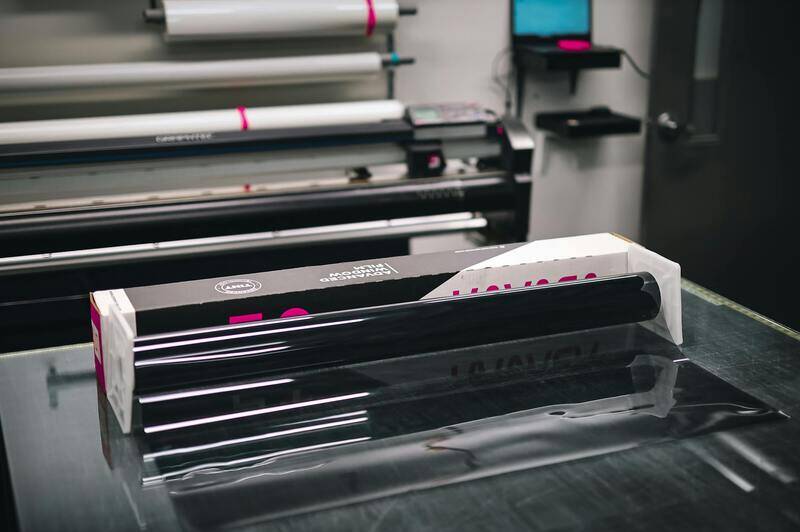
The selection of materials influences the banner’s appearance, durability, and ease of installation. Vinyl remains the most common choice for outdoor applications due to its resilience against weather elements. Its flexibility allows for a range of finishing touches such as grommets, hems, and pole pockets, enhancing stability and ease of mounting.
Fabric options, typically made from polyester or nylon, are favored for indoor environments where presentation quality is paramount. They allow for bright color reproduction and a refined look. Mesh materials, with their perforated surface, are engineered for windy outdoor conditions, providing tensile strength without sacrificing visibility or airflow.
Polyethylene banners serve well in temporary settings where cost-effectiveness and quick deployment are crucial. These lightweight, flexible materials facilitate fast installation and removal, making them suitable for short-term promotions or event signage.
Design Considerations for Banner Printing
Effective banner design hinges on several core principles aimed at maximizing visual impact and readability:
- Clear and Concise Messaging: Keep text minimal but impactful, ensuring that the core message is immediately understandable at a glance.
- High-Resolution Graphics: Utilize high-quality images and vector graphics to prevent pixelation and maintain sharpness across all viewing distances.
- Bold Color Choices: Select contrasting colors to enhance visibility and draw attention, especially from afar.
- Strategic Placement of Logos and Call-to-Action: Ensure branding elements and directives are prominently positioned for maximum recognition and response.
- Consider Environmental Factors: Design with the installation site in mind, accounting for lighting conditions, background, and potential weather impacts.
Professional design services can assist in creating layouts that align with your branding objectives and environmental context, improving overall effectiveness.
Understanding Custom Banner Printing
Custom banner printing is a versatile and impactful form of visual communication tailored to meet the specific needs of businesses, organizations, and events. It involves creating banners that are designed to convey messages clearly and attractively, using a variety of materials and printing techniques. Such banners are essential tools for marketing campaigns, promotional activities, branding efforts, and event signage. The process begins with understanding the objectives of the display, whether it’s to promote a product, decorate a venue, or guide visitors. By selecting appropriate sizes, materials, and design elements, clients can craft banners that effectively capture attention and communicate their message. The customization aspect extends beyond just visuals, encompassing functional features like grommets for easy hanging, pole pockets for structural support, and lamination options that enhance durability in outdoor conditions. As a collaborative process, custom banner printing requires considering the context in which the banner will be displayed, ensuring that every element, from color choice to material, aligns with the intended purpose and environment. This tailored approach not only maximizes visual impact but also ensures that the banner withstands the challenges of different display conditions, maintaining its appearance and message over time.

Choosing the Right Materials for Your Banner
Material selection plays a crucial role in the durability, appearance, and overall effectiveness of a custom banner. The choice largely depends on the intended display environment, duration of use, and budget constraints. Some of the most common materials include:
- Vinyl: Known for its durability and weather resistance, vinyl is a preferred material for outdoor banners. It handles exposure to sunlight, rain, and wind effectively, making it suitable for long-term outdoor advertising.
- Mesh Fabrics: These are perforated banners that allow wind to pass through, reducing strain on the banner and frame. Ideal for outdoor settings in windy conditions, mesh banners maintain visibility while providing tensile strength.
- Polyethylene: Lightweight and cost-effective, polyethylene banners are perfect for short-term events, promotions, or temporary signage that require quick setup and removal.
- Fabric and Canvas: Typically used for indoor banners, these materials offer a high-quality appearance with vibrant color reproduction. They work well for trade shows, retail displays, and interior decorations.
In addition to material choice, finishes like lamination provide enhanced weather protection and improve UV resistance, making banners more resilient to the elements. Grommets and pole pockets further facilitate installation and ensure the banner remains securely displayed. Proper material selection ensures that your custom banner not only looks appealing but also performs reliably throughout its lifecycle.
Design Considerations for Effective Banner Printing
Design is a fundamental aspect of custom banner printing that directly impacts its capacity to attract attention and communicate your message. Key principles should be observed to maximize effectiveness:
- Clear and Concise Messaging: Limit text to essential information, using bold, legible fonts that can be easily read from a distance. A compelling call-to-action or primary message should be prominently displayed.
- Use of High-Resolution Graphics: Incorporate high-quality images and vector graphics to prevent pixelation. Sharp visuals contribute to a professional appearance and enhance brand recognition.
- Contrasting Colors: Select color schemes with high contrast to improve visibility. Bright, contrasting colors help important messages stand out, especially in busy environments.
- Strategic Placement of Logos and Branding Elements: Position branding elements where they are most noticeable, typically at the top or center, ensuring immediate recognition.
- Environmental Considerations: Design banners with their display context in mind. Consider the lighting conditions, background colors, and potential weather impacts to choose appropriate colors and materials.
Alignment with branding standards and environmental factors ensures that banners are not only eye-catching but also harmonious with overall marketing strategies. Professional design services can assist in developing layouts that adhere to these principles, resulting in banners that deliver maximum impact and clarity.
Understanding Custom Banner Printing
Custom banner printing is a strategic process that transforms your visual ideas into impactful displays. This method allows organizations and individuals to create banners tailored to specific marketing campaigns, events, or branding needs. The precision involved in high-quality printing ensures that your messages are not only eye-catching but also durable enough to withstand various environmental conditions. Whether for outdoor advertising or indoor promotions, custom banner printing leverages advanced technology to deliver vibrant colors, sharp images, and clear text, making your communications highly visible and memorable.
Types of Banners and Their Applications
- Vinyl Banners: Known for their durability and weather resistance, vinyl banners are ideal for outdoor advertising, trade shows, and promotional events. Their robust material handles wind, rain, and sun exposure effectively.
- Fabric Banners: These banners offer a softer appearance with excellent print quality, suitable for indoor displays, exhibitions, and corporate environments where aesthetics are paramount.
- Mesh Banners: Designed with perforations, mesh banners are preferable in locations with high wind conditions, providing stability without compromising advertising space.
- Retractable Banners: Perfect for portable marketing setups, retractable banners are easy to transport and set up, frequently used in trade shows and conferences.
- Step and Repeat Banners: These are primarily used in event photography backdrops, featuring repeating logos or designs for brand visibility during media coverage.
Materials Used in Banner Printing
The choice of material plays a crucial role in determining the banner's appearance, durability, and suitability for the intended environment. Common materials include:
- Vinyl: A versatile, weather-resistant plastic that is highly durable, ideal for outdoor use.
- Polyester Fabric: Also known as cloth banners, they provide a premium finish and are often used indoors.
- Mesh Fabric: Features perforations to enhance airflow, reducing wind resistance for outdoor displays.
- PVC Vinyl: Thicker than standard vinyl, offering extra robustness for extensive outdoor exposure.
Each material can be finished with various coatings, such as gloss or matte, to optimize visual appeal and glare reduction. Environmental considerations also influence material selection, especially for banners displayed in sunlight or exposed to moisture.
Design Considerations for Banner Printing
Effective banner design integrates multiple elements to ensure maximum impact:
- Message Clarity: Keep text concise and straightforward to facilitate quick understanding. Use large, legible fonts that are visible from distances.
- Visual Hierarchy: Arrange elements so the most critical information stands out, usually toward the top or center of the banner.
- Color Contrast: Choose contrasting colors to enhance readability and draw attention to key messages.
- Brand Elements: Incorporate logos, slogans, and brand colors seamlessly within the design to reinforce brand recognition.
- Environmental Suitability: Design with the display environment in mind, considering lighting, background, and weather conditions to select appropriate colors and materials.

Ensuring Legal Compliance in Custom Banner Printing
When engaged in custom banner printing, adherence to official guidelines and standards is vital to produce high-quality, legitimate promotional materials. This process involves working with authorized printing services that utilize certified equipment, high-grade inks, and tested materials that meet industry regulations. Ensuring that the printing provider operates within recognized frameworks guarantees that your banners comply with safety, environmental, and advertising standards.
Developing banners through certified channels also involves careful selection of materials that are approved for outdoor or indoor use. For example, vinyl and fabric materials supplied by accredited vendors adhere to environmental safety codes and avoid hazardous substances. Furthermore, utilizing standard printing processes such as digital or screen printing, which are widely recognized and validated, guarantees the legitimacy of the output.
Official Techniques and Methods in Banner Printing
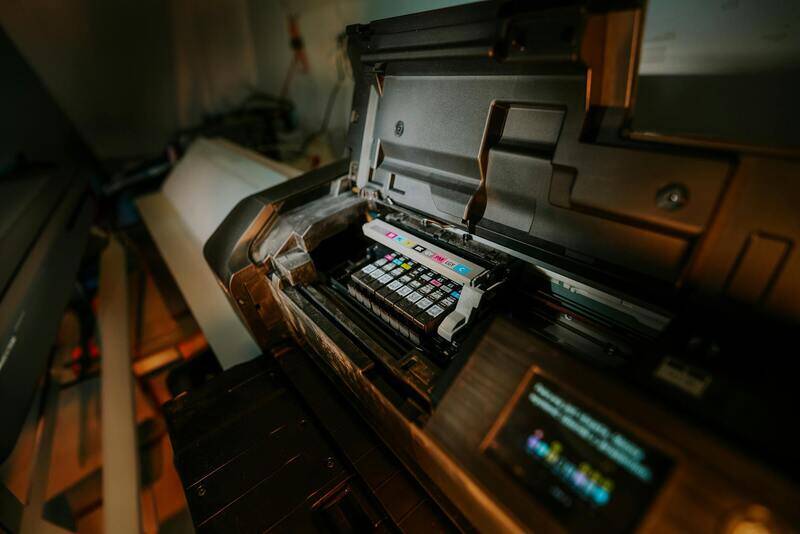
The printing industry relies exclusively on well-established methods that conform to official technical standards. Digital printing, used for short to medium runs, offers vibrant colors and precise details by employing inkjet or LED-based systems. Screen printing, suitable for large batches and bold designs, utilizes stencils and mesh screens to deposit ink, ensuring consistent quality and durability. Both techniques demand specific certifications and adherence to safety protocols to maintain their legitimacy and effectiveness.
Advanced technologies such as UV printing and solvent-based printing are also employed in legal banner production for their durability and color fidelity. These methods are carried out within regulated environments, with equipment calibrated to meet official standards, resulting in prints that sustain outdoor exposure and high wind conditions without degradation or fading.
Implications of Using Certified Materials
- Use of environmentally compliant inks and substrates that meet environmental protection agency regulations.
- Materials with official certifications for UV resistance, waterproofing, and weather stability, suitable for various outdoor conditions.
- Compliance with fire safety standards, especially for indoor banners used in commercial or public spaces.
Knowing your printing materials are sourced from legitimate suppliers guarantees that the banners are safe, durable, and conform to all necessary standards, giving your branding efforts legitimacy and longevity.
Legal Aspects of Design and Content
Respecting intellectual property rights is also a fundamental aspect of legitimate banner printing. All visuals, logos, slogans, and textual content should be created with original design or obtained through licensing agreements. It is essential to avoid infringing upon trademarks and copyrights, which might lead to legal complications and damage brand reputation.
Designs should also reflect transparent and truthful messaging, especially for promotional campaigns, ensuring compliance with advertising rules and regulations. Working with experienced designers and content specialists helps maintain accuracy and adherence to all legal requirements.
Official Documentation and Quality Assurance
Reputable printing service providers often supply official documentation that verifies the quality and compliance of their products. This includes certificates of conformity, material safety data sheets (MSDS), and proof of adherence to industry standards. Requesting and reviewing these documents can help ensure that your custom banners are produced according to statutory criteria and business standards.

By partnering with authorized and verified printers, organizations can confidently deploy banners that meet all technical and legal benchmarks, supporting effective marketing while safeguarding compliance.
