Overview of Name Card Printing Costs
In Singapore, the cost of printing name cards typically ranges from approximately SGD 50 to SGD 200 for standard sets of 200 to 500 pieces. This price spectrum reflects a variety of factors that influence overall expenses, including the choice of materials, printing techniques, order quantity, and customization options. For businesses and individuals seeking to project a professional image, understanding these influencing elements is essential for budget planning and selecting the most suitable options.
Name card printing costs are not uniform across service providers, with some offering competitive packages for bulk orders while premium shops provide high-end finishes at a higher price point. The price differences often stem from the quality of paper, the complexity of design, and additional features like embossing or lamination. By evaluating prices within this range and understanding what factors influence the final cost, clients can make informed decisions tailored to their branding and budget needs.

Comprehensive Pricing Structures for Name Card Printing in Singapore
Understanding the pricing landscape for name card printing involves analyzing various factors that influence the final cost. Businesses, ranging from startups to established corporations, need to navigate these parameters carefully to optimize their budgets while maintaining high-quality branding materials.

The fundamental component affecting cost is the choice of materials, which directly correlates with the perceived value of the name card. Standard cardstock, typically with a thickness of 300 gsm, provides durability while remaining cost-effective. Premium options may include thicker stock (up to 600 gsm), textured finishes, or specialty papers, which add to the expense. Additionally, the printing process—whether single or double-sided—can influence costs, with double-sided printing potentially doubling the print run of a single-side design, thus increasing per-card expenses.
Another crucial factor is the complexity of the design and the number of colors used. Simple one-color or black-and-white printing tends to be more affordable; however, full-color, vibrant, or intricate designs will naturally push the price upward. Embossing, spot UV coatings, foil stamping, and lamination are decorative finishes that significantly elevate the final cost but impart a memorable and tactile impression, aligning with premium brand presentation.
Criteria Influencing Name Card Printing Prices
- Material Quality: Standard vs. premium stocks, textured or specialty papers
- Print Technique: Single-sided vs. double-sided color printing
- Design Complexity: Basic text and logo vs. detailed graphics and effects
- Additional Finishes: Lamination, embossing, foil, and spot UV coatings
- Order Quantity: Small batches generally cost more per card compared to bulk orders due to setup and material costs
- Timeline: Expedited services may involve an additional surcharge, especially for urgent business needs
In terms of quantity, printing a small batch—say 100 to 200 units—tends to have a higher unit cost, which decreases with larger volume orders. For instance, ordering 1,000 or more cards can leverage economies of scale, leading to a lower price per card. Businesses should assess their normal requirement rates and possibly consider bulk purchasing strategies to maximize cost efficiency.
Impact of Delivery and Location on Pricing
Deliveries to remote locations or requests for express shipping can introduce supplementary charges. Standard turnaround times might extend from a few days to a week, depending on the printer’s workload and the complexity of the order. Urgent deadlines often incur premium fees, particularly if the printing service involves overnight or same-day production. Factoring in these variables when budgeting ensures transparency and prevents unforeseen expenses.
Effective Budgeting and Accurate Cost Estimates
To establish a reliable budget for name card printing, it’s vital to request detailed quotes from multiple providers, specifying the desired features and quantities. Clear communication about material preferences, design intricacies, and delivery timelines allows printing vendors to provide precise estimates. This proactive approach also enables businesses to compare options effectively, ensuring that the final product aligns with branding objectives without exceeding financial constraints.
Influence of Material Selection on Cost
Material choice plays a pivotal role in determining the overall expense of name card printing. Premium options such as shimmer or textured papers enhance perceived quality and tactile appeal but come with higher costs compared to standard art cards. Plastic business cards, offering durability and a modern aesthetic, typically command a premium price and are suitable for industries seeking a more innovative image. Linen finish or matte textures provide a sophisticated look, often appealing to professionals aiming for an understated elegance, yet they also tend to increase production costs. Understanding these material distinctions allows businesses to align their branding objectives with budget considerations effectively.
Additionally, the thickness or weight of the card stock influences pricing. Thicker, heavier cards tend to be more expensive due to the increased material usage and printing complexity. For high-end branding, investing in specialized finishes like spot UV coating or embossing further elevates costs but can significantly impact the tactile and visual perception of the final product.
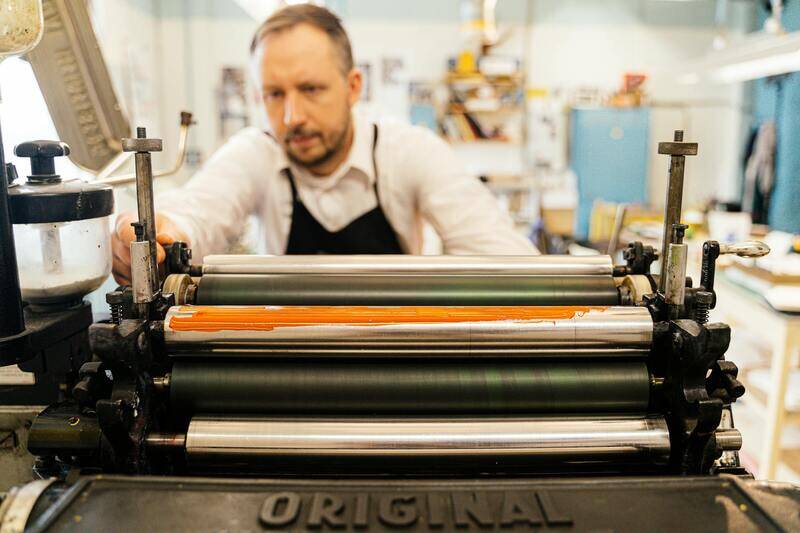
Cost Variations for Different Quantities
Pricing strategies for name card printing often hinge on order volume. Smaller batches, such as 100 to 200 units, typically involve higher per-unit costs due to setup fees and minimal economies of scale. Conversely, larger quantities—ledgers of 1,000 or more—benefit from bulk discounts, substantially reducing the price per card. For instance, an order of 500 cards might incur a modest premium over an order of 1,000, making large volume purchases more cost-effective over time.
Print providers usually set tiered pricing brackets, rewarding clients who commit to larger orders with reduced rates. This approach not only optimizes production efficiency but also encourages bulk buying, benefiting businesses requiring a consistent logo or design across multiple events or offices.
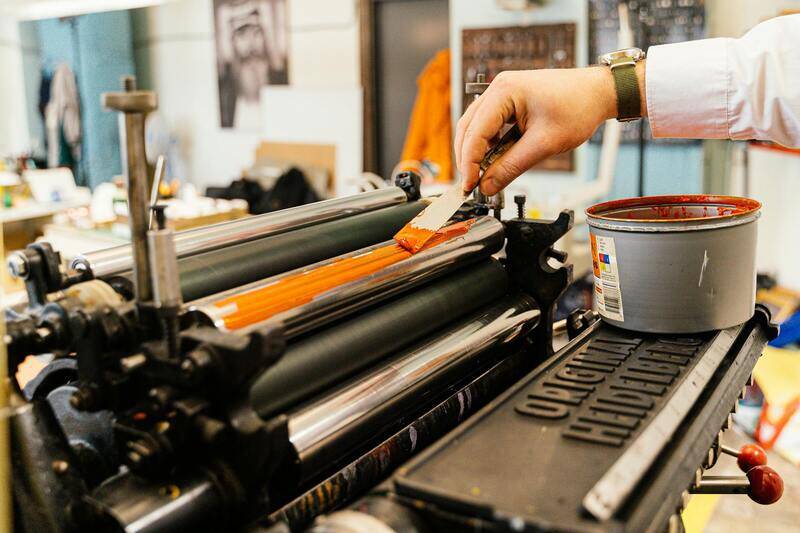
Additional Features and Their Impact on Cost
Enhancing name cards with embellishments or specialty features involves additional expenditure. Common upgrades include spot UV gloss, foil stamping, embossing, and rounded corners. These features elevate visual appeal and tactile experience but also increase production complexity, thus raising costs.
Custom finishes such as matte or glossy lamination help protect cards and add aesthetic value but come with an increment in price. Including QR codes or NFC tags integrated into the card design involves extra setup fees and technology costs, which should be factored into the overall budget.
Typical Pricing Spectrum for Standard and Premium Cards
Standard name cards printed on basic art paper generally range from a modest $20 to $50 for 100 units, depending on the provider and region. Premium options, such as plastic or textured finishes, can elevate the cost to between $50 and $150 for the same quantity, reflecting higher-grade materials and printing techniques.
Order sizes and design complexity influence these ranges significantly. Businesses should request detailed quotes that specify the required features, material choices, and quantity to obtain precise estimates aligned with their branding and budget goals.
Impact of Design Complexity and Customization Options on Pricing
Design intricacies and customization options play a significant role in determining the final cost of name card printing. Simple layouts utilizing standard fonts and minimal graphics generally incur lower expenses, making them suitable for bulk orders or budget-conscious clients. Conversely, elaborate designs featuring custom illustrations, detailed embossing, or multi-color printing escalate production complexity, often translating into higher costs. For example, incorporating specialty finishes like spot UV gloss or foil stamping requires additional setup and material expenses, which manufacturers pass on to the customer.
Businesses aiming to stand out may opt for unique shapes, textures, or finishes that enhance tactile and visual appeal. However, these enhancements necessitate specialized printing techniques or additional tooling, elevating the overall price. Clients should consider balancing aesthetic preferences with budget constraints, requesting detailed quotes that itemize costs associated with each customization.

Additional Services and Their Cost Implications
Aside from fundamental printing, supplementary services such as precision cutting, rounded corners, and matte or gloss lamination contribute to the total expense. These features not only enhance durability but also support branding efforts by creating a polished appearance. Incorporating QR codes or NFC tags involves additional technological setup fees and hardware costs, which are reflected in increased prices. For businesses seeking to include high-end effects like embossing or foil stamping, the costs can fluctuate dramatically depending on the number of cards, complexity, and material choice. Typically, these premium features are priced per batch or per piece, with larger orders benefiting from bulk discounts.
- Premium finishes (e.g., matte, glossy, soft-touch)
- Embellishments such as foil stamping or embossing
- Additional protective features like lamination or varnishing
- Inclusion of digital elements such as QR codes or NFC chips
Material Choices and Cost Variations
The selection of raw materials significantly influences production costs. Standard options like 350 gsm cardstock offer affordability, generally ranging from $20 to $50 for 100 units. Upgrading to specialty materials such as plastic, textured paper, or eco-friendly stocks increases expenses, potentially raising prices to between $50 and $150 for the same quantity.
Materials like clear PVC or textured linen provide unique tactile experiences but require specialized printing techniques, which are costlier. Additionally, thicker or layered cards demand more advanced production processes, adding to the price. Businesses should coordinate with printing providers to select materials that balance aesthetic appeal with budget considerations.

Volume-Based Pricing Dynamics
Order quantity exerts a direct influence on the unit cost of name card printing. Typical pricing structures favor larger batches, where economies of scale greatly reduce per-piece expenses. For instance, printing 100 cards on standard paper may cost between $20 and $50, but increasing the order to 500 or 1,000 units can decrease the unit price to as low as $0.10 to $0.20 per card. Bulk orders not only offer financial savings but also often include additional perks such as free design adjustments or expedited turnaround times. To optimize budgeting, clients should request comprehensive quotes that specify the total cost at various volume tiers, enabling informed decisions aligned with their promotional needs.
- Small batch (up to 200 units): Higher per-card cost, best for targeted distribution
- Medium batch (200-500 units): Moderate pricing with potential discounts
- Large batch (500+ units): Maximal savings, suitable for extensive networking or events
Factors Influencing Price Based on Delivery Time and Location
Expedited print jobs or deliveries to remote regions typically involve additional charges. Faster turnaround times often demand prioritization in production schedules, which can increase costs by 20-50%. Likewise, shipping to distant locations or internationally incurs extra fees due to courier rates and customs procedures. Clients should account for these variables when planning their orders. Requesting precise estimates from printing companies that consider deadlines and destination will foster clarity and help prevent unforeseen expenses.
Strategies for Accurate Budgeting and Cost Estimation
To ensure precise budgeting, it is crucial to provide detailed descriptions of the desired design, materials, and quantities when requesting quotations. Clear communication about any special features or finishes allows printers to assess the project scope accurately and suggest cost-effective options. Comparing multiple quotes, reviewing included services, and understanding the breakdown of costs will facilitate informed decision-making. Maintaining flexibility in design choices, such as opting for standard finishes or smaller order volumes initially, can also help manage costs effectively. Regular consultation with printing professionals ensures alignment between branding goals and budget limitations, paving the way for successful name card projects that convey professionalism without exceeding financial plans.
Pricing for Different Quantities of Name Cards
Understanding the cost implications of varying order sizes is pivotal when planning your name card printing project. Typically, printing companies offer a tiered pricing structure where unit prices decrease as the quantity increases. For small orders, such as 100 to 250 cards, the cost per card tends to be higher due to setup fees and minimum run charges. Conversely, bulk orders of 500 or more often benefit from significantly reduced unit prices, making large quantities a cost-efficient solution for organizations aiming for extensive branding efforts.
In standard practice, a set of 250 high-quality name cards may range from $30 to $70, depending on material choice, finishes, and additional features. When increasing to 500, the total cost might adjust to between $50 and $130, translating to a lower per-card expense. It's essential to evaluate the balance between the desired quality, design complexity, and quantity to optimize the overall expenditure.
For businesses with fluctuating needs, many printing services provide pricing packages that accommodate variable order volumes with flexible options. These packages often include discounts on larger orders or recurring print jobs. Clients are encouraged to request detailed quotes based on their specific specifications and volume requirements. This not only ensures budget accuracy but also helps identify the most economical options without compromising on quality.
Comprehensive Breakdown of Name Card Printing Price Components
Choosing the right printing service for your name cards involves understanding the detailed components that influence the overall cost. Pricing is not solely determined by the number of cards ordered but is also affected by several key factors including material selection, design intricacy, printing techniques, additional finishing options, and delivery specifics. An awareness of these elements allows for better budget management while ensuring the final product aligns with branding standards.
Fundamental Pricing Elements in Name Card Printing
At its core, the price of name card printing is composed of the base cost of materials, printing method, and post-printing enhancements. Each element contributes to the total expenditure, either by adding a premium or offering economy options based on client preferences.
Material Costs and Finishes
The choice of paper stock is a primary factor influencing price. Standard options such as 300gsm matte or gloss paper tend to be budget-friendly, whereas premium materials like textured cardstock, linen finishes, or thick stock (up to 600gsm) command higher costs due to their quality and production requirements. Finishes such as matte lamination, gloss coatings, spot UV, or soft-touch coatings not only elevate aesthetics but also add to material expenses.

Printing Techniques and Complexity
The standard printing process, digital printing, is cost-effective for small to medium runs and offers quick turnaround times. However, for intricate designs requiring special attention to detail, such as embossed logos or foil stamping, additional setup and processing fees apply. These advanced techniques significantly influence pricing, especially when used selectively on parts of the design.
Additional Customization and Finishing
Branding strategies often include features like rounded corners, die-cut shapes, embossing, debossing, or foil accents. Each adds unique visual appeal but also increases production costs. Experts recommend balancing these enhancements with budget constraints to achieve the desired impact without unnecessary expenditure.
Impact of Quantity on Cost
Order volume plays a crucial role in unit price determination. Small batches, such as 100 to 250 cards, generally incur higher per-unit costs due to setup fees and minimal economies of scale. As the quantity increases, the per-card cost decreases, offering significant savings for bulk orders. For instance, a batch of 500 cards might be priced substantially lower than multiple smaller orders due to the efficiency of the printing process and material purchase in bulk.
Cost Variations Based on Delivery and Location
Delivery times and geographic locations can also influence the final cost. Rush orders, especially those requiring expedited production, typically include additional fees due to the need for prioritization and overtime work. Similarly, shipping costs vary depending on distance, with premium charges applied to remote or international destinations. Clients should consider these factors during budget planning to avoid unexpected expenses.
In many cases, printing companies provide detailed quotes that factor in turn-around times and delivery locations, ensuring transparency and helping clients make informed decisions aligned with their budget.
Visualizing Price Ranges for Different Card Types
Considering the numerous options available, a standard set of 250 basic name cards on standard stock might range from $30 to $70. In contrast, premium options with thick textured paper, foil details, and special finishes can reach $150 or higher for the same quantity. For bulk orders of 500 or more, unit prices tend to drop, making high-quality cards more affordable on a per-piece basis.

Strategic Pricing for Optimal Quality and Budget
For brands prioritizing quality, investing in premium materials and finishes may be justified by enhanced brand perception. Conversely, if cost-efficiency is paramount, opting for simpler designs with minimal finishes can significantly reduce expenses. Engaging with professional printers for detailed quotes and exploring various options aids in striking the perfect balance, ensuring the final product meets both aesthetic standards and financial constraints.
Comprehensive Insights into Name Card Printing Price Factors
Determining the cost of custom name card printing involves an in-depth understanding of several critical elements that influence the final price. These factors include material selection, design complexity, print quantity, and additional finishing touches. Engaging with professional printing services ensures that clients receive transparent quotes and tailored options that align with their branding objectives and budget constraints.
Influence of Material Choices on Pricing
The type of paper or cardstock used significantly impacts the overall cost of name card printing. Standard options such as 300gsm matte or gloss finishes offer a balance of affordability and quality, typically suitable for most business needs. Premium materials, including textured papers like linen or suede, or specialty stocks with inclusions like translucent or metallic elements, tend to incur higher costs due to their unique manufacturing processes and limited availability.

In addition to weight and texture, the utilization of eco-friendly or recycled materials can add to expenses, reflecting environmental values. Clients aiming for luxury branding often opt for thicker, more tactile stock, which not only elevates perceived value but also increases unit price. Therefore, selecting materials aligned with brand image and budget is crucial for optimized cost management.
Design Complexity and Its Cost Implications
Simple, minimalist designs with straightforward typography generally incur lower printing fees. Conversely, intricate visuals including multiple colors, detailed logos, or complex graphics necessitate advanced printing techniques like spot UV, foil stamping, or embossing, which substantially drive up costs. File preparation must adhere to specific quality standards; high-resolution images and vector graphics help avoid additional charges for file corrections or resizing.
Pricing for Varied Quantity Orders
Economies of scale play a vital role in name card pricing. Smaller quantities, such as 100 to 250 units, often bring about higher per-piece costs due to setup fees and minimum run requirements. Bulk orders, exceeding 500 or 1000 units, reduce individual prices, making high-quality prints more affordable per card. This scalability allows businesses to optimize their budgets while maintaining branding consistency across larger distributions.
Additional Features and Finishing Services
Enhancements like rounded corners, matte or gloss coatings, lamination, foil accents, and die-cut shapes elevate the aesthetic appeal of name cards. These features, while adding to initial costs, significantly contribute to distinction and durability. The choice of finish not only impacts visual impression but also determines the cost, with premium finishes such as foil stamping or spot UV typically commanding premium prices. It is important to balance these enhancements with budget considerations, especially for high-volume orders where cumulative costs can escalate.

Incorporating special finishes or custom shapes often requires specialized equipment and longer production times, thereby increasing the overall price. Clients should consult with printers for detailed estimates on these enhancements to understand their impact on project cost and delivery schedules.
Typical Price Ranges for Standard and Premium Name Cards
For standard name cards, the cost for 250 pieces on basic stock typically falls within the range of $30 to $70. Premium options, featuring thicker textures, foil accents, or matte finishes, generally start at $150 or higher for the same quantity. Ordering larger quantities results in lower per-piece costs, with bulk discounts encouraging sustainable budgeting for ongoing branding efforts.
This tiered pricing structure underscores the importance of aligning material and finish choices with branding strategy and budget considerations. For businesses aiming to project a sophisticated image, investing in premium materials and finishes can greatly enhance brand perception, while cost-conscious clients may prefer streamlined options that meet essential professional standards.
Comprehensive Guide to Name Card Printing Prices and Methods
Official and Reliable Printing Approaches
When aiming to achieve a professional profile, selecting proper channels for name card printing is essential. Engaging with established printing companies that specialize in business cards ensures quality and consistency. These providers employ advanced digital and offset printing technology, which guarantees precise color matching and sharp details. Such methods are well-regulated, maintaining consistent standards across orders, whether for bulk or small quantities.
Utilizing certified printing services involves straightforward processes: clients provide digital designs through secure upload portals or email, specify material preferences, and choose desired finishes. Clear communication regarding specifications helps receive accurate quotes and confirms the final product meets professional standards. Working with reputable providers also facilitates the selection of appropriate materials, finishes, and custom options, aligning with branding goals.

Ensuring Quality Through Authenticity
Building a credible brand identity involves sourcing name cards from recognized printing entities. These providers adhere to industry standards, utilizing high-quality materials and printing techniques that yield durable products. Clients are encouraged to verify credentials and request samples before placing large orders, ensuring their business cards reflect the desired professionalism. Reliable printers also provide detailed estimates based on specific design choices, helping manage budgets effectively.
Official printing methods typically involve strict quality controls, from digital file verification to final inspection before dispatch. Such practices minimize errors and guarantee that the printed cards match digital proofs exactly. Transparency in pricing for various features, materials, and quantities further supports clients in making informed decisions aligned with their marketing and networking strategies.
Choosing the Right Materials and Techniques
Selection of materials plays a pivotal role in determining both price and impression. Common options include standard cardstock, matte, glossy, or textured finishes. For enhanced visual impact, many opt for specialty papers that offer unique tactile experiences. These premium choices are accompanied by additional costs but contribute significantly to the perceived value of the card.
Printing techniques such as spot UV coating, foil stamping, embossing, and die-cutting are often employed to elevate the design. Each method involves specific equipment and processes, leading to variation in costs. For instance, foil accents or embossed logos command higher prices due to their intricate application and the craftsmanship required. Clients should consider these techniques in relation to their branding objectives and budget constraints.
Pricing Structures for Varied Quantities
Quantity significantly influences the unit price of name cards. Ordering around 250 to 500 pieces typically results in per-card costs ranging from $0.12 to $0.60, depending on selected materials and finishes. Smaller orders using premium features naturally incur higher per-piece costs, but increasing the quantity often reduces overall expenditure—including bulk discounts that are standard in professional printing settings.
When considering larger orders, such as 1,000 or more units, clients benefit from reduced per-item prices, which make them suitable for frequent to long-term branding efforts. Conversely, for short-term use or smaller-scale needs, opting for standard options minimizes expenses without compromising essential quality standards.
- 250 pieces: $30 – $70 for standard quality
- 500 pieces: $50 – $120, with bulk discounts
- 1,000+ pieces: from $0.10 per card, depending on customization
Additional Features and Their Associated Costs
Incorporating custom features like rounded corners, embossing, or specialty laminates affects the final pricing. Foil stamping adds a metallic sheen, suitable for logos or accents, but involves extra setup fees. Spot UV coating emphasizes specific areas with a glossy finish, enhancing visual appeal but increasing production costs. Personalized shapes or die-cut designs typically require custom molds, which can significantly elevate prices, especially for smaller batches.
Design complexity often correlates with additional labor and material expenses. It is advisable to discuss desired embellishments with the printer beforehand to obtain accurate cost estimates and ensure timely execution, especially when tight schedules are involved.

Pricing for Standard versus Premium Name Cards
Standard name cards with basic cardstock and simple digital printing generally cost between $30 and $70 for 250 pieces. Premium options, involving thicker, textured, or specialty papers combined with additional finishes, can start at $150 or more for the same quantity. The investment in premium materials and features elevates the perceived value and effectiveness, especially for high-stakes professional interactions.
Businesses aiming for a distinguished brand image typically allocate higher budgets toward premium cards, considering this as a reflection of their standards. Smaller enterprises or startups may prefer streamlined designs on standard materials to maintain professionalism while controlling costs.
- Standard name cards: $30–$70 for 250 pieces
- Premium packages: $150+ for the same quantity
- Cost reduction: Larger orders reduce per-unit costs
Turnaround Time and Delivery Variations
Production speed and delivery options depend on factors such as order volume, complexity, and shipping distance. Standard processing times usually range from 3 to 7 business days, with expedited services available upon request for urgent needs. Local deliveries often incur lower costs and shorter lead times compared to international shipping, which may involve customs clearance and additional handling charges.
Clients should communicate their deadlines early in the process to coordinate expectations. Advanced orders with extensive customization or premium finishes might require longer lead times, so planning ahead ensures timely availability for critical events or presentations.