
Overview of Custom Made Business Cards
Custom made business cards are essential tools for professionals aiming to leave a lasting impression. Unlike standard business cards, these personalized cards are crafted to reflect an individual’s or brand’s unique identity, integrating distinctive design elements, carefully selected materials, and specialized finishes. They enhance brand recognition and facilitate meaningful connections during networking opportunities. The primary appeal of custom business cards lies in their ability to communicate professionalism, creativity, and attention to detail, thereby setting one apart amid a competitive market.
From a practical standpoint, custom cards allow for extensive customization options, including logo placement, color schemes, typography, and layout arrangements. This flexibility ensures the card aligns perfectly with the company’s branding standards while conveying the desired message effectively. Additionally, personalization extends beyond design; specific thicknesses, textures, and finishing touches can be incorporated to produce a tactile experience that resonates with recipients.
In the realm of branding, custom business cards serve as miniature ambassadors that encapsulate a business’s core identity. They facilitate easier recall and foster trust, making them invaluable for professionals across industries such as real estate, consulting, creative arts, and corporate services. As a strategic investment, they support brand consistency and elevate the overall perception of professionalism.
The process of creating custom made business cards involves meticulous planning. It begins with understanding the purpose and target audience, which guides design choices and material selection. Whether opting for a sleek, minimalist aesthetic or an elaborate, artistic presentation, each element plays a vital role in crafting an impactful card. The ultimate goal is to produce a tangible item that not only provides contact information but also communicates the essence of the brand in a memorable way.
Ensuring Quality and Legitimacy in Custom Business Card Printing
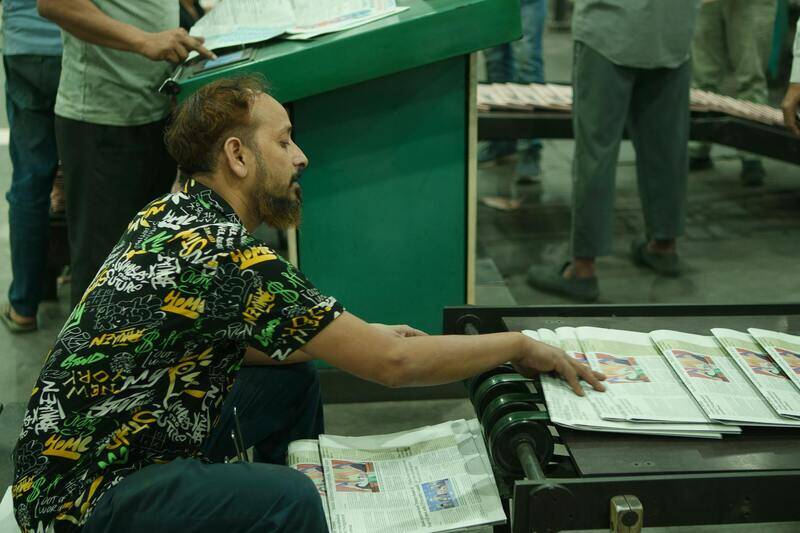
When seeking to produce custom made business cards, professional and reputable printing methods are essential to achieve the desired quality and durability. Businesses should prioritize working with established printing providers that have a proven track record of consistency and customer satisfaction. Reliable providers utilize advanced printing technologies, which guarantee sharp details, accurate color reproduction, and high-resolution finishes.
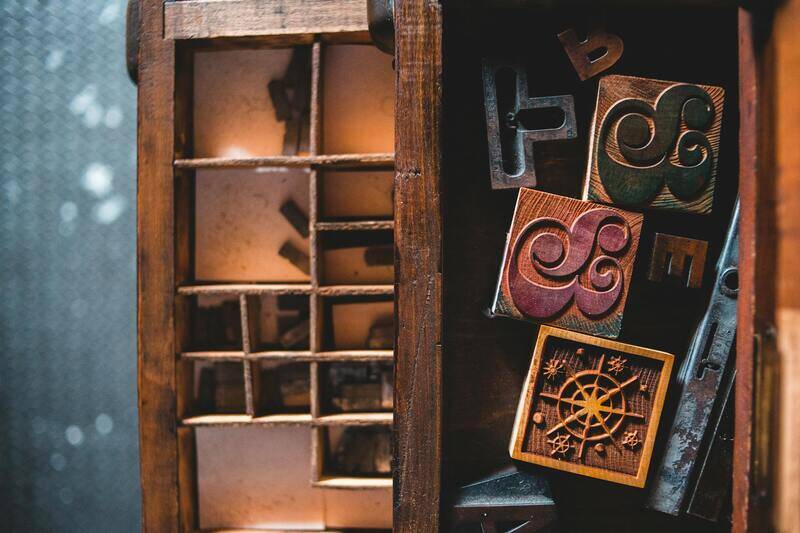
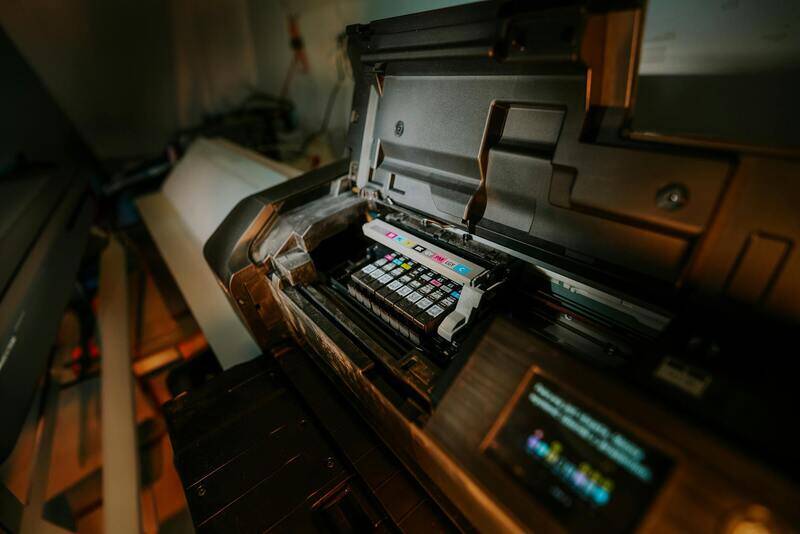
Authentic printing techniques include offset printing, digital printing, or UV printing, each suitable for different order sizes and design complexities. Offset printing is ideal for large quantities due to its cost-effectiveness and vibrant color output, whereas digital printing offers flexibility for smaller runs or customized designs. UV printing, known for its crisp image quality and durability, is often preferred for specialty finishes and embossed effects. Partnering with companies that employ these proven methods helps ensure the final product meets industry standards and the specific needs of the brand.

In addition to technical expertise, it is crucial to verify that the printing service adheres to high-quality standards through certification and customer reviews. Reputable providers are transparent about their manufacturing practices and readily share samples of completed work. Utilizing official and established methods of production guarantees that the business cards not only look impressive but also possess resilience against wear and tear, thereby maintaining a professional appearance over time.
Another significant aspect is material authenticity. Leading printing services source their materials from recognized suppliers, ensuring consistency in texture, weight, and finish. When selecting a service, inquire about the supply chain and the types of substrates available. Authentic materials such as premium cardstock, textured papers, and specialty finishes contribute significantly to the legitimacy and perceived value of the cards.
It is also advisable to request proof copies before the full print run. Digital proofs allow for a thorough review of design accuracy, color fidelity, and overall presentation, preventing costly errors and ensuring the end product aligns perfectly with expectations. This step underlines an inherent commitment to quality and professional standards that are integral for legitimate printing practices.
Material and Finishing Options for Custom Made Business Cards
When selecting materials for custom business cards, it is essential to choose options that exude professionalism and durability. Premium cardstock remains the most prevalent choice due to its thickness, weight, and ability to hold detailed printing clearly. Reputable printing services source their cardstock from established suppliers that guarantee consistency in texture, finish, and color fidelity, which is vital for maintaining a cohesive brand image.
Beyond standard paper, specialty materials such as textured papers, matte or gloss finishes, and even unique substrates like recycled or eco-friendly materials are accessible for those seeking to enhance the tactile experience of their cards. These options can elevate the perceived value of your brand, making a lasting impression on recipients. Finishing touches like spot UV coating add a glossy, tactile highlight to specific design elements, increasing visual impact and sophistication.
Printing Processes and Techniques for Authentic Results
Ensuring the integrity of your custom business cards begins with choosing the right printing process. Digital printing offers high-quality reproduction with fast turnaround times, making it well-suited for small batches and quick revisions. Offset printing, on the other hand, is ideal for larger quantities, providing superior color accuracy and sharpness.
Specialized techniques such as letterpress and thermography add a tactile dimension to the cards. Letterpress printing presses the design into the card, creating a slight indentation that gives a tangible sense of craftsmanship. Thermography uses heat to raise the ink, producing a raised, glossy finish on selected elements. Both methods require precision and adhere to meticulous standards when executed by established printing providers, ensuring the final product truly reflects a high level of professionalism.
Cost Considerations for Custom Business Cards
The expense associated with custom business cards varies depending on factors such as material choice, design complexity, and the printing technique employed. Basic designs on standard cardstock are cost-effective, typically starting at very affordable price points. Conversely, adding premium materials, intricate finishes, or special effects like foil stamping or embossing will increase production costs.
Establishing a clear budget beforehand helps in selecting appropriate options without compromising quality. Many reputable printing services offer tiered pricing models that accommodate various needs, allowing for flexibility in ordering quantities while maintaining control over expenses. It is advisable to request detailed quotes and review the breakdown of costs to understand how each feature impacts the final price.
Choosing a Printing Service for Custom Business Cards
Reliable printing companies adhere strictly to official production methods that meet industry standards of quality and consistency. Look for providers who provide comprehensive information about their manufacturing practices, sourcing, and quality assurance processes. Customer reviews and testimonials can serve as indicators of their professionalism and reliability.
Transparency regarding material sourcing, printing techniques, and turnaround times is crucial. Reputable services often share samples of their work, including digital proofs, which allow clients to verify design accuracy before proceeding with the full run. Certification or affiliations with recognized industry standards further affirm a company’s commitment to legitimate and reputable practices, ensuring your custom business cards will meet your expectations and withstand the rigors of professional use.
Best Practices for Ordering Custom Business Cards
- Thoroughly review digital proofs and request sample swatches to verify colors, textures, and finishes prior to mass production.
- Define your budget and choose materials and techniques that align with brand positioning and value perception.
- Prioritize companies that provide transparent information on sourcing, manufacturing, and quality control procedures.
- Plan your order well in advance to accommodate time for production, proofing, and potential revisions.
- Maintain consistency with your brand identity by using high-resolution logos, appropriate typography, and cohesive color schemes.
- Consider including unique design elements or finishes that differentiate your cards from competitors, such as embossed logos or metallic accents.
Material and Finishing Options for Custom Made Business Cards
When selecting materials and finishes for your custom business cards, the goal is to enhance durability while conveying the right professional image. High-quality printing materials such as thick cardstock, matte or glossy finishes, and specialty papers allow for a refined presentation. Cardstocks with a weight of at least 14pt are preferred for their sturdiness and premium feel. For a more distinctive appearance, consider textured options like linen, felt, or soft-touch matte papers that add tactile richness and visual depth.
Special finishes serve as subtle yet impactful details that differentiate your cards:
- Embossed finishes: Elevate your logo or key text through raised impressions, adding dimension and a tactile experience.
- Foil stamping: Incorporate metallic or color foils to highlight particular elements, giving your card a luxe, eye-catching quality.
- Spot UV coating: Apply a high-gloss UV coating to specific areas for contrast and emphasis, balancing matte backgrounds with shiny accents.
- Matte coatings: Offer a sophisticated, glare-free finish that enhances readability and complements understated designs.
- Glossy coatings: Improve color vibrancy and add a sleek shine that draws attention, ideal for graphics and vibrant colors.
These options should be carefully aligned with your brand identity, marketing strategy, and desired first impression. Consulting with a reputable printing provider ensures access to a wide range of materials and finishes, facilitating the creation of truly bespoke business cards that communicate professionalism, uniqueness, and attention to detail.
Overview of Custom Made Business Cards
Custom made business cards are essential tools for fostering professional relationships and establishing a memorable brand image. Unlike standard designs, custom cards offer the flexibility to tailor every aspect of the card, from layout and typography to materials and finishes, ensuring they resonate uniquely with your brand identity. This personalization allows businesses to project professionalism, creativity, and attention to detail, making a lasting impression on clients, partners, and prospects.

When opting for custom business cards, the focus extends beyond mere aesthetics. It involves strategic decisions around design, materials, and production techniques to convey the right message and elevate your corporate image effectively. Customization also enables businesses in various industries — from creative agencies to financial institutions — to produce cards that align closely with their brand values and target audiences, fostering stronger business relationships.
Advantages of Custom Business Cards
- Unique Branding: Stand out from competitors with personalized designs that reflect your company's personality.
- Enhanced Professionalism: A well-crafted custom card demonstrates credibility and attention to detail.
- Flexibility in Design: Incorporate logos, brand colors, fonts, and layout elements that align seamlessly with your marketing materials.
- Material Versatility: Select from a wide range of premium papers and finishes to add tactile and visual depth.
- Memorability: Custom features like embossed details or specialty coatings leave a lasting impression.
- Targeted Communication: Convey specific messages or data through design elements tailored to your audience.
Design Elements for Custom Business Cards
Effective custom cards utilize various design elements that work together to create a cohesive and compelling visual narrative. Key components include:
- Color Scheme: Use brand colors or complementary palettes to evoke the right emotional response and ensure consistency.
- Typography: Choose fonts that are legible and aligned with your brand personality, whether modern, traditional, or playful.
- Layout & Structure: Balance text and imagery to guide the viewer’s eye naturally across the card.
- Imagery & Graphics: Incorporate high-quality logos, icons, or artwork that reinforce your brand identity.
- Space & Margins: Maintain adequate whitespace to improve readability and aesthetic appeal.
- Unique Features: Consider incorporating embossed text, foil accents, textured surfaces, or die-cut shapes for added dimension.
Material and Finishing Options
The choice of materials and finishing techniques profoundly impacts the tactile experience and perceived value of your business cards. Common options include:
- Paper Types: Standard cardstock with weights of at least 14pt offers durability and a premium feel, while textured papers like linen or felt add tactile richness.
- Finishing Techniques: Specialty coatings such as matte, glossy, or satin finishes enhance visual appeal and functionality.
- Specialty Effects: Embossing, foil stamping, and spot UV coatings introduce luxurious accents and highlight key elements.
- Shape & Size Variations: Die-cut shapes and unusual sizes break away from traditional rectangular cards, increasing memorability.
Aligning these options with your brand identity ensures that your business cards not only look impressive but also communicate professionalism and quality. Consulting with experienced printing providers enables access to a diverse palette of materials and finishing effects, allowing you to craft bespoke cards that clearly differentiate your brand in competitive markets.
Material and Finishing Options for Custom Business Cards
Choosing the right materials and finishes is crucial to ensuring your custom made business cards not only look impressive but also provide a durable and tactile experience that reflects your brand’s professionalism. The selection process involves understanding various options and how they align with your company’s image and budget.

Material selection begins with the type of cardstock or specialty paper that best suits your brand personality. Standard cardstock with a weight of at least 14pt offers robustness and a refined feel, ideal for most professional settings. For brands seeking to emphasize luxury or tactile richness, textured papers such as linen, felt, or recycled textures add a unique physical dimension, creating lasting impressions.
Finishing techniques further elevate the aesthetic and functional qualities of your cards. Matte finishes provide a subdued, sophisticated look that reduces glare and is excellent for detailed designs or text. Glossy finishes enhance color vibrancy and give a sleek appearance, making visuals pop and colors appear more saturated. Satin finishes strike a balance, offering a smooth sheen that’s not as reflective, suited for a contemporary look.
Specialty effects introduce an element of luxury and distinctiveness. Embossing elevates text or logos by adding a raised texture that can be both felt and seen, ensuring your branding elements stand out. Foil stamping brings metallic accents to your design, creating eye-catching highlights and conveying a high-end vibe. Spot UV coatings selectively add gloss to specific areas such as logos or icons, drawing attention and adding depth.
If differentiating your cards is a priority, shape and size variations can further enhance memorability. Die-cut shapes and unusual dimensions break away from traditional rectangular formats, making your business card truly distinctive.
Alignment of these material and finish options with your brand’s identity ensures your business cards effectively communicate professionalism, quality, and a clear sense of your brand personality. Collaborating with experienced printing services allows access to diverse materials and finishes, empowering you to craft a bespoke card that leaves a remarkable impression.
Understanding the Legal Framework Behind Custom Made Business Cards
Creating and distributing custom-made business cards involves adherence to specific official channels and standards that safeguard the authenticity and integrity of your branding materials. These channels include official licensing, authorized printing vendors, and validated design procedures to ensure that your business cards meet industry standards and provide a seamless representation of your professional identity.
Authorized Printing Vendors and Certification
Engaging with certified printing providers is a cornerstone of producing legitimate and compliant business cards. Certified vendors operate within regulated industry parameters and have undergone rigorous assessments to validate their printing facilities, quality control processes, and adherence to safety standards. These providers often possess certifications from recognized industry authorities, which serve as a testament to their legitimacy and technical expertise.
When selecting a printing service for your custom business cards, verify their credentials through official directories or industry-specific certification bodies. These bodies typically require a comprehensive evaluation of the vendor’s equipment, workflow, and compliance protocols, ensuring that your printed materials are produced through legitimate and reliable channels.
Design Rights and Trademark Considerations
All design elements incorporated into your business cards must respect intellectual property rights established by official regulations. Utilizing legally obtained or created logos, images, and fonts ensures your brand remains compliant and avoids infringement issues. Working with licensed designers or employing officially licensed design elements from reputable sources further reinforces the legitimacy of your custom cards.

caption: Certification and compliance are vital for producing legitimate custom business cards that reflect your brand professionally and within regulatory boundaries.
Official Procedures for Custom Business Cards
Adhering to official procedures involves following standardized design protocols, sourcing materials through authorized suppliers, and utilizing certified printing techniques. These processes are designed to guarantee that each business card produced is authentic, high-quality, and compliant with industry regulations.
- Design Approval: Ensure your designs are approved through resmi channels, whether it’s via internal review or authorized design agencies, to confirm they meet all professional standards.
- Material Procurement: Source your paper, finishes, and embellishments exclusively from authorized suppliers. Regulations often specify the permissible materials for professional printing to ensure safety and quality.
- Production Supervision: Use certified printing techniques supervised by licensed operators. Verification of each step, from color accuracy to finishing, guarantees adherence to industry norms.
Maintaining Compliance in Business Card Production
Maintaining compliance involves keeping thorough documentation of your sourcing, design rights, and production processes. This documentation can include procurement certificates, licensing agreements, and quality control reports. Such records are critical for demonstrating that your business cards were produced through official and legitimate channels, especially in formal or regulatory situations.
By engaging with authorized vendors, following established procedures, and respecting intellectual property rights, your custom-made business cards can be a reliable and compliant reflection of your professional brand. This approach not only upholds your reputation but also ensures your business communications are rooted in recognized legal and industry standards.
Best Practices for Ordering Custom Made Business Cards
To ensure your custom made business cards reflect your brand’s professionalism and make a lasting impression, meticulous preparation and strategic planning are essential. Starting with high-quality artwork that aligns with your brand identity guarantees consistency across all platforms and touchpoints. Prioritize using vector graphics for clarity and scalability, and select color schemes that complement your logo and overall branding palette.
Verifying specifications before placing your order is a critical step. Confirm dimensions, bleed areas, and safe margins to prevent unexpected cropping or misalignments during production. When available, request physical samples or mock-ups from your chosen printing vendor. These samples serve as invaluable tools to assess material quality, color fidelity, and finishing details before committing to a larger order. Ensuring that your specifications match your expectations minimizes revisions and streamlines the production process.
Communicate clearly with your printing service about your desired quantity, turnaround times, and any special finishing options. Many reputable vendors offer guided assistance to help you select the optimal paper type, coatings, and embellishments that align with your business goals. Engaging in open dialogue ensures that your vision is accurately translated into the final product.
Requesting samples or proofs prior to bulk printing allows for adjustments before mass production begins. These proofs provide a tangible preview of how the final business cards will look, including color accuracy, font readability, and the impact of special finishes like embossing or foil stamping. Reviewing these proofs thoroughly can prevent costly errors and ensure the final product meets your standards.

Additionally, maintaining detailed documentation of your artwork files, design approvals, and communication with the printing provider supports a smooth ordering process. Keeping records of your chosen specifications, approved proofs, and purchase agreements can be beneficial for future reorders or when verifying the completeness and accuracy of the final product.
Incorporating these best practices into your custom business card ordering process not only enhances quality and consistency but also reinforces your brand’s reputation through precise and professional presentation. Consistency across all elements—from design and material to printing and finishing—serves as a reflection of your commitment to excellence in all business communications.
