Overview of Large Format Printing in Singapore
Large format printing, also known as wide format printing, is a specialized segment within the printing industry that focuses on producing prints on materials that are typically wider than standard printing press capabilities. This technology is crucial for creating banners, posters, murals, trade show displays, and various promotional materials that require high resolution and impactful visual presentation. In Singapore, a bustling hub of commerce, tourism, and marketing, the demand for large format printing has seen consistent growth driven by the needs of businesses, event organizers, and public institutions.
The importance of large format printing in Singapore's vibrant market landscape is reflected in its ability to deliver visually compelling, durable, and high-quality outputs suitable for both indoor and outdoor environments. The versatility of materials and printing techniques allows for a broad range of applications from retail storefront signage to elaborate art installations. As the city-state continues to evolve as a global business center and a cultural hotspot, the role of large format printing becomes increasingly integral in branding, advertising, and communication efforts.

Moreover, advancements in printing technology have enhanced the quality, speed, and sustainability of large format printing processes. This evolution supports Singapore’s commitment to environmental standards while ensuring businesses can meet rapidly changing marketing demands. From custom billboard prints to intricate artistic displays, large format printing remains a vital component in bridging visual communication with effective marketing strategy.
Understanding the core principles and applications of large format printing is essential for businesses and organizations seeking to leverage this technology effectively. The subsequent sections explore different technical aspects, material choices, and strategic considerations to maximize the impact of large format printing initiatives within Singapore’s competitive environment.
Types of Large Format Printing Techniques
Digital Printing
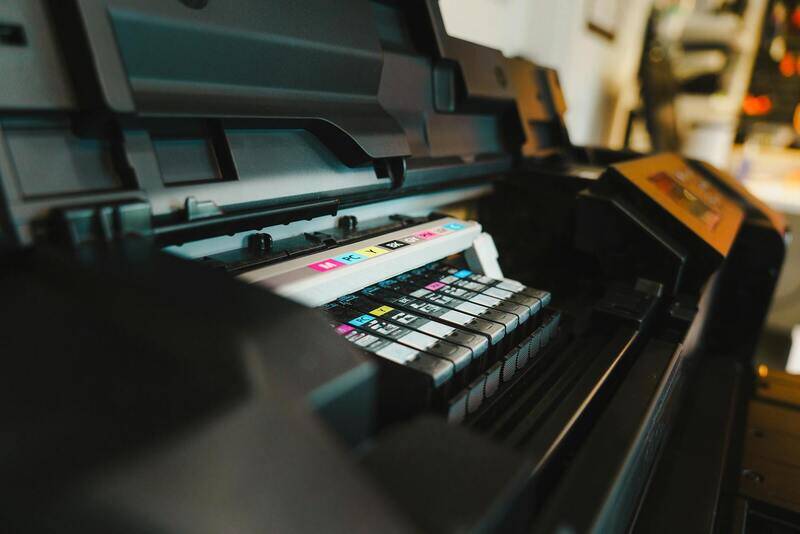
Digital large format printing is the most prevalent method, utilizing advanced inkjet technology to produce high-resolution images on various substrates. This technique allows for quick turnaround times and is ideal for short to medium print runs, making it suitable for promotional banners, retail displays, and event backdrops. Digital printing offers excellent color fidelity and sharp details, which are essential for impactful visual communication in Singapore’s dynamic advertising landscape.
Solvent and Eco-Solvent Printing
Solvent printing employs solvent-based inks that penetrate deep into substrates, providing durability and weather resistance. Eco-solvent variants adopt environmentally friendlier solvents, reducing volatile organic compounds (VOCs) while maintaining robustness. These methods are predominantly used for outdoor signage, vehicle wraps, and textured wallpapers that require longevity under varying weather conditions. The vibrant colors and weather-proof qualities ensure that branding remains vivid over time, a crucial factor in Singapore’s outdoor advertising sphere.

UV Printing
UV large format printing involves curing ultraviolet light instantly on the ink once it hits the substrate, enabling printing on a wider variety of materials such as glass, metal, and plastics. This technique produces highly detailed and durable prints with vibrant colors, suitable for both indoor and outdoor displays, including signage, decorative panels, and point-of-sale materials. UV printing is valued for its ability to produce immediate, high-quality outputs without the need for additional drying time.
Comparison of Techniques
- Digital Printing: Fast, versatile, ideal for colorful, short-run projects.
- Solvent/Eco-Solvent Printing: Suitable for outdoor durability, extensive material compatibility.
- UV Printing: Best for detailed, multi-material applications requiring high durability.
Common Materials and Substrates Used
In Singapore's dynamic advertising and branding landscape, selecting the appropriate materials for large format printing is essential to achieve optimal visual impact and durability. The choice of substrate directly influences the print quality, lifespan, and suitability for specific applications. Among the most frequently utilized materials are vinyl, fabric, paper, and acrylic, each offering distinct advantages tailored to diverse project requirements.
Vinyl: Vinyl remains the most popular material for large outdoor signage, banners, and vehicle wraps due to its excellent weather resistance and flexibility. Its resistance to water, UV rays, and scratches makes it ideal for Singapore's tropical climate. Vinyl substrates can be laminated for additional protection or finished with gloss, matte, or satin coatings to influence visual effects and durability.
Fabric: Fabric-based substrates, such as polyester or cotton blends, are preferred for high-quality interior displays, trade show backdrops, and decorative purposes. They offer vibrant color reproduction and a soft, matte finish that reduces glare. Additionally, dye-sublimation printing on fabric ensures long-lasting, wash-resistant images suitable for both indoor and sheltered outdoor environments.
Paper: Although less common for outdoor use due to environmental susceptibilities, high-quality photographic and fine art papers are employed for premium murals, art reproductions, and short-term displays. They provide exceptional detail resolution and color depth, enhancing the visual appeal of gallery installations and promotional displays within controlled environments.
Acrylic: Acrylic substrates facilitate the creation of sleek, modern signage with a glossy finish and impressive clarity. They're often used for point-of-sale displays, directional signage, and decorative panels, especially when transparency or depth effects are desired. Acrylic's resistance to weather and UV exposure ensures longevity for both indoor and outdoor applications.
Understanding these material options enables clients in Singapore to match their project goals with the most suitable substrate, ensuring their large format prints deliver the intended visual impact and withstand environmental conditions effectively.
Types of Large Format Printing Techniques
In Singapore, businesses and designers who seek high-impact visual displays often rely on various large format printing techniques that cater to different project requirements. Each method brings distinct advantages in terms of finish, durability, and application suitability, making it essential to select the appropriate technology based on the end-use and environmental conditions.
Solvent and Eco-Solvent Printing
Solvent printing is a popular choice for outdoor signage and banners due to its superior adhesion and resistance to weathering elements. This technique utilizes solvent-based inks that penetrate the surface of materials like vinyl, PVC, and banner fabric, resulting in vibrant, long-lasting images. Eco-solvent variants further reduce VOC emissions, aligning with environmentally conscious practices without compromising print quality. The durability of solvent prints ensures visibility in Singapore's humid and rainy climate, making them ideal for outdoor advertising campaigns and signage.
UV Printing
UV printing involves the application of ultraviolet light to instantly cure inks upon contact with substrates. This process allows for printing directly onto rigid surfaces such as acrylic, glass, wood, and metal. UV printing offers sharp detail, vibrant colors, and a durable, scratch-resistant surface, aligning with the premium quality needed for corporate signage and decorative panels. Its versatility enables printing on irregular shapes and textures, expanding design possibilities for innovative branding solutions.
Latex Printing
Latex printing is gaining prominence in Singapore's large format printing scene due to its environmentally friendly profile and flexible application. Latex inks are water-based, resulting in minimal VOC emissions, and they adhere well to a variety of substrates like vinyl, fabric, and paper. This technique boasts excellent color vibrancy, quick drying times, and eco-friendliness, making it suitable for both indoor and outdoor signage, including vehicle wraps. The flexibility of latex prints ensures they can withstand bending and stretching without cracking, which is vital for applications requiring mobility or dynamic displays.
Dye Sublimation Printing
While primarily used for textiles, dye sublimation is a preferred method in Singapore for producing vibrant fabric banners, backdrops, and custom soft signage. The process involves transferring dye-based inks onto polyester fabrics using heat and pressure. It results in high-resolution, fade-resistant images with a silky matte finish. Dye sublimation is especially suitable for event decor, retail displays, and interior branding where fabric aesthetics enhance visual appeal.

Choosing the appropriate printing method hinges on understanding the application's environmental exposure, material compatibility, and desired finish. Each technique offers unique benefits that can be leveraged to create impactful visual content, whether for indoor exhibitions, outdoor signage, or innovative promotional displays.
Types of Large Format Printing Techniques
In Singapore, the range of large format printing techniques available addresses diverse needs for quality, durability, and visual impact. Understanding these methods helps clients select the most suitable option for their specific project requirements. The primary techniques include solvent printing, UV printing, latex printing, and dye sublimation, each with distinct advantages for different applications.
Solvent Printing
Solvent printing utilizes solvent-based inks that penetrate deeply into materials, creating vibrant, long-lasting images. This technique is popular for outdoor signage due to its excellent weather resistance and color richness. It is particularly effective on non-porous substrates such as vinyl banners, billboards, and vehicle wraps. Solvent inks are also resistant to fading, moisture, and UV exposure, making them ideal for prolonged outdoor use.
UV Printing
UV printing employs ultraviolet light to cure the inks instantly on the substrate, resulting in sharp, high-resolution images with exceptional color fidelity. Its versatility allows printing on a variety of surfaces, including rigid materials like acrylic, glass, or wood, as well as flexible substrates. UV printing is increasingly favored for customized retail displays, promotional items, and interior decor due to its ability to produce vivid, durable prints with minimal environmental impact.
Latex Printing
Latex printing is a water-based, eco-friendly alternative characterized by its flexibility and quick drying times. It works well on various substrates such as fabric, vinyl, and paper, offering vibrant color outputs suitable for indoor and outdoor banners, vehicle wraps, and posters. The flexibility of latex inks means prints can endure bending or stretching without cracking, making them suitable for dynamic display applications.
Dye Sublimation Printing
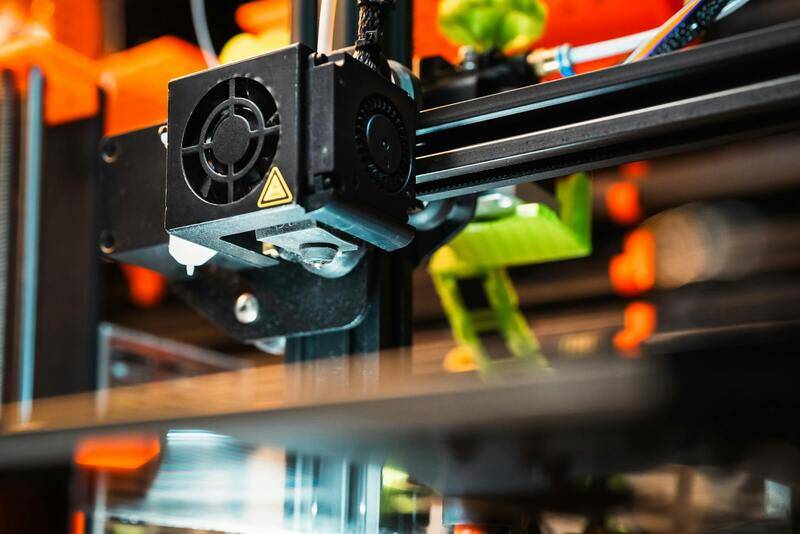
This technique excels with textile materials, particularly polyester fabrics, producing stunning, fade-resistant images suitable for fabric banners, soft signage, and backdrops. The dye sublimation process involves transferring dyes into fabric fibers using heat and pressure, resulting in high-resolution, silky matte finishes. Its vibrant color output and durability make it a preferred choice for event decor and retail displays where fabric aesthetics are paramount.
Each of these methodologies offers specific benefits aligned with project goals, environmental conditions, and material compatibility. Selecting the most appropriate technique involves assessing factors like outdoor durability, desired finish quality, and budget constraints.
Overview of Large Format Printing in Singapore
Large format printing in Singapore has become an essential component for custom advertising, event branding, retail displays, and architectural signage. The city-state's vibrant commercial hub requires high-quality visual communication tools capable of grabbing attention from a distance and withstanding diverse environmental conditions. The diversity in project scope—from short-term promotional banners to long-lasting signage—demands advanced printing methods that offer precision, durability, and vivid color reproduction.

With technological advancements, Singapore's printing industry now offers a broad spectrum of solutions tailored to different business and creative needs. This includes sophisticated equipment capable of producing ultra-wide prints with exceptional clarity, as well as sustainable options that align with growing environmental consciousness. As businesses seek innovative ways to outshine competitors, large format printing continues to evolve, integrating digital technologies, eco-friendly inks, and faster production timelines.
Types of Large Format Printing Techniques
Understanding the various techniques employed in large format printing is fundamental for selecting the appropriate method for each project. Each technique offers unique attributes suited for specific substrates, finish qualities, and durability requirements.
UV Printing
UV printing utilizes ultraviolet light to cure inks instantly on various surfaces. This process enables printing on non-porous materials such as acrylic, glass, metal, and wood—opening possibilities for high-end signage, retail displays, and architectural features. UV prints are highly resistant to scratches, fading, and environmental factors, making them suitable for both indoor and outdoor applications.
Latex Printing
Latex printing is an eco-friendly choice, employing water-based inks that are flexible and quick-drying. It effectively reproduces vibrant colors on diverse media such as vinyl, fabric, mesh, and paper. This technique is particularly valued for its durability and flexibility, allowing prints to endure bending and stretching, ideal for vehicle wraps, outdoor banners, and soft signage pertaining to events and promotions.
Dye Sublimation Printing
Specializing in textile materials, dye sublimation uses heat to transfer dye onto polyester fabrics, resulting in high-resolution, fade-resistant images. This technology is perfect for fabric banners, soft signage, and backdrops that require a silky matte finish and vibrant color payoff. Its ability to produce long-lasting images makes it a preferred choice for interior decor and event displays, seamlessly combining aesthetics with functionality.

Common Materials and Substrates Used
The versatility of large format printing in Singapore derives from the wide array of substrates available, each suited for specific applications and environmental conditions. Materials can be broadly categorized into rigid and flexible substrates, with choices depending on the project’s aesthetic, durability, and installation requirements.
- Vinyl: The most common flexible material used for banners, vehicle wraps, and wall coverings. Vinyl offers weather resistance and longevity, making it suitable for outdoor advertising.
- Fabric: Used for soft signage, backdrops, and trade show displays, fabrics like polyester or cotton provide vibrant color output and a sophisticated look.
- Acrylic and Polycarbonate: Rigid and impact-resistant, these materials are ideal for illuminated signage, retail displays, and architectural features requiring a sleek finish.
- Foam Board and Dibond: Lightweight yet sturdy options for indoor signage, point-of-sale displays, and exhibition panels.
- Glass and Metal: For high-end, durable signage with a modern aesthetic, including architectural glass adornments or metal plaques.
Applications of Large Format Printing
The scope of large format printing applications in Singapore is extensive, spanning commercial, entertainment, and public sectors. The ability to produce high-impact visuals at large scales facilitates effective brand communication and environmental storytelling.
- Advertising & Promotions: Billboards, banners, point-of-sale displays, and exhibition backdrops leverage large-scale prints to capture audience attention efficiently.
- Interior & Exterior Signage: Information signs, wayfinding panels, and decorative murals enhance spatial navigation and aesthetic appeal within commercial and institutional spaces.
- Event & Retail Displays: Custom soft signage, vehicle wraps, and promotional pop-ups create immersive experiences at trade shows, product launches, and retail outlets.
- Architectural & Decorative Elements: Large-format prints are used for custom wall coverings, glass decals, and architectural feature panels that bring creative visions to life.
- Art & Cultural Installations: Artists and cultural organizations utilize large format printing for installations, murals, and gallery displays that foster community engagement.

Overview of Large Format Printing in Singapore
Large format printing in Singapore has become a cornerstone of visual communication across various industries, offering unmatched versatility and impact. This specialized printing sector caters to a broad spectrum of needs, from advertising and branding to artistic and cultural expressions. With Singapore’s strategic location and vibrant commercial ecosystem, the demand for high-quality, durable, and visually striking large-scale prints continues to grow. Implemented across urban infrastructure, retail environments, and public spaces, large format printing enhances the aesthetic and functional qualities of environments, helping businesses and organizations communicate their messages effectively to diverse audiences.
Types of Large Format Printing Techniques
To meet the diverse requirements of clients, multiple printing techniques have been developed, each with unique advantages suited to specific applications:
- Solvent Printing: Known for producing highly durable prints, solvent printing utilizes solvent-based inks that offer excellent adhesion and weather resistance, ideal for outdoor signage and vehicle wraps.
- UV Printing: UV technology cures inks instantly using ultraviolet light, allowing for on-demand printing on unconventional substrates such as acrylic, glass, and metal, providing vibrant colors and high resolution.
- Eco-Solvent Printing: A more environmentally friendly alternative that produces resilient prints suitable for both indoor and outdoor projects, often used for banners and wall coverings.
- Latex Printing: Combining eco-friendliness with flexibility, latex printing creates soft, stretchable, and environmentally safe prints, often favored for banners and textile applications.
- Transfer Printing: This method involves transferring images onto materials via heat, commonly used for creating custom fabrics and apparel signage.
Common Materials and Substrates Used
The choice of material plays a pivotal role in achieving the desired visual and physical properties of the print. In Singapore, a variety of substrates are employed for different project needs:
- PVC Vinyl: The most common material for banners, posters, and vehicle wraps due to its durability and flexibility.
- Meshvinyl: Used for large outdoor banners that require breathability and wind resistance.
- Canvas: Popular for fine art reproductions and decorative murals with a textured, artistic finish.
- Acrylic Sheets: Ideal for high-end signage and displays that require clarity and a modern aesthetic.
- Foam Board & PVC Foam: Lightweight options for short-term signage or indoor displays.

Applications of Large Format Printing
The scope of large format printing applications in Singapore is extensive, spanning commercial, entertainment, and public sectors. The ability to produce high-impact visuals at large scales facilitates effective brand communication and environmental storytelling. Prominent applications include:
- Advertising & Promotions: Billboards, banners, point-of-sale displays, and exhibition backdrops leverage large-scale prints to capture audience attention efficiently.
- Interior & Exterior Signage: Information signs, wayfinding panels, and decorative murals enhance spatial navigation and aesthetic appeal within commercial and institutional spaces.
- Event & Retail Displays: Custom soft signage, vehicle wraps, and promotional pop-ups create immersive experiences at trade shows, product launches, and retail outlets.
- Architectural & Decorative Elements: Large-format prints are used for custom wall coverings, glass decals, and architectural feature panels that bring creative visions to life.
- Art & Cultural Installations: Artists and cultural organizations utilize large format printing for installations, murals, and gallery displays that foster community engagement.
Choosing a Large Format Printing Service in Singapore
Selecting the right service provider involves assessing several key aspects, including expertise, technology, and reputation. Customers should review the company's portfolio, inquire about their experience with specific substrates and techniques, and evaluate their ability to meet tight deadlines and quality standards. A reputable provider will also offer comprehensive consultations, assisting clients with material selection, design adjustments, and finishing options to ensure the final product aligns with project goals.
Design and File Preparation for Large Format Printing
Effective design and file preparation are essential to produce high-quality large format prints. Files should be created with appropriate resolution—typically at least 150 to 300 dpi at final print size—to maintain sharpness and detail. Use of color profiles and bleed areas ensures consistency and prevents unwanted borders or distortions. Vector graphics are recommended for logos and text to guarantee scalability without loss of quality. Additionally, collaborative communication with the printing team aids in addressing potential issues related to color matching, material compatibility, and finishing options, ultimately resulting in a polished and impactful final product.
Cost Factors and Budgeting for Large Format Printing
Preparing for large format printing projects in Singapore requires a clear understanding of the various cost components involved. The overall expense can fluctuate based on the size of the print, chosen materials, complexity of design, and finishing requirements. It is vital to consider each of these factors to develop an accurate budget that aligns with project objectives and ensures quality from start to finish.
Material Costs
The selection of materials significantly impacts the overall cost. Premium substrates such as high-grade vinyl, textured fabrics, or specialty films tend to be priced higher but offer superior durability, appearance, and suitability for specific applications. Conversely, more economical options like standard vinyl or poster paper may suffice for temporary displays or interior use. When budgeting, it is crucial to balance these considerations with the intended use, environmental conditions, and longevity expectations.
Size and Quantity
The dimensions of the print directly influence costs. Larger formats require more material and labor, increasing expenses accordingly. Additionally, ordering in bulk or multiple copies can sometimes lead to discounts, making large projects more cost-effective per unit. Clients should communicate their volume needs clearly with service providers to explore package deals or tiered pricing options.
Design Complexity and Finishing
Complex designs involving intricate details, multiple colors, or special effects can elevate production costs due to the need for advanced printing techniques and additional finishing work such as lamination, mounting, or framing. Planning and streamlining design elements during the creation phase can help manage these costs effectively.
Turnaround Time
Urgent deadlines may incur premium charges. Expedited services require resource prioritization, employing faster printing methods or overtime labor, which can increase overall expenses. Therefore, strategic scheduling and early planning are recommended to avoid unnecessary costs while maintaining quality standards.
Additional Expenses
- Transportation and installation fees, particularly for large or complex setups at outdoor or high-traffic locations.
- Special finishes like matte, gloss, or textured coatings that enhance visual appeal and protection.
- Consultation and design services, which contribute to a seamless integration of messaging and branding elements.
Budgeting Strategies
To effectively manage costs, clients should request detailed quotations from multiple providers, emphasizing transparency in pricing components. It is also beneficial to prioritize essential features and discuss potential cost-saving alternatives without compromising on quality. Establishing a comprehensive project timeline facilitates smooth execution and helps prevent last-minute expenses arising from rushed deadlines or design revisions.