
Overview of Big Format Printing
Big format printing, also known as large-scale printing, encompasses a category of printing techniques designed to produce graphics and visuals that surpass traditional printing sizes. This specialized form of printing is integral to the creation of banners, posters, wall murals, vehicle wraps, and other large signage solutions that demand high visual impact. The scope of big format printing extends across various industries including retail, hospitality, real estate, and events, where vivid, durable, and sizable visual displays are essential for effective communication. Its ability to deliver crisp, vibrant images on large surfaces makes it indispensable for businesses seeking to maximize their visibility in competitive environments.

From storefront advertisements to outdoor billboards, big format printing plays a pivotal role in capturing audience attention and conveying branding messages in a memorable way. As technology advances, the capabilities of this printing method continue to expand, allowing for higher resolutions, wider print widths, and improved durability. This progress not only enhances visual quality but also broadens the scope of applications, reinforcing big format printing as a cornerstone of modern marketing and visual communication strategies.
Businesses and organizations increasingly rely on big format printing to create impactful visual experiences that stand out amidst cluttered environments. Whether for temporary campaigns or permanent installations, the ability to produce high-quality, large-scale visuals quickly and cost-effectively makes big format printing an essential tool in today's fast-paced advertising landscape.
Types of Big Format Printing Techniques
Choosing the appropriate printing technique is essential for achieving the desired visual quality, durability, and application-specific requirements in big format printing. Several advanced methods are utilized in the industry, each offering unique benefits that suit different project needs.
Solvent Printing
Solvent printing involves the use of solvent-based inks that contain pigments suspended in solvent carriers. This method produces highly durable prints with excellent resistance to water, UV rays, and environmental pollutants. It is ideal for outdoor advertising materials such as billboards, banners, and vehicle wraps, where longevity and weather resistance are critical. Solvent printers can handle a wide range of substrates, including vinyl and other flexible materials, ensuring vibrant and weatherproof visual displays.

UV Printing
UV printing utilizes ultraviolet light to instantly cure the inks on the substrate, resulting in vibrant, high-quality images with excellent adhesion. This technique allows for printing on a broad spectrum of rigid and flexible materials, including acrylic, glass, metal, and wood. UV printing is particularly advantageous for creating detailed signage, promotional displays, and custom art pieces that require a high degree of precision and color accuracy. Its fast curing process also enhances production efficiency, reducing turnaround times.
Latex Printing
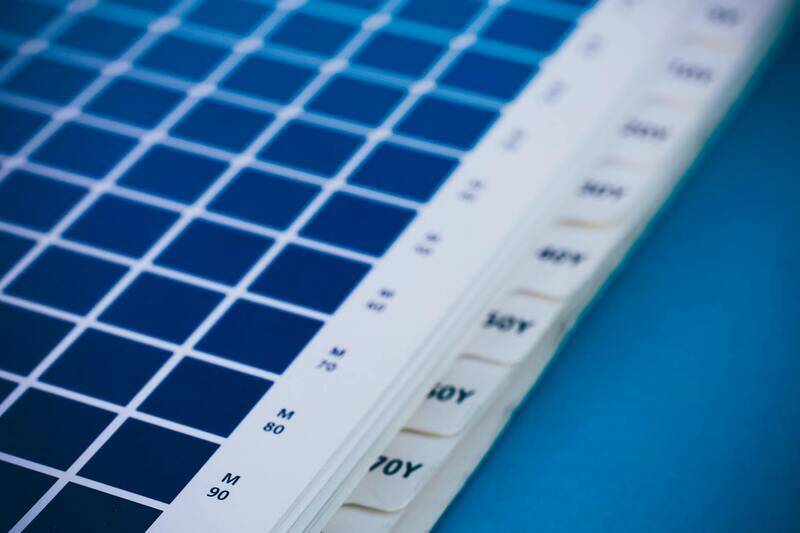
Latex printing employs water-based inks that are free from harsh solvents, making it an environmentally friendly choice. It offers flexibility, vibrant colors, and excellent resistance to creasing and cracking, making it suitable for flexible banners, wall coverings, and vehicle wraps. Latex printing is appreciated for its quick-drying capabilities, allowing for faster finishing and installation. Its eco-conscious profile also appeals to brands seeking sustainable solutions.
Eco-Solvent Printing
Eco-solvent printing is a refined version of traditional solvent printing, using environmentally friendly solvents that produce fewer volatile organic compounds (VOCs). This technique combines durability with reduced environmental impact, making it a popular choice for outdoor signage, retail displays, and event graphics. Eco-solvent inks provide vibrant colors and excellent adhesion on various substrates, ensuring long-lasting visual impact without compromising sustainability.
Overview of Big Format Printing
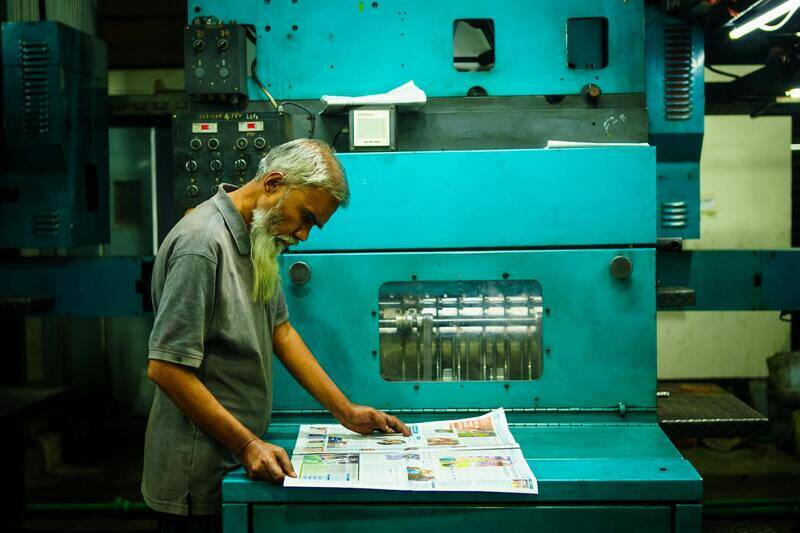
Big format printing, also known as wide-format printing, encompasses a range of printing techniques designed to produce large-scale graphics, signage, and displays. This specialized printing field caters to the creation of visuals that can be seen from a distance or serve as eye-catching promotional tools in various environments. Whether for retail displays, event banners, vehicle graphics, or murals, big format printing enables businesses and artists to bring their visions to life on a grand scale with high precision and visual impact. The process involves sophisticated equipment capable of handling large substrates while maintaining high resolution and color fidelity, making it ideal for delivering powerful visual messages across diverse industries.
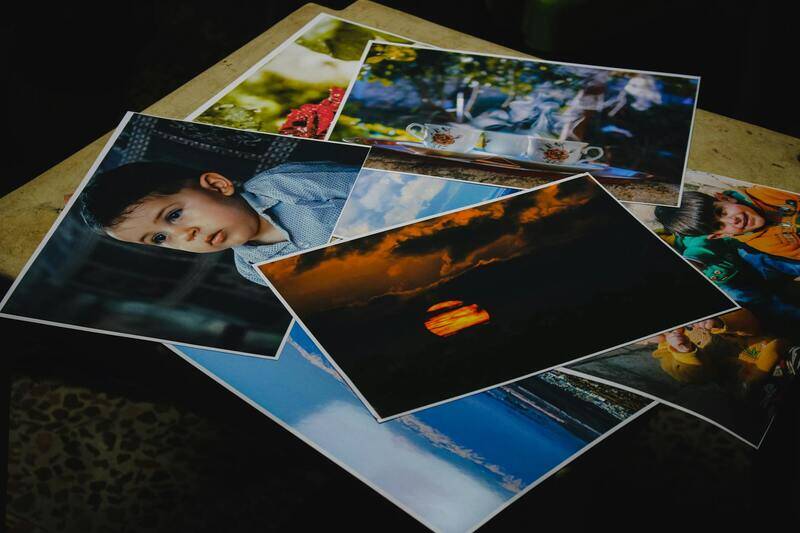
Modern big format printing combines advanced printing technologies with innovative materials to provide durable, vibrant, and visually striking outputs. The importance of this technology lies in its ability to transform standard printing workflows into large-scale production, supporting dynamic marketing strategies, branding efforts, and artistic expressions. Professionals utilize a variety of printing techniques to match specific project requirements, considering factors like durability, surface type, environmental exposure, and desired aesthetic effects.
Types of Big Format Printing Techniques
Choosing the right printing technique is crucial to achieving the desired quality and longevity of the final product. The most common methods include UV printing, latex printing, eco-solvent printing, as well as traditional solvent and solvent-based options. Each method offers distinct advantages depending on the substrate and application requirements.
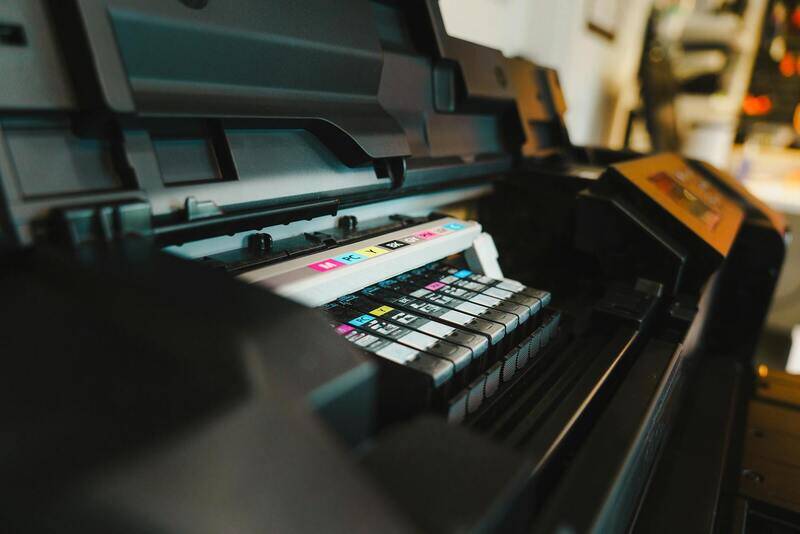
Understanding the capabilities and limitations of these techniques helps ensure optimal results in large-scale projects. For instance, UV printing excels at detailed, high-resolution images on rigid surfaces, while latex printing provides flexible, eco-friendly solutions suitable for banners and wall coverings. Eco-solvent printing offers excellent outdoor durability with reduced environmental impact, making it a preferred choice for long-lasting signage.
Choosing an appropriate method depends on multiple factors, including material compatibility, desired print quality, exposure to elements, and production timeline. Industry professionals evaluate these variables carefully to select the most suitable technology for each project, ensuring vibrant visuals, long-term performance, and efficient workflow integration.
Common Materials Used in Large-Scale Printing
When it comes to materials suitable for big format printing, selecting the right substrate is essential for achieving outstanding results and ensuring longevity. Industry professionals typically choose from a diverse range of materials based on the specific application, environmental conditions, and aesthetic goals.
Vinyl remains one of the most popular choices owing to its durability, flexibility, and cost-effectiveness. It’s commonly used for banners, vehicle wraps, and outdoor signage, thanks to its resistance to weather elements and ease of installation. To enhance UV resistance and improve print quality, many vinyl surfaces are coated with special laminates prior to printing.
Fabric options, such as mesh or canvas, are favored for indoor and outdoor displays where a softer, textured appearance is desired. Mesh fabrics allow airflow, making them suitable for large banners in windy environments, while canvas lends a high-end look for gallery installations and premium signage.
Rigid materials like aluminum composite panels (ACP), acrylic, and PVC boards are often chosen for signage that demands a solid, professional appearance. These substrates provide a flat surface ideal for detailed graphics and durable enough to withstand outdoor conditions. UV and solvent-based printing techniques excel on these materials, producing vivid, high-resolution images that resist fading over time.
Specialty materials such as foam boards, wood panels, and textured papers also find application in artistic or branded projects where unique tactile qualities are valued. Additionally, growing interest in eco-friendly options has led to the adoption of recyclable and biodegradable substrates, helping to meet sustainability goals while still delivering high-quality visuals.
Choosing the correct material not only affects the visual outcome but also impacts the durability and installation process. Professional print providers evaluate these factors carefully to recommend the most appropriate substrate that aligns with both project goals and environmental exposure, ensuring the best possible performance for each application.
Applications of Big Format Printing in Singapore
Big format printing has become an integral component of Singapore’s dynamic visual landscape. Its versatile applications span multiple industries and serve various communication goals, from capturing attention in bustling urban environments to enhancing brand identity within retail and corporate spaces. The robust adoption of large-scale printing technologies reflects not only the city-state’s forward-thinking approach to marketing and public engagement but also emphasizes the importance of visual impact in competitive marketplaces.
Outdoor advertising remains one of the most prominent uses of big format printing in Singapore. Massive billboards, transit advertisements, and digital banners strategically placed along busy roads and in high-traffic areas generate high visibility. These large prints are designed with weather-resistant materials and high-resolution printing techniques to withstand the tropical climate and prolonged exposure, ensuring long-lasting effectiveness.
Interior branding and promotional displays also benefit greatly from big format printing. Large wall murals, window graphics, and point-of-sale displays contribute to immersive brand experiences within retail outlets, shopping malls, and corporate offices. By utilizing vibrant visuals and innovative application methods, businesses effectively communicate their message while creating an engaging environment for customers and visitors.
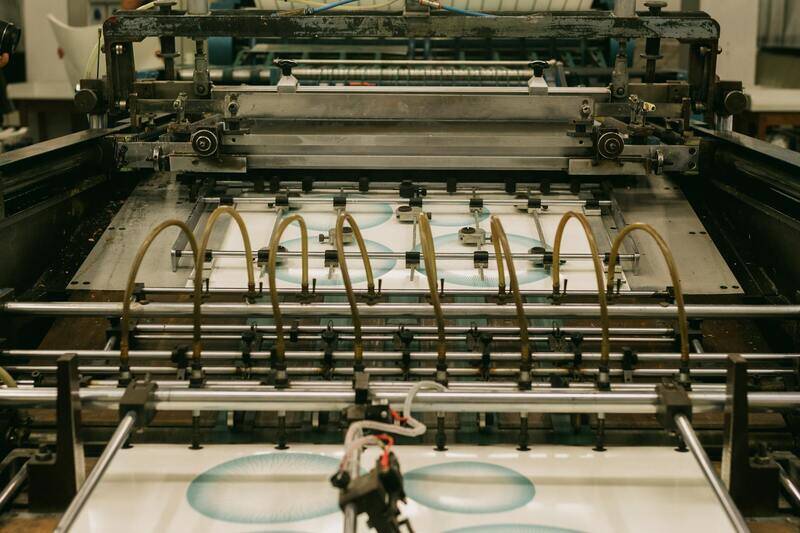
Event displays and exhibition stands are another significant application, where custom-printed backdrops, signage, and stage decorations help event organizers attract attention and reinforce branding efforts. The flexibility of big format printing enables rapid customization, making it possible to produce tailored visuals for various occasions like trade shows, festivals, and corporate events.
Architectural signage demonstrates the technical prowess of high-quality large-scale printing, providing sustainable, visually appealing solutions for building identification, wayfinding, and informational displays. Using durable materials such as acrylics, metals, and textured substrates, these installations are crafted to enhance architectural aesthetics while remaining resilient in outdoor environments.
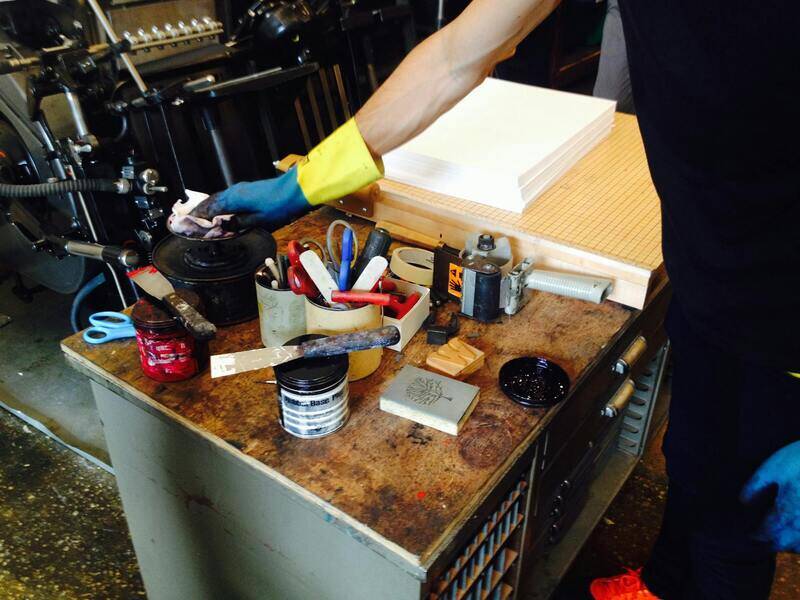
Overall, the strategic use of big format printing in Singapore exemplifies the intersection of innovative technology, creative design, and sustainable practices. The ability to produce impactful visuals at a large scale helps brands stand out in a crowded marketplace, communicate complex messages efficiently, and create memorable experiences for audiences across diverse settings. As the market continues to evolve, the integration of digital customization and eco-friendly substrates is expected to further expand the spectrum of applications and effectiveness of large format printing in Singapore.
Advantages and Limitations of Large-Scale Printing
Big format printing offers numerous advantages that make it an invaluable tool for brands, designers, and event organizers aiming to maximize visual impact. Its high visibility ensures that messages, logos, and graphics are easily noticed from a distance, creating quick recognition and drawing attention in crowded environments. This heightened visibility is particularly useful for outdoor advertising, retail displays, and large-scale event backdrops where capturing the audience’s gaze quickly is essential.
Another significant benefit is the ability to produce visually striking and vivid displays. Modern printing technology allows for the reproduction of intricate details, vibrant colors, and smooth gradients on large surfaces, resulting in compelling visuals that communicate key messages effectively. Additionally, large-format printings can be customized to meet specific project requirements, offering flexibility in design, size, and materials. This adaptability enables brands to create unique, eye-catching visual environments tailored to different audiences and occasions.
However, the deployment of big format printing also entails certain limitations that businesses should consider. The initial setup costs for high-quality large-scale printing equipment can be substantial, impacting budgets for small to medium enterprises. Moreover, the size of the equipment necessitates ample space for installation and maintenance, which might be a logistical challenge for some companies. Handling large materials requires skilled operators and specialized tools to prevent damage during production and installation.
Material selection plays a critical role in the durability and appearance of large format prints. While some substrates are suitable for outdoor use, they may come at a higher cost or require specific handling techniques to ensure longevity. For instance, banners made from vinyl or mesh are designed to withstand weather elements, but their printing process must be carefully managed to avoid peeling or fading over time.
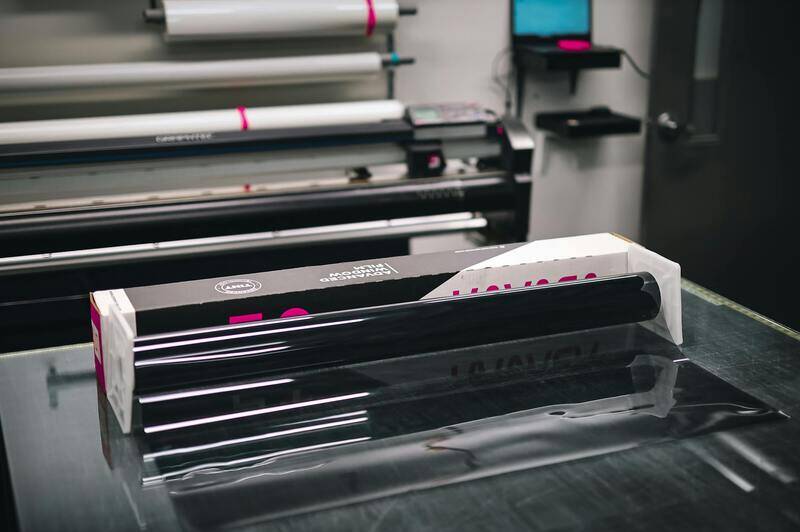
Additionally, environmental factors such as exposure to sunlight, wind, and moisture can affect the lifespan of outdoor prints. Proper installation and regular maintenance are essential to maximize durability and keep visuals eye-catching for extended periods.
Balancing Benefits and Constraints
- High Impact and Visibility: Effective for grabbing attention from afar, ideal for outdoor advertising and large displays.
- Design Flexibility: Supports a wide range of materials, finishes, and customizations.
- Cost Considerations: Larger prints and specialized materials increase production costs.
- Logistical Challenges: Requires sufficient space and technical expertise for handling and installation.
- Material Durability: Selection impacts longevity, especially for outdoor applications.
- Environmental Impacts: Outdoor displays need weather-resistant materials to maintain visual quality over time.

Comprehensive Methods for Authentic Big Format Printing in Singapore
In the realm of large-scale printing, ensuring that your prints are produced through reputable, legitimate methods is crucial for achieving optimal quality, durability, and visual impact. When selecting a printing service for big format projects, it's essential to understand and verify the techniques employed, as well as the materials used, to ensure your banners, billboards, and other large visuals meet industry standards.
Understanding Accepted Large-Scale Printing Technologies
There are several established and widely recognized printing processes used for big format applications that adhere to professional guidelines and deliver consistent results. These include:
- UV Printing: Utilizing ultraviolet light to cure inks instantly upon contact with substrates, UV printing offers vibrant color output, high precision, and excellent adhesion to a variety of rigid and flexible surfaces.
- Solvent/Eco-Solvent Printing: Employing solvent-based inks that penetrate substrates to produce vivid, weather-resistant images suitable for outdoor environments, while also meeting environmental standards for safety and emissions.
- Latex Printing: Using water-based latex inks, this technique provides flexible, durable prints with a wide range of material compatibility. It is favored for eco-friendliness and quick-drying properties.
- Eco-Solvent and Latex Hybrid Technologies: Combining the benefits of both, these methods allow for high-quality outdoor signage with lower environmental impact, ensuring the prints are both vibrant and sustainable.
Key Material Selection in Professional Large-Format Printing
Choosing the right substrates is fundamental to producing compliant and long-lasting large prints. Common materials include:
- Vinyl (PVC and Polyester-based): Widely used for banners, billboards, and outdoor signage due to excellent weather resistance and ease of handling.
- Mesh Fabric: Designed for large banners exposed to wind, offering breathability while maintaining visual clarity.
- Backlit Films: Ideal for illuminated signs where transparency and bright image reproduction are critical.
- Rigid Substrates such as Dibond or forex boards: Suitable for display panels or signage requiring superior stability and durability.

Ensuring Compliance with Industry Best Practices
To guarantee that your large-scale prints are produced through officially recognized methods, consider the following approach:
- Verify the Equipment and Technology Used: Confirm that the service provider employs certified, modern printers compatible with accepted techniques such as UV, latex, or eco-solvent printing for large formats.
- Review Material Certifications: Ensure that the substrates and inks meet relevant standards for safety, environmental impact, and outdoor resilience.
- Check Production Workflow Documentation: Legitimate providers will have documented processes, including quality control and consistency checks, that align with industry norms.
- Assess Portfolio and References: Request samples of past large-format projects and verify their compliance with high-quality standards. Reliable service providers are transparent and willing to share verifiable references.
- Confirm Certification and Compliance: Look for certifications such as ISO standards, environmental compliance marks, or specific industry accreditations that validate adherence to established methods.
Practical Tips for Clients
- Always request detailed information regarding the printing techniques, materials, and certifications of your chosen provider.
- Opt for providers that offer comprehensive consultation to ensure your design and material choices align with project goals and compliance requirements.
- Beware of significantly lower quotes, as they may indicate unconventional methods that could compromise quality or durability.
- Trust providers with transparent workflows, proven track records, and accreditation to demonstrate their commitment to deploying official techniques and materials.
Understanding Official Methods for Big Format Printing in Singapore
In the realm of large-scale printing, adhering to recognized techniques ensures the production of durable, high-quality, and visually impactful outputs. Official methods encompass a range of proven processes that are widely accepted within the industry and are backed by strict standards for safety, environmental impact, and longevity. These techniques include UV printing, latex printing, and eco-solvent printing, each with their specific applications and benefits. Employing certified machinery and inks during these processes reflects a commitment to quality and compliance, providing clients with confidence in the final product's performance and safety.

Certifications and Standards in Big Format Printing
To ensure the integrity of large-format print projects, reputable service providers adhere to industry-recognized certifications. These include ISO standards for quality management and environmental safety, as well as specific product certifications for inks and substrates that meet strict safety and durability criteria. Certifications validate that the printing processes leverage approved equipment, materials, and techniques, maintaining a high standard of quality while minimizing environmental impact.
Verification of Printer and Material Certifications
- Check for ISO 9001 or ISO 14001 certifications that indicate rigorous quality management and environmental practices.
- Review material safety data sheets and certification labels on inks and substrates to confirm compliance with safety standards.
- Request documentation or certificates from service providers demonstrating their adherence to certified methods.
Transparency in Production Workflow
Official providers maintain transparent workflows that include detailed quality control measures at each stage of production. This transparency ensures consistency, durability, and aesthetic quality. Clients should inquire about workflow documentation and whether quality checks are integrated throughout the process, from pre-press preparation to final inspection. Such methods reduce discrepancies and guarantee that the final output meets expected standards.
Importance of Portfolio and Past Work
- Ask for samples that showcase the provider’s expertise in large-format printing using certified techniques.
- Seek references or testimonials from previous clients to validate reliability and quality assurance.
- Assess whether the previous projects align with your desired specifications in terms of color fidelity, material resilience, and overall finish.
Advantages of Using Official Methods
Utilizing certified printing techniques offers numerous advantages, including enhanced durability, better color accuracy, eco-friendliness, and compliance with safety standards. These methods are designed to withstand harsh environmental conditions, UV exposure, and handling, making them suitable for outdoor and long-term applications.
Potential Limitations and Considerations
- Higher initial investment due to specialized equipment and certified materials.
- Longer production times in some cases, as quality control procedures are more rigorous.
- The necessity of selecting a reputable service provider well-versed in these official practices to avoid compromises in quality.
Choosing the Right Documentation and Certification Proof
Clients must prioritize providers who furnish comprehensive documentation affirming their use of approved techniques. This includes detailed reports on material certifications, process workflows, and quality management protocols. Such transparency helps establish trust and ensures that your large-format printing project complies with best practices and official standards.
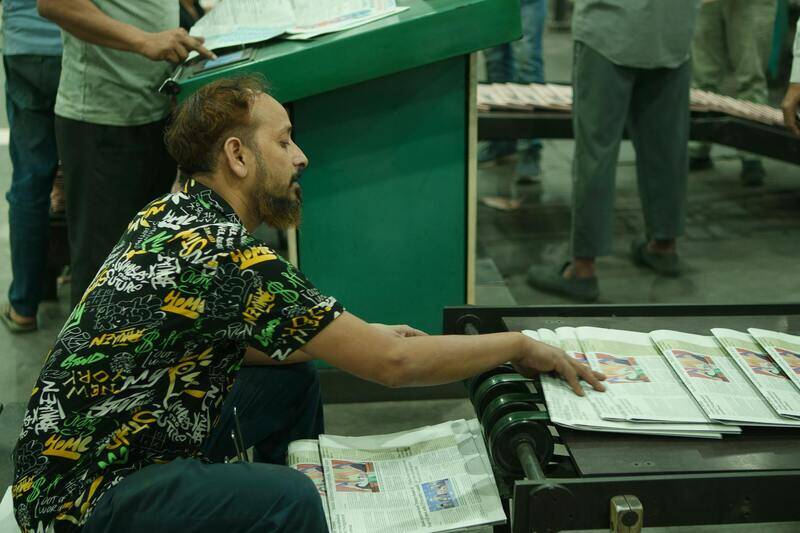
The Role of Professional Consultation in Ensuring Compliance
Engaging with seasoned professionals during the planning phase can help clarify the most suitable official methods for your project. Industry experts can advise on material selection, technique compatibility, and compliance requirements, ensuring that your large-format printings meet all necessary standards for safety, durability, and visual impact. This collaborative approach minimizes risks and enhances the overall quality of the final output.
