Introductory Overview of Colour Posters
Colour posters are dynamic visual communication tools, widely employed in various sectors to captivate attention and convey messages effectively. Their vibrant hues and strategic designs make them powerful in retail marketing, educational settings, public awareness campaigns, and decorative purposes. These posters serve not only to attract passersby but also to reinforce branding and facilitate message retention through visual engagement.
In marketing, colour posters are instrumental in creating impactful visual identities. The creative use of colours can evoke emotions, influence perceptions, and motivate consumer actions. Educational institutions leverage them to make learning materials more appealing and to promote messages around health, safety, and social campaigns. Their role extends to event promotions, where compelling visuals can significantly boost attendance and engagement.
The importance of well-designed colour posters lies in their ability to communicate complex ideas swiftly and attractively. A strategically crafted poster, with appropriate colour schemes, high-quality material, and clear messaging, can turn passive viewers into active participants or informed audiences.
Distinct Types of Colour Posters
- Promotional Posters: Used in advertising products, services, or brands; designed with bold colours and compelling images.
- Informative Posters: Focused on delivering educational or safety information. They tend to use colours that highlight critical points and guide viewers’ attention effectively.
- Event Posters: Created to generate excitement for upcoming events, including music festivals, exhibitions, or community gatherings.
- Decorative Posters: Intended for aesthetic enhancement of spaces, often featuring artistic designs and harmonious colour palettes.
Design Principles for Effective Colour Posters
Designing impactful colour posters involves adherence to core principles that maximize visual communication. These include:
- Colour Contrast: Ensuring high contrast between backgrounds and text to improve readability.
- Color Harmony: Selecting palettes that are visually pleasing, avoiding clashing colours that can distract or confuse viewers.
- Focus and Hierarchy: Utilizing colours to create a visual hierarchy that guides viewers’ eyes from the most important to the least critical information.
- Simplicity: Keeping the design clean and uncluttered, with intentional use of colours to highlight key messages.
Material Selections and Printing Technologies
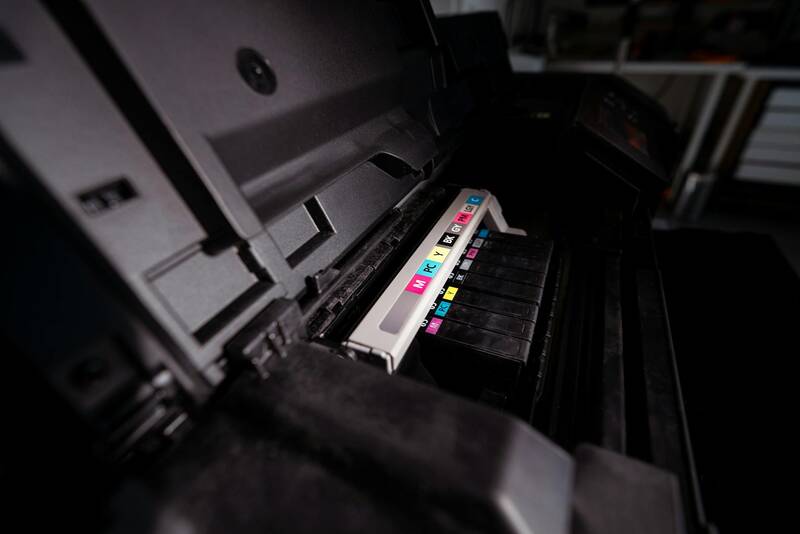
The choice of material and printing techniques significantly influences the durability and appearance of colour posters. Common materials include coated paper, vinyl, and fabric, each offering different qualities of gloss, texture, and resistance to environmental factors. Modern printing methods such as digital and offset printing allow for accurate colour reproduction, sharp details, and efficient production runs.

Advanced printing techniques facilitate the use of spot colours, gradients, and special finishes like gloss or matte coatings, enhancing the visual impact and longevity of the posters.
Significance of Colour Selection in Poster Design
Colour choice is central to the effectiveness of posters. It influences mood, draws attention, and can reinforce branding consistency. For instance, warm colours like reds and oranges evoke excitement and urgency, making them ideal for promotional campaigns. Conversely, cooler colours such as blues and greens foster calmness and trust, suitable for informative or healthcare-related posters.
Understanding colour psychology and cultural connotations play pivotal roles in selecting the right palette for target audiences and intended messages. A well-considered colour scheme ensures the poster resonates emotionally, improving message uptake and memorability.
Understanding the Significance of Colour Posters
Colour posters serve as an effective visual communication tool that leverages the psychological impact of colours to convey messages, evoke emotions, and influence audience behaviour. The deliberate selection and combination of colours can enhance visibility, reinforce branding, and improve message retention. For businesses and organizations aiming to stand out in a crowded marketplace, the strategic use of vibrant and intentional colours in poster design can create a compelling visual identity that resonates with target audiences. Meticulous attention to the colour palette not only boosts aesthetic appeal but also aligns with the intended messaging tone, whether it be energizing, calming, or authoritative.
Legal and Ethical Considerations in Using Colour Posters
When creating colour posters, it is crucial to adhere to established factors that guide the lawful and ethical use of design elements. This includes respecting copyright and trademark laws related to specific colour schemes and brand imagery. Companies must ensure that their colour choices do not infringe upon protected branding elements of competitors. Additionally, ethical considerations involve avoiding deceptive or misleading use of colours—such as overpromising through colour cues or mimicking trademarks—a practice that can erode consumer trust and damage reputations.
It is also important to maintain transparency about the origin of design elements, especially when using proprietary colour palettes or distinctive visual signatures. When in doubt, consulting with legal or intellectual property specialists ensures that all visual components harmonize with legal standards, prevent potential disputes, and uphold the integrity of the campaign.
Utilizing Legitimate Resources for Colour Scheme Inspiration
Designers and marketers should rely on reputable sources for inspiration and guidance when selecting colours for posters. Official color palette repositories, such as Pantone's® colour guides, provide standardized colours that ensure consistency across various production batches and printing technologies. These resources facilitate precise colour matching and consistency, vital for maintaining brand integrity.
Furthermore, industry reports, market research data, and cultural insights can inform colour choices that resonate ethically and effectively with diverse audiences. Employing these authoritative tools helps craft visually compelling posters that adhere to best practices and legal standards without infringing on proprietary visual assets.
Strategies for Legal Use of Colours in Posters
- Adopt Certified Colour Palettes: Utilize officially recognized colour standards like Pantone or HEX codes from trusted sources to ensure the colours used are consistent and compliant.
- Respect Trademarked Visual Elements: Avoid mimicking distinctive colour schemes associated with other brands to prevent confusion or misrepresentation.
- Verify Rights Before Incorporation: Secure appropriate licenses or permissions when integrating copyrighted visual themes or proprietary colour schemes.
- Document Your Creative Process: Maintain records of colour selection decisions and resources used to demonstrate due diligence.
- Engage Legal Expertise: Consult with specialists on intellectual property to review designs and prevent potential infringing practices.
Ensuring Proper Colour Representation Through Official Resources
Manufacturers and designers committed to producing high-quality colour posters often turn to recognized official resources to select and verify colours. These resources include widely accepted colour standards such as the Pantone Matching System (PMS), HEX codes, RGB values, and CMYK colour profiles. By utilizing these standards, creatives can accurately communicate colour choices to printing partners, ensuring that the final product closely matches the intended design.
Tools like Pantone's® colour guides serve as essential references, providing a comprehensive palette that manufacturers can replicate reliably across different materials and printing processes. These guides facilitate consistent colour reproduction, which is crucial when brand identity relies on specific shades. Industry-standard repositories and certifications also help legitimize colour choices, demonstrating adherence to accepted practices and reducing discrepancies caused by differences in monitor calibration or printing equipment.

Moreover, digital tools and software that incorporate these colour standards enable designers to visualize how colours will appear in the final print, allowing for adjustments before production. This process mitigates the risk of colour variations that might otherwise compromise the visual impact of the poster or cause confusion in branding efforts.
Securing Permits and Rights for Proprietary Colours and Themes
When designing colour posters, it is crucial to ensure that the colours and visual elements used do not infringe upon proprietary rights. This involves verifying that any colours or themes sourced from external entities are properly licensed or authorized for commercial application. For instance, certain colour schemes associated with specific brands or copyright-triggered visual themes might have restrictions on their use.
Securing the proper permissions involves reaching out to rights holders and reviewing licensing agreements. This process not only safeguards the integrity of the design but also establishes a lawful foundation for the poster's distribution. It is advisable to maintain comprehensive records of all licenses, permissions, and correspondence related to the colour and visual assets employed in each project.
Documentation and Record-Keeping for Design Compliance
Keeping detailed documentation of colour selection decisions, sources, and licensing agreements forms an essential part of responsible poster creation. This record-keeping demonstrates due diligence and can be useful in resolving disputes or verifying authenticity if questions about the originality or lawful use of certain visual elements arise.
Designers should also retain copies of visual reference materials, licensing agreements, and correspondence with rights holders. These measures contribute to a transparent and compliant design process, underpinning credibility with clients and partners.
Consulting with Experts in Visual and Intellectual Property Rights
To further minimize risks, engaging with specialists in visual branding and intellectual property can provide valuable insights into best practices for colour usage. These experts can review poster designs, ensuring that colour choices and visual themes adhere to legal standards and do not inadvertently infringe upon third-party rights.
By consistently using regulated official resources and pursuing proper permissions, creators of colour posters maintain integrity and uphold standards that are recognized within the industry. This responsible approach enhances the credibility and long-term effectiveness of marketing campaigns, reflecting a commitment to high-quality and compliant visual communications.
Official Resources for Colour Poster Creation
Creating vibrant and compliant colour posters requires reliance on legitimate sources for visual assets and colour palettes. The selection process should incorporate official repositories such as government color standards, licensed image libraries, and approved design templates. Utilizing these resources reduces the risk of unauthorized use and ensures that the colours and visuals are within permissible limits. For instance, accredited design systems provide standardized colour codes aligned with industry benchmarks, which facilitates consistency across various poster campaigns and enhances brand integrity.

Enforcing Proper Permissions and Licenses
Ensuring all visual elements incorporated into colour posters are accompanied by verifiable permissions is crucial. This entails sourcing images, logos, and visual motifs from authorized suppliers, directly licensed files, or through platforms that offer royalty-free assets with explicit usage rights. Keeping detailed records of licensing agreements, including license numbers, expiration dates, and authorized usages, integrates transparency into the design workflow. This diligence safeguards against inadvertent infringements and maintains the poster’s credibility.
Engaging with industry experts or licensed consultants can provide additional validation of the visual content. These professionals perform comprehensive audits, verifying that colour schemes and compositions adhere to prescribed use, especially in regulated sectors such as healthcare, finance, or public service advertising. Their input reinforces the adherence to established standards and supports the creation of posters that meet all required guidelines.
Maintaining a Record-Keeping System
Implementing a structured documentation process is fundamental. This includes cataloging all visual assets, sourcing details, licensing papers, and correspondence related to permissions. Digital asset management tools can streamline this process, allowing for quick retrieval and verification. Such practices not only promote ethical standards but also prepare for any potential audit or compliance review, demonstrating responsible management of visual resources.
Collaborating with Visual Rights Experts
Consulting specialists in visual branding and intellectual property rights complements internal controls. These experts can identify potential conflicts before finalizing poster designs, recommend suitable colour combinations, and validate the usage rights of visual elements. Their expertise helps surpass basic compliance, aligning the posters with industry best practices and ensuring long-term sustainability for advertising campaigns.
By rigorously applying official resources and adhering to proper permission protocols, creators of colour posters uphold high standards of professionalism. This disciplined approach reinforces trust with clients and audiences, fostering a reputation for integrity and quality in visual communication.
Understanding the Importance of Proper Permission Protocols for Colour Posters
Creating impactful and visually striking colour posters relies heavily on sourcing the right visual elements, which may include photographs, illustrations, or graphic designs. Ensuring these elements are used appropriately requires a thorough understanding of permission protocols, a critical aspect of maintaining authenticity and professionalism in poster production. When utilizing visual assets, obtaining official permissions is essential to avoid potential misunderstandings or conflicts that could arise from unlicensed usage.

Official methods for obtaining permissions typically involve contractually licensing visual content from copyright holders or creators. This process often includes reviewing licensing agreements that specify permissible uses, such as print runs, distribution channels, and duration of usage. Engaging directly with rights holders or accredited agencies ensures that these permissions are clear, comprehensive, and documented, providing legal clarity and peace of mind for poster creators.
Utilizing Licensed Visual Resources
- Stock Image Libraries: Many reputable stock image platforms offer extensive collections of visuals with clear licensing agreements. Accessing these resources allows for a wide variety of high-quality images suitable for colour posters, often accompanied by straightforward licensing terms that delineate usage rights.
- Commissioned Artwork: Collaborating with professional artists or graphic designers and securing proper licensing rights through contracts ensures originality and ownership rights are explicitly transferred or granted for your specific use.
- Official Photography: Using photos taken by licensed photographers or official event photos further minimizes risks related to unauthorized usage, provided that permissions are properly secured beforehand.
Documentation and Record-Keeping
Maintaining meticulous records of permissions, licensing agreements, and correspondence is a fundamental practice. This includes digital copies of licenses, emails, and contractual documents. Proper documentation not only ensures ongoing compliance but also facilitates quick verification should any questions regarding visual rights arise in the future.
Working with Visual Rights Experts
For transparency and to uphold standards, consulting visual rights specialists can be highly beneficial. These experts can validate existing permissions, review licensing terms, and advise on compliant visual element usage, thus safeguarding the integrity of the poster and reinforcing brand reputation.
Impacts on Quality and Trust
Employing legitimate methods of obtaining permissions enhances the overall quality of your colour posters. It demonstrates an ethical commitment to respecting creators' rights, which in turn fosters trust with clients, partners, and audiences alike. Such diligent practices position your campaigns as reliable and professional, reinforcing your credibility in the marketplace.

Strategies for Ensuring Authentic and Effective Colour Posters
Crafting impactful colour posters requires more than just selecting vibrant hues and eye-catching designs. To truly resonate with audiences and uphold professional standards, it is essential to employ documented and vetted methods for sourcing images and visual elements used in your posters. This approach not only maintains high quality but also aligns with best practices for visual content management.
Securing Proper Image Rights
When designing colour posters, sourcing images from licensed providers or creators is fundamental. Many stock image platforms offer extensive libraries of photographs, illustrations, and graphics that are explicitly licensed for commercial use. Obtaining these images through official channels ensures that your poster incorporates visual assets that are cleared for usage, thereby avoiding potential disputes or the need for replacements.

Additionally, engaging with photographers or artists directly via official agreements provides tailored visuals that enhance the originality of your posters. These arrangements typically involve managing copyright permissions explicitly, which helps in maintaining consistency and professionalism.
Maintaining Documentation and Licensing Records
Keeping meticulous records associated with each visual element used in your posters is vital. Digital copies of licensing agreements, receipts, licensing codes, and correspondence should be systematically stored. Such documentation facilitates quick verification of permitted usage and supports transparency in case of any future queries about visual rights.
- Save copies of licenses and agreements securely in digital or physical formats.
- Note the terms of usage, including restrictions or required attributions.
- Create a catalog of visual assets with associated permissions and sources.
Consulting Visual Rights Specialists
Engaging experts in visual rights management can further safeguard your poster projects. These professionals review licensing documents, validate permission levels, and advise on compliant imagery use. Their insights ensure that your posters not only meet aesthetic standards but also adhere to all necessary permissions, which ultimately sustains your brand integrity and avoids costly revisions.
Impacts on Quality and Audience Trust
Using legally obtained images and maintaining proper records directly influence the credibility of your colour posters. Ethical practices demonstrate respect for creators’ rights, fostering trust with clients, partners, and consumers. The assurance of authenticity enhances the perceived value of your campaigns, positioning your enterprise as responsible and professional within the marketplace.
Furthermore, high-standard visual elements contribute to the overall quality of your posters, making them more memorable and effective. This diligence not only elevates the aesthetic appeal but also instills confidence in your audience regarding the messages conveyed through your vibrant colour designs.
Official Methods for Procuring Colour Posters
Obtaining colour posters through authorized channels involves selecting reputable printing services and adhering to established procedures. The process begins with choosing a trusted provider that specializes in large-format colour printing, ensuring they utilize high-quality printing equipment and materials compatible with your design requirements. An essential step is providing the artwork files in appropriate formats and resolutions, typically vector-based or high-resolution raster images, to guarantee vibrant colours and crisp details.
Many officially authorized printing companies offer templates and guidance on preparing artwork files, which contributes to achieving accurate colour reproduction. When finalizing your order, inspect the proof copies or digital previews provided by the printer. This step allows you to verify that the colours align with your expectations before proceeding with the full print run.
Payment is made through secure channels, and contracts or service agreements are established that define the scope, quantity, and delivery timelines. It is also advisable to review the terms and conditions related to licensing, usage rights, and the permitted scope of the final product, thereby ensuring compliance and clarity from the outset.
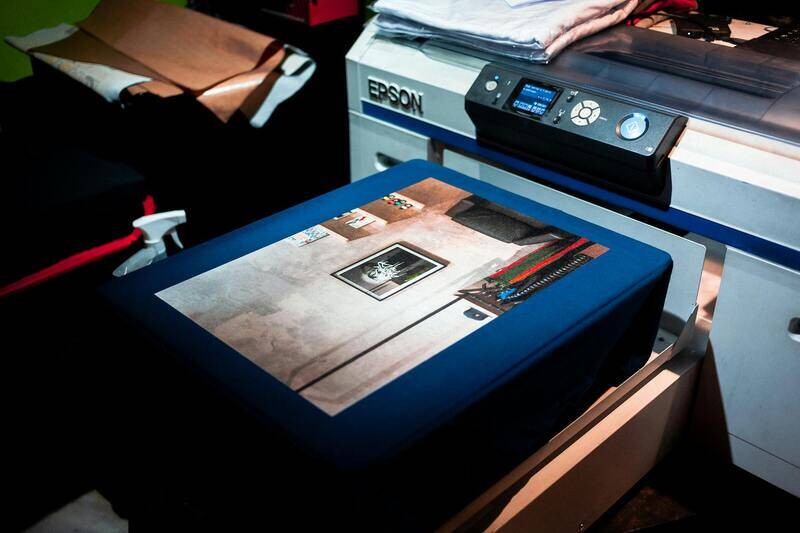
Once the order is confirmed, legitimate printing services proceed with manufacturing using industry-standard techniques, such as digital UV, inkjet, or solvent printing, which are recognized for their colour fidelity and durability. The completed posters are carefully inspected prior to delivery or pickup, ensuring they meet quality standards. This systematic process guarantees that the colour posters are produced legitimately, reliably, and to the high standards expected by businesses and organizations seeking credible advertising materials.
Authentic Methods for Procuring Colour Posters
Securing colour posters through official channels guarantees a high standard of quality and ensures the final product meets the desired specifications. Reputable printing companies and authorized providers utilize approved processes and certified materials to produce vibrant, durable posters. These services often have established partnerships with trusted suppliers, guaranteeing consistency in colour reproduction and print integrity.

When selecting a service provider, verify their accreditation and track record for quality assurance. Investigate whether they employ industry-standard printing techniques such as digital UV, inkjet, or solvent printing, known for their exceptional colour fidelity and resilience. These established methods help in achieving a true representation of the colours designed during the creative phase.
Furthermore, official printers often offer comprehensive support services including sample proofs and colour matching consultations. These steps provide a critical opportunity to review colour accuracy and overall quality before proceeding with a full print run. This diligent process minimizes discrepancies and ensures the final posters align with the original vision and branding standards.
Ensuring Compliance and Quality through Certified Printing Solutions
- Use of industry-standard printing machines and inks that meet recognised quality benchmarks.
- Access to high-quality printing materials with consistent colour output.
- Expertise in colour management workflows, including colour profiling and calibration.
- Provision of proofing services for colour verification prior to production.
- Adherence to environmental and safety standards for printing materials and processes.
Advantages of Official Procurement
- Reliability: Consistent colour reproduction, ensuring your branding and messaging remain impactful.
- Durability: Resistance to fading, weather conditions, and handling, preserving poster visibility over time.
- Legal and contractual clarity: Transparent agreements that specify usage rights, delivery timelines, and quality expectations.
- Customer support: Access to expert guidance in material selection, design adjustments, and post-print services.
Adopting a formal procurement approach through certified providers safeguards your investment in marketing materials, reinforcing the credibility of your branding efforts. It substantially reduces the risk of subpar outputs and guarantees that the colour posters will fulfill your campaign’s visual and functional requirements.