
Understanding Custom Posters
Custom posters serve as versatile visual tools that cater to a wide range of personal and professional needs. Whether utilized for advertising campaigns, decorative purposes, or branding efforts, these posters are crafted to meet specific requirements regarding design, size, and material. Unlike generic posters, custom variants offer tailored visual appeal that effectively communicates a message or complements a space, making them a valuable resource for individuals, businesses, and organizations.
Designing a custom poster begins with a clear understanding of its intended purpose. For promotional uses, such as marketing events or product launches, vibrant graphics and bold messaging are essential to attract attention. Personal decoration posters, on the other hand, often prioritize aesthetics and thematic elements that resonate with the owner’s tastes. Additionally, branding posters demand consistency with corporate identity, including logo placement, color schemes, and font styles. The ability to select appropriate sizes further enhances their effectiveness, whether for compact indoor displays or large-scale outdoor advertising.
Design Considerations for Custom Posters
Effective custom posters hinge on thoughtful design elements that align with their purpose. Key considerations include:
- Visual Hierarchy: Establishing a clear flow that guides the viewer’s attention from the most important message to supporting details.
- Color Palette: Choosing colors that evoke the desired mood and align with branding guidelines.
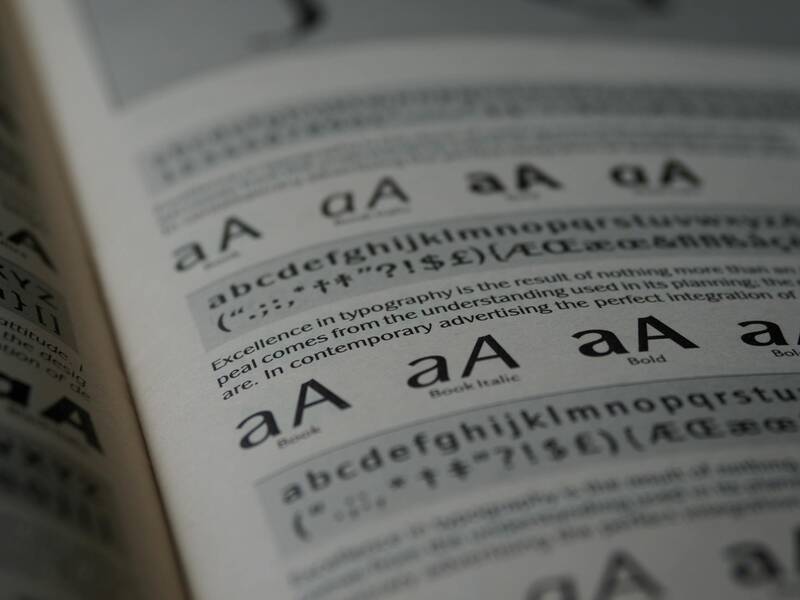
- Typography: Selecting legible fonts and appropriate sizes to ensure readability from various distances.
- Imagery: Incorporating high-resolution images, illustrations, or graphics that enhance the overall message.
- Space and Layout: Ensuring balanced use of space to prevent clutter and maintain visual clarity.
Collaboration with a professional designer can greatly improve the impact of your custom poster, ensuring that every element contributes effectively to the final goal.
Material Options for Custom Posters
The choice of materials significantly influences the durability, appearance, and application of custom posters. Common options include:
- Standard Paper: Suitable for indoor displays, offering affordability and ease of printing.
- Vinyl: Weather-resistant, ideal for outdoor use or long-term displays.
- Foamex: Rigid and lightweight, suitable for mounting on various surfaces or freestanding displays.
- Canvas: Provides a textured, artistic finish for decorative purposes.
Each material offers unique advantages, and selecting the right option depends on the environment where the poster will be displayed, as well as budget considerations.
Sizes and Finishes Available for Custom Posters
Businesses and individuals can choose from a wide array of sizes to optimize visibility and impact. Standard sizes range from small formats suitable for tabletop displays to large banners designed to make a statement in outdoor settings. Common dimensions include A3, A2, A1, and larger bespoke dimensions tailored to specific spatial requirements.
Finishing options further enhance the appearance and longevity of posters. Glossy finishes add vibrancy and are eye-catching, whereas matte finishes reduce glare and offer a sophisticated look. Additionally, lamination can provide extra protection against scratches and environmental factors, extending the lifespan of the poster.
Printing Techniques and Quality Standards
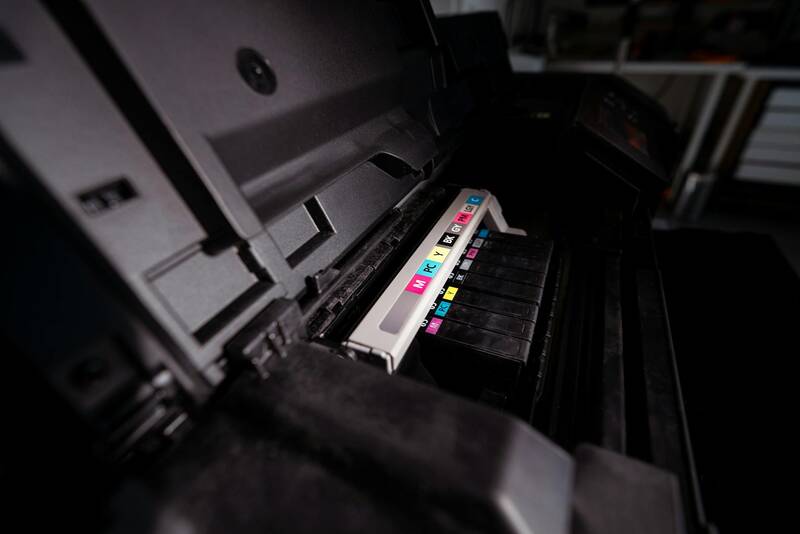
High-quality printing is fundamental in bringing custom poster designs to life. Techniques such as digital printing and large-format inkjet printing are prevalent, capable of producing sharp, color-rich images. Ensuring the use of archival-grade inks and materials guarantees color fidelity and resistance to fading over time. Color calibration and proofing processes help confirm the accurate reproduction of complex designs, ensuring satisfaction before the final print is produced.
Trustworthy printing providers adhere to strict quality standards, maintaining consistency across batches and delivering products that meet industry benchmarks for performance and appearance.
Material Options for Custom Posters
Choosing the right material is crucial to ensure that your custom poster not only captures attention but also withstands the environmental conditions in which it is displayed. Standard materials such as glossy and matte papers are popular for indoor use, providing vibrant color reproduction and a refined appearance. For outdoor applications, more durable options like weather-resistant vinyl or waterproof substrates are preferable to resist moisture, UV damage, and general wear and tear.
High-quality poster printing often utilizes rigid boards such as foam core, acrylic, or aluminum composite panels. These materials add structural stability, making posters suitable for both wall mounting and standalone displays. Foam core, for instance, offers lightweight convenience and ease of handling, ideal for short-term events or promotions. Conversely, aluminum panels provide longevity and a sleek, professional finish, especially suited for long-term installations.
Sizes and Finishes Available for Custom Posters
Flexibility in size and finish options enables tailoring your posters to specific requirements, whether for indoor decor, event promotion, or outdoor advertising. Common sizes include A3, A2, A1, and large-scale formats suited for banners. Custom dimensions are also available to match unique spatial constraints.
Finishing options play a vital role in enhancing the visual appeal and durability of your posters. Glossy finishes amplify colors, making visuals pop, while matte finishes reduce glare, ideal for detailed text-heavy designs. Laminates further protect the printed surface from scratches, moisture, and UV exposure, extending the lifespan of your posters.
Printing Techniques and Quality Standards
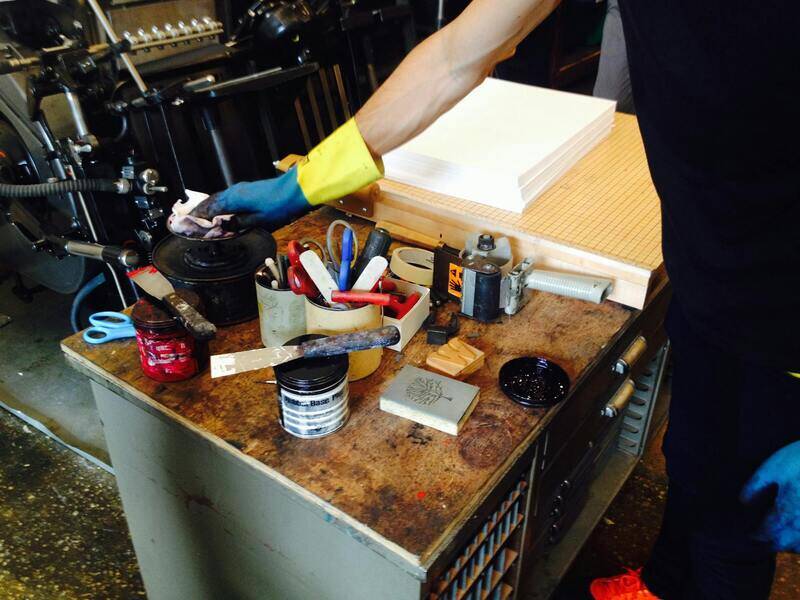
High-caliber digital and large-format inkjet printing are standard methods for producing vivid, sharp posters. These techniques support the use of archival inks that prevent fading and maintain image quality over time. Color calibration and proofing are critical steps that ensure the final product accurately reflects your design expectations, especially for complex, color-rich graphics.
Adhering to strict quality standards ensures consistency across production batches. This includes maintaining precise color profiles, alignment, and sharpness throughout the printing process. Reliable providers use state-of-the-art equipment and certified materials to meet these stringent quality benchmarks.
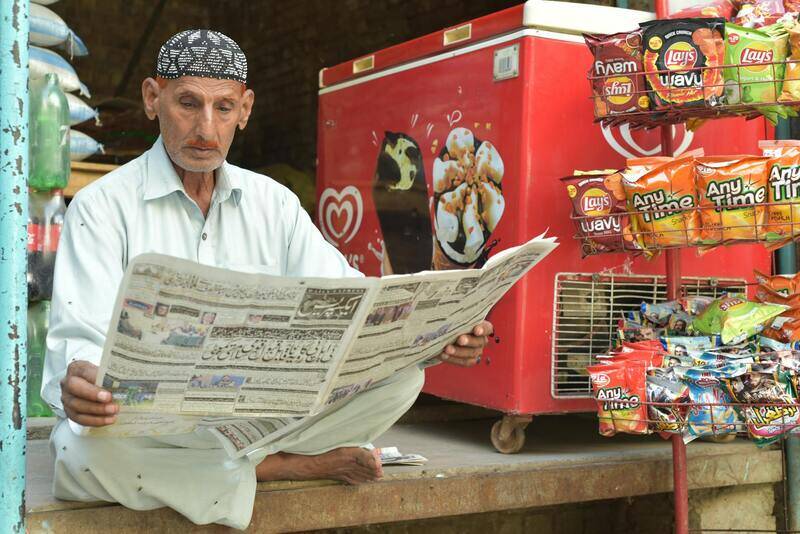
Material Options for Custom Posters
Choosing the appropriate material for your custom print poster is essential to achieve the desired aesthetic and durability. Standard paper options, such as glossy, matte, or satin finishes, cater to indoor displays and presentations. Glossy paper enhances color vibrancy and sharpness, making visuals more striking and eye-catching. Matte finishes reduce glare and reflections, ideal for detailed text or professional environments where readability is paramount.
For outdoor use or environments prone to exposure, more robust substrates like vinyl offer increased resilience. Vinyl posters are waterproof, tear-resistant, and capable of withstanding various weather conditions, making them suitable for outdoor advertising campaigns or event signage. Foam boards provide lightweight yet rigid options that are perfect for short-term displays or indoor exhibitions, offering a clean, professional look with easy mounting options. Acrylic or plexiglass substrates can be employed for high-end, glossy displays, adding a sleek, modern aesthetic with added durability.

Understanding the specific application of your poster guides the optimal material choice. Indoor posters benefit from refined paper types and lightweight substrates, while outdoor posters demand weather-resistant materials such as vinyl or coated acrylic to maintain visual integrity over time. Each option can be tailored to match the environment, ensuring your message remains clear and impactful regardless of location.
Available Sizes and Finishes for Custom Posters
Custom posters come in a wide array of sizes to suit diverse needs, from small promotional pieces to large-scale banners. Standard dimensions include A3, A2, A1, and A0 sizes, with larger options like 24" x 36" or 60" x 40" for high visibility or impactful displays. For unique space requirements, custom dimensions can be specified, allowing complete flexibility in design and placement.
Finishing options further enhance the final presentation. Glossy finishes amplify colors and image sharpness, ideal for vibrant visuals and high-impact advertising. Matte finishes provide a subdued, elegant appearance with reduced glare, suited for artwork with detailed text or subdued color schemes. Laminates offer extra protection against scratches, moisture, and UV damage, extending the lifespan of outdoor posters and maintaining their visual appeal over time.

Careful selection of size and finish ensures that your custom poster aligns with your branding, location, and intended audience. When coordinated effectively, these choices amplify your message’s clarity and make a lasting impression, whether in retail settings, corporate displays, or outdoor advertising campaigns.
Understanding Custom Posters
Custom posters serve as highly versatile visual communication tools, tailored specifically to meet individual branding, promotional, or decorative needs. These posters are created through a process that emphasizes precise specifications in terms of size, design, material, and finish, ensuring that each print aligns seamlessly with the intended environment and purpose. Whether for indoor displays, outdoor advertising, or artistic presentations, custom posters can be adapted to fit diverse spatial requirements and aesthetic preferences.
When designing a custom poster, consideration of the target audience, placement location, and message clarity is critical. A well-crafted poster combines compelling imagery with concise, impactful text to attract attention and convey information effectively. The customization process allows for control over every aspect, from color schemes that match branding guidelines to unique design elements that stand out in crowded environments.

Design Considerations for Custom Posters
Developing an effective custom poster involves several key design considerations that contribute to its visual impact and clarity. Selecting the appropriate color palette is essential; vibrant colors can attract attention rapidly, while subdued tones might serve more refined or subtle messaging. The choice of typography also plays a significant role, with bold and legible fonts ensuring readability from a distance, especially in outdoor settings.
Imagery chosen for the poster should be high-resolution and relevant to the message. Sharp visuals not only enhance aesthetic appeal but also reinforce the communication goal. Additionally, the overall layout must be balanced, with strategic placement of text, images, and whitespace to avoid clutter and direct the viewer's eye toward the key message.
Incorporating branding elements such as logos, color schemes, and taglines helps reinforce brand recognition throughout the promotional campaign. For posters intended for specific environments, such as retail spaces or at events, customization should also consider the surrounding visual landscape to ensure harmony and maximum visibility.
Material Options for Custom Posters
Choosing the right material is fundamental to the durability and visual quality of your custom poster. Common options include:
- Standard Paper: Cost-effective and suitable for indoor use or short-term outdoor applications, but less resistant to environmental factors.
- Vinyl: Offers excellent durability and weather resistance, making it ideal for outdoor advertising or posters exposed to the elements.
- Foamex and PVC Boards: Rigid and resilient, these materials are perfect for mounting in high-traffic areas or for displays that require a sturdy structure.
- Mesh Banners: Designed with small perforations for high- airflow environments, ideal for large-scale outdoor banners that need to withstand wind conditions.
The selection of material impacts not only the lifespan of the poster but also how well the colors and details are displayed. For instance, glossy finishes can enhance vibrant visuals, while matte finishes provide a subdued, glare-free appearance suitable for detailed text or artwork.
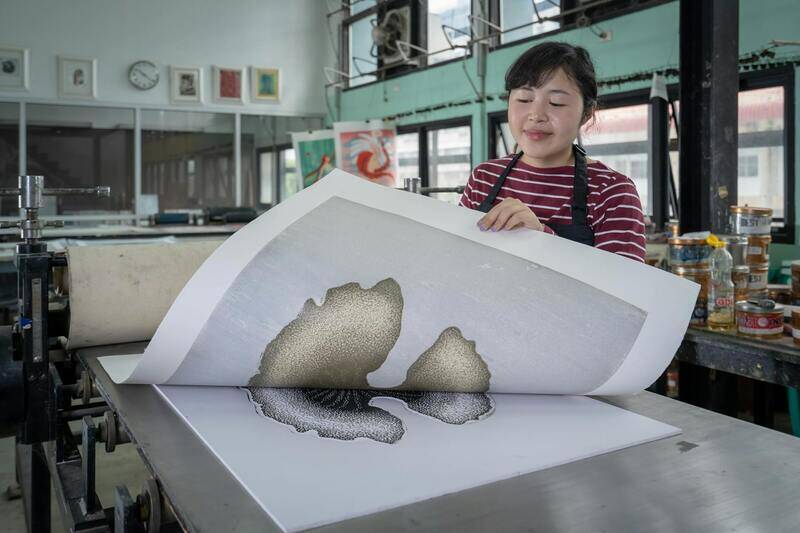
Official Printing Methods for Custom Posters
When opting to print a custom poster, selecting the appropriate printing technique is essential to ensure high-quality results, durability, and vibrant color reproduction. Reliable, official methods include inkjet printing, large format printing, and UV printing. Each method offers specific benefits tailored to different needs and environments.
- Inkjet Printing: Widely used for both indoor and limited outdoor applications, inkjet printers deliver sharp detail and accurate color blending. They are ideal for short-run projects and can accommodate various media types, including standard paper and canvas.
- Large Format Printing: Designed to produce posters in significantly larger sizes without compromising resolution, this method offers exceptional detail and vivid color output. It is particularly suitable for posters intended for large displays or banners in high-traffic areas.
- UV Printing: Utilizing ultraviolet light to cure ink instantly on rigid surfaces such as foam boards or PVC, UV printing provides increased durability, weather resistance, and vibrant visuals. This technique is perfect for outdoor signage or long-term displays.
Key Quality Markers and Standards
High-quality custom posters adhere to specific markers that guarantee excellent visual appeal and longevity. When selecting a printing service, consider the following standards:
- Resolution: The minimum resolution for crisp, detailed images is typically 300 DPI (dots per inch). Higher resolutions ensure intricate details are preserved in large-format prints.
- Color Accuracy: Advanced color management systems and proofing processes help replicate your design accurately, maintaining brand consistency and visual impact.
- Color Longevity and Resistance: Using fade-resistant inks and protective coatings can extend the life of your poster, especially if exposed to sunlight or the elements.
- Material Compatibility: Matching printing techniques with appropriate media ensures the best results and durability, such as UV printing on rigid surfaces or inkjet printing on flexible materials.
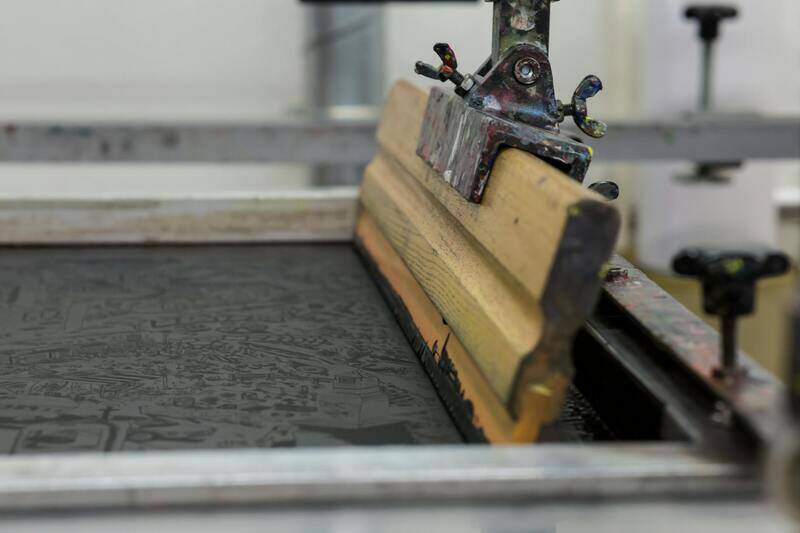
Choosing an official printing provider equipped with cutting-edge technology guarantees that your custom poster will meet professional standards, reflecting your intended message with clarity and visual appeal. Ensuring that the provider adheres to industry standards for resolution, color fidelity, and material handling is key to a successful print outcome.
Understanding Custom Posters
When considering print custom posters, it is essential to choose methods that guarantee clarity, durability, and vibrant visuals. Custom posters serve various functions, from promotional displays to personal artwork, and selecting the appropriate printing process is crucial to achieving the desired impact. The process begins with ensuring your digital design meets the technical standards required for high-quality output, such as a resolution of at least 300 DPI and accurate color profiles.
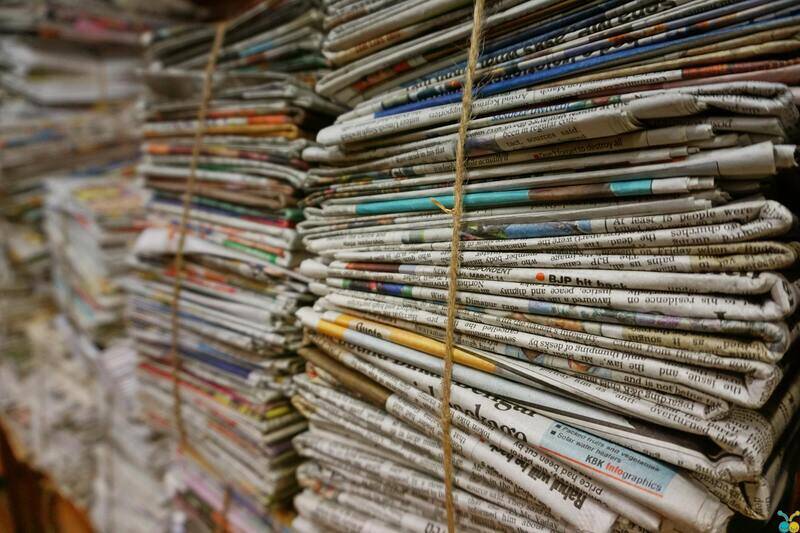
Official and Industry-Standard Methods for Printing Custom Posters
- Inkjet Printing: Widely used for its ability to produce high-resolution images with smooth gradations. Inkjet printers at a professional level utilize fade-resistant inks and can print on various media types, ensuring vibrant and durable posters suitable for indoor use.
- UV Printing: Ideal for rigid substrates, this technique uses ultraviolet light to instantly cure inks, providing excellent adhesion and weather resistance. UV printing is suitable for outdoor signage and long-term displays where longevity is a priority.
- Solvent and Eco-Solvent Printing: These methods employ solvent-based inks for excellent weather resistance, making them suitable for outdoor posters. They also deliver vibrant colors and durable surfaces resistant to moisture and fading.
- Laser Printing: Used primarily for smaller posters or applications requiring fast turnaround, laser printing offers precision for text-based designs but may have limitations when reproducing complex imagery at large sizes.
Maintaining Quality Standards During Production
Choosing a printing provider that adheres to established industry standards is vital for ensuring your custom poster meets expectations. Top providers utilize high-resolution equipment that supports resolutions of 300 DPI or higher, ensuring crisp details regardless of poster size. Color management systems are employed to faithfully reproduce your design’s hues, maintaining brand consistency and visual impact.
Durability features such as fade-resistant inks, protective coatings, and weatherproof materials extend the lifespan of your posters, especially for outdoor deployment. Combining these features with precise material compatibility — like UV-resistant coatings on rigid substrates or high-quality inkjet media — ensures your custom poster remains vivid and intact over time.
Authentic Materials and Printing Technology for Custom Posters

Depending on your specific needs, options range from glossy, matte, or satin finishes on paper or vinyl media to more rigid options such as PVC, foam board, or aluminum. Each material reacts differently to printing technologies, with UV printing excelling on non-porous surfaces and inkjet printing providing versatility on flexible media.
Choosing the right material ensures your poster not only looks impressive but also withstands environmental challenges, whether displayed indoors or outdoors. Reputable printing services utilize professional-grade substrates matched with compatible printing technologies for optimal results and longevity.
Understanding Custom Posters
Creating a custom poster involves more than just choosing an image and clicking print. It encompasses a variety of factors that influence the final outcome, including design, material composition, sizing, and technology used during printing. Custom posters serve versatile purposes, from promotional displays and event announcements to decorative artworks, making it essential to understand the core elements that contribute to their quality and effectiveness.
Design plays a pivotal role in ensuring your poster communicates your message effectively. A well-crafted layout, high-resolution imagery, and strategic use of colors and typography enhance visibility and engagement. When designing your poster, consider the target audience, the environment where it will be displayed, and the desired emotional response to optimize its impact.
Beyond aesthetics, the choice of materials and printing techniques directly affects durability and visual appeal. Selecting the appropriate substrate—such as glossy paper, matte vinyl, or rigid PVC—can influence the poster's texture, resilience, and suitability for indoor or outdoor display. The complexity and sophistication of printing methods, including UV printing, inkjet, or digital presses, ensure vivid color reproduction and sharp details that resonate with viewers.
Key Considerations for Material Selection
- Paper and Vinyl: Ranging from glossy, satin, to matte finishes; suitable for indoor use, with vinyl offering weather resistance for outdoor displays.
- Rigid Materials: Options such as foam board, aluminum, or PVC provide sturdy options for long-term installations or outdoor environments.
- Weatherproof Features: Coatings that resist UV rays, water, and environmental wear extend the lifespan of your poster outside.
Impact of Printing Techniques on Poster Quality
Different printing methods contribute distinct qualities to your custom poster:
- UV Printing: Ideal for rigid surfaces like metal or acrylic, delivering vibrant, durable images resistant to fading and scratches.
- Inkjet Printing: Versatile, suitable for flexible media with high-resolution output, making it a popular choice for detailed artwork or photographic posters.
- Digital Printing: Efficient for short runs and rapid turnaround, facilitating customization with minimal setup costs.
Quality standards across reputable printing providers include color accuracy, resolution (supporting 300 DPI or higher), and protective coatings that shield against environmental damage. These parameters ensure your custom poster maintains its visual integrity over time, whether displayed indoors or outdoors.
The selection of appropriate materials and printing techniques is critical for achieving the desired visual impact and longevity. Professionals in poster printing leverage industry-grade equipment and premium media to guarantee consistency and excellence in every print. From laminated finishes to weather-resistant surfaces, these options bolster your poster’s durability and appearance, providing a lasting impression.
Understanding Custom Posters
Creating a print custom poster involves a meticulous process that ensures your visual message is compelling, durable, and perfectly tailored to your specifications. The foundation lies in understanding your intended display environment, audience, and the message you want to convey. Whether for promotional events, artistic displays, or personal milestones, custom posters serve a versatile purpose, compelling viewers and making a memorable impact. The process begins with detailed planning and conceptualization, leading to the selection of appropriate design elements, materials, and finishing options that align with your goals.
Design Considerations for Custom Posters
Design plays a central role in the success of a custom poster. Factors such as layout, color schemes, typography, and imagery must harmonize to attract attention and communicate your message effectively. High-resolution artwork should be used to maintain clarity when printed at large sizes. The artwork should also be compatible with the chosen materials and printing techniques, ensuring vibrant colors and sharp details. Consideration should be given to the viewing distance; larger fonts and bold visuals are more effective for outdoor posters, while finer details can be appreciated up close in indoor environments.
The use of contrast, whitespace, and focal points guides the viewer’s eye and emphasizes key information. For promotional posters, incorporating branding elements and calls-to-action can foster engagement. Additionally, a pre-approval proof allows you to review layout, colors, and content before the final print, minimizing errors and ensuring the finished product aligns with your expectations.
Material Options for Custom Posters
Various substrates are available to match the specific demands of your display environment. Standard poster papers are suitable for indoor use, offering a cost-effective and versatile option. For outdoor applications or environments with high moisture exposure, weather-resistant materials such as vinyl or laminated substrates are essential. These materials provide durability against environmental factors such as UV exposure, water, and dirt, extending the lifespan of your poster.
Specialized options include rigid materials like foam board, PVC, or aluminum, ideal for mounting on walls or freestanding displays. These materials lend a professional aesthetic and increased protection for artwork or advertising content. The choice of material influences not only the visual presentation but also the overall longevity and handling of the finished poster.
Sizes and Finishes Available for Custom Posters
Custom posters are available in a wide range of sizes to suit various display needs, from small promotional pieces to large-scale banners. Standard sizes such as A3, A2, A1, and A0 provide convenient options, but bespoke dimensions can be tailored upon request for specific projects.
Finishing options enhance both appearance and durability. Matte finishes reduce glare and are suitable for readability in bright environments. Glossy finishes amplify colors and images, making visuals more vibrant. Laminated coatings protect against scratches, moisture, and UV rays, especially important for outdoor posters. Dry mounting or framing options can further support installation and presentation, offering a polished, professional look suitable for gallery exhibits, corporate events, or retail displays.
Printing Techniques and Quality Standards
The choice of printing method directly impacts the quality and durability of your custom poster. High-quality digital or inkjet printing is standard for vibrant color reproduction and fine detail, especially on flexible media. UV printing provides superior scratch resistance and weatherproofing on rigid surfaces, perfect for outdoor signage. Screen printing offers thick ink layers for bold colors and textures, though it is less common for detailed artwork.
Impeccable color accuracy, high resolution (typically 300 DPI or higher), and protective coatings are key parameters maintained by reputable printers. These standards ensure that your poster remains visually appealing over time, whether displayed indoors or outdoors. Proper color calibration and professional proofing processes are crucial to achieving consistent and accurate results.
Order Process and Customization
Ordering your custom poster begins with selecting the desired size, material, and finish. Most service providers offer user-friendly online interfaces where you can upload your artwork, choose specifications, and preview your design. Advanced options include customizable templates, color adjustments, and resizing tools. Once the order is placed, a proof is typically generated for your review, allowing adjustments before final printing.
Some providers also include options for bulk orders, rush processing, and eco-friendly materials, providing flexibility for different project scales and timelines. Effective communication with the printer ensures clarity in specifications, minimizing errors and ensuring a seamless production process.
Additional Services and Mounting Options
Beyond printing, many providers offer supplementary services to enhance your finished poster. These include lamination for additional protection, mounting and framing options, and custom grommets or eyelets for easy installation. Mounting solutions, such as foam board backing, adhesive strips, or magnetic framing, facilitate hassle-free setup in various environments. For outdoor and high-traffic areas, weatherproof mounting accessories help maintain the poster’s integrity and appearance over time.
The choice of mounting and finishing can influence the overall presentation, making your printed custom poster suitable for every setting, from gallery walls to outdoor billboards. Reliable service providers often assist in selecting the best options based on your display environment, budget, and aesthetic preferences.
